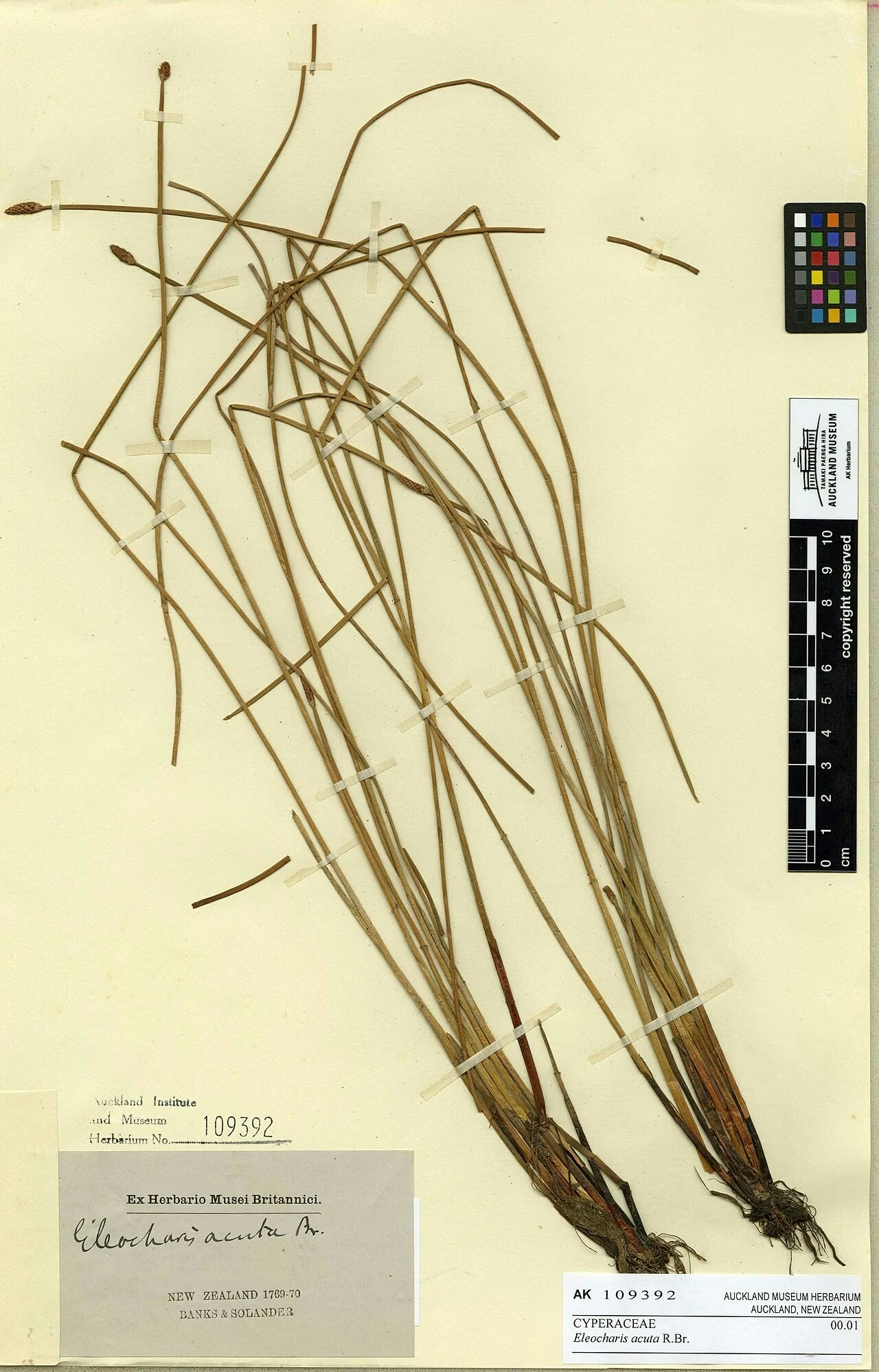
Sharp Spike Sedge
Eleocharis acuta
Last updated:
Sharp spike sedge (Eleocharis acuta) is a native wetland sedge found throughout New Zealand, from the Kermadec Islands to Stewart Island/Rakiura and the Chatham Islands, and also in Australia and Norfolk Island. It forms yellow-green to green tufts of erect, leafless stems from 15 to 900 mm tall, linked by creeping rhizomes, each stem ending in a single pointed brown spikelet. It is common in swamps, on stream, pond and lake margins and in wet seepages, even in pasture. Easy to grow from seed or division, it is a useful plant for wetland restoration and garden ponds. Explore more native grasses and flaxes in our native plant guide.
Plant Description
Eleocharis acuta is a perennial sedge forming yellow-green to green tufts, spaced along creeping, somewhat woody rhizomes. Like other spike sedges it has no true leaf blades; photosynthesis happens in the erect, striated culms, which range from 15 to 900 mm tall. The lower sheaths are dark red to maroon, and the uppermost sheath is usually truncate with a distinct mucro.
Each culm ends in a single cylindrical, acute spikelet 5 to 25 mm long and 2 to 5 mm wide, with sterile glumes at the base and fertile glumes above. Flowering is from September to January and fruiting from October to May. The nut is small, about 1.5 by 1 mm, biconvex or plano-convex, pale brown, and crowned with a persistent style base. Two varieties, var. platylepis and var. tenuis, have been recognised in the past.
It is much larger than the small native spike sedges Eleocharis pusilla and E. gracilis, and its truncate, mucronate upper sheath also separates it. The taller E. sphacelata, of deeper water, has much thicker, hollow, septate stems.
Quick Facts
| Scientific Name | Eleocharis acuta |
|---|---|
| Height | 0.15-0.9 m |
| Spread | Spreads steadily by creeping rhizomes |
| Water Needs | High; damp soil to shallow standing water |
| Light | Full sun to partial shade; full sun needed to flower |
| Frost Tolerance | High; coastal to montane |
| Salt Tolerance | Low to moderate; a freshwater wetland plant |
| Growth Rate | Moderate to fast |
| Lifespan | Perennial |
Climate Best Suited to
Adaptable across New Zealand's climates from subtropical Kermadec Islands to cold montane wetlands, provided its roots stay wet.
Regional Suitability
| City | Climate Suitability |
|---|---|
| Auckland | High |
| Wellington | High |
| Christchurch | High |
| Dunedin | High |
Plant Habitat
Sharp spike sedge is indigenous to New Zealand and occurs on the Kermadec Islands, North Island, South Island, Stewart Island/Rakiura and the Chatham Islands. It is also native to Australia and Norfolk Island.
It grows from the coast to montane elevations and is common in open to partially shaded, permanently damp ground: swamps, the margins of streams, rivers, ponds and lakes, and seepages, including those within farm pasture. It is rated an obligate wetland plant.
Growing Requirements
Soil Requirements
It tolerates a wide range of wet soils, from silts and clays to peat and sand, provided they stay moist or waterlogged.
- Permanently damp or saturated soil
- Tolerates heavy, poorly drained ground
- Nutrient-rich pond margins are fine
Light Requirements
It grows in open to partially shaded sites, but NZPCN notes that it needs full sun to flower.
- Full sun for best growth and flowering
- Tolerates partial shade
Water Requirements
It does best partially submerged but will also grow in damp soil, and copes with fluctuating water levels at pond and stream edges.
- Shallow standing water or saturated soil
- Do not let the soil dry out completely
Planting and Establishing
Plant in spring or autumn into saturated soil or shallow water at the margin of a pond, stream, swale or constructed wetland. Space plants about 30 to 50 cm apart; the rhizomes will knit them into a continuous stand.
In small ponds it can be grown in a submerged basket of heavy soil to limit its spread. For restoration, plant in groups along margins where it can help bind banks and filter runoff.
Ecological Role
Like other sedges it is wind-pollinated. Its creeping rhizomes form dense stands that stabilise wet soil along margins and in seepages and give cover to aquatic and wetland invertebrates.
It is often one of the first native plants to colonise wet, open ground such as pasture seepages and newly formed pond edges, and it persists alongside rushes and other sedges as wetlands develop.
Uses & Significance
Garden Uses
An easy, reliable native for wet parts of the garden.
- Pond and stream margins
- Rain gardens, swales and stormwater wetlands
- Wetland restoration on farms
Ecological Value
It is a widespread component of native wetland vegetation throughout New Zealand.
- Binds wet soils and margins with rhizomes
- Habitat for aquatic invertebrates
- Helps filter sediment in seepages and drains
Landscaping Uses
The upright, fine green stems topped with small brown spikelets give a soft, vertical texture at the water's edge that contrasts well with broad-leaved marginal plants and open water.
Mass plant it in drifts around constructed wetlands and swales for a natural look, combining it with other native sedges and rushes of different heights.
Seasonal Care Calendar
Spring
Flowering begins in September and new stems grow rapidly.
- Good time to plant or divide
- Check water levels as growth starts
Summer
Flowering continues to January and nuts begin to ripen from October.
- Keep roots wet through dry spells
- Remove weeds invading the stand
Autumn
Fruiting continues until May as spikelets turn brown.
- Collect ripe spikelets for fresh seed
- Second good planting window
Winter
Growth slows and some stems brown off in cold areas.
- Leave old stems for wildlife cover
- Tidy only if needed in late winter
When to Prune and How Much
No regular pruning is needed. In gardens, old brown stems can be cut back to near ground level in late winter to make way for fresh spring growth.
If it spreads further than wanted, cut through the rhizomes with a spade and lift the excess.
How to Grow Sharp Spike Sedge
NZPCN describes Eleocharis acuta as easy to grow from fresh seed and from division of whole plants. Division is the quickest way to get established plants, while seed is useful for raising large numbers for wetland restoration projects. Plants do best partially submerged but will also grow in damp soil, and they need full sun to flower, so place propagation trays and young plants in bright, wet conditions. Because it is indigenous and widespread, locally sourced material is easy to obtain and helps maintain regional genetic character.
From Seed
Fruiting runs from October to May. Collect spikelets once the small pale brown nuts are ripe and sow them fresh, as NZPCN recommends fresh seed. Keeping the sowing medium saturated mimics the wet ground where seedlings establish naturally.
- Collect ripe brown spikelets in summer or autumn
- Rub them gently to release the small nuts
- Sow on the surface of a fine, moist seed mix
- Stand the tray in a saucer of water so the mix stays saturated
- Keep in a sunny, sheltered position until seedlings are large enough to pot
By Division
Clumps and rhizome mats divide readily. Each piece should carry several stems and a healthy length of rhizome with roots.
- Lift a clump in spring or autumn
- Cut it into sections with a spade or sharp knife
- Trim long stems back by about half to reduce stress
- Replant directly into wet soil or pot into saturated mix
- Keep wet until new shoots appear
Pests & Diseases
Sharp spike sedge has no serious pest or disease problems recorded in the sources consulted. In restoration plantings, competition from vigorous exotic wetland weeds and grazing or trampling by stock are the main issues.
Fencing wetlands from stock and controlling weeds such as exotic grasses around new plantings will help it establish.
Cultural Significance
No Māori name or traditional use specific to Eleocharis acuta is recorded in the sources consulted.
The genus name Eleocharis means charm or grace of the marsh, and the species name acuta comes from the Latin for sharp, referring to the pointed spikelets. It is an ordinary but important member of the wetland flora that once covered large areas of lowland New Zealand.
Bonus Tip
If your plants grow well but never flower, move them into more sun: NZPCN specifically notes that sharp spike sedge needs full sun to flower, even though it will survive in partial shade.
Related Plants
Explore other native plants that share similar characteristics or habitats with Sharp Spike Sedge (Eleocharis acuta), offering further insights into New Zealand's diverse flora. These related species provide context and opportunities for complementary planting in your garden.
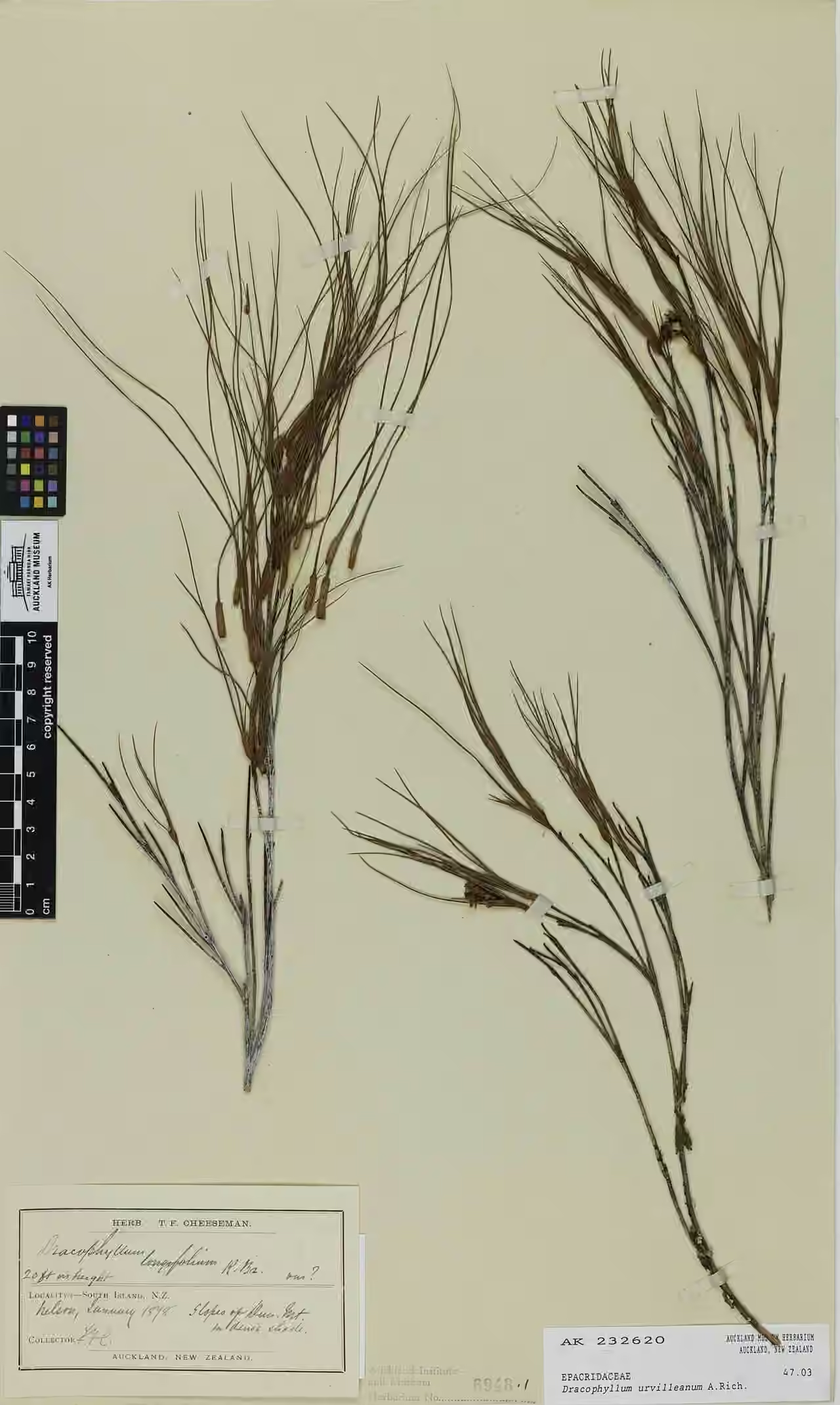
D'Urville's Grass Tree
Dracophyllum urvilleanum
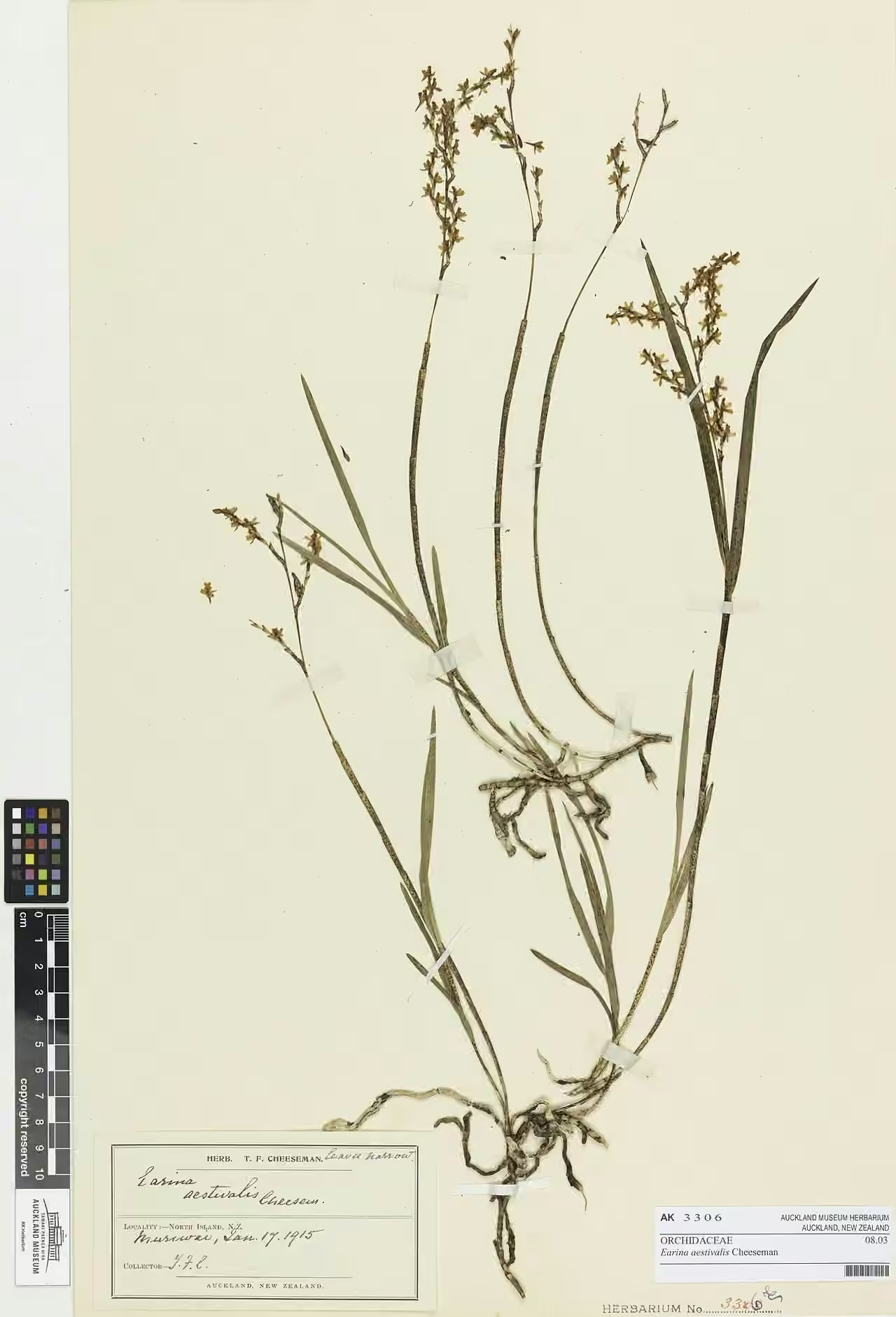
Bamboo Orchid
Earina aestivalis
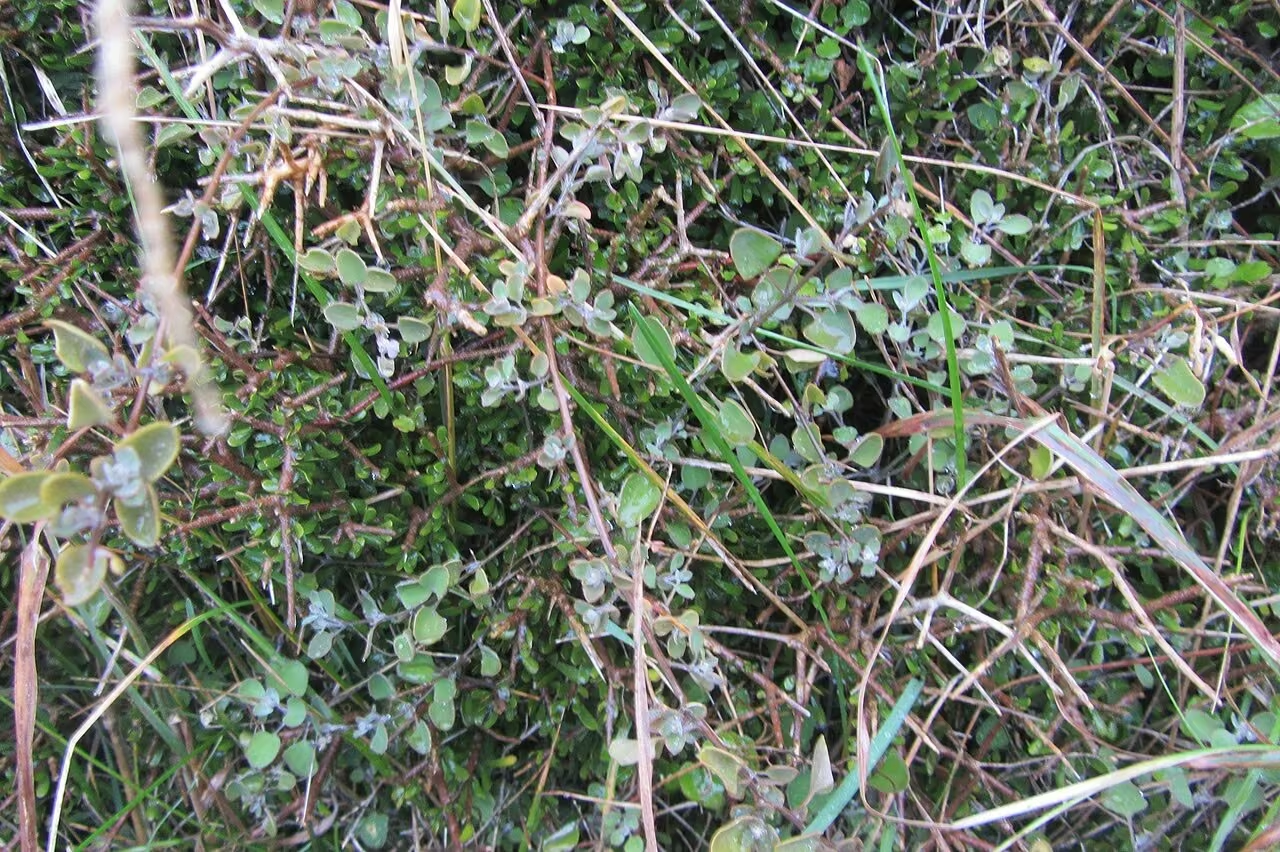
Chenopodium allanii
Chenopodium allanii
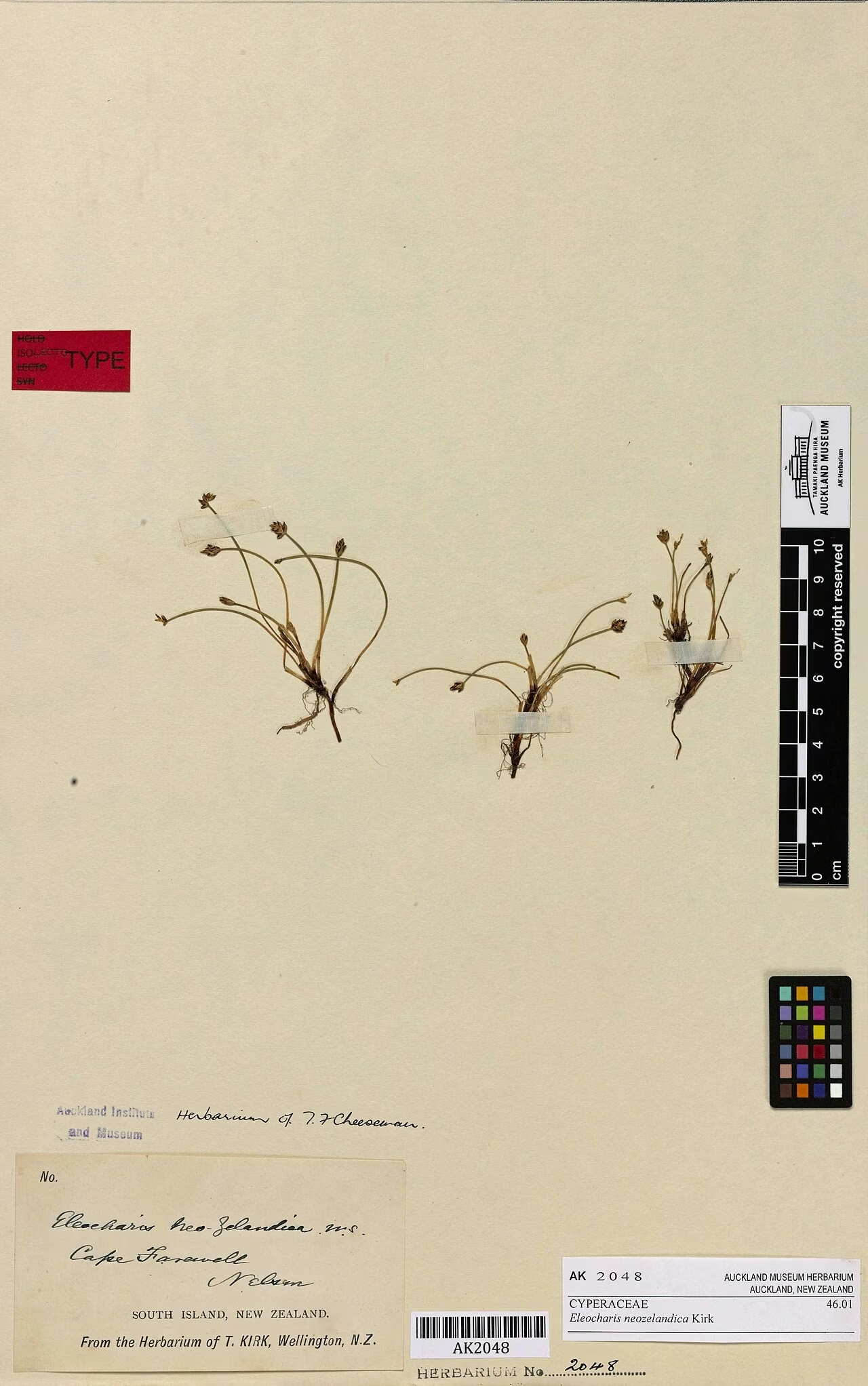
Sand Spike Sedge
Eleocharis neozelandica
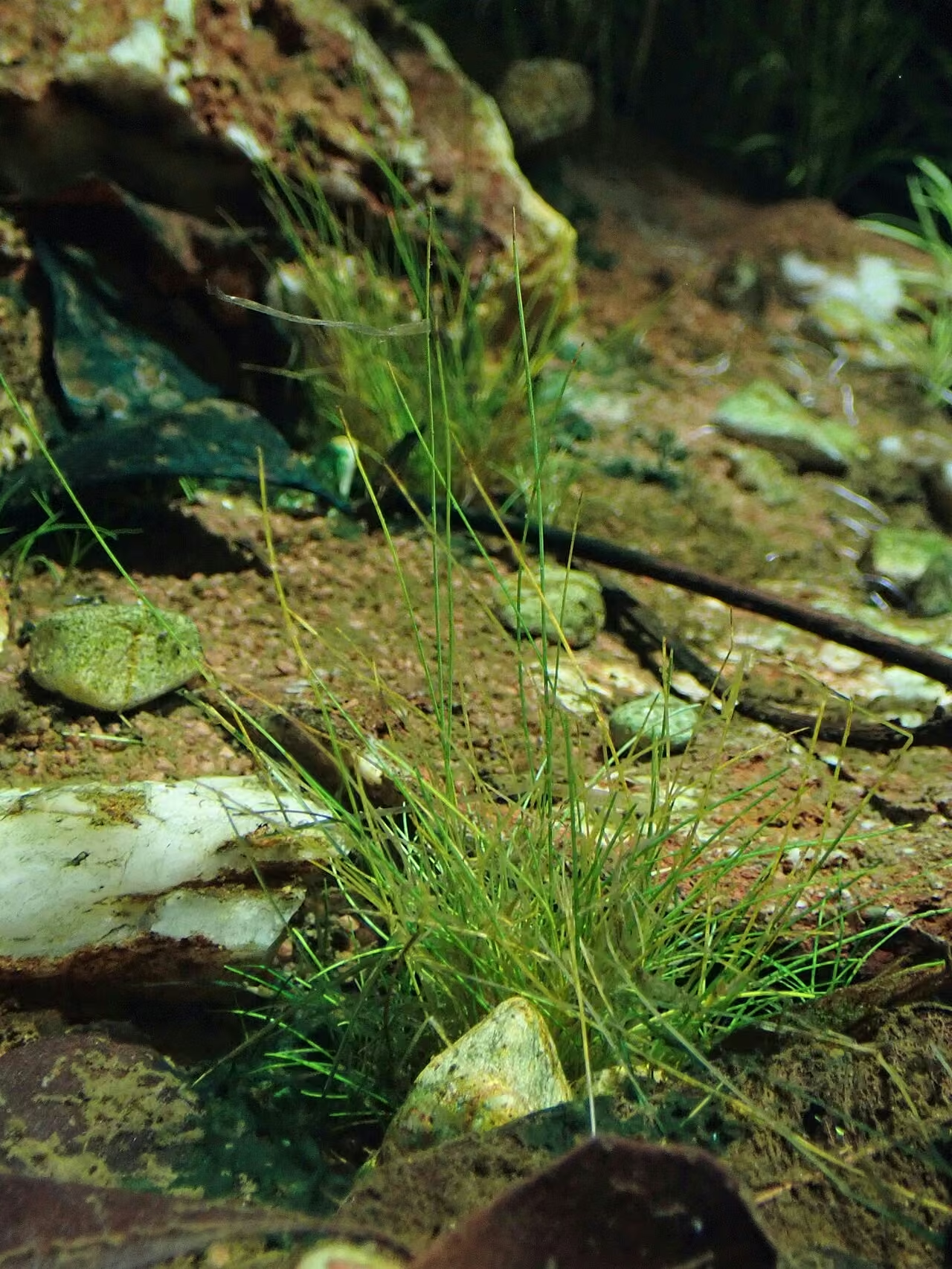
Small Spike Sedge
Eleocharis pusilla
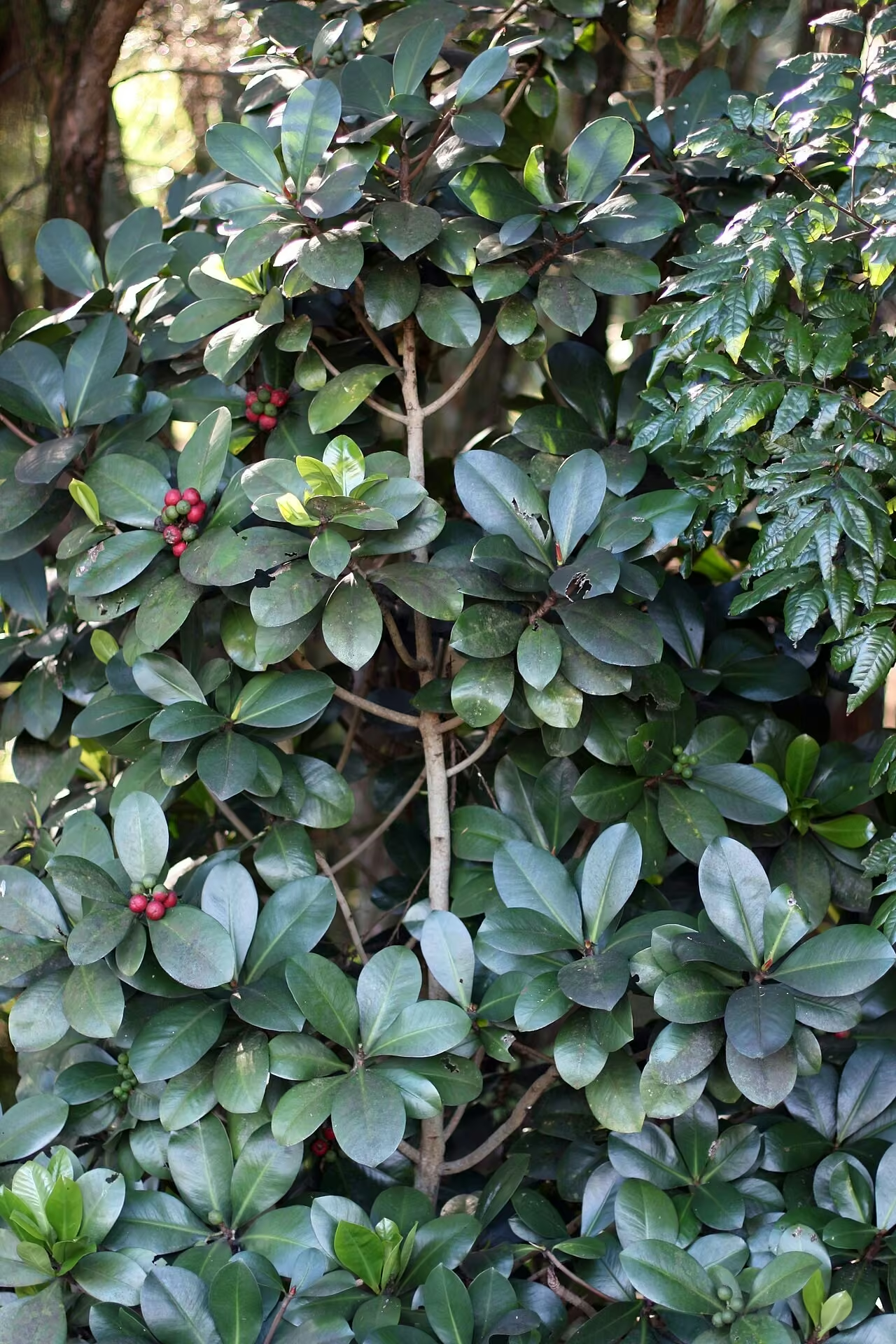
Elingamita johnsonii
Elingamita johnsonii

Prostrate Bluegrass
Connorochloa tenuis
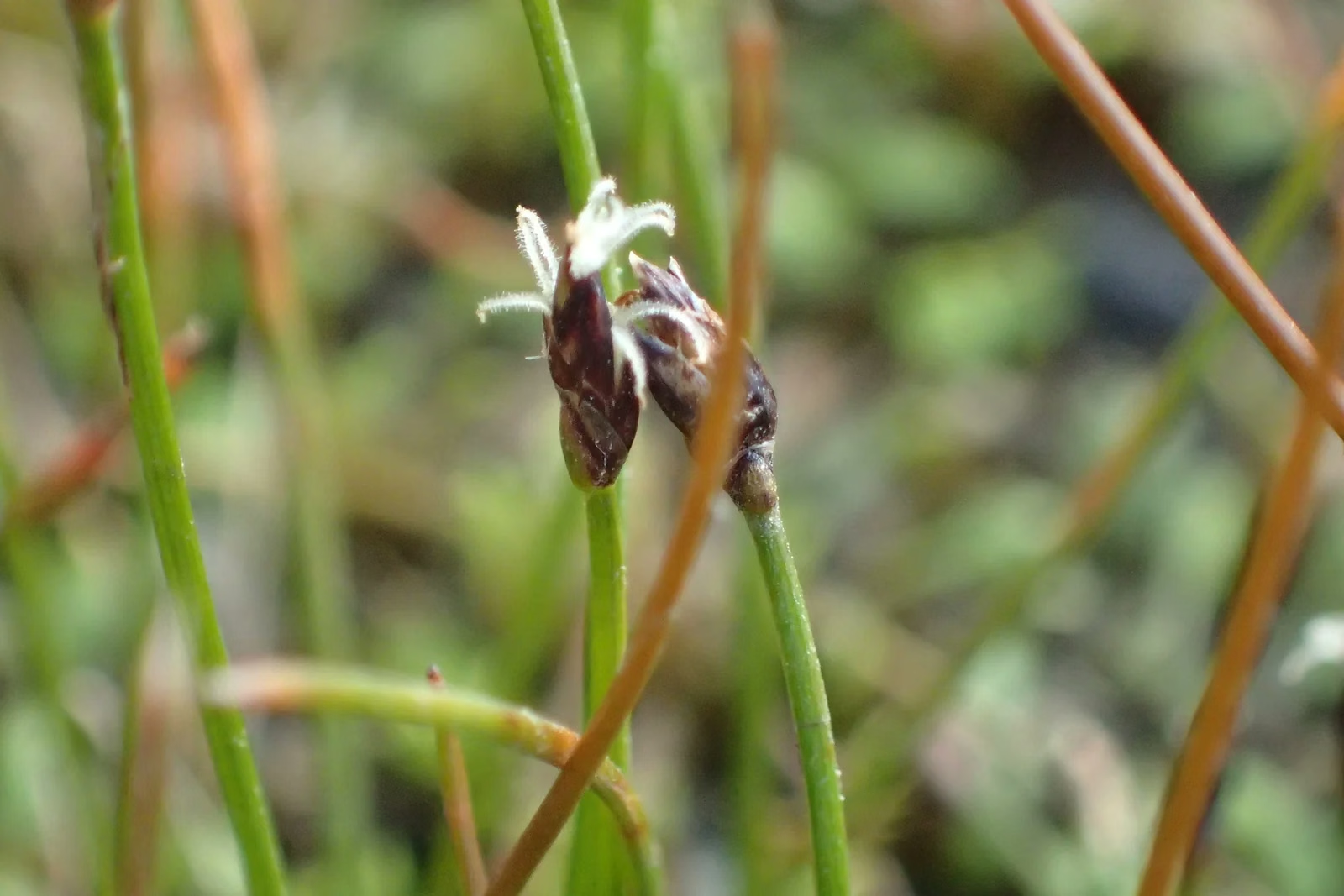
Gracilis Plant
Gracilis Plant
Plant Conservation
Eleocharis acuta is ranked Not Threatened (2023), with the qualifier SO (secure overseas) because it is also common in Australia. It remains widespread and common in New Zealand wetlands.
It is nevertheless dependent on wetlands, which have been greatly reduced by drainage. Protecting and restoring wetlands, fencing seepages from stock, and planting it in constructed wetlands all help keep it common.
Frequently Asked Questions
How do you identify Eleocharis acuta?
Look for tufts of erect, leafless, striated green stems with dark red to maroon sheaths at the base, each topped by a single cylindrical, pointed spikelet 5 to 25 mm long. The uppermost leaf sheath is usually squared off with a distinct small point.
Is sharp spike sedge good for a pond or rain garden?
Yes. NZPCN notes it does best partially submerged but will grow in damp soil, and it needs full sun to flower, making it suitable for sunny pond edges, swales and constructed wetlands.
Is Eleocharis acuta native to New Zealand?
It is indigenous to New Zealand but not endemic, because it also grows naturally in Australia and on Norfolk Island. It is ranked Not Threatened here.
Sources and Further Reading
The botanical, growing, and conservation details for Sharp Spike Sedge (Eleocharis acuta) on this page draw on the New Zealand plant references below. Consult them for full technical records and the latest distribution data.