D'Urville's Grass Tree
Dracophyllum urvilleanum
Last updated:
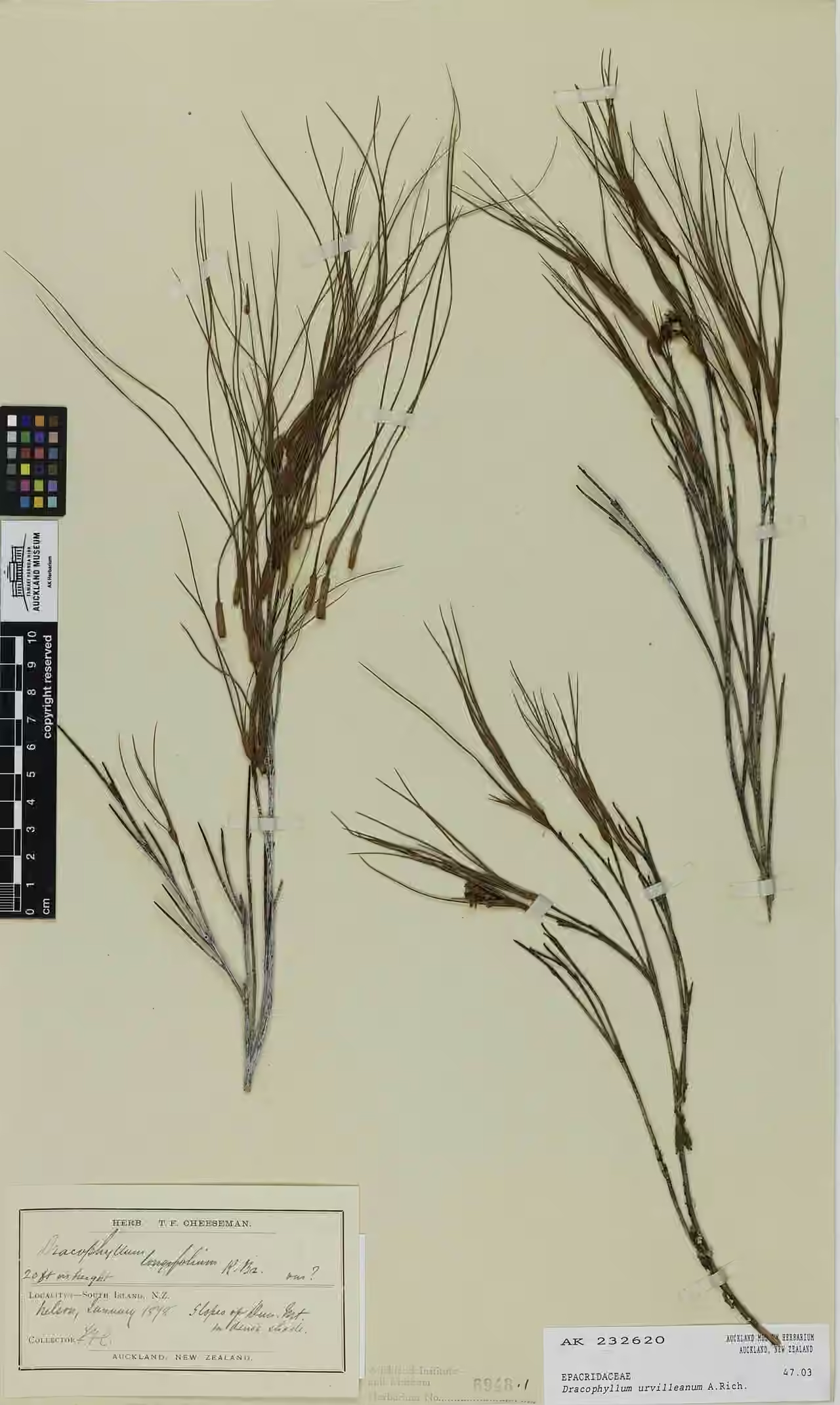
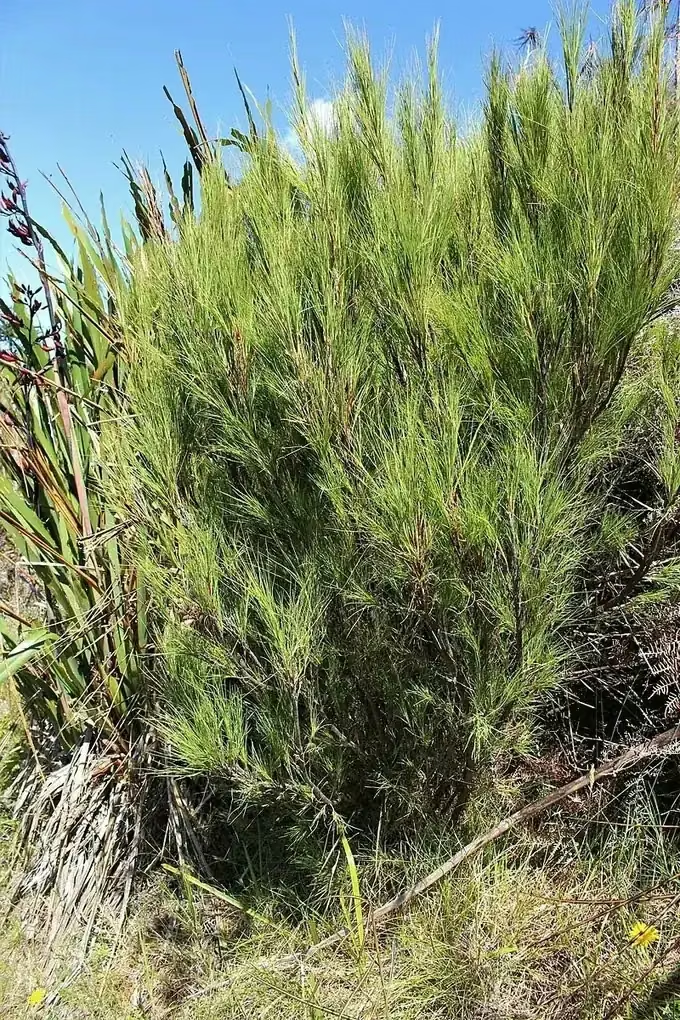
D'Urville's grass tree (Dracophyllum urvilleanum) is a slender, single-stemmed shrub or small tree, 2 to 8 m tall, endemic to the northern South Island. It grows only from Abel Tasman National Park east to the Marlborough Sounds, on coastal cliff faces and in coastal scrub and forest, often within reach of sea spray. Like other grass trees it has narrow, grass-like leaves clustered at the branch tips and small white flowers partly hidden among them. It is ranked At Risk - Naturally Uncommon because of its restricted range, and fire and coastal development threaten some populations. Explore more native shrubs in our native plant guide.
Plant Description
Dracophyllum urvilleanum is a single-stemmed shrub or small tree 2 to 8 m tall with blackish bark and slender reddish-brown branchlets. As in other grass trees, the leaves are crowded toward the tips of the branches, giving the plant a tufted, palm-like look.
The foliage is dimorphic. Juvenile leaves are spreading to recurved with blades 1.5 to 3.7 mm wide, while adult leaves are rigid, linear and narrower, 0.4 to 1.7 mm wide and up to about 75 mm long, and slightly channelled. Small white flowers are carried from October to January in short terminal racemes of two or three on lateral branchlets, mostly hidden beneath the leaves. Depressed-ovoid capsules with a truncate apex follow from December to March and contain numerous minute seeds.
It resembles Dracophyllum oliveri and D. filifolium, but differs in having narrower juvenile leaves, longer adult leaves, fewer flowers per raceme (two or three, versus five to ten) and truncate fruit tips. Its coastal habitat in the northern South Island also helps separate it from many mountain grass trees.
Quick Facts
| Scientific Name | Dracophyllum urvilleanum |
|---|---|
| Height | 2-8 m |
| Spread | Narrow; a single-stemmed shrub or small tree |
| Water Needs | Moderate; tolerates freely draining cliff sites |
| Light | Full sun to partial shade |
| Frost Tolerance | Low to moderate; a coastal lowland species |
| Salt Tolerance | High; often grows within the splash zone |
| Growth Rate | Slow |
| Lifespan | Long-lived perennial |
Climate Best Suited to
Suits the mild, sunny coastal climate of Nelson, Tasman and Marlborough, with salt-laden winds and few hard frosts. It is less suited to cold inland or alpine climates.
Regional Suitability
| City | Climate Suitability |
|---|---|
| Auckland | Medium |
| Wellington | Medium |
| Christchurch | Low |
| Dunedin | Low |
Plant Habitat
D'Urville's grass tree is endemic to the northern South Island, where it is known from Abel Tasman National Park eastwards through Tasman Bay to the Marlborough Sounds. The type was collected on rocks in Tasman Bay in January 1827 during Dumont d'Urville's voyage on the Astrolabe.
It is a coastal plant, growing on cliff faces and in coastal scrub and forest, often within the splash zone where it is regularly exposed to salt spray. These steep, rocky coastal sites are also where it is most vulnerable to fire.
Growing Requirements
Soil Requirements
It grows on thin, rocky, freely draining soils on coastal cliffs and in coastal scrub.
- Low-fertility, stony or rocky soil
- Excellent drainage
- No fertiliser required
Light Requirements
Cliff-face plants grow in full sun and wind, while those in coastal forest tolerate some shade.
- Full sun to partial shade
- Copes with strong, salty winds
Water Requirements
Its rocky coastal sites dry quickly between rains, so established plants tolerate dry spells better than alpine Dracophyllum.
- Water young plants regularly until established
- Avoid poorly drained, waterlogged ground
Planting and Establishing
D'Urville's grass tree is rarely available and NZPCN notes it is difficult to grow without specialist knowledge. It is best grown by experienced native plant enthusiasts or within its natural range for restoration.
Choose a sunny, sheltered-from-hard-frost spot with sharp drainage, such as a rocky bank or coastal garden. Plant without disturbing the root ball, mulch with gravel or bark to keep roots cool, and water through the first summer.
Ecological Role
Its minute, wind-dispersed seeds allow it to colonise crevices and ledges on coastal cliffs. The small white flowers are presumably insect-pollinated, but specific pollinator studies for this species were not found.
NZPCN notes that after fire, gorse can dominate burnt sites and appears to suppress regeneration of D. urvilleanum. Unburnt coastal scrub and forest are therefore important for its long-term persistence.
Uses & Significance
Garden Uses
In suitable coastal gardens it is an unusual architectural plant with fine, tufted foliage.
- Specimen plant in a rocky coastal garden
- Restoration of coastal scrub within its natural range
- Collections of native Ericaceae
Ecological Value
It is a characteristic component of coastal cliff and scrub vegetation in the Abel Tasman to Marlborough Sounds area.
- Stabilises rocky coastal slopes
- Contributes to a regionally endemic coastal flora
- Provides shelter and structure in coastal scrub
Landscaping Uses
Its slender stems and tufts of narrow leaves give a sculptural, almost palm-like silhouette that suits rock gardens, coastal banks and gravel plantings. Plant it where its form can be seen against open sky or a plain background.
Combine it with other coastal natives from Tasman and Marlborough, such as low-growing shrubs and tussocks, to recreate the look of the region's cliff-top scrub.
Seasonal Care Calendar
Spring
Flowering begins from October, occasionally September.
- Look for small white flowers among the leaf tufts
- Water young plants as soils start to dry
Summer
Flowering continues into January and capsules develop from December to March.
- Keep newly planted specimens watered in dry spells
- High fire risk season on coastal cliffs
Autumn
Capsules finish ripening and release minute seed.
- Collect seed only from cultivated plants or under permit
- Weed around plants, especially gorse seedlings
Winter
Growth slows; coastal plants are rarely troubled by frost in their natural range.
- Protect young plants from hard frost in colder gardens
- Check drainage after heavy rain
When to Prune and How Much
Little or no pruning is required. Dracophyllum generally do not respond well to heavy pruning, and cutting the single stem can ruin the plant's form.
Remove only dead or damaged branchlets. Old leaf bases are naturally shed and need not be stripped.
How to Grow D'Urville's Grass Tree
NZPCN states that Dracophyllum urvilleanum is difficult to grow without specialist knowledge. Detailed propagation records for this species were not found in the sources consulted, so the methods below summarise the general techniques used for lowland Dracophyllum and should be treated as a starting point rather than a proven recipe. Use material from cultivated plants or collect under appropriate permission within the species' natural range, and keep good records so that successful methods can be shared with other growers.
From Seed
Capsules ripen between December and March and contain numerous minute seeds that are dispersed by wind. Dracophyllum seed is usually slow and irregular to germinate, and seedlings grow slowly for their first few years.
- Collect capsules in late summer as they turn brown but before they split
- Dry them in a paper bag to release the fine seed
- Sow on the surface of a fine, free-draining, slightly acidic seed mix
- Keep moist and in bright light without direct midday sun
- Pot seedlings on individually once they have several true leaves
From Cuttings
Semi-hardwood tip cuttings may root under mist or in a humid frame, but rooting is likely to be slow and success uncertain for this species.
- Take 50 to 80 mm tip cuttings from a cultivated plant in late summer or autumn
- Remove the lower leaves and dip the base in a rooting hormone
- Insert into a mix of fine bark and pumice with bottom heat if available
- Keep humid and check for roots after several months
Pests & Diseases
No specific pests or diseases of Dracophyllum urvilleanum are recorded in the sources consulted. The main threats in the wild are fire, coastal development, human traffic and competition from gorse after burning.
In cultivation, poor drainage and root disturbance during transplanting are the most likely causes of failure.
Cultural Significance
The Flora of New Zealand lists the vernacular name wharekohu for this species, but it gives no source, and no traditional Māori use of D. urvilleanum is recorded in the sources consulted.
The species name commemorates Jules Sébastien César Dumont d'Urville, the French naval officer and explorer whose expedition visited Tasman Bay in January 1827. Achille Richard described the species in 1832 from material collected on that voyage, making it one of the earliest grass trees to be named from New Zealand.
Bonus Tip
When visiting the Abel Tasman Coast Track or the Marlborough Sounds, scan rocky headlands and cliff faces near the water: the tufted, grass-leaved silhouettes of D'Urville's grass tree often perch right in the salt spray zone, a habitat few other Dracophyllum tolerate.
Related Plants
Explore other native plants that share similar characteristics or habitats with D'Urville's Grass Tree (Dracophyllum urvilleanum), offering further insights into New Zealand's diverse flora. These related species provide context and opportunities for complementary planting in your garden.
Dracophyllum pearsonii
Dracophyllum pearsonii
Dracophyllum politum
Dracophyllum politum
Dracophyllum prostratum
Dracophyllum prostratum
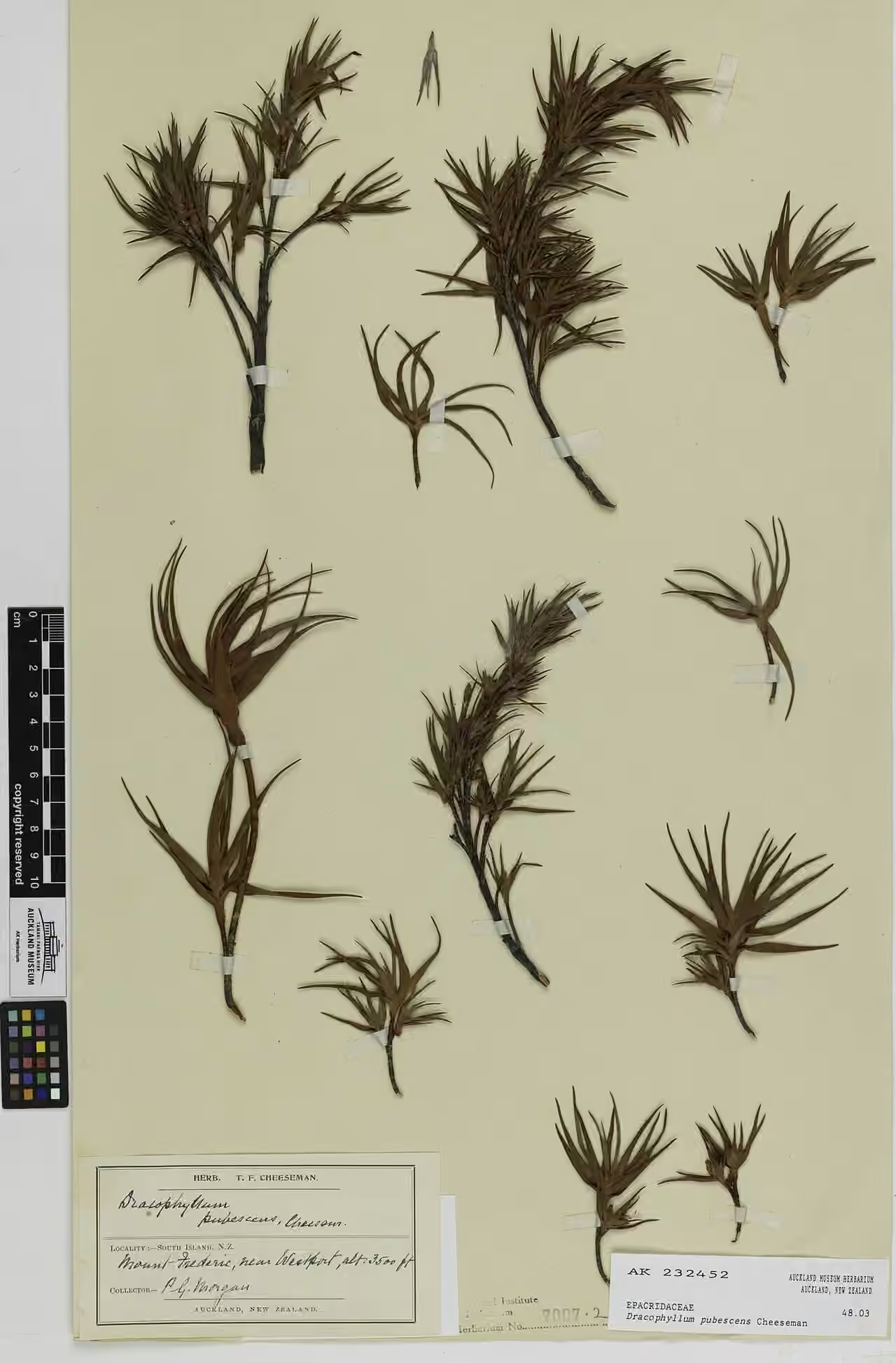
Dracophyllum pubescens
Dracophyllum pubescens
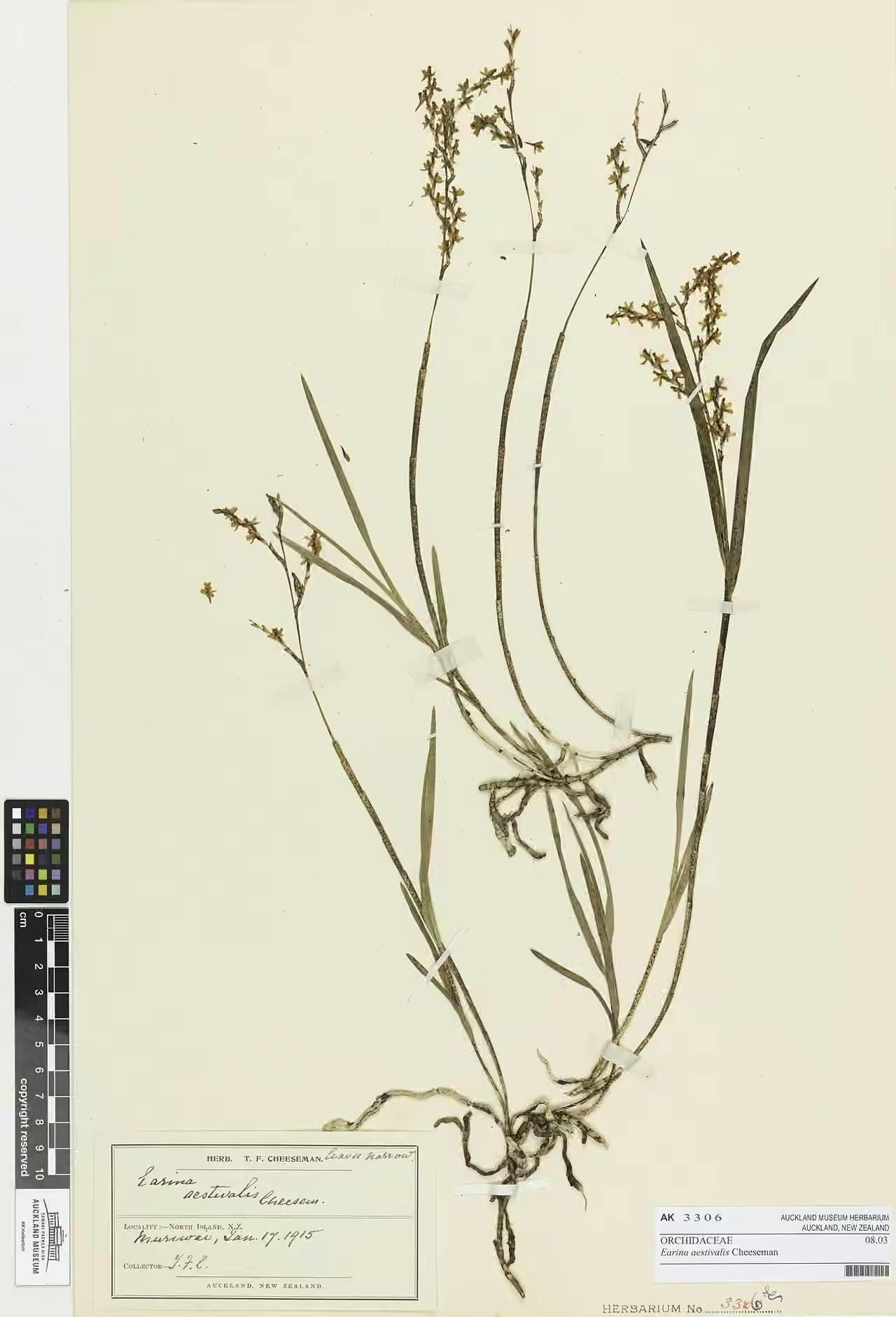
Bamboo Orchid
Earina aestivalis
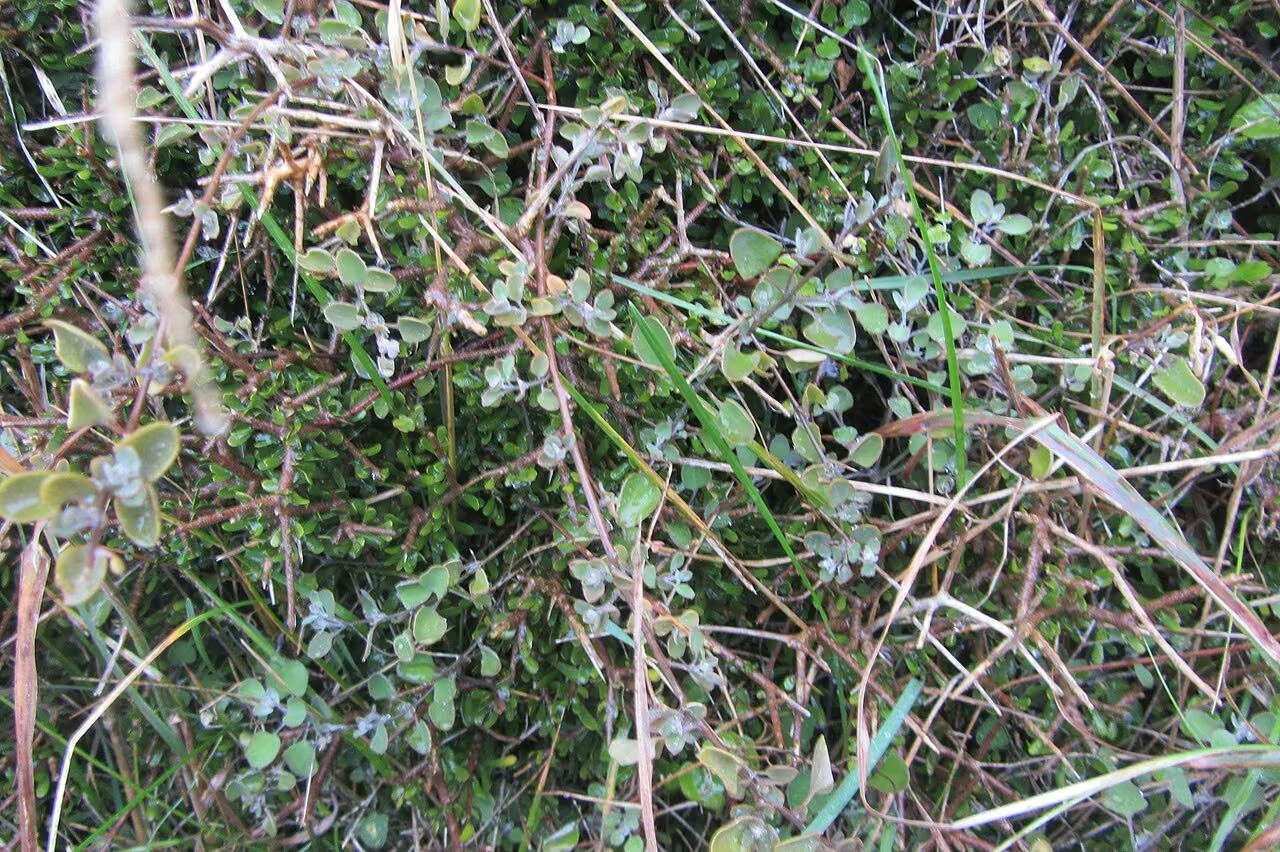
Chenopodium allanii
Chenopodium allanii
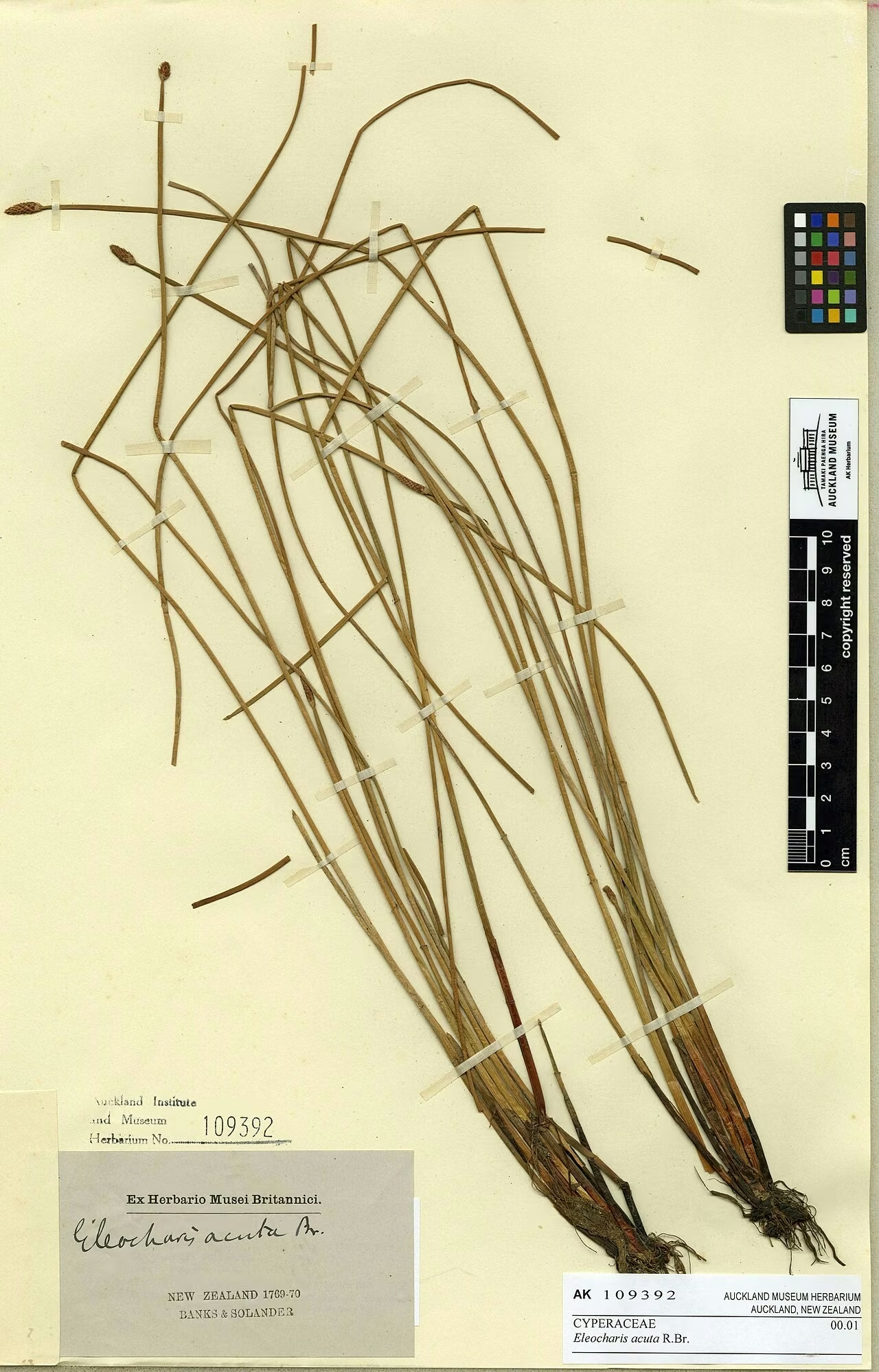
Sharp Spike Sedge
Eleocharis acuta
Needle-Leaf Dragon
Needle-Leaf Dragon
Plant Conservation
D'Urville's grass tree is ranked At Risk - Naturally Uncommon (2023, qualifier PD, partial decline). It was ranked Threatened - Nationally Vulnerable in 2004 before being reassessed. Its natural range is small, and some populations are threatened by coastal development and human traffic.
Fire is the most serious threat, as burnt sites tend to become dominated by gorse, which appears to suppress the species. Preventing coastal fires, controlling gorse and protecting coastal scrub and forest within Abel Tasman and the Sounds help it survive.
Frequently Asked Questions
Where does D'Urville's grass tree grow?
It is endemic to the northern South Island, from Abel Tasman National Park east to the Marlborough Sounds, growing on coastal cliffs and in coastal scrub and forest, often within the splash zone.
Who is Dracophyllum urvilleanum named after?
It honours Jules Sébastien César Dumont d'Urville (1790-1842), the French explorer whose 1827 voyage collected the type specimen from rocks in Tasman Bay.
How can you tell Dracophyllum urvilleanum from D. filifolium and D. oliveri?
It has narrower juvenile leaves, longer adult leaves, only two or three flowers per raceme rather than five to ten, and fruits with a flat, truncate tip.
Is D'Urville's grass tree threatened?
It is ranked At Risk - Naturally Uncommon. Coastal development, human traffic and especially fire threaten some populations, as gorse tends to take over after burning.
Sources and Further Reading
The botanical, growing, and conservation details for D'Urville's Grass Tree (Dracophyllum urvilleanum) on this page draw on the New Zealand plant references below. Consult them for full technical records and the latest distribution data.