Goosefoot
Chenopodium allanii
Last updated:
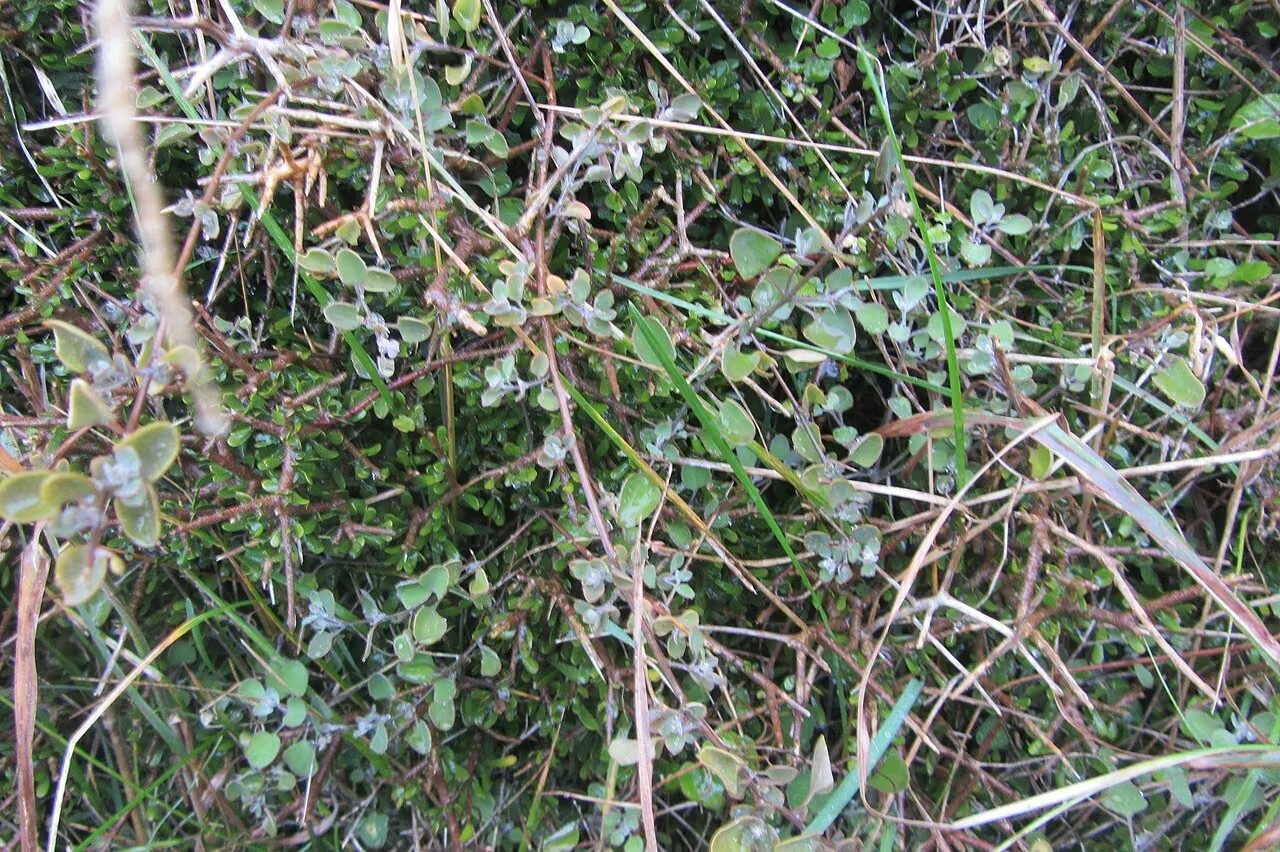
Chenopodium allanii, now usually called Chenopodium allanii, is a small endemic perennial herb in the goosefoot and amaranth family (Amaranthaceae). It forms low, straggling mats of slender stems that become woody at the base, with tiny rounded leaves 2 to 12 mm long that are mealy when young. It grows mostly in coastal rocky and sandy places, either exposed or under scrub, from the Wairarapa south, with inland populations in Central Otago and other dry eastern South Island areas. Weeds, browsing and habitat loss have led to its ranking as At Risk - Declining. It was previously known as Einadia allanii. Explore more native ground covers in our native plant guide.
Plant Description
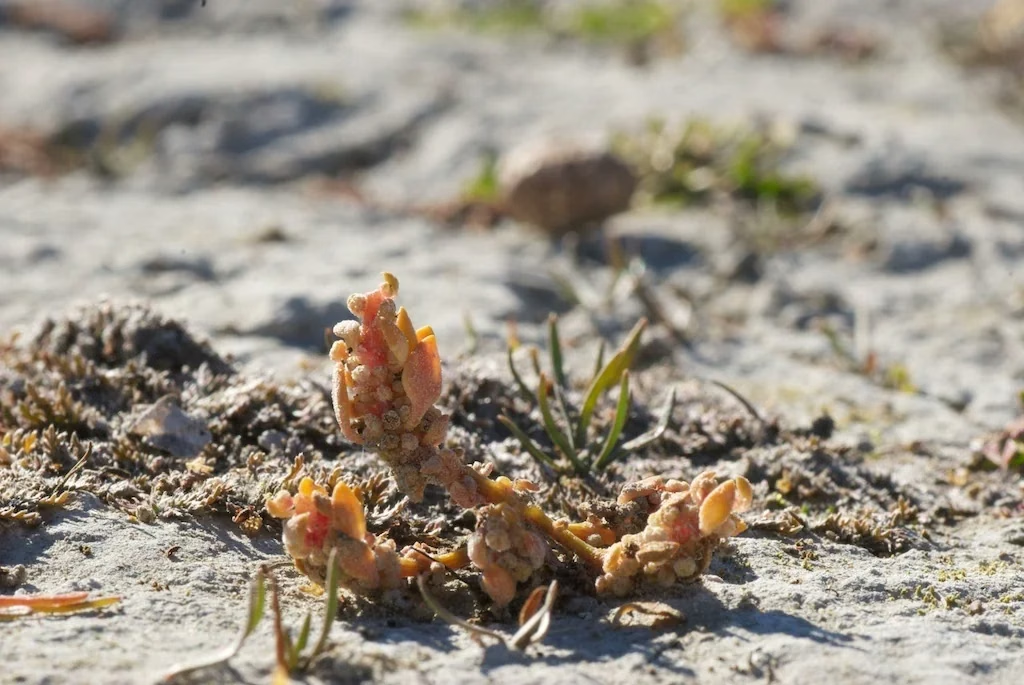
Chenopodium allanii is a procumbent, decumbent or ascending perennial herb with a straggling habit. Its stems are slender but become rather thick and woody at the base, and the whole plant is farinose, covered with a whitish mealy coating, at least when young.
The leaves are small, 2 to 12 mm long, usually broad-elliptic to almost circular with entire margins and rounded tips. From November to March it produces tiny flowers in very slender spikes 0.3 to 6 cm long at the stem tips and in the leaf axils, arranged in few-flowered clusters. The seeds are lentil-shaped, 1 to 1.5 mm across, with a glossy black, faintly striated coat.
Several other small native goosefoots occur in similar coastal habitats, including Chenopodium triandrum (formerly Einadia triandra) and C. trigonon. Records of this species from the Kermadec Islands were found to be misidentified C. trigonon. Careful attention to leaf shape, inflorescence and seed is needed to separate them.
Quick Facts
| Scientific Name | Chenopodium allanii |
|---|---|
| Height | Low and straggling; no maximum height recorded |
| Spread | Sprawling mats of slender stems |
| Water Needs | Low to moderate; dry rocky and sandy sites |
| Light | Full sun to light shade under scrub |
| Frost Tolerance | Moderate to high; grows inland in Central Otago |
| Salt Tolerance | Moderate to high; mostly coastal |
| Growth Rate | Moderate |
| Lifespan | Perennial |
Climate Best Suited to
Tolerates dry, sunny and windy conditions, from mild coastal sites to the cold winters and hot summers of Central Otago. It is best suited to the drier eastern side of the country.
Regional Suitability
| City | Climate Suitability |
|---|---|
| Auckland | Low |
| Wellington | Medium |
| Christchurch | High |
| Dunedin | High |
Plant Habitat
Chenopodium allanii is endemic to New Zealand. NZPCN gives its range as the North and South Islands from the Wairarapa south, and notes that it is uncommon in the North Island; the Flora series also lists the Chatham Islands. It is mostly coastal but extends inland to Central Otago and some other eastern South Island areas. Herbarium specimens come from places such as Motunau, Banks Peninsula and Nugget Point.
It grows in rocky and sandy places, either in exposed situations or under a canopy of scrub, and at forest edges and in semi-open scrubby habitats.
Growing Requirements
Soil Requirements
It grows on free-draining rocky, stony or sandy ground, often thin and low in organic matter.
- Sharp drainage is essential
- Tolerates poor, stony soils
- Rock crevices and sandy banks
Light Requirements
It grows in both exposed open sites and in the partial shade beneath scrub.
- Full sun to light shade
- Avoid heavy shade from dense weeds
Water Requirements
Its habitats are typically dry for part of the year, and its small, mealy leaves suit dry, windy conditions.
- Water only until established
- Avoid wet, poorly drained soil
Planting and Establishing
This species is seldom, if ever, available from nurseries. Where it is grown for restoration within its natural range, plant it into a sunny or lightly shaded, well-drained rocky or sandy site, ideally at the edge of native scrub.
Keep the planting site free of competing exotic grasses and weeds, which can smother such a small, low plant, and protect it from browsing animals such as rabbits.
Ecological Role
Its small seeds may be dispersed by water, according to Thorsen and colleagues (2009). Specific pollinator records were not found; the tiny flowers of goosefoots are generally wind-pollinated or self-pollinated.
It is part of the low herb layer of coastal rocky places and dry scrub, communities that have been heavily modified by weeds, grazing and development throughout eastern New Zealand.
Uses & Significance
Garden Uses
It has limited ornamental appeal but is valuable in restoration plantings and specialist collections of threatened natives.
- Restoration of coastal rocky and dry scrub sites
- Rock gardens of threatened natives
- Low filler between rocks in dry gardens
Ecological Value
As a declining endemic herb, every surviving population contributes to conserving New Zealand's dryland and coastal flora.
- Part of the native coastal herb layer
- Indicator of intact rocky and scrub habitats
- Contributes to dryland plant diversity in Central Otago
Landscaping Uses
In a dry native garden it can trail among rocks and over gravel, where its small, greyish young leaves contrast with darker groundcovers. It is best used close to paths where its fine detail can be seen.
Combine it with other small dryland and coastal natives rather than vigorous groundcovers that would overrun it.
Seasonal Care Calendar
Spring
New growth emerges from the woody stem bases.
- Remove competing weeds
- Check for rabbit browsing
Summer
Tiny flowers appear in slender spikes from November to March.
- Little watering needed once established
- Good time to look for plants in the field
Autumn
Glossy black seeds ripen in the flower spikes.
- Collect seed from cultivated plants for sowing
- Leave some seed to self-sow
Winter
Growth slows; stems may die back partly in cold inland sites.
- Ensure drainage stays good in wet weather
- No pruning needed
When to Prune and How Much
Little pruning is needed. Dead or straggly stems can be trimmed back in late winter to encourage fresh growth from the woody base.
Avoid cutting into the woody base itself, which carries the plant's regrowth buds.
How to Grow Goosefoot
Specific propagation guidance for Chenopodium allanii was not found in the sources consulted. The methods below follow general practice for small perennial native goosefoots, which typically set plenty of seed and can also be grown from cuttings of their sprawling stems. Because the species is ranked At Risk - Declining, propagation material should come from cultivated plants or be collected with landowner and Department of Conservation permission, and new plants are best used to reinforce populations within the species' natural range rather than spread elsewhere.
From Seed
Flowering runs from November to March, and the small, glossy black seeds ripen in the slender flower spikes in late summer and autumn. Seeds may be dispersed naturally by water. Fresh seed is likely to give the best results, though germination requirements for this species are undocumented.
- Collect ripe seed spikes from cultivated plants in late summer or autumn
- Rub the spikes gently to free the black seeds and remove debris
- Sow thinly on a free-draining seed mix with added grit or sand
- Cover lightly and keep just moist in a sunny, sheltered spot
- Prick out seedlings into small pots once they have several leaves
From Cuttings
Short pieces of the slender stems can be tried as cuttings in spring or summer. Stems that touch the ground may also form roots and can be separated as ready-rooted pieces.
- Take 50 to 80 mm stem tips from a healthy cultivated plant
- Remove the lower leaves and insert into a sandy, free-draining mix
- Keep lightly moist and out of hot afternoon sun until rooted
- Pot on once roots appear at the drainage holes
Pests & Diseases
NZPCN identifies exotic weeds, browsing animals and habitat clearance or modification as the main threats to this species in the wild. Rabbits and other browsers can graze the small plants heavily.
No specific insect pests or diseases are recorded in the sources consulted. In cultivation, poor drainage leading to rot is the most likely problem.
Cultural Significance
No Māori name or traditional use specific to this species is recorded in the sources consulted.
The species commemorates Dr Harry Howard Barton Allan (1882-1957), a New Zealand botanist, educator and the first director of the DSIR Botany Division, who wrote the first volume of the modern Flora of New Zealand. It was described by the Swiss botanist Paul Aellen in 1939.
Bonus Tip
If you are looking for this plant in the field, check rocky coastal banks and the shaded floor beneath coastal scrub rather than open sand, and look for young shoots with a pale, mealy coating on tiny round leaves: this farinose sheen is one of its most helpful features.
Related Plants
Explore other native plants that share similar characteristics or habitats with Goosefoot (Chenopodium allanii), offering further insights into New Zealand's diverse flora. These related species provide context and opportunities for complementary planting in your garden.
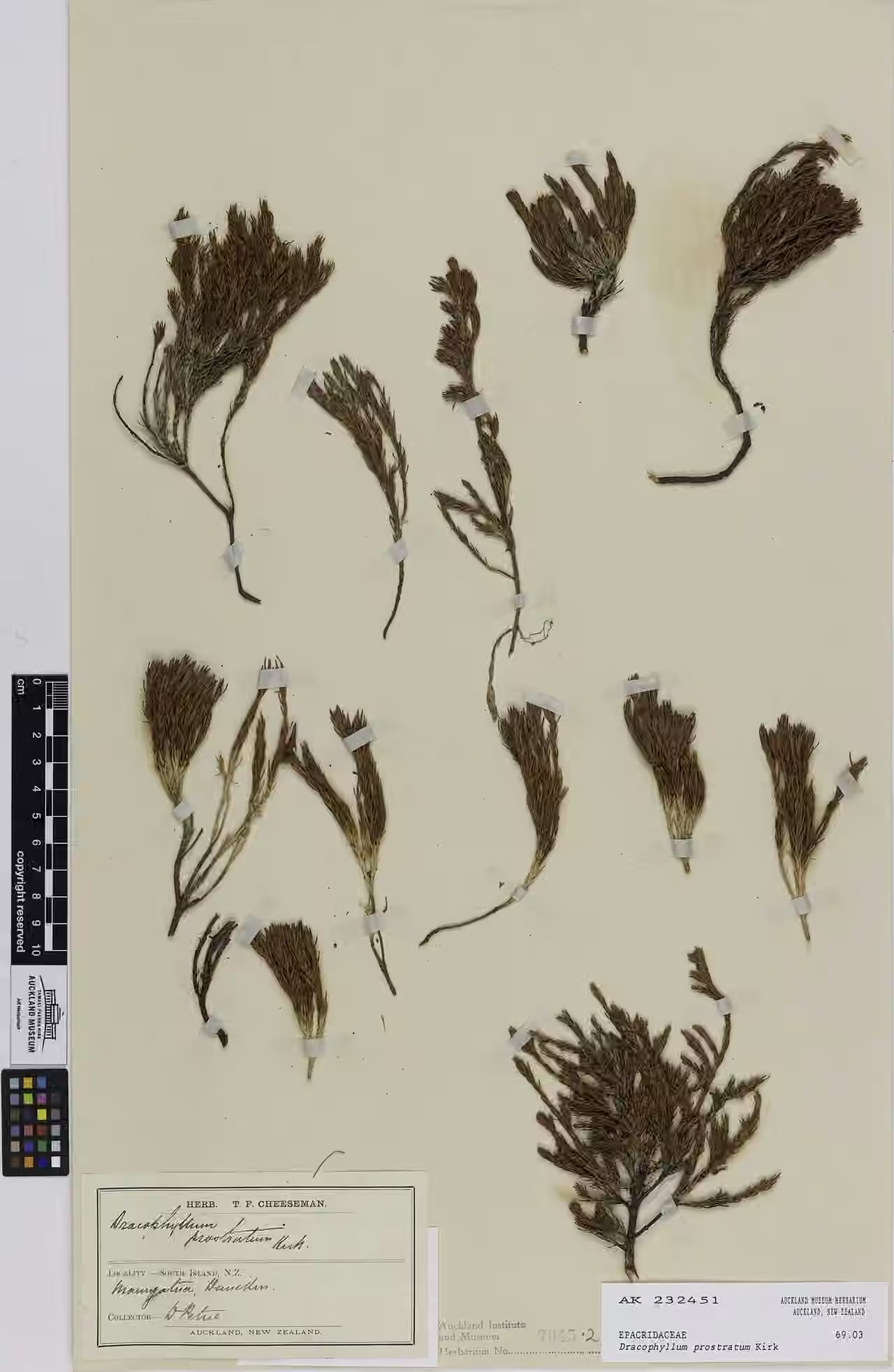
Dracophyllum prostratum
Dracophyllum prostratum
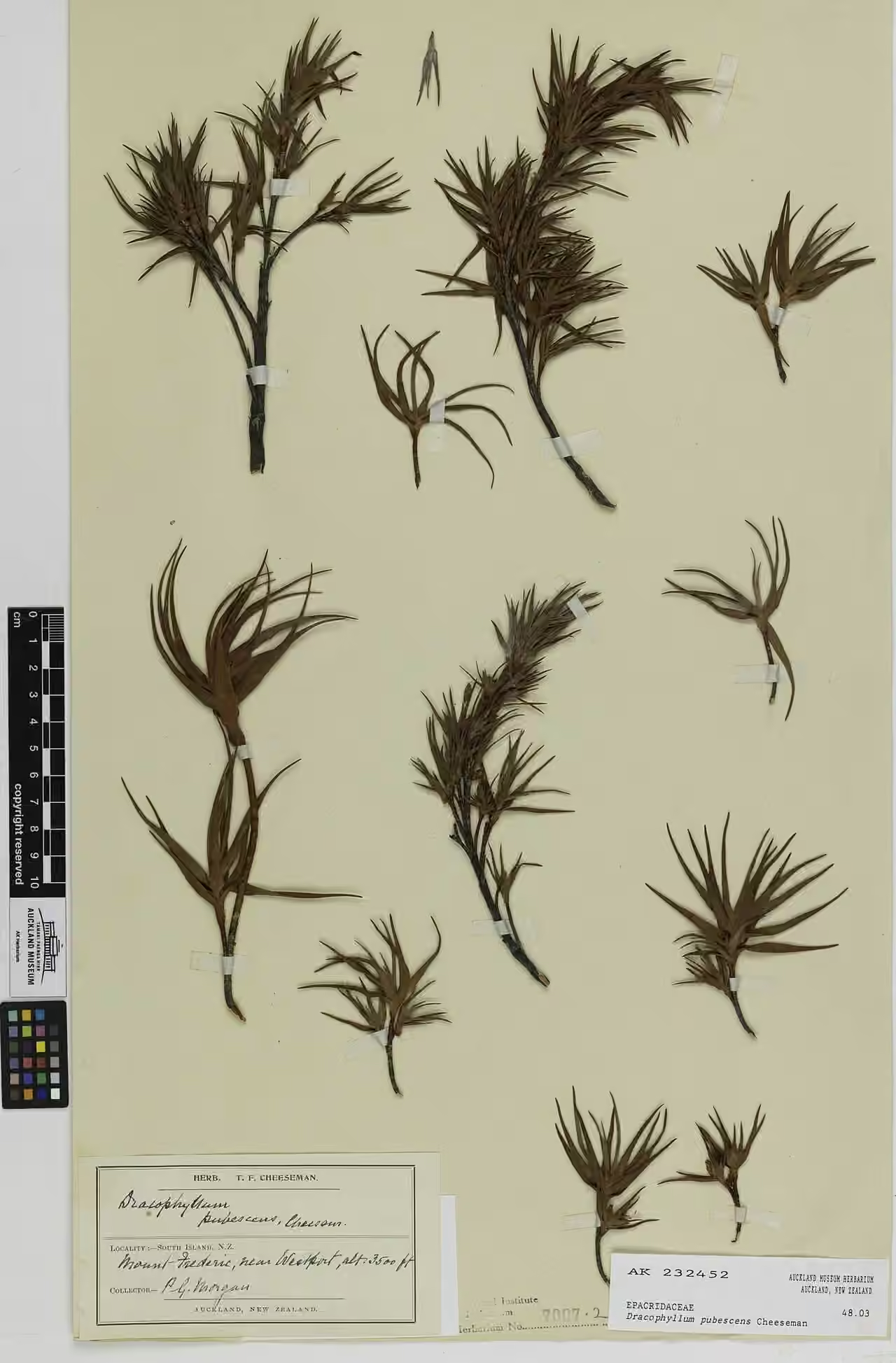
Dracophyllum pubescens
Dracophyllum pubescens
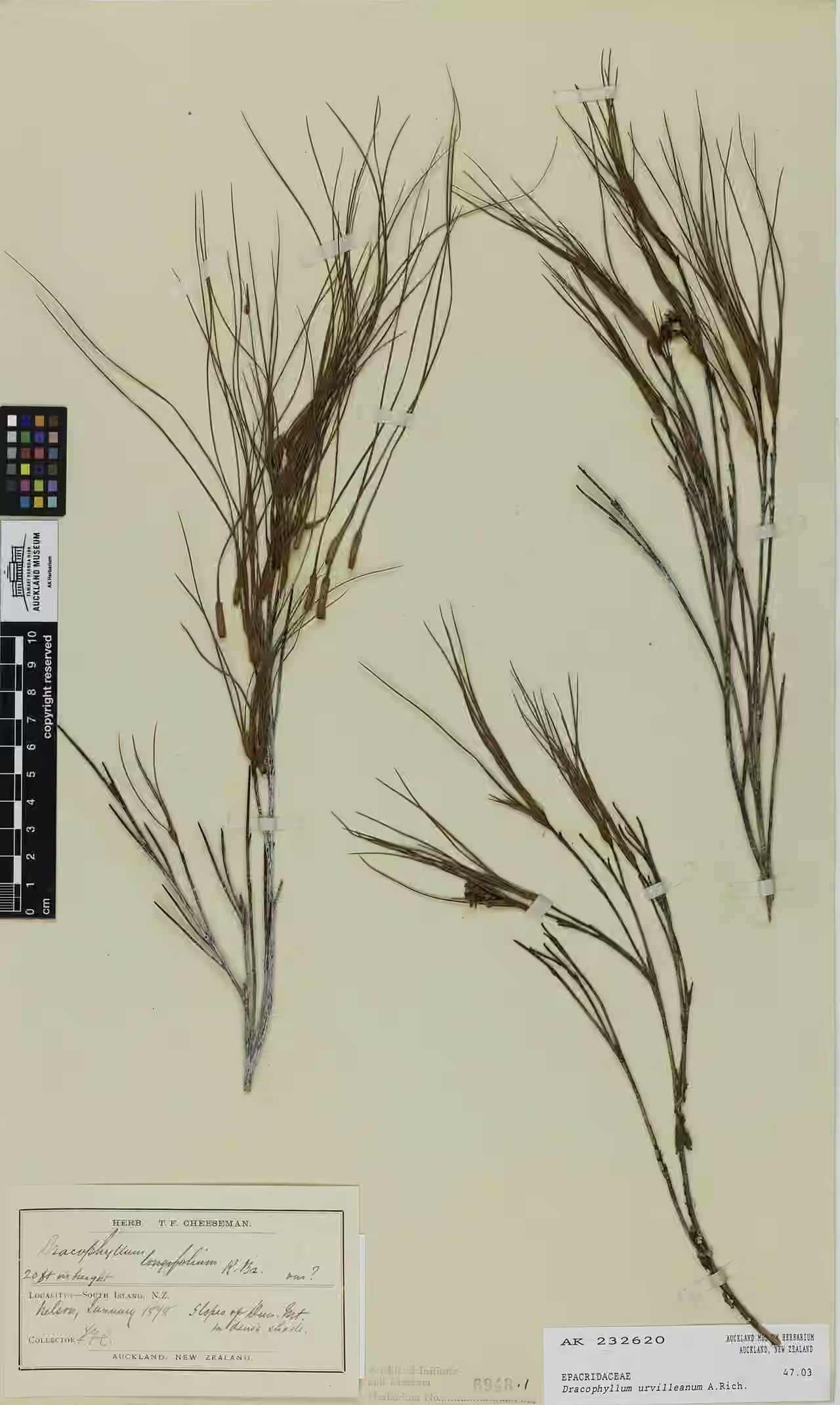
D'Urville's Grass Tree
Dracophyllum urvilleanum
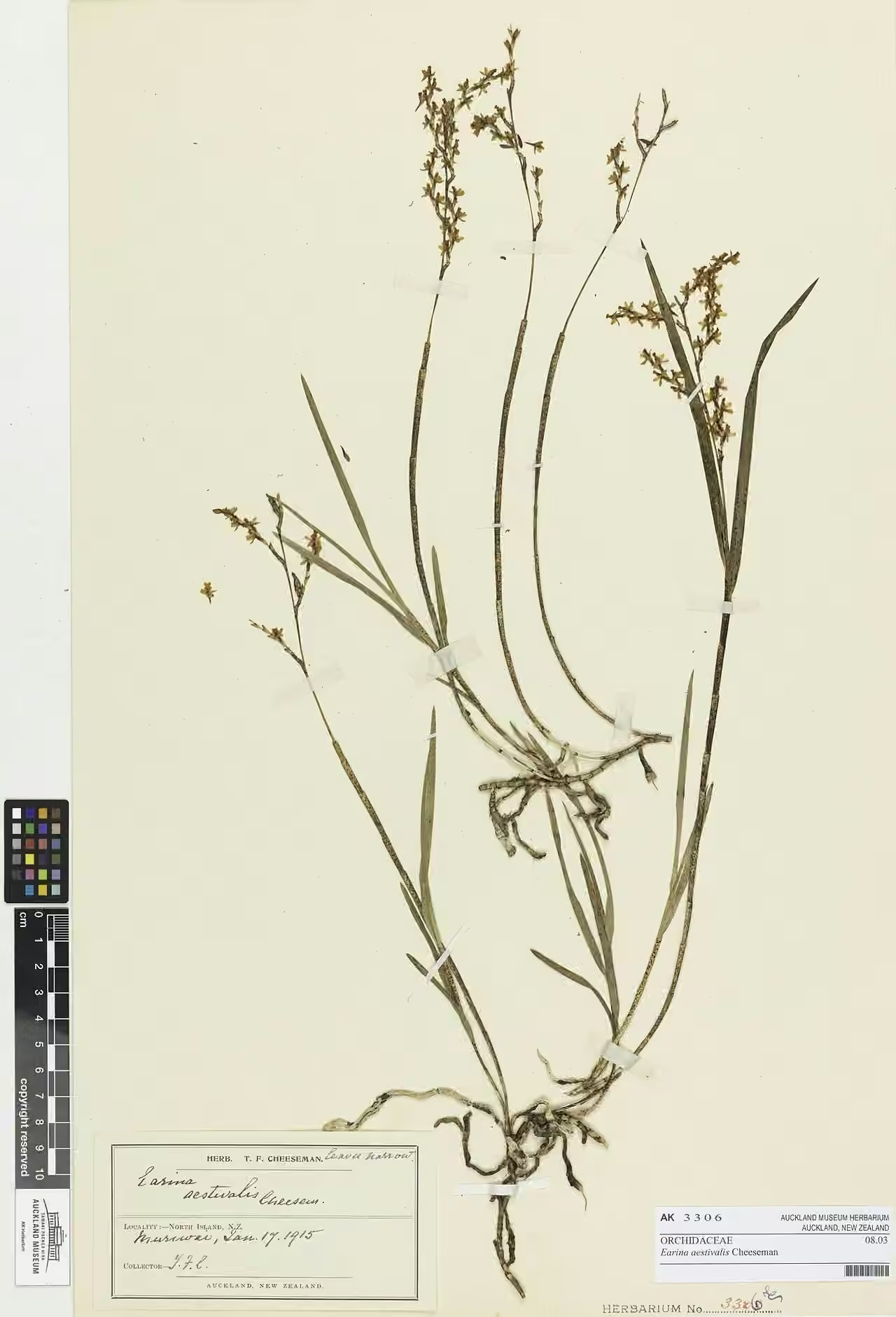
Bamboo Orchid
Earina aestivalis
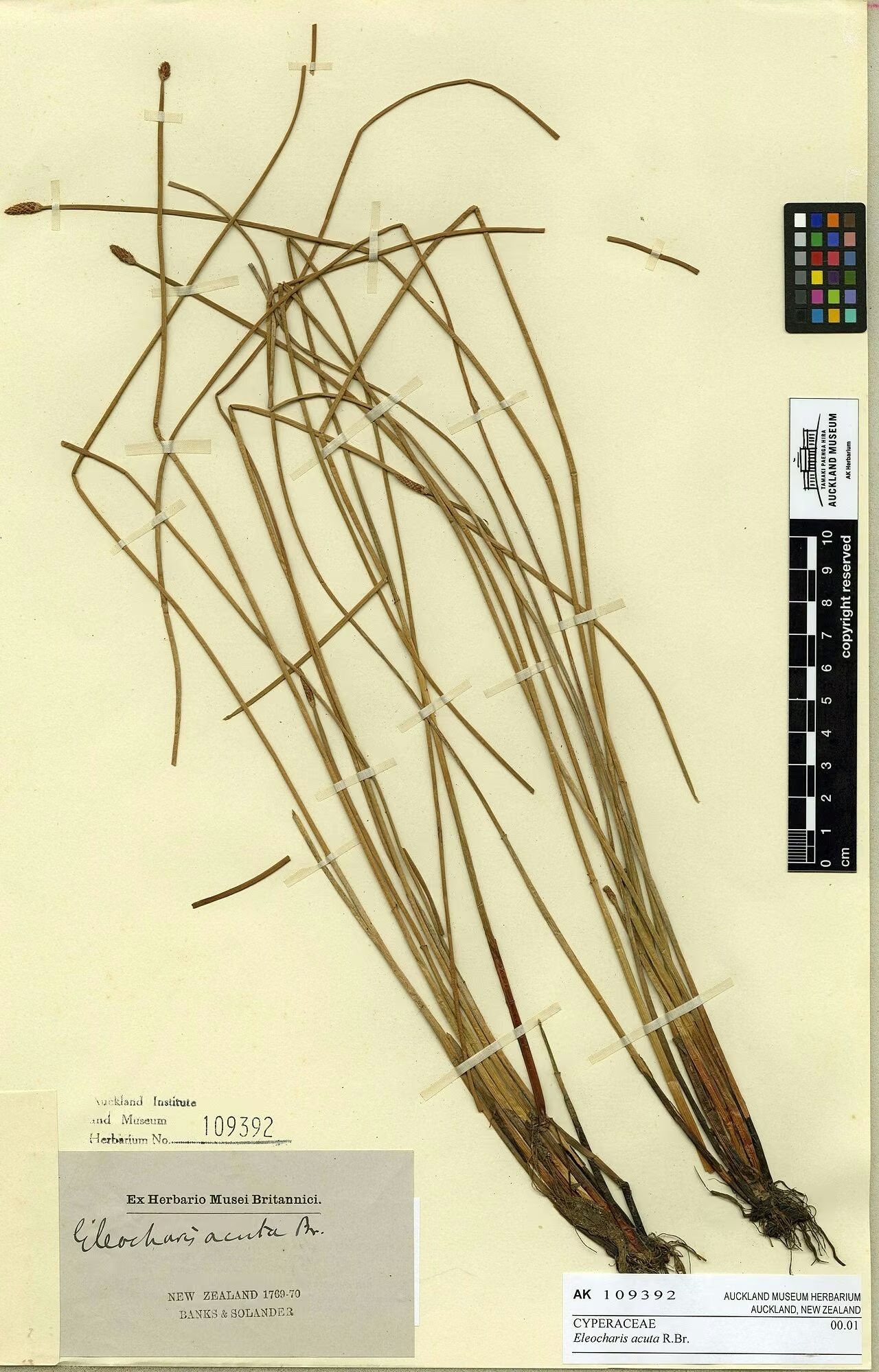
Sharp Spike Sedge
Eleocharis acuta
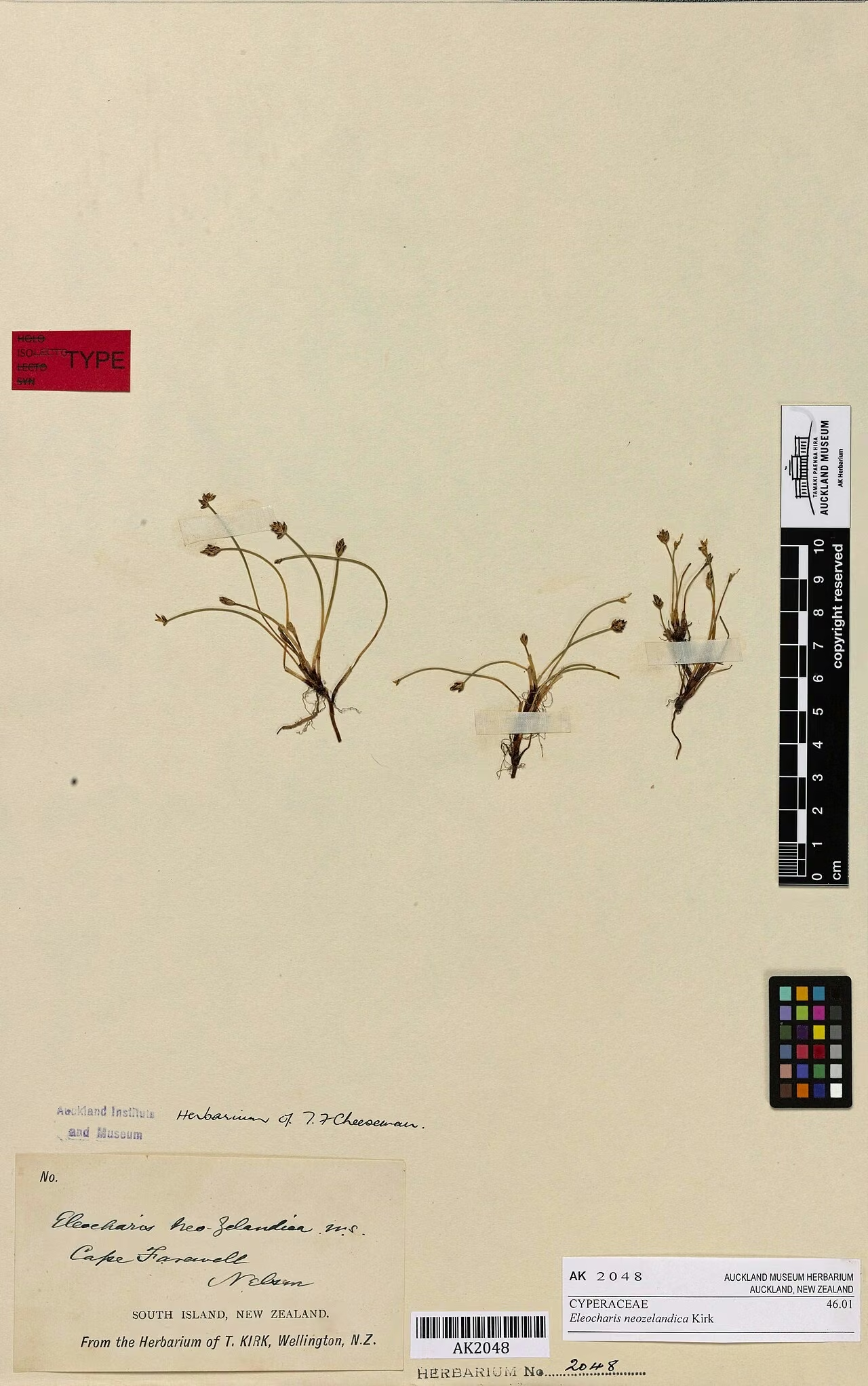
Sand Spike Sedge
Eleocharis neozelandica
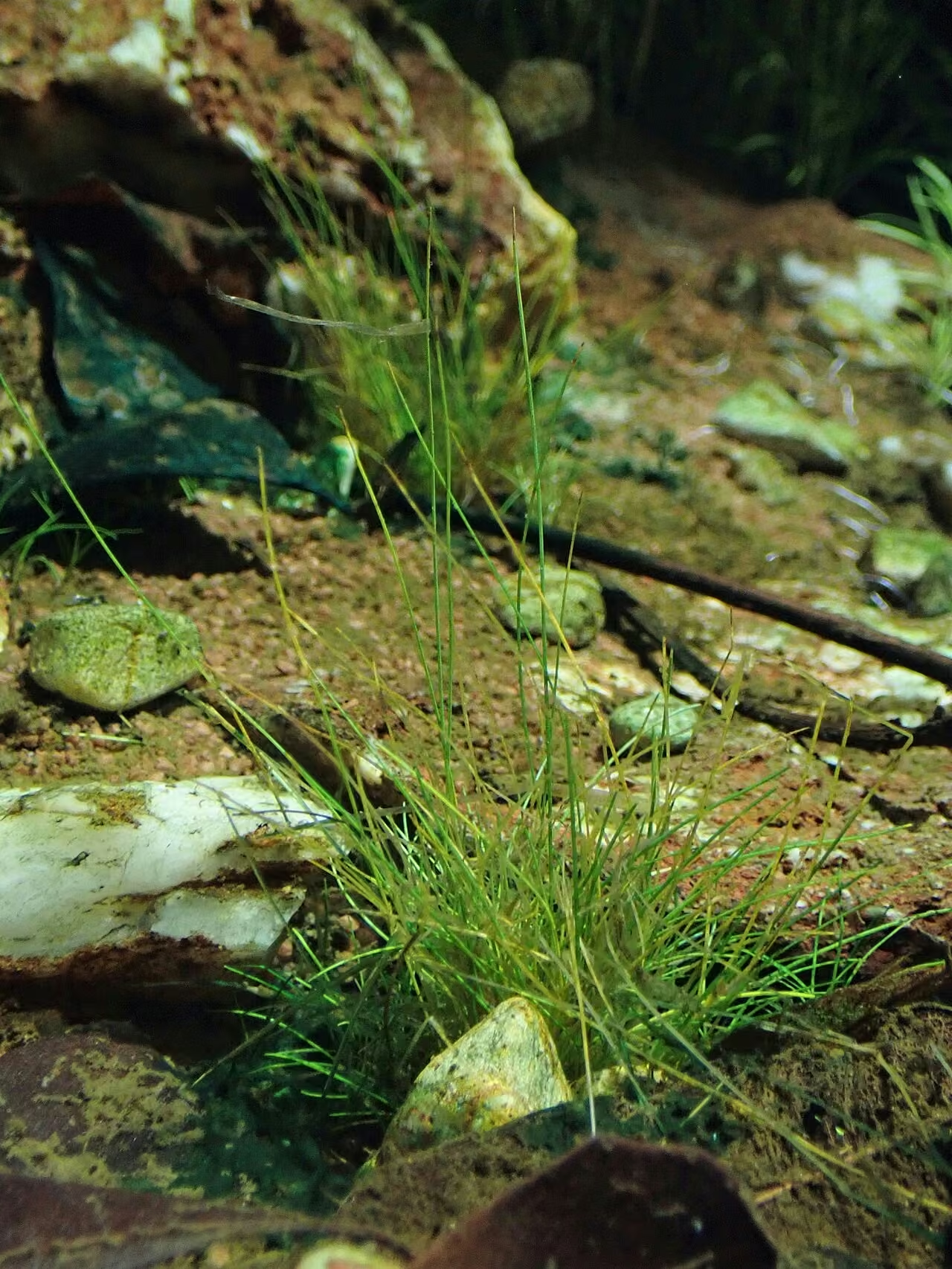
Small Spike Sedge
Eleocharis pusilla
Detestans Plant
Detestans Plant
Plant Conservation
Chenopodium allanii was ranked At Risk - Declining in 2023 (qualifiers Sp, DPR, DPS, DPT), after earlier assessments as At Risk - Naturally Uncommon. Regionally it is Regionally Declining in Otago and Regionally Endangered in Wellington.
Its forest-edge and semi-open scrubby habitats are under threat from exotic weeds, browsing animals and habitat clearance or modification. Weed control, fencing or pest control to reduce browsing, and protecting remnant coastal scrub help the species recover.
Frequently Asked Questions
Is Einadia allanii the same as Chenopodium allanii?
Yes. It was described as Chenopodium allanii by Aellen in 1939 and moved to Einadia by Paul Wilson in 1983. NZ Flora and NZPCN currently accept the name Chenopodium allanii.
Where does Chenopodium allanii grow in New Zealand?
It is mostly coastal, in rocky and sandy places from the Wairarapa south through the South Island, with inland populations in Central Otago and other dry eastern South Island areas. Recorded sites include Motunau, Banks Peninsula and Nugget Point.
Why is Chenopodium allanii declining?
Its forest-edge and semi-open scrubby habitats are under pressure from exotic weeds, browsing animals and habitat clearance or modification, which led to its 2023 ranking of At Risk - Declining.
Who is Chenopodium allanii named after?
It honours Dr Harry Howard Barton Allan (1882-1957), a New Zealand botanist and educator who was the first director of the DSIR Botany Division.
Sources and Further Reading
The botanical, growing, and conservation details for Goosefoot (Chenopodium allanii) on this page draw on the New Zealand plant references below. Consult them for full technical records and the latest distribution data.