Clematis
Clematis marata
Last updated:
Clematis marata is a slender, low-climbing evergreen woody vine endemic to the South Island and Stewart Island/Rakiura. It has small, dull green, three-part leaves that are hairy on both sides, and from September to December it carries modest green to yellowish-green flowers, followed by fluffy wind-borne seed heads. It grows on river terraces, rock outcrops, dry hillsides and scrub from Marlborough's upper Awatere Valley south through Canterbury and Otago to Te Anau Downs and Rakiura. It is easily confused with Clematis quadribracteolata, which shares much of its range but has narrow purple sepals. Explore more native climbers in our native plant guide.
Plant Description
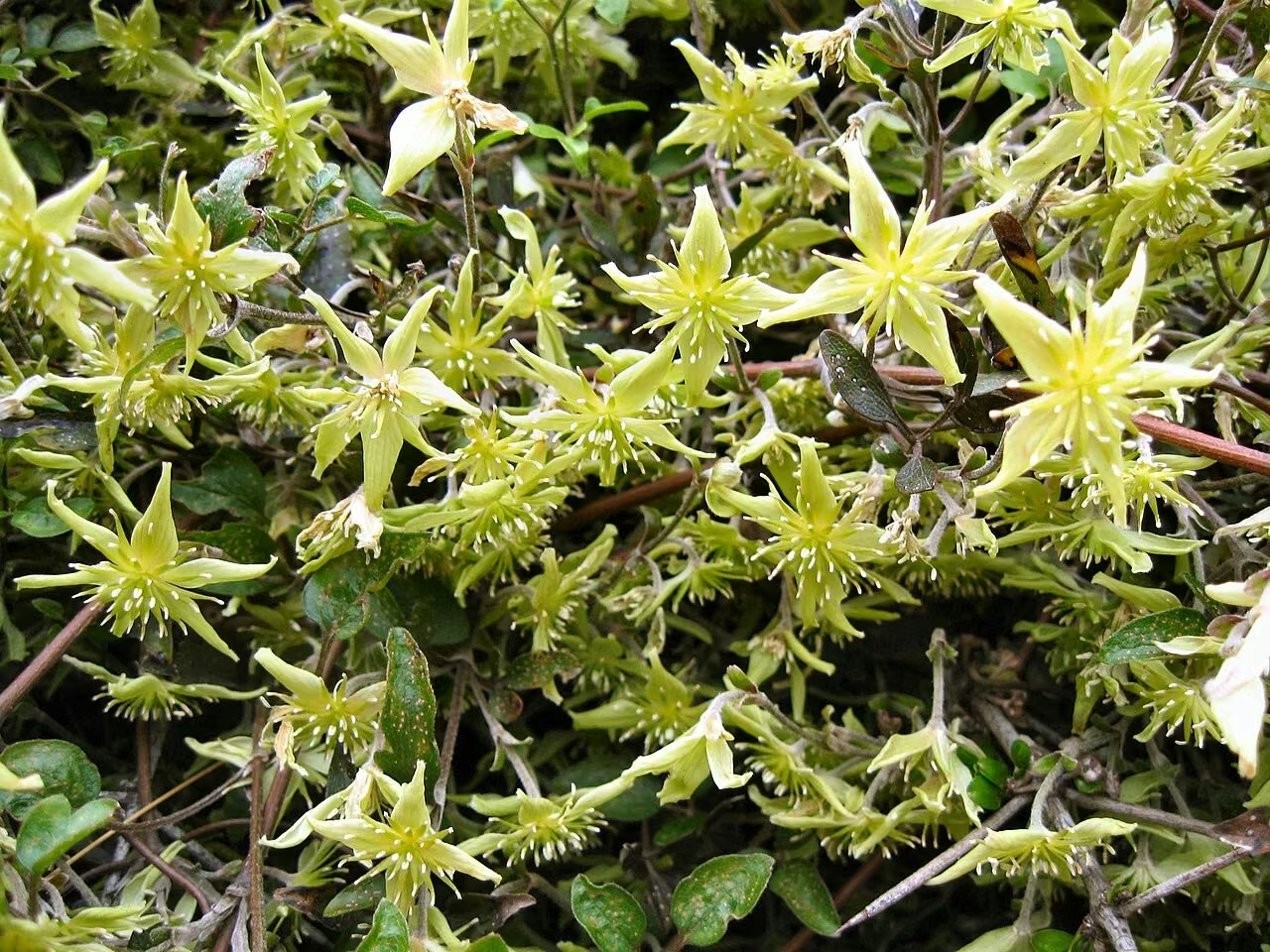
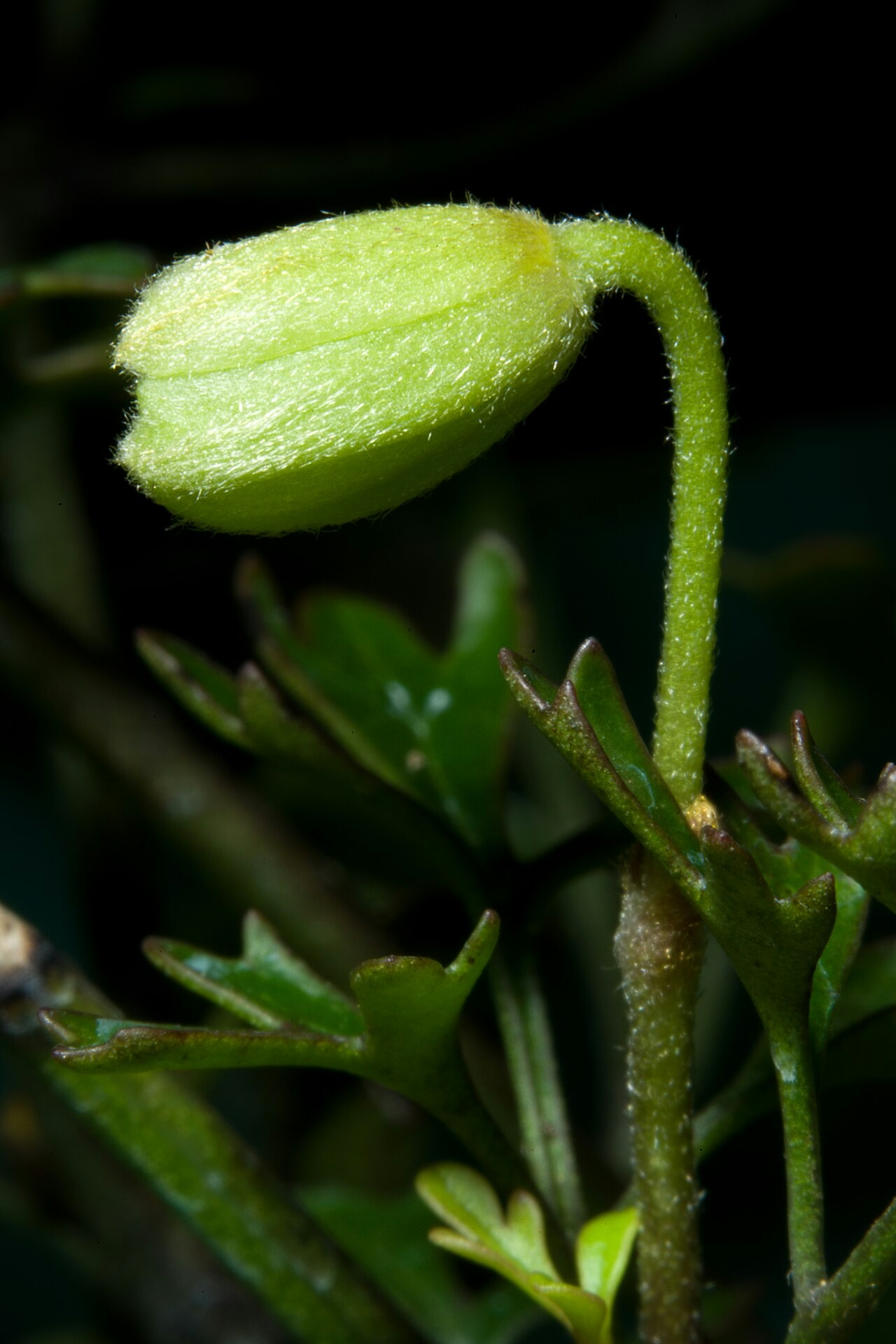
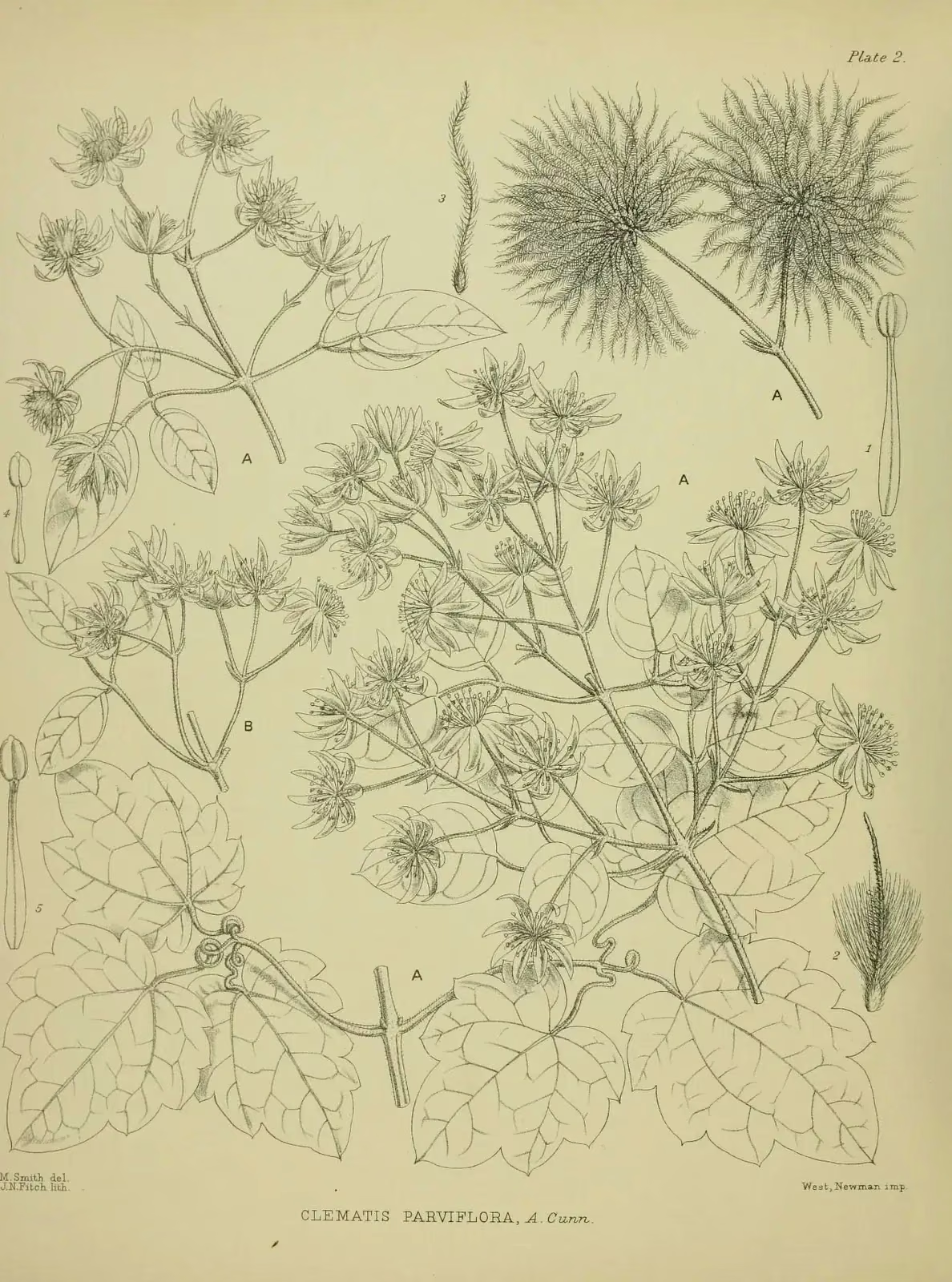
Clematis marata is a slender, evergreen woody climber that scrambles only a short way up through low shrubs and over rocks. Its leaves are trifoliolate and dull green, with leathery leaflets 1.5 to 4 cm long (occasionally to 7 cm) and 1 to 3 cm wide, often divided into three or more spoon-shaped lobes. Both surfaces of the leaflets are hairy, and the branchlets are hairy too.
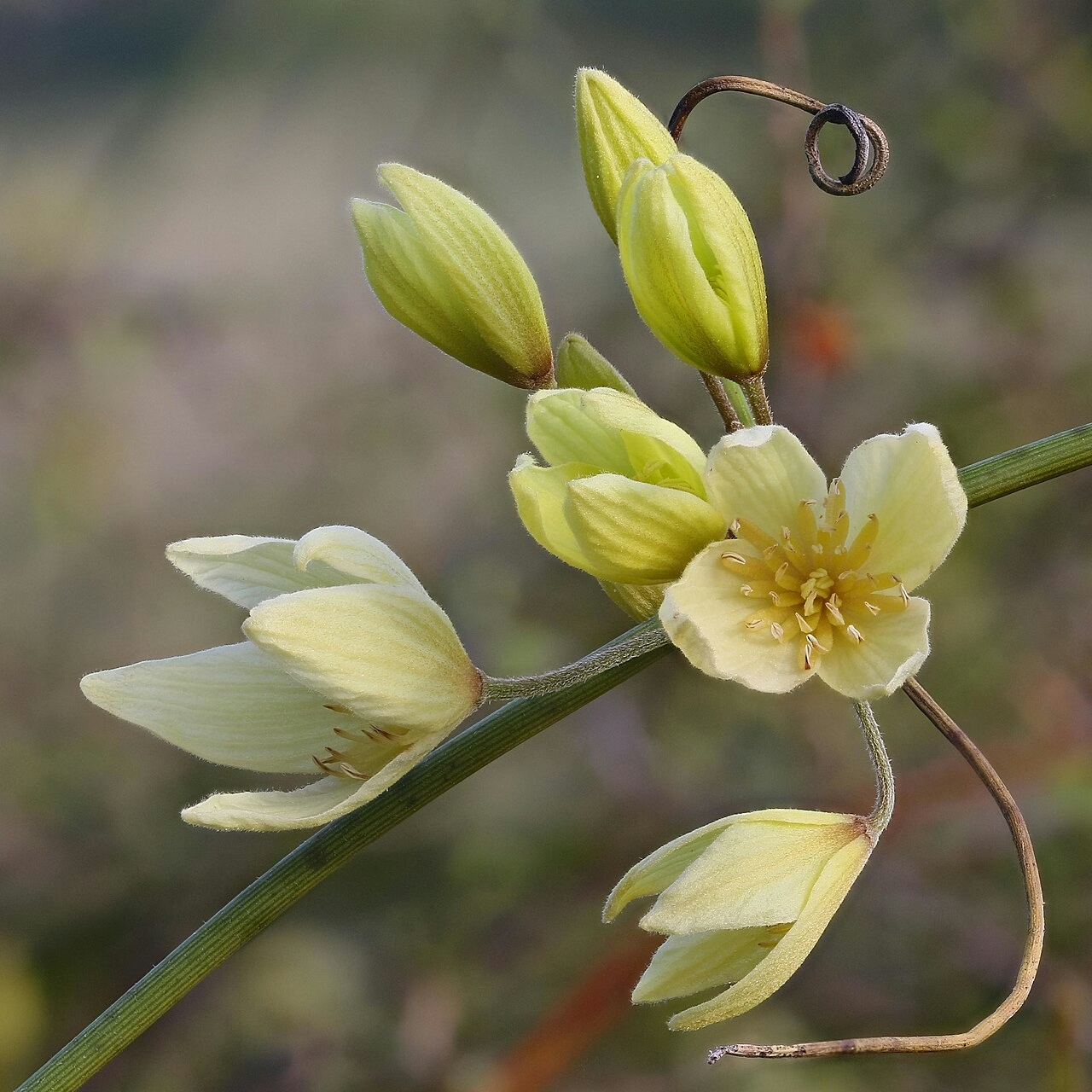
The flowers are unisexual, with male and female flowers on separate plants. Each flower has four or occasionally five green to yellowish-green, hairy sepals; in male flowers these are about 8 to 15 mm long and 3 to 6 mm wide. Like all clematis it has no petals. Female flowers produce hairless achenes 3 to 5 mm long, each with a feathery style 1.5 to 2.5 cm long that helps it travel on the wind.
Its close relative Clematis quadribracteolata overlaps with it across the eastern South Island. That species has narrow purple sepals that are hairless on their inner face, and less hairy foliage. Without flowers the two are hard to separate, but the denser hairiness of C. marata is the best guide.
Quick Facts
| Scientific Name | Clematis marata |
|---|---|
| Height | Low climber, usually under 2 m |
| Spread | About 1 m |
| Water Needs | Low; suited to dry sites |
| Light | Full sun to light shade |
| Frost Tolerance | High; grows in frosty inland valleys |
| Salt Tolerance | No reliable information available |
| Growth Rate | Moderate |
| Lifespan | Long-lived perennial |
Climate Best Suited to
Suits cool to cold, dry, sunny climates such as the inland basins and eastern hill country of the South Island. It is unlikely to enjoy warm, humid northern conditions.
Regional Suitability
| City | Climate Suitability |
|---|---|
| Auckland | Low |
| Wellington | Medium |
| Christchurch | High |
| Dunedin | High |
Plant Habitat
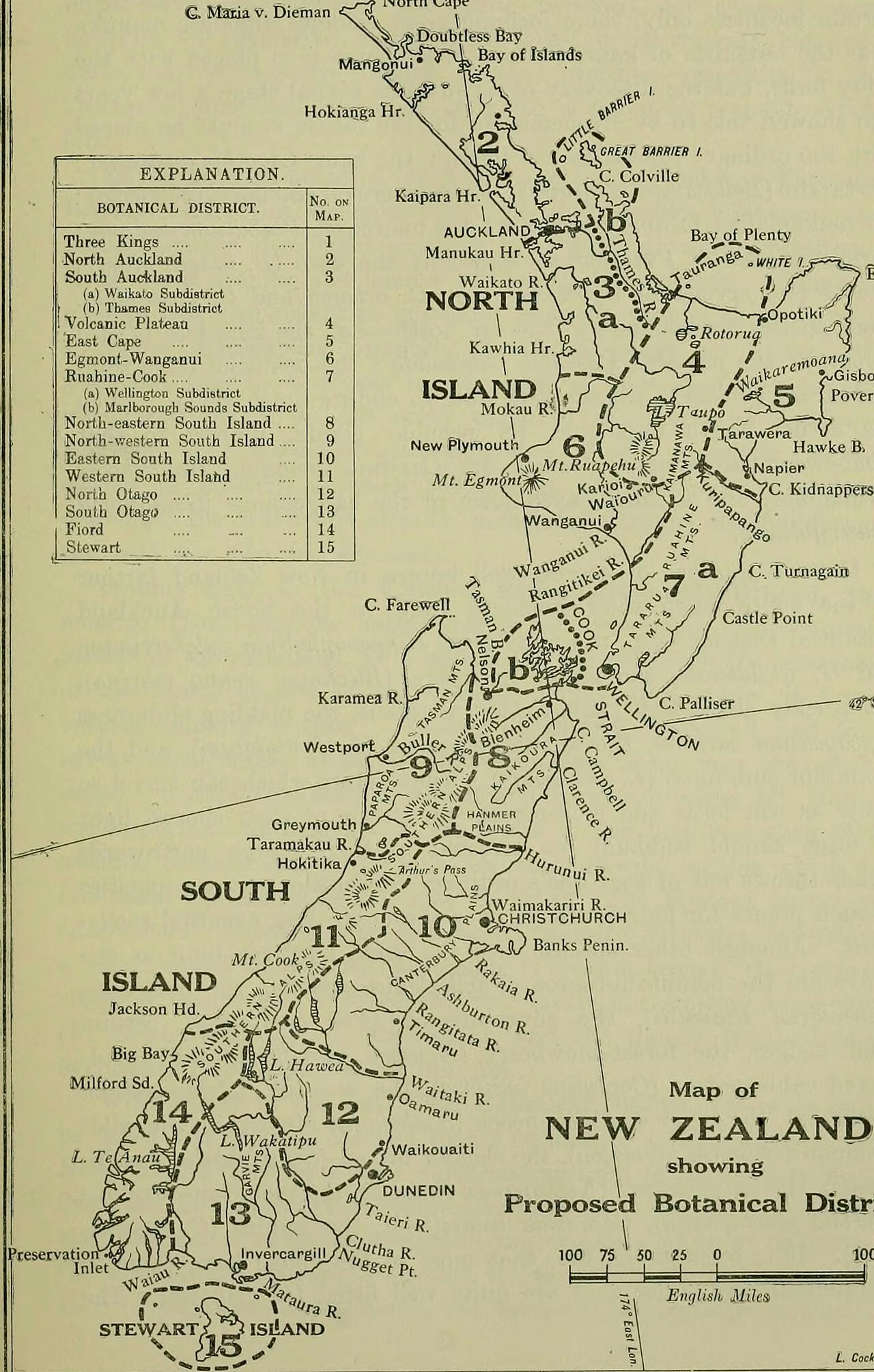
Clematis marata is endemic to the South Island and Stewart Island/Rakiura. It has been recorded in Marlborough (upper Awatere Valley), Canterbury, Otago, Southland at Te Anau Downs, and on Rakiura, mainly on the eastern side of the island.
It appears to be restricted to river terraces, rock outcrops, dry hillsides and scrub, where it scrambles at low level through shrubs and over rocks.
Growing Requirements
Soil Requirements
It grows on stony river terraces, rock outcrops and dry hill soils that drain freely.
- Free-draining, stony or gravelly soil
- Tolerates low fertility
- Avoid wet, heavy ground
Light Requirements
In the wild it climbs through low, open scrub, so it gets plenty of light with some dappled shade at its base.
- Full sun to light shade for the foliage
- A cool, shaded root run suits it
Water Requirements
Its natural sites are dry terraces and hillsides, so it copes with dry summers once established.
- Water new plants through their first summer
- Avoid soggy soil, especially in winter
Planting and Establishing
Plant beside a low shrub, rock or small trellis it can scramble over, in a sunny, well-drained spot. Shade the root zone with stones or companion plants.
Plants are male or female, so grow several if you want seed. It is a modest, delicate climber best placed where it can be seen up close rather than expected to cover a large structure.
Ecological Role
Clematis marata is part of the dry shrubland and rock outcrop vegetation of the eastern South Island, scrambling through low shrubs. Its feathery-tailed achenes are dispersed by wind.
Specific pollinators have not been documented in the sources consulted; its small green flowers are presumably visited by native insects, as in other small-flowered native clematis.
Uses & Significance
Garden Uses
A choice plant for native plant enthusiasts and dry-garden specialists rather than for quick cover.
- Scrambling through small divaricating shrubs
- Rock gardens and dry banks
- Eco-sourced restoration of South Island terrace shrubland
Ecological Value
It adds diversity to dry eastern shrublands, a habitat type that has been heavily modified.
- Native climber of river terraces and rock outcrops
- Wind-dispersed seed helps it colonise open ground
- Part of the distinctive South Island dryland flora
Landscaping Uses
Let Clematis marata weave through grey-leaved or divaricating shrubs, where its soft, hairy foliage and green flowers add a subtle second layer.
It works well in a dryland-themed garden with tussocks, rocks and small shrubs, echoing the river terrace habitats where it naturally grows.
Seasonal Care Calendar
Spring
Flowering runs from September to December, with small green flowers among the hairy leaves.
- Look closely at sepals to confirm identity
- Plant new specimens in early spring
Summer
Fruiting runs from December to March, when female plants carry fluffy seed heads.
- Collect seed as the tails turn silky
- Water young plants in prolonged drought
Autumn
Late seed heads disperse in the wind and growth slows.
- Take semi-hardwood cuttings
- Clear weeds from around the base
Winter
An evergreen plant that sits quietly through frosty winters.
- Keep roots free of standing water
- No other care needed
When to Prune and How Much
Pruning is rarely needed for this slender climber. Remove dead stems and any that wander away from their support.
If needed, trim lightly after flowering so that next season's flowering stems are not lost.
How to Grow Clematis
No propagation notes specific to Clematis marata were found in the sources consulted, so the methods below follow the standard approach for small-flowered South Island clematis. Seed ripens on female plants between December and March and is spread by wind on feathery tails, so heads should be gathered as soon as the tails fluff up. Semi-hardwood cuttings are a good alternative and allow you to select male or female plants. Because it is easily confused with Clematis quadribracteolata, check the identity of the parent plant in flower before collecting. Raise only a few plants at a time and label them carefully.
From Seed
Fresh seed gives the best results, though germination of native clematis can be slow and patchy.
- Collect seed heads from confirmed female plants once the tails are fluffy
- Sow fresh onto a gritty seed mix and cover lightly
- Keep in a sheltered, bright place and do not let the mix dry out
- Prick out seedlings when they have two or three true leaves
- Grow on in pots for a season before planting out
From Cuttings
Semi-hardwood cuttings from current growth can be rooted in a humid propagating environment.
- Take 10 cm stem cuttings with two nodes in late summer
- Trim the lower leaves and cut below a node
- Insert into a free-draining mix of bark and pumice
- Keep humid, shaded and evenly moist until roots form
- Pot on and harden off before planting
Pests & Diseases
No specific pests or diseases are recorded for Clematis marata in the sources consulted. Like other dryland clematis, it is most likely to fail from root rot in wet, poorly drained soils.
In the wild, browsing animals and invasive weeds in dry shrubland may reduce its habitat, although it is not considered threatened.
Cultural Significance
No Māori name or traditional use is recorded for Clematis marata in the sources consulted.
It was described by J.B. Armstrong in 1881. Later botanists, including Allan in 1961, lumped it into a broad, variable complex, until Joe Cartman showed in 1986 that it and Clematis quadribracteolata are distinct species.
Bonus Tip
To confirm you have Clematis marata rather than its look-alike, run a finger over the leaflets and young stems: C. marata feels distinctly hairy on both leaf surfaces, while C. quadribracteolata is less hairy. Then check the flowers in spring for broad green sepals.
Related Plants
Explore other native plants that share similar characteristics or habitats with Clematis (Clematis marata), offering further insights into New Zealand's diverse flora. These related species provide context and opportunities for complementary planting in your garden.
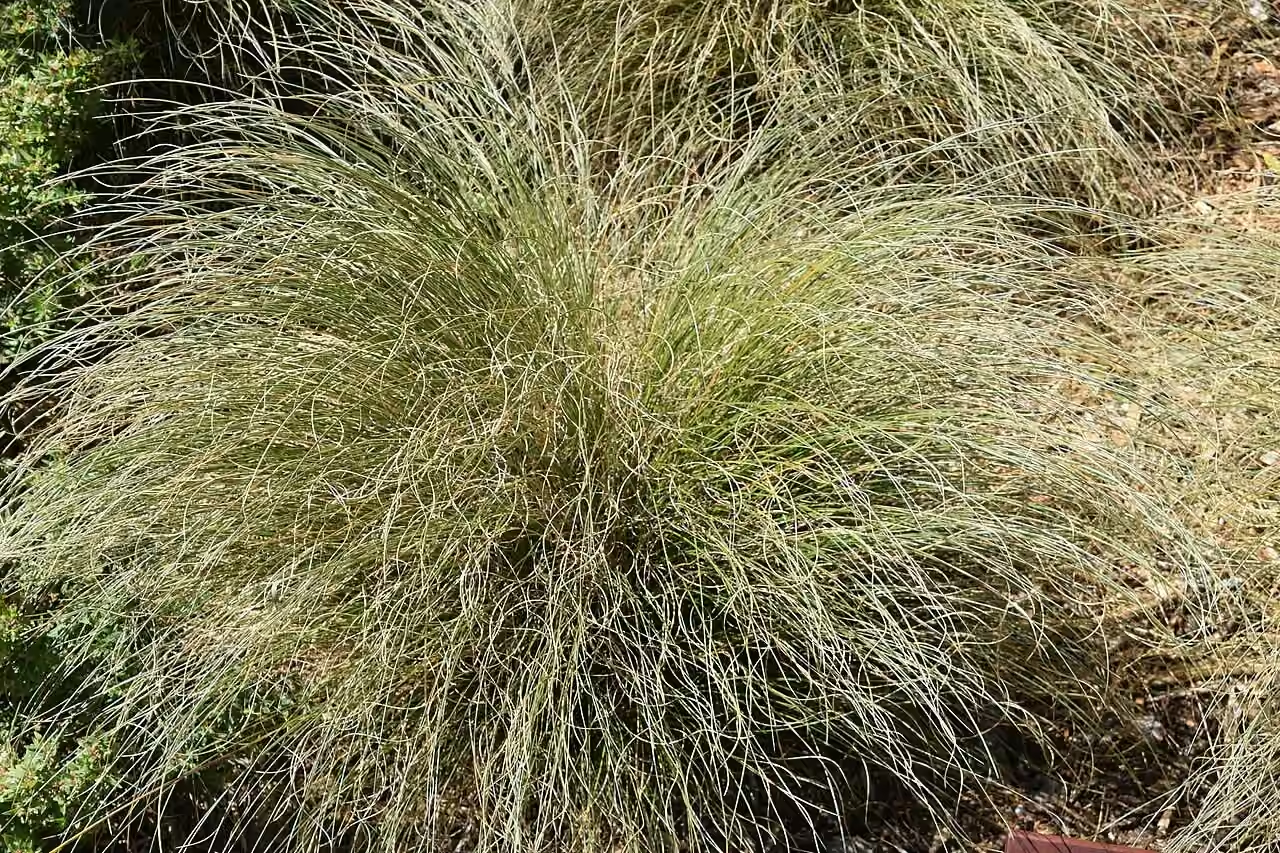
Terete-Leaved Snow Tussock
Chionochloa teretifolia
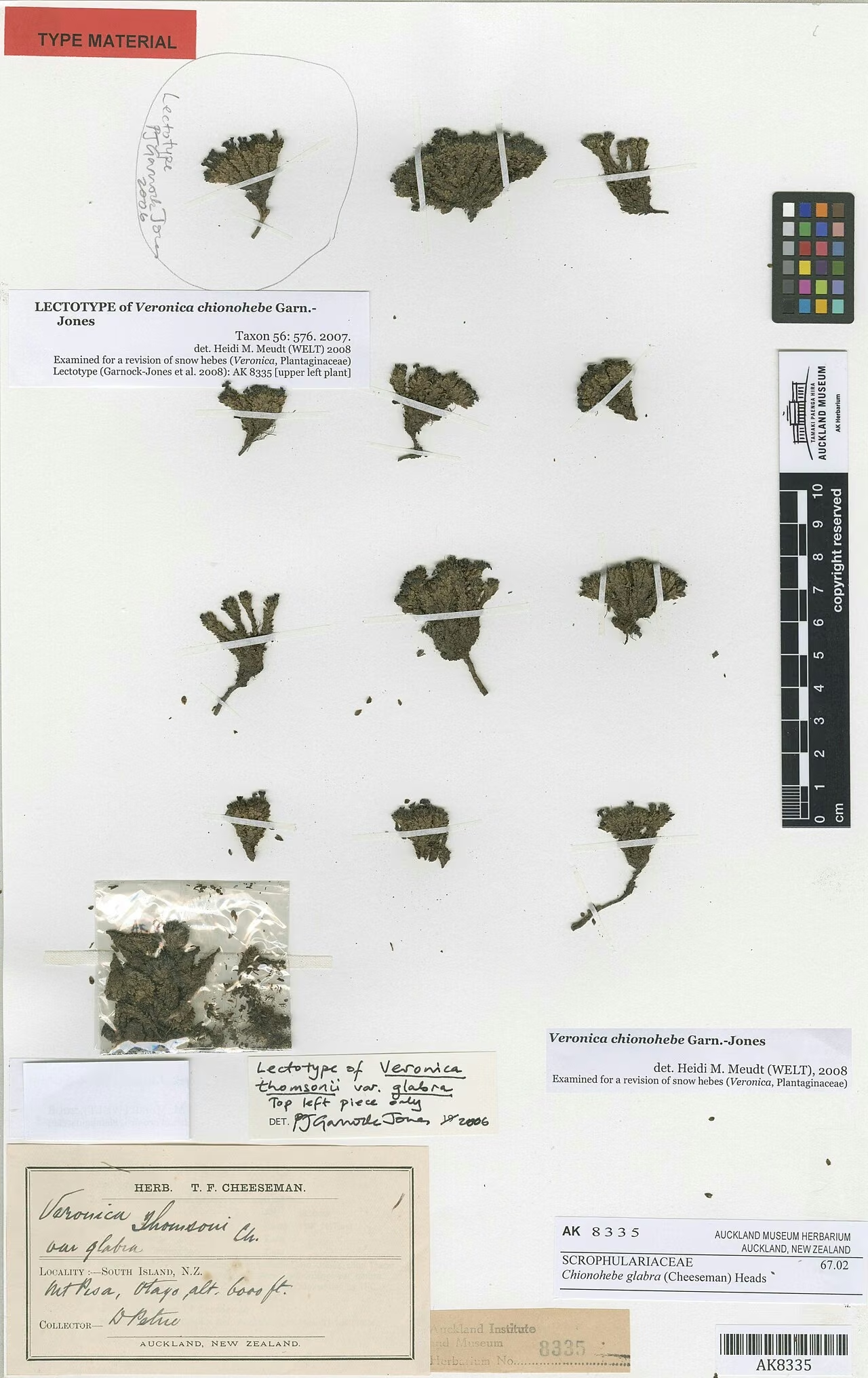
Veronica chionohebe
Veronica chionohebe
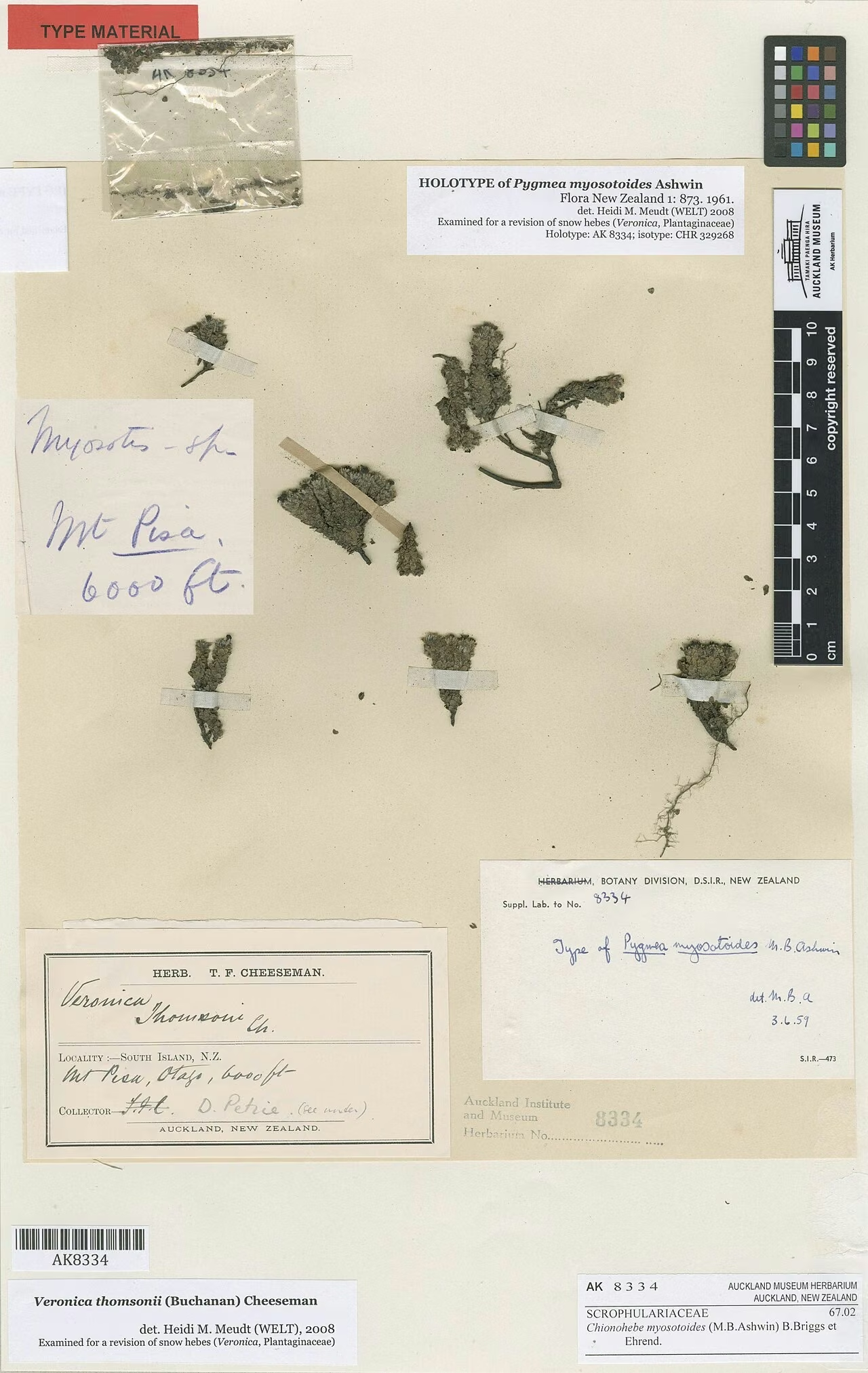
Veronica thomsonii
Veronica thomsonii
Leafless Clematis
Clematis afoliata
Clematis petriei
Clematis petriei
Koru
Lobelia physaloides
Colobanthus apetalus
Colobanthus apetalus
Cunninghamii Plant
Cunninghamii Plant
Plant Conservation
Clematis marata is ranked Not Threatened (2023). It has a fairly wide range through the eastern and southern South Island and Rakiura.
Its dry terrace and outcrop habitats are prone to weed invasion and land development, so protecting remnant dryland shrubland and planting eco-sourced stock helps keep local populations healthy.
Frequently Asked Questions
How do you tell Clematis marata from Clematis quadribracteolata?
In flower, Clematis marata has wider, green, hairy sepals, while C. quadribracteolata has narrow purple sepals that are hairless on the inner surface. Out of flower, C. marata has noticeably hairier leaflets and branchlets.
Where does Clematis marata grow?
It is endemic to the South Island and Stewart Island, recorded from the upper Awatere Valley in Marlborough, Canterbury, Otago, Te Anau Downs in Southland, and Rakiura, on dry terraces, rock outcrops and scrubby hillsides.
Does Clematis marata have a common name?
No widely used common or Māori name was found for it. It is generally referred to by its scientific name or simply as a native clematis.
Sources and Further Reading
The botanical, growing, and conservation details for Clematis (Clematis marata) on this page draw on the New Zealand plant references below. Consult them for full technical records and the latest distribution data.