Myrrh
Chaerophyllum novae-zelandiae
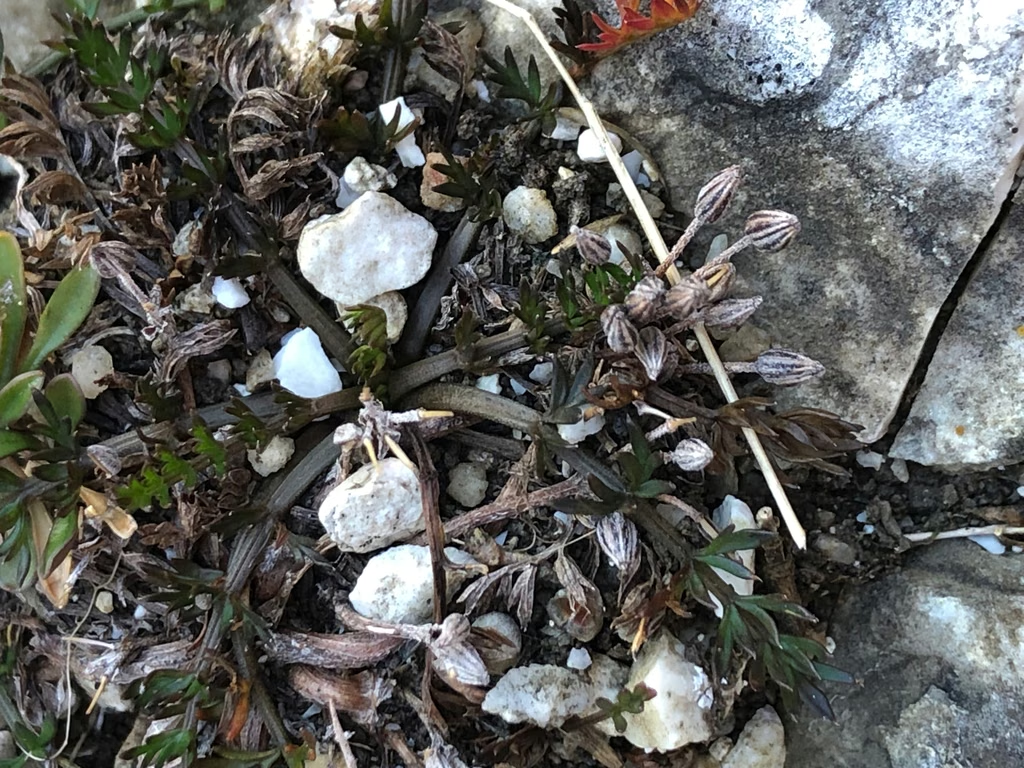
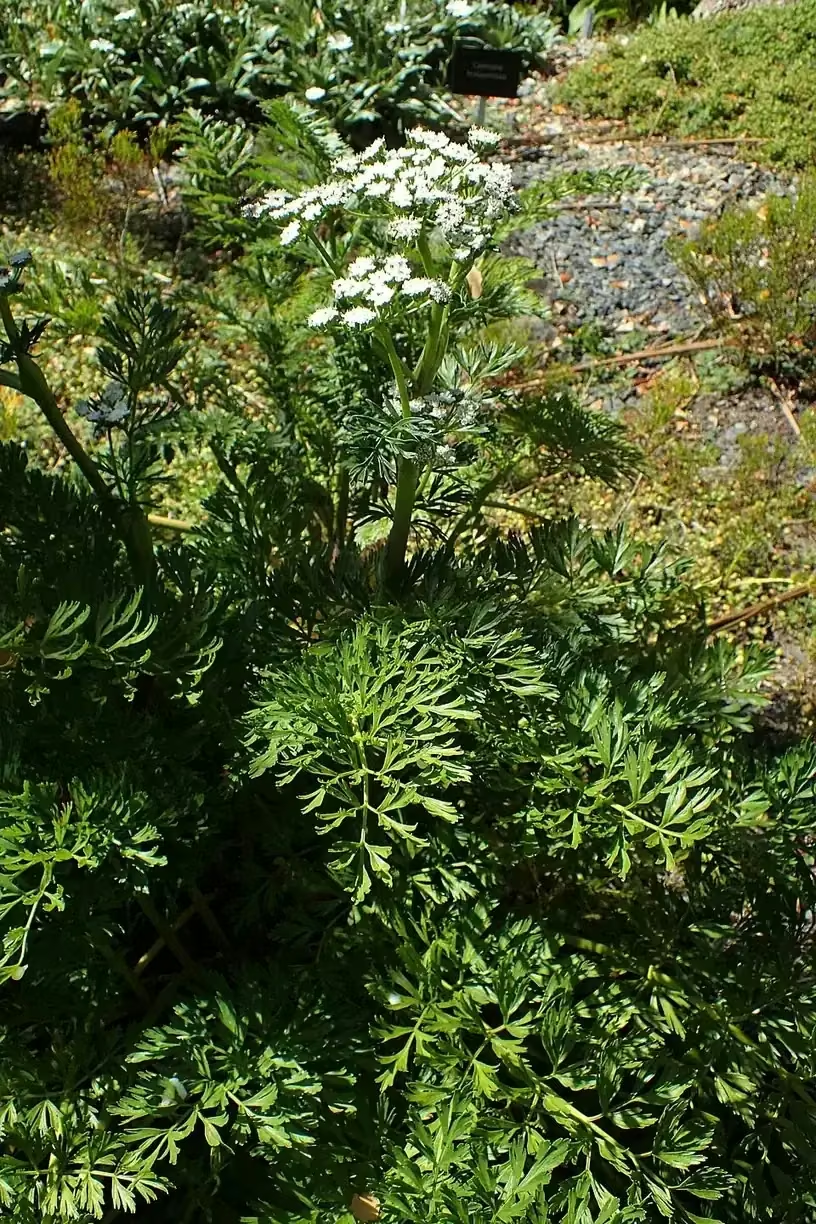
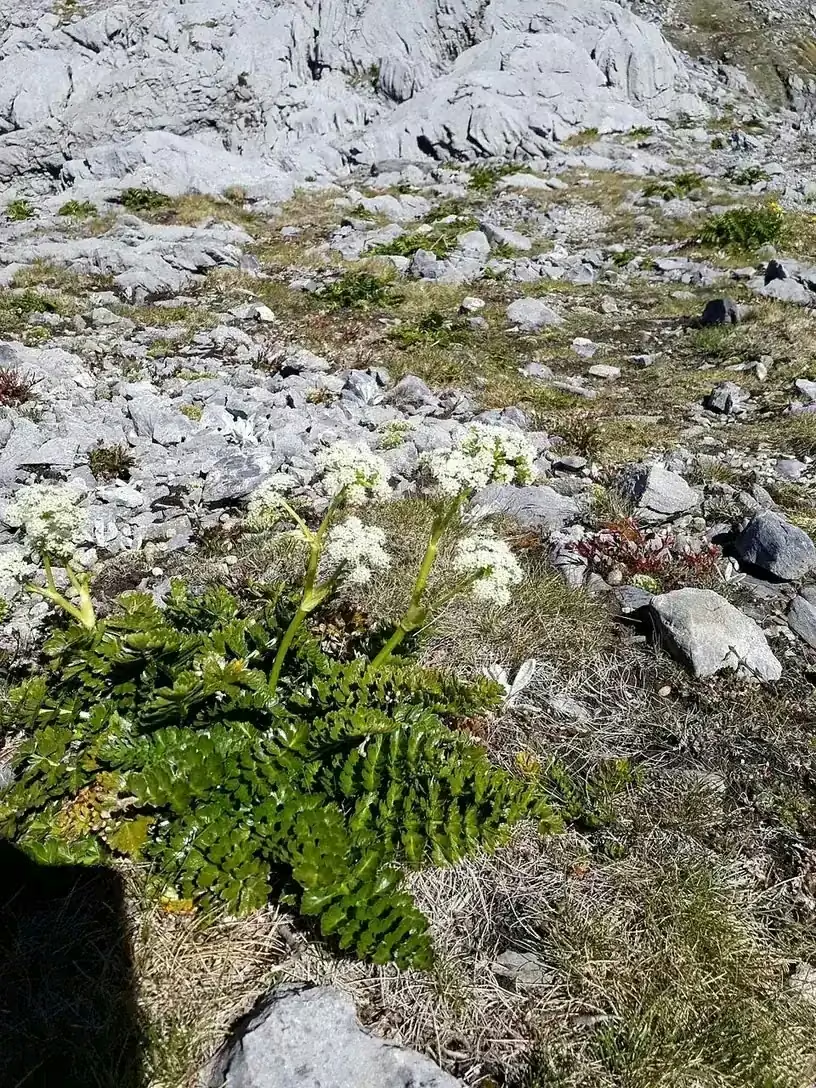
Chaerophyllum novae-zelandiae is a tufted myrrh endemic to New Zealand. Its divided leaves and compact umbels grow from a short, woody stock in open South Island habitats. This stout, tufted herb grows to about 20 cm tall from a short, woody stock.
Identification
This stout, tufted herb grows to about 20 cm tall from a short, woody stock. Its leaf blades are roughly 5 cm long, usually pinnate and occasionally twice divided, with narrow, pointed segments.
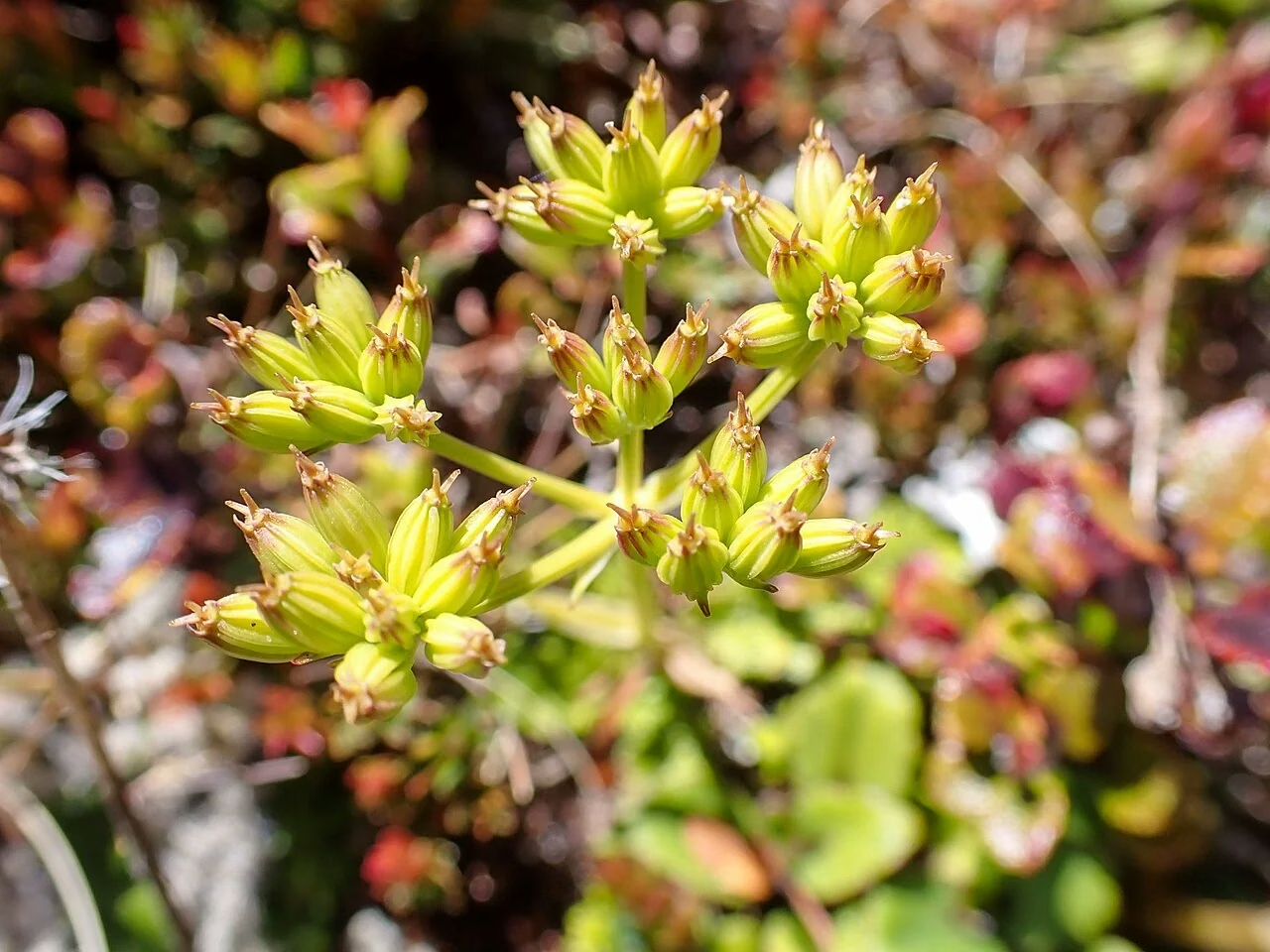
Umbels grow on rigid, spreading or depressed stalks and have ten to fifteen unequal rays. The narrow fruits are 2.5-3.5 mm long and can be hairy or hairless.
Quick facts
| Scientific Name | Chaerophyllum novae-zelandiae |
|---|---|
| Former name | Oreomyrrhis rigida |
| Family | Apiaceae |
| Height | Up to about 20 cm |
| Leaf blade | About 5 cm long |
| Umbel rays | 10-15 |
| National status | Not Threatened (2023) |
| Water Needs | A cultivation watering requirement is not given in the Flora account |
| Light | Open montane grassland and rocky sites in its natural habitat |
| Spread | Tufts with short spreading branches; width unquantified |
| Frost Tolerance | Minimum tolerated temperature is not documented |
| Salt Tolerance | Salt tolerance is not documented |
| Growth Rate | Annual extension is not quantified in the cited accounts |
| Lifespan | Herb with a persistent woody stock |
Natural range
The 1961 Flora records this myrrh in South Island montane grassland and open rocky places east of the main divide. It notes records extending south to about latitude 46°30′.
| City | Climate Suitability |
|---|---|
| Auckland | Not assessed |
| Wellington | Not assessed |
| Christchurch | Not assessed |
Habitat and distribution
The historical Flora account describes montane grassland and open, rocky ground east of the South Island divide. The type locality is near Lake Rotoiti in Nelson.
NZPCN plant lists include the species at Acheron Flat limestone in Selwyn and locations in the Mackenzie and Southland districts.
Natural growing conditions
Open montane grassland and rocky sites are recorded in the Flora account. That description does not give a tested garden soil mix, watering schedule or temperature range for Chaerophyllum novae-zelandiae.
Planting considerations
The Flora description documents a stout, short-stocked herb but does not provide a planting protocol. Its presence in rocky montane ground is useful habitat information, not a tested method for establishing it in a garden.
Growth and ecology
The plant produces short, spreading branches from a woody stock. The umbel stalks can reach about 20 cm and generally spread outward or lie low; their unequal rays can bear backward-pointing hairs.
Observing the plant
Examine the oblong outline of the divided leaf and the short, finely cut leaflets. Basal and stem leaves are similar, with stalks about 3 cm long and broad sheathing bases.
Landscape context
The historical Flora records this herb in open rocky places and montane grassland. It does not report landscaping trials, so its wild habit should not be taken as evidence of reliable garden performance.
Flowers and fruit
The umbels have narrow oblong bracts about 2 mm long. Flora describes the fruits as linear to very narrowly oval, 2.5-3.5 mm long, and either hairless or hairy; it does not specify flowering months.
Growth form
This low herb has a short, fairly woody stock and spreading branches rather than a tall woody canopy. The Flora account does not prescribe pruning, and the divided leaves are useful identification features.
How to Grow Myrrh (Chaerophyllum novae-zelandiae)
Seed records under Oreomyrrhis
Older Flora literature calls this plant Oreomyrrhis rigida; the current name is Chaerophyllum novae-zelandiae. Linking those names is necessary when checking seed or herbarium records. The botanical account describes narrow fruits approximately 2.5-3.5 mm long and 1-1.5 mm wide. Their surfaces can be hairy or hairless. It does not give a tested germination treatment.
The short woody stock
The plant is a stout, rather rigid tufted herb reaching about 20 cm. Several main stems arise from a short, thick, somewhat woody stock and carry short spreading branches. This persistent structure describes its natural growth form. The source does not report successful division of the stock or the age at which a seed-grown plant first flowers.
Observing leaf and umbel development
Leaf blades are about 5 cm long, usually divided once, with deeply cut leaflets ending in narrow pointed segments. Umbels develop on firm stalks that may spread sideways or bend down. Each umbel has roughly ten to fifteen unequal rays, and small narrow bracts surround its base. These details help distinguish developing reproductive growth from the foliage.
Interpreting habitat observations
The historical Flora records montane grassland and open rocky ground east of the South Island divide. The type locality is near Lake Rotoiti in Nelson. Such records establish a mountain habitat context for identified plants. They do not quantify a potting mixture, watering frequency or propagation temperature, and a flowering-month calendar is not supplied in that description.
Plant health
The cited Flora and NZPCN profiles do not prescribe species-specific pest or disease treatments. Hairs on leaves, fruits or the backward-pointing hairs on umbel rays are part of the described variation in this myrrh.
Naming and classification
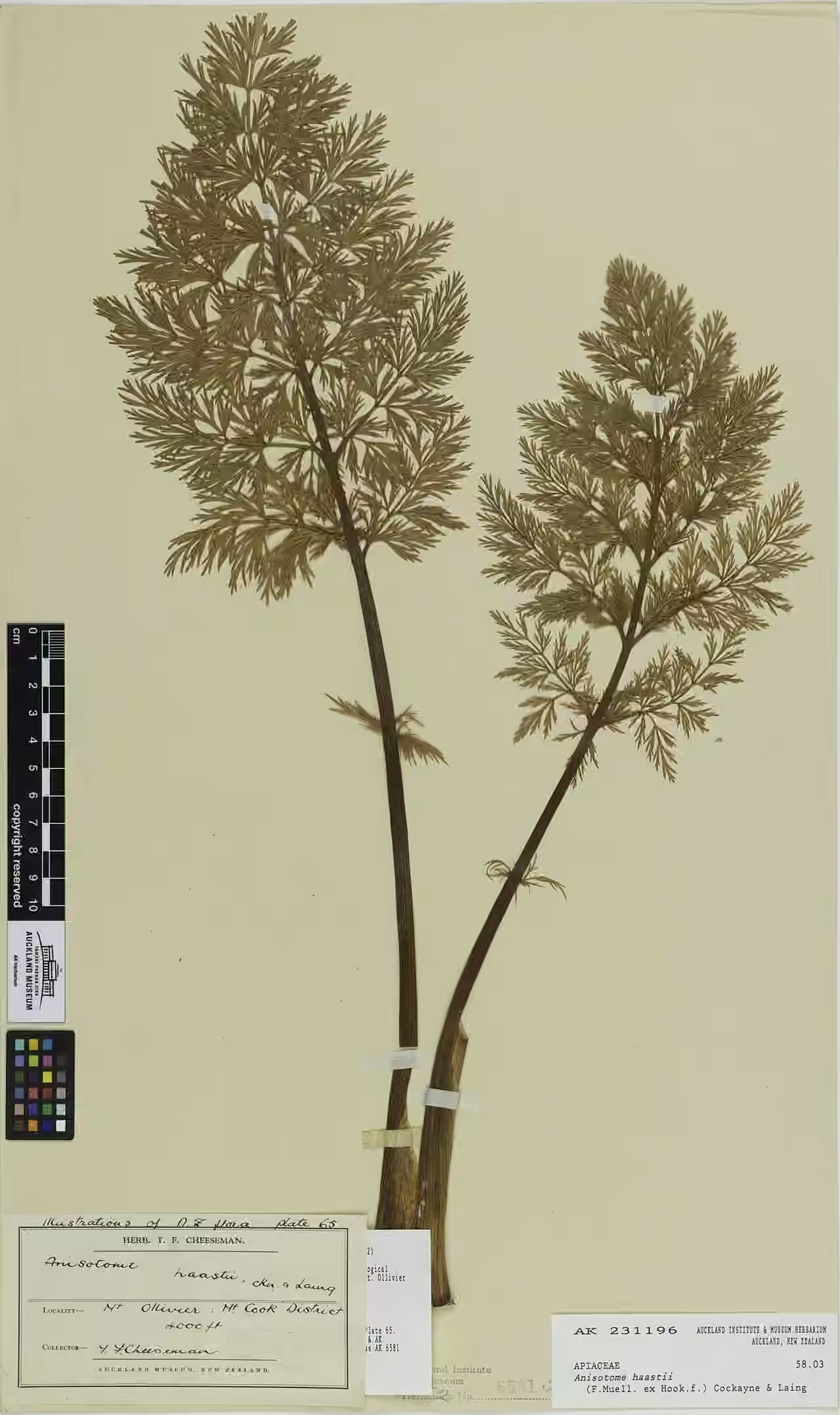
The species was previously called Oreomyrrhis rigida. K. F. Chung published Chaerophyllum novae-zelandiae in 2007 after work incorporating the South Pacific genus Oreomyrrhis into Chaerophyllum.
Variation within the group
Flora described the plant as variable, and later botanical work distinguished several forms within the former Oreomyrrhis rigida complex. Some related forms remain taxonomically unresolved, so careful identification matters.
Related New Zealand herbs
Explore other New Zealand members of the carrot family, including mountain and coastal herbs.
Conservation
Chaerophyllum novae-zelandiae was assessed as Not Threatened nationally in 2023. NZPCN lists it as Regionally Vulnerable in Otago in 2025. A separate, unresolved Waitaki form is assessed independently and should not be conflated with the named species.
Frequently asked questions
What was its earlier scientific name?
The Flora description was published under Oreomyrrhis rigida, now treated as Chaerophyllum novae-zelandiae.
How are the flowers arranged?
They occur in umbels with about ten to fifteen unequal rays, held on firm spreading or downward-bending stalks.
Are the narrow fruits always hairy?
No. Both hairy and hairless fruit surfaces are included in the botanical description.
Sources
Botanical description and name: Flora of New Zealand. Historical distribution: Flora of New Zealand Series: Oreomyrrhis rigida. Conservation: NZ Plant Conservation Network.
Last updated: