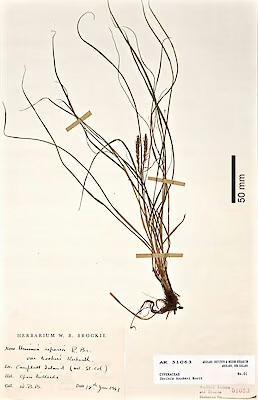
Hook Sedge
Carex crispa
Curled leaf tips and alpine tufts
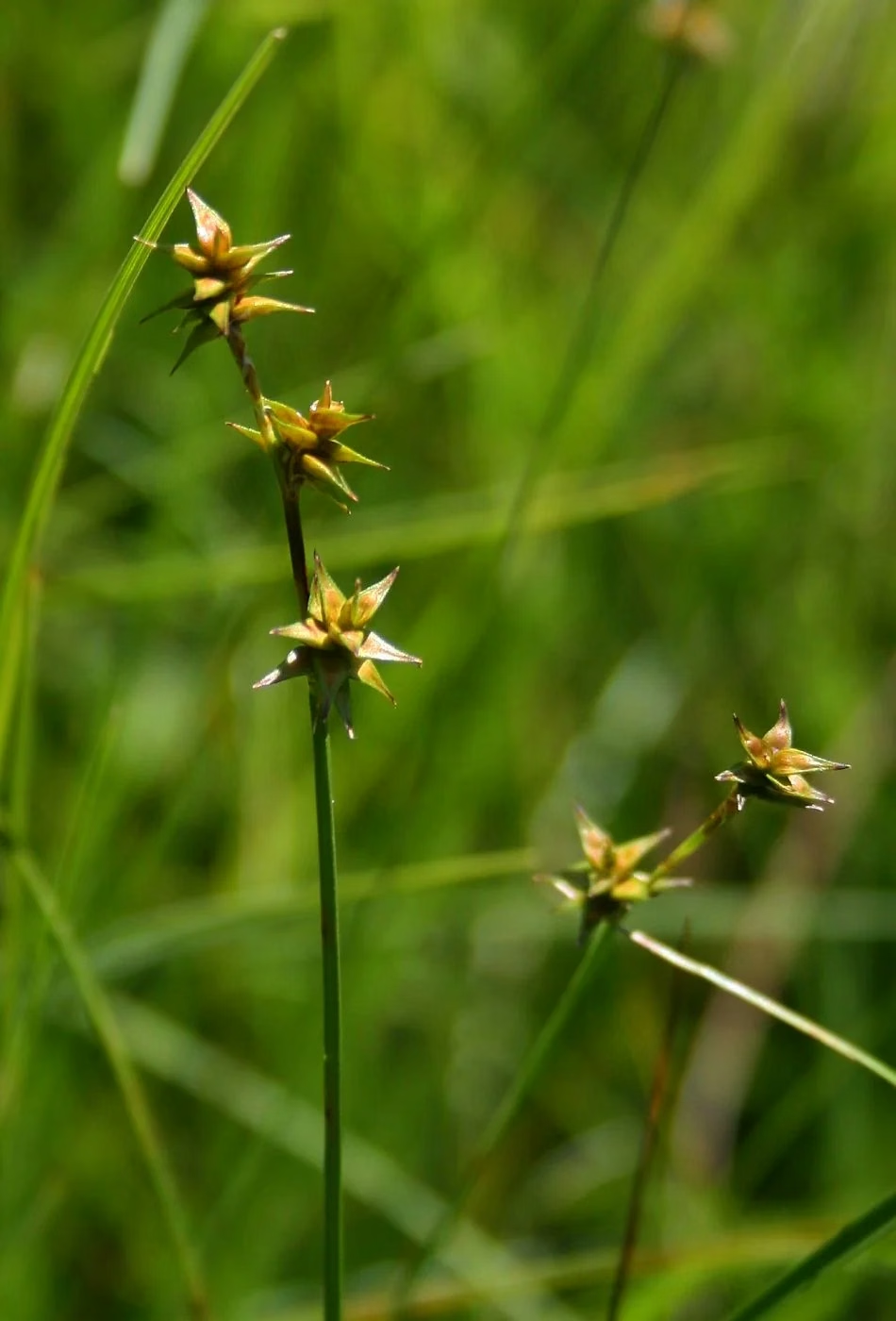
Carex crispa is an endemic New Zealand hook sedge of mountain grassland and scrub. Its fine leaves usually curl at their tips, and the glossy fruiting utricles spread widely when mature.
Identification
This tufted sedge is bright green to yellow-green, with smooth stems 10-30 cm long. Its somewhat stiff leaves are usually about 1 mm wide, rolled inward and curled at the tips. The short spikes carry glossy, three-angled utricles, 4-5 mm long, which spread widely when ripe.
Quick facts
| Scientific Name | Carex crispa K.A.Ford |
|---|---|
| Earlier name | Uncinia involuta |
| Common names | Hook sedge; bastard grass |
| Family | Cyperaceae |
| Origin | Endemic to New Zealand |
| Habitat | Upper montane to alpine grassland and scrub |
| Flowering | October to December |
| Fruiting | November to March |
| National status | Not Threatened (2023) |
| Height | Flowering stems 10-30 cm long |
| Water Needs | Moist, fertile soil with free drainage |
| Light | Full sun |
| Spread | Tuft-forming; mature clump width is not specified |
| Frost Tolerance | Minimum tolerated temperature is not documented |
| Salt Tolerance | Salt tolerance is not documented |
| Growth Rate | Annual extension is not quantified in the cited accounts |
| Lifespan | Longevity in years is not documented |
Natural range
NZPCN records the species from Taranaki Maunga / Mount Egmont and the Ruahine Range in the North Island, several South Island mountain regions including Nelson, Otago and Fiordland, and Rakiura / Stewart Island.
| City | Climate Suitability |
|---|---|
| Auckland | Not assessed |
| Wellington | Not assessed |
| Christchurch | Not assessed |
Habitat
This sedge grows in upper montane, subalpine and alpine grassland or scrub, and only very rarely in open forest. Its distribution includes mountain regions in both main islands and Rakiura / Stewart Island.
Growing conditions
For cultivation NZPCN recommends full sun and fertile, moist but free-draining soil. It also reports that the plant performs well in pots; in the wild it occurs mainly in mountain grassland and scrub.
Planting considerations
The plant forms a small tuft with slender stems 10-30 cm tall and curled leaf tips. NZPCN recommends a sunny position with fertile soil that retains moisture while draining freely, and notes that it grows well in pots.
Mountain sedge
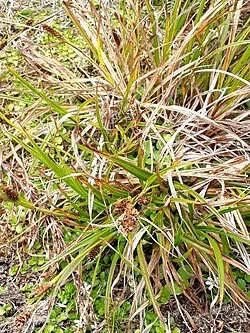
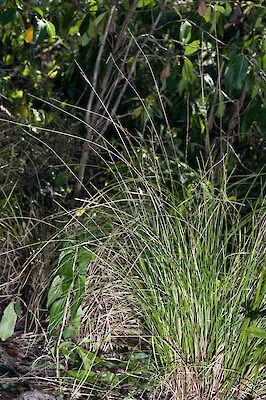
Carex crispa forms bright green tufts in upper montane to alpine vegetation. Female flowers occur in the lower part of its spike, and their enclosing utricles spread out as they ripen.
Field identification
The curled or twisted tips of the inward-rolled leaves are a useful clue. Compare these with the glossy fruiting utricles; Carex astricta has flat or V-shaped tips without the curl and duller utricles.
Garden context
Its narrow curled foliage gives this small sedge an unusual texture. NZPCN reports that it is suitable for pots and recommends full sun with moist, fertile, free-draining soil for cultivation.
Flowering and fruiting
Flowering is recorded from October to December, followed by fruiting from November to March. Each spike has approximately six to twenty female flowers; ripe, shiny utricles spread widely from the spike.
Leaf growth
Four to seven leaves grow on each stem, usually shorter than the stem itself. Their curled tips and inward-rolled blades are normal traits of this species; the cited profile does not prescribe pruning.
How to Grow Hook Sedge (Carex crispa)
Seed and division
Both seed and division of whole plants are documented propagation methods for Carex crispa. NZ Plant Conservation Network describes the species as easy by either route. The seasonal record places flowering between October and December and fruiting from November to March, providing the relevant period for observing developing seed heads on identified plants.
A sunny position with drainage
The cultivation account recommends full sun and fertile soil that stays moist while draining freely. It also specifically recommends this sedge for pots. Its wild habitats are predominantly upper montane, subalpine and alpine grassland or scrub; records from open forest are much less frequent. The sunny cultivation recommendation therefore belongs to this species and should not be replaced with a general shade prescription for all former Uncinia.
Recognising the tuft
Plants have bright-green to yellow-green foliage and flowering stems 10-30 cm long. Their leaves are generally shorter than those stems, with four to seven leaves per stem. A blade is often rolled inward and approximately 1 mm wide, but flatter blades can reach 1.5 mm. Curling at the leaf tips is a characteristic part of the description, so a curled tip alone does not demonstrate that a plant needs more water.
Watching the fruiting heads
The narrow spikes are about 3-5.5 cm long and carry six to twenty female flowers. Fruit development continues beyond the main flowering period. Identifying the fine foliage and its curled ends as well as these spikes helps retain the correct identity when dividing a mixed collection of native hook sedges.
Plant health
The curled leaf tips are a diagnostic characteristic rather than automatically a sign of damage. Leaf margins can be slightly rough towards the tip; NZPCN does not list a species-specific pest treatment.
Names and classification
Uncinia involuta is a synonym of Carex crispa. The latter name was published when former Uncinia species were included in a broader Carex; Biota of New Zealand notes that crispa refers to the curled leaf tips.
A Curled Tip Distinguishes It
The combination of curled, rolled-in leaf tips and shiny utricles helps identify this species. The similar Carex astricta instead has flat or V-shaped leaf tips without the curl and dull fruiting utricles.
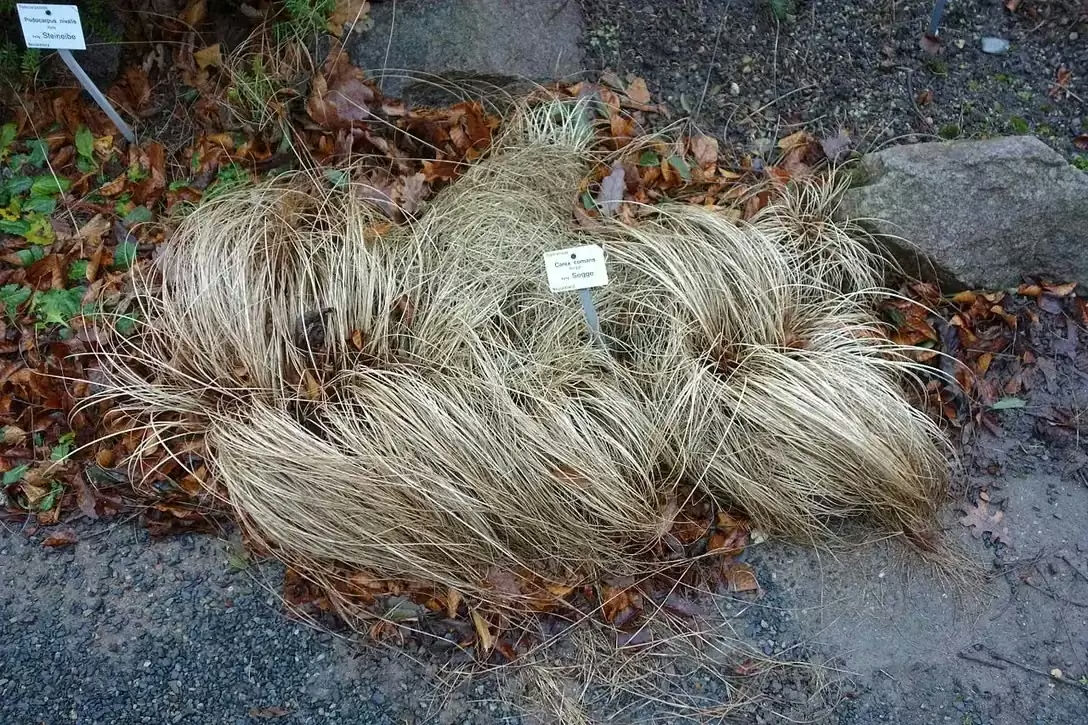
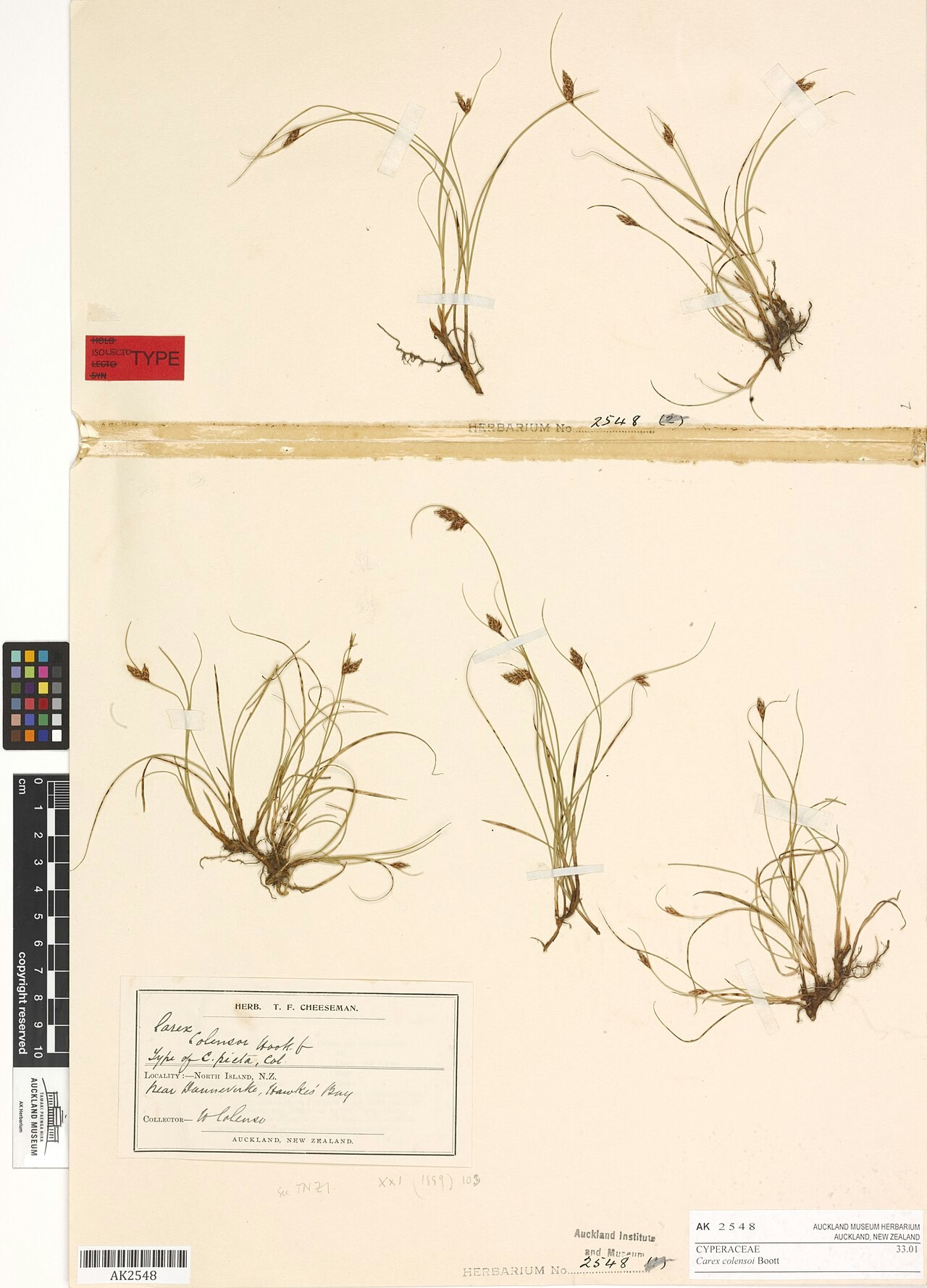
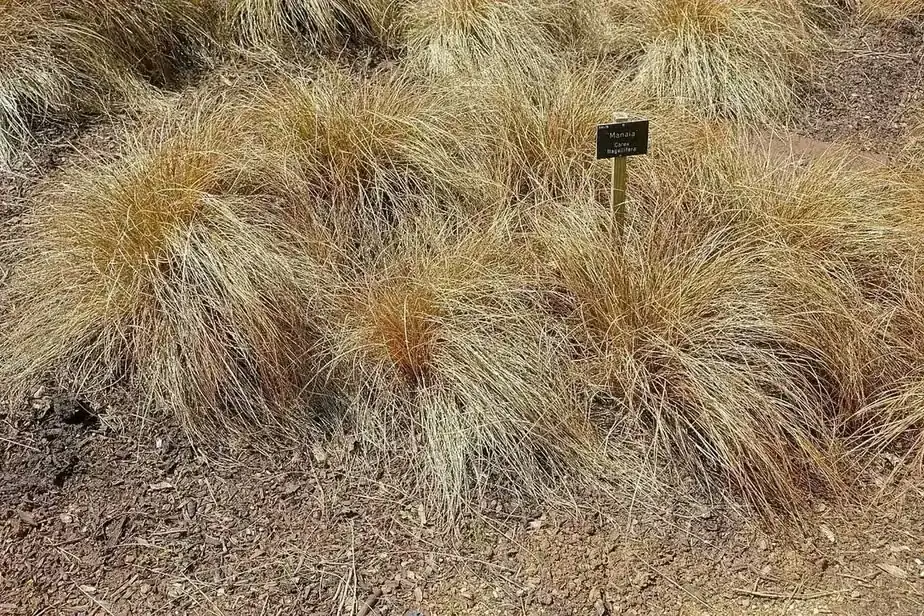
Other New Zealand sedges
Explore other New Zealand Carex species, including sedges of wetlands, forest margins and open ground.
Conservation
Carex crispa is endemic to New Zealand and was assessed nationally as Not Threatened in 2023. NZPCN also lists the 2025 Otago regional assessment as Regionally Not Threatened.
Frequently asked questions
Is Uncinia involuta the same plant?
Yes. NZPCN and Biota of New Zealand list Uncinia involuta as an earlier name for Carex crispa.
How can it be recognised?
Look for narrow leaves with rolled and usually curled tips, together with shiny fruiting utricles. Similar Carex astricta lacks the curled tips and has dull utricles.
Are curled leaf tips normal?
Yes. Curled tips are part of the published description of Carex crispa, whose narrow blades may also roll inward along their length.
Sources
Identification, habitat, flowering, cultivation and conservation: NZPCN.
Scientific names, synonymy and meaning of the specific epithet: Biota of New Zealand.
The curled leaf tips and spreading, glossy ripe utricles are useful characters for distinguishing this mountain sedge.
Last updated: