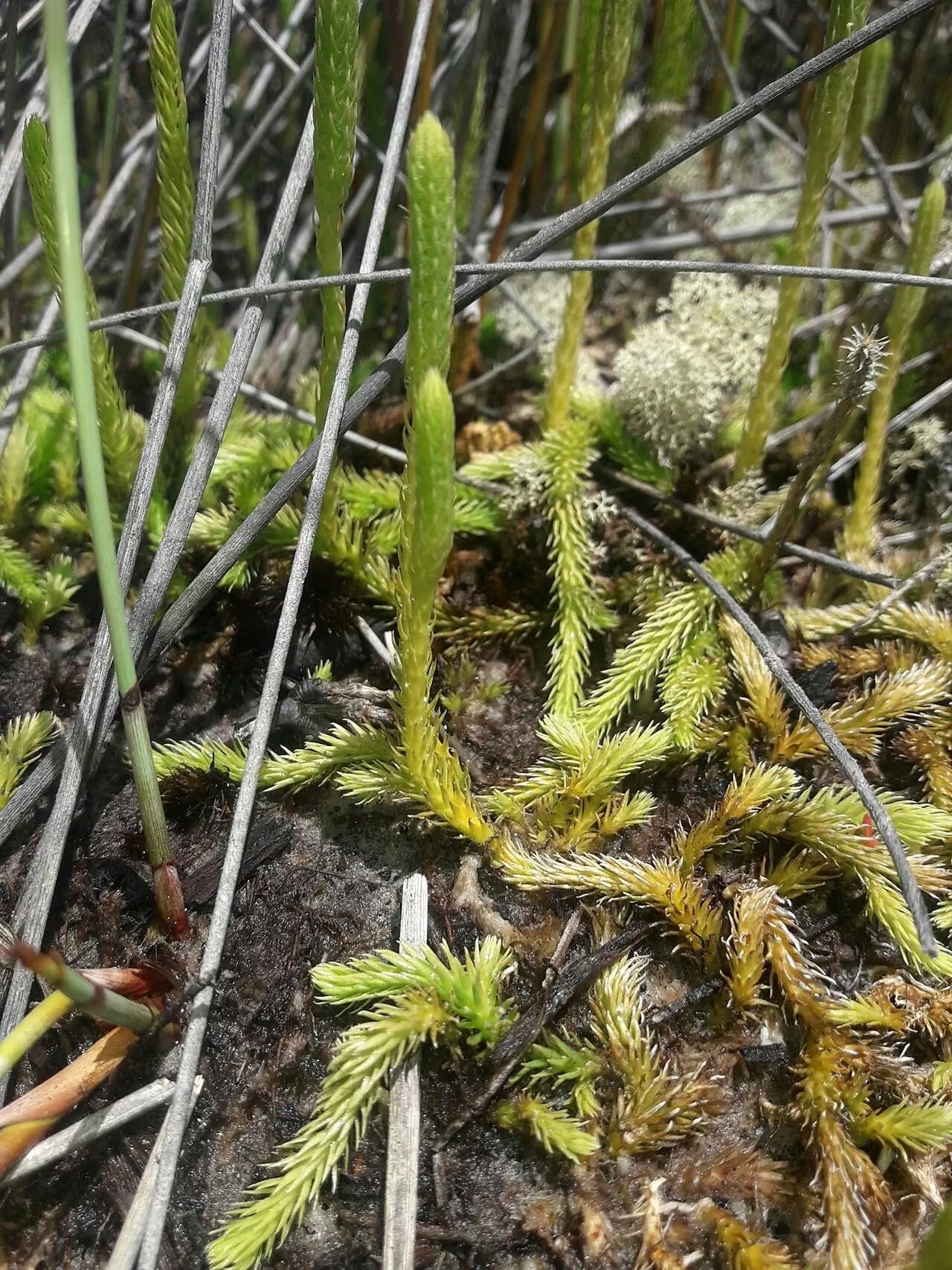
Bog Clubmoss
Brownseya serpentina
Last updated:
Bog clubmoss (Brownseya serpentina, now often called Brownseya serpentina) is a tiny, yellow-green clubmoss that creeps flat across wet peat and clay, sending up short unbranched stems tipped with a single cone. In New Zealand it is confined to a handful of northern North Island wetlands, from Ahipara and the Karikari Peninsula in Northland to the Whangamarino wetland and Kopouatai peat bog in Waikato. It needs open, permanently damp, nutrient-poor ground, often recently burnt, and is ranked Threatened - Nationally Vulnerable because drainage, fertiliser runoff and overgrowth have eliminated many of its sites. It was previously known as Lycopodiella serpentina. Explore more native ferns in our native plant guide.
Plant Description
Bog clubmoss is a prostrate, shortly creeping lycophyte that forms diffuse patches or compact turf of yellow-green to green stems. The horizontal stems lie flat and firmly pressed to the ground, rooting at intervals along their length, and are generally 20 to 200 mm long.
From the creeping stems arise short, unbranched upright stems, usually 30 to 60 mm tall, each ending in a single green to yellow-green cone (strobilus) up to about 30 mm long, though the Flora of New Zealand records cones up to 95 mm. The leaves are narrow, linear to narrowly triangular and spirally arranged around the stems.
It is easily separated from other New Zealand clubmosses by its small size, flat creeping habit and simple, unbranched fertile stems each carrying one cone. Larger species such as Lycopodium deuterodensum and Lycopodium fastigiatum have stout branched aerial stems, and the two Lateristachys species (formerly Lycopodiella lateralis and L. diffusa) carry their cones on short side stalks rather than terminally. In 19th-century floras it was misidentified as Lycopodium carolinianum.
Quick Facts
| Scientific Name | Brownseya serpentina |
|---|---|
| Height | Fertile stems about 30-60 mm, occasionally to 140 mm |
| Spread | Creeping stems 20-200 mm long, forming loose patches or turf |
| Water Needs | Permanently wet ground |
| Light | Full sun in open bog |
| Frost Tolerance | Low to moderate; lowland northern species found from sea level to about 300 m |
| Salt Tolerance | No information available |
| Growth Rate | Slow |
| Lifespan | Perennial |
Climate Best Suited to
Suits the mild, humid, frost-light lowland climate of Northland and Waikato, where bogs stay wet year-round. It is recorded only from sea level to about 300 m.
Regional Suitability
| City | Climate Suitability |
|---|---|
| Auckland | Medium |
| Wellington | Low |
| Christchurch | Low |
| Dunedin | Low |
Plant Habitat
In New Zealand bog clubmoss is restricted to the northern North Island. Current sites include Ahipara and the Karikari Peninsula in Northland and the Whangamarino wetlands and Kopouatai peat bog in Waikato. It formerly grew in the Kaimaumau and Motutangi swamps of the Far North. Outside New Zealand it occurs in Australia, including Tasmania, and has been recorded from New Caledonia.
NZPCN describes it as confined to naturally open, nutrient-starved, permanently damp ground or sites recently cleared by fire. It grows in restiad-dominated peat bogs among mosses and liverworts, often with Sphagnum, wire rush (Empodisma), stunted mānuka and Gleichenia fern, and also on water-saturated clay within gumland.
Growing Requirements
Soil Requirements
It grows only on very infertile, permanently saturated peat or wet clay pans, usually acidic and with little competing vegetation.
- Nutrient-starved peat or gumland clay
- Permanently damp surface
- Bare or sparsely vegetated ground, often after fire
- Fertiliser runoff degrades its habitat
Light Requirements
Bog clubmoss needs open, sunny ground. As mānuka and other shrubs close in during succession it is shaded out.
- Full sun, no overhead canopy
- Overgrowth by taller vegetation is a recognised threat
Water Requirements
The ground must stay wet all year. Drainage of bogs and lowering of water tables have caused much of its decline.
- Never allow the substrate to dry out
- Stable, high water table is essential
Planting and Establishing
Bog clubmoss is not grown commercially and NZPCN advises that it should not be removed from the wild. Planting is not recommended for home gardens.
Where wetland managers restore habitat for it, the emphasis is on keeping water levels high, excluding stock and nutrient inputs, and maintaining open patches of bare peat or clay rather than planting the clubmoss itself.
Ecological Role
Bog clubmoss is a disturbance-dependent plant. It colonises open, wet, low-nutrient ground, including surfaces cleared by fire, and persists while competing shrubs and sedges remain sparse. As succession proceeds and mānuka or restiads close over, it is gradually shaded out.
It reproduces by spores released from its terminal cones and spreads vegetatively by its rooting creeping stems. NZPCN notes that spores are present in the cones throughout the year, most visibly from August to May. No specific insect associations are recorded.
Uses & Significance
Garden Uses
It has no practical garden use. Its value lies in the rare northern bog and gumland habitats it indicates.
- Not commercially available
- Not suitable for home bog gardens
Ecological Value
As one of the few clubmosses of open northern bogs, it is part of the distinctive flora of New Zealand's remaining peat wetlands and gumlands.
- Indicator of intact, low-nutrient bog and gumland
- Contributes to the biodiversity of the Whangamarino and Kopouatai wetlands
- A member of an ancient spore-bearing plant lineage
Landscaping Uses
Bog clubmoss is not a landscaping plant. In wetland restoration projects within its range, its presence is a reason to retain open, unplanted patches of wet peat rather than densely planting every gap with mānuka or flax.
Visitors to Whangamarino or Northland gumlands should stay on tracks, as the tiny prostrate stems are easily crushed.
Seasonal Care Calendar
Spring
Cones are visible on the short upright stems from late winter, and new creeping growth extends across wet peat.
- Look for cones from August
- Keep stock out of wetland margins
Summer
Cones remain visible through summer while bog water tables are at their lowest.
- Watch for drying of the bog surface
- Avoid trampling open peat
Autumn
Cones are still evident into autumn, with spores shed over a long season ending around May.
- Good time to survey known sites
- Note any encroaching shrubs
Winter
Plants persist as flat green patches in saturated ground; spores are present but cones are less conspicuous.
- No action needed
- Monitor drains and water levels
When to Prune and How Much
Bog clubmoss needs no pruning. The relevant management is controlling the shrubs, sedges and weeds that would otherwise shade it out.
Conservation managers may use careful clearing of competing vegetation to keep sites open, mimicking the disturbance, including fire, that historically created bare ground.
How to Grow Bog Clubmoss
Bog clubmoss is difficult to propagate, and NZPCN states that it should not be removed from the wild. No proven propagation protocol for this species was found in the sources consulted. The notes below summarise how clubmosses are generally raised by specialists and should be attempted only by conservation practitioners working with authorised material. Clubmoss spores grow into tiny gametophytes that, in many Lycopodiaceae, depend on fungal partners and take a long time to mature, so raising new plants from spore is slow and uncertain.
From Spores
Spores are present in the cones year-round and are most visible between August and May. Lycopodiella-type clubmosses are thought to have faster-developing surface gametophytes than tall Lycopodium species, but success in cultivation is still rare.
- Collect a mature cone only under permit from an existing managed population
- Dry it on paper so the yellow spores are released
- Sow thinly on the surface of sterilised, low-nutrient peat kept saturated
- Cover to maintain humidity and keep in bright, indirect light
- Be prepared to wait many months for any visible growth
By Division of Creeping Stems
The prostrate stems root at intervals, so in principle a rooted segment can establish as a separate plant. This should only be done for translocation programmes using cultivated or salvage material.
- Lift a rooted section of creeping stem with its peat intact
- Lay it flat on wet, nutrient-poor peat in a tray standing in water
- Keep it in full light with constantly high moisture
- Do not feed; fertiliser is harmful to this species
Pests & Diseases
No specific pests or diseases are recorded for bog clubmoss. Its threats are habitat-based: drainage of wetlands, trampling by stock, fertiliser runoff from surrounding farmland, natural succession that closes over open ground, and collecting.
Weeds that invade disturbed wetland margins, such as pampas, hakea and willows, can also overwhelm the open ground it needs.
Cultural Significance
No Māori name or traditional use for bog clubmoss was found in the sources consulted.
Its newest scientific name, Brownseya, honours Dr Patrick J. Brownsey (born 1948), the Te Papa botanist whose work underpins much modern knowledge of New Zealand ferns and lycophytes. The epithet serpentina refers to its snake-like creeping stems.
Bonus Tip
If you are surveying northern gumland or peat bog, check the bare, recently burnt or scraped patches closely: bog clubmoss is easily overlooked as moss until you notice the short stems each topped by a single upright cone.
Related Plants
Explore other native plants that share similar characteristics or habitats with Bog Clubmoss (Brownseya serpentina), offering further insights into New Zealand's diverse flora. These related species provide context and opportunities for complementary planting in your garden.
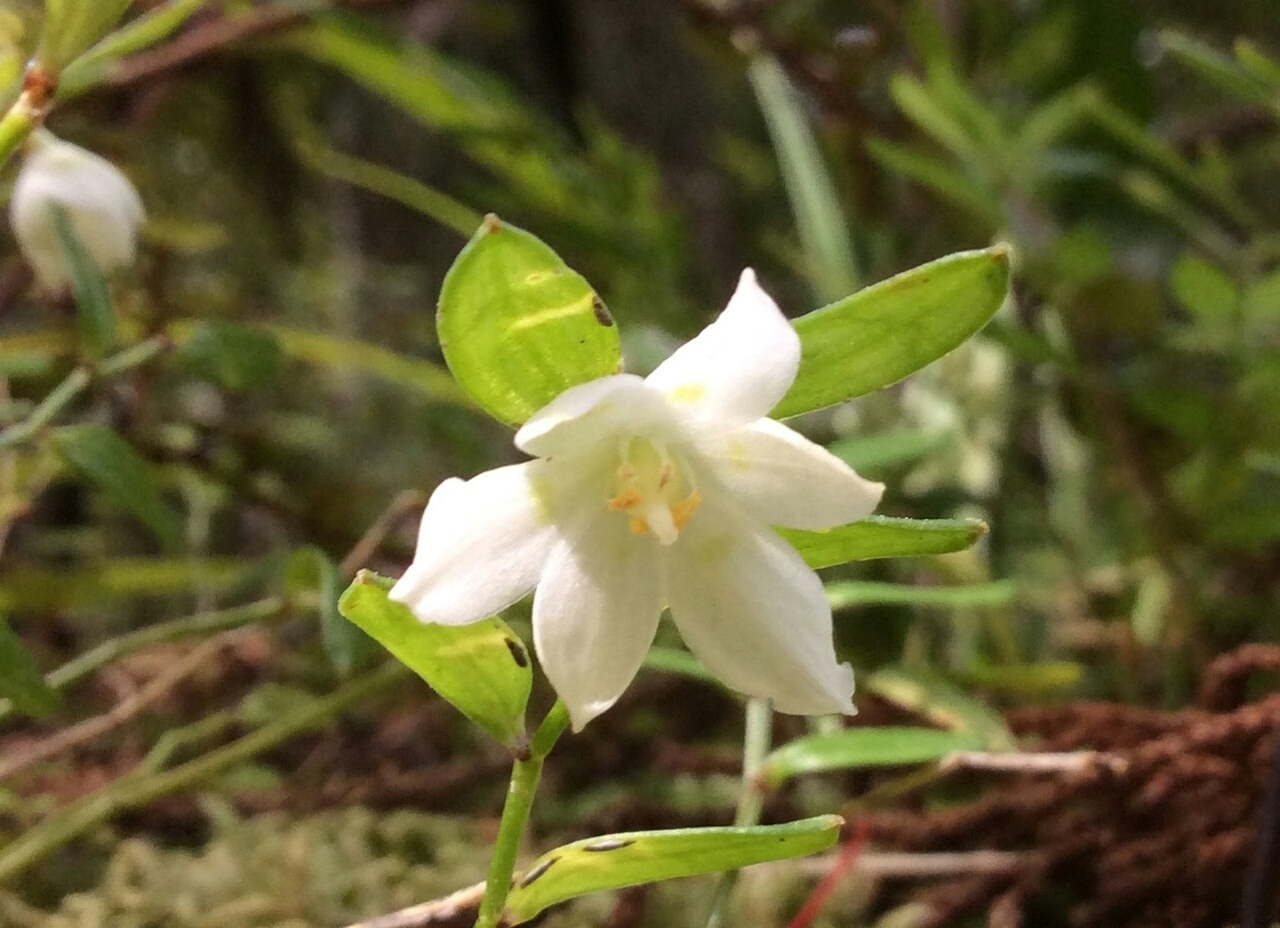
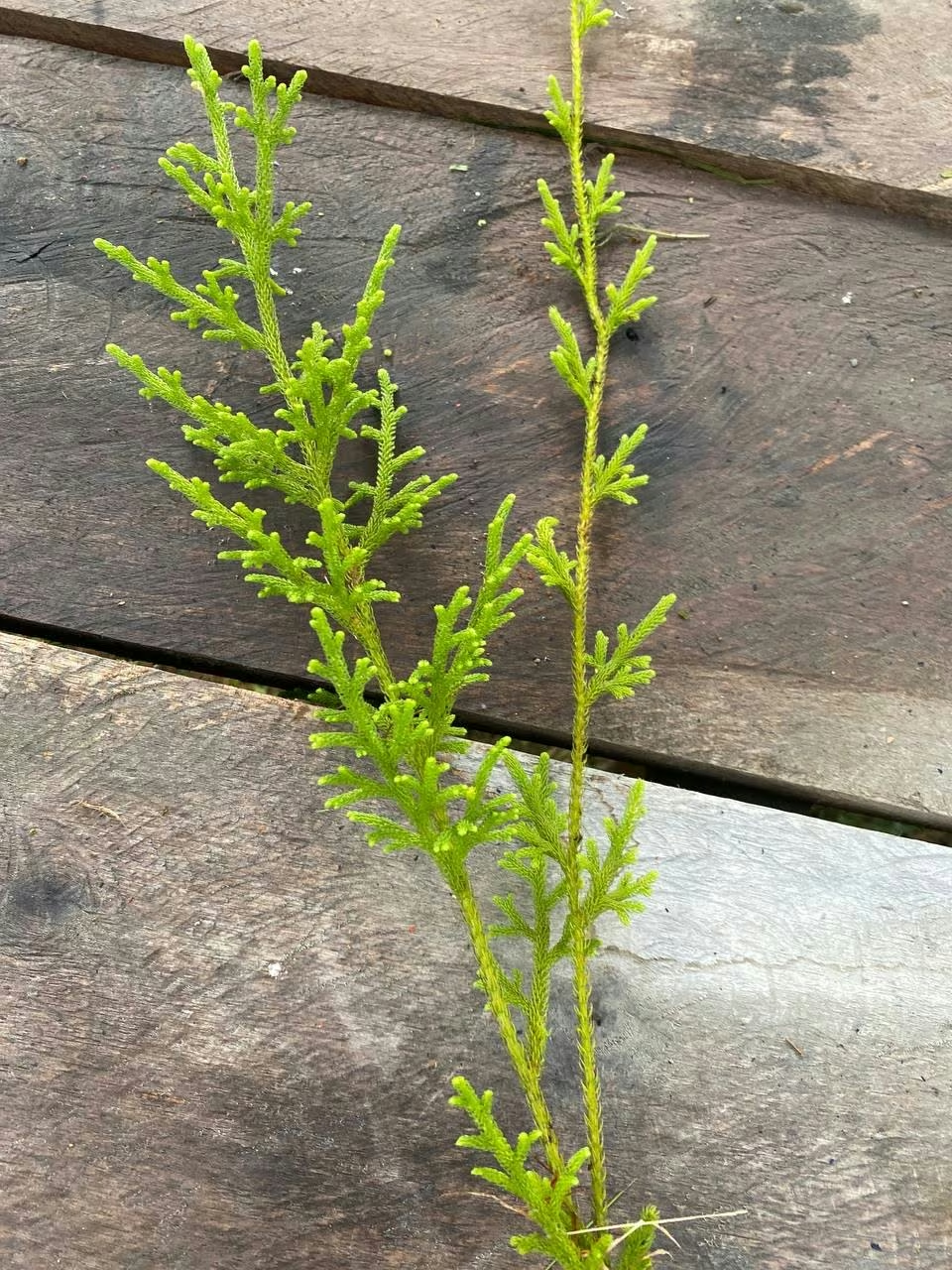
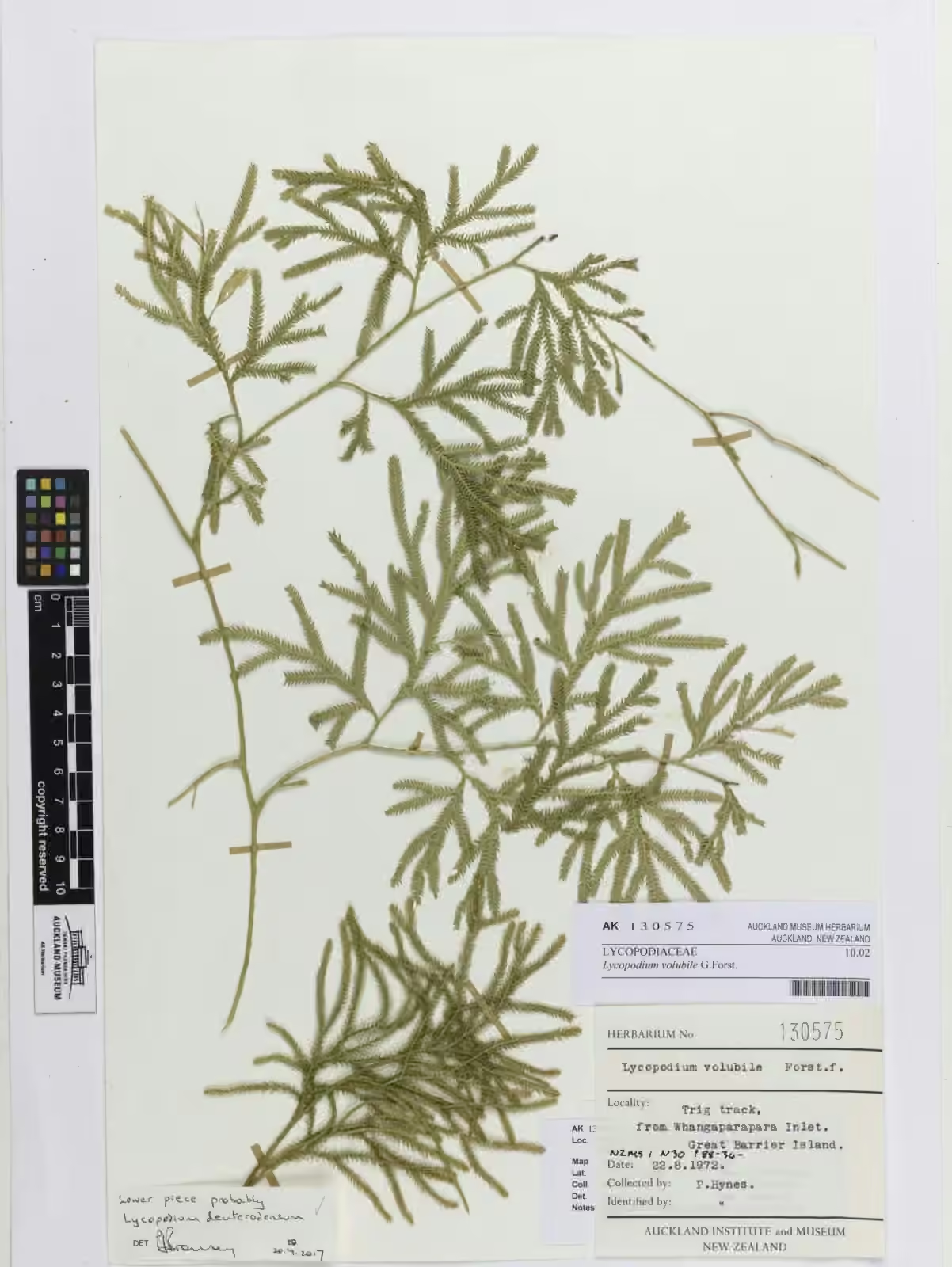
Plant Conservation
Bog clubmoss is ranked Threatened - Nationally Vulnerable (2023) with qualifiers for data poor size and trend, range restricted, and threatened overseas. It has already disappeared from former Far North sites at Kaimaumau and Motutangi.
Protection of remaining wetlands, maintaining high water tables, excluding stock and fertiliser, controlling woody weeds and allowing occasional disturbance that reopens bare ground all help. Records of new sites are valuable and should be reported to NZPCN or DOC.
Frequently Asked Questions
What is bog clubmoss?
Bog clubmoss is Brownseya serpentina, a small creeping spore-bearing lycophyte that grows pressed against wet peat or clay in open bogs and gumland in the northern North Island.
Why is Lycopodiella serpentina now called Brownseya serpentina?
Molecular and morphological studies led to a new monotypic genus, Brownseya, being named in 2021 in honour of Te Papa fern specialist Patrick Brownsey. NZPCN now lists the plant under that name.
Where does bog clubmoss grow in New Zealand?
NZPCN records it at Ahipara and the Karikari Peninsula in Northland and in the Whangamarino wetlands and Kopouatai peat bog in Waikato. It has been lost from the Kaimaumau and Motutangi swamps.
Can I grow bog clubmoss at home?
NZPCN describes it as difficult to cultivate and says it should not be removed from the wild, so it is not a realistic garden plant.
Sources and Further Reading
The botanical, growing, and conservation details for Bog Clubmoss (Brownseya serpentina) on this page draw on the New Zealand plant references below. Consult them for full technical records and the latest distribution data.