Maidenhair Fern
Adiantum capillus-veneris
Last updated:
European maidenhair fern (Adiantum capillus-veneris) is a naturalised exotic fern in New Zealand, recognised by fine black stipes and airy, fan-shaped leaflets. It is recorded from shaded masonry, concrete, calcareous banks, limestone, scoria, and other damp lowland sites near settlements. Unlike native maidenhair ferns, it should be treated as a garden or urban naturalised species, not as a restoration plant. Explore indigenous fern options such as Common Maidenhair.
Plant Description
Identification and Physical Characteristics
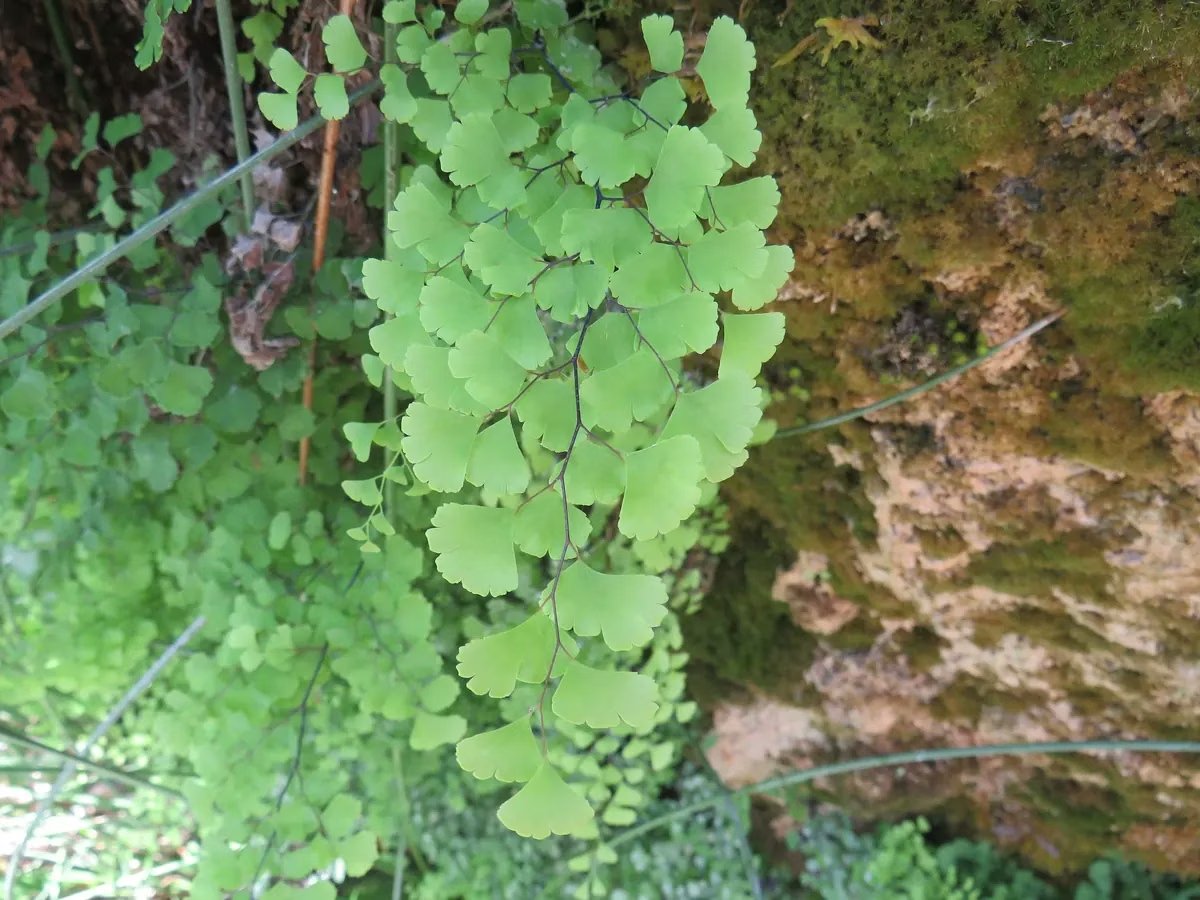
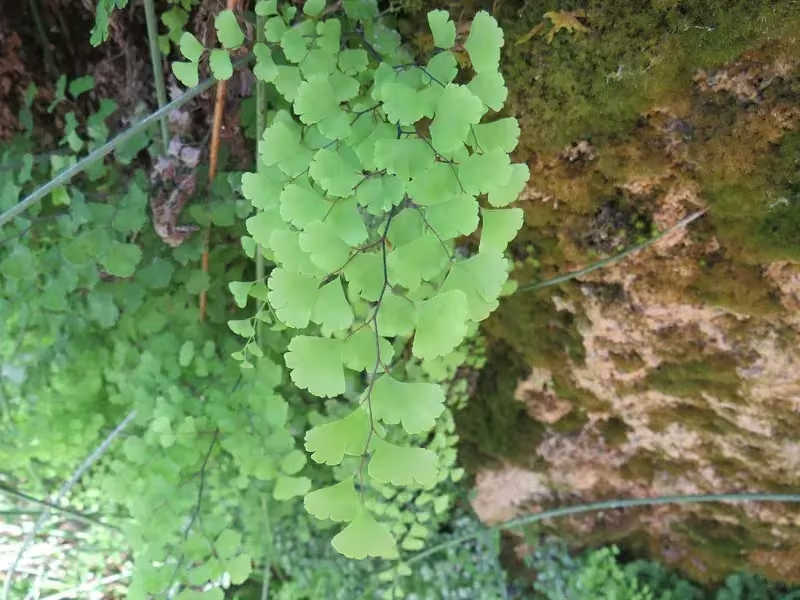
European maidenhair fern is a small, tufted fern with a short-creeping rhizome, glossy dark stipes, and light green, delicate fronds that are usually two to three times divided. The ultimate segments are fan-shaped and finely lobed, with sori carried along the outer margins beneath oblong reflexed flaps. In New Zealand it is not part of the indigenous flora. Flora of New Zealand and Biota NZ treat it as an exotic species that has become naturalised, mainly around lowland settlements and lime-rich substrates.
Quick Facts
| Scientific Name | Adiantum capillus-veneris |
|---|---|
| Height | 5 - 36 centimetres |
| Spread | Tufted clumps, gradually spreading from short rhizomes |
| Water Needs | Moderate to high - keep evenly damp |
| Light | Bright shade to filtered light |
| Frost Tolerance | Low to moderate - best in mild sheltered sites |
| Salt Tolerance | Low - protect from salt wind |
| Growth Rate | Moderate in warm damp conditions |
| Lifespan | Perennial fern in mild protected sites |
Climate Best Suited to
European maidenhair fern suits mild, humid lowland climates and protected urban microclimates. It performs best where winter frost is light, walls or rocks retain moisture, and summer sun is filtered. In cooler or drier districts it is more reliable in pots, glasshouses, bathrooms, or sheltered courtyards.
Regional Suitability
| City | Climate Suitability |
|---|---|
| Auckland | High in damp shaded urban sites |
| Wellington | Medium in sheltered frost-free pockets |
| Christchurch | Medium where protected from frost and drying wind |
| Nelson | Medium in shaded irrigated sites |
Plant Habitat
Natural Occurrence and Ecology
In New Zealand this fern is most often recorded from shaded urban habitats rather than intact native forest. It grows from cracks in brick or concrete walls, old mortar, shaded steps, damp clay banks, limestone, scoria, and calcareous rock faces. Records include lowland sites in Auckland, Hamilton, Wellington, Westport, Christchurch, and nearby districts. Its natural global range is warm temperate to subtropical, so local plants favour mild, sheltered places with dependable moisture and some lime in the substrate.
Growing Requirements
Soil Requirements
Moist, free-draining, lime-influenced substrate with fine organic matter. Avoid sour, waterlogged mixes.
- Calcareous or lime-enriched
- Evenly damp
- Fine and free-draining
Light Requirements
Bright shade, filtered light, or morning sun suits this fern. Direct afternoon sun scorches the thin leaflets.
- Bright shade
- Filtered light
- Shelter from hot sun
Water Requirements
Keep the root zone consistently damp. Do not let pots dry out, but avoid stagnant saucers in cool weather.
- Regular light watering
- Humid air
- No prolonged drying
Planting and Establishing
Establishment Guidance
Plant nursery-grown material into a shaded, sheltered crevice, wall pocket, fernery, or pot where the roots can stay cool and damp without sitting in stagnant water. Mix fine compost with grit, leaf mould, and a small amount of lime chip or crushed shell to reflect the calcareous substrates where this species often establishes. Water it in gently, keep the crown clear of buried mulch, and protect new fronds from wind, frost, and direct afternoon sun while roots settle.
Ecological Role
Biodiversity and Ecosystem Impact
Because this fern is exotic in New Zealand, its ecological role should be read differently from that of native maidenhair species. Small clumps can shelter tiny invertebrates and hold moisture on shaded wall faces, but it should not be introduced into natural limestone outcrops or native restoration sites. In gardens, use it as a contained fernery or wall plant and prefer indigenous ferns for ecological restoration planting.
Uses & Significance
Garden Uses
Use this fern in contained ferneries, shaded wall pockets, humid indoor rooms, and courtyard pots where its fine texture can be appreciated without spreading it into natural habitats.
- Fernery pots
- Shaded masonry pockets
- Humid indoor displays
Ecological Value
It has limited restoration value in New Zealand because it is exotic; native maidenhair species are better choices.
- Urban microhabitat only
- Not for native restoration
Landscaping Uses
European maidenhair fern suits damp courtyard walls, shaded steps, fern pots, humid conservatories, and narrow lime-rich crevices where larger native ferns would be too coarse. Its fine foliage works best at close viewing distance beside mosses, liverworts, small spleenworts, and stone. Keep it contained in designed garden settings rather than planting it beside natural rock habitats.
Seasonal Care Calendar
Spring
Resume light feeding and remove winter-damaged fronds as new croziers appear.
- Trim dead fronds
- Check moisture
Summer
Maintain humidity and prevent the root zone from drying during hot weather.
- Water lightly and often
- Shade from hot sun
Autumn
Repot crowded plants and refresh lime-influenced potting mix before cool weather.
- Repot if crowded
- Refresh surface mix
Winter
Keep plants just damp, sheltered from frost, and away from cold drying draughts.
- Reduce feeding
- Protect from frost
When to Prune and How Much
Pruning is limited to hygiene. Snip off brown, scorched, or pest-damaged fronds at the base of the stipe with clean scissors. Avoid cutting healthy new croziers, and do not shear the plant, because its fine form depends on individual fronds expanding cleanly from the crown.
- Remove old fronds regularly
- Trim winter-damaged growth
Always use clean, sharp tools to avoid damaging the delicate stems.
How to Grow Maidenhair Fern
From Spores
Grow European maidenhair fern from spores when you want clean, disease-free plants and can provide sterile, humid conditions. Collect a mature fertile frond when the marginal sori have darkened, place it in a paper envelope, and let the spores shed naturally. Sprinkle the fine spores onto sterilised, damp fern mix or finely milled sphagnum, then seal the tray to hold humidity. Keep it warm, bright, and out of direct sun. The first green film is the gametophyte stage, not the fern itself, so patience matters. Mist only with clean water, avoid opening the container unnecessarily, and wait for small sporophytes before pricking plants out.
- Collect ripe sori
- Sow on sterile damp mix
- Keep sealed and humid
- Pot on only after small fronds form
From Division
Division is faster for established pot plants. Water the fern well first, slide it from the pot, and tease apart pieces that already have roots and growing crowns. Keep divisions small but complete, because crownless rhizome fragments are unreliable. Pot each division into a fine, moisture-retentive mix with grit and a little lime chip, then place it in bright shade. Trim only damaged fronds and keep humidity high while the roots recover. Divisions fail when they dry out, sit in cold stagnant water, or are exposed to wind before new roots have entered the fresh mix.
- Divide rooted crowns
- Use fine free-draining mix
- Keep in bright shade
- Maintain humidity while recovering
Establishment
For garden use, establish plants in a contained wall pocket, shaded pot, or fernery bed rather than in natural rockland. Match the sites where it naturalises: shaded, lime-influenced, moist, and protected. Water lightly but often during the first summer, then adjust watering to keep the substrate evenly damp. Do not use high-nitrogen fertiliser, which can produce weak growth and salt-burned leaflet tips. A weak organic liquid feed in spring is enough. Because this species is exotic in New Zealand, remove unwanted self-sown plants from nearby cracks before they mature and shed spores.
- Choose contained sites
- Keep evenly damp
- Feed lightly in spring
- Remove unwanted self-sown plants
Pests & Diseases
Indoor and sheltered plants can attract scale insects, aphids, fungus gnats, and mealybugs, especially when air movement is poor. Slugs and snails may graze fresh fronds. Brown tips usually indicate dry air, drying roots, salty fertiliser build-up, or direct sun rather than a disease. Improve humidity, rinse the potting mix with clean water occasionally, remove infested fronds, and use targeted low-toxicity control only when needed.
Cultural Significance
This species has no known role as a traditional Māori plant in Aotearoa because it is naturalised rather than indigenous. Its cultural value here is mainly horticultural and educational: it helps gardeners compare an introduced maidenhair with native species such as common maidenhair and small maidenhair. Labelling it clearly as exotic avoids confusing garden display with native plant restoration.
- Lowland botanical heritage
- Symbol of forest lushness
Bonus Tip
Grow this fern in a crevice pot with lime chip and mossy stone, then keep it labelled as naturalised exotic so it is not confused with native maidenhair ferns.
Related Plants
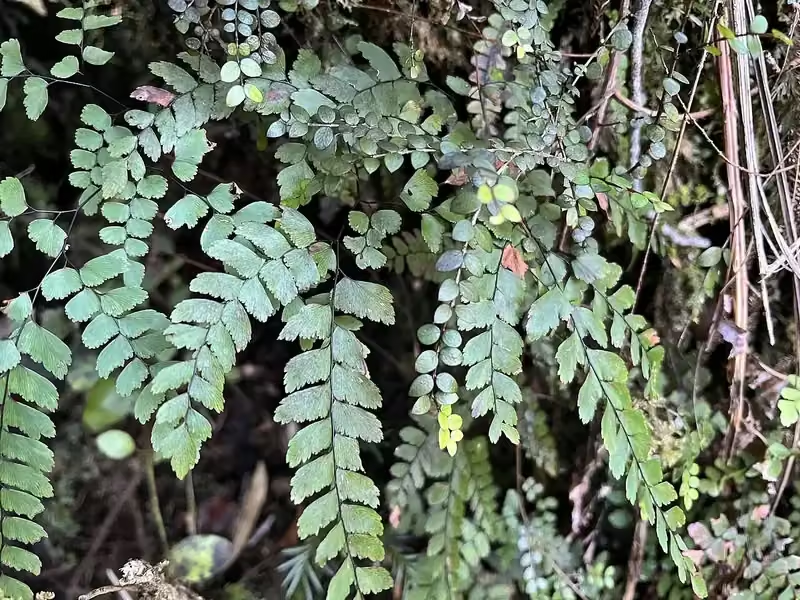
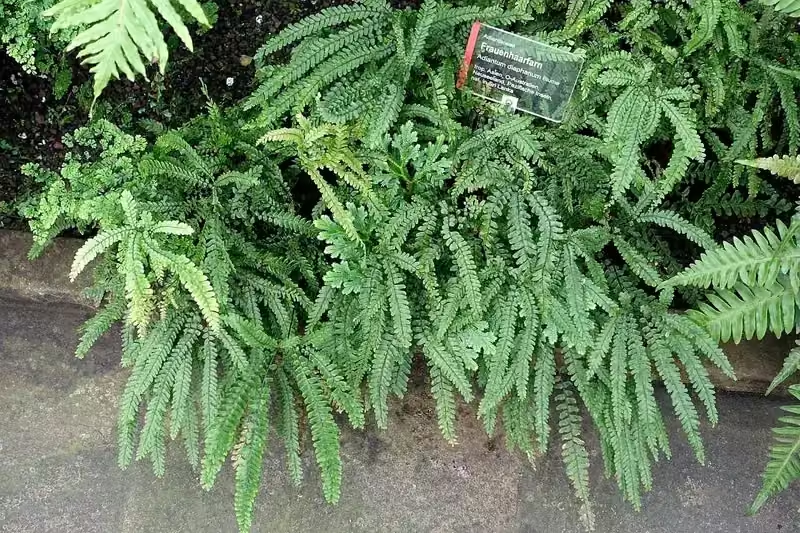
Compare European maidenhair fern with indigenous New Zealand ferns that occupy damp banks, forests, and shaded rock habitats. For another native fern, explore Kermadec Tree Fern.



Plant Conservation
Conservation Status and Threats
The New Zealand conservation status is not applicable because the species is exotic. Management decisions are therefore about containment and accurate identification, not protection of a native population. Gardeners should avoid spreading spores or fragments into natural limestone habitats and should choose indigenous ferns for biodiversity plantings, gullies, stream margins, and bush restoration work.
Frequently Asked Questions
Is European maidenhair fern native to New Zealand?
No. It is treated as an exotic, naturalised fern in New Zealand.
Where does it grow wild in New Zealand?
It is recorded from shaded brick, concrete, mortar, calcareous banks, scoria, limestone, and urban lowland sites.
Can it be used in restoration planting?
No. Use indigenous maidenhair and other native ferns for restoration sites.
What makes it recognisable?
It has delicate fan-shaped leaflets, dark wiry stipes, and oblong marginal flaps covering the sori.
Sources and Further Reading
The botanical, growing, and conservation details for European Maidenhair Fern (Adiantum capillus-veneris) on this page draw on authoritative New Zealand plant references and citizen-science observation records. Consult the sources below for full technical records and the latest distribution data.