Giant Maidenhair
Adiantum formosum
Last updated:
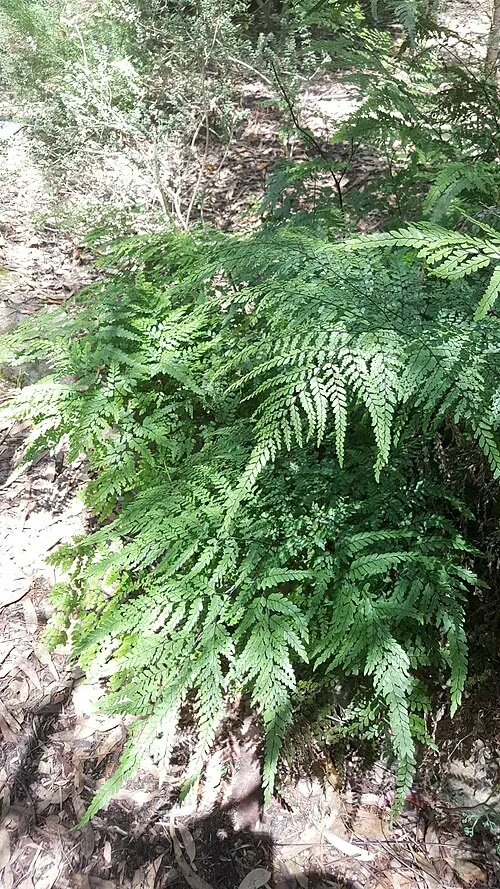
Giant maidenhair (Adiantum formosum) is the largest maidenhair fern in New Zealand, with broadly triangular fronds that can reach 1.8 metres tall, though 1 to 1.2 metres is more typical in gardens. The dark, polished stipes are notably rough (scabrous) to the touch, and the delicate, almost translucent green leaflets are fan-shaped. It spreads by a creeping, branching rhizome to form large, lush colonies. In New Zealand its populations are localised in the lower half of the North Island, where it grows in alluvial forests, gorge sides and sheltered stream banks in deep, damp leaf litter. It is classed At Risk - Relict and prefers dappled shade and frost-free sites. Explore more native plants such as True Maidenhair Fern.
Plant Description
Identification and Physical Characteristics
Adiantum formosum is a remarkably large fern, with fronds that can reach heights of up to 1.8 meters, though in typical garden settings, they often reach between 1 and 1.2 meters. The stipes (stems) are a polished dark brown to black and are notably rough or scabrous to the touch. The fronds themselves are broadly triangular and deeply divided into numerous small, fan-shaped leaflets. These leaflets have a delicate, almost translucent texture and a vibrant, healthy green colour. The fern spreads via a creeping, branching rhizome, eventually forming large, lush colonies that provide a magnificent presence in any shaded landscape.
Quick Facts
| Scientific Name | Adiantum formosum |
|---|---|
| Height | 1.2 - 1.8 metres |
| Spread | 1.0 - 1.5 metres (clumping) |
| Water Needs | High - requires consistently moist soil |
| Light | Dappled shade to semi-shade |
| Frost Tolerance | Moderate - prefers frost-free sites |
| Salt Tolerance | Low |
| Growth Rate | Moderate - rapid growth in summer |
| Lifespan | Long-lived perennial fern |
Climate Best Suited to
Giant Maidenhair is a specialist of the warm-temperate and subtropical climates of the North Island. It thrives in regions with high annual rainfall and consistent humidity. While it is reasonably hardy once established, it is best suited to lowland areas where heavy frosts are rare. It prefers sheltered, forest-like conditions with minimal exposure to drying winds or intense, direct sunlight.
Regional Suitability
| City | Climate Suitability |
|---|---|
| Auckland | High |
| Whangārei | High |
| Wellington | Low (too cool and windy) |
| Christchurch | Low (unsuitable climate) |
Plant Habitat
Natural Occurrence and Ecology
The natural habitat of Adiantum formosum consists of alluvial forests, gorge sides, and the banks of streams in sheltered, high-rainfall areas. In New Zealand, its populations are localized, primarily found in the lower half of the North Island. It prefers deep, rich leaf litter and soil that remains consistently damp throughout the year. It is rarely found in full sun, opting instead for the cool, filtered light of the forest sub-canopy.
Growing Requirements
Soil Requirements
Requires fertile, free-draining but moisture-retentive soil. A substrate high in organic matter, such as a mix of compost and well-rotted leaf mold, is essential. It performs best in slightly acidic soils that mimic the forest floor.
- Moisture-retentive
- Rich in organic matter
- Free-draining
Light Requirements
Must have dappled shade or filtered light. Direct sunlight will scorch the delicate leaflets and lead to poor health. It is an ideal fern for shaded garden corners or under the canopy of larger native trees.
- Dappled Shade
- Semi-shade
- Avoid direct sun
Water Requirements
Water needs are high and consistent. The soil should never be allowed to dry out completely. Regular watering during the summer months is mandatory to maintain the lushness of the fronds and prevent leaf burn.
- High / Consistent
- High humidity preferred
Planting and Establishing
Establishment Guidance
Giant Maidenhair is best established in autumn or early spring. Choose a permanent, sheltered position that is protected from strong winds. Incorporate a significant amount of organic matter into the planting hole. Water thoroughly after planting and maintain consistent moisture during the establishment phase. Once established, it prefers not to be disturbed, so select its final position carefully.
Ecological Role
Biodiversity and Ecosystem Impact
In its native alluvial forest ecosystems, Adiantum formosum provides vital ground-level structure. Its large colonies offer shelter for a variety of native invertebrates and small forest organisms. The shade it provides helps maintain a cool, moist soil micro-climate, supporting the health of the broader forest floor community. Its presence is indicative of a healthy, moisture-rich lowland forest ecosystem.
Uses & Significance
Garden Uses
A premier architectural fern for larger shaded gardens. Its grand scale and delicate texture provide an incredible visual focal point. It is also excellent for inclusion in a native fernery or for stabilizing shaded alluvial banks. Its graceful, airy form provides year-round beauty in appropriate climates.
- Specimen architectural fern
- Native ferneries
- Shaded groundcover
Ecological Value
Essential for supporting northern forest biodiversity and providing resources for specialized forest invertebrates.
- Invertebrate habitat
- Forest floor protection
Landscaping Uses
In professional landscape design, Adiantum formosum is used to create a sense of lushness and northern heritage. Its unique foliage provides a beautiful textural contrast to other large-leaved natives. It is perfect for creating sheltered, forest-like environments in urban parks or large residential developments where its growth and beauty can be appreciated over time.
Seasonal Care Calendar
Spring
Watch for the emergence of new growth as temperatures warm. This is the best time for a light application of organic fertilizer and ensuring the mulch layer is replenished to retain moisture.
- Monitor new growth
- Organic feeding
Summer
The peak growing season. Monitor soil moisture closely and water regularly. High humidity is essential during dry spells; consider misting the fronds in the morning.
- Maintain soil moisture
- Ensure high humidity
Autumn
The ideal time for new plantings. Carefully remove any old or damaged fronds to improve air circulation and prepare the plant for the cooler months.
- Planting season
- Tidy debris
Winter
The plant may become dormant in cooler regions. Maintain the organic mulch layer to protect the rhizomes. In areas prone to light frost, ensure the fern is in a well-sheltered position.
- Rhizome protection
- Frost shelter
When to Prune and How Much
Minimal pruning is required. The main maintenance task is to remove old, brown, or damaged fronds to keep the colony looking fresh and to encourage new growth. This should be done carefully at the base of the stipe with sharp scissors. Regular tidying helps prevent fungal issues and keeps the grand structure of the fern clear.
- Remove old fronds regularly
- Trim winter-damaged growth
Always use clean, sharp tools to avoid damaging the creeping rhizomes.
How to Grow Giant Maidenhair
Growing Giant Maidenhair ( Adiantum formosum ) from division or spores is a rewarding process for the patient native plant enthusiast. This magnificent species, adapted to the warm and moist conditions of northern alluvial forests, requires specific care to ensure successful propagation and healthy long-term development. The most critical factors for success are providing consistently damp, organic-rich soil, high humidity, and a position that offers shelter from strong winds and intense, drying sunlight. Because it is a rare and localized species in the wild, establishing it in a domestic garden setting contributes to the appreciation and preservation of New Zealand's unique botanical heritage.
From Division
Vegetative propagation via division is the most reliable method for home gardeners. The best time to divide Adiantum formosum is in early spring as new growth begins. Carefully lift a portion of the creeping rhizome from the edge of an established colony. Use a sharp, sterilized knife to separate a piece that has a healthy set of roots and at least one or two fronds or active growing points. Replant the division immediately into well-prepared, organic soil and water thoroughly. Maintain high humidity and consistent moisture until the new plant is clearly established and showing signs of vigorous growth.
- Divide in early spring
- Ensure healthy rhizomes and roots
- Replant in organic-rich soil
- Maintain consistent moisture
From Spores
Propagation from spores is a slower but fascinating process. Collect spores from the underside of mature fronds in late summer or autumn when the sori turn brown. Sow the spores onto the surface of a sterilized, moist, peaty mix in a sealed container. Keep the container in a warm, bright spot out of direct sunlight. The spores will first develop into a prothallus, from which the small fern fronds will eventually emerge. This process requires significant patience and attention to detail.
- Collect mature spores in autumn
- Sow on sterile peaty mix
- Maintain high humidity
- Provide indirect light
Additional Methods
Establishing young, nursery-grown ferns is the easiest method for success. The key to long-term health is meticulous site selection. Choose a spot that mimics the cool, moist, and sheltered alluvial forest margins that this species calls home. Using a deep mulch of compost or leaf mold around the base of the fern is vital; it keeps the roots cool, suppresses weeds, and maintains the consistent soil moisture that this grand specialist requires.
- Select a sheltered, moist site
- Use deep organic mulch
- Avoid root disturbance once planted
Pests & Diseases
Giant Maidenhair is generally resistant to many common pests. However, in humid settings, it can be susceptible to scale insects or aphids on the new growth. Slugs and snails can target young fronds. Root rot can occur if the soil is poorly drained or if the fern is overwatered in stagnant ground. Maintain good air movement and sharp drainage to prevent these problems.
Cultural Significance
The Giant Maidenhair is a significant member of New Zealand's unique botanical heritage. While not as prominently featured in traditional records as larger tree ferns, it represents the incredible diversity and grandeur of the North Island forest flora. Its rare and localized presence in the wild makes it a symbol of the fragility and beauty of our remaining alluvial forest remnants. It is highly valued by botanists and gardeners alike for its impressive scale and graceful presence.
- Northern alluvial forest heritage
- Symbol of forest grandeur
Bonus Tip
If growing in a container, use a large, deep pot to accommodate the creeping rhizomes and ensure consistent moisture levels.
Cultivating this species effectively involves a deep understanding of its natural adaptations and environmental preferences. By mimicking its native habitat-whether that be the cool, moist understory of a temperate rainforest or the exposed, well-drained slopes of an alpine range-gardeners can ensure robust growth and long-term health. Regular observation and minimal, targeted intervention are often the best strategies for maintaining the unique characteristics and ecological contributions of this remarkable New Zealand native plant.
Related Plants
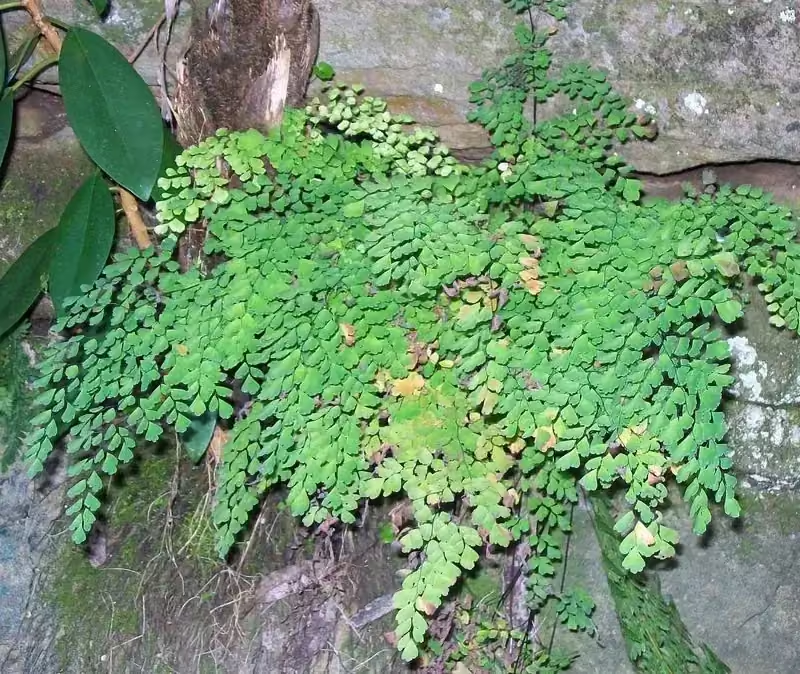
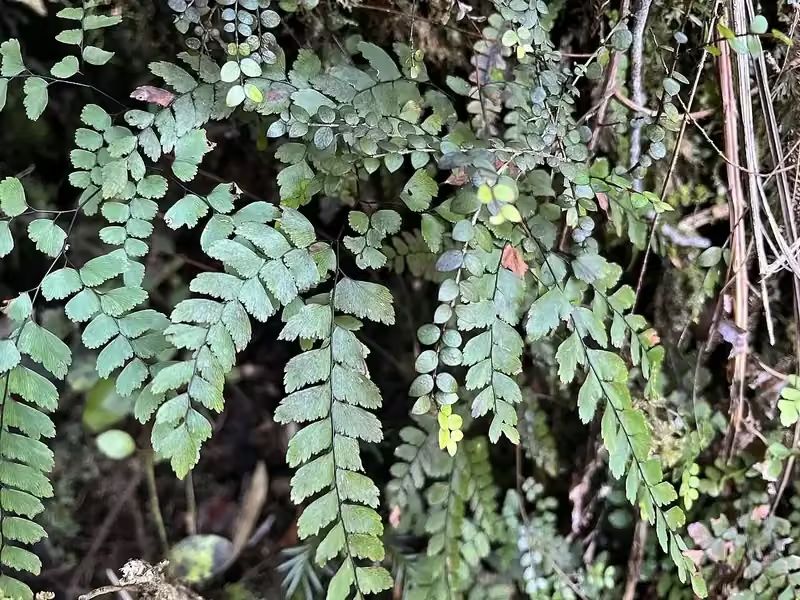
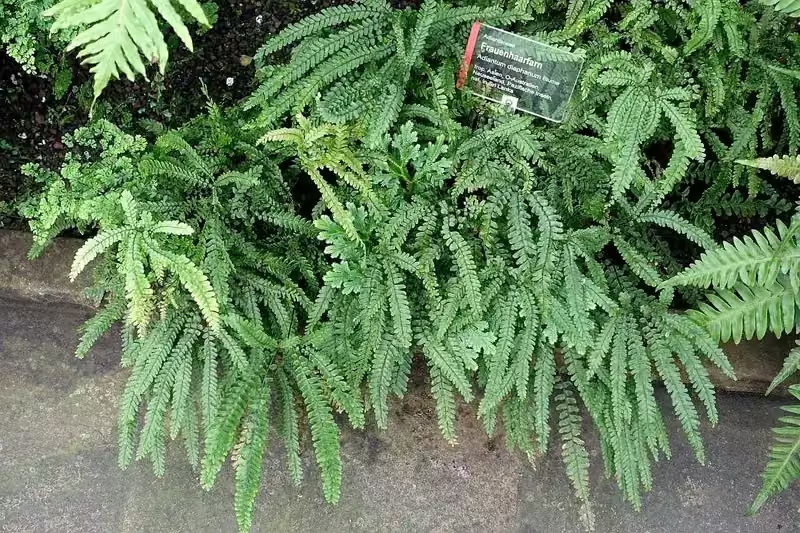
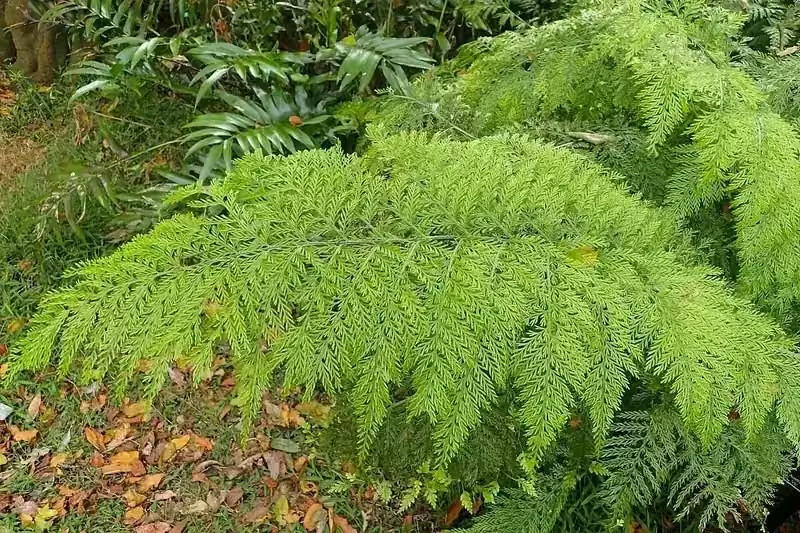
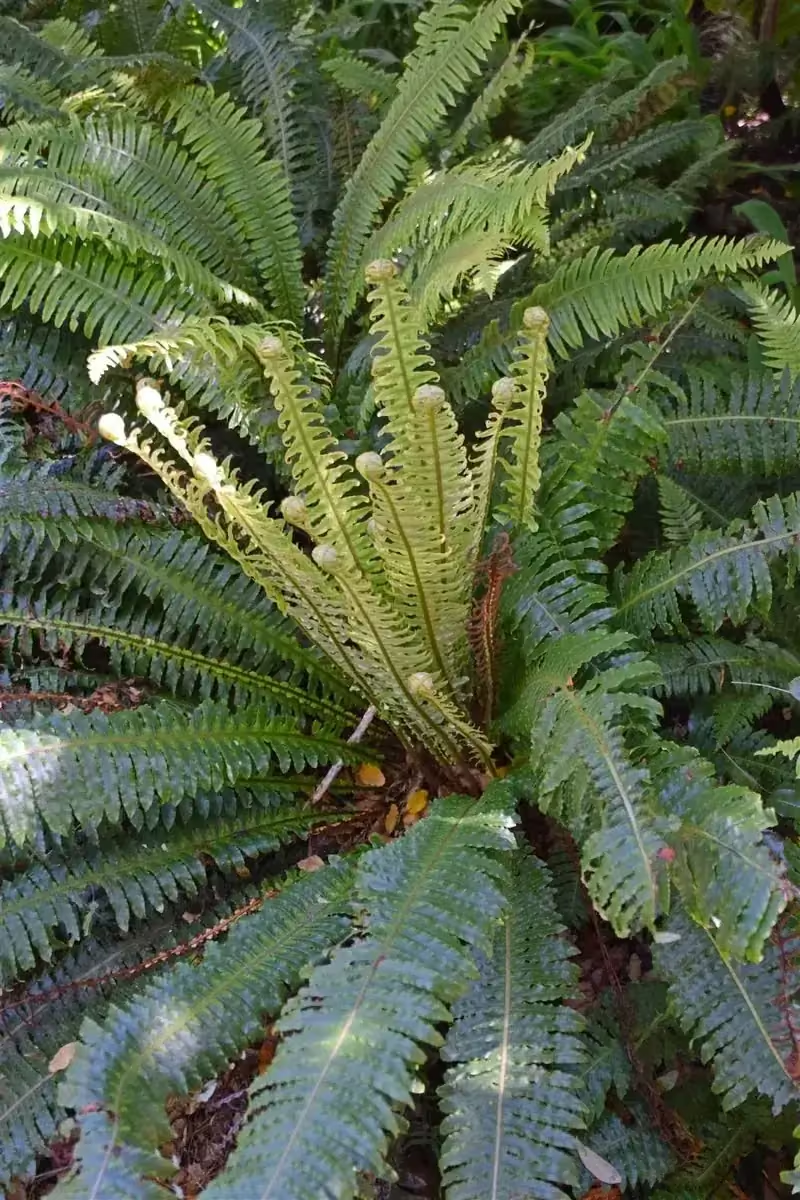
Explore other native plants that share similar characteristics or habitats with Giant Maidenhair ( Adiantum formosum ), offering further insights into New Zealand's diverse flora. These related species provide context and opportunities for complementary planting in your garden.



Plant Conservation
Conservation Status and Threats
Currently classified as "At Risk - Relict," Adiantum formosum is a rare and localized species in the wild. Its survival is heavily dependent on the protection of its remaining North Island alluvial forest habitats. Habitat loss, changes in local hydrology, and competition from invasive weeds are significant threats. Supporting the conservation of New Zealand's unique wetland and gorge environments is vital for the long-term success of the Giant Maidenhair.
Frequently Asked Questions
How tall does giant maidenhair grow?
Its fronds can reach up to 1.8 metres, though 1 to 1.2 metres is more usual in gardens.
Where does Adiantum formosum grow in New Zealand?
It is localised in the lower half of the North Island, in alluvial forests and along stream banks.
Is giant maidenhair rare?
Yes, it is classed At Risk - Relict, with localised populations in the wild.
What conditions does giant maidenhair need?
It prefers dappled shade, consistently moist soil and shelter from heavy frost.
Sources and Further Reading
The botanical, growing, and conservation details for Giant Maidenhair (Adiantum formosum) on this page draw on authoritative New Zealand plant references and citizen-science observation records. Consult the sources below for full technical records and the latest distribution data.