Canterbury Limestone Wheat Grass
Australopyrum calcis subsp. optatum
Last updated:
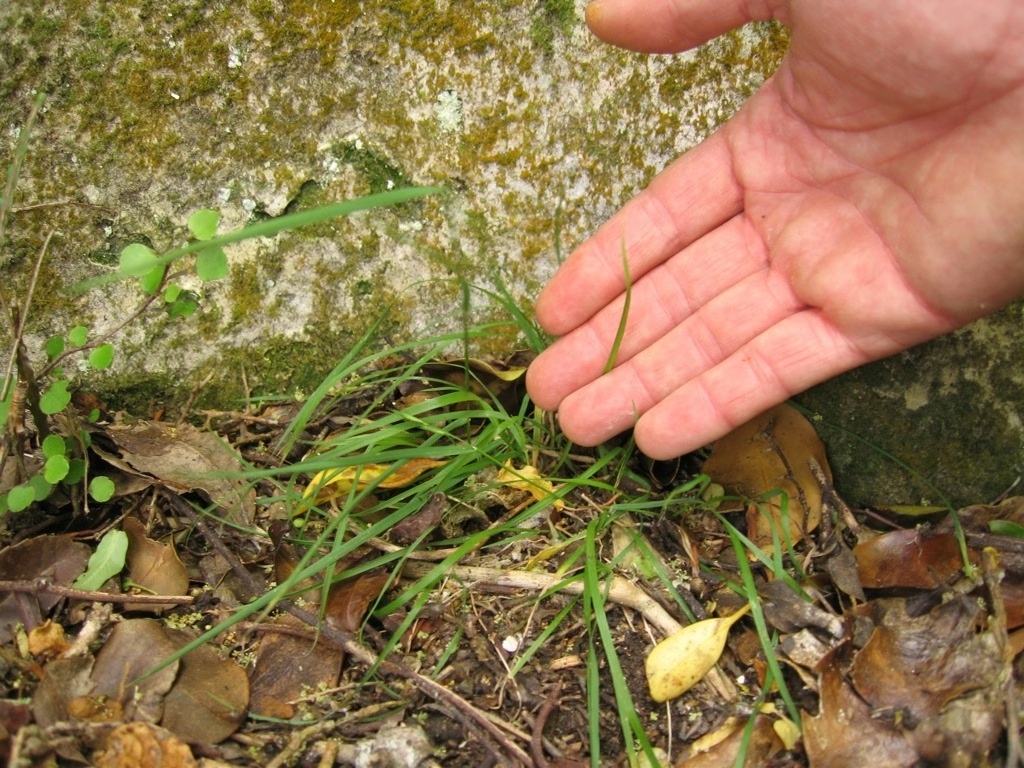
Canterbury limestone wheat grass (Australopyrum calcis subsp. optatum) is a slender, stoloniferous endemic grass found only on a handful of limestone outcrops in Canterbury, including Castle Hill, Prebble Hill, Flock Hill, Mt Cass and near Pleasant Point. It forms low, reddish-green tufts with finely hairy leaves and thin stems carrying a narrow, wheat-like spike. Around 2,000 plants remain, sheltering under rock overhangs, in crevices and beneath shrubs. Ranked Threatened - Nationally Critical in 2023, it is among the most at-risk grasses in New Zealand, although it grows easily from fresh seed in a dry, lime-enriched soil. Explore more native grasses and flaxes in our native plant guide.
Plant Description
Subsp. optatum is a slender, flat-leaved, tuft-forming perennial grass that spreads by stolons. Its foliage is reddish-green to dark green. The leaf blades are 60-250 mm long and 0.5-3.5 mm wide, soft and flat, and the upper surface is finely hairy along the nerves. The underside shows a conspicuous white midrib and side ribs.
The flowering stems are reddish, 170-600 mm long, often kneed and lying along the ground before rising, with swollen dark nodes and hairy internodes. They end in a narrow, spike-like raceme of 4-13 overlapping spikelets, each 10-14 mm long, which spread out from a finely hairy rachis. Each lemma carries a short awn 1.5-4 mm long.
The Marlborough subspecies, subsp. calcis, is larger and stouter, with hairless upper leaf surfaces, hairless culm internodes (except the uppermost) and a hairless rachis. Looking for fine hairs on the upper leaf surface and the rachis is the simplest way to separate the two, and geography also helps since the subspecies do not overlap.
Quick Facts
| Scientific Name | Australopyrum calcis subsp. optatum |
|---|---|
| Height | 17-60 cm (flowering stems) |
| Spread | Small tufts spreading slowly by stolons |
| Water Needs | Low; prefers a dry soil |
| Light | Full sun to semi-shade |
| Frost Tolerance | Frost hardy (inland Canterbury limestone country) |
| Salt Tolerance | Not documented; an inland species, so assume low |
| Growth Rate | Moderate from fresh seed |
| Lifespan | Perennial |
Climate Best Suited to
Suited to the cold, dry inland basins and foothills of Canterbury, with hard winter frosts, hot dry summers and drying north-west winds.
Regional Suitability
| City | Climate Suitability |
|---|---|
| Auckland | Low |
| Wellington | Low |
| Christchurch | High |
| Dunedin | Medium |
Plant Habitat
This subspecies is endemic to Canterbury in the South Island. It is known from Mt Cass in North Canterbury, from the Castle Hill basin where it grows at Castle Hill, Prebble Hill and Flock Hill, and from the Limestone Valley Road near Pleasant Point in South Canterbury.
It grows on base-rich substrates and soils. Today it survives only on limestone outcrops, under overhangs, in crevices or beneath shrubs and trees, but old records suggest it once also grew on alluvial terraces, implying a wider former range that has been lost to land development and grazing.
Growing Requirements
Soil Requirements
A friable, lime-enriched soil that stays on the dry side gives the best results, matching the limestone rubble and crevices it occupies in the wild.
- Friable, crumbly loam with added lime
- Excellent drainage; mix in limestone or other grit
- Alkaline rather than acidic
- Does best in a dry soil, per NZPCN
Light Requirements
In the wild it often sits in the partial shade of overhangs and shrubs, and in cultivation NZPCN reports it does well in a sunny or semi-shaded spot.
- Full sun to light shade
- Some afternoon shade helps in very hot, dry gardens
- Avoid deep, damp shade
Water Requirements
Once established it prefers dry conditions. Overwatering is a greater risk than drought for pot-grown plants.
- Water sparingly once established
- Let the soil dry between waterings
- Keep winter conditions dry
Planting and Establishing
Plant in spring into a crevice, rockery pocket or pot of gritty, lime-enriched soil. A position at the base of a rock or under a small shrub replicates the overhang and shrub cover it uses in the wild.
Only use plants raised from seed already in cultivation or obtained through authorised conservation work. The remaining wild populations are tiny, and taking material from them is both harmful and illegal on protected land.
Ecological Role
Flowering runs from October to December and fruiting from November to February. Pollination is by wind, and the spikelets break apart to release seed onto the rubble beneath the parent tufts.
Shrubs and trees shading the limestone overhangs are critical to the grass. When browsing animals open up that shrubland, weeds move in and the light conditions change, which displaces the grass. It is one of a suite of specialised plants that make the Castle Hill limestone basin botanically important.
Uses & Significance
Garden Uses
This is a plant for limestone rock gardens, troughs and threatened-plant collections rather than general planting.
- Limestone rockeries and crevice gardens
- Alpine troughs with lime-rich mix
- Conservation collections and seed production
- School or community threatened-plant displays
Ecological Value
Its survival is tied to a few limestone outcrops that hold many of Canterbury's rare base-loving plants, so protecting it helps protect those sites as a whole.
- Nationally Critical endemic subspecies
- Part of the distinctive Castle Hill limestone flora
- Reflects the former extent of base-rich terrace grassland
Landscaping Uses
Use it in a dry rock garden built with limestone, tucked against the foot of a boulder or into a crevice where it can sprawl a little by stolons. Its reddish stems and fine spikes are best seen close to a path.
Pair it with other small dryland natives that like lime and drainage, and keep aggressive exotic grasses out of the bed. A light shrub planted on the sunny side can provide the partial shade it receives in the wild.
Seasonal Care Calendar
Spring
Growth resumes and flowering starts in October, with spikes appearing above the tufts through to December.
- Plant or divide in early spring
- Hand-weed around tufts
Summer
Seed ripens from November to February while the plants tolerate summer heat and dryness well.
- Collect seed from cultivated plants
- Water only during prolonged drought
Autumn
The plants settle back after fruiting. Fresh seed collected in summer can be sown now.
- Sow fresh seed
- Cut back spent flowering stems
Winter
Plants are dormant or slow-growing through the frosty Canterbury winter and should be kept dry.
- Avoid winter wet
- No feeding required
When to Prune and How Much
Pruning is not needed. Spent flower stems can be removed after seed has been gathered.
Pull out dead leaves gently to keep the crown open and dry, but avoid cutting into living stolons.
How to Grow Canterbury Limestone Wheat Grass
NZPCN reports that Australopyrum calcis subsp. optatum is easy to grow from fresh seed, does well in a sunny or semi-shaded location, prefers a friable soil enriched in lime and does best in a dry soil. With only about 2,000 plants left in the wild and a Nationally Critical ranking, all propagation should start from plants already in cultivation, or be carried out under a Department of Conservation approved recovery programme. Seed ripens between November and February. Division of stolons is a secondary option for multiplying a particular plant, since the species spreads naturally by creeping stems.
From Seed
Fresh seed is the recommended method. Germination is usually prompt when seed is sown soon after collection into a gritty, limy mix.
- Collect ripe spikelets from cultivated plants in summer
- Sow promptly onto a seed mix blended with lime and fine grit
- Press in lightly and cover with a thin layer of grit
- Keep just moist in a bright, airy place
- Pot seedlings on individually and grow them hard in sun or light shade
By Division
Stoloniferous tufts can be separated into rooted pieces in spring, giving plants identical to the parent.
- Lift or unpot an established plant in early spring
- Separate rooted stolon sections with healthy shoots
- Replant into a friable, limy, free-draining mix
- Water once, then keep on the dry side until fresh new growth shows that roots have formed
Pests & Diseases
No particular insect pests or diseases are recorded. The serious threat in the wild is browsing animals, which damage the shrubs shading the limestone overhangs rather than the grass alone, allowing weeds to take over.
In gardens, wet winter soil and competition from vigorous grasses are the likeliest causes of loss.
Cultural Significance
No traditional Māori name or use is recorded for this grass in the sources consulted.
Connor and Molloy described Australopyrum calcis and its two subspecies in 1993. The subspecies name optatum is Latin for wished for or desired. Castle Hill, one of its main sites, is a well known limestone landscape in the Waimakariri basin of inland Canterbury.
Bonus Tip
When visiting Castle Hill or Flock Hill, look for this grass in the shade at the foot of limestone overhangs rather than out in the open tussock. Its reddish stems and wheat-like spikes are easiest to spot between October and December, but leave the plants and seed undisturbed.
Related Plants
Explore other native plants that share similar characteristics or habitats with Canterbury Limestone Wheat Grass (Australopyrum calcis subsp. optatum), offering further insights into New Zealand's diverse flora. These related species provide context and opportunities for complementary planting in your garden.
Shiny-Leaved Spleenwort
Asplenium lamprophyllum
Asplenium shuttleworthianum
Asplenium shuttleworthianum
Native Orache
Atriplex australasica
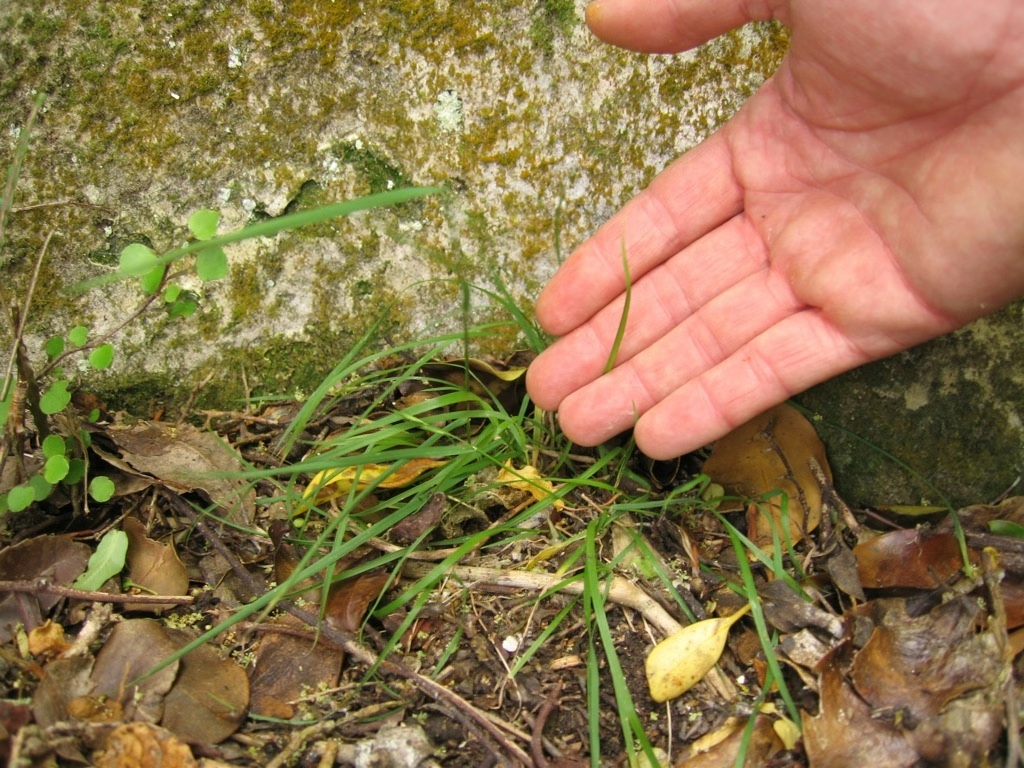
Limestone Wheatgrass
Australopyrum calcis subsp. calcis
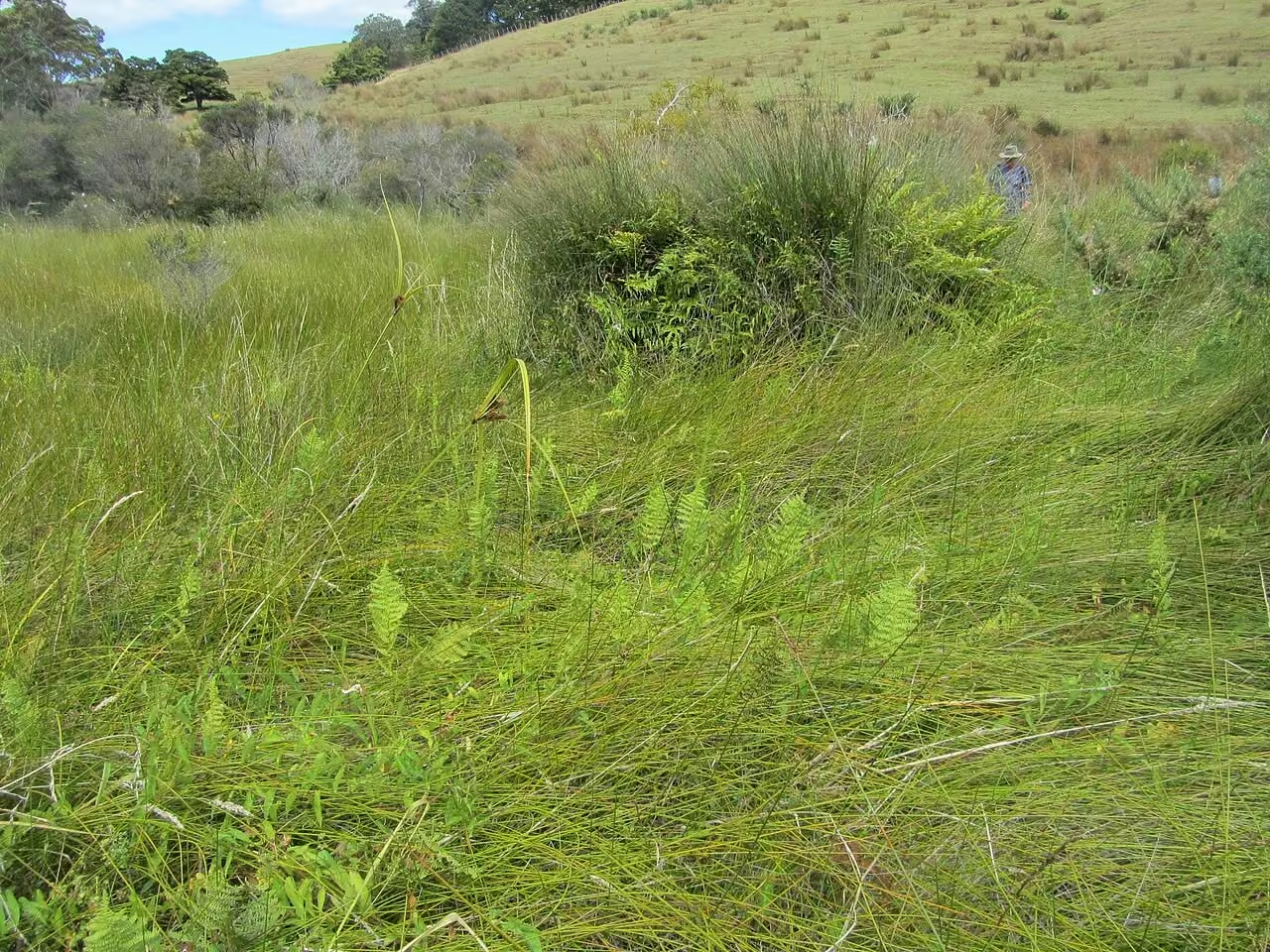
Machaerina arthrophylla
Machaerina arthrophylla
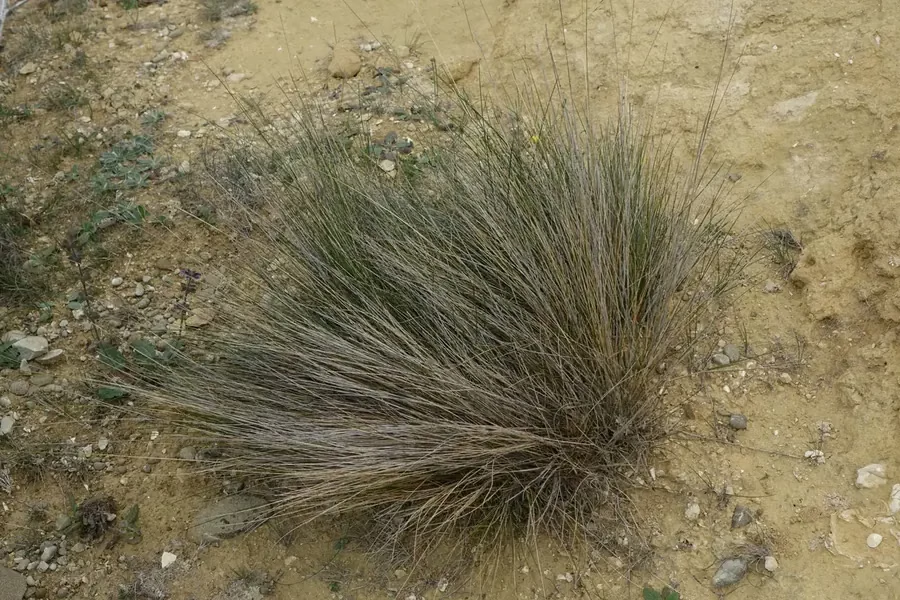
Petriei Grass
Achnatherum Petriei Grass
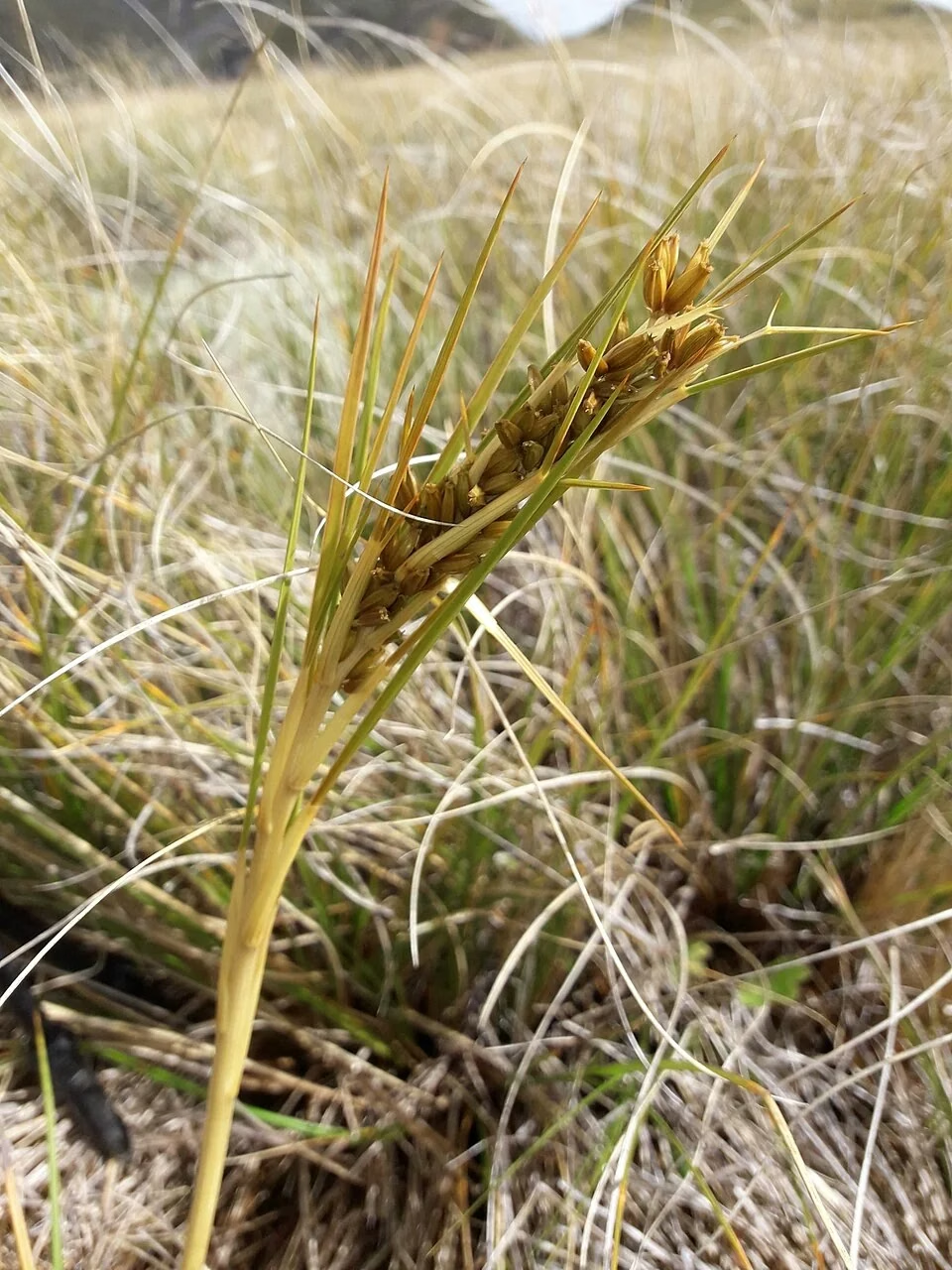
Speargrass
Speargrass
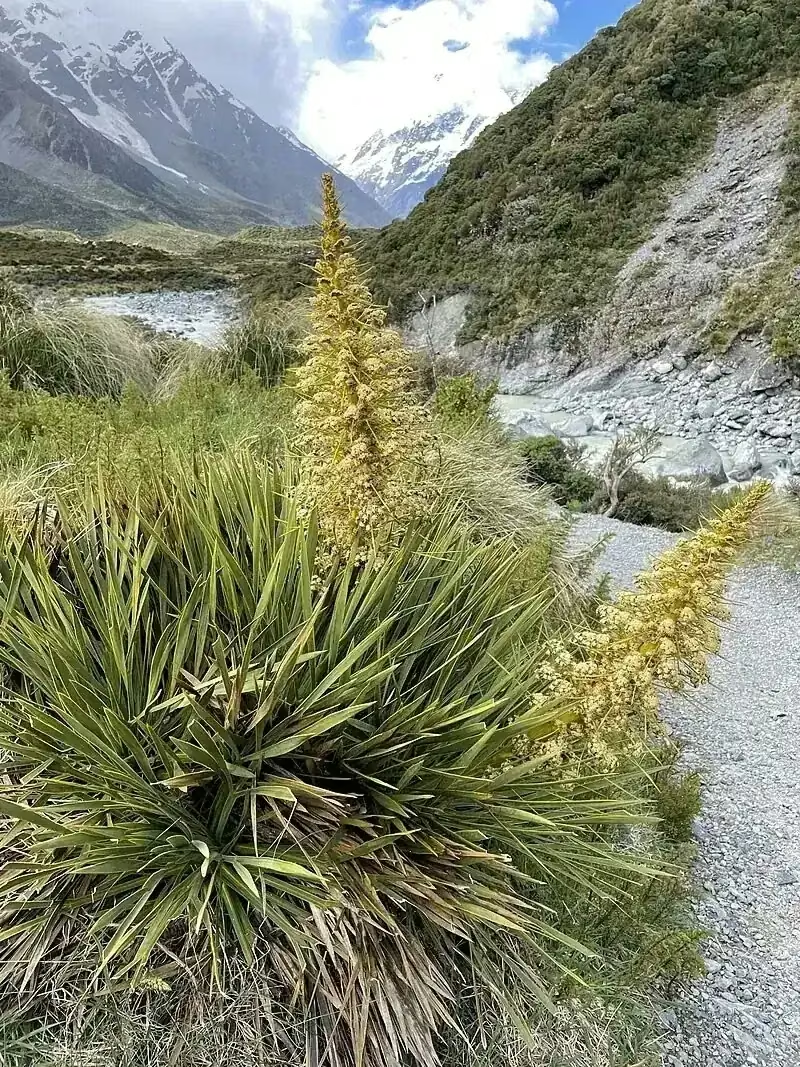
Golden Speargrass
Golden Speargrass
Plant Conservation
Subsp. optatum was ranked Threatened - Nationally Critical in 2023 with the qualifier Range Restricted, a decline from Nationally Endangered in 2017. About 2,000 plants remain across a few limestone sites in Canterbury.
Browsing animals damaging the shrubland that shades the overhangs is the main driver of decline, because it allows weeds to spread and changes the light conditions. Controlling browsers, managing weeds at the outcrops and maintaining cultivated insurance populations are the main ways to help.
Frequently Asked Questions
Where can Canterbury limestone wheat grass be found?
It is known from Mt Cass, the Castle Hill basin (Castle Hill, Prebble Hill and Flock Hill) and the Limestone Valley Road near Pleasant Point, all in Canterbury.
What is the conservation status of Australopyrum calcis subsp. optatum?
It was ranked Threatened - Nationally Critical in 2023 with the qualifier Range Restricted, worse than its 2017 ranking of Nationally Endangered.
What threatens Canterbury limestone wheat grass?
Browsing animals damage the shrublands that shade the limestone overhangs where it grows, which lets weeds spread and changes the light conditions the grass relies on.
What soil does Canterbury limestone wheat grass need in cultivation?
NZPCN recommends a friable soil enriched with lime that stays fairly dry, in a sunny or semi-shaded position.
Sources and Further Reading
The botanical, growing, and conservation details for Canterbury Limestone Wheat Grass (Australopyrum calcis subsp. optatum) on this page draw on the New Zealand plant references below. Consult them for full technical records and the latest distribution data.