Skottsberg's Astelia
Astelia skottsbergii
A High-Alpine Rosette
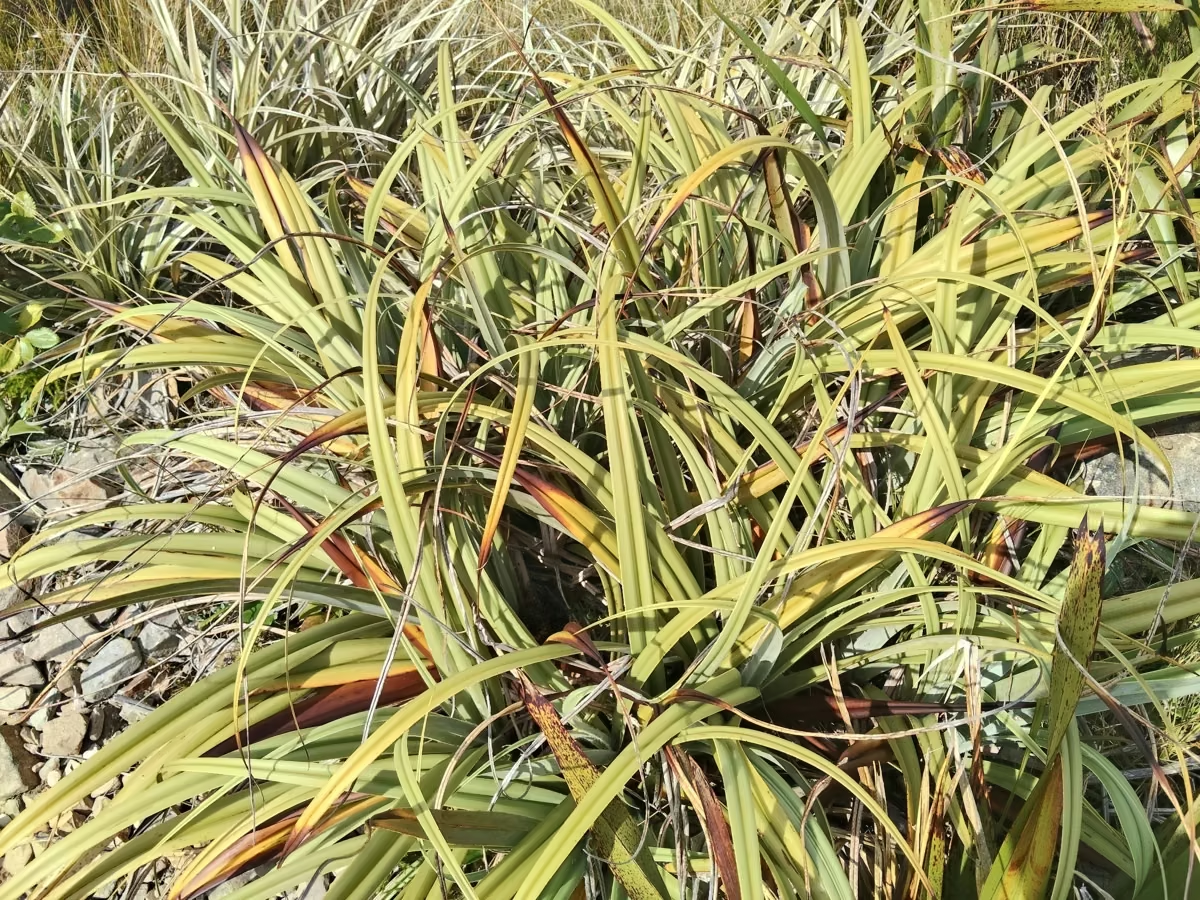
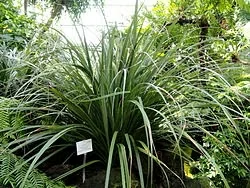
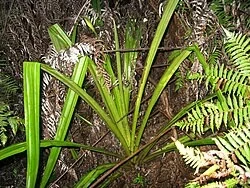
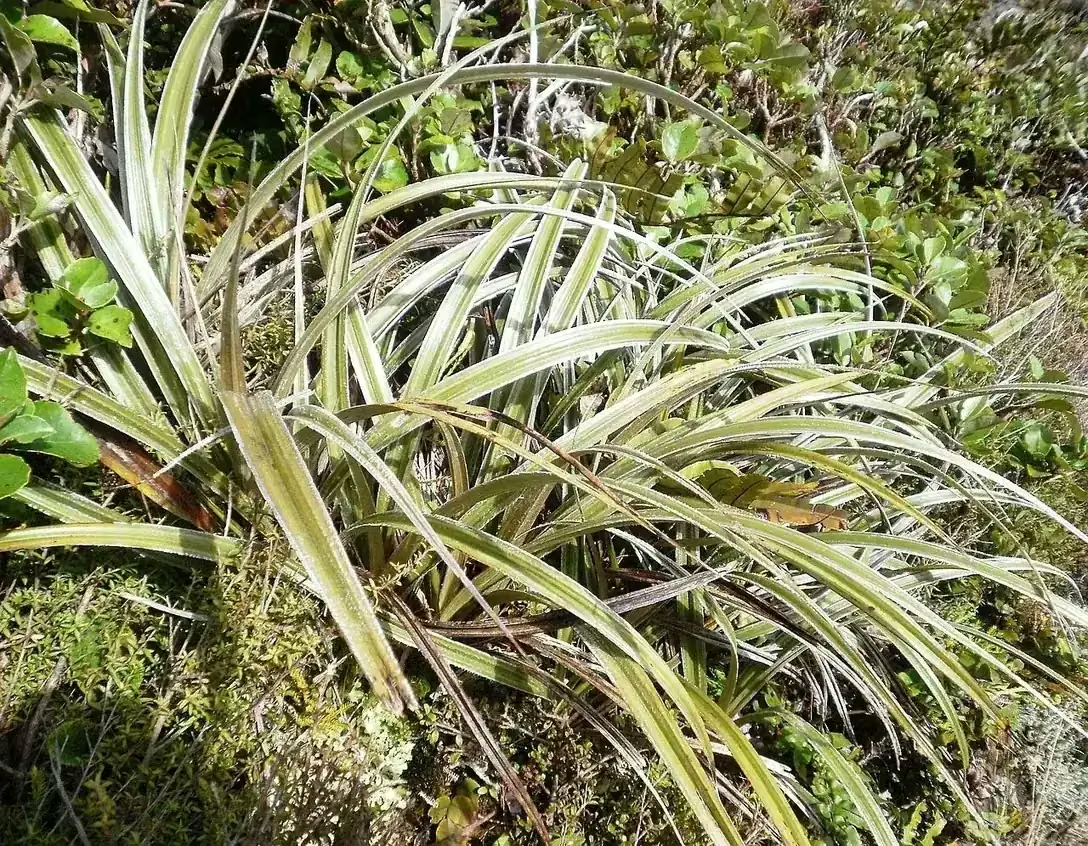
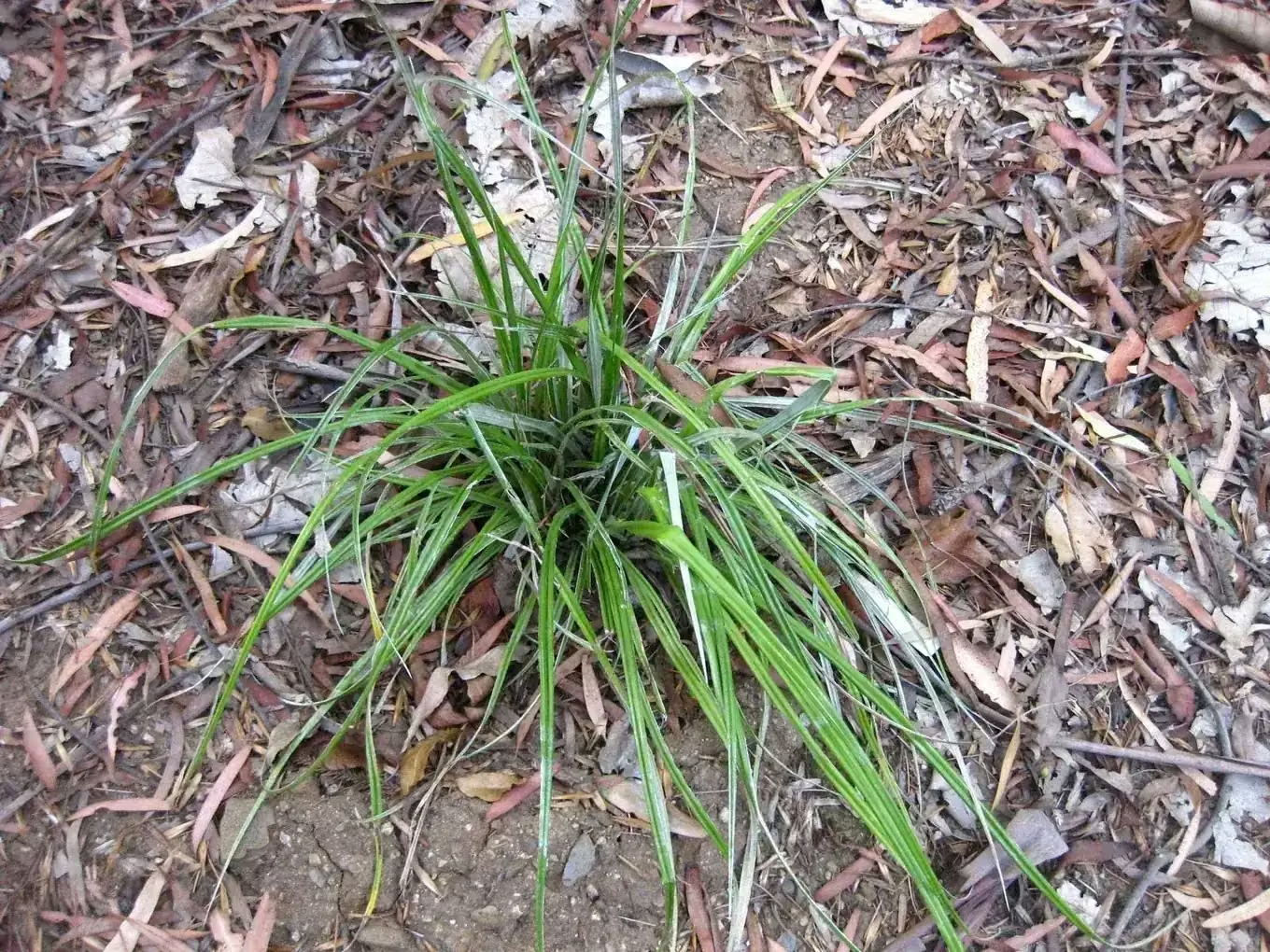
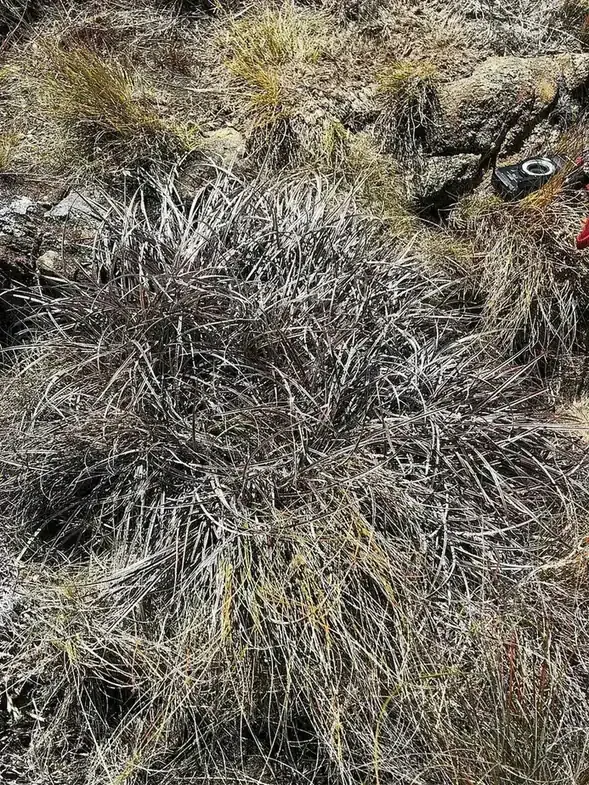
Astelia skottsbergii is a stout, flax-like perennial endemic to the mountains of north-western Te Waipounamu / South Island. It grows in snow-tussock grassland and on rocky bluffs. This species forms colonies of stout tufts resembling small flax plants.
Identification
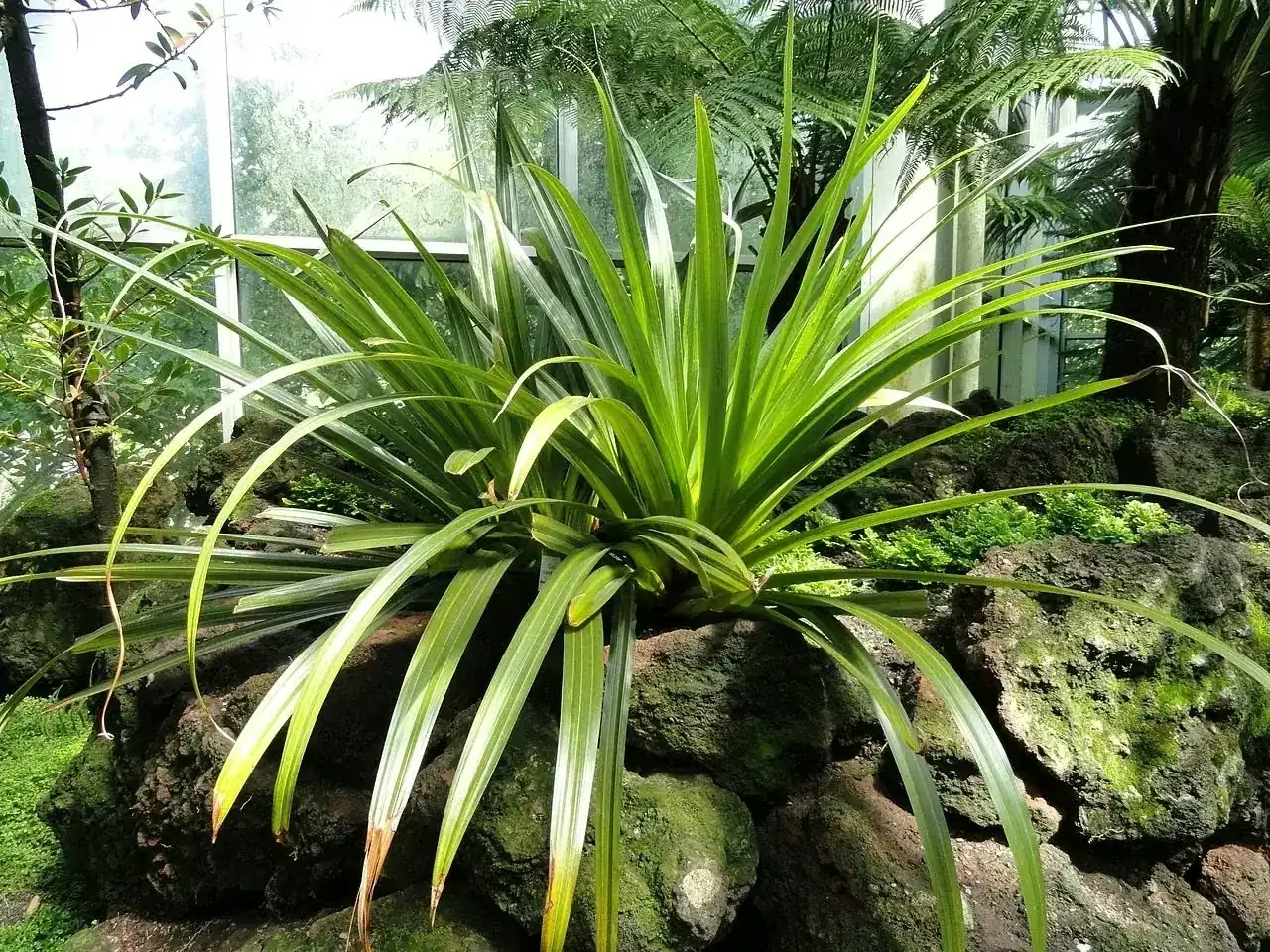
This species forms colonies of stout tufts resembling small flax plants. Its firm, keeled leaves are approximately 35-150 cm long and 2.5-4 cm wide, with margins that curl back to varying degrees.
Young leaves carry silvery scales, which can fall away as they age. The flowers are greenish fawn, followed by yellow to orange fruit approximately 10-14 mm long.
Quick facts
| Scientific Name | Astelia skottsbergii |
|---|---|
| Family | Asteliaceae |
| Leaf length | Approximately 35-150 cm |
| Flowering period | December to January |
| Fruiting period | March to May |
| National status | Not Threatened (2023) |
| Height | Leaves 35-150 cm long; total tuft height is not separately quantified |
| Water Needs | A cultivation watering requirement is not provided by the cited accounts |
| Light | Snow-tussock grassland and rocky bluffs in its natural habitat |
| Spread | Colonies of stout tufts; maximum colony width unquantified |
| Frost Tolerance | Minimum tolerated temperature is not documented |
| Salt Tolerance | Salt tolerance is not documented |
| Growth Rate | Annual extension is not quantified in the cited accounts |
| Lifespan | Colony-forming perennial |
Mountain habitat
Research on astelia classification records this species in subalpine and alpine herb-fields. Flora of New Zealand places it in the mountains of western Nelson; these habitat descriptions do not provide a tested garden frost limit.
| City | Climate Suitability |
|---|---|
| Auckland | Not assessed |
| Wellington | Not assessed |
| Christchurch | Not assessed |
Habitat and distribution
The Flora of New Zealand records the species in mountains from Mount Arthur to the Paparoa Range, in snow-tussock grassland and on rocky bluffs. A vegetation study also reports it on calcareous soils in north-western alpine country.
Natural growing conditions
Its documented natural settings include snow-tussock grassland and rocky bluffs. A study of north-western alpine vegetation found it among species more abundant on calcareous soils; that observation is not a tested garden soil recipe.
Planting
The cited Flora of New Zealand profile describes the natural plant and its mountain distribution but does not provide a species-specific planting method. Its occurrence on rocky bluffs and in tussock grassland should not be treated as a complete cultivation protocol.
Ecology
This astelia grows as colonies of stout tufts in mountain grassland and on rocky bluffs. The recorded male and female flower clusters differ in length, with male racemes described as longer than female racemes.
Observing this astelia
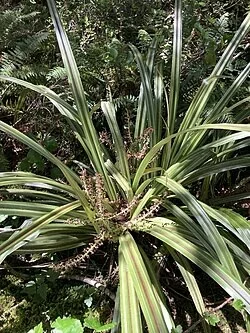
In western Nelson mountain country, look for stout, flax-like tufts among snow tussock or on bluffs. The firm, keeled leaves and yellow to orange mature fruit are features described by Flora of New Zealand.
Landscape considerations
Its known wild habitats are western Nelson mountain grasslands and rocky bluffs. The cited Flora profile does not report tested garden establishment methods, so its alpine ecology should not be assumed to guarantee performance at lower elevations.
Flowering and fruiting
Flora of New Zealand records flowering in December and January and fruiting from March to May. Flowers are greenish fawn; mature fruit is described as yellow to orange and sits in a deep cup.
Pruning
The cited Flora of New Zealand profile does not give a species-specific pruning method. It describes tufted growth with long, firm leaves and notes that the upper leaf surface can turn reddish brown with age.
How to Grow Skottsberg's Astelia (Astelia skottsbergii)
Seed and division evidence
The Flora of New Zealand description records a colony-forming plant with stout tufts, but does not give a tested division or seed-germination protocol for Astelia skottsbergii. Its resemblance to a small flax plant concerns habit and leaf texture. It does not establish that propagation methods used for Phormium will produce equivalent results with this astelia.
Allowing for Long, Firm Foliage
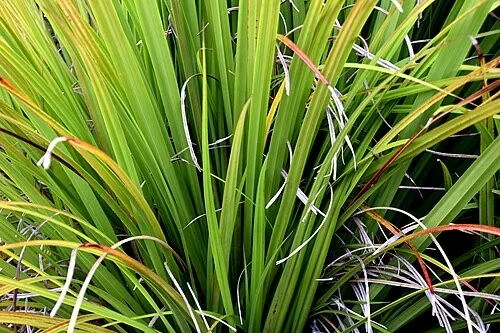
Leaves are approximately 35-150 cm long and 2.5-4 cm wide. They are firm, keeled and slightly rolled at their margins. The broad leaf bases carry long silvery scales. Young blades also have detachable scales, while older blades become smoother and can turn reddish brown. These age-related changes are part of the species description.
Watching the flowering tufts
The elongated inflorescence carries five to ten upright cylindrical flower clusters. Greenish-fawn flowers have strongly recurved tepals. Flora records flowering in December and January, with fruit from March to May. The yellow to orange fruits are approximately 10-14 mm long and sit in deep cups formed from the persistent flower parts.
Keeping Its Mountain Context
Historical distribution accounts place the plant in mountains from Mount Arthur to the Paparoa Range, in snow-tussock grassland and on rocky bluffs. These are specific observations about this astelia's natural setting. The cited descriptions do not establish a garden watering interval, a minimum frost temperature or the time required for a divided tuft to resume growth.
Pests and diseases
The cited Flora profile does not list a species-specific pest or disease treatment. Its upper leaf surface is described as turning reddish brown with age, a natural change that should not automatically be treated as disease.
Names and classification
Astelia skottsbergii was described by Lucy Moore in 1966 and belongs to the family Asteliaceae. The cited Flora profile does not supply a Māori name for this species, so one has not been inferred from other astelias.
Identification features
Look for the combination of stout flax-like tufts, firm keeled leaves and silvery scales on young leaf surfaces. Flora of New Zealand describes the leaf margins as rolled back and the fruit as yellow to orange.
Related astelias
Explore other New Zealand members of the genus Astelia, including forest, coastal and wetland species.
Conservation
The 2023 national vascular-plant assessment lists Astelia skottsbergii as Not Threatened. The species is endemic to New Zealand and its documented natural range is confined to mountains in the north-west of the South Island.
Frequently asked questions
Why do young and old leaves look different?
Young leaves carry silvery scales that can detach. Older blades become smoother and may change from bluish green to reddish brown.
Is this plant a kind of flax?
No. Its stout tufts resemble small flax plants, but it belongs to Astelia in Asteliaceae.
What colour is the mature fruit?
Flora describes yellow to orange fruits approximately 10-14 mm long, seated in deep persistent floral cups.
Sources
Last updated: