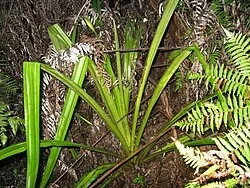
Swamp Astelia
Astelia grandis
Last updated:
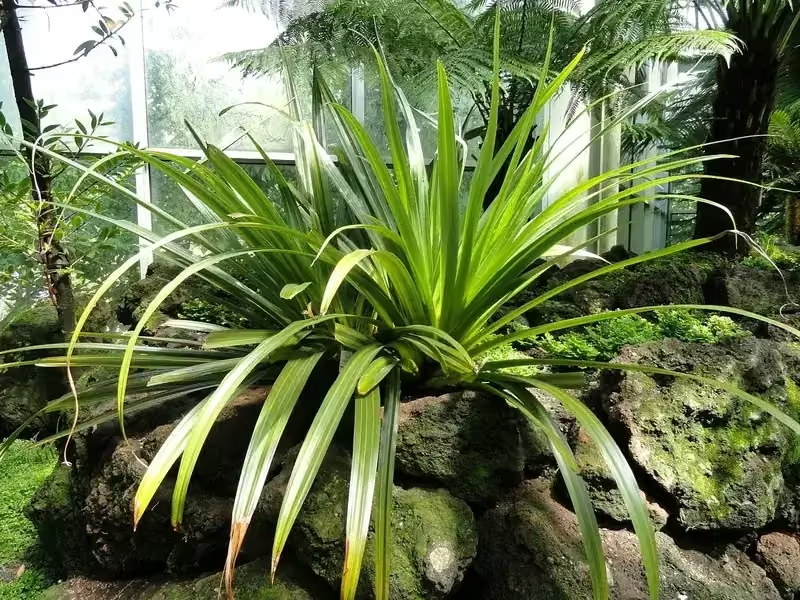
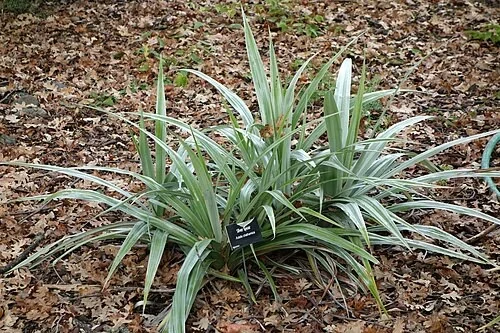
Astelia grandis, known as swamp astelia, is a large tufted perennial that forms impressive clumps of arching, spear-shaped leaves up to 2 metres tall. The olive-green foliage has a silvery, glaucous sheen underneath and reddish-purple midribs near the base, giving a bold architectural look year-round. It grows naturally in swamps, bogs and stream margins from lowland to montane areas across New Zealand's North and South Islands. Dioecious plants carry star-shaped flowers in late spring, and female plants follow with berries. Gardeners plant it for wet, shaded spots where its robust, leathery form provides lasting structure. Explore more wetland native plants in our native plant guide.
Plant Description
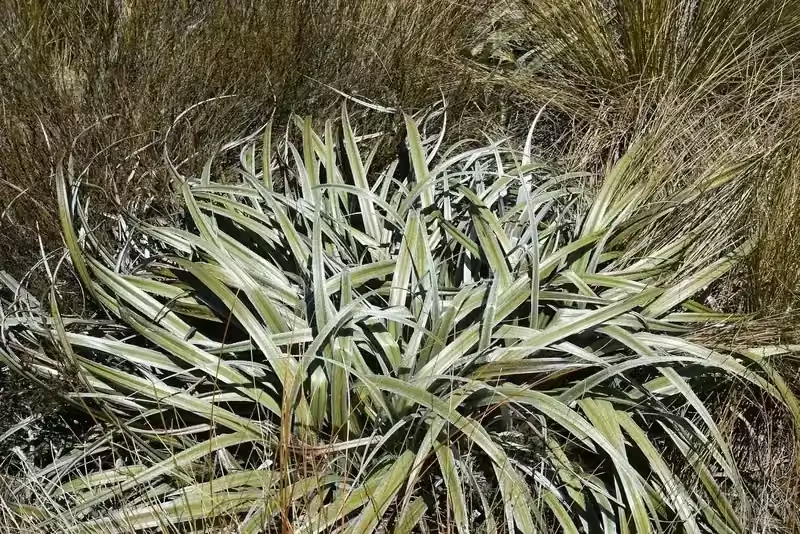
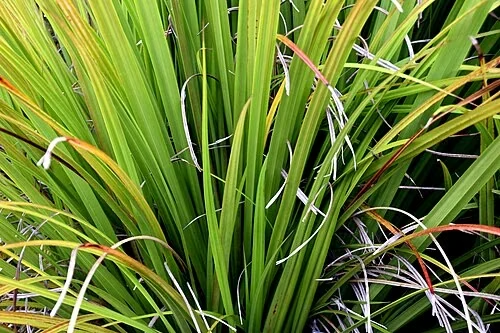
Astelia grandis is a large, tufted perennial that forms impressive clumps of arched, spear-shaped leaves. These leaves, which can reach up to 2 meters in height, are typically olive-green on the upper surface with a distinctive silvery or glaucous sheen on the underside. A prominent feature is the reddish-purple coloration of the midribs, especially towards the base of the plant. The foliage is stiff and leathery, giving the plant a robust and architectural appearance that remains attractive year-round.
This species is dioecious, meaning that individual plants are either male or female. During late spring and early summer, it produces clusters of small, star-shaped flowers on branched panicles that emerge from the center of the leaf tufts. Male flowers are typically more numerous and produce abundant pollen, while female flowers, if pollinated, develop into clusters of fleshy, orange berries about 10mm in diameter. These berries are not only visually striking but also serve as a vital food source for native birds, insects, and lizards, furthering the plant's ecological significance.
Quick Facts
| Scientific Name | Astelia grandis |
|---|---|
| Height | Up to 2 meters |
| Spread | 1.5 - 2 meters |
| Water Needs | High (Prefers consistently moist to wet soil) |
| Light | Semi-shade to full sun (Dappled shade ideal) |
| Frost Tolerance | Moderate (Tolerates down to -3°C) |
| Salt Tolerance | Low to Moderate (Typically found inland) |
| Growth Rate | Moderate |
| Lifespan | Perennial (Long-lived) |
Climate Best Suited to
Astelia grandis is well-adapted to the temperate maritime climates of New Zealand, flourishing in both the North and South Islands. It thrives in humid environments with high rainfall and is particularly suited to regions with cool to mild temperatures. While it can tolerate moderate frosts (down to approximately -3°C), it may require protection in areas with severe or prolonged winter freezes. Its preference for consistently moist soil makes it less suitable for very dry or arid regions without regular irrigation. It is highly adaptable to various light conditions, from the dappled shade of a forest understory to full sun in consistently damp areas.
Regional Suitability
| City | Climate Suitability |
|---|---|
| Auckland | Highly Suitable (Warm, humid conditions are ideal) |
| Wellington | Highly Suitable (Temperate, humid, good rainfall) |
| Christchurch | Suitable (With protection from dry winds and adequate moisture) |
| Dunedin | Suitable (Enjoys the cooler, moist conditions) |
| Hamilton | Highly Suitable (Consistent humidity and rainfall) |
Plant Habitat
Swamp Astelia is a specialist of wet and peaty environments, naturally occurring from lowland to montane areas throughout New Zealand. Its primary habitats include swamps, bogs, and the margins of streams and lakes. It is also frequently found on the damp forest floor, particularly in podocarp and broadleaf forests where moisture is abundant. Additionally, it establishes itself on wet cliffs, rock bluffs, and lakeshore scarps. This ability to colonize a variety of wet niches demonstrates its resilience and specialization for high-moisture ecosystems.
Growing Requirements
Soil Requirements
Thrives in humus-rich, peaty, and fertile soils that are consistently moist or even saturated.
- High organic matter content
- Retains moisture well
- Tolerates poor drainage
- Acidic to neutral pH preferred
Light Requirements
Adaptable to various light levels but performs best in semi-shade or dappled light.
- Dappled light under canopy
- Partial shade in garden settings
- Full sun (only if soil remains consistently wet)
Water Requirements
Requires high levels of moisture. Do not allow the soil to dry out completely.
- Consistent watering during dry spells
- Beneficial for wetland or pond margins
- Appreciates high ambient humidity
- Tolerates occasional waterlogging
Planting and Establishing
Choose a location that provides semi-shade and has soil that remains naturally damp or can be easily irrigated. If planting near a pond or in a wetland area, ensure the crown of the plant is not submerged for extended periods. Dig a hole twice the width of the root ball and enrich the soil with compost or leaf mold to improve moisture retention and fertility. Place the plant in the hole, ensuring the crown is at the same level as the surrounding soil, and backfill, firming gently. Water thoroughly immediately after planting. Maintaining consistent moisture is critical during the first year of establishment. A thick layer of organic mulch around the base will help retain soil moisture and keep the roots cool.
Ecological Role
Astelia grandis plays a vital role in its native ecosystems, particularly in wetland and riparian zones. By forming large, dense clumps, it provides essential cover and nesting sites for native birds and shelter for invertebrates and lizards. Its extensive root system helps stabilize soil on stream banks and within marshy areas, contributing to erosion control. The edible berries produced by female plants are a significant seasonal food source for various native fauna, including birds like the tūī and kererū, which in turn aid in seed dispersal. Its presence is often an indicator of a healthy, moisture-rich environment.
Uses & Significance
Garden Uses
Swamp Astelia is a popular ornamental plant in New Zealand gardens, valued for its large size and architectural foliage. It is an excellent choice for shaded corners, woodland gardens, or as a striking accent near water features and pond margins. Its ability to tolerate wet soils makes it a practical solution for damp areas where other plants might fail.
- Pond and stream margins
- Woodland garden underplanting
- Architectural accent plant
- Mass planting for texture
- Shaded garden areas
Traditional & Cultural Value
Historically, Astelia grandis was utilized by Māori for its sweet, edible berries and its strong leaf fibers.
- Source of sweet raw fruit
- Leaf fibers used for traditional crafts
- Important component of cultural landscapes
- Significance in rongoā (traditional medicine)
Landscaping Uses
In professional landscaping, Astelia grandis is used to create dramatic focal points and add structural depth to shaded or wet areas. Its arched form and silvery undersides provide excellent contrast when planted alongside finer-textured ferns or bold-leaved plants like Meryta sinclairii . It is frequently employed in native restoration projects to enhance wetland biodiversity and provide immediate habitat for native fauna. For larger garden designs, mass planting of Swamp Astelia can create a lush, primeval feel, effectively echoing the natural forest understory or wetland margins of New Zealand.
Seasonal Care Calendar
Spring
As temperatures rise, monitor soil moisture closely. Apply a balanced, slow-release fertilizer to support the growth of new foliage and flower panicles.
- Fertilize with balanced nutrients
- Check for new growth
- Ensure consistent moisture
Summer
This is the most critical time for watering. In dry regions, regular deep irrigation is necessary. Monitor for berries on female plants.
- Water regularly and deeply
- Maintain high humidity if possible
- Protect from extreme midday heat
Autumn
Gradually reduce watering frequency as the weather cools. Clean up any fallen debris around the base of the plant to prevent rot.
- Reduce watering
- Remove any fallen leaves or debris
- Monitor berry ripeness
Winter
Ensure the plant is protected from severe frosts in colder climates. Minimal watering is required during this period of slower growth.
- Provide frost protection if necessary
- Maintain soil slightly moist
- Avoid excessive winter fertilization
When to Prune and How Much
Pruning for Astelia grandis is primarily for maintenance and should be kept minimal. The best time to prune is in early spring, just before the new growing season commences. Use sharp, clean shears to remove any dead, damaged, or unsightly leaves by cutting them as close to the base of the plant as possible. This process improves the plant's overall appearance and enhances air circulation within the clump, reducing the risk of pests and fungal issues. Avoid cutting into healthy green leaves, as they are essential for the plant's photosynthesis and energy storage. Old flower stems can also be removed once the berries have fallen or been consumed by wildlife.
- Remove dead or damaged outer leaves
- Prune in early spring
- Remove spent flower stems
Regularly clearing the center of the plant of leaf litter and debris will also help maintain a tidy appearance and prevent moisture-related rot in the crown.
How to Grow Swamp Astelia
Propagating Swamp Astelia ( Astelia grandis ) is a rewarding process that allows you to expand your collection of this impressive New Zealand native. While it can be grown from both seed and division, the latter is generally preferred by home gardeners for its reliability and speed. Understanding the specific requirements for each method will ensure the successful establishment of healthy new plants.
From Seed
Growing Astelia grandis from seed requires patience and attention to environmental conditions. Collect ripe berries from female plants in late summer or autumn. Extract the seeds from the fleshy fruit and wash them thoroughly. Sow the seeds immediately or store them in a cool, dry place until late winter. Use a seed-raising mix that is well-draining but high in organic matter. Sow the seeds on the surface and cover them with a very thin layer of fine grit or mix. Place the tray in a greenhouse or a warm, shaded spot and maintain consistent moisture. Germination is often slow and erratic, sometimes taking over 12 months. Once the seedlings have developed a few true leaves and are robust enough to handle, carefully transplant them into individual pots.
- Collect ripe orange berries from female plants.
- Extract and wash seeds thoroughly.
- Sow seeds in a moist, organic-rich seed-raising mix.
- Place in a warm, shaded greenhouse environment.
- Wait patiently for germination (can be very slow).
- Transplant robust seedlings into individual containers.
It's important to remember that because Astelia grandis is dioecious, you won't know the sex of your plants until they reach maturity and produce flowers.
From Division
Division is the most effective method for cloning mature plants and ensuring you have both male and female specimens. The best time for division is in spring or early autumn when the plant is not under stress from extreme heat. Carefully dig up a mature clump or remove it from its container. Use a sharp, clean knife or a spade to separate the offsets (pups) from the main rhizome, ensuring each new division has its own healthy root system and at least a few leaves. Replant the divisions immediately into prepared soil or individual pots, keeping them well-watered and in a shaded, humid environment until they show signs of new growth and establishment.
- Gently dig up a large, healthy mature clump.
- Identify natural offsets or pups with their own roots.
- Separate carefully using a sharp, sterilized knife.
- Replant immediately into moist, humus-rich soil.
- Maintain high moisture and shade during initial recovery.
Additional Methods
While seed and division are the primary methods, tissue culture is sometimes used in commercial nurseries for large-scale production. For the home gardener, division remains the most practical and successful way to propagate Swamp Astelia. Ensuring that the parent plant is healthy and adequately hydrated before attempting propagation will significantly improve the success rate of the new plants. Providing consistent care and a stable, humid environment during the early stages of growth is key to developing robust and long-lived specimens.
Pests & Diseases
Astelia grandis is generally a resilient species with few major pest or disease issues. However, like many plants with dense foliage, it can occasionally be affected by scale insects, mealybugs, or aphids, particularly in environments with poor air circulation. Regular inspection and maintaining a clean, well-ventilated growing area are the best preventative measures. Fungal leaf spots can sometimes occur in excessively humid or overcrowded conditions; these can be managed by removing affected foliage and improving air movement. Ensuring the soil is well-draining, even though it remains moist, will help prevent root rot.
Cultural Significance
For Māori, Astelia grandis holds significant value as a traditional source of food and fiber. The sweet berries were a seasonal delicacy, often gathered from the wild. The long, strong leaves were harvested for their fibers, which were processed and used in various traditional crafts and weaving. Beyond its practical uses, the Swamp Astelia is an integral part of the natural landscape of Aotearoa, its presence woven into the ecological and cultural narrative of the land. Its conservation and continued presence in native ecosystems represent a commitment to preserving New Zealand's unique biological and cultural identity.
Bonus Tip
To maximize the architectural impact of Swamp Astelia in your garden, plant it in a position where the morning or late afternoon sun can catch the silvery undersides of the leaves. This creates a beautiful luminosity that highlights the plant's form. If you want berries, remember to plant both male and female specimens close to each other to ensure successful pollination.
Related Plants
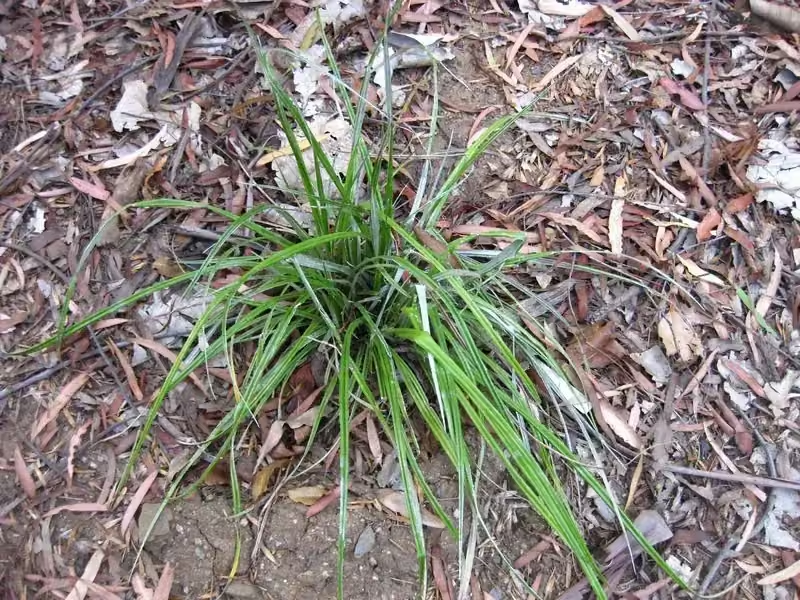
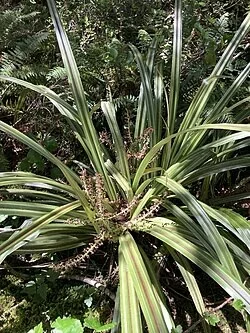
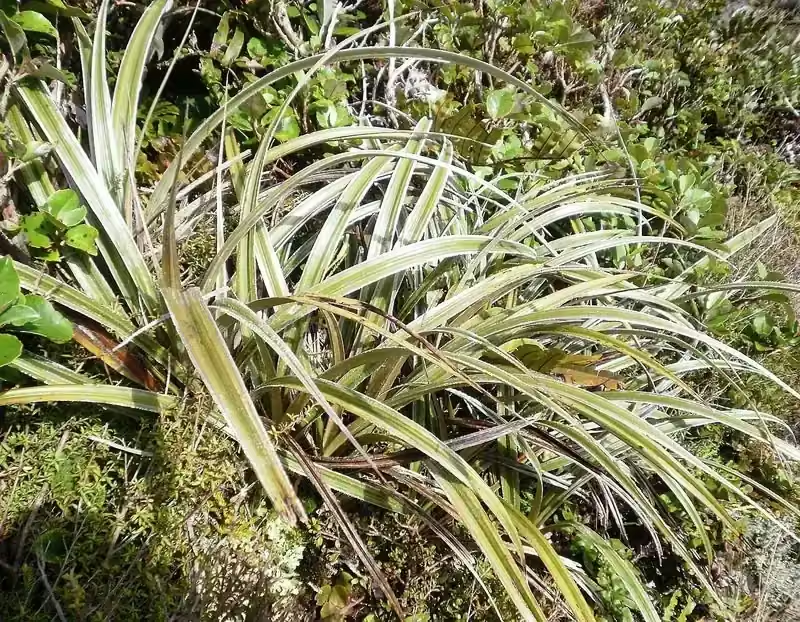
Explore other native New Zealand plants that share characteristics or habitats with Swamp Astelia ( Astelia grandis ), offering further insights into our diverse flora. These related species can provide context and inspiration for complementary plantings in your garden.
Plant Conservation
Astelia grandis is classified as "Not Threatened" in the New Zealand Threat Classification System. This indicates that it currently maintains stable populations across its natural range. However, like many native species, its continued health depends on the preservation of its wetland and forest habitats. Ongoing efforts to protect and restore New Zealand's wetlands are crucial for this species and the diverse fauna it supports. Gardeners can contribute to its conservation by choosing Swamp Astelia for damp garden areas, thereby creating urban refuges for native biodiversity and reducing the reliance on exotic, potentially invasive species.
Frequently Asked Questions
How tall does Swamp Astelia grow?
Swamp Astelia grows up to 2 metres tall, forming clumps 1.5 to 2 metres wide.
Where does Astelia grandis grow naturally?
It grows in swamps, bogs, and stream and lake margins from lowland to montane areas throughout New Zealand.
Does Swamp Astelia tolerate frost?
It has moderate frost tolerance, handling temperatures down to about -3 degrees C.
What growing conditions does Swamp Astelia need?
It prefers consistently moist to wet soil in semi-shade to full sun, with dappled shade ideal.
Sources and Further Reading
The botanical, growing, and conservation details for Swamp Astelia (Astelia grandis) on this page draw on authoritative New Zealand plant references and citizen-science observation records. Consult the sources below for full technical records and the latest distribution data.