Buttercup
Ranunculus sericophyllus
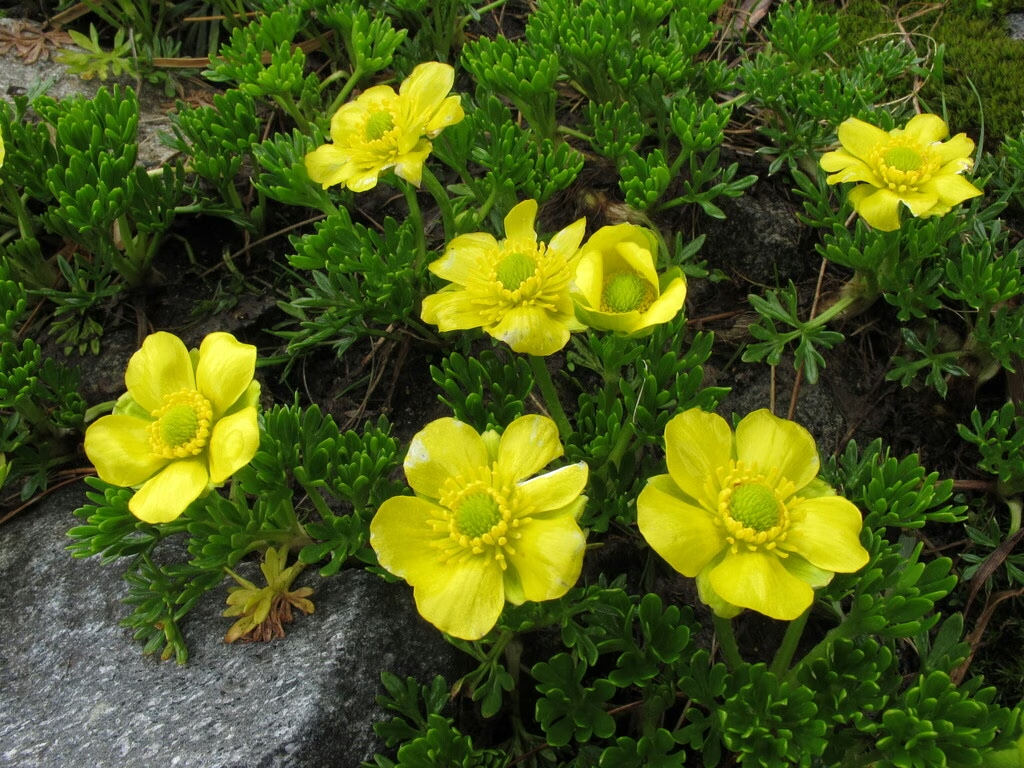
Ranunculus sericophyllus, the silky alpine buttercup, is a South Island endemic with finely divided, usually silky leaves and large yellow flowers above a low tuft. This tufted perennial grows about 5-20 cm tall from a stout rhizome.
Identification
This tufted perennial grows about 5-20 cm tall from a stout rhizome. Its fleshy, broadly oval leaves are deeply divided into fine, pointed segments and usually covered with silky hairs, though rarely they are hairless.
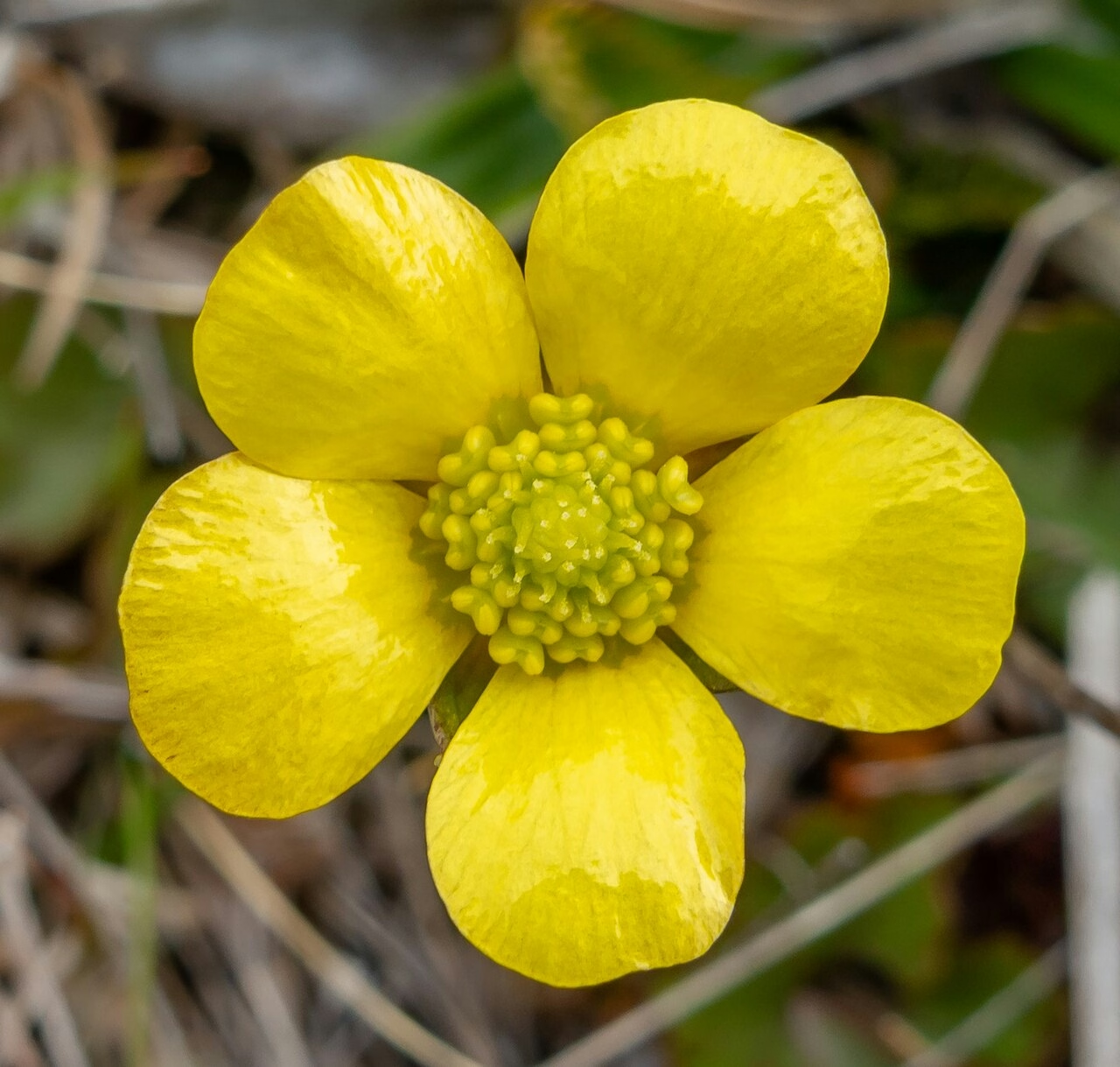
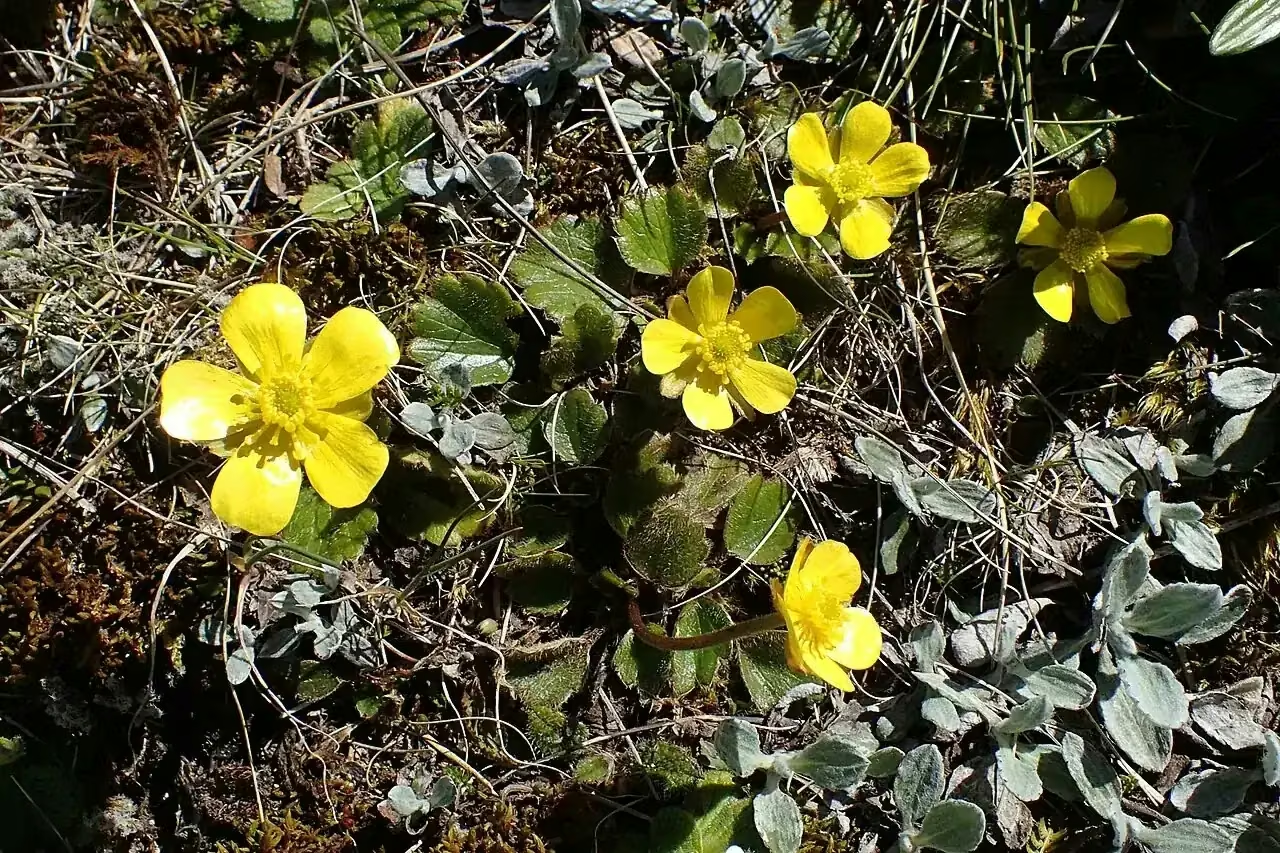
Erect, silky flower stalks usually carry one flower, occasionally two. The yellow flowers are approximately 3-5 cm across and have five to eight broad petals.
Quick facts
| Scientific Name | Ranunculus sericophyllus Hook.f. |
|---|---|
| Common name | Silky alpine buttercup |
| Family | Ranunculaceae |
| Origin | Endemic to New Zealand |
| Range | South Island mountains |
| Habit | Tufted perennial, 5-20 cm tall |
| Habitat | Montane to subalpine grassland and herbfield |
| Flowering | December to February |
| Fruiting | January to March |
| National status | Not Threatened (2023) |
| Height | 5-20 cm tall |
| Water Needs | A species-specific watering regime is not given in the cited sources |
| Light | Mountain grassland, fellfield and herbfield in its natural habitat |
| Spread | Tufts from a stout rhizome; mature width unquantified |
| Frost Tolerance | Minimum tolerated temperature is not documented |
| Salt Tolerance | Salt tolerance is not documented |
| Growth Rate | Annual extension is not quantified in the cited accounts |
| Lifespan | Tufted perennial herb |
Natural range
The 1961 Flora records this endemic in South Island higher montane to subalpine grassland, fellfield and herbfield between approximately 43° and 45° south. Historical records include Mount Brewster and the Hopkins River.
| City | Climate Suitability |
|---|---|
| Auckland | Not assessed |
| Wellington | Not assessed |
| Christchurch | Not assessed |
Habitat and distribution
The silky alpine buttercup occurs in higher montane and subalpine grassland, fellfield and herbfield. Early type-locality notes describe plants in snow holes on Mount Brewster and among grass near the Hopkins River.
NZPCN’s Craigieburn plant list records it among native mountain herbs and grasses.
Natural growing conditions
Wild plants occur in cool higher montane and subalpine vegetation, including grassland and exposed herbfield. The cited Flora treatments describe natural habitat but do not establish a tested garden soil or watering regime.
Planting considerations
The species grows from a stout rhizome and forms a low tuft, with flower stalks rising above its leaves. The botanical treatments do not provide a species-specific nursery or planting protocol.
Alpine growth
The stout rootstock may ascend or creep, forming matted patches according to the historical Flora. Its deeply divided leaves and hairy, mostly single-flowered stalks are characteristic of this alpine buttercup.
Observing the plant
Look for leaves divided into narrow, pointed segments with a fringe of silky hairs. The erect flowering stalk generally bears one large yellow flower; some plants have much less hair than the typical form.
Garden context
Its finely cut foliage and large yellow blooms give this plant a distinct appearance among alpine buttercups. NZPCN includes it in a garden-plant list, but the cited sources do not provide species-specific trial results.
Flowers and fruit
Flora records flowering from December to February and fruiting from January to March. Each yellow flower is about 3-5 cm wide, with five to eight petals and spreading, silky-haired sepals.
The many achenes are plump and hairless, with straight beaks approximately 1.5-2.5 mm long.
Growth form
A stout rhizome supports a tuft of fleshy basal leaves and erect flower stalks. The foliage is usually silky but can rarely be hairless; the botanical sources do not prescribe pruning.
How to Grow Buttercup (Ranunculus sericophyllus)
Seed, division and garden evidence
NZ Plant Conservation Network includes Ranunculus sericophyllus in its list of broad-leaved herbs that can be grown readily in New Zealand gardens. That is useful species-specific evidence of garden use. The list does not provide a sowing treatment or division protocol, while the Flora account describes a stout rhizome without reporting a tested nursery method.
Space for a small flowering tuft
This perennial is approximately 5-20 cm tall. Its fleshy leaves are broadly oval in outline but deeply divided twice into narrow, pointed final segments. Silky hairs usually cover the foliage, although rare hairless plants are included in the description. The tufted habit and divided leaves are important when checking a plant's identity before flowering.
Following the summer display
Flower stems are upright and silky, usually bearing one flower and occasionally two. The yellow blooms measure about 3-5 cm across and have five to eight broad petals. Flora records flowering from December to February and fruit from January to March. The combination of low foliage and relatively large flowers is distinctive.
Retaining Its Mountain Context
Natural records include higher montane and subalpine grassland, fellfield and herbfield. Early locality notes mention snow hollows on Mount Brewster and grassy places near the Hopkins River. These records give context for its natural occurrence; the garden list and Flora description do not quantify irrigation frequency, a potting recipe or the time needed for seedlings to become fertile.
Plant health
Silky hairs on the leaves and flower stalks are normal, although Flora notes that foliage can rarely be hairless. The cited botanical descriptions do not identify particular pests or diseases affecting this species.
Naming and classification
Joseph Dalton Hooker published Ranunculus sericophyllus in 1864. Flora of New Zealand lists the later name R. sericophyllus var. simpsonii as a synonym of this species.
Recognising Its Flowers
The broad yellow petals bear three narrow, uncovered nectaries near their bases. Combined with deeply divided, often silky leaves and one or occasionally two flowers per stalk, these features help identify the species.
Related native buttercups
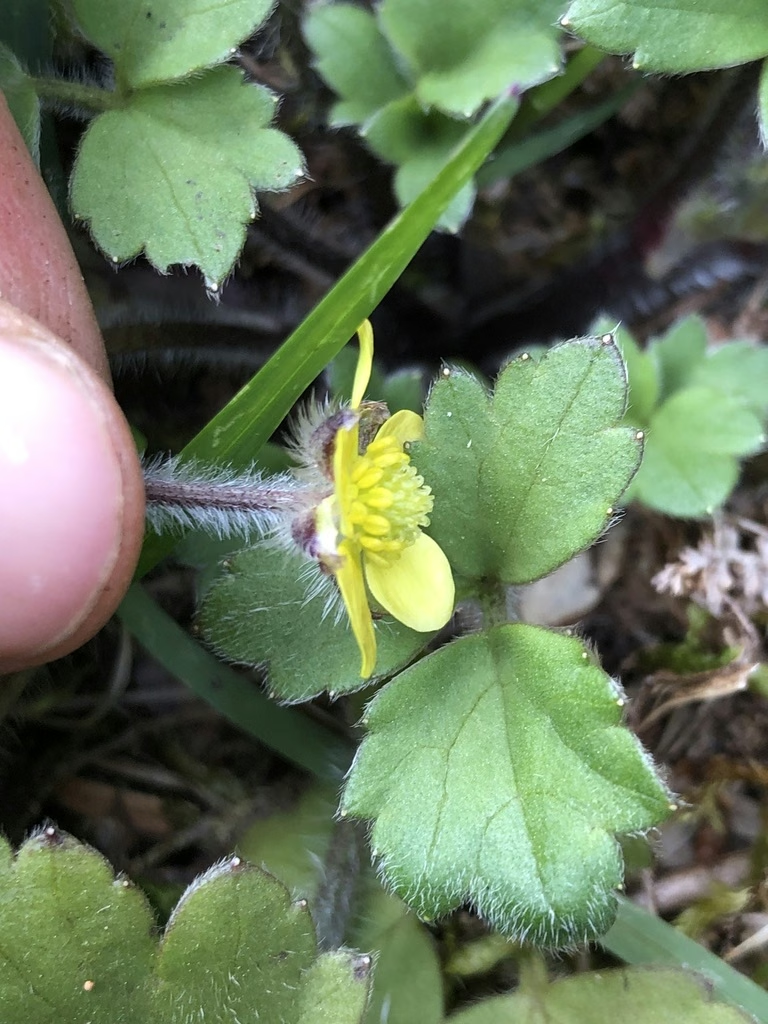
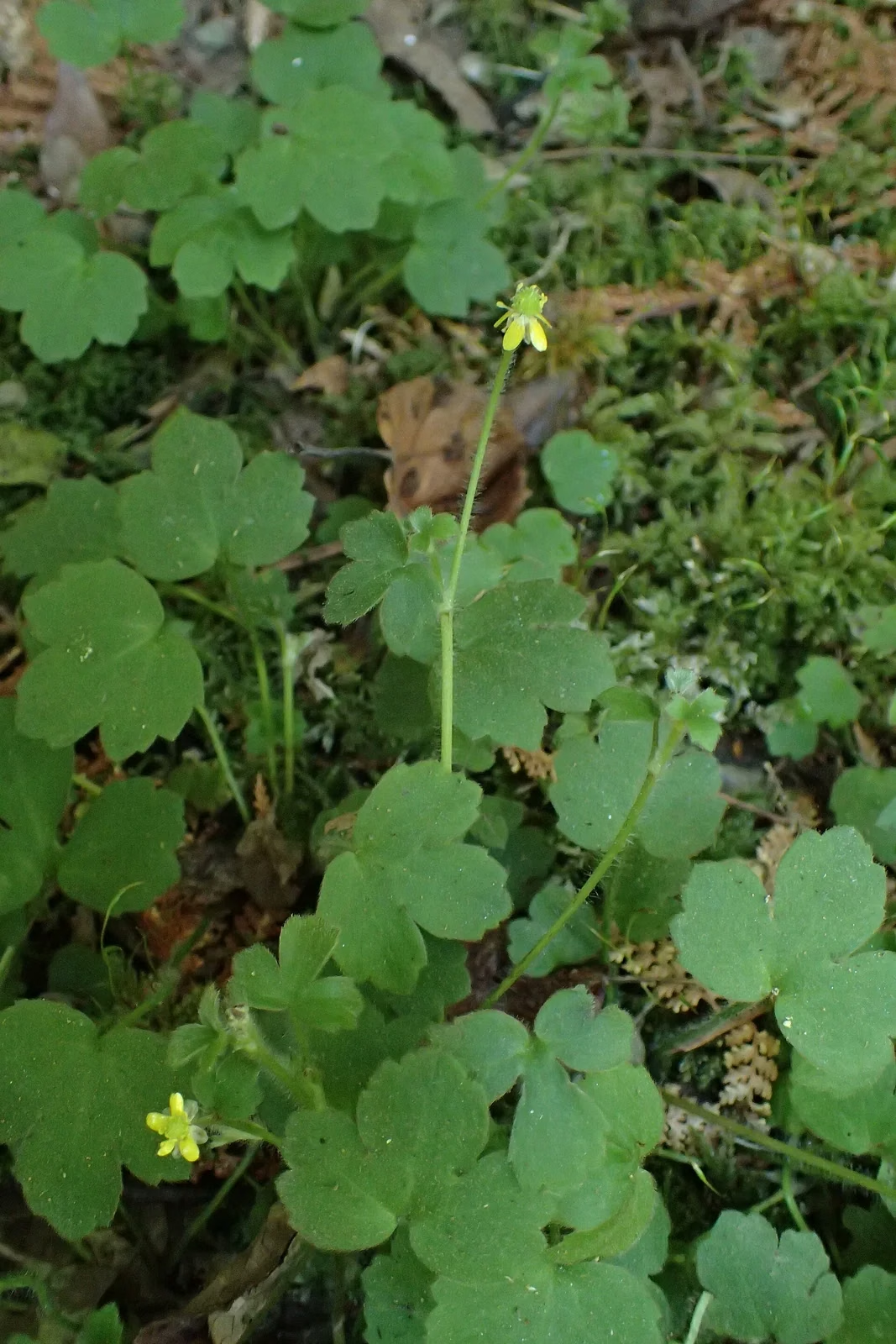
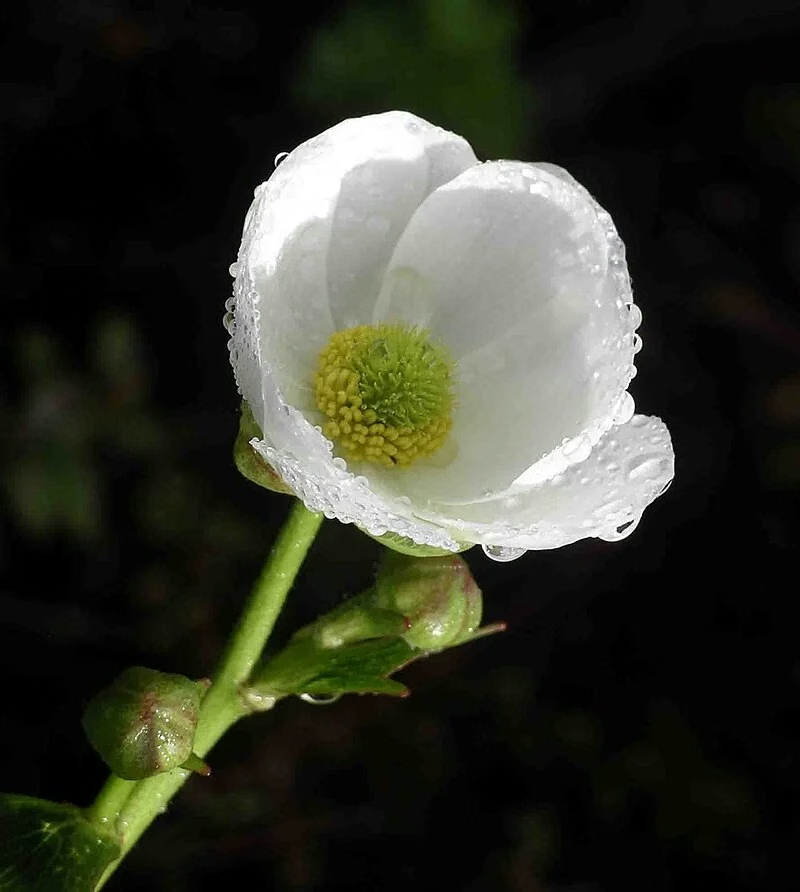
Explore other New Zealand Ranunculus species, including buttercups of alpine and montane habitats.
Conservation
Flora of New Zealand records Ranunculus sericophyllus as endemic and nationally Not Threatened in the 2023 assessment. Its natural habitats include higher montane and subalpine grassland, fellfield and herbfield.
Frequently asked questions
Is there evidence that it can be grown in gardens?
Yes. NZ Plant Conservation Network includes the species in its list of broad-leaved herbs suitable for New Zealand gardens.
Are the leaves always silky?
Silky hairs are usual, but the Flora description also includes rare hairless plants.
How many flowers occur on a stalk?
Flowering stalks usually carry one large yellow flower, occasionally two.
Sources
Identification, flowering and national status: Flora of New Zealand taxon profile. Historical habitat and type-locality information: Flora of New Zealand Series.
Craigieburn occurrence: NZ Plant Conservation Network plant list. Garden-plant listing: NZPCN broad-leaved herbs.
Last updated: