Tufted Buttercup
Ranunculus altus
Ranunculus altus is a tufted buttercup endemic to the South Island. Its hairy, divided leaves and small yellow flowers grow in open montane and subalpine places, including landslides. This robust tufted perennial is usually 20-35 cm tall, with spreading hairs on its ascending or reclining stems.
Identification
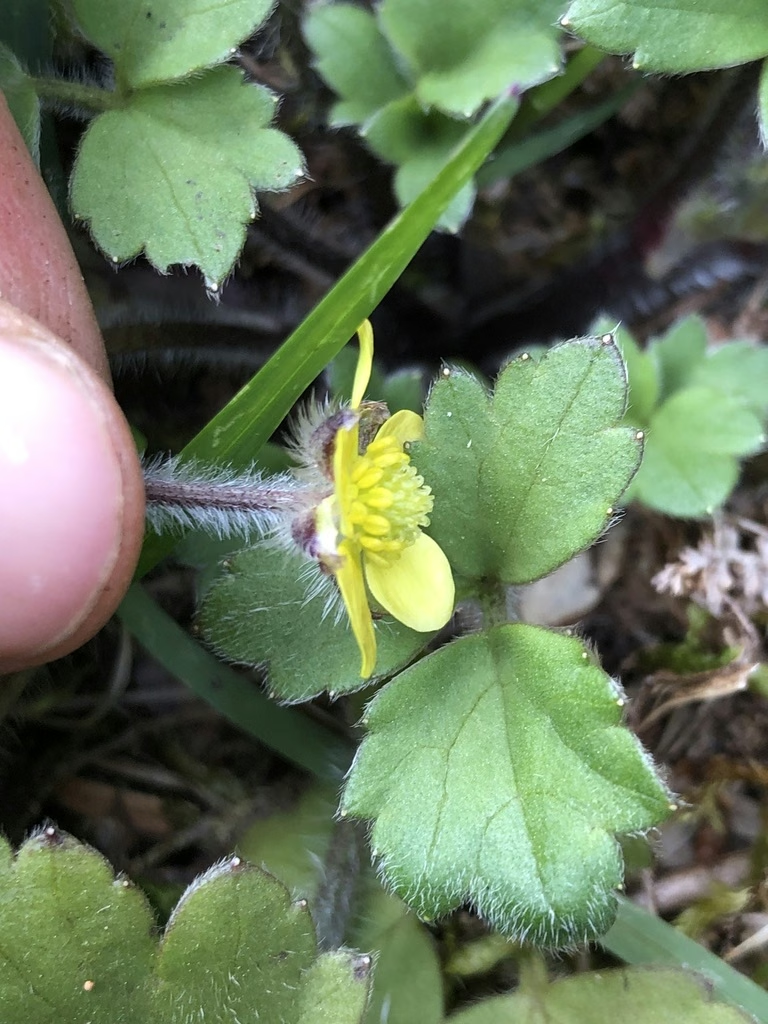
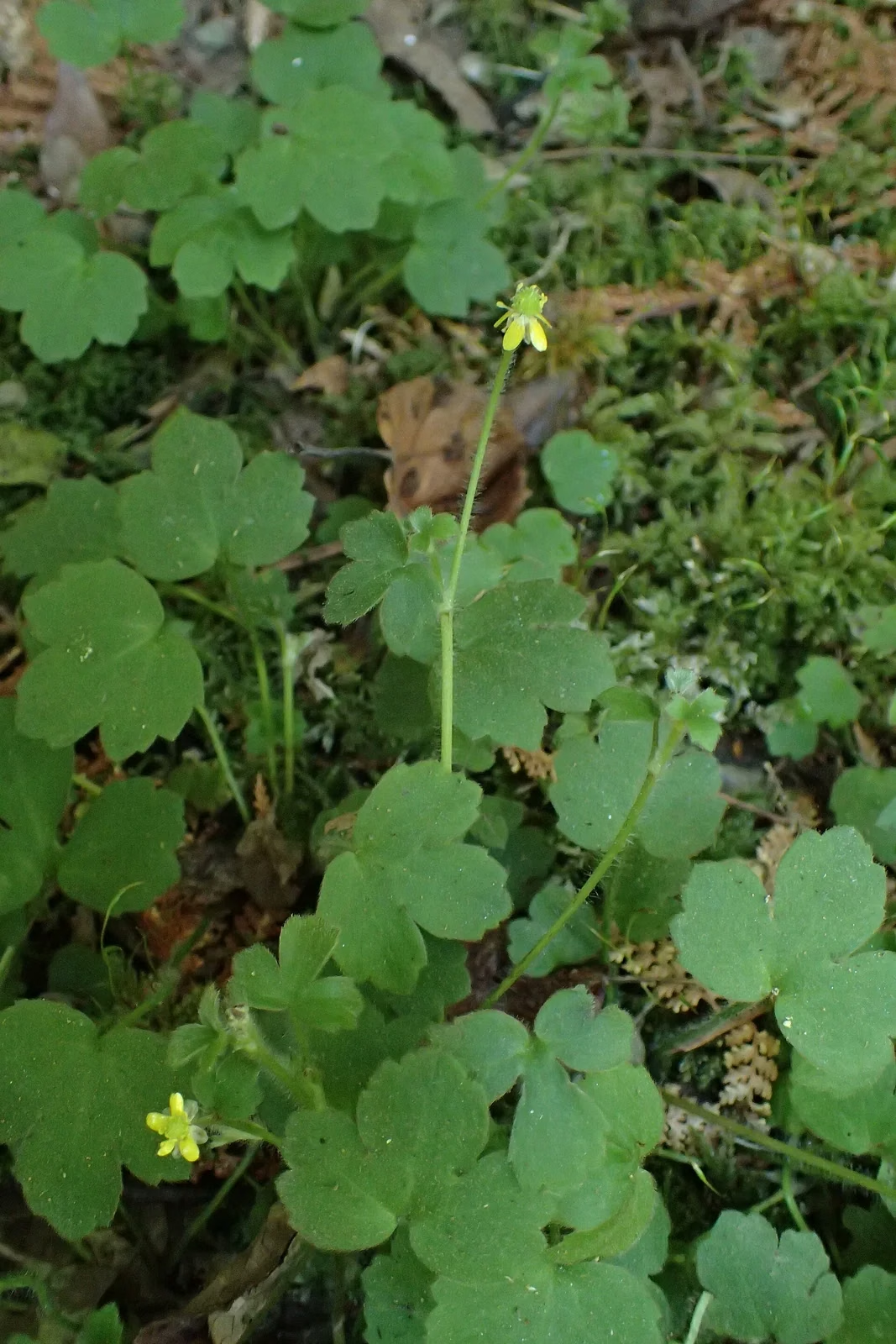
This robust tufted perennial is usually 20-35 cm tall, with spreading hairs on its ascending or reclining stems. Its pale green basal leaves are hairy and divided into three lobes or leaflets with toothed edges.
Each stem carries approximately three to five yellow flowers, 12-18 mm across. The flower stalks are grooved and hairy, becoming longer as the fruits mature.
Quick facts
| Scientific Name | Ranunculus altus Garn.-Jones |
|---|---|
| Family | Ranunculaceae |
| Origin | Endemic to New Zealand |
| Range | Nelson mountains and near the South Island Main Divide |
| Habit | Tufted perennial, usually 20-35 cm tall |
| Habitat | Open montane and subalpine sites |
| Flowers | Yellow, typically five petals |
| National status | Not Threatened (2023) |
| Height | Usually 20-35 cm tall |
| Water Needs | A cultivation watering requirement is not given in the botanical treatment |
| Light | Open sites and landslides within mountain forest, tussock and scrub |
| Spread | Robust tufts; mature clump width unquantified |
| Frost Tolerance | Minimum tolerated temperature is not documented |
| Salt Tolerance | Salt tolerance is not documented |
| Growth Rate | Annual extension is not quantified in the cited accounts |
| Lifespan | Tufted perennial herb |
Natural range
Flora of New Zealand records Ranunculus altus in the Nelson mountains and in Canterbury and Westland near the Main Divide. It is endemic to the South Island and occurs in montane and subalpine settings.
| City | Climate Suitability |
|---|---|
| Auckland | Not assessed |
| Wellington | Not assessed |
| Christchurch | Not assessed |
Habitat and distribution
The species grows in open places and on landslides within montane and subalpine forest, tussock and scrub. A field account by its author describes it on disturbed sites such as old landslides in South Island montane forest.
Natural growing conditions
Natural records include open and disturbed ground within montane forest, tussock and scrub. The cited botanical treatment describes where the buttercup grows but does not provide a tested garden soil or watering regime.
Planting considerations
The plant forms a substantial tuft and its flowering stems can reach 35 cm or more. Flora describes wild sites and morphology, but does not supply a species-specific planting or nursery propagation protocol.
Growth on disturbed ground
Flora lists landslides and other open places among its habitats. The plant has no rhizome in the published description; its stems lie partly along the ground or rise from the tuft.
Observing the plant
Look for pale, hairy basal leaves divided into three toothed sections, and yellow flowers on grooved, hairy stalks. The sepals bend backwards late in flowering, a useful feature when comparing related buttercups.
Garden context
The plant is documented from montane and subalpine openings rather than garden trials. Its tufted habit, hairy foliage and small flowers distinguish it from some larger alpine buttercups, but cultivation requirements are not established here.
Flowers and fruit
Flowers have five yellow petals and are 12-18 mm across. The sepals become reflexed toward the end of flowering, and the stalks extend to roughly 3-10 cm during fruiting.
Each spherical fruit head contains approximately 40-60 flattened achenes, dark or dark-tipped, with hooked beaks.
Growth form
Stems may recline or ascend and bear spreading hairs. Leaves along the stems become smaller higher up, eventually becoming simple with three sharp teeth; the source does not prescribe pruning.
How to Grow Tufted Buttercup (Ranunculus altus)
Seed and division evidence
The Flora treatment describes Ranunculus altus as a robust tufted perennial, but does not provide a tested sowing or division protocol. Its botanical description and the author's field observations support identification and habitat interpretation. They do not establish a germination temperature or the time a divided plant takes to resume flowering.
Disturbed mountain ground
Natural sites include openings and landslides within montane and subalpine forest, tussock grassland and scrub. The species' author also describes it on old landslides in South Island mountain forest. Those records concern open or disturbed patches within a larger vegetation cover, rather than demonstrating suitability for every exposed alpine garden.
Recognising the growing tuft
Plants are usually about 20-35 cm tall. The stems ascend or recline and carry spreading hairs. Pale green basal leaves are hairy and divided into three lobes or leaflets, with toothed margins. Following the leaf form alongside the stem hairs helps distinguish this buttercup before its flowers are present.
Checking reproductive development
A flowering stem usually carries three to five yellow flowers, each approximately 12-18 mm across. Their grooved, hairy stalks lengthen as fruits develop. This change is worth recording when comparing flowering and fruiting plants, because the mature outline can differ from the earlier flower-stage appearance. The cited account does not quantify an annual clump expansion, nursery watering frequency or a fertiliser response.
Plant health
Fine spreading hairs on the stems and leaf stalks are normal features of this buttercup. The cited Flora and NZPCN accounts do not identify particular pests or diseases affecting the species.
Naming and classification
Philip Garnock-Jones described Ranunculus altus in 1987. It belongs to the buttercup family, Ranunculaceae, and NZPCN records a chromosome count of 2n = 48 for the species.
Distinguishing related buttercups
Flora separates this species from Ranunculus foliosus by its reflexed sepals, grooved flower stalks and small petals with a broad nectary scale near the base. It also has alternate leaves on the flowering stem.
Related native buttercups
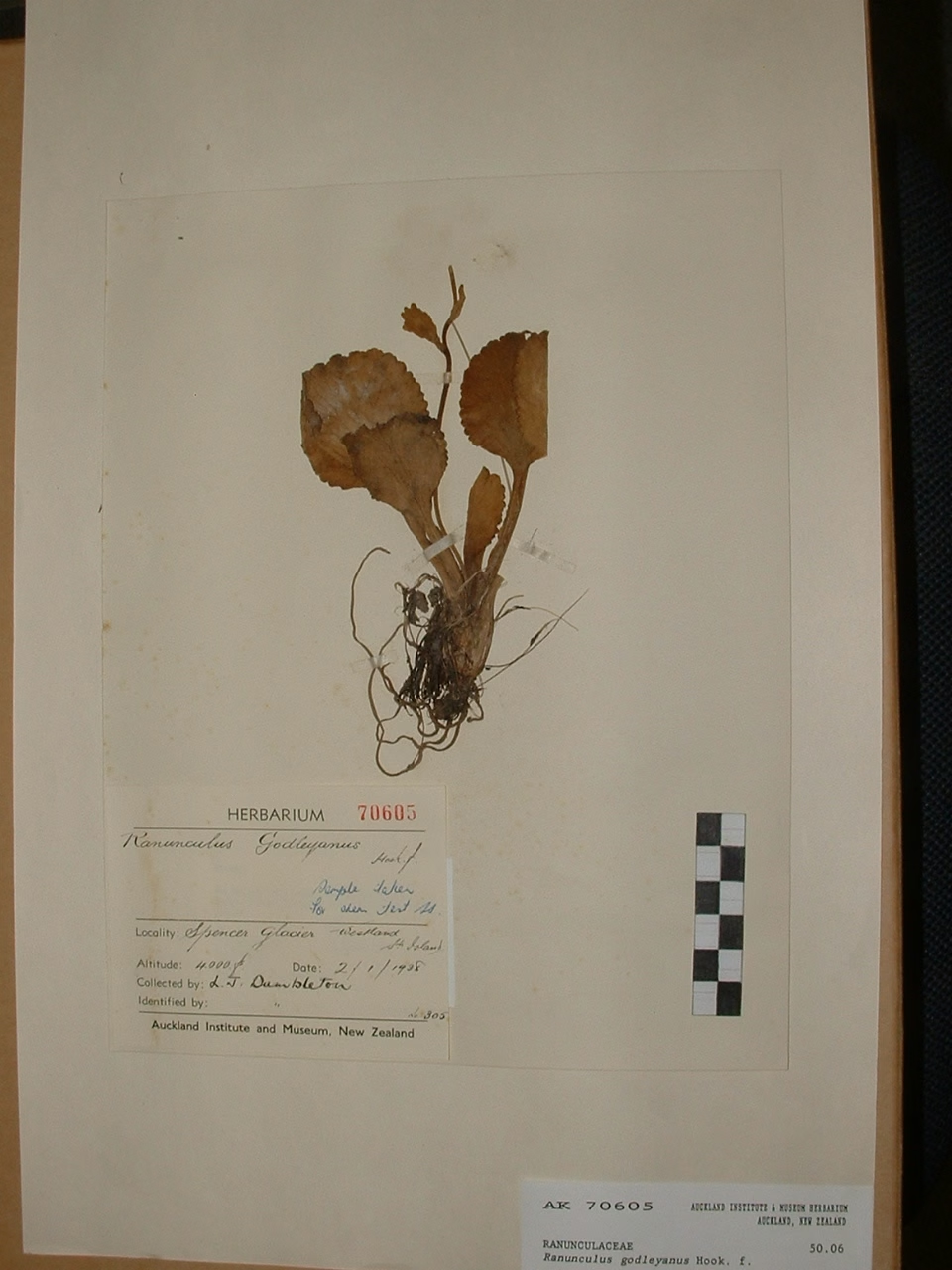
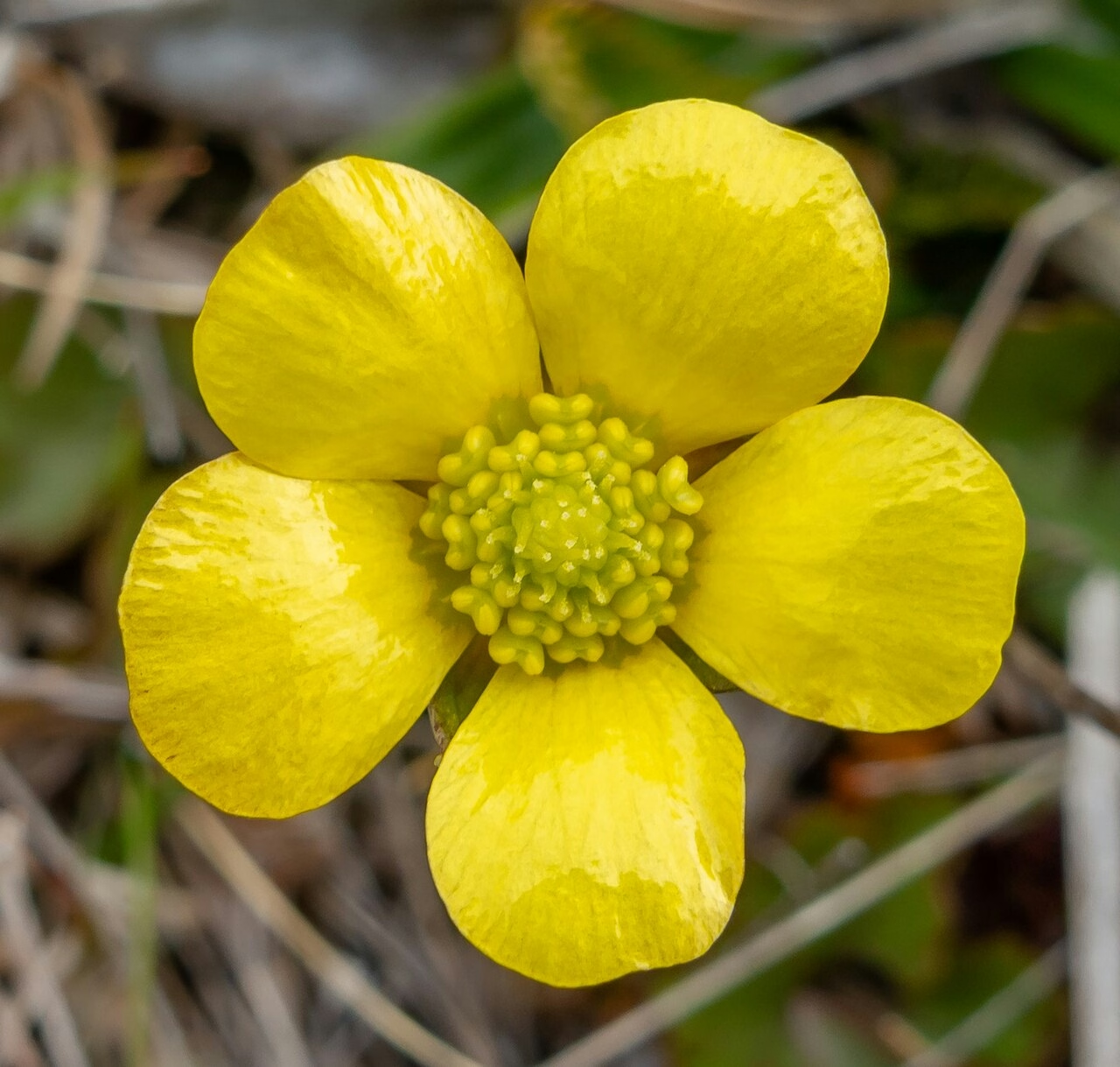
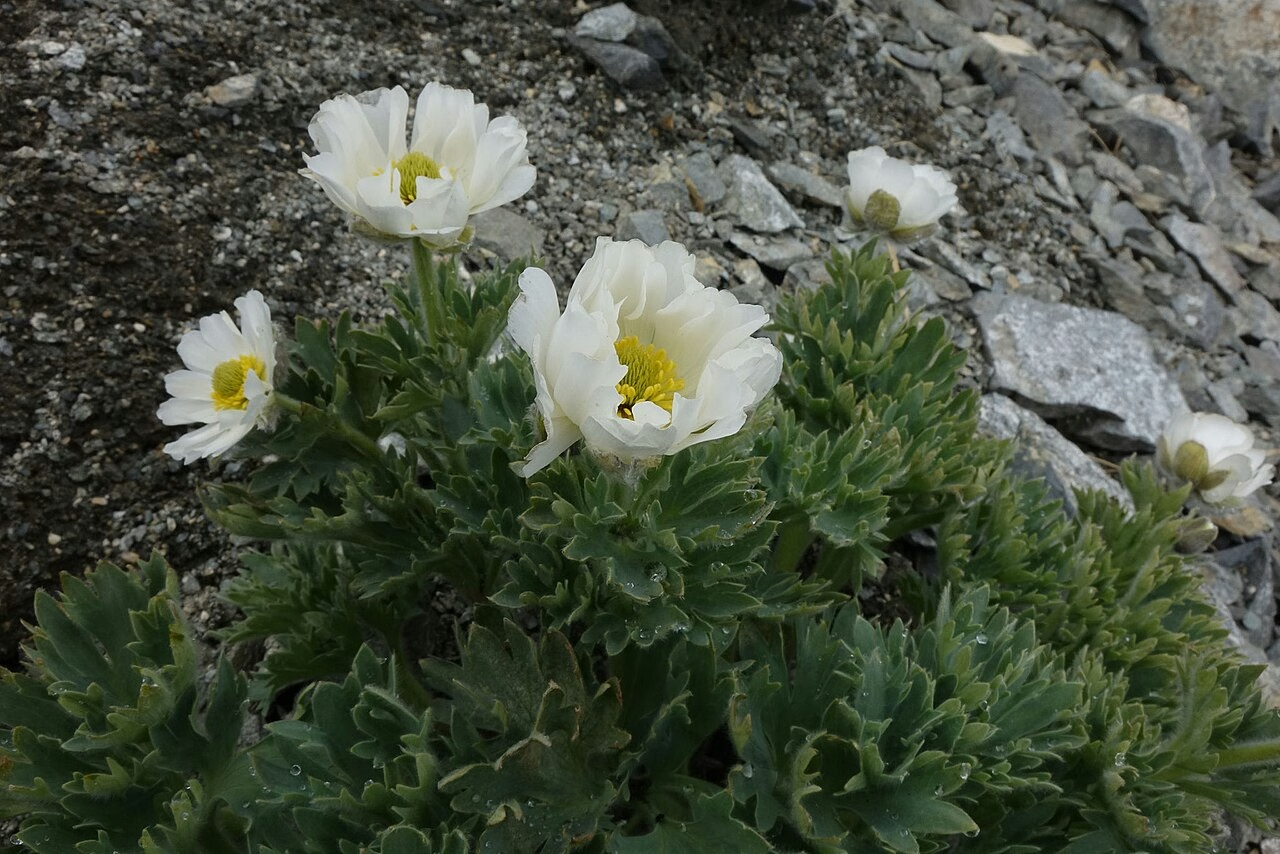
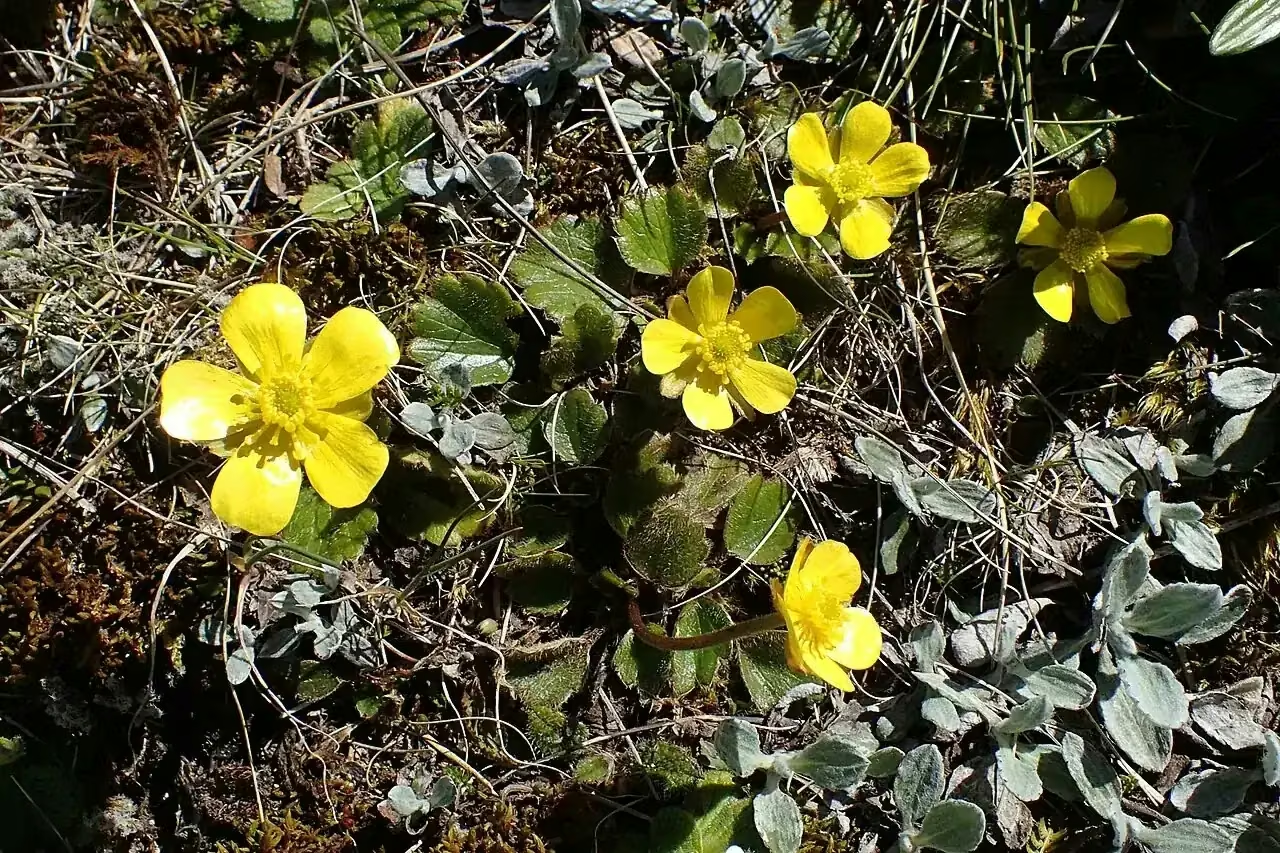
Explore other New Zealand Ranunculus species, including buttercups of grassland and mountain habitats.
Conservation
NZPCN records Ranunculus altus as endemic and nationally Not Threatened in the 2023 vascular plant assessment. Its documented range includes open montane and subalpine sites in the northern and central South Island.
Frequently asked questions
What changes as the fruits develop?
The grooved, hairy flower stalks lengthen, changing the appearance of the reproductive stems.
Is it confined to undisturbed grassland?
No. Openings and landslides in mountain forest and scrub are characteristic recorded sites.
How large are its flowers?
The yellow flowers are approximately 12-18 mm across, usually with several on a stem.
Sources
Botanical description, habitat, range and comparison: Flora of New Zealand Series. National conservation status and chromosome count: NZ Plant Conservation Network.
Accepted name and geographic origin: Kew Plants of the World Online. Field context from the species author: Philip Garnock-Jones’s field account.
Last updated: