Common Polypody
Polypodium vulgare
Last updated:
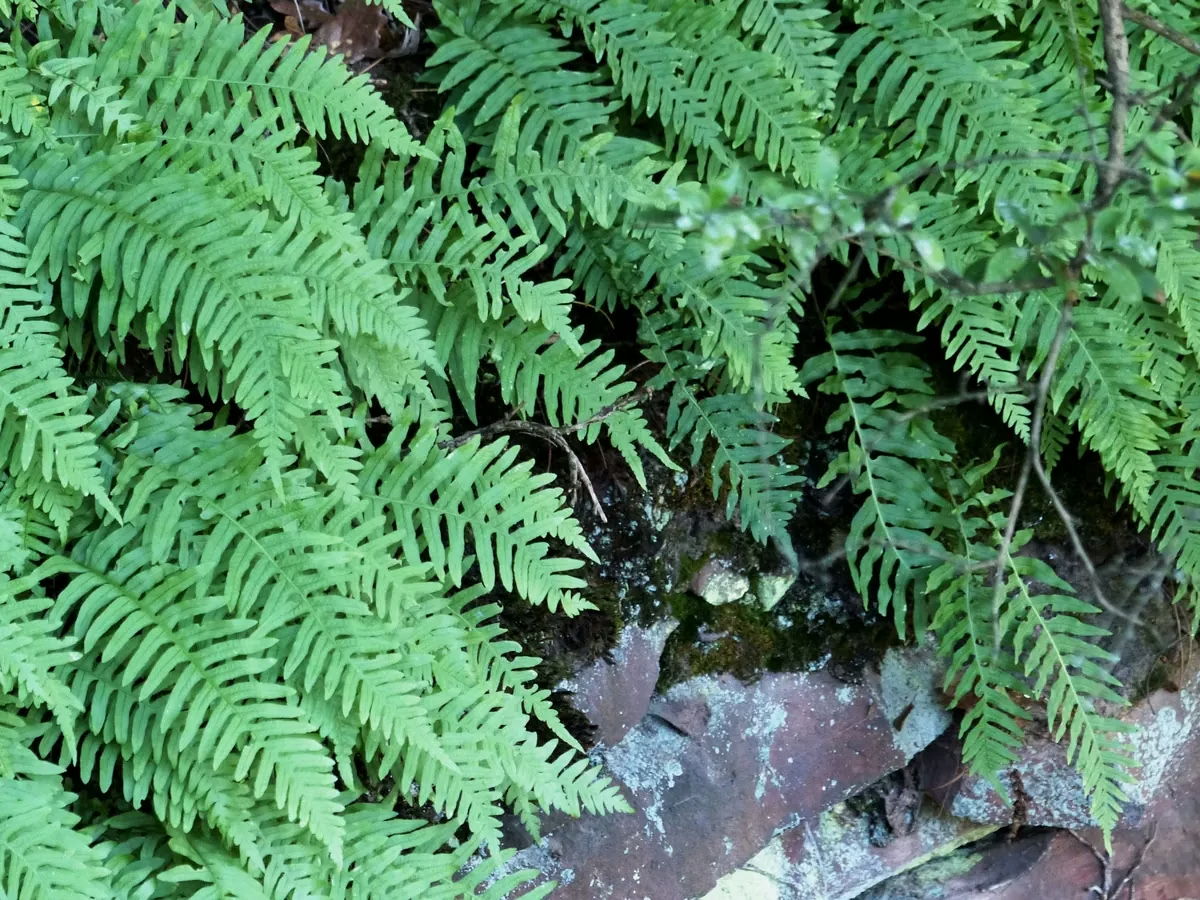
ferns profile: Common Polypody (Polypodium vulgare) is an exotic fern naturalised in New Zealand. Flora of New Zealand records it as first observed near Christchurch in the 1960s and now spreading aggressively around Canterbury, Marlborough, and southern North Island sites. It is listed as an NPPA pest plant and environmental weed, so this page is for identification and management, not planting advice.
Plant Description
Identification and Physical Characteristics
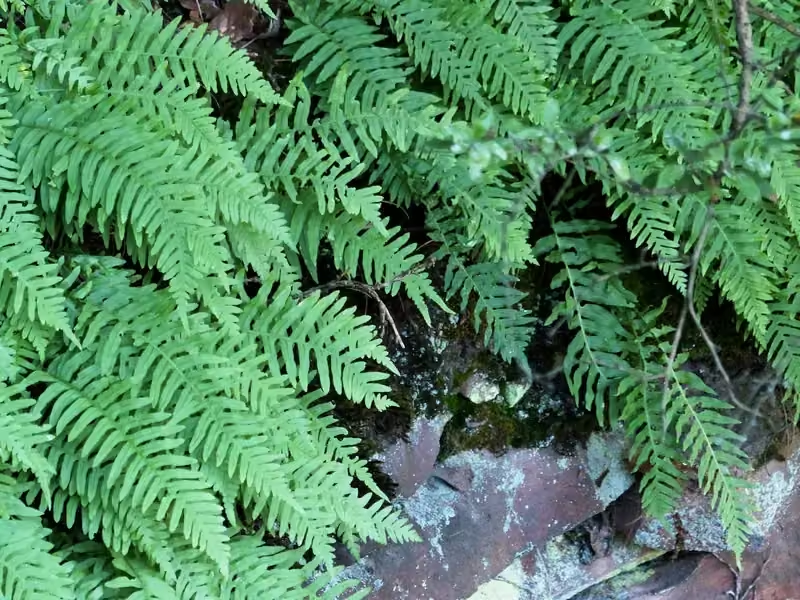
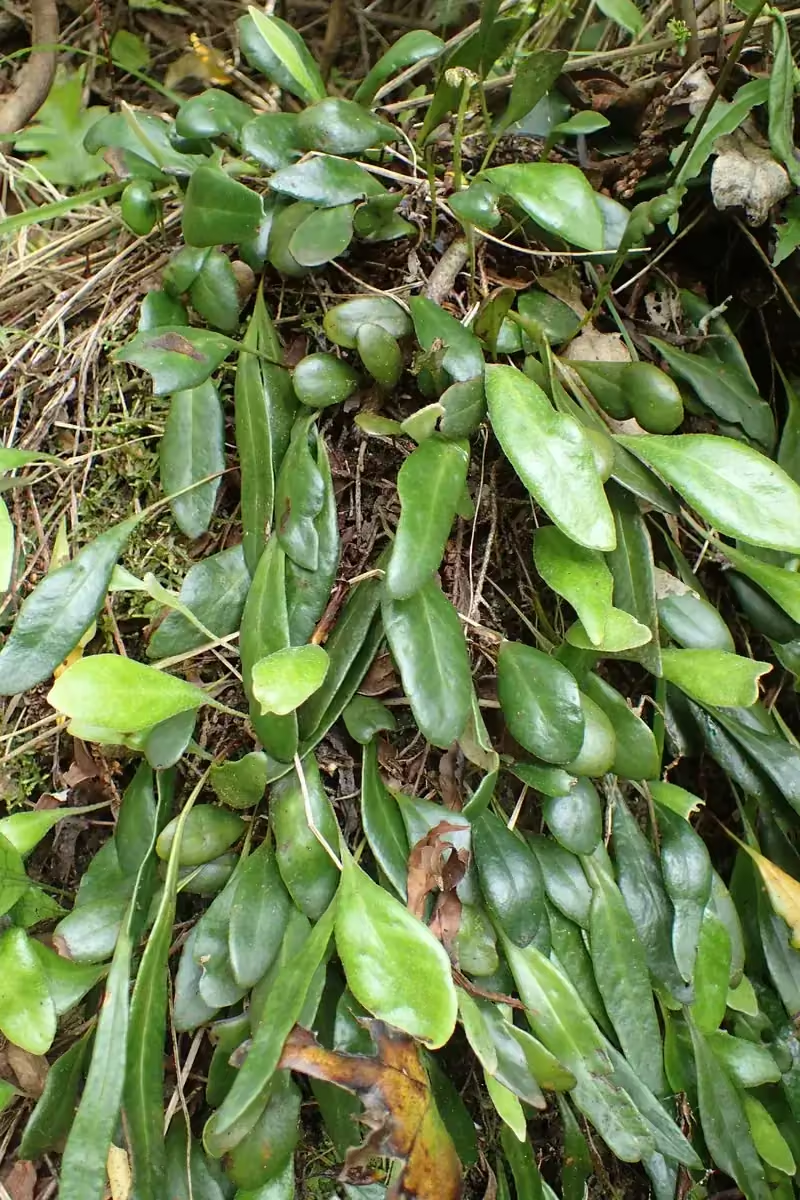
The fern has long-creeping scaly rhizomes and pinnatisect fronds, with the lower lamina divided to the rachis into distinct pinnae. Fronds are mid-green to yellow-green, leathery to herbaceous, and usually 8.5 - 55 cm long. Round to slightly elongate sori sit in one row on either side of each pinna midrib and lack indusia. Creeping rhizomes allow the fern to form dense carpets over rocks, banks, and dry scrub margins.
Quick Facts
| Scientific Name | Polypodium vulgare |
|---|---|
| Height | Fronds usually 8.5 - 55 cm long |
| Spread | Dense carpets from long-creeping rhizomes |
| Water Needs | Low to moderate |
| Light | Sun to dry scrub shade |
| Frost Tolerance | High |
| Salt Tolerance | Moderate on coastal cliffs |
| Growth Rate | Aggressive in suitable sites |
| Lifespan | Persistent perennial fern |
Climate Best Suited to
Common Polypody tolerates dry rocky temperate conditions and has spread especially around coastal and hill-country Canterbury rock habitats.
Regional Suitability
| City | Climate Suitability |
|---|---|
| Auckland | Potential weed risk; do not plant or move |
| Wellington | Known from southern North Island coastal rock sites |
| Christchurch | High weed risk on Port Hills, Banks Peninsula, and nearby rock habitats |
| Nelson | Potential weed risk in northern Marlborough and dry rock habitats |
Plant Habitat
Natural Occurrence and Ecology
Flora of New Zealand records it on coastal cliffs, road banks, volcanic rock bluffs, greywacke rock, and dry scrub or shrub vegetation. Environment Canterbury notes rock gardens, rock bluffs, and dry shrubland habitats, and warns that it forms dense shade-tolerant carpets that hinder native herbs and seedlings.
Growing Requirements
Soil Requirements
Do not prepare soil for this pest plant; it invades dry rocky substrates and banks.
- Coastal cliffs
- Road banks
- Rock gardens
Light Requirements
It tolerates open rock and dry scrub shade, which increases its ability to invade native sites.
- Open cliffs
- Dry shrub shade
- Do not cultivate
Water Requirements
Moderate rainfall and crevice moisture are enough for establishment; it does not need wet fernery conditions.
- Rock crevice moisture
- Dry scrub tolerance
- Rhizome persistence
Planting and Establishing
Establishment Guidance
Do not plant, sell, divide, or move Common Polypody in New Zealand. It is an unwanted organism and pest plant. If found, confirm identification and follow regional pest-management guidance before control, because rhizome fragments and spores can spread the infestation.
Ecological Role
Biodiversity and Ecosystem Impact
Common Polypody is invasive because wind-dispersed spores and creeping rhizomes allow it to occupy rock faces and banks where many native plants regenerate slowly. Dense carpets can suppress native seedlings, herbs, and rock specialists. Deliberate transfer to new regions is illegal and undermines native-plant restoration.
Uses & Significance
Garden Uses
No garden use is recommended in New Zealand because it is an unwanted pest plant.
- Do not plant
- Do not divide
- Do not distribute
Ecological Value
Its ecological effect is negative where it forms carpets over native rock and scrub habitats.
- Native seedling suppression
- Rhizome spread
- Windborne spores
Landscaping Uses
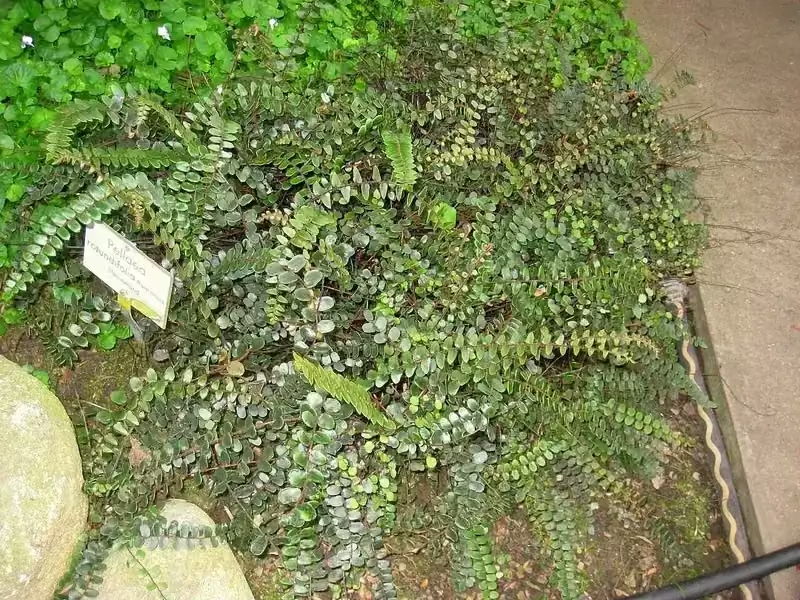
Use verified native rock ferns such as button fern, hot rock fern, or cloak ferns instead. In rock gardens near natural areas, remove any Common Polypody under local guidance and monitor for regrowth from rhizomes.
Seasonal Care Calendar
Spring
New fronds expand and infestations become easier to see.
Summer
Spores and rhizome growth can continue on dry rock habitats.
Autumn
Control planning can target active plants before winter access becomes difficult.
Winter
Rhizomes persist even if fronds are damaged.
When to Prune and How Much
Do not prune as ornamental care. Control should remove or treat rhizomes under pest guidance. Cutting fronds alone does not remove the infestation.
- Do not maintain
- Target rhizomes
- Follow regional guidance
Always use clean, sharp tools and avoid disturbing new growth.
How to Grow Common Polypody
Do Not Propagate from Spores or Rhizomes
Common Polypody must not be propagated or shared in New Zealand. It is listed under the National Pest Plant Accord and is an unwanted organism. Growing it from spores, dividing rhizomes, moving garden pieces, or transferring plants for medicinal or ornamental use can start new infestations. If material is found in a garden, keep fragments contained, clean tools and footwear, and check council advice before disposal. The correct horticultural response is prevention and control, not propagation.
- Do not collect spores
- Do not divide rhizomes
- Do not trade plants
- Contain fragments during control
Identifying Spread
Look for long scaly rhizomes running across rock or soil and fronds divided deeply to the rachis. Round rusty sori in paired rows on the underside of pinnae confirm fertile fronds. Record the location before disturbing plants, especially near cliffs or reserves. Spores are wind-dispersed and rhizome fragments can be moved in soil, garden waste, and rockery material. Identification photos should include the rhizome, full frond, underside sori, and habitat so regional staff can distinguish it from native ferns.
- Photograph rhizomes
- Check underside sori
- Record habitat
- Confirm before control
Replacing with Native Ferns
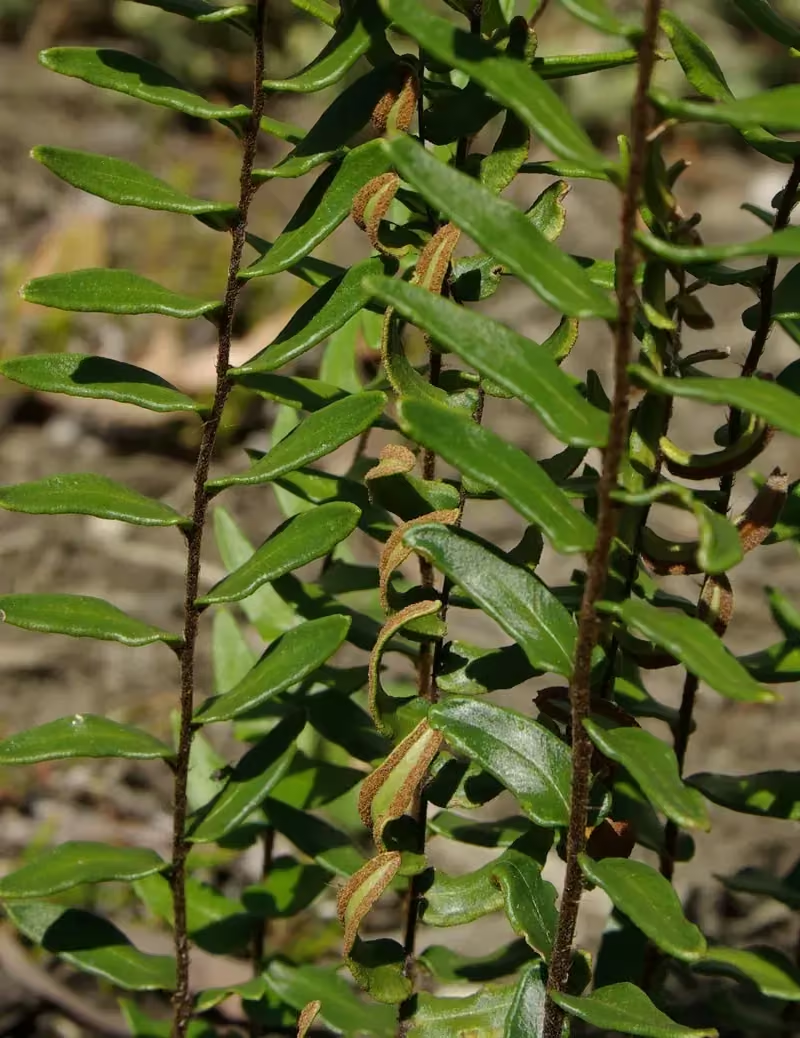
After control, replant only with locally appropriate native species. Dry rock habitats may suit Pellaea rotundifolia, Pellaea calidirupium, Cheilanthes sieberi, or other local ferns depending on region and substrate. Use dense native cover to reduce reinvasion and monitor for several years because spores and fragments can persist. Do not use compost or rockery material from infested sites in other gardens. Replacement planting should support the native rock community, not recreate the same carpeting habit with another invasive plant.
- Choose local native replacements
- Avoid moving contaminated soil
- Replant after control
- Monitor for regrowth
Pests & Diseases
This species is itself the pest concern. It spreads by spores and creeping rhizomes, forms dense carpets, and can suppress native rock and scrub plants.
Cultural Significance
Although used medicinally overseas, the relevant New Zealand context is biosecurity. Flora of New Zealand notes deliberate transfer for medicinal purposes has occurred, and deliberate dispersal to other regions is illegal.
- Exotic medicinal history
- New Zealand biosecurity risk
- Illegal deliberate dispersal
Bonus Tip
Never move rockery material from an infested garden to another property, even if visible fronds have been removed.
This Common Polypody note is specific to Polypodium vulgare, connecting identification, habitat context, and practical care so the section remains useful for readers comparing New Zealand plant profiles.
Related Plants
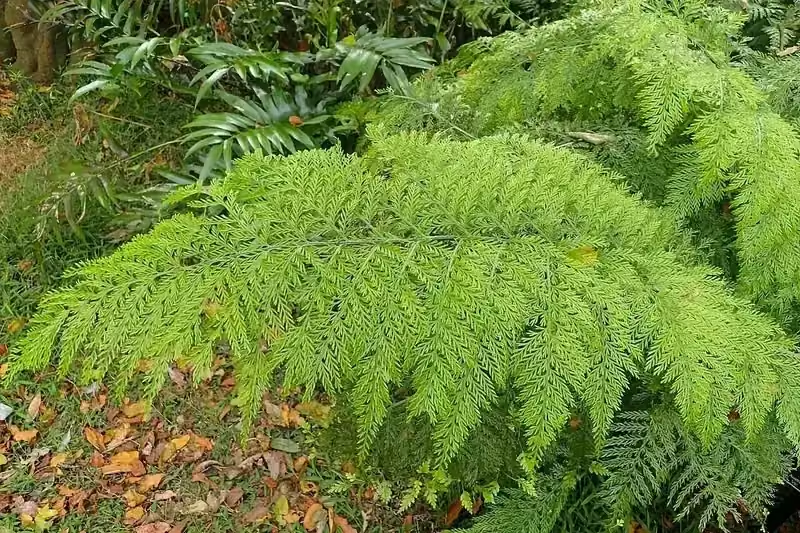
Choose native rock ferns instead of Common Polypody in New Zealand gardens and restoration sites. For another native fern, explore Maidenhair Fern.




Plant Conservation
Conservation Status and Threats
Conservation status is not applicable because Polypodium vulgare is exotic. Conservation action focuses on preventing sale, movement, and spread, and protecting native cliff, bank, and rock communities from dense fern carpets.
Frequently Asked Questions
Is Common Polypody native to New Zealand?
No. Flora of New Zealand records it as exotic and naturalised.
Can I grow it in a rock garden?
No. It is an NPPA pest plant and unwanted organism.
How does it spread?
It spreads by wind-dispersed spores and long creeping rhizomes.
Sources and Further Reading
The botanical, growing, and conservation details for Common Polypody draw on authoritative New Zealand plant references and taxonomic databases.