Leather-Leaf Fern
Pyrrosia eleagnifolia
Last updated:
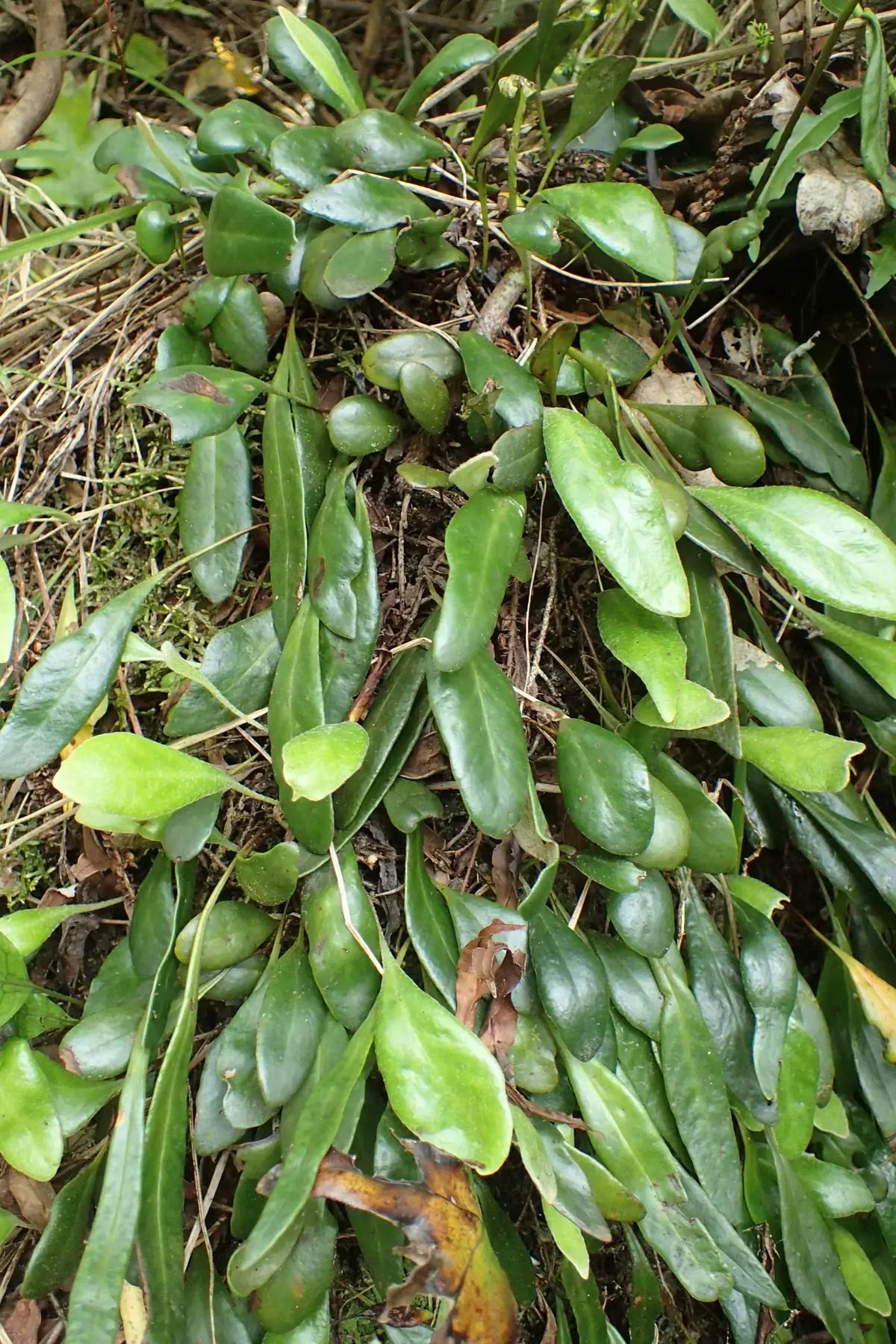
ferns profile: Leather-Leaf Fern (Pyrrosia eleagnifolia) is an endemic New Zealand fern with thick, simple, leathery fronds and creeping surface rhizomes. Current references treat it as Not Threatened. It is one of the most drought-tolerant native ferns, growing on tree trunks, rocks, cliffs, banks, masonry, and sometimes surprisingly exposed urban sites.
Plant Description
Identification and Physical Characteristics
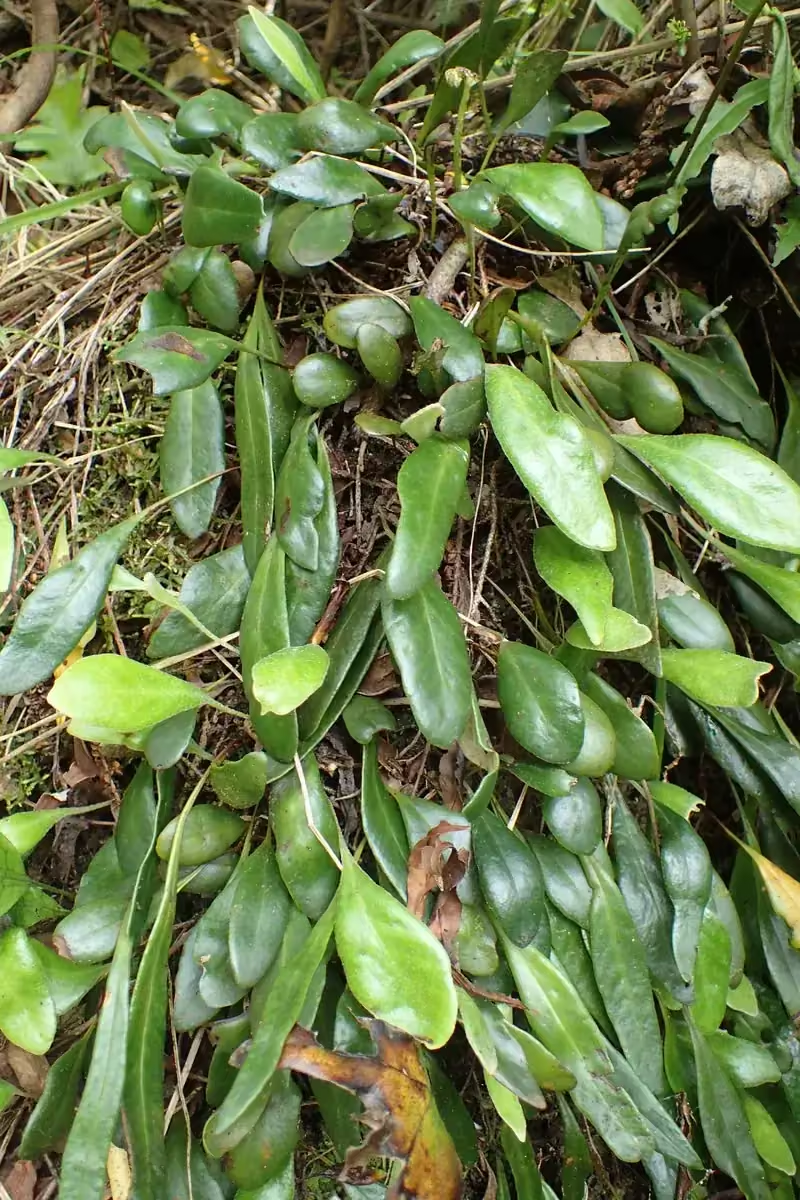
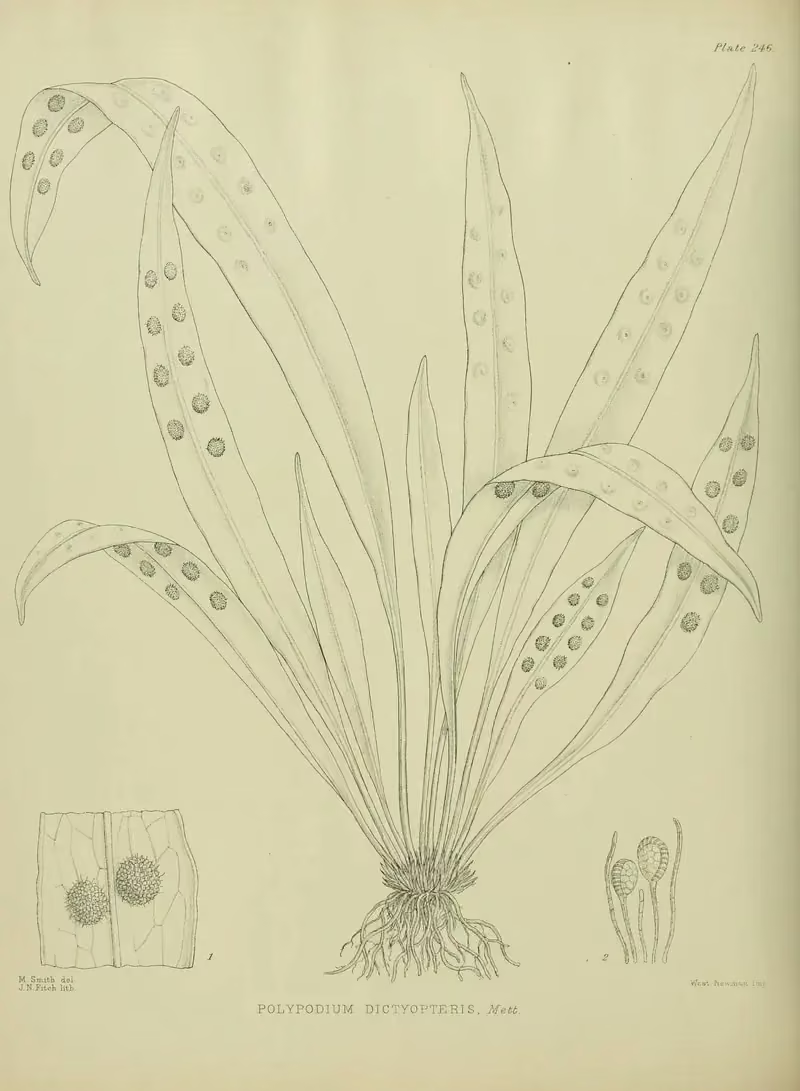
The plant forms creeping mats with narrow to elliptic, entire fronds that are leathery, grey-green to green above, and often covered beneath with a felt of hairs. Fertile fronds carry sporangia across broad patches of the underside rather than in obvious round sori. The rhizome grips bark or rock and allows the fern to spread across surfaces where roots can capture small amounts of moisture and organic debris.
Quick Facts
| Scientific Name | Pyrrosia eleagnifolia |
|---|---|
| Height | Fronds usually 5 - 35 cm long |
| Spread | Creeping mats on bark, rock, or banks |
| Water Needs | Low to moderate |
| Light | Bright shade to sun in humid sites |
| Frost Tolerance | Moderate |
| Salt Tolerance | Moderate in coastal shelter |
| Growth Rate | Slow to steady |
| Lifespan | Long-lived surface-creeping fern |
Climate Best Suited to
Leather-Leaf Fern suits many mild to cool New Zealand climates if given a free-draining surface, some shelter, and enough humidity during establishment.
Regional Suitability
| City | Climate Suitability |
|---|---|
| Auckland | High on trunks, rocks, walls, and coastal banks |
| Wellington | High in sheltered rock, trunk, and coastal sites |
| Christchurch | Medium in protected rock gardens and masonry niches |
| Nelson | High on warm rocks, trunks, and dry banks |
Plant Habitat
Natural Occurrence and Ecology
The species grows as an epiphyte, lithophyte, and occasional terrestrial fern. It occupies tree trunks, branch forks, cliffs, rock outcrops, shaded banks, coastal forest, and urban walls where moisture drains quickly but humidity or dew returns often enough.
Growing Requirements
Soil Requirements
Use bark, mossy rock, gritty humus, or crevice material rather than rich wet fern soil.
- Tree bark
- Rock crevices
- Gritty humus pockets
Light Requirements
Bright filtered light is ideal; established plants can take more sun than most ferns if roots stay sheltered.
- Bright shade
- Morning sun
- Sheltered rock light
Water Requirements
Water gently until attached, then allow surfaces to dry between rain or irrigation.
- Low regular moisture
- Excellent drainage
- High humidity helpful
Planting and Establishing
Establishment Guidance
Plant Leather-Leaf Fern onto a damp rock, tree-fern slab, rough bark, or shaded wall pocket. Press rooted rhizomes into close contact, secure lightly if vertical, and mist until new growth shows attachment. Avoid burying the rhizome in wet compost.
Ecological Role
Biodiversity and Ecosystem Impact
This fern fills dry epiphytic and rock niches that many delicate ferns cannot tolerate. It adds evergreen cover to trunks and cliffs, traps fine organic matter around rhizomes, and provides a native alternative for difficult walls and dry banks. Its resilience makes it useful in urban native plantings when correctly placed.
Uses & Significance
Garden Uses
Use on shaded walls, rocks, trunks, dry banks, and low-maintenance native fern collections.
- Rock walls
- Tree trunks
- Dry fern gardens
Ecological Value
It contributes native epiphyte and rock-fern cover to exposed but sheltered habitats.
- Epiphyte mats
- Rock surface cover
- Urban native habitat
Landscaping Uses
Leather-Leaf Fern is excellent for detail on rocks, logs, and masonry. Pair it with lance fern, strap ferns, button fern, and small shrubs. Its simple fronds contrast well with lacy ferns and sedges.
Seasonal Care Calendar
Spring
New fronds expand from creeping rhizomes.
Summer
Mist young plantings during drought until attached.
Autumn
Rooted pieces establish well after rain.
Winter
Keep debris from burying the rhizome.
When to Prune and How Much
Clip old fronds with small scissors and remove debris by hand. Do not scrape the rhizome from its surface.
- Clip old fronds
- Clear debris
- Avoid scraping rhizomes
Always use clean, sharp tools and avoid disturbing new growth.
How to Grow Leather-Leaf Fern
From Rooted Rhizome Pieces
The easiest method is to use small rooted pieces from cultivated mats. Select a section with active rhizome, roots, and several healthy fronds, keeping attached bark or humus if possible. Press it onto a matching damp surface and secure it gently until roots grip. Water with a fine spray for several weeks, then reduce irrigation so the plant adapts to its surface. Use only cultivated or authorised material, because wild epiphyte mats can be damaged by removal.
- Use cultivated rooted pieces
- Keep rhizome and roots attached
- Press onto damp surface
- Mist until attached
From Spores
Spore propagation produces useful numbers for restoration or collections. Collect fertile fronds when the underside sporangia are mature, dry them cleanly, and sow spores on sterile moist medium. Keep trays in bright shade and avoid heavy feeding. Transfer young patches onto barky or gritty media once they are large enough. Harden gradually to brighter light and drier intervals. Label source material carefully, especially when plants are destined for local restoration or educational epiphyte displays.
- Collect mature fertile fronds
- Sow spores thinly
- Keep humid in shade
- Transfer to barky media
Establishing on Walls and Rocks
Prepare a surface with cracks, rough texture, and a small amount of humus. Smooth stone or painted timber gives roots little grip. Place the rhizome against the damp surface, secure with fibre or a loose tie, and water gently. Surrounding shade shrubs help buffer heat and wind while the fern attaches. Do not overwater once established; a cycle of wetting and drying matches the plant's natural epiphytic habit better than constant saturated compost.
- Choose rough substrate
- Add a little humus
- Secure rhizomes lightly
- Let surfaces dry between watering
Pests & Diseases
Slugs may graze young fronds, but overwatering, smothering, and detachment are more common problems. Scale can occur on stressed plants in sheltered gardens.
Cultural Significance
Paraharaha is a recorded Māori name for this leathery fern. Its ability to live on bark, stone, and walls makes it a visible part of native plant resilience in both wild and urban places.
- Paraharaha name
- Endemic epiphyte
- Dry fern resilience
Bonus Tip
Attach it to a rough vertical surface where rain can wet the roots but excess water drains away fast.
This Leather-Leaf Fern note is specific to Pyrrosia eleagnifolia, connecting identification, habitat context, and practical care so the section remains useful for readers comparing New Zealand plant profiles.
Related Plants
Compare Leather-Leaf Fern with other simple-frond and surface-growing New Zealand ferns.



Plant Conservation
Conservation Status and Threats
Pyrrosia eleagnifolia is assessed as Not Threatened. Protecting old trunks, rocks, cliffs, and undisturbed epiphyte surfaces helps retain local populations and the smaller plants that grow with them.
Frequently Asked Questions
Is Leather-Leaf Fern endemic?
Yes. It is endemic to New Zealand.
Can it grow on walls?
Yes, if the wall has rough damp crevices and is not too exposed while the fern establishes.
Does it need wet shade?
No. It is more drought tolerant than many ferns, but young plants still need moisture to attach.
Sources and Further Reading
The botanical, growing, and conservation details for Leather-Leaf Fern draw on authoritative New Zealand plant references and taxonomic databases.