Hot Rock Fern
Pellaea calidirupium
Last updated:
ferns profile: Hot Rock Fern (Pellaea calidirupium) is a native cliff brake fern named for the warm rock habitats where it often grows. Flora of New Zealand records it as current, and NZOR lists it as a preferred name used in New Zealand. It has a disjunct New Zealand distribution from northern islands and eastern Northland to Mayor Island, then again in the southern North Island and parts of the South Island.
Plant Description
Identification and Physical Characteristics
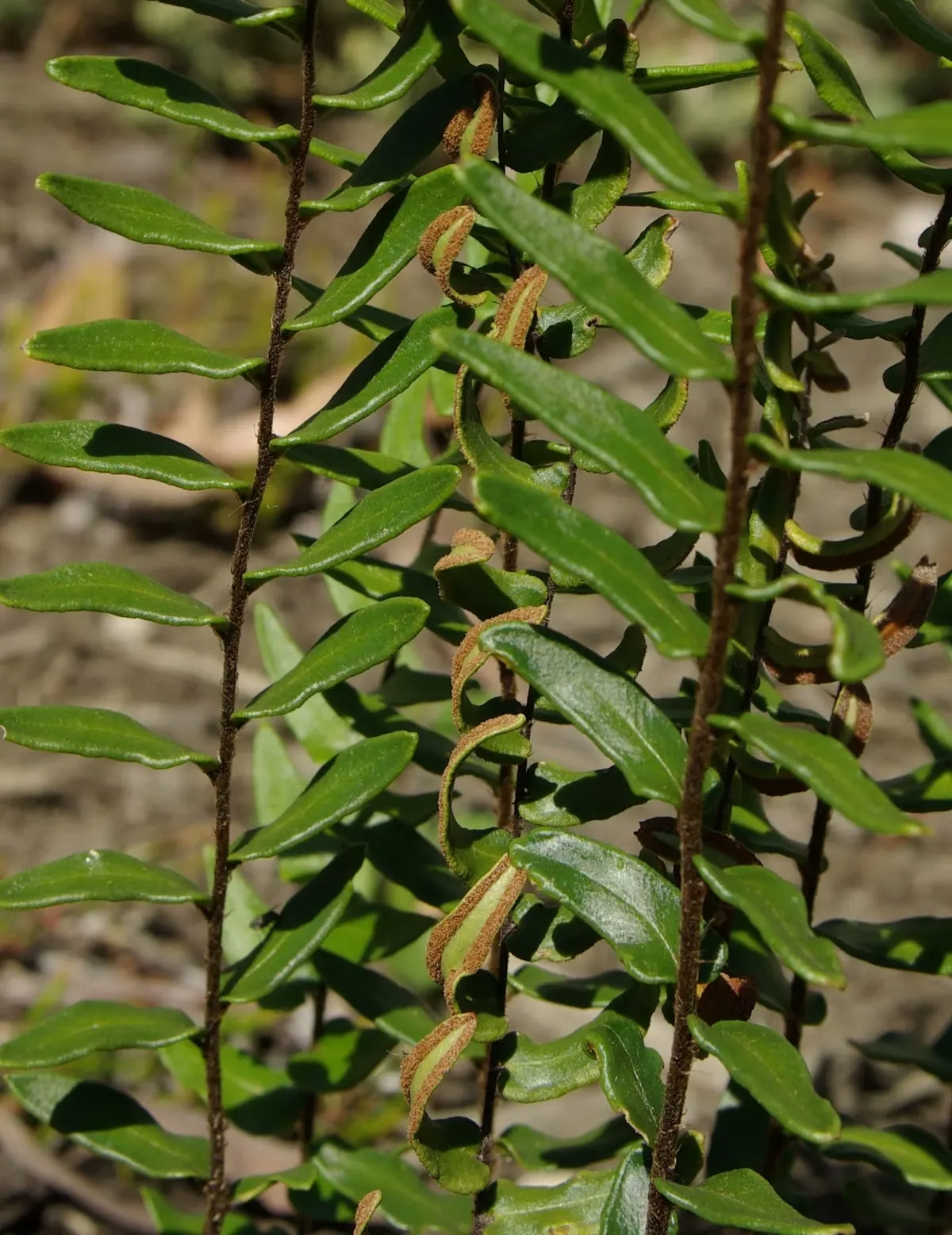
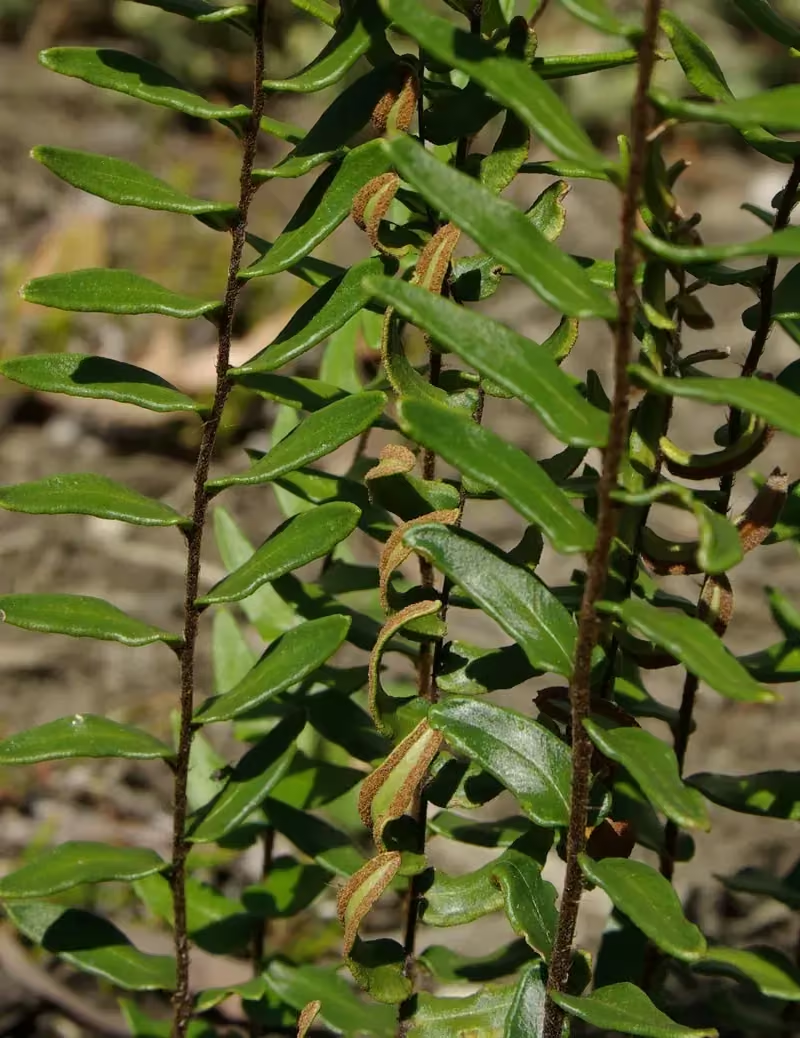
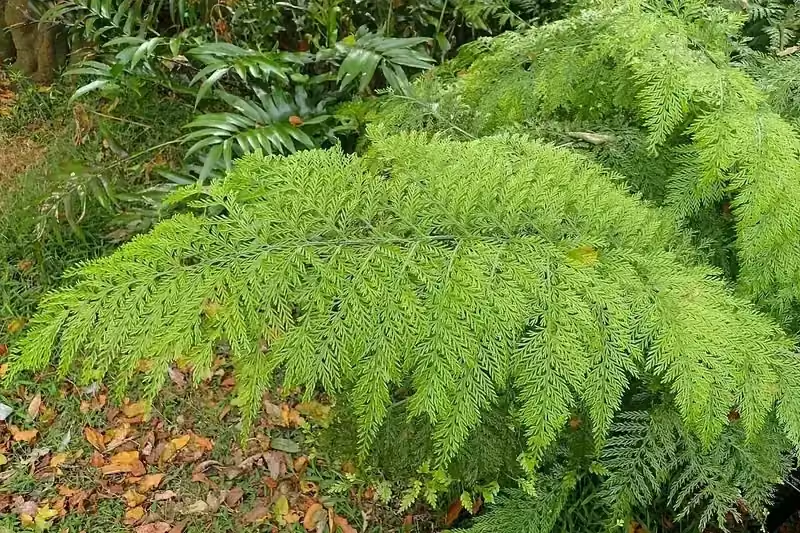
This fern grows from a long-creeping scaly rhizome. Fronds are often narrow and divided into small leathery pinnae, with sterile fronds carrying an enlarged terminal pinna and fertile fronds showing continuous sori along the pinna margins. Appressed scales on the stipe and rachis help separate it from Pellaea falcata, which has larger, more distinctly sickle-shaped pinnae and spreading scales.
Quick Facts
| Scientific Name | Pellaea calidirupium |
|---|---|
| Height | Fronds usually small to medium, suited to rock crevices |
| Spread | Small colonies from creeping rhizomes |
| Water Needs | Low to moderate |
| Light | Full sun to bright shelter |
| Frost Tolerance | Moderate |
| Salt Tolerance | Moderate in coastal rock shelter |
| Growth Rate | Slow to steady |
| Lifespan | Long-lived rock fern |
Climate Best Suited to
Hot Rock Fern suits warm, sunny, free-draining rock habitats and is more tolerant of heat and dryness than most New Zealand ferns.
Regional Suitability
| City | Climate Suitability |
|---|---|
| Auckland | High on warm basalt, scoria, and coastal rock crevices |
| Wellington | High on sunny dry rock with shelter |
| Christchurch | Medium in frost-sheltered rock gardens |
| Nelson | High in warm sunny rock crevices |
Plant Habitat
Natural Occurrence and Ecology
Flora of New Zealand notes its characteristic rock habitat and a striking distribution gap in the North Island. It occurs from the Three Kings through eastern Northland to Mayor Island, is absent from much of the Bay of Plenty and east coast, then reappears in the far southern North Island. Suitable habitats include sunny cliffs, boulders, rock crevices, banks, and small islands.
Growing Requirements
Soil Requirements
Use gritty, mineral, sharply drained crevice soil with very low organic fertility.
- Rock crevices
- Scoria or basalt pockets
- Lean gritty mix
Light Requirements
Bright sun or open shelter suits this fern; shade makes growth weak and damp.
- Full sun
- Bright rock shelter
- Avoid deep shade
Water Requirements
Water during establishment only, then let the crevice dry between rain or irrigation events.
- Low summer water
- Excellent drainage
- No waterlogging
Planting and Establishing
Establishment Guidance
Plant Hot Rock Fern into a real crevice, not into rich flat garden soil. Use a gritty mix packed into a vertical or sloping rock pocket, settle the roots firmly, and water carefully until new growth appears. Avoid burying the rhizome deeply. It is suitable for native rock gardens, walls, and dry banks where competition is low.
Ecological Role
Biodiversity and Ecosystem Impact
This fern occupies hot, dry, exposed microhabitats that exclude many shade ferns. The leathery pinnae and marginal sori fit a life in rock crevices where roots can find small pockets of moisture while fronds handle reflected heat. Its rarity is linked to specialised habitat, island and coastal distributions, weeds, and development pressure on rock sites.
Uses & Significance
Garden Uses
Use in native rock gardens, sunny walls, dry banks, and specialist fern collections.
- Rock crevices
- Dry stone walls
- Coastal cliff gardens
Ecological Value
It adds native fern diversity to warm dry rock habitats that are often overlooked in restoration.
- Rock crevice habitat
- Dry fern niche
- Specialised native cover
Landscaping Uses
Hot Rock Fern is a close-viewing plant for dry walls and boulder gardens. Pair it with small grasses, native daisies, Pimelea, Muehlenbeckia, and drought-tolerant shrubs. Keep taller plants from shading the rock face.
Seasonal Care Calendar
Spring
New fronds expand after winter moisture.
Summer
Established plants tolerate heat if roots remain in cool crevices.
Autumn
Plant into warm rock pockets after rain.
Winter
Keep drainage clear and protect from prolonged wet cold.
When to Prune and How Much
Remove dead fronds with small scissors and clear weeds from nearby crevices. Do not lever the fern out of the rock pocket while weeding.
- Clip dead fronds
- Weed crevices carefully
- Avoid rhizome disturbance
Always use clean, sharp tools and avoid disturbing new growth.
How to Grow Hot Rock Fern
From Spores
Hot Rock Fern can be raised from fresh spores. Collect fertile fronds from cultivated or permitted plants when marginal sori are mature, dry them in a clean paper packet, and sow spores thinly over sterile gritty fern medium. Keep the tray humid in bright shade until young sporophytes appear. Once plants are large enough, gradually reduce humidity and increase light. This hardening stage matters because plants raised in soft shade can fail when moved into dry rock conditions. Label source material carefully for conservation or regional planting work.
- Collect mature fertile fronds
- Sow spores on sterile gritty medium
- Keep humid in bright shade
- Harden gradually to brighter light
From Rhizome Division
Small cultivated rhizome divisions can be used where a plant is already spreading. Lift a section with roots and active buds, pot it into a gritty mineral mix, and keep it lightly moist until new fronds show. Division should be conservative because rock ferns recover slowly from root disturbance. Plant divisions into crevices in mild weather, firming the gritty mix around roots so the crown remains stable. Avoid taking wild material from cliffs, islands, or scarce mainland colonies.
- Lift small cultivated rhizomes
- Keep active buds attached
- Pot into gritty mix
- Plant into crevices after rooting
Establishing in Rock Gardens
Build the habitat before planting. Create a narrow vertical or angled pocket with gritty soil, small stones, and good drainage. Place the fern so roots reach the cool interior of the rock while fronds sit in bright light. Water deeply at planting, then reduce watering as roots establish. Keep weeds and moss from filling the crevice. Do not use rich compost or heavy mulch, because these hold too much moisture and encourage competitors. A stable hot rock pocket is more important than regular feeding.
- Prepare a tight crevice
- Use lean mineral mix
- Water to establish
- Keep competitors out
Pests & Diseases
Weeds, over-collection, and habitat disturbance are more serious than insect pests. In gardens, root rot follows from rich wet soil and winter waterlogging.
Cultural Significance
The name calidirupium comes from Latin words for hot rock, directly reflecting the plant's habitat. It is a useful reminder that native fern diversity includes dry, sunny rock specialists as well as damp forest species.
- Hot-rock etymology
- Native cliff brake
- Specialised dry fern habitat
Bonus Tip
Plant it where the rock heats in morning sun but the root crevice stays cool and sharply drained.
This Hot Rock Fern note is specific to Pellaea calidirupium, connecting identification, habitat context, and practical care so the section remains useful for readers comparing New Zealand plant profiles.
Related Plants
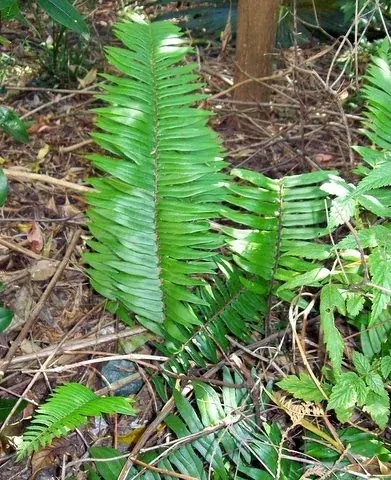
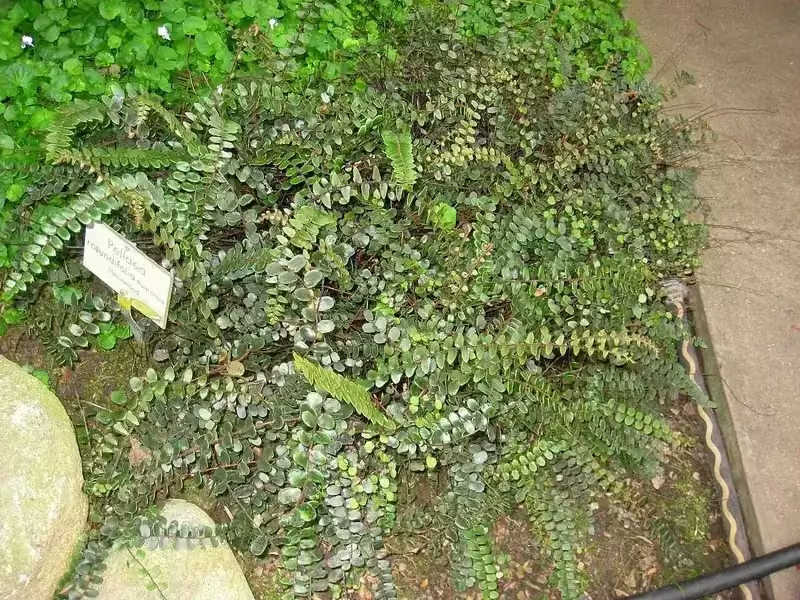
Compare Hot Rock Fern with other New Zealand dry rock and cliff ferns.




Plant Conservation
Conservation Status and Threats
Hot Rock Fern is treated here as At Risk - Naturally Uncommon because it occupies specialised and often local rock habitats. Protecting cliffs, islands, volcanic rock, and dry banks from weeds, quarrying, development, and collection is central to its management.
Frequently Asked Questions
Why is it called Hot Rock Fern?
The scientific name refers to hot rock, matching its warm rock-crevice habitat.
Is it native to New Zealand?
Yes. Current New Zealand sources treat it as present and native.
Can it grow in ordinary fernery shade?
Usually not well. It needs bright, dry, sharply drained rock conditions.
Sources and Further Reading
The botanical, growing, and conservation details for Hot Rock Fern draw on authoritative New Zealand plant references and taxonomic databases.