Fine-Leaved Poa
Poa hesperia
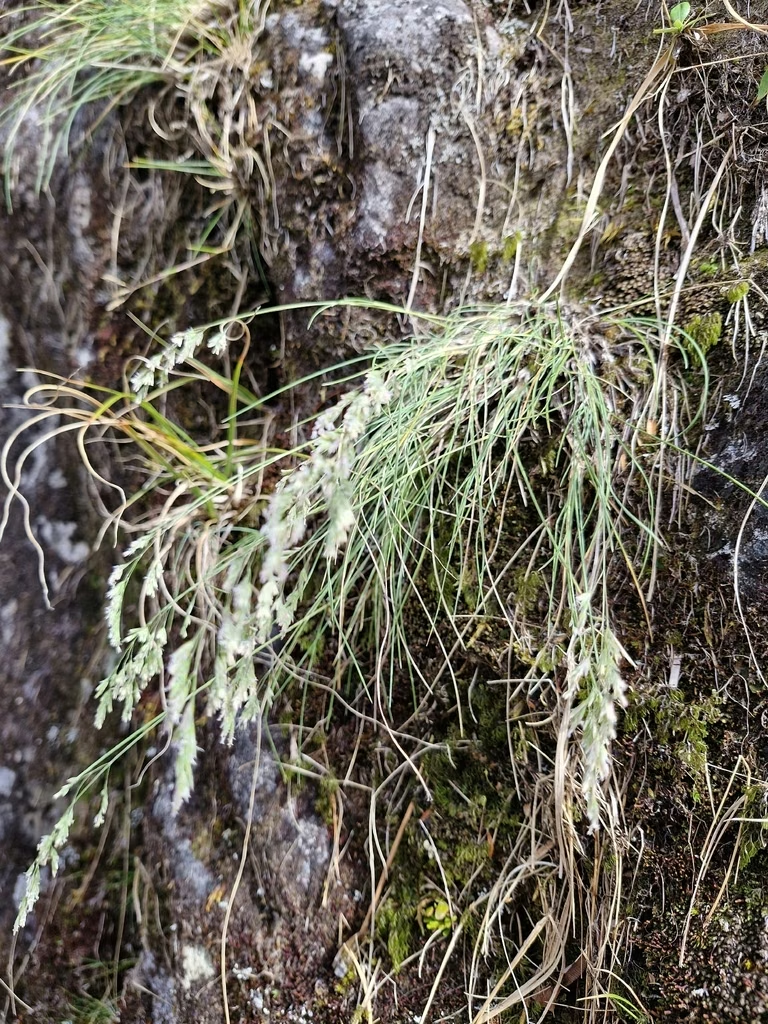
Poa hesperia is a fine-leaved grass endemic to southern New Zealand. It forms low loose clumps or light green turf in alpine and subalpine grassland, herbfield and scrub. This slender perennial can form loose clumps or light green turf and may spread by rhizomes.
Identification
This slender perennial can form loose clumps or light green turf and may spread by rhizomes. Flowering stems reach up to about 40 cm and usually rise above the leaves.
The fine leaves are generally 5-10 cm long and 0.5-1 mm wide, folded with inrolled margins. The open flowering panicle has slender branches carrying one to three green to purplish spikelets.
Quick facts
| Scientific Name | Poa hesperia Edgar |
|---|---|
| Family | Poaceae |
| Origin | Endemic to New Zealand |
| Range | South Island and Stewart Island / Rakiura |
| Habit | Fine-leaved clumps or light green turf |
| Height | Flowering stems up to about 40 cm |
| Habitat | Alpine and subalpine grassland, herbfield and scrub |
| National status | Not Threatened (2023) |
| Water Needs | A cultivation watering requirement is not given in the Flora account |
| Light | Mountain grassland, herbfield and scrub in its natural range |
| Spread | Loose clumps or rhizomatous turf; maximum patch width unquantified |
| Frost Tolerance | Minimum tolerated temperature is not documented |
| Salt Tolerance | Salt tolerance is not documented |
| Growth Rate | Annual extension is not quantified in the cited accounts |
| Lifespan | Rhizomatous perennial grass |
Natural range
Flora records the species along and west of the South Island’s Main Divide, occasionally eastward in Canterbury, Otago and Southland, and in Fiordland. Its range also includes Stewart Island / Rakiura.
| City | Climate Suitability |
|---|---|
| Auckland | Not assessed |
| Wellington | Not assessed |
| Christchurch | Not assessed |
Habitat and distribution
Poa hesperia occurs in alpine and subalpine tussock grassland, herbfield or scrub, often on rock. In the south it also occurs at lower elevations.
The type specimen was collected in stony grassland at Lower Otoko Pass, near the head of the Clarke tributary of the Landsborough River.
Natural growing conditions
Recorded habitats include mountain grassland, scrub and herbfield, often on rock. Flora describes the grass from wild populations but does not provide a tested garden watering schedule or growing medium for this species.
Planting considerations
The plant can spread as a light green turf or remain in low loose clumps. Its described flowering stems are generally 15-30 cm tall, occasionally reaching 40 cm; published sources do not give planting instructions.
Turf growth
Flora describes this perennial as often rhizomatous, producing loose clumps or a low turf. The leaf blades detach at the ligule, a feature used in the botanical key to New Zealand Poa.
Observing the grass
Look for fine light green leaves with margins rolled inward, then examine the open flowering head. Its almost thread-like branches each end in one to three relatively large green or purplish spikelets.
Garden context
The low turf form differs from a tall ornamental tussock, but the cited Flora account describes the plant in natural mountain habitats rather than reporting garden trials or a reliable maintenance regime.
Flowering heads and seed
The spreading panicle is generally 2-5.5 cm long, occasionally reaching 10 cm. Spikelets contain several florets, and the grain is approximately 1 mm long; the cited description does not specify a flowering calendar.
Growth form
Flowering stems stand erect and usually overtop the fine leaves. The grass forms low, loose clumps or turf, often with rhizomes; the botanical account does not prescribe pruning or cutting treatments.
How to Grow Fine-Leaved Poa (Poa hesperia)
Seed and Turf-Forming Growth
Flora of New Zealand describes Poa hesperia as a slender perennial that often has rhizomes and can form light green turf. Other plants remain in low, loose clumps. The account describes the grain but does not provide a tested sowing treatment, division size or establishment time. Turf formation in the wild therefore documents growth habit without establishing a nursery method.
Recognising the fine foliage
Leaf blades are generally about 5-10 cm long, occasionally 20 cm, and only 0.5-1 mm wide. They are folded, with inward-rolled margins and long sharp tips. The pale creamy-brown leaf sheaths become greyish with age. These details help separate an identified clump from broader-leaved or blue-green tussock grasses growing nearby.
Following flowering stems
Culms are usually approximately 15-30 cm tall, with extremes from 5 to 40 cm. Their open panicles carry slender branches bearing one to three relatively large spikelets. The green to purplish spikelets generally contain four to eight florets. This combination of fine foliage, light green turf and comparatively conspicuous spikelets is useful at reproductive maturity.
Retaining locality information
Natural sites include alpine and subalpine tussock grassland, herbfield and scrub, often on rock. The species also reaches lower elevations in the south. The type collection came from stony grassland at Lower Otoko Pass. These records give a specific habitat context, while tested garden irrigation intervals and growth rates remain unspecified in the cited Flora treatment.
Plant health
The folded blades and inward-rolled leaf edges are normal characteristics of this fine-leaved grass. The botanical sources used here do not identify particular pests or diseases affecting Poa hesperia.
Naming and classification
Elizabeth Edgar described Poa hesperia in her 1986 revision of New Zealand Poa. Its type was collected by Peter Wardle at Lower Otoko Pass in 1972 and is held in the Allan Herbarium.
Compare with blue tussock
Poa hesperia tends to form light green turf, while Poa colensoi forms blue-green tussocks. Flora also distinguishes their spikelet details, though it notes overlap with some southern and western populations of P. colensoi.
Related native Poa grasses
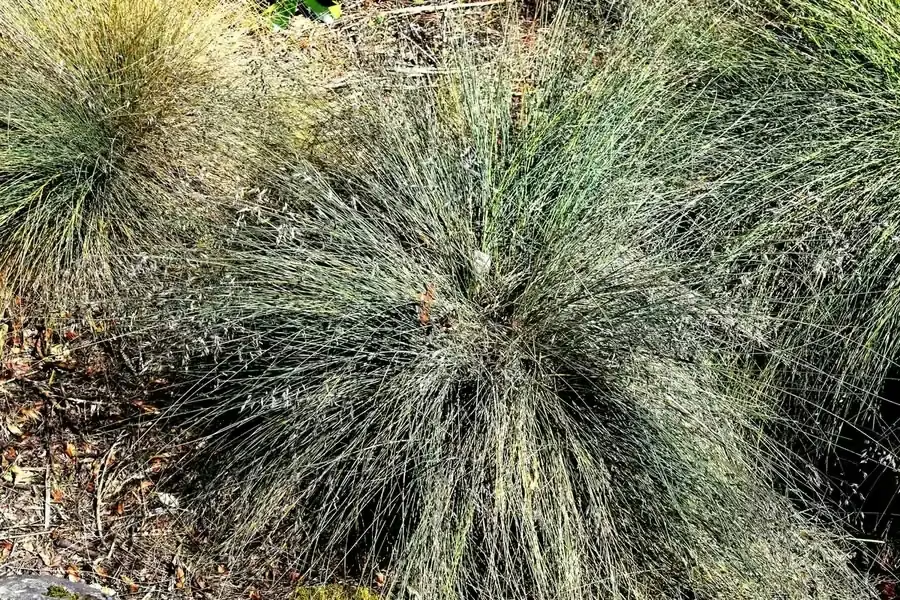
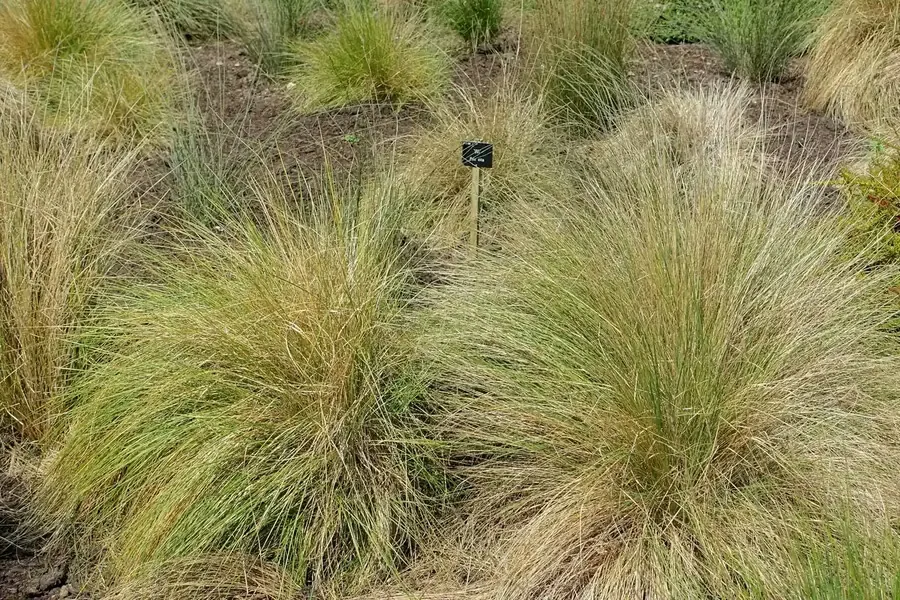
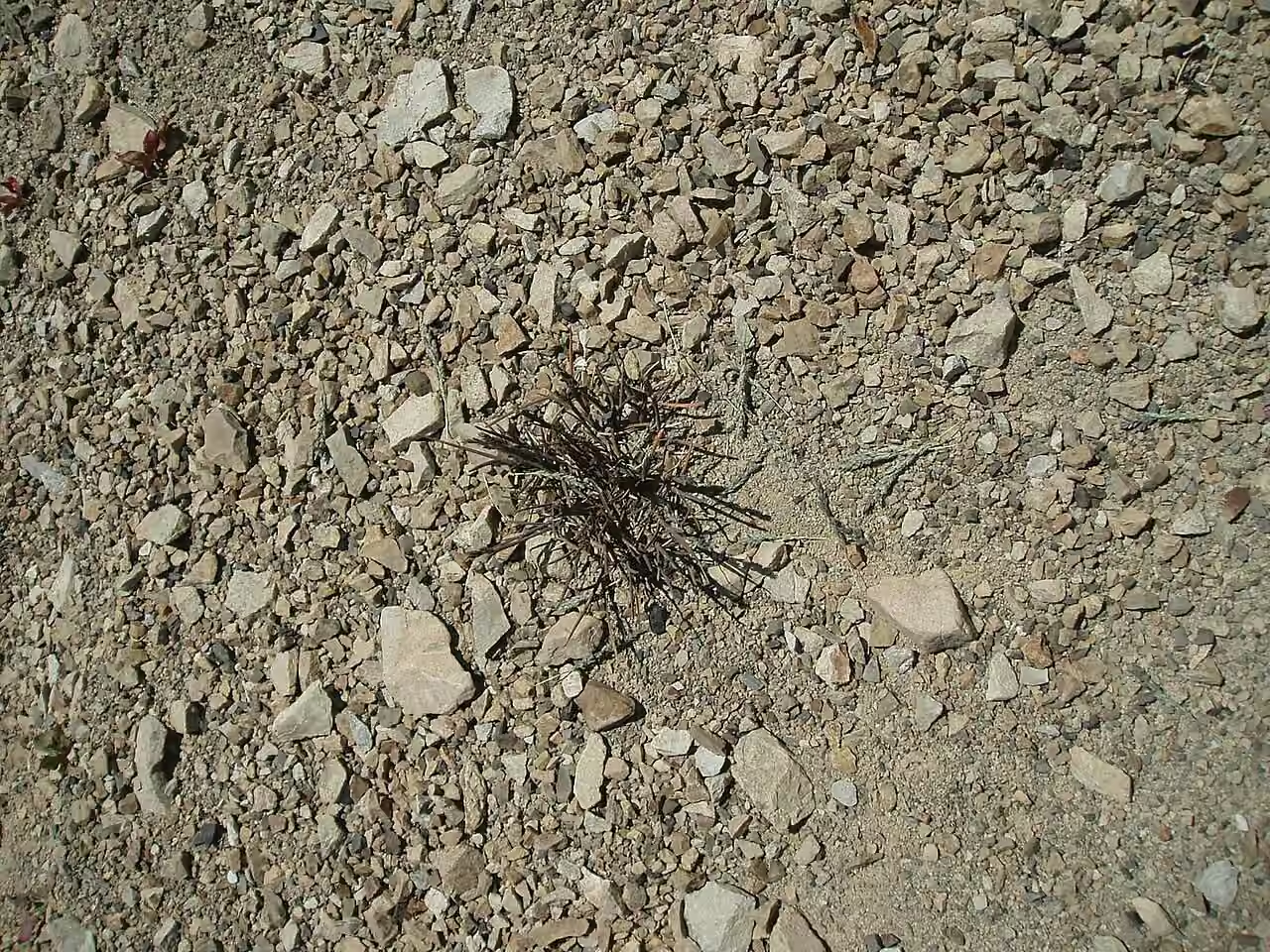
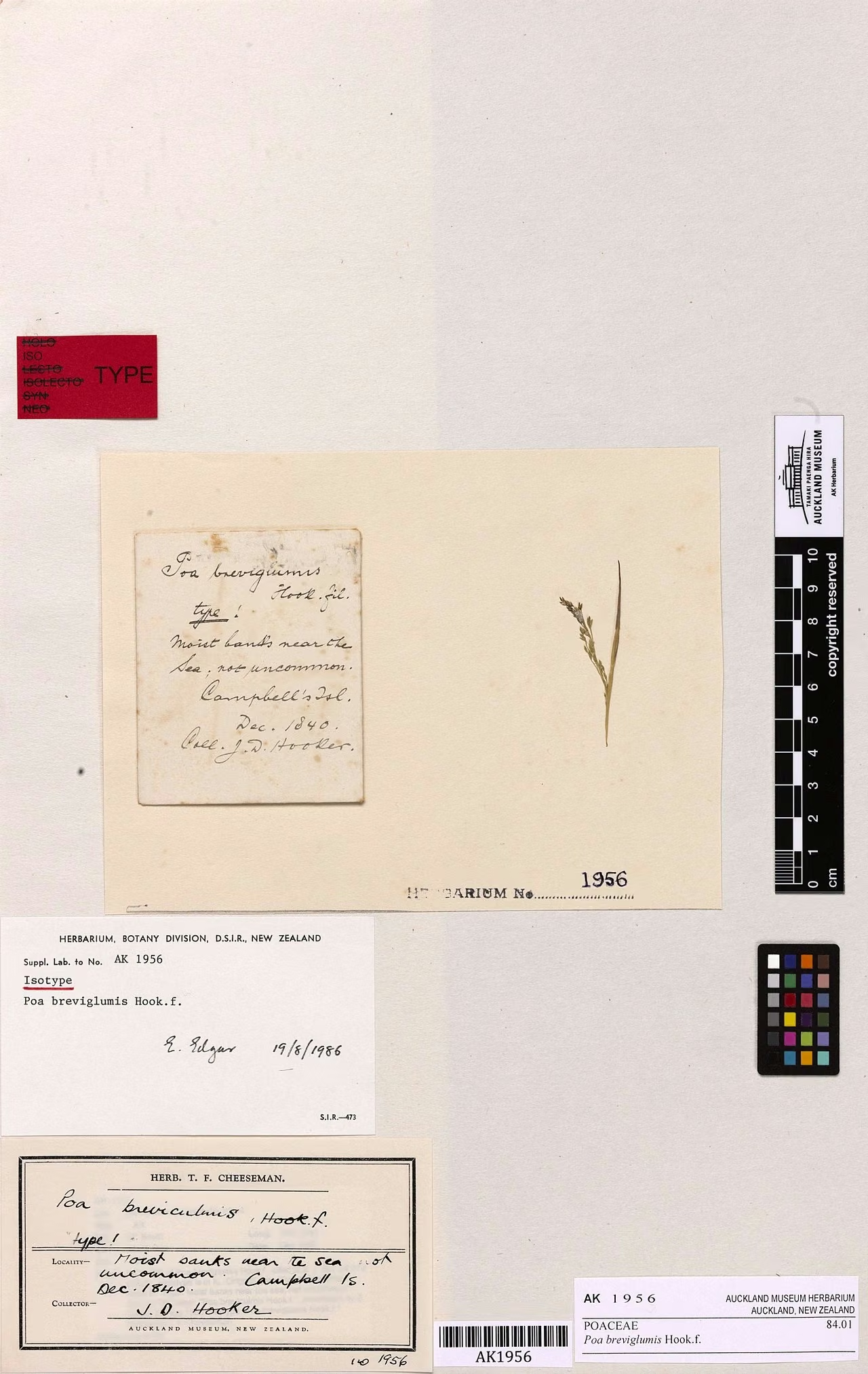
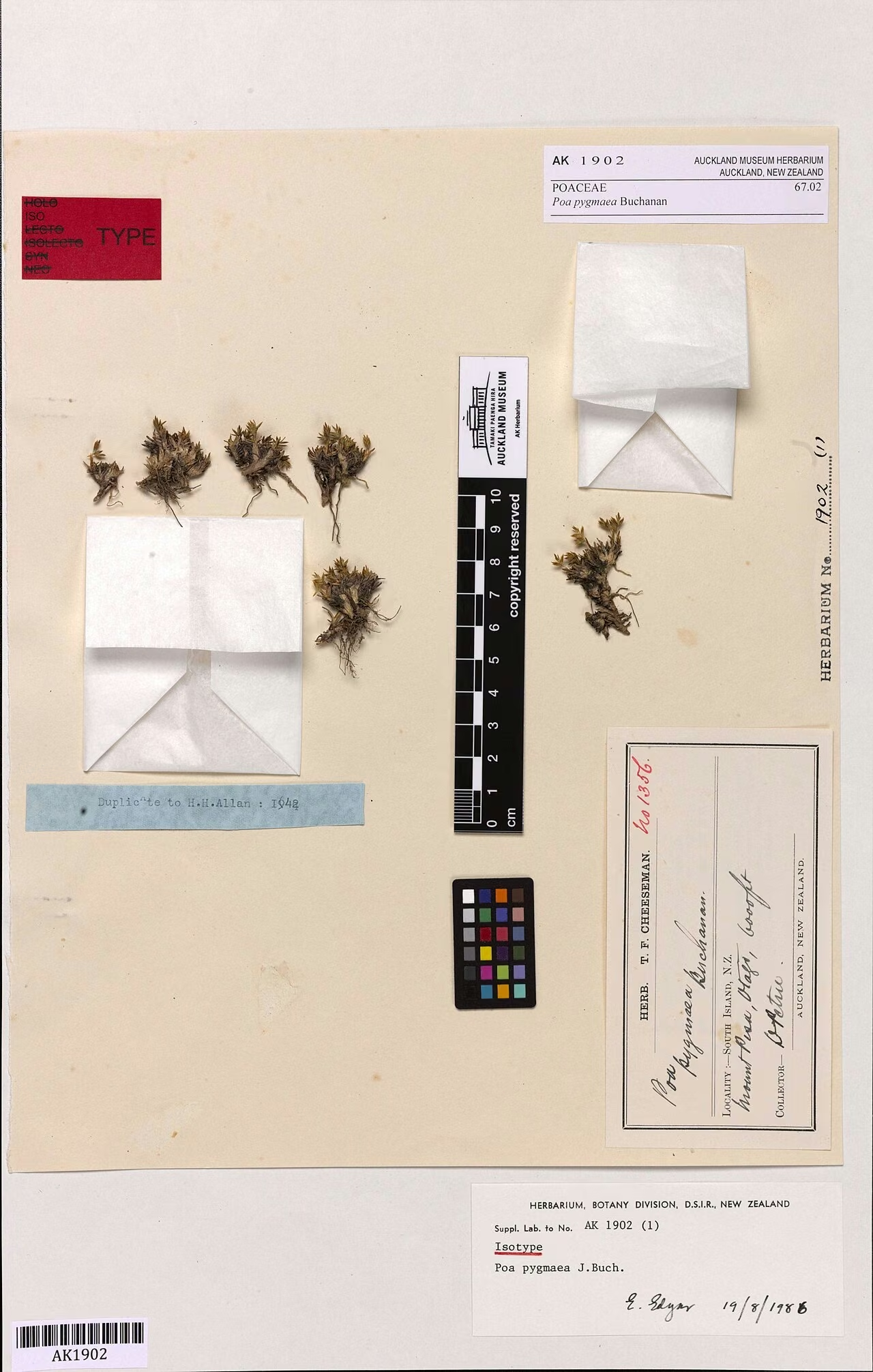
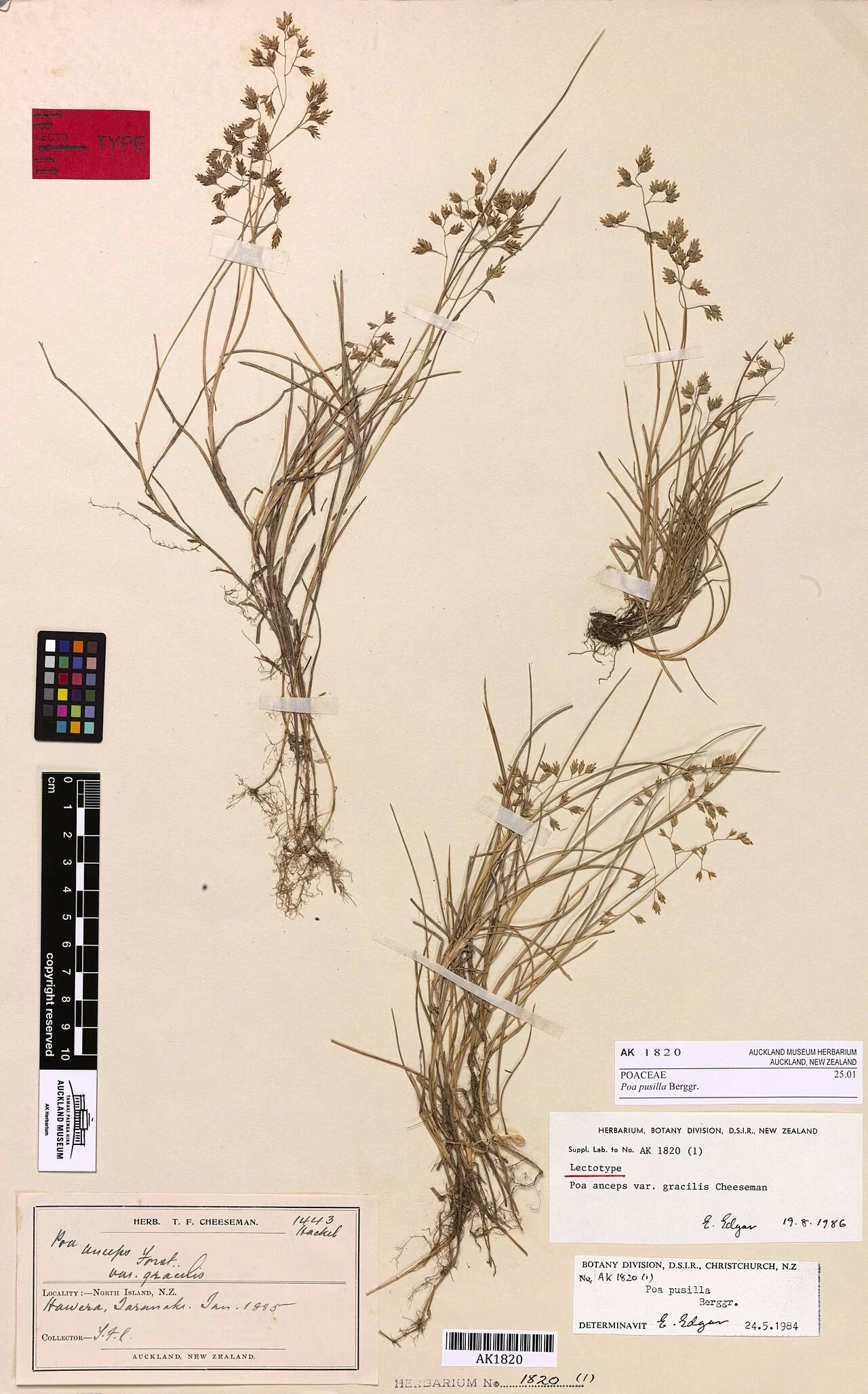
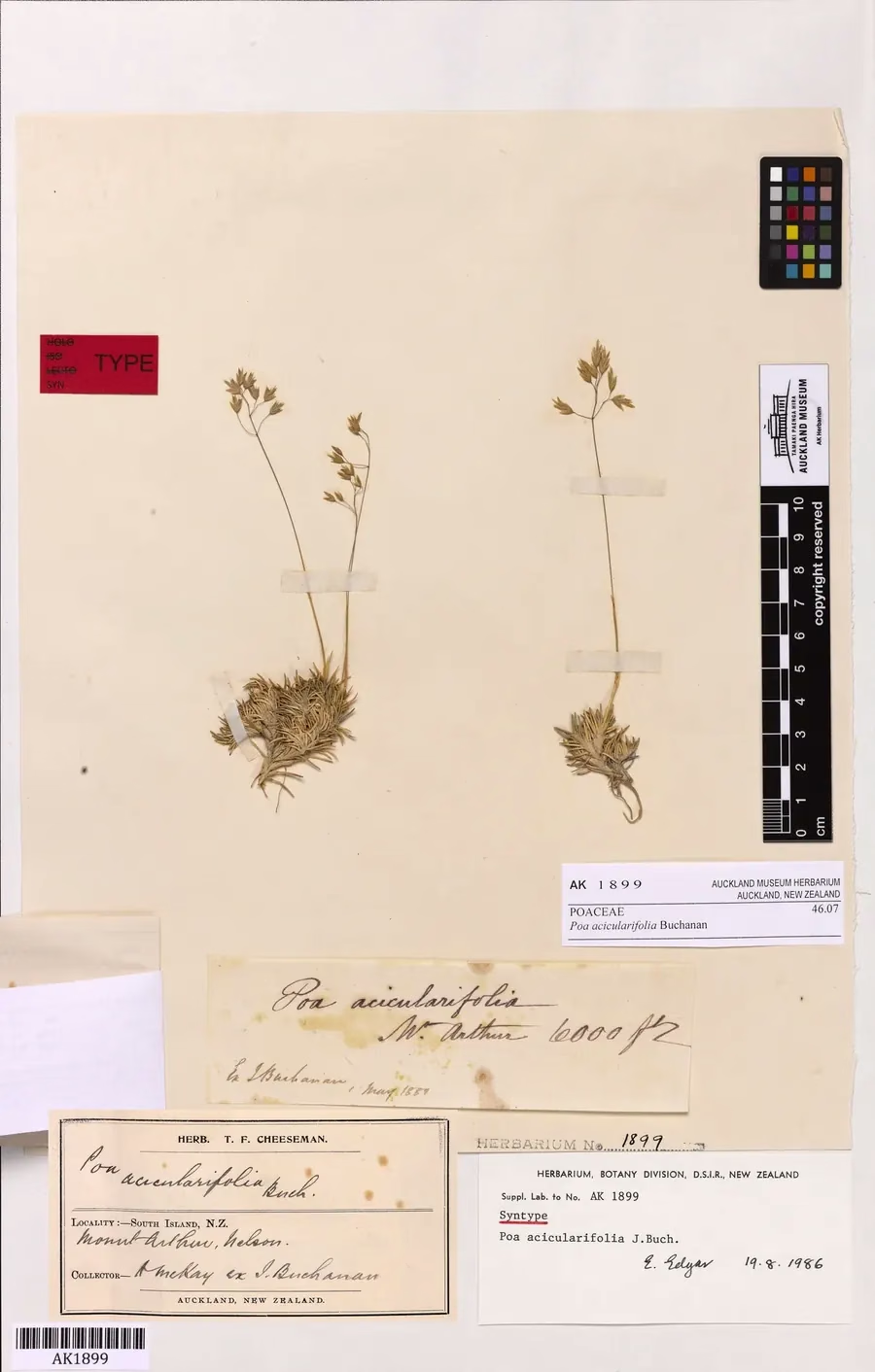
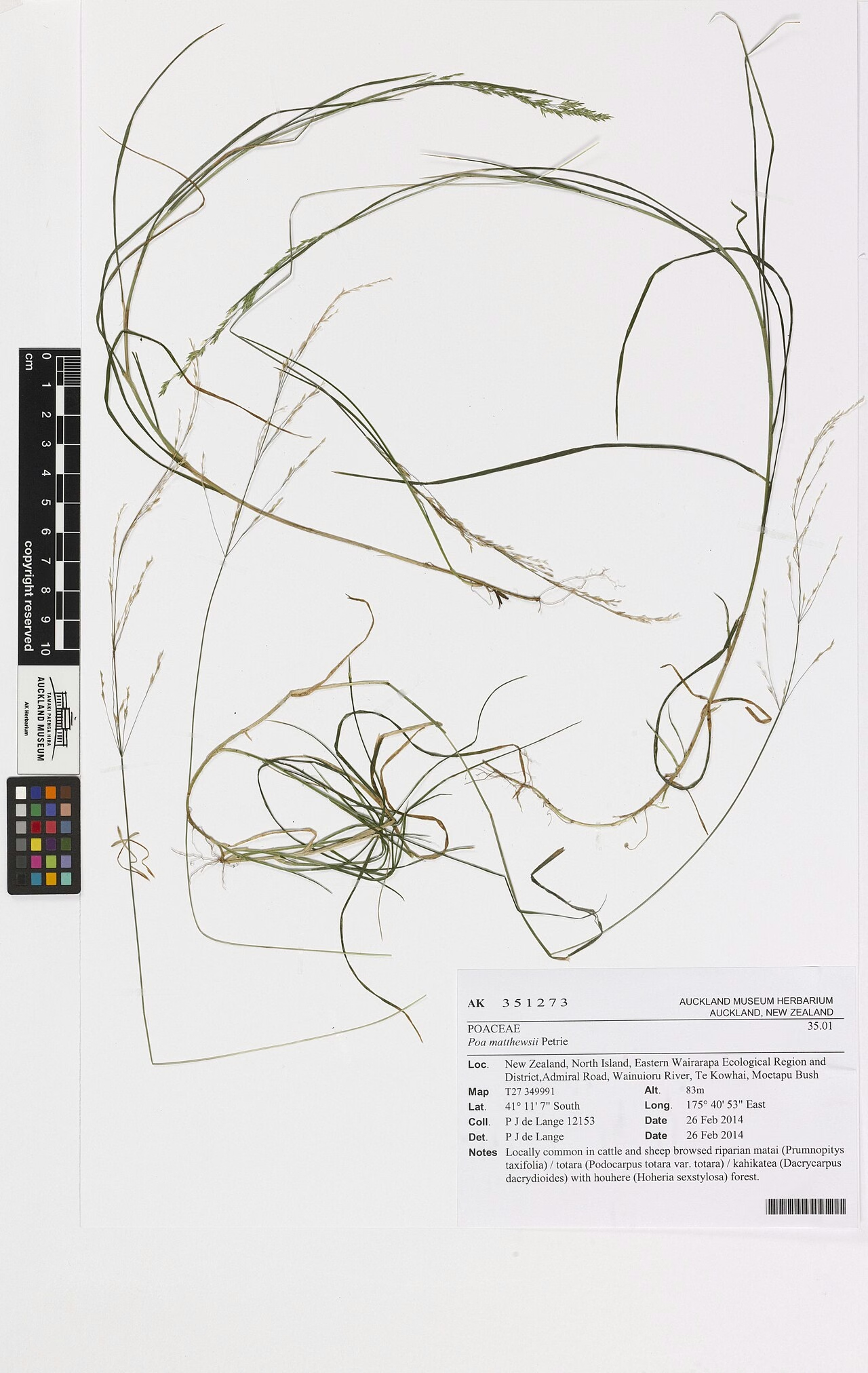
Explore other New Zealand Poa grasses, including alpine species and tussock-forming relatives.
Conservation
The 2023 New Zealand vascular plant assessment lists Poa hesperia as Not Threatened. Otago’s regional assessment also lists it as Regionally Not Threatened; the species is endemic to New Zealand.
Frequently asked questions
Does it always form a large tussock?
No. The species is described as low loose clumps or light green turf, often with rhizomes.
How wide are its leaves?
Most blades are only 0.5-1 mm wide and are folded with inrolled margins.
Is it restricted to high alpine sites?
Mountain habitats predominate, but the Flora records lower-elevation occurrences in the southern part of its range.
Sources
Botanical description, type, distribution and comparison: Flora of New Zealand Series, Poa hesperia. Botanical identification key: Flora of New Zealand Series, Poa.
Endemic status and taxonomic record: Biota of New Zealand. Conservation status: New Zealand vascular plant assessment, 2023.
Last updated: