Poa
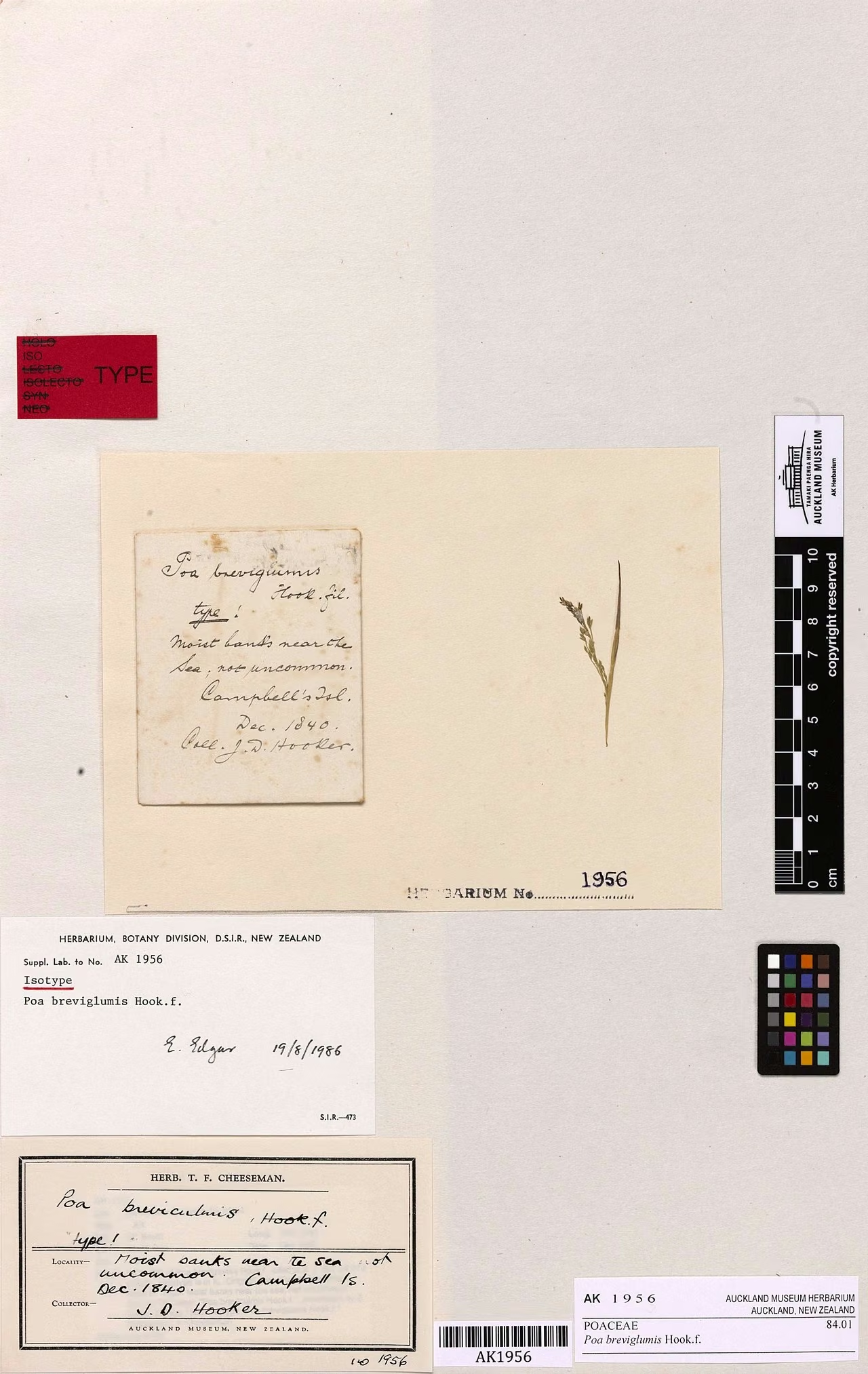
Poa breviglumis
Last updated:
Poa breviglumis is a soft, weak, loosely tufted native grass, about 5 to 40 cm tall, that spreads by stolons or rhizomes and roots at its lower nodes. Its bright green leaves are short and narrow, and its lax, delicate panicles carry tiny spikelets whose glumes are noticeably unequal and short, which gives the species its name. It is endemic to New Zealand, ranging from the central North Island through the South Island to Stewart Island and the Antipodes, Auckland and Campbell Islands, and from sea level to the alpine zone. It is Not Threatened nationally. Explore more native grasses and flaxes in our native plant guide.
Plant Description
Poa breviglumis is a soft, weak, loosely tufted perennial grass, about 5 to 40 cm tall, that spreads by stolons or rhizomes and roots at its lower nodes. Its bright green leaves are shorter than the flowering stems. The ligule is 0.5 to 1.5 mm long, occasionally to 3 mm, entire and hairless, and the leaf-blades are flat, about 2 to 9 cm long and 0.5 to 1.5 mm wide, slightly rough near the pointed tip.
The culms are usually 10 to 25 cm tall, ranging from 3 to 35 cm, and end in a lax, delicate panicle 3 to 10 cm long with rough, spreading branches carrying few spikelets. Spikelets are 2 to 3 mm long (up to 5 mm), with two or three florets, light green and often tinged purple. The glumes are usually noticeably unequal, the lower 0.3 to 0.8 mm and the upper about 1 to 1.5 mm and three-nerved. The lemma is 1.2 to 2 mm long, three-nerved and bluntish. The chromosome number is 2n = 28.
Its combination of soft, weak, rooting stems, very narrow flat leaves, tiny spikelets and short, unequal glumes separates it from most other native Poa species. Plants that are tufted at the base with well-branched stems were once named var. brockiei, but the Flora notes these occur naturally throughout the range.
Quick Facts
| Scientific Name | Poa breviglumis |
|---|---|
| Height | About 5-40 cm |
| Spread | Loose patches spreading by stolons or rhizomes |
| Water Needs | Moderate to moist |
| Light | Full sun to partial shade |
| Frost Tolerance | High; reaches the alpine zone |
| Salt Tolerance | No reliable information |
| Growth Rate | No reliable information |
| Lifespan | Perennial |
Climate Best Suited to
A widely adaptable grass that occurs from coastal lowlands to the alpine zone and on the subantarctic islands, so it tolerates cool, wet and frosty climates well.
Regional Suitability
| City | Climate Suitability |
|---|---|
| Auckland | Low |
| Wellington | Medium |
| Christchurch | Medium |
| Dunedin | High |
Plant Habitat
Poa breviglumis is endemic to New Zealand. It occurs in the central and southern North Island, throughout the South Island, on Stewart Island/Rakiura and on the subantarctic Antipodes, Auckland and Campbell Islands. The type was collected on moist banks near the sea on Campbell Island.
It grows from sea level to the alpine zone in open forest, scrub, tussock grassland and herbfield. Herbarium records include an early snowbank in the Garvie Mountains at over 1500 m, a rocky gully in Westland, rushes by a stream in a cushion bog on the Lammerlaw Range, and a shaded streamside below a waterfall on the Antipodes Islands.
Growing Requirements
Soil Requirements
It grows in a wide range of soils, from peat in bogs and herbfield to mineral soils in tussock grassland and forest.
- Moist soils, including peaty ground
- Rocky gullies and snowbanks at altitude
- Moderate fertility is sufficient
Light Requirements
It occurs in open herbfield and grassland as well as in open forest and scrub, and in shaded streamside spots.
- Full sun in open sites
- Tolerates partial shade under open canopy
Water Requirements
Many of its recorded sites are damp: streamsides, bogs, snowbanks and moist coastal banks.
- Prefers reliably moist ground
- Weak growth suggests it dislikes drought
Planting and Establishing
Poa breviglumis is not commonly sold by native plant nurseries, so obtaining eco-sourced material from a restoration nursery or from legally collected seed is the most likely route. It suits damp, cool spots where a soft, low grass can weave among other plants.
Plant in autumn or spring into moist soil, and allow its stolons and rhizomes room to spread among companion plants rather than competing with vigorous turf grasses.
Ecological Role
Poa breviglumis forms part of the low grass cover in a wide range of habitats, from forest margins and scrub to tussock grassland, snowbanks and subantarctic herbfield. Like other Poa species it is wind-pollinated.
Its spreading stolons and rhizomes let it fill gaps between larger plants, which may help it hold soil on damp banks and streamsides. Its range spans lowland mainland sites through to the subantarctic Antipodes, Auckland and Campbell Islands.
Uses & Significance
Garden Uses
A modest, soft grass for naturalistic plantings rather than a feature plant.
- Damp, cool corners of native gardens
- Filler among larger tussocks and herbs
- Restoration of moist grassland and streamsides
Ecological Value
A widespread native grass that contributes to ground cover in many plant communities, from coast to alpine.
- Ground cover in tussock grassland and herbfield
- Occurs in bogs, streamsides and snowbanks
- Part of subantarctic island vegetation
Landscaping Uses
Use Poa breviglumis to soften the ground between larger native tussocks, sedges and herbs in a cool, damp garden or restoration planting. Its fine, bright green foliage and airy panicles give a delicate, meadow-like texture.
Because it is low and weak-stemmed, it will not hold its own against taller groundcovers, so place it where it has light and space.
Seasonal Care Calendar
Spring
Fresh bright green growth appears and stolons extend as soils warm.
- Active growth
- Good time to plant or divide
Summer
Plants produce lax, delicate panicles of tiny light green to purple-tinged spikelets. Exact flowering months are not recorded in the sources consulted.
- Flowering and seed set
- Keep moist in dry spells
Autumn
Seed ripens and the plant continues to spread by its runners.
- Collect seed
- Plant out divisions
Winter
Growth slows; alpine populations are covered by snow, especially at snowbank sites.
- Little growth
- Hardy to frost
When to Prune and How Much
No pruning is needed. If old flowering stems look untidy, comb them out by hand or trim lightly after seed has fallen.
Avoid mowing, which would weaken its soft, low growth.
How to Grow Poa
No specific propagation guidance for Poa breviglumis was found in NZPCN or the Flora of New Zealand, so the methods below follow standard practice for native Poa grasses and take advantage of this species' habit of rooting at the lower nodes and spreading by stolons or rhizomes. Use eco-sourced material from your own district where possible, and collect seed or plants only with landowner permission and never from protected areas such as the subantarctic reserves.
By Division
Because the stems root at the nodes and the plant spreads by stolons or rhizomes, rooted pieces are easy to separate from an established clump. This is the quickest way to multiply it.
- Lift a patch in autumn or early spring when the soil is moist
- Separate rooted stolons or rhizome sections, each with a few shoots
- Pot into a moist, free-draining potting mix or plant directly into prepared ground
- Keep well watered until new growth shows the pieces are established
From Seed
Seed forms in the small two- or three-flowered spikelets after flowering. Collect panicles as they turn straw-coloured and the florets loosen. Seed is best sown fresh.
- Collect ripe panicles into a paper bag
- Rub the florets free and remove coarse debris
- Sow thinly on a moist seed-raising mix and cover with a fine layer of grit
- Keep evenly moist in a cool, bright place
- Prick out seedlings into small pots once they are a few centimetres tall
Pests & Diseases
No pests or diseases specific to Poa breviglumis are recorded. As a soft, low grass it is vulnerable to being smothered by taller exotic grasses and weeds.
Grazing animals and rabbits will eat native grasses, so protect young plantings in rural restoration sites.
Cultural Significance
No Māori name or traditional Māori use is recorded for Poa breviglumis in the sources consulted.
The species was named by Joseph Hooker, whose type came from moist banks near the sea on Campbell Island. Victor Zotov later named two varieties, brockiei and moarii, that are no longer recognised.
Bonus Tip
To confirm Poa breviglumis, use a hand lens on a spikelet: the lower glume is tiny, often under 1 mm, and clearly shorter than the upper glume. That short, unequal pair of glumes is the feature the name refers to.
Related Plants
Explore other native plants that share similar characteristics or habitats with Poa (Poa breviglumis), offering further insights into New Zealand's diverse flora. These related species provide context and opportunities for complementary planting in your garden.
Pleurophyllum criniferum
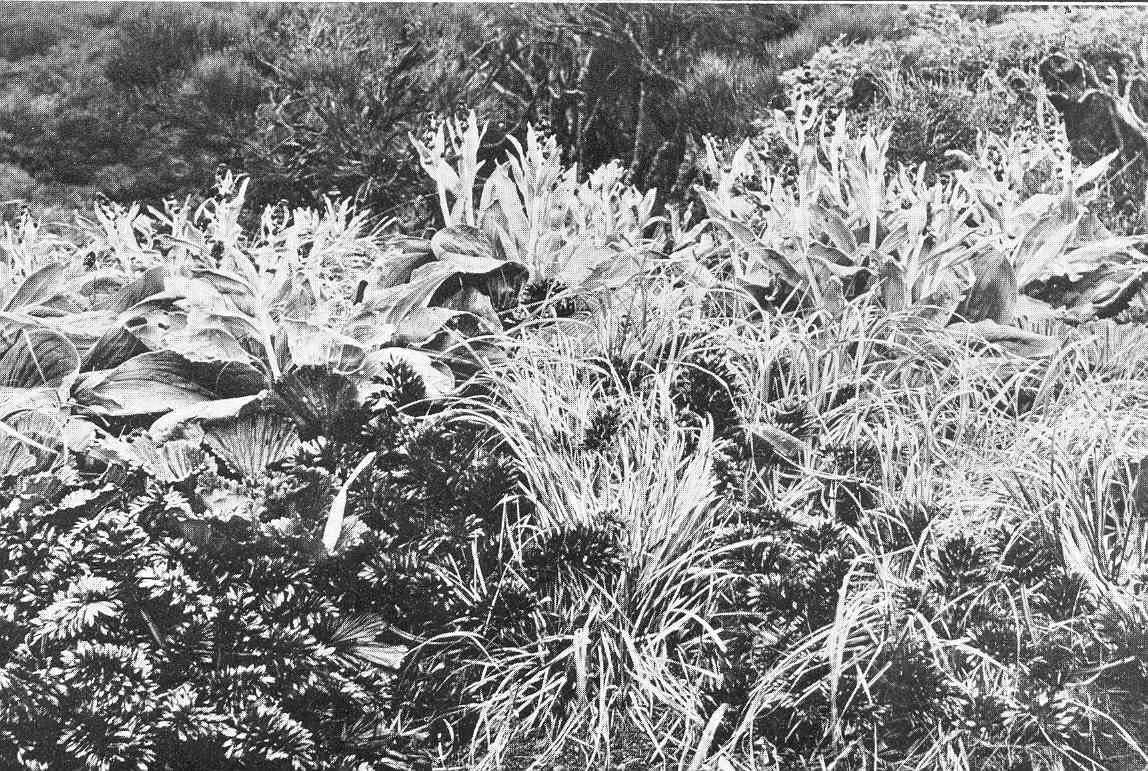
Pleurophyllum criniferum
Poa antipoda
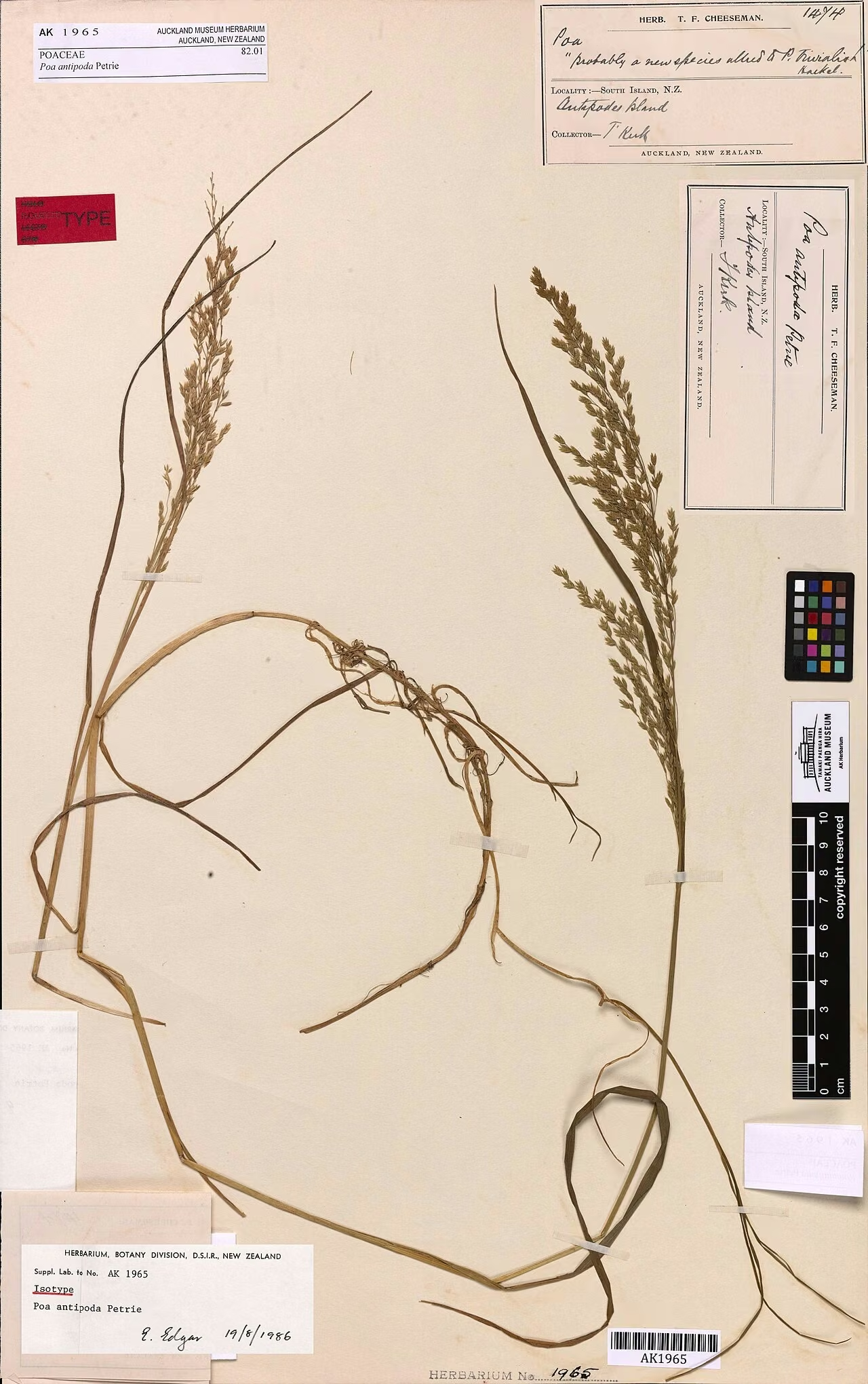
Poa antipoda
Auckland Island Poa
Poa aucklandica subsp. aucklandica
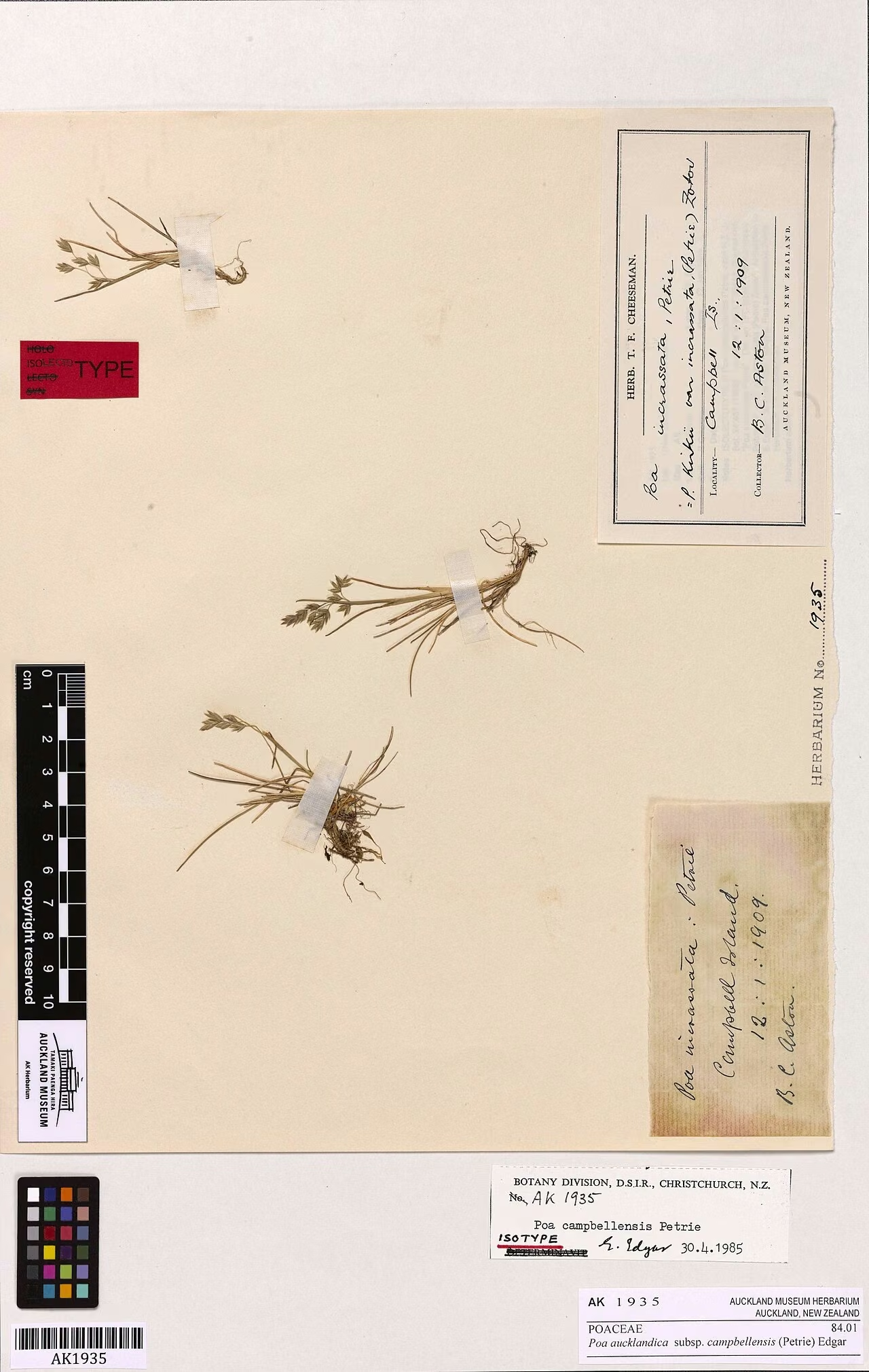
Campbell Island Poa
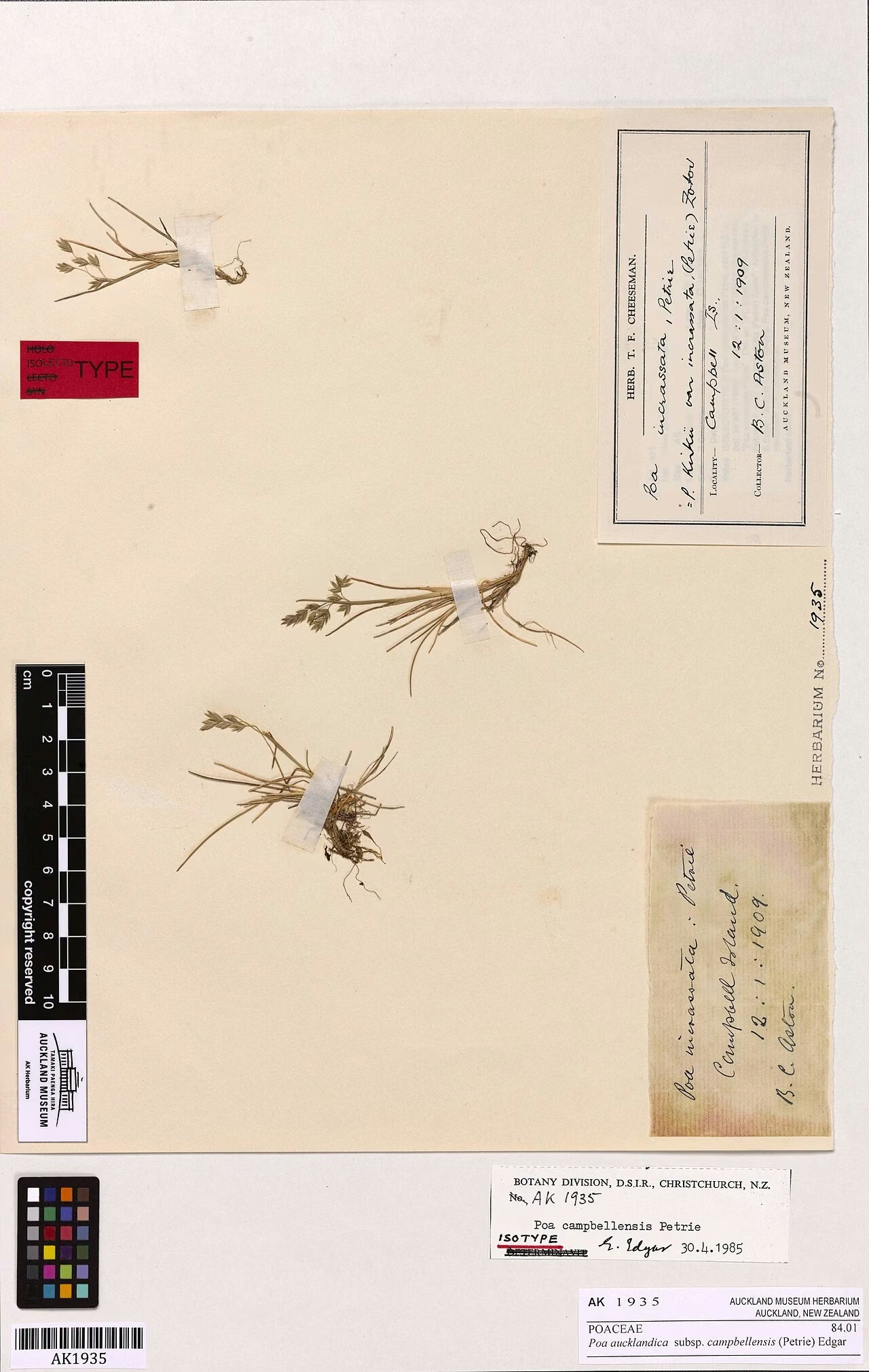
Poa aucklandica subsp. campbellensis
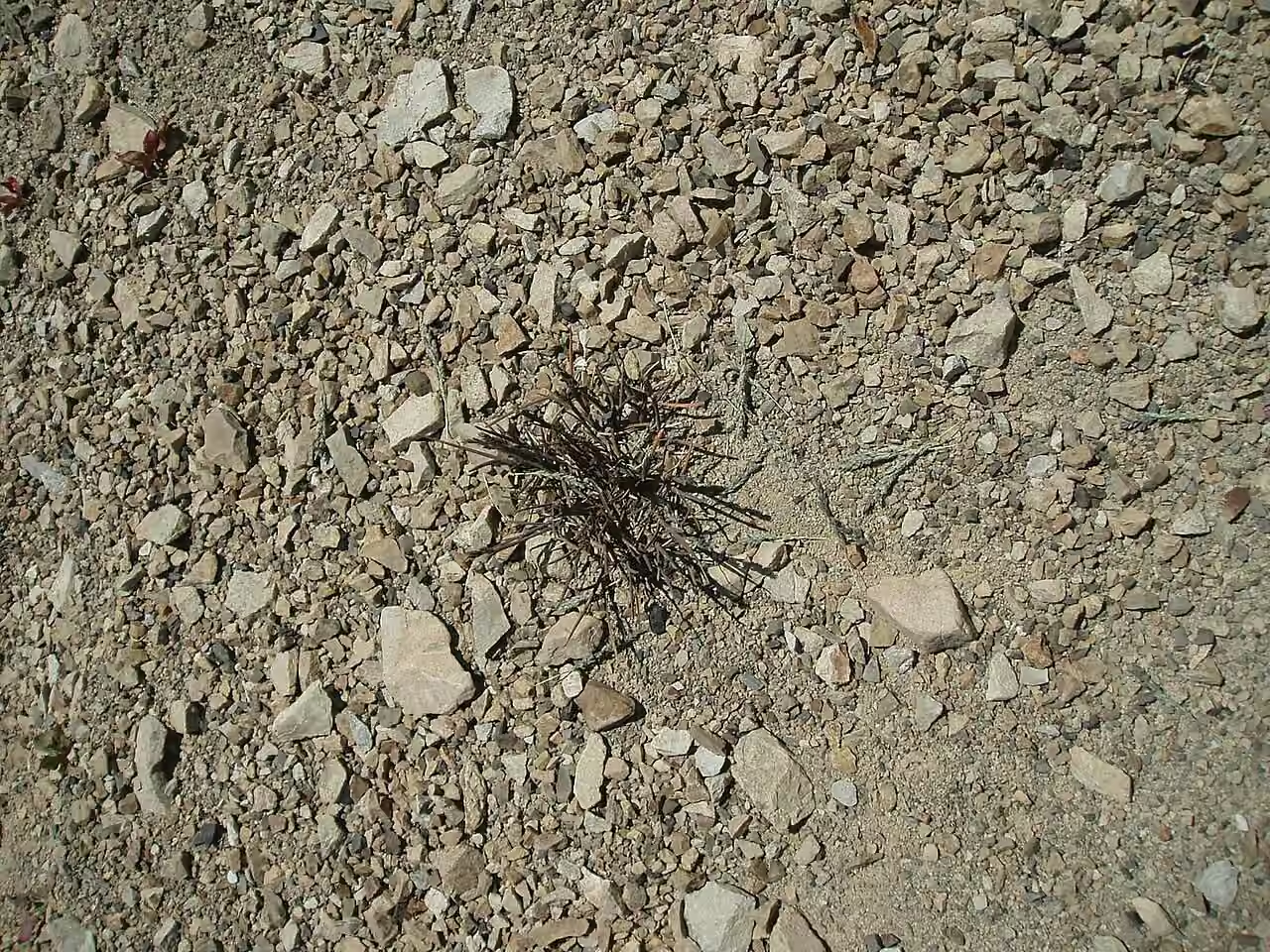
Scree Poa
Poa buchananii
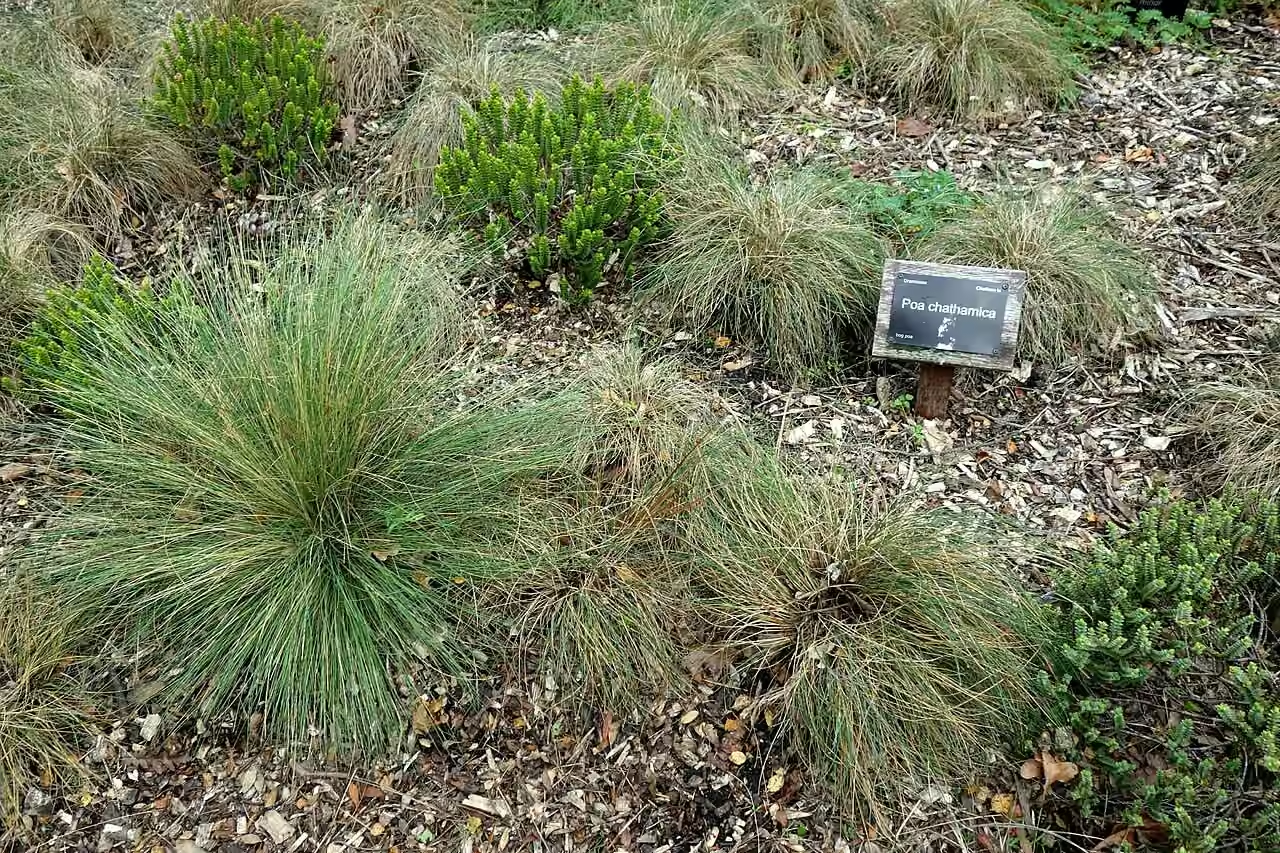
Chatham Islands Poa
Poa chathamica
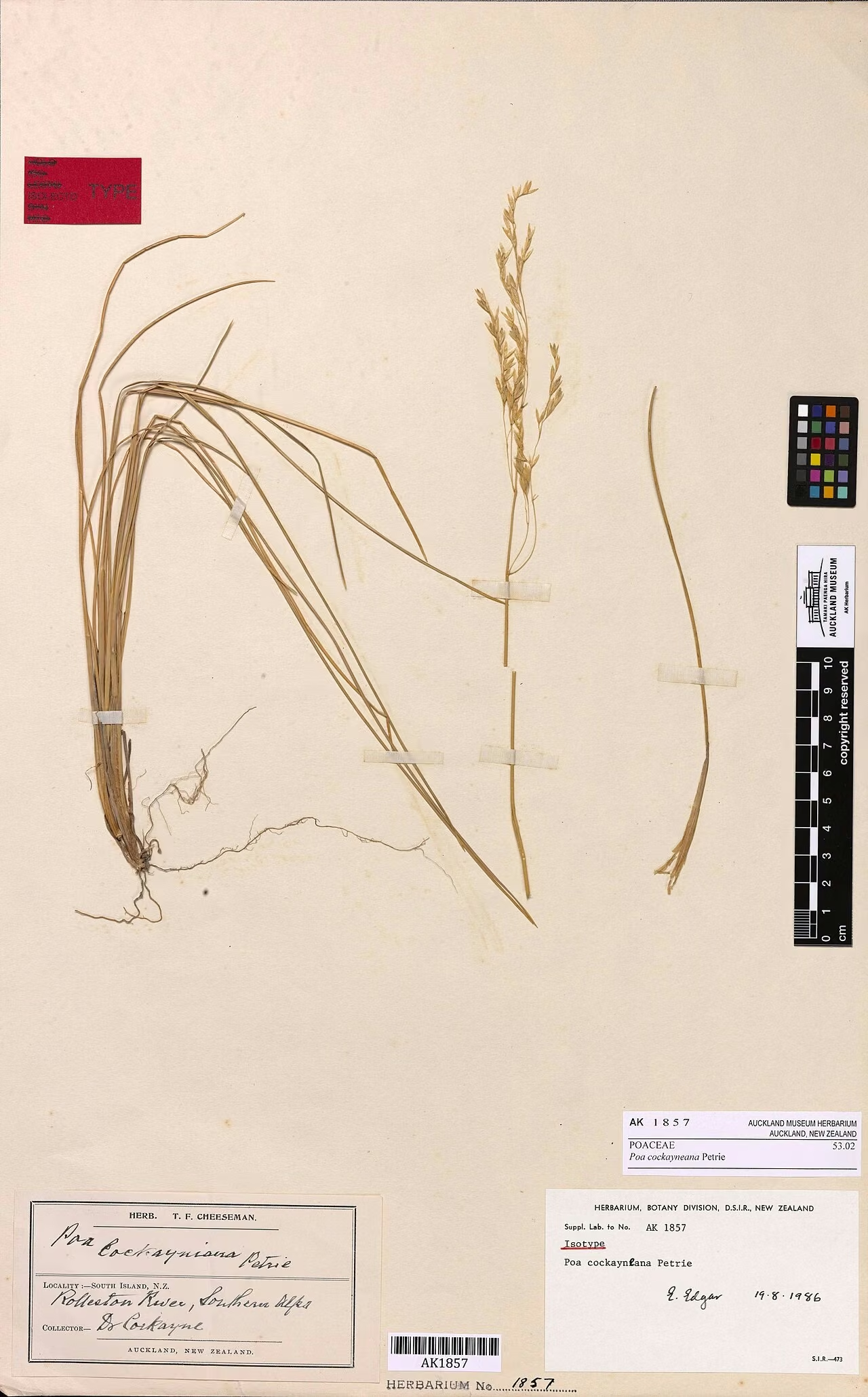
Avalanche Grass
Poa cockayneana
Acicularifolia Grass
Poa Acicularifolia Grass
Plant Conservation
Poa breviglumis is ranked Not Threatened (2023) and has held that status in every national assessment since 2004. Regionally it is Not Threatened in Otago but Regionally Naturally Uncommon in the Wellington region (2025).
Its broad range and wide habitat tolerance keep it secure. Protecting native grassland, herbfield and wetland margins from weed invasion and overgrazing benefits it along with many other small native grasses.
Frequently Asked Questions
What does breviglumis mean?
It means short-glumed. The glumes are the chaffy bracts at the base of each grass spikelet, and in Poa breviglumis they are small and usually noticeably unequal, the lower one only 0.3 to 1 mm long.
Where does Poa breviglumis grow?
It is found in the central and southern North Island, throughout the South Island, on Stewart Island and on the Antipodes, Auckland and Campbell Islands, in open forest, scrub, tussock grassland or herbfield.
Is Poa breviglumis threatened?
It is ranked Not Threatened nationally, as it has been in every assessment since 2004. In the Wellington region it is considered Regionally Naturally Uncommon.
How can you recognise Poa breviglumis?
Look for a soft, weak, bright green grass that roots at its lower nodes, with flat leaves only 0.5 to 1.5 mm wide and lax, delicate panicles of tiny spikelets 2 to 3 mm long.
Sources and Further Reading
The botanical, growing, and conservation details for Poa (Poa breviglumis) on this page draw on the New Zealand plant references below. Consult them for full technical records and the latest distribution data.