Avalanche Grass
Poa cockayneana
Last updated:
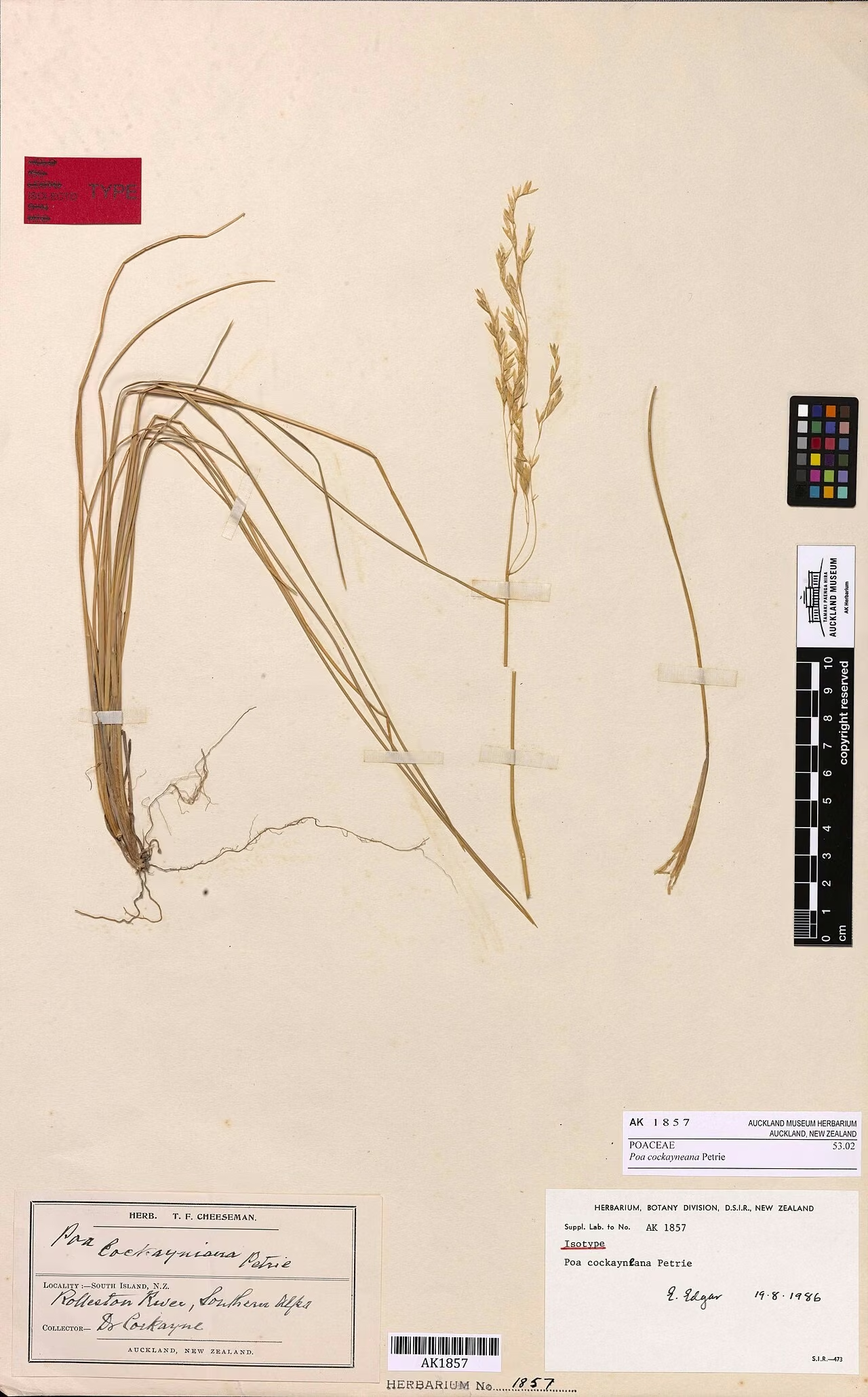
Avalanche grass (Poa cockayneana) is a large, bright green perennial grass endemic to the South Island. Rather than forming a tussock, it builds big clumps or extensive swards up to about 40 to 80 cm tall, joined by runners between the tufts. It grows along the Main Divide, most often on the wetter western side in Westland and Fiordland, in subalpine and alpine grassland, shrubland and damp stony ground disturbed by spring avalanches, which gives it its name. It is ranked Not Threatened and honours Leonard Cockayne, one of New Zealand's most influential botanists. Explore more native grasses and flaxes in our native plant guide.
Plant Description
Poa cockayneana forms large green clumps or extensive swards, usually about 40 cm tall and occasionally up to 80 cm. It is not tussock-forming; instead its shoots lie partly along the ground at the base and it spreads by stolons between the tufts. The leaf sheaths are straw-brown to reddish brown or grey-brown, membranous and distinctly ribbed.
The leaf blades are flat, tough and leathery, usually 10 to 35 cm long and up to 4.5 mm wide, with prominent ribs and a fine sharp tip. The flowering stems are 20 to 40 cm long and usually shorter than the leaves. The panicle is 10 to 20 cm long and very open, with a few rather large light green spikelets, 7 to 9.5 mm long with 3 to 6 florets, clustered in twos and threes at the tips of very slender, widely spreading branches.
It is most likely to be confused with Poa cita (silver tussock), with which it often grows. Avalanche grass differs in forming swards instead of tussocks, and in its wider flat leaves, fewer and larger spikelets, and longer glumes and lemmas. It also has a very high chromosome number, 2n = 112.
Quick Facts
| Scientific Name | Poa cockayneana |
|---|---|
| Height | About 0.4 m, occasionally to 0.8 m |
| Spread | Forms large clumps or extensive swards via stolons |
| Water Needs | Moist; a plant of high-rainfall mountains |
| Light | Full sun to light shade |
| Frost Tolerance | High; alpine and subalpine species |
| Salt Tolerance | Low; only rarely recorded on southern coastal cliffs |
| Growth Rate | Moderate |
| Lifespan | Perennial |
Climate Best Suited to
It is a plant of the cool, very wet mountains of the western South Island, with heavy snow, frost and high rainfall. It suits cool, moist climates and would struggle in hot, dry lowland summers.
Regional Suitability
| City | Climate Suitability |
|---|---|
| Auckland | Low |
| Wellington | Medium |
| Christchurch | Low |
| Dunedin | Medium |
Plant Habitat
Avalanche grass is endemic to the South Island. It grows along the Main Divide, occasionally extending east into Marlborough and Canterbury, and is more common to the west in Westland and also in Fiordland.
It is a subalpine to alpine species of grassland, shrubland and damp, disturbed stony ground affected by spring avalanches. In the far south it is rarely found on coastal cliffs.
Growing Requirements
Soil Requirements
In the wild it grows on damp, stony, often recently disturbed ground, so it needs moisture combined with good drainage.
- Gritty, stony soil with some organic matter
- Consistently moist but not stagnant
- Tolerates thin, disturbed soils
Light Requirements
Its open avalanche chutes and alpine grassland are bright places, though it also grows among shrubland.
- Full sun in cool climates
- Light shade in warmer gardens
Water Requirements
It comes from some of the wettest mountains in New Zealand and should not be allowed to dry out.
- Keep evenly moist through summer
- Mulch with stones to keep roots cool
- Ensure water does not pool around the crown
Planting and Establishing
Plant in autumn or spring in a cool, moist spot with gritty soil. Allow room for the stolons to spread into a sward.
It is not sold commercially, so gardeners are unlikely to obtain it. Wild plants should be left in place; any propagation material should be collected with permission.
Ecological Role
Avalanche grass is a coloniser of ground disturbed by snow avalanches, where its spreading stolons let it reoccupy scoured stony slopes. This makes it part of the natural recovery of avalanche paths in the Southern Alps.
It is wind pollinated like other Poa species. Specific insect or bird associations are not documented in the sources consulted.
Uses & Significance
Garden Uses
It is mainly of interest to alpine plant enthusiasts and for restoration in its home mountains.
- Large-scale alpine or rock garden in a cool, wet climate
- Bank stabilisation in montane areas
- Botanical collections of native grasses
Ecological Value
It helps bind and revegetate disturbed alpine ground.
- Recolonises avalanche-scoured slopes
- Forms extensive native swards in alpine grassland
- Provides cover for alpine invertebrates
Landscaping Uses
In a suitable cool garden, its broad, flat, bright green leaves make a softer, lusher contrast to the fine foliage of tussocks such as Poa cita or Chionochloa. Plant it in drifts on a moist, stony slope.
It is too large and spreading for small rock gardens and too moisture-demanding for dry northern or eastern lowland gardens.
Seasonal Care Calendar
Spring
New growth emerges as snow melts from avalanche paths.
- Plant divisions
- Remove dead leaves from swards
Summer
The open, airy panicles appear above the swards. Exact flowering months are not given in the sources consulted.
- Keep well watered
- Watch for drying in hot spells
Autumn
Seed is shed from the panicles.
- Collect and sow seed
- Plant new divisions
Winter
In the wild it lies dormant under snow.
- No care needed
- Ensure good drainage in wet weather
When to Prune and How Much
No pruning is needed. Dead leaves can be raked or combed out of the sward in spring to let light reach new shoots.
Spent flowering stems may be cut off after seed is shed if a tidy look is wanted.
How to Grow Avalanche Grass
No published propagation advice specific to Poa cockayneana was found, and it is not commercially available. The methods below are those used for similar sward-forming alpine Poa species, adapted to its habit. Because it spreads by stolons between tufts, division is likely to be the simplest approach, while seed offers genetic diversity for restoration work. Collect any material only with permission and never from protected areas without authorisation.
From Seed
Seed ripens in the open panicles after flowering. Fresh seed of alpine grasses generally germinates best when sown promptly and kept cool and moist.
- Collect panicles once the spikelets turn straw coloured and seed loosens
- Sow on the surface of a gritty seed mix and cover lightly with fine grit
- Keep the tray cool, moist and in good light
- Prick out seedlings into individual pots when large enough to handle
- Grow on in a cool, sheltered place before planting out
- Label seedlings with their collection site so restoration plantings stay local
By Division
Tufts joined by stolons can be separated into rooted pieces. This is quickest in spring when new growth is starting.
Divisions taken from the outer edge of a sward, where shoots are young and vigorous, usually re-establish faster than pieces from the older centre of a clump.
- Lift a section of sward with a spade
- Separate tufts that each have their own roots
- Cut the leaves back by about half
- Pot into a gritty, moisture-retentive mix and keep moist until established
Pests & Diseases
No specific pests or diseases are recorded for avalanche grass. In the wild, browsing by introduced deer and chamois may affect alpine grasses, though no source documents impacts on this species specifically.
In lowland cultivation, the most likely problem is heat and drought stress rather than any pest.
Cultural Significance
The Flora of New Zealand factsheet lists Upokotangata as a vernacular name, but that name is better known for other plants, and no source consulted describes a traditional Māori use of this grass.
The species was described by Donald Petrie and named for Leonard Cockayne (1855 to 1934), a pioneer of plant ecology in New Zealand who studied alpine vegetation extensively.
Bonus Tip
When tramping in the Southern Alps, look at the floor of avalanche gullies in summer: the bright green, lush-looking swards among the rubble, quite unlike the surrounding tussocks, are often avalanche grass.
Related Plants
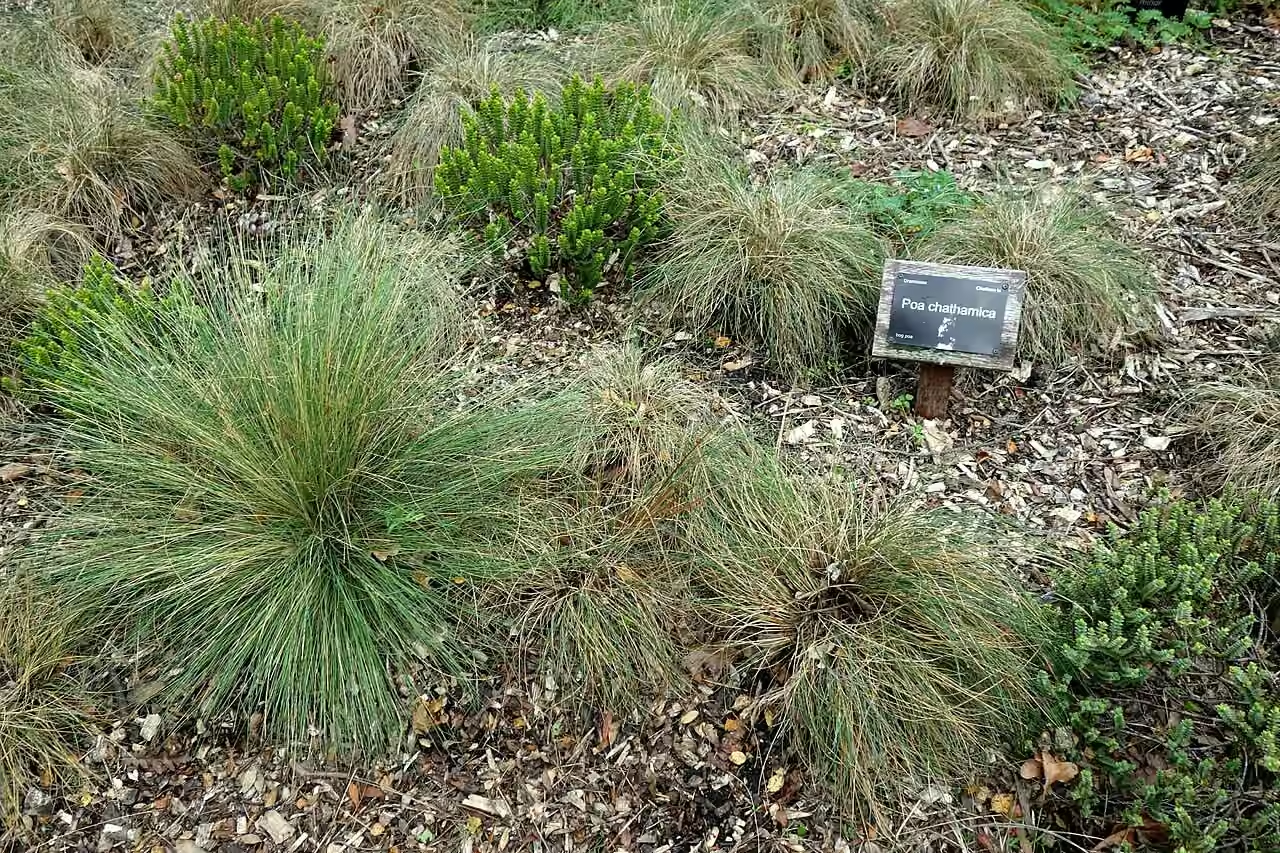
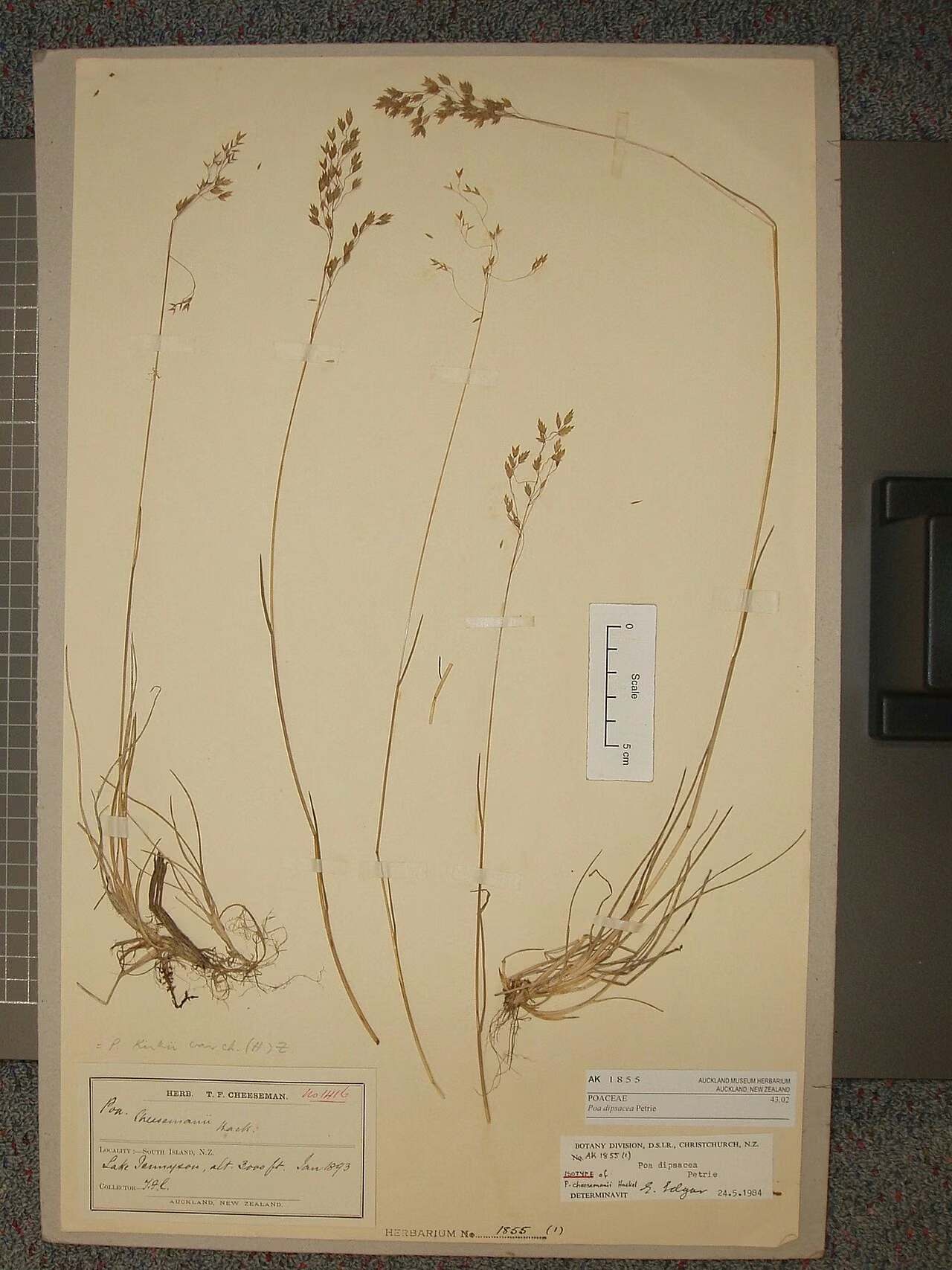
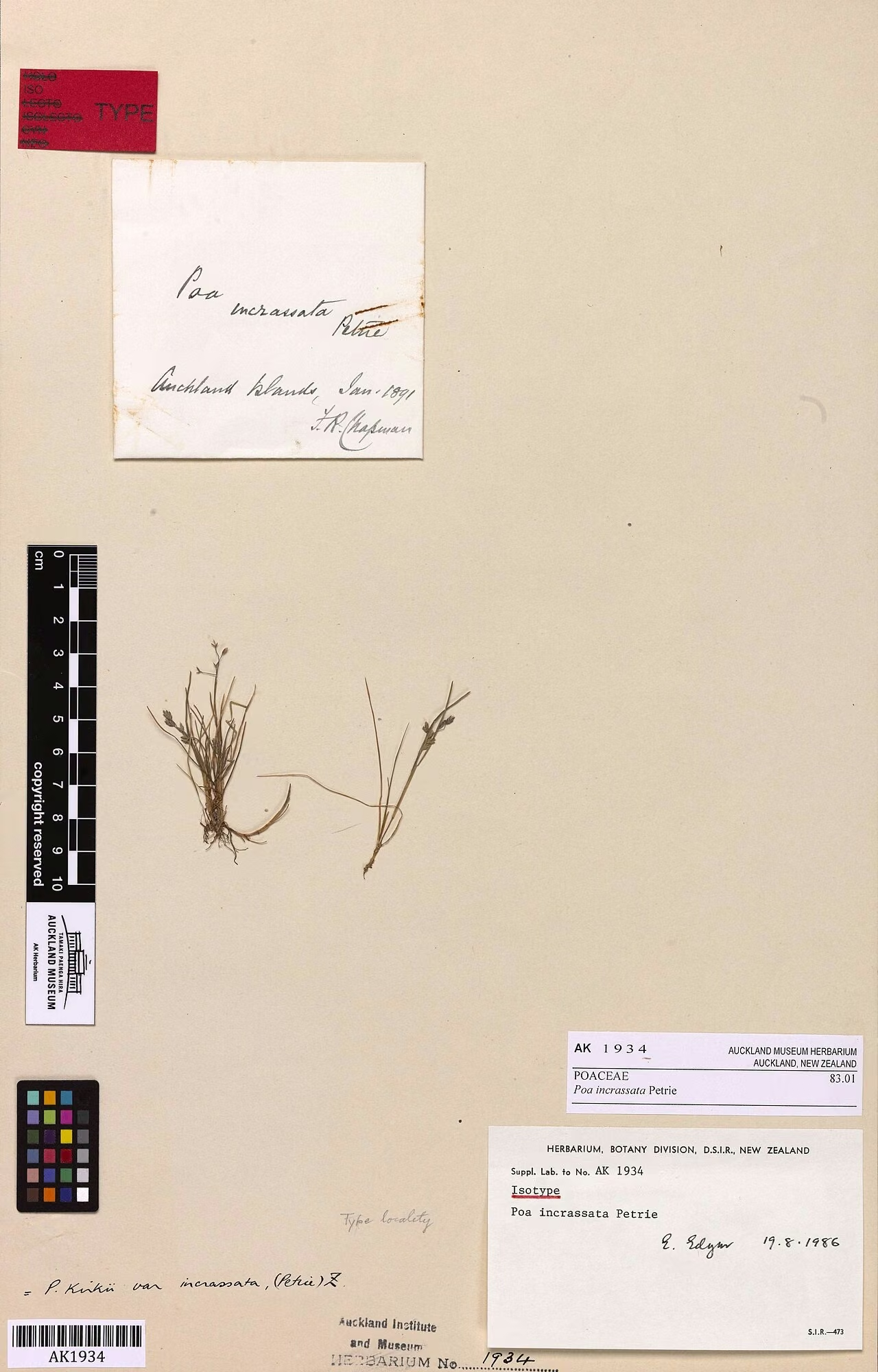
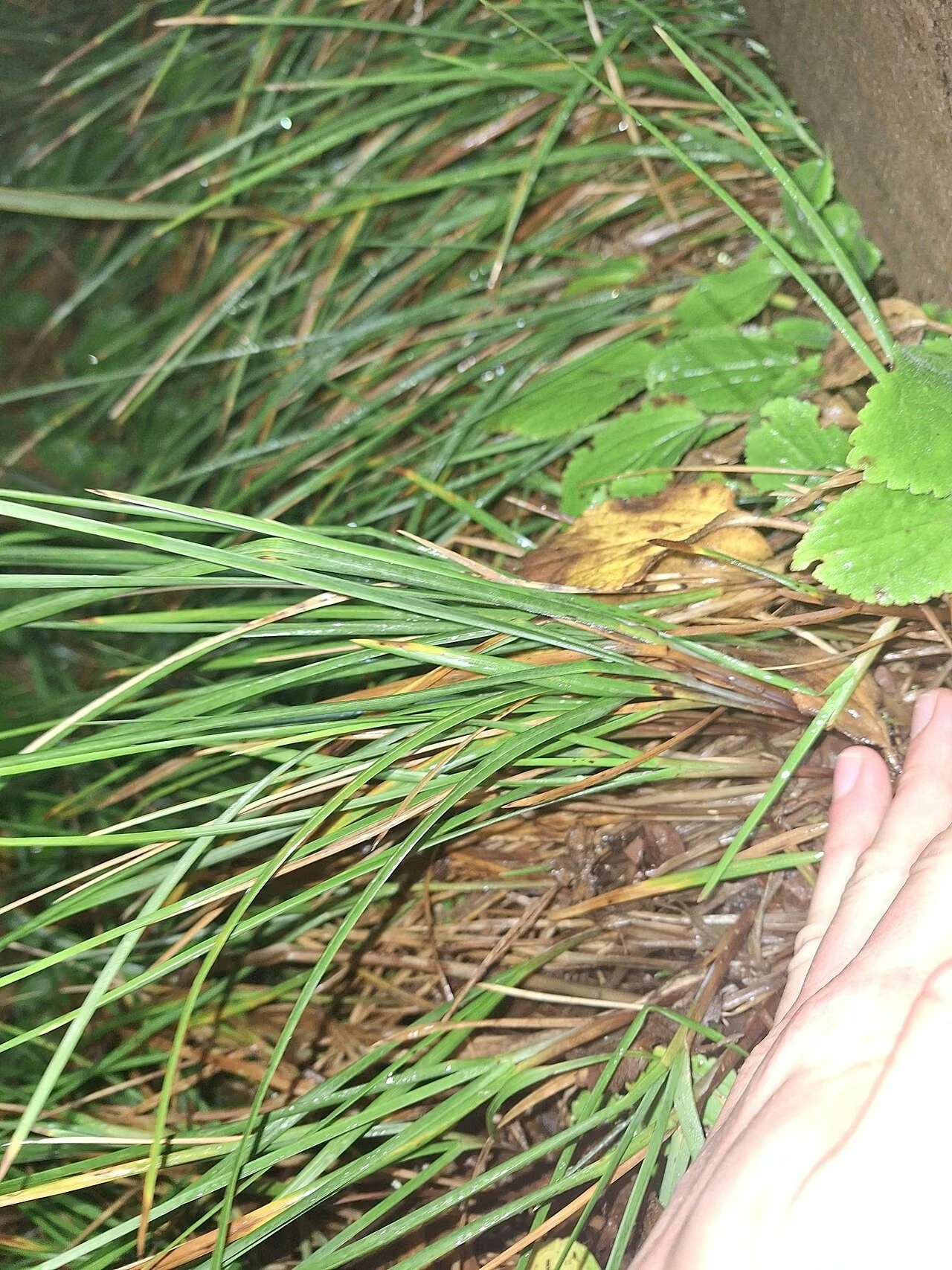
Explore other native plants that share similar characteristics or habitats with Avalanche Grass (Poa cockayneana), offering further insights into New Zealand's diverse flora. These related species provide context and opportunities for complementary planting in your garden.
Plant Conservation
Poa cockayneana is ranked Not Threatened (2023) and has held that ranking in every assessment since 2004. Much of its range lies within national parks and conservation land along the Main Divide.
No specific threats are recorded. Protecting alpine areas from browsing animals and weeds helps maintain the habitats it shares with many other alpine plants.
Frequently Asked Questions
Why is Poa cockayneana called avalanche grass?
It typically grows on damp, disturbed stony ground in alpine and subalpine areas that are swept by spring avalanches, where its spreading swards recover quickly after disturbance.
How do you tell avalanche grass from Poa cita?
Flora of New Zealand notes it forms swards rather than tussocks, with wider flat leaves, fewer but larger spikelets, and longer glumes and lemmas. The two often grow together, but avalanche grass reaches higher altitudes.
Who is Poa cockayneana named after?
It honours Leonard Cockayne (1855 to 1934), described by NZPCN as New Zealand's greatest botanist and a founder of modern science in New Zealand.
Where can I see avalanche grass?
Look along the Main Divide of the South Island, especially in Westland and Fiordland, in subalpine to alpine grassland and avalanche-scoured gullies. It occasionally extends east into Marlborough and Canterbury.
Sources and Further Reading
The botanical, growing, and conservation details for Avalanche Grass (Poa cockayneana) on this page draw on the New Zealand plant references below. Consult them for full technical records and the latest distribution data.