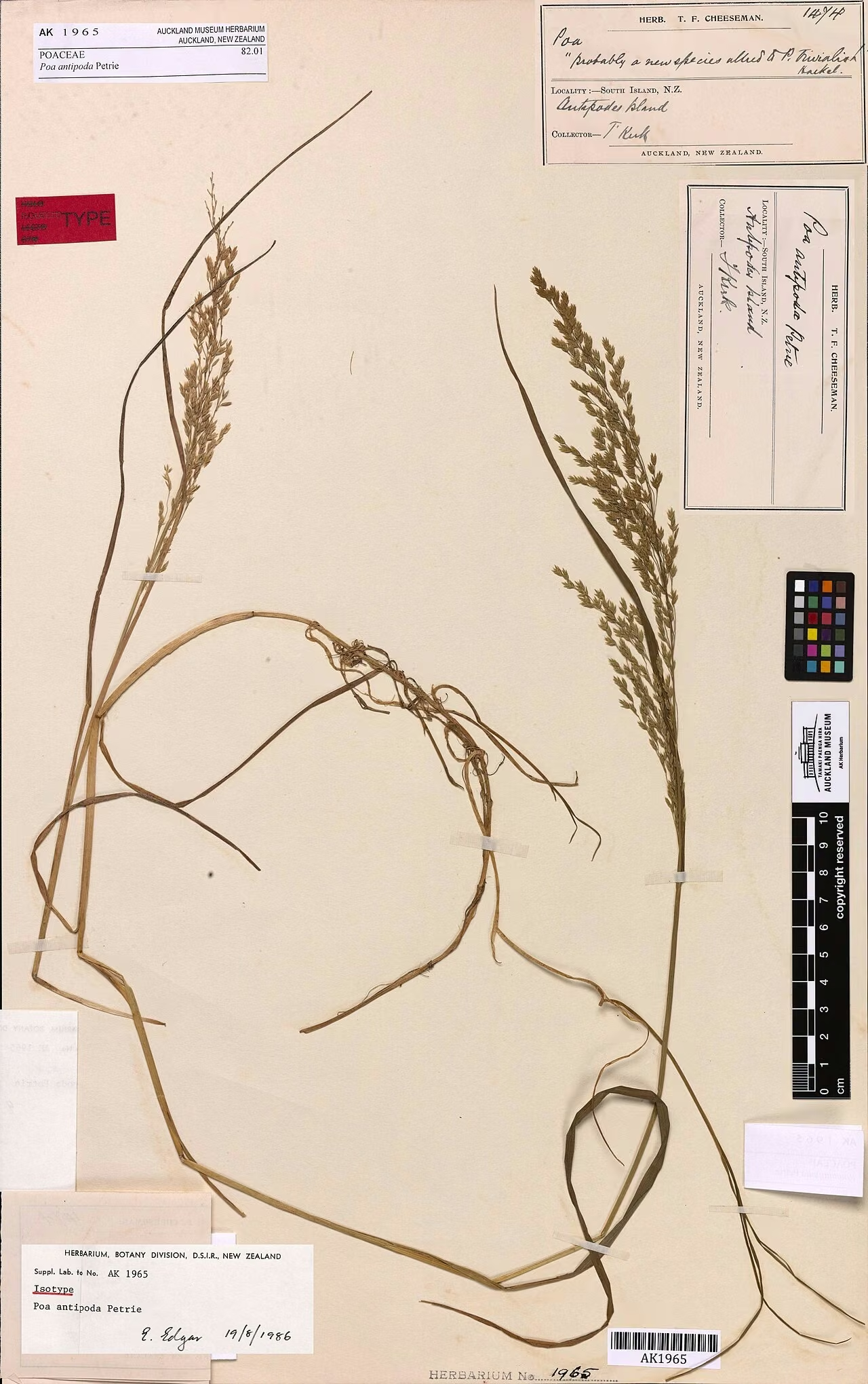
Poa
Poa antipoda
Last updated:
Poa antipoda is a soft, drooping, light green grass that forms loose stoloniferous tufts about 20 to 60 cm tall, rooting where its stems touch the ground. It is endemic to New Zealand's far south, growing on the Antipodes, Auckland and Campbell Islands and on tiny Herekopere Island off Stewart Island/Rakiura. It grows on coastal cliffs and rock outcrops and, inland, on damp banks and in herbfield. It is ranked At Risk - Naturally Uncommon because of its narrow range rather than any known decline, and its seed has not yet been described. Explore more native grasses and flaxes in our native plant guide.
Plant Description
Poa antipoda is a soft, more or less drooping, light green perennial grass that forms stoloniferous tufts about 20 to 60 cm tall. The stems root at the lower nodes, and branching is extravaginal, with new shoots breaking out through the base of the leaf-sheaths. The sheaths are light green to light brown, thin, distinctly ribbed and hairless, and the ligule is 1 to 4.5 mm long, entire and tapering to a fine point.
The leaf-blades are flat and soft, 75 to 250 mm long and 2 to 4.5 mm wide, and persist on the plant. The flowering panicle is open, with spreading branches carrying spikelets of two to four flowers. The lemma is 2.5 to 5 mm long, with long hairs on the lower half of the midnerve and at the base of the side nerves, and the callus has a narrow tuft of long fine hairs.
Among the subantarctic grasses, its soft, light green, drooping and stoloniferous habit, together with its broad flat leaves and open panicle, separates it from tussock-forming species such as Poa litorosa and from the small, narrow-leaved Poa aucklandica.
Quick Facts
| Scientific Name | Poa antipoda |
|---|---|
| Height | About 0.2-0.6 m |
| Spread | Loose, spreading tufts rooting at the nodes |
| Water Needs | Moist; damp banks and spray-washed cliffs |
| Light | Full sun to light shade on open coastal sites |
| Frost Tolerance | Moderate; cold oceanic climate |
| Salt Tolerance | Good; grows on coastal cliffs and rock outcrops |
| Growth Rate | Slow |
| Lifespan | Perennial |
Climate Best Suited to
Suits a cold, windy, cloudy and very wet oceanic climate with cool summers. NZPCN notes it is difficult to grow in warmer climates.
Regional Suitability
| City | Climate Suitability |
|---|---|
| Auckland | Low |
| Wellington | Low |
| Christchurch | Low |
| Dunedin | Medium |
Plant Habitat
Poa antipoda is endemic to New Zealand and is recorded from Herekopere Island, a small island off Stewart Island/Rakiura, and from the subantarctic Antipodes Islands, Auckland Islands and Campbell Island/Motu Ihupuku.
It grows in two kinds of place. On the coast it occupies cliffs and rock outcrops, and inland it grows on damp banks and in herbfield.
Growing Requirements
Soil Requirements
It roots into moist peaty soil on banks and in herbfield, and into soil pockets on coastal rock.
- Moist, organic or peaty soil
- Rock ledges and crevices on cliffs
- Does not need high fertility
Light Requirements
It grows on open coastal cliffs and in herbfield, under the frequent cloud of the southern islands.
- Open sites with diffuse light
- Tolerates exposure to wind
Water Requirements
Its habitats are kept damp by frequent rain, fog and sea spray.
- Needs constant moisture
- Poorly suited to hot, dry summers
Planting and Establishing
Poa antipoda is not commercially available, and its island habitats are protected reserves where plants must not be collected. NZPCN notes it is difficult to grow in warmer climates.
If cultivated material is available, plant it in a cool, moist spot in the far south, such as a damp bank or a shaded rock garden, where its stems can root and spread.
Ecological Role
Poa antipoda forms part of the coastal and herbfield grass cover on several of New Zealand's southern islands. Like other grasses it is wind-pollinated; NZPCN records flowering in October and November.
NZPCN notes that its seed has not yet been seen, so how it reproduces and disperses in the wild is poorly known. Its habit of rooting at the nodes suggests it spreads at least partly by vegetative growth.
Uses & Significance
Garden Uses
It has no established garden use and is grown, if at all, only by specialists.
- Possible soft groundcover for cool, damp southern gardens
- Of interest for collections of subantarctic plants
Ecological Value
It helps bind soil on cliffs, rock outcrops and damp banks on remote islands where vegetation cover is vital for nesting seabirds and invertebrates.
- Soil stabilisation on coastal cliffs
- Part of subantarctic herbfield
Landscaping Uses
There is no landscaping tradition for this grass. Its soft, drooping, light green foliage would make an informal mat on a cool, damp bank, but its slow growth and dislike of warmth limit its use.
For a similar soft, fine look in mainland gardens, choose native grasses already grown by nurseries for local conditions.
Seasonal Care Calendar
Spring
Flowering takes place in October and November, with open panicles held above the foliage.
- Flowering
- New stolons grow
Summer
Stems continue to spread and root at the nodes during the cool subantarctic summer.
- Vegetative spread
- Keep moist if cultivated
Autumn
Growth slows as temperatures fall. Seed has not yet been described for this species.
- Growth slows
- Old flowering stems wither
Winter
Tufts persist through the cold, wet winter with their leaves intact.
- Little growth
- Leaves persist
When to Prune and How Much
No regular pruning is needed. In cultivation, comb out dead leaves and old flowering stems by hand in late summer to keep tufts tidy.
Avoid cutting the plant hard, as it is slow to regrow.
How to Grow Poa
NZPCN describes Poa antipoda as difficult to grow in warmer climates and rather slow growing, and it notes that seed has not yet been seen. That makes vegetative propagation the most realistic approach. Its natural populations lie in protected reserves on the subantarctic islands and Herekopere Island, so material must not be taken from the wild without a permit. The methods below follow general practice for soft stoloniferous grasses and are best attempted in a cool southern climate.
By Division
Because the stems root at the nodes, rooted sections can be separated from an established cultivated plant. Divide in cool, moist weather so the pieces do not dry out.
- Choose a healthy cultivated tuft with stems already rooting at the nodes
- Cut or tease off rooted sections, each with several shoots
- Pot into a moist, free-draining mix with some organic matter
- Keep cool and lightly shaded until new growth appears
- Plant out once a good root system has formed
From Seed
Seed propagation is not currently possible to describe with confidence because NZPCN records that seed has not yet been seen. If ripe seed were found on cultivated plants, it would be sown fresh in the usual way for Poa species.
- Check cultivated plants for ripe florets after flowering
- Sow any seed on a moist seed-raising mix and cover lightly
- Keep cool and evenly damp
- Prick out seedlings into small pots once they are a few centimetres tall
Pests & Diseases
No pests or diseases specific to Poa antipoda are recorded. Introduced grazing animals on some subantarctic islands affected grasses in the past, and their removal has allowed vegetation to recover.
In cultivation the main problem is likely to be heat and drought stress rather than any pest.
Cultural Significance
No Māori name or traditional Māori use is recorded for Poa antipoda in the sources consulted.
The epithet antipoda refers to the Antipodes, the lands on the opposite side of the world from Europe, The species was named by Donald Petrie, and its lectotype was collected on Antipodes Island in January 1890.
Bonus Tip
To tell Poa antipoda from other southern grasses in the field, look for the combination of soft, broad, light green leaves and stems that root where they touch the ground. Most other Poa species on the same islands are either stiff tussocks or tiny, narrow-leaved tufts.
Related Plants
Explore other native plants that share similar characteristics or habitats with Poa (Poa antipoda), offering further insights into New Zealand's diverse flora. These related species provide context and opportunities for complementary planting in your garden.
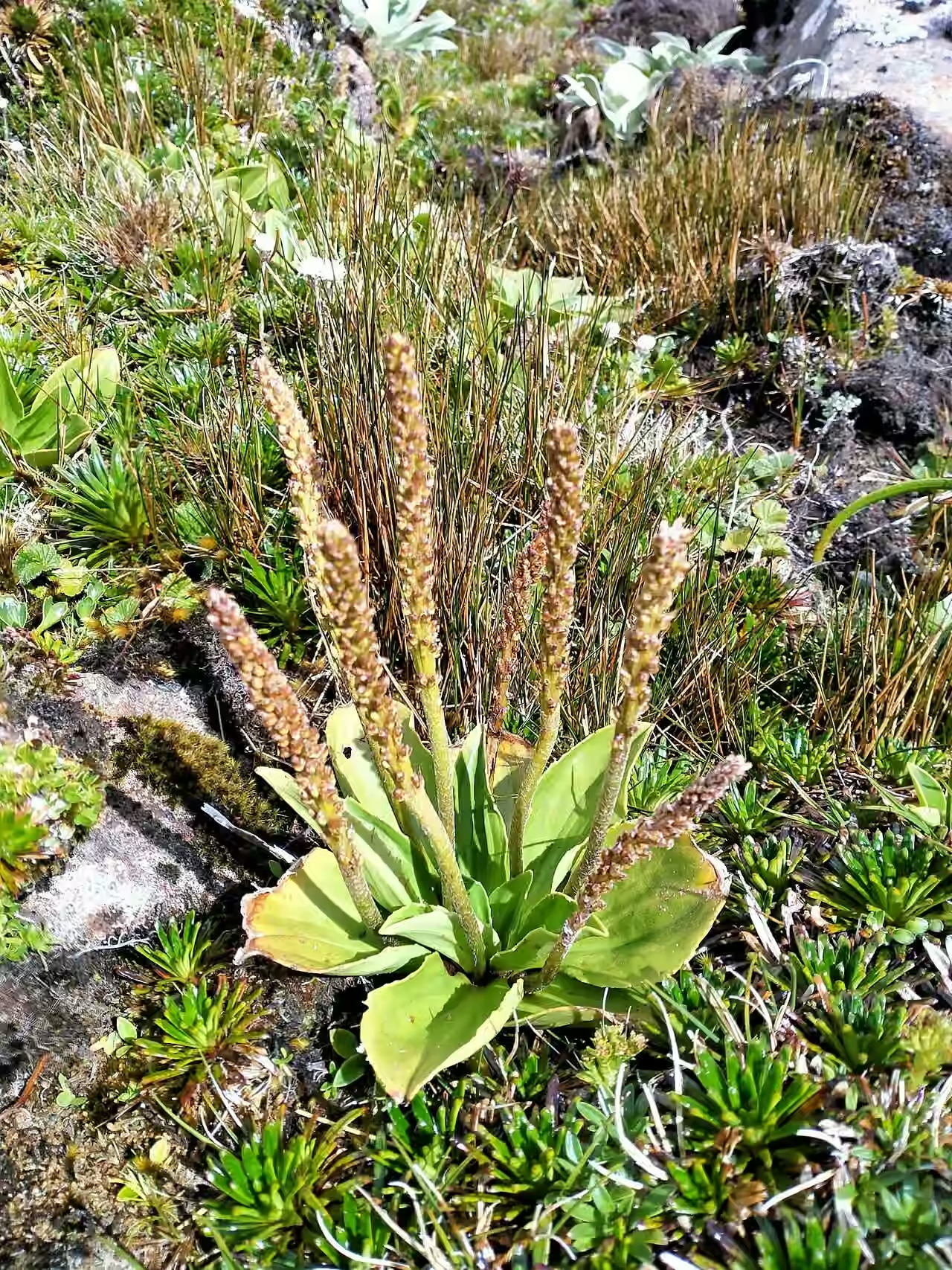
Plantago aucklandica
Plantago aucklandica
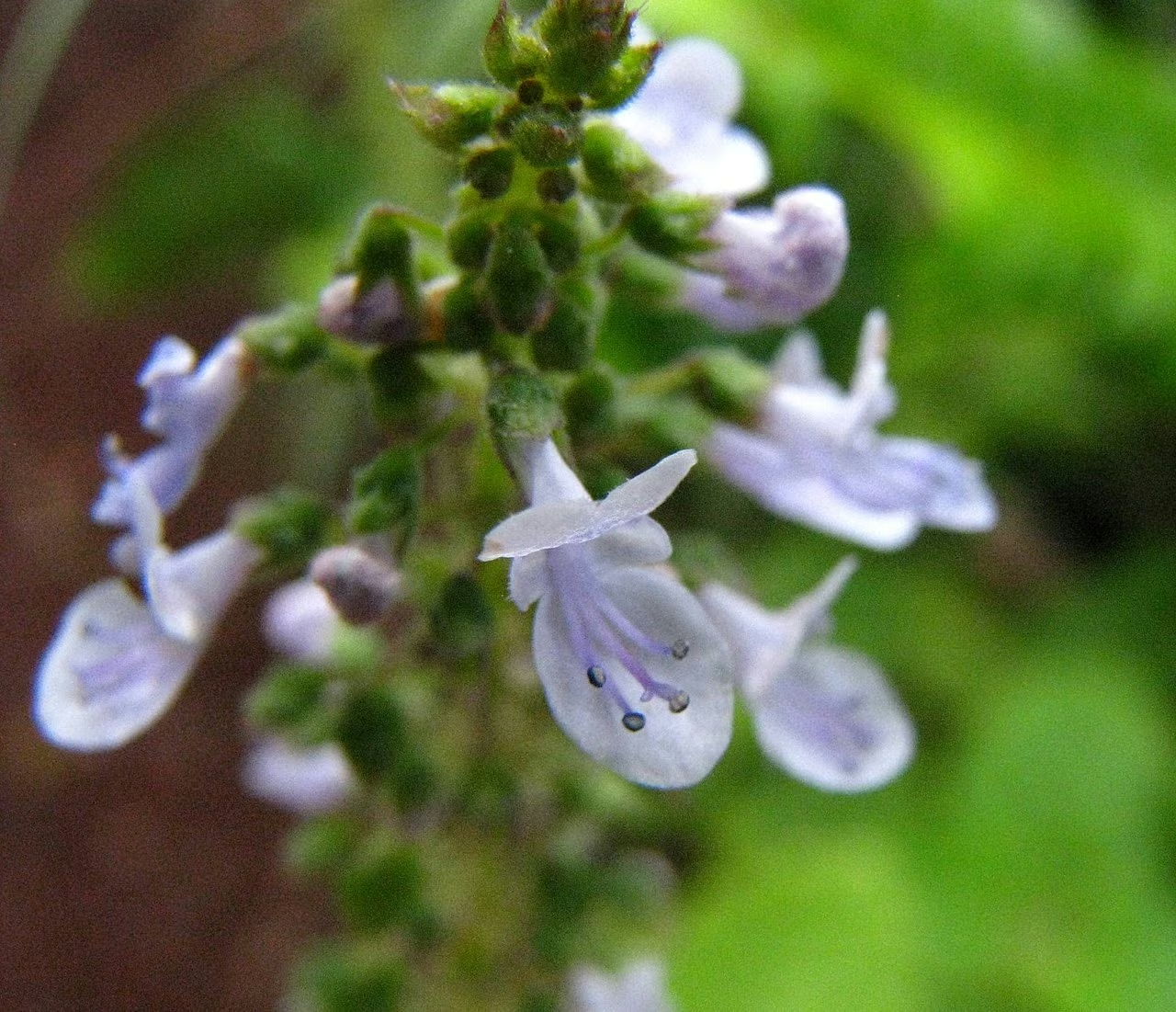
Cockspur Flower
Coleus australis
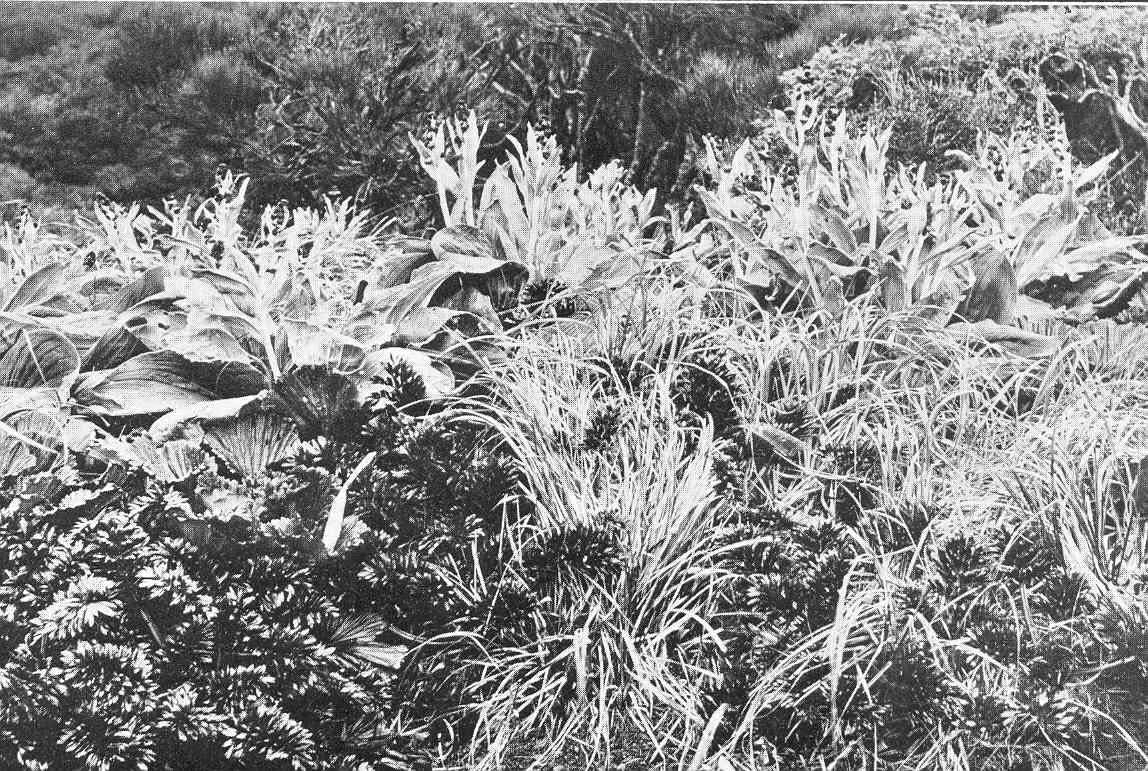
Pleurophyllum criniferum
Pleurophyllum criniferum
Auckland Island Poa
Poa aucklandica subsp. aucklandica
Campbell Island Poa
Poa aucklandica subsp. campbellensis
Poa breviglumis
Poa breviglumis
Scree Poa
Poa buchananii
Acicularifolia Grass
Poa Acicularifolia Grass
Plant Conservation
Poa antipoda is ranked At Risk - Naturally Uncommon (2023) with the qualifiers Range Restricted and Sparse. NZPCN notes it is not under active threat; it is listed because it is a narrow-range endemic that is naturally uncommon throughout its known range.
Its island habitats are protected as nature reserves, and the subantarctic islands form part of a World Heritage Area. Maintaining biosecurity to keep rodents, grazing animals and weeds off these islands is the key to its long-term security.
Frequently Asked Questions
Where is Poa antipoda found?
It is endemic to New Zealand and is recorded from Herekopere Island off Stewart Island/Rakiura, and from the subantarctic Antipodes, Auckland and Campbell Islands.
Is Poa antipoda threatened?
It is ranked At Risk - Naturally Uncommon with the qualifiers Range Restricted and Sparse. NZPCN notes it is not threatened as such but is a narrow-range endemic that is naturally uncommon.
How do you recognise Poa antipoda?
Look for soft, light green, drooping tufts that root at the nodes, flat soft leaves 75 to 250 mm long and 2 to 4.5 mm wide, and open panicles with spreading branches.
Can Poa antipoda be grown in mainland gardens?
NZPCN says it is difficult to grow in warmer climates and rather slow growing, so it is only suited to cool, moist southern conditions and is not sold commercially.
Sources and Further Reading
The botanical, growing, and conservation details for Poa (Poa antipoda) on this page draw on the New Zealand plant references below. Consult them for full technical records and the latest distribution data.