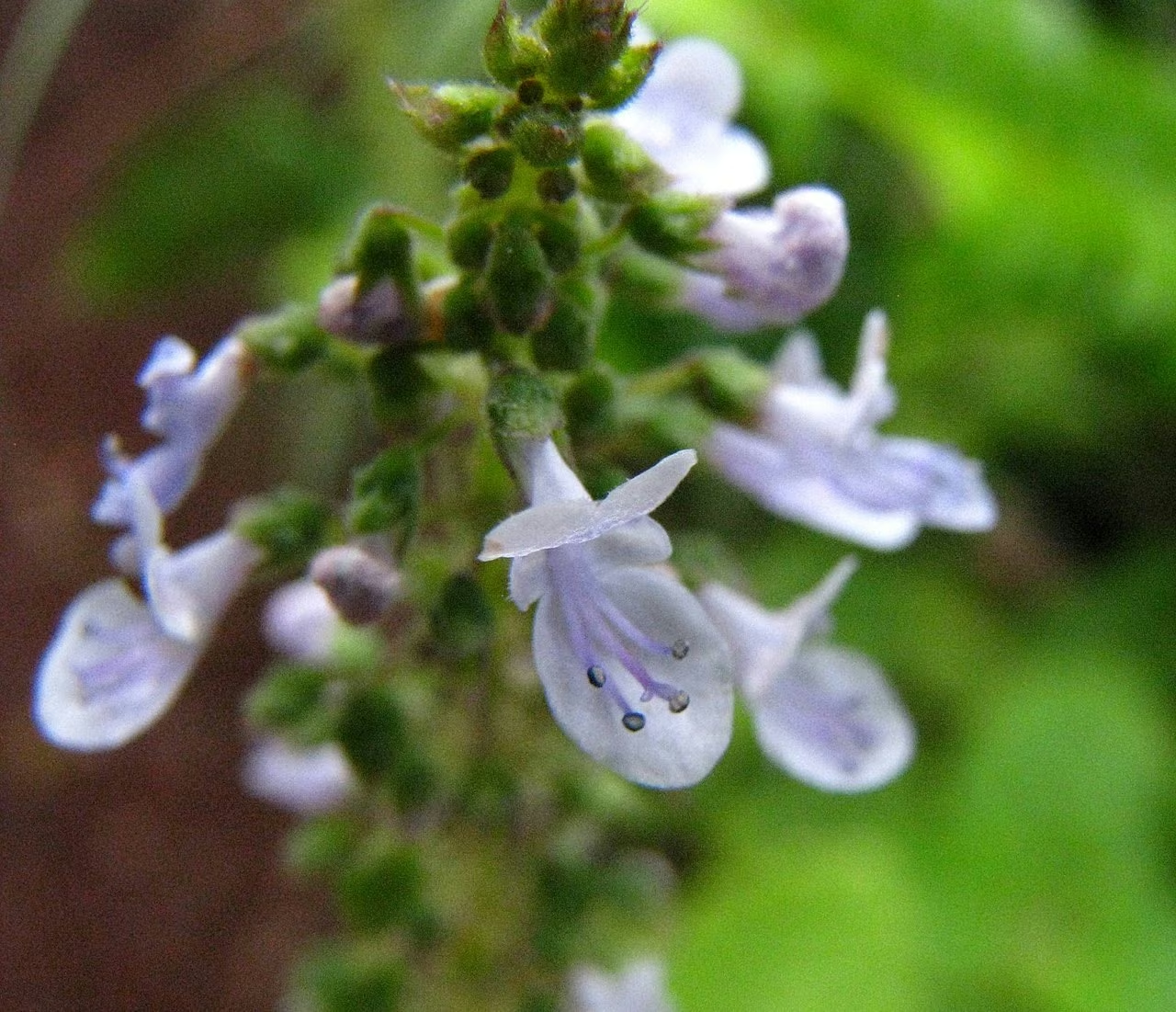
Cockspur Flower
Coleus australis
Last updated:
Cockspur flower (Coleus australis, now Coleus australis) is an aromatic perennial herb in the mint family that grows up to about 1 m tall from a tuberous base. Its broadly oval, toothed leaves give off a pungent but lemony scent when bruised, and from spring to autumn it carries spikes of small pale blue to whitish flowers. In New Zealand it is known only from a few North Island sites in Northland, near Kawhia Harbour and on the Coromandel, usually on base-rich rock in regenerating forest. It was first found wild here in 1989 and is classed as a natural coloniser from Australia and the Pacific. It was previously known as Plectranthus parviflorus. Explore more native flowering plants in our native plant guide.
Plant Description
Cockspur flower is a perennial herb whose stems are erect to sprawling and reach about 1 m, dying back almost to the tuberous rootstock after flowering. All parts are aromatic when bruised, with a pungent yet subtly lemon-scented smell. The leaves are broadly ovate, 30 to 80 mm long and 20 to 70 mm wide, with a truncate base and up to ten pairs of rounded teeth along the margin; they are uniformly green to yellow-green.
Flowers are borne in whorls of 8 to 20 along terminal spikes. Each two-lipped flower is 8 to 11 mm long, with a violet upper lip and a pale blue to mauve-blue or whitish lower lip, the shape typical of the mint family. The fruit splits into small, glossy brown nutlets 0.8 to 1 mm long.
Several Coleus and Plectranthus species are naturalised in New Zealand from gardens. Cockspur flower is told apart by its tuberous rootstock, its plain green to yellow-green leaves without purple colouring, its distinctive lemony smell and its small pale blue to whitish flowers.
Quick Facts
| Scientific Name | Coleus australis |
|---|---|
| Height | Up to about 1 m |
| Spread | Clump-forming; no reliable spread figure |
| Water Needs | Low to moderate; drought tolerant |
| Light | Full sun to partial shade |
| Frost Tolerance | Low; a coastal and lowland northern plant |
| Salt Tolerance | No reliable information |
| Growth Rate | Fast |
| Lifespan | Perennial, dying back to a tuberous base after flowering |
Climate Best Suited to
Suits warm, frost-free or near frost-free northern climates. It handles dry spells well but grows most lushly with some moisture and shelter.
Regional Suitability
| City | Climate Suitability |
|---|---|
| Auckland | High |
| Wellington | Medium |
| Christchurch | Low |
| Dunedin | Low |
Plant Habitat
In New Zealand cockspur flower is known only from the North Island: at Tangihua and Mimiwhanga in Northland, at Pukenoi and in the Awaroa and Pirorua Valleys near Kawhia Harbour in the Waikato, and at Whenuakite on the Coromandel Peninsula. Overseas it occurs in eastern Australia, the Hawaiian Islands, Rarotonga and the Austral Islands.
It is a coastal to lowland plant, mostly found on base-rich rocks in regenerating or early successional forest. Plants come up on rock outcrops and occasionally on slips, where there is open ground and good light.
Growing Requirements
Soil Requirements
In the wild it favours base-rich rock outcrops with pockets of free-draining soil.
- Free-draining, rocky or gritty soil
- Tolerates thin soils on rock walls
- Neutral to base-rich conditions suit it
Light Requirements
It grows in the open margins of regenerating forest and on sunny rock outcrops.
- Full sun on rock walls
- Partial shade gives the lushest growth
Water Requirements
The tuberous base lets it survive dry periods, and NZPCN notes it is drought tolerant.
- Water to establish, then only in long dry spells
- Ample moisture improves appearance
Planting and Establishing
Plant in spring in a sheltered, warm spot with free-draining soil, such as a sunny rock wall, bank or raised bed. Space plants about 50 cm apart and water in well.
Because NZPCN warns it may become invasive in gardens, avoid planting it next to bush remnants or reserves, and deadhead plants if you do not want them to self-seed.
Ecological Role
As a member of the mint family, cockspur flower has two-lipped flowers adapted for insect visitors, though no New Zealand study of its pollinators was found. NZPCN notes that herbivores usually leave it alone, probably because of its strongly aromatic foliage.
It behaves as an early successional plant, appearing on rock outcrops and slips in regenerating forest where competition is low. Since it was first found in 1989 the New Zealand populations appear stable and may be expanding their range.
Uses & Significance
Garden Uses
A quick, easy and aromatic filler for warm gardens, valued for its pale blue flower spikes and scented leaves.
- Sunny rock walls and dry banks
- Partly shaded borders with good moisture
- Container plant in warm areas
Ecological Value
Its role in New Zealand ecosystems is small because it occurs at only a handful of sites, but it provides nectar for insects and cover on bare rock.
- Long flowering season for insect visitors
- Colonises bare rock and slips
Landscaping Uses
Use cockspur flower to soften rock walls, the edges of steps or a dry bank, where its soft leaves and pale spikes contrast with stone. In partial shade it makes a lush, informal clump that suits a woodland edge planting.
Since it dies back to its tuberous base after flowering, pair it with evergreen groundcovers so the spot does not look bare later in the year.
Seasonal Care Calendar
Spring
New shoots rise from the tuberous base and flowering can begin from October.
- Fresh aromatic growth
- Good time to plant or take cuttings
Summer
The main flowering season, with whorls of pale blue to whitish flowers on terminal spikes.
- Peak flowering
- Water in prolonged drought
Autumn
Flowering can continue into April or May while nutlets ripen.
- Seed set
- Deadhead to limit self-seeding
Winter
Stems die back almost to the tuberous base after flowering, and the plant rests.
- Cut back dead stems
- Protect from hard frost
When to Prune and How Much
Cut old stems back close to the tuberous base once they die back after flowering. This tidies the plant and makes room for fresh spring shoots.
Pinching the tips of young stems in spring encourages bushier growth, and removing spent flower spikes reduces self-seeding.
How to Grow Cockspur Flower
NZPCN describes cockspur flower as very easy to propagate from both seed and stem cuttings. Because the species is rare in the wild in New Zealand, start from nursery plants or cultivated stock rather than collecting from the few natural sites. Its ease of propagation is also why NZPCN cautions that it may become invasive in gardens, so raise only as many plants as you need and keep seedlings from escaping into natural areas.
From Cuttings
Like most of its relatives in the mint family, cockspur flower roots quickly from soft stem cuttings. Take cuttings from spring to late summer while the plant is in active growth.
- Cut 8 to 10 cm lengths of healthy, non-flowering shoot tips
- Remove the lower leaves and trim just below a node
- Insert into a free-draining cutting mix or even a glass of water
- Keep warm, bright and out of direct sun until roots form, usually within a few weeks
- Pot on into individual containers once well rooted
From Seed
Seed is produced as tiny glossy brown nutlets from late spring into autumn. Sow fresh seed in warmth; NZPCN rates it very easy from seed, so expect plenty of seedlings from a small sowing.
- Collect spikes as the nutlets turn brown
- Sow on the surface of a fine seed-raising mix and press in lightly
- Keep moist and warm
- Prick out seedlings when they have two or three pairs of true leaves
Pests & Diseases
NZPCN notes that herbivores generally leave this plant alone. No specific pests or diseases are recorded for it in New Zealand.
In cultivation, its soft growth may attract slugs, snails or mealybugs, and the tuberous base can rot in cold, waterlogged soil over winter.
Cultural Significance
No Māori name or traditional Māori use is recorded for this plant, which is consistent with it only having been found wild in New Zealand since 1989.
The species was described in 1806 by Willdenow as Coleus australis, meaning small-flowered. In 2019 a revision of Coleus and Plectranthus moved it to Coleus, where it is now called Coleus australis, from the Latin for southern.
Bonus Tip
Crush a leaf to confirm the identity: cockspur flower has a pungent yet lemony smell, and NZPCN uses this scent, together with its plain green leaves and tuberous base, to separate it from the garden Plectranthus and Coleus species that have escaped in northern New Zealand.
Related Plants
Explore other native plants that share similar characteristics or habitats with Cockspur Flower (Coleus australis), offering further insights into New Zealand's diverse flora. These related species provide context and opportunities for complementary planting in your garden.
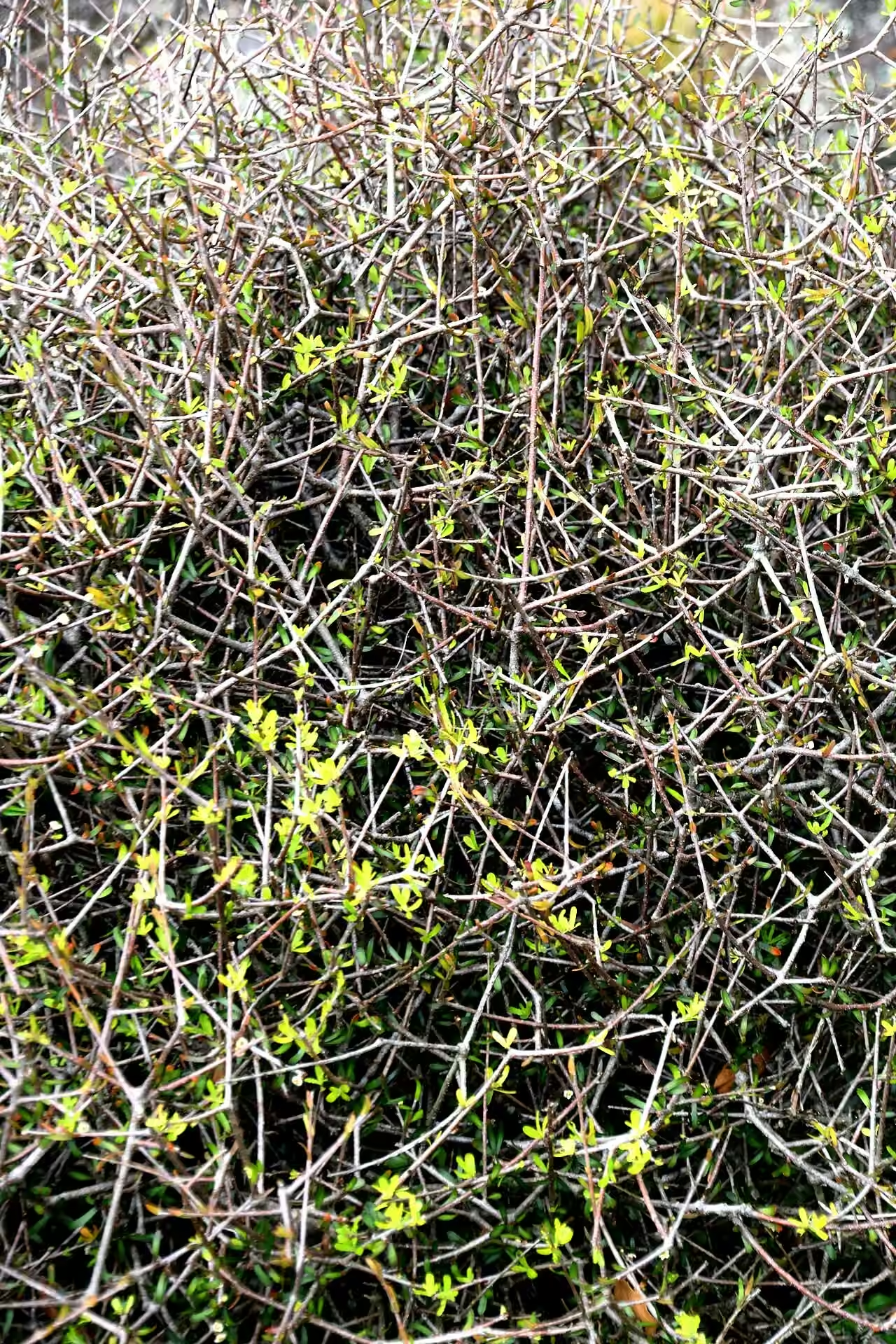
Pittosporum anomalum
Pittosporum anomalum
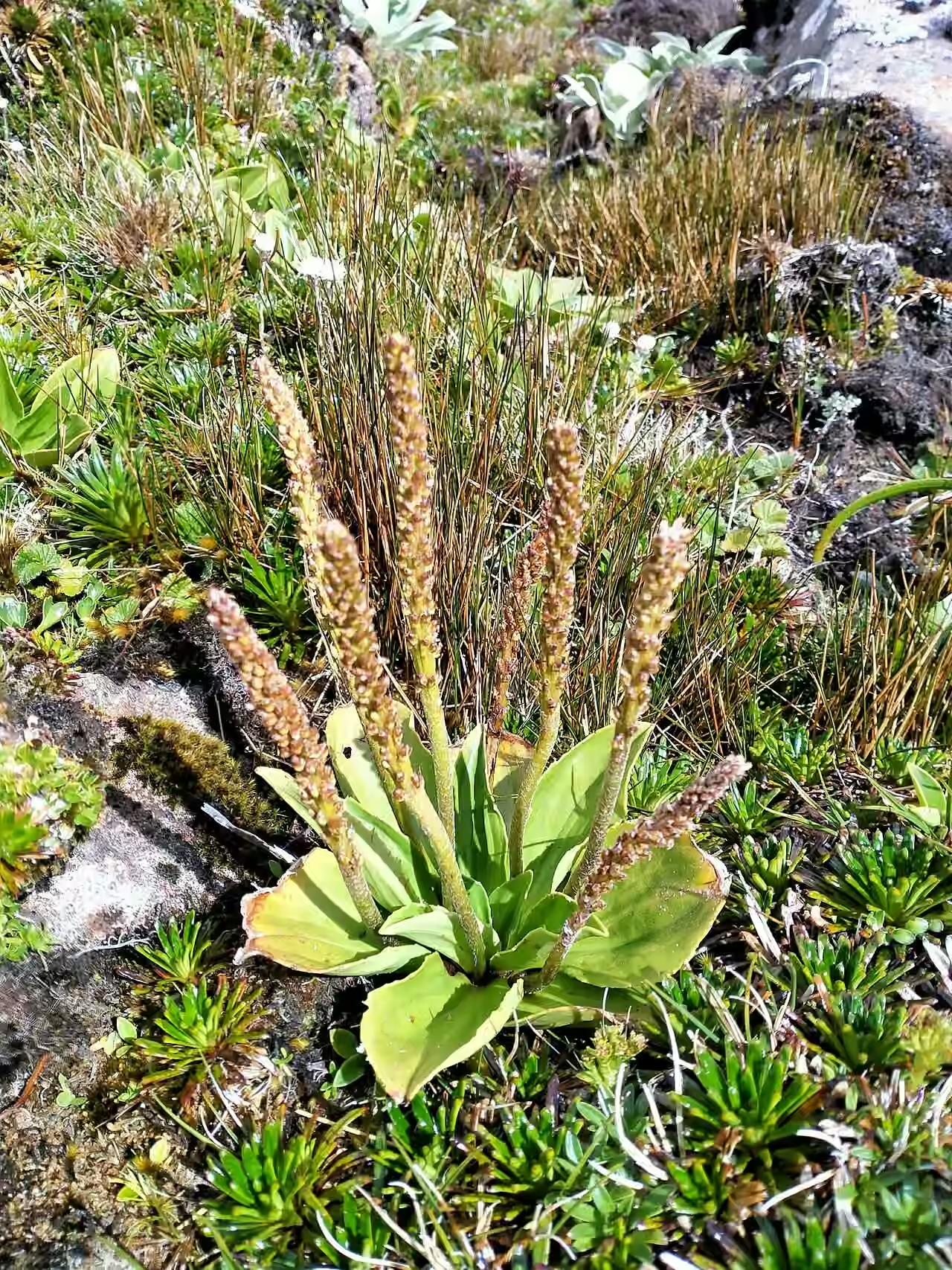
Plantago aucklandica
Plantago aucklandica
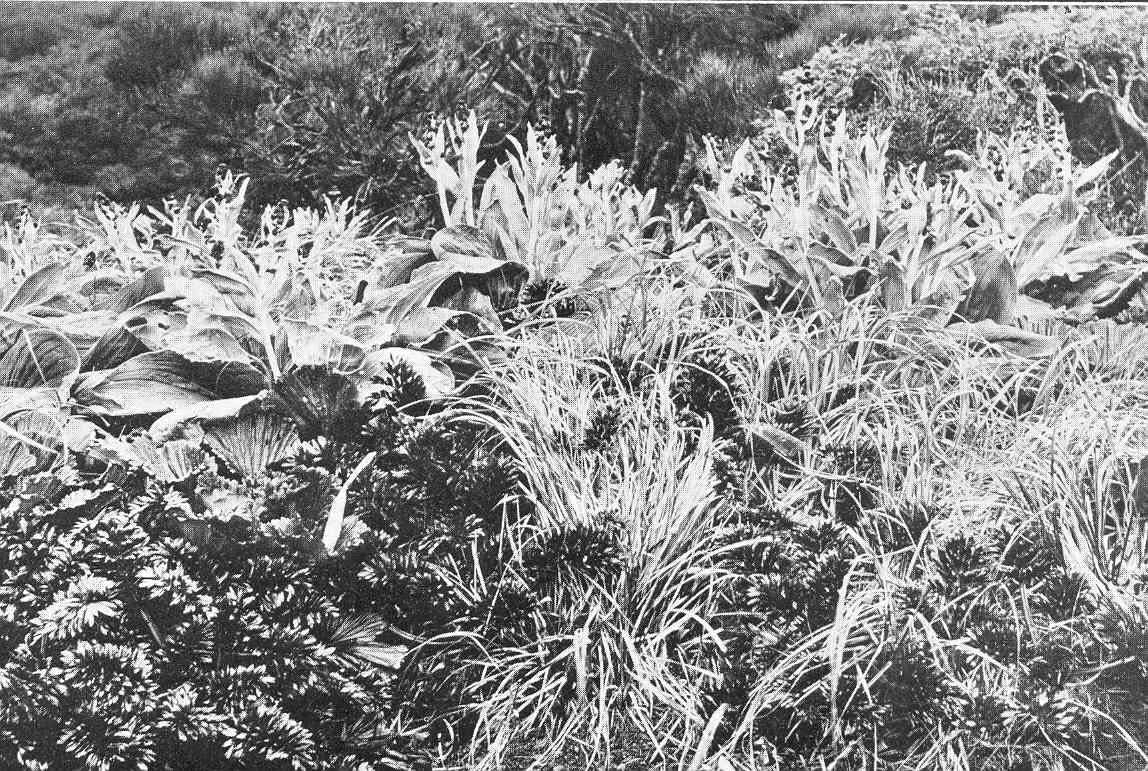
Pleurophyllum criniferum
Pleurophyllum criniferum
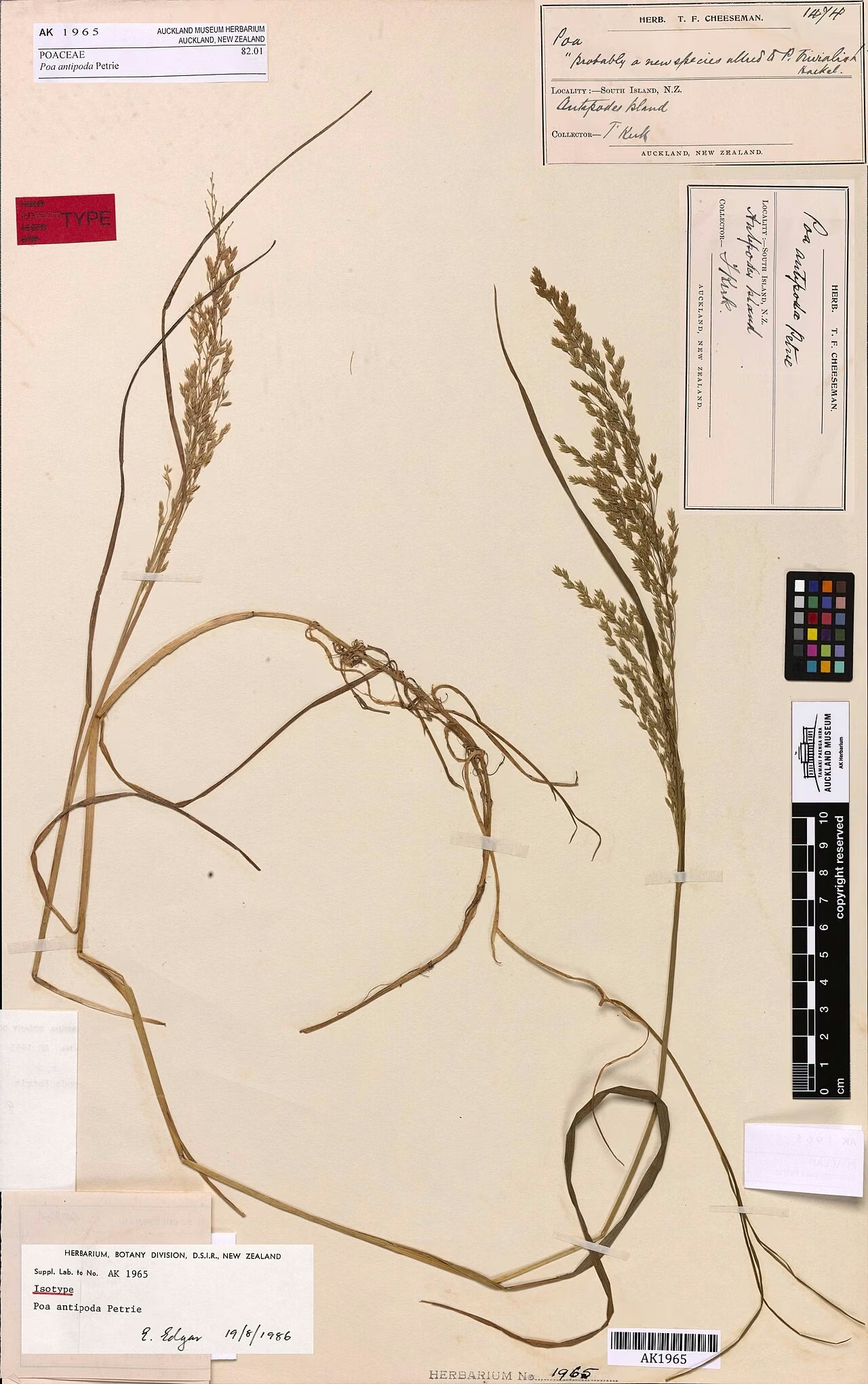
Poa antipoda
Poa antipoda
Auckland Island Poa
Poa aucklandica subsp. aucklandica
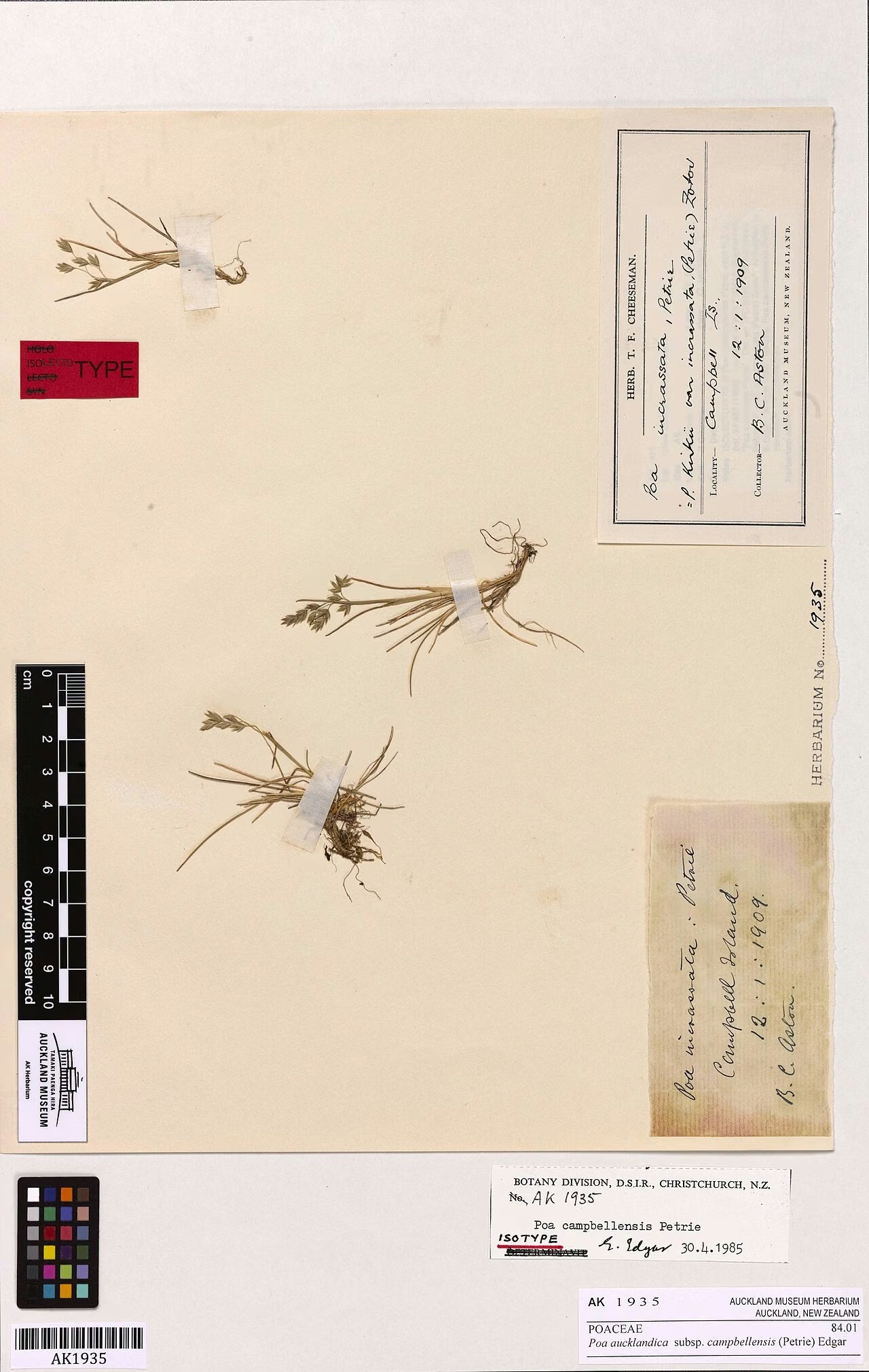
Campbell Island Poa
Poa aucklandica subsp. campbellensis
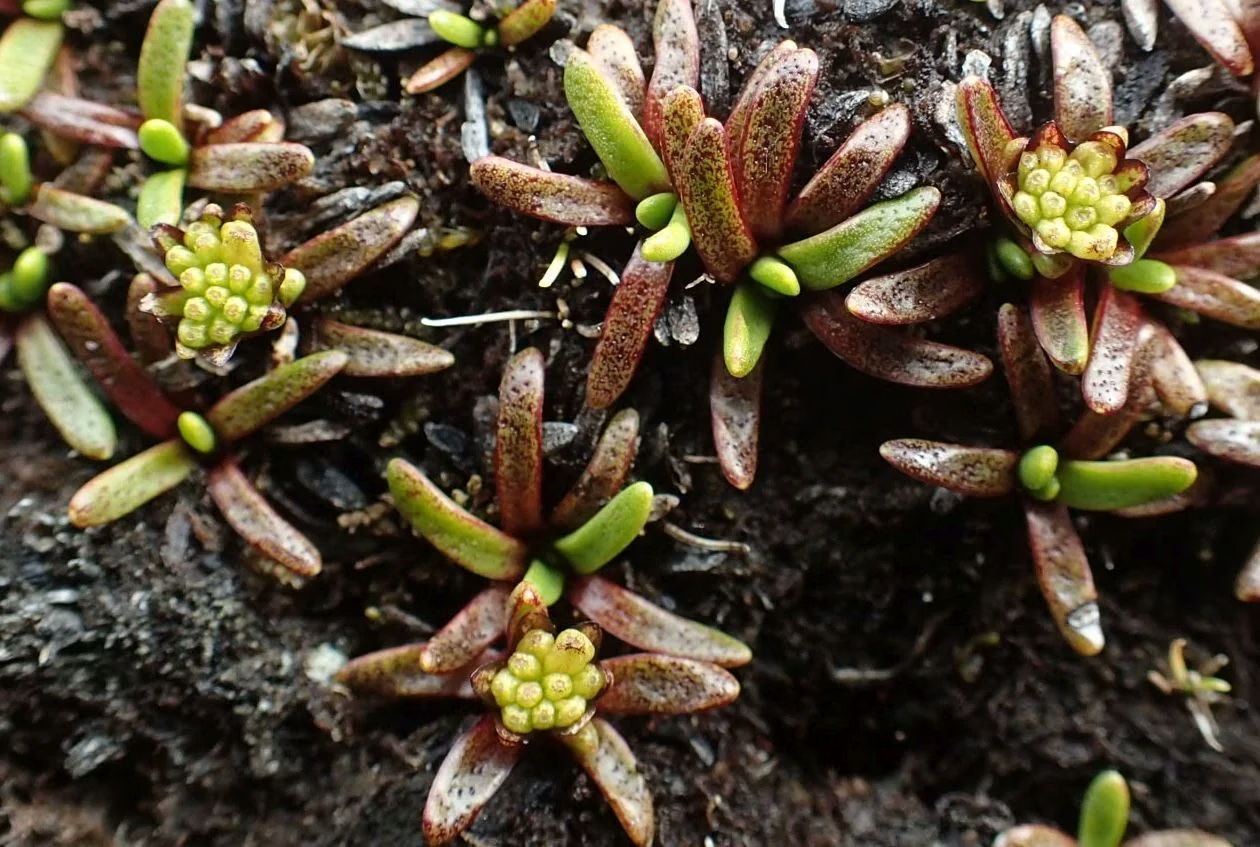
Cushion Daisy
Cushion Daisy
Fertilis Plant
Fertilis Plant
Plant Conservation
Cockspur flower is ranked Non-resident Native - Coloniser (2023) with the qualifier Secure Overseas. This category covers native species that have arrived and established naturally in recent decades.
NZPCN reports that the New Zealand populations are stable and possibly increasing. The main concern is not loss of the species but its potential to spread from gardens, so it should be planted responsibly.
Frequently Asked Questions
Is Coleus australis native to New Zealand?
Yes, it is treated as indigenous. It was first recorded wild in New Zealand in 1989 and is classed as a Non-resident Native - Coloniser, meaning it arrived naturally, probably from Australia, and has recently established.
What is the new name for Coleus australis?
In 2019 it was moved to the genus Coleus and its accepted name is now Coleus australis. Plectranthus parviflorus and Plectranthus australis are both synonyms.
Is cockspur flower easy to grow?
NZPCN describes it as very easy from seed and stem cuttings. It is drought tolerant, does well on sunny rock walls and looks best in partial shade with ample moisture.
Can cockspur flower become weedy?
NZPCN notes it could become invasive in gardens and may spread further in the wild in future, so grow it with some care and do not plant it near natural areas where it does not already occur.
Sources and Further Reading
The botanical, growing, and conservation details for Cockspur Flower (Coleus australis) on this page draw on the New Zealand plant references below. Consult them for full technical records and the latest distribution data.