Royal Fern
Osmunda regalis
Last updated:
ferns profile: Royal Fern (Osmunda regalis) is an exotic fern naturalised in New Zealand wetlands. Flora of New Zealand records it from scattered North Island sites, especially Waikato and Hauraki Plains wetlands, and the conservation profile marks it as an NPPA pest plant and environmental weed. This page treats it as an identification and management profile, not a native planting recommendation.
Plant Description
Identification and Physical Characteristics
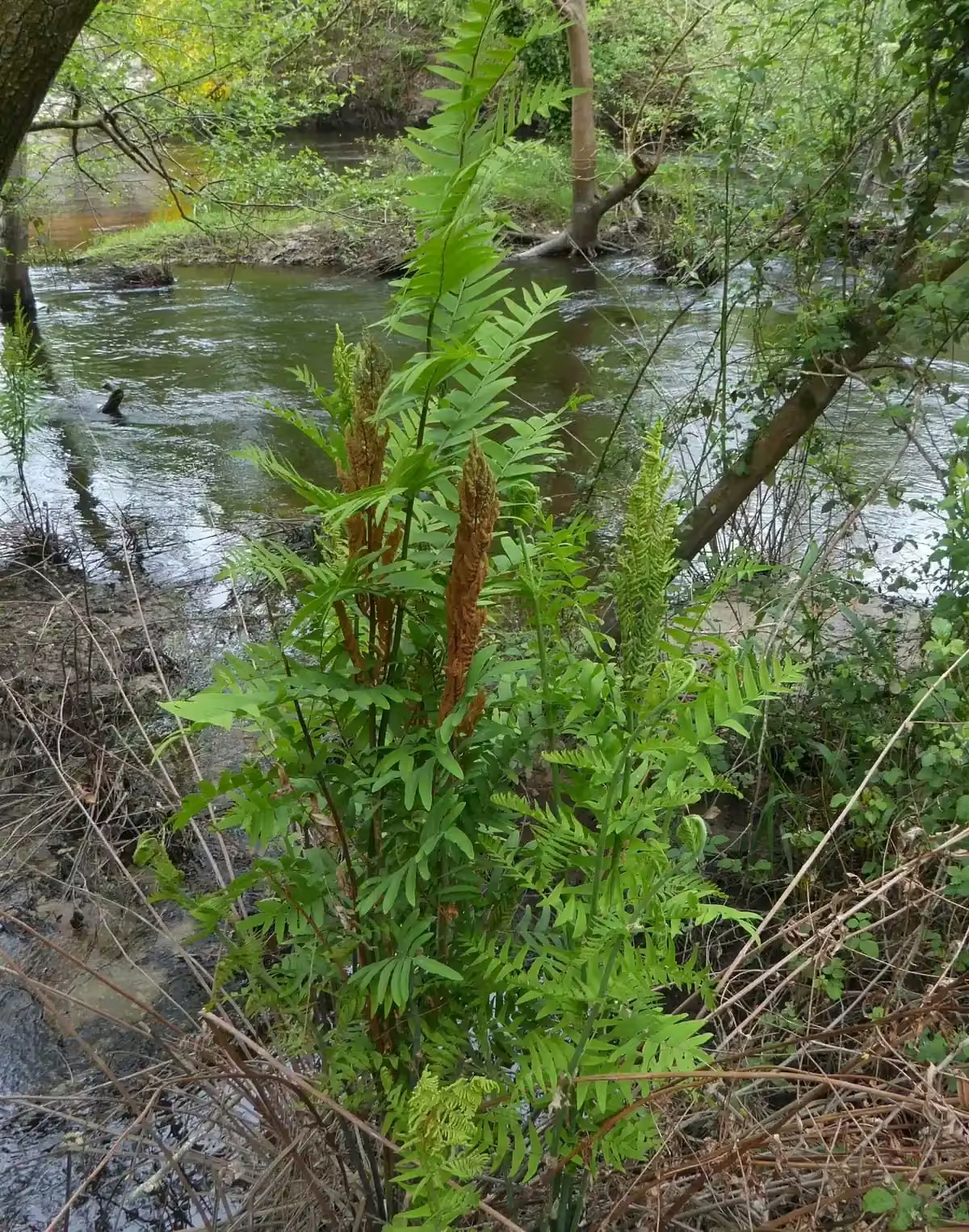
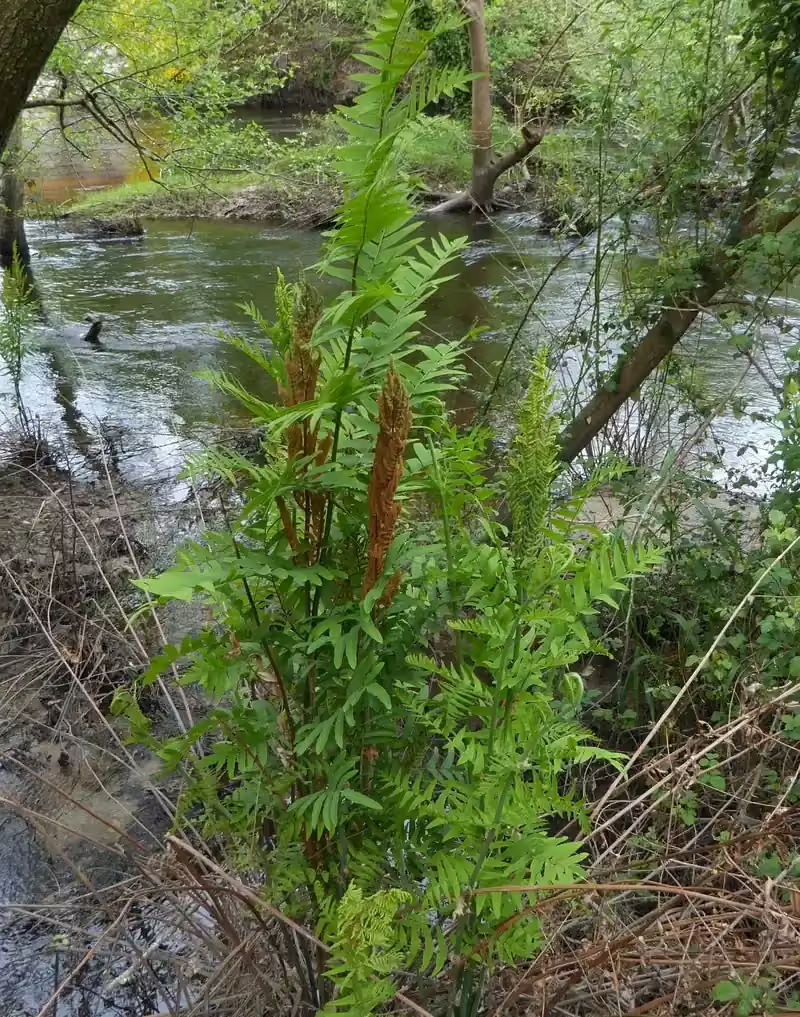
Royal Fern forms erect woody rhizomes or trunks that can reach about 1.5 metres, with fronds often 0.5 - 2 metres long and sometimes larger. The fronds are yellow-green and divided twice. Fertile fronds are distinctive because the upper pinnae are transformed into clustered sporangia rather than normal leafy tissue. In autumn the deciduous fronds can turn coppery orange before dying back.
Quick Facts
| Scientific Name | Osmunda regalis |
|---|---|
| Height | Usually 1 - 3 metres in New Zealand wetlands |
| Spread | Clumps expanding by rhizomes and spores |
| Water Needs | Very high |
| Light | Full sun to moderate shade |
| Frost Tolerance | High |
| Salt Tolerance | Low |
| Growth Rate | Vigorous in wet peaty ground |
| Lifespan | Long-lived perennial fern |
Climate Best Suited to
Royal Fern establishes in wet, peaty, lowland North Island conditions and can tolerate frost, poor acidic soils, moderate shade, and saturated wetland margins.
Regional Suitability
| City | Climate Suitability |
|---|---|
| Auckland | High risk in wet peaty sites and drains |
| Wellington | Medium risk in suitable wetland margins |
| Christchurch | Low to medium; report because it is an unwanted organism |
| Nelson | Low to medium in wet peaty margins |
Plant Habitat
Natural Occurrence and Ecology
Flora of New Zealand records it in swampy areas, wet ground, lake margins, streamsides, drains, grey willow, mānuka scrub, and remnant kahikatea forest. Regional pest guidance notes that it can dominate wetland habitat and spread by wind-borne spores and root fragments.
Growing Requirements
Soil Requirements
Wet peaty and acidic soils favour this weed; do not prepare garden soil for planting it.
- Peaty wetlands
- Drains
- Lake margins
Light Requirements
It tolerates open wetland light and moderate shade under willow, mānuka, or remnant forest.
- Open wetlands
- Semi-shade
- No cultivation recommended
Water Requirements
The plant thrives in saturated wetland margins, which is why it threatens native wetland communities.
- Wet ground
- Slow water edges
- Flood-prone soils
Planting and Establishing
Establishment Guidance
Do not plant, sell, propagate, or distribute Royal Fern in New Zealand. It is listed under pest-plant controls and should be treated as a weed risk. If found in a garden or wetland margin, check regional council guidance before disturbing it, because spores and root fragments can spread the infestation.
Ecological Role
Biodiversity and Ecosystem Impact
Royal Fern is problematic because it can form dense stands in wetlands, crowding native wetland species and altering habitat structure. Its spores are produced in large numbers and spread by wind, birds, people, and machinery. Root fragments can also help plants persist after disturbance, making poorly planned control work risky.
Uses & Significance
Garden Uses
No garden use is recommended in New Zealand because it is a pest plant and unwanted organism.
- Do not plant
- Do not propagate
- Report where required
Ecological Value
Its ecological effect in New Zealand is negative where it invades wetlands and suppresses native vegetation.
- Wetland invasion
- Native plant suppression
- Spore spread
Landscaping Uses
Use native wetland ferns, sedges, rushes, and shrubs instead of Royal Fern. In wetland restoration, choose locally appropriate native species and remove Royal Fern only under a management plan that prevents spore and rhizome spread.
Seasonal Care Calendar
Spring
New fronds emerge and fertile structures begin developing.
Summer
Spores may be produced and spread during warm months.
Autumn
Fronds turn coppery and begin to collapse.
Winter
Dormant crowns and rhizomes persist in wet soil.
When to Prune and How Much
Do not prune as garden care. For control, follow regional council or DOC guidance. Cutting fertile fronds at the wrong time can spread spores or leave rhizomes alive to regrow.
- Do not maintain as ornamental
- Follow pest guidance
- Avoid spreading fragments
Always use clean, sharp tools and avoid disturbing new growth.
How to Grow Royal Fern
Do Not Propagate from Spores or Rhizomes
Royal Fern should not be propagated in New Zealand. It is listed as a National Pest Plant Accord species and as an environmental weed, and regional authorities describe it as an unwanted organism in some areas. Propagation by spores, rhizome division, or movement of rooted crowns risks creating new infestations. Gardeners who inherit old ornamental plants should not divide or share them. If removal is needed, seek regional guidance before disturbing fertile fronds or rhizomes so the work does not spread spores, soil fragments, or pieces of crown to drains and wetlands.
- Do not collect spores
- Do not divide crowns
- Do not share plants
- Seek pest-plant advice
Identifying Fertile Material
Fertile fronds are easy to recognise because the upper pinnae are transformed into clusters of sporangia rather than flat leaflets. These structures can produce large numbers of spores from late spring through autumn. Any handling of fertile material should be planned so fragments are contained and not carried by water, footwear, tools, or machinery. Bags, clothing, and equipment used near infestations should be cleaned before leaving the site. In restoration areas, identification training helps volunteers avoid confusing Royal Fern with native wetland ferns before control begins.
- Look for clustered fertile pinnae
- Contain fertile material
- Clean tools and footwear
- Confirm identification before control
Replacing with Native Wetland Plants
After control, replanting should focus on native wetland species suited to the site hydrology. Select local sedges, rushes, swamp shrubs, and native ferns with advice from restoration plans or council resources. Dense native cover helps reduce open niches where weed spores can establish. Monitor the site through several seasons because crowns and spores may persist. Replacement planting is not a one-off garden task; it is part of wetland recovery and must be matched to water depth, peat condition, frost, and browsing pressure.
- Remove under a control plan
- Choose local native replacements
- Replant quickly
- Monitor for regrowth
Pests & Diseases
Royal Fern itself is the pest concern. It can dominate wetlands, spread by wind-dispersed spores and root fragments, and compete with native wetland species.
Cultural Significance
The species has horticultural history overseas, but in Aotearoa the relevant cultural context is biosecurity and wetland protection. Native wetland plants should be prioritised over this exotic ornamental escape.
- Exotic ornamental origin
- Biosecurity concern
- Wetland protection priority
Bonus Tip
Photograph and report suspicious wetland plants before digging; correct identification prevents accidental spread and protects native lookalikes.
This Royal Fern note is specific to Osmunda regalis, connecting identification, habitat context, and practical care so the section remains useful for readers comparing New Zealand plant profiles.
Related Plants
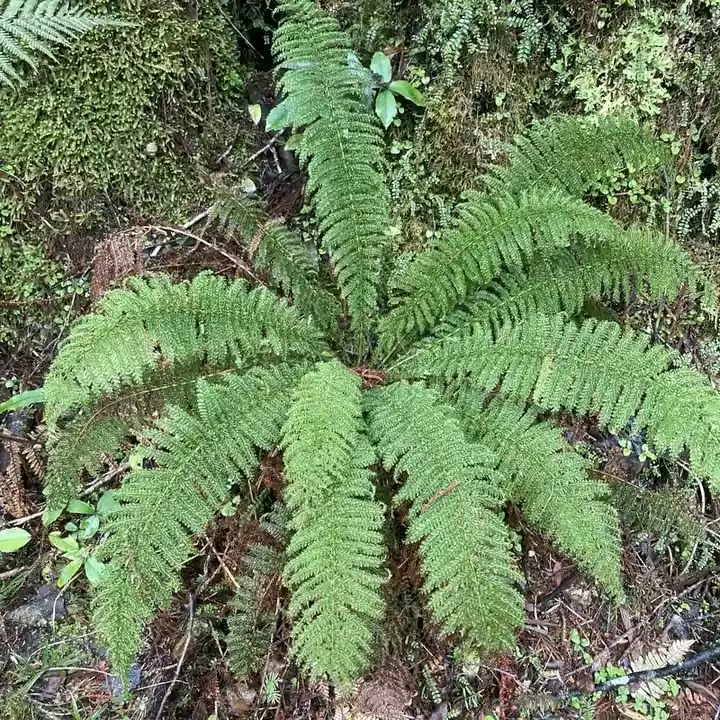
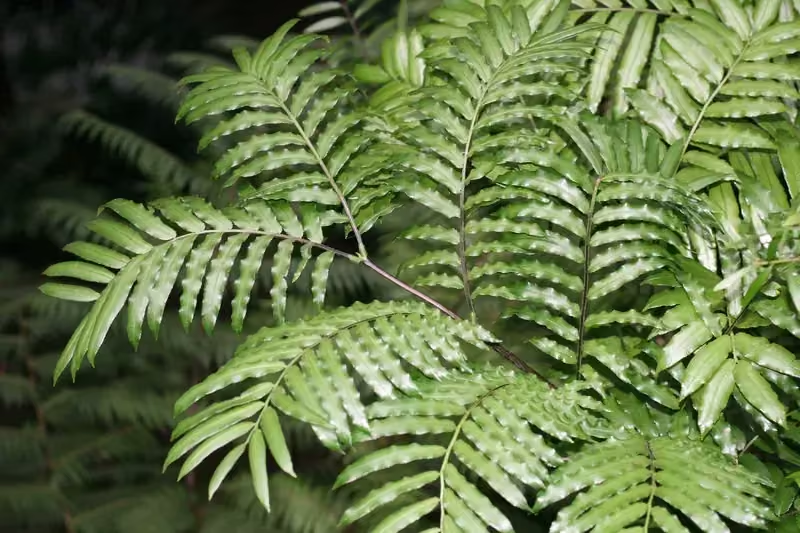
Use native wetland and forest ferns instead of Royal Fern in restoration planting. For another native fern, explore Common Polypody.



Plant Conservation
Conservation Status and Threats
Conservation status is not applicable because Osmunda regalis is exotic in New Zealand. Its management is conservation-relevant because wetland invasions can suppress native plants and alter sensitive habitats.
Frequently Asked Questions
Is Royal Fern native to New Zealand?
No. It is exotic and naturalised.
Can I grow it as an ornamental?
No. It is a pest plant in New Zealand and should not be propagated or distributed.
Why is it a problem?
It spreads by spores and rhizome fragments and can dominate wetland habitats.
Sources and Further Reading
The botanical, growing, and conservation details for Royal Fern draw on authoritative New Zealand plant references and taxonomic databases.