Water Fern
Histiopteris incisa
Last updated:
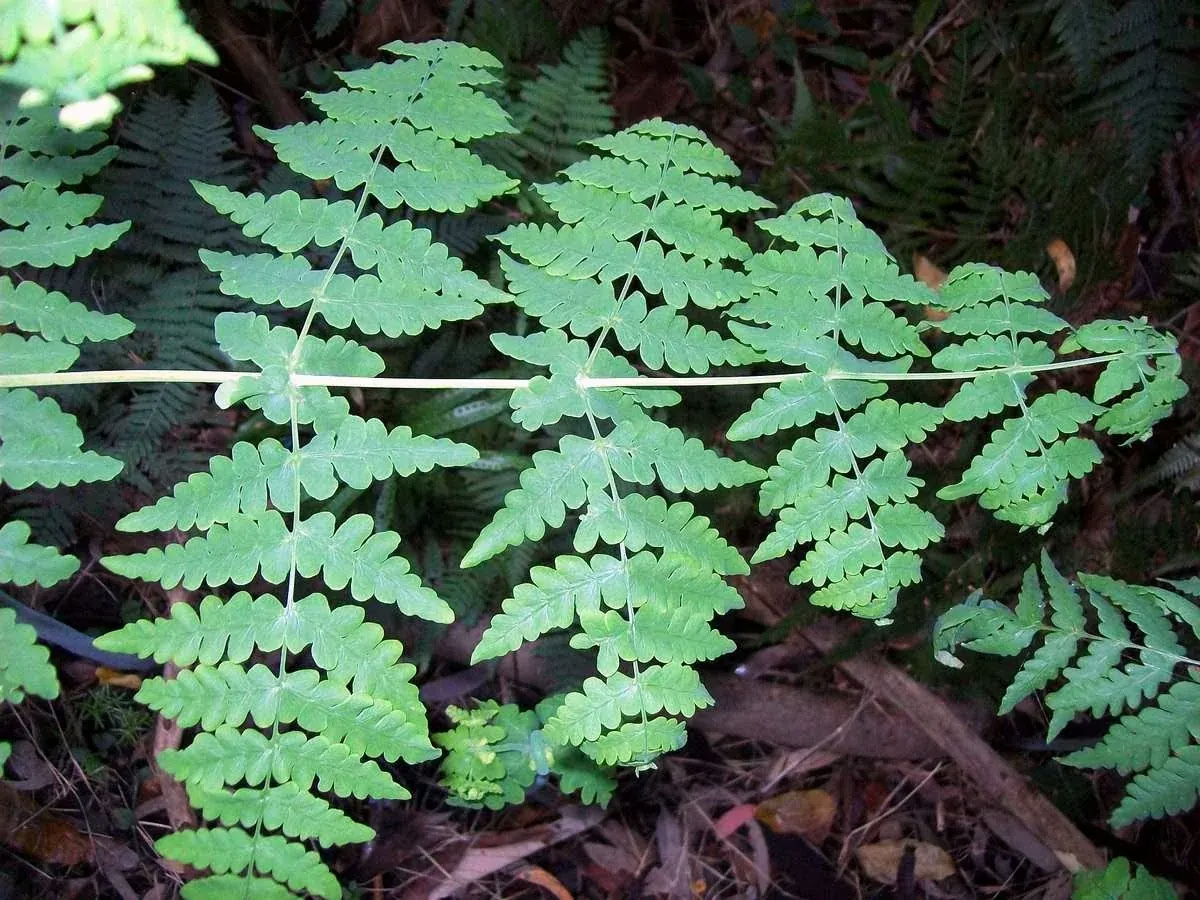
ferns profile: Water Fern (Histiopteris incisa) is a large indigenous, non-endemic fern found widely through New Zealand. It is also known as mātātā, mātā, and bat's wing fern. Flora of New Zealand records it from lowland to subalpine habitats, including open areas, disturbed ground, forest light gaps, damp banks, dunes, ditches, river margins, pumice, and thermally heated soils.
Plant Description
Identification and Physical Characteristics
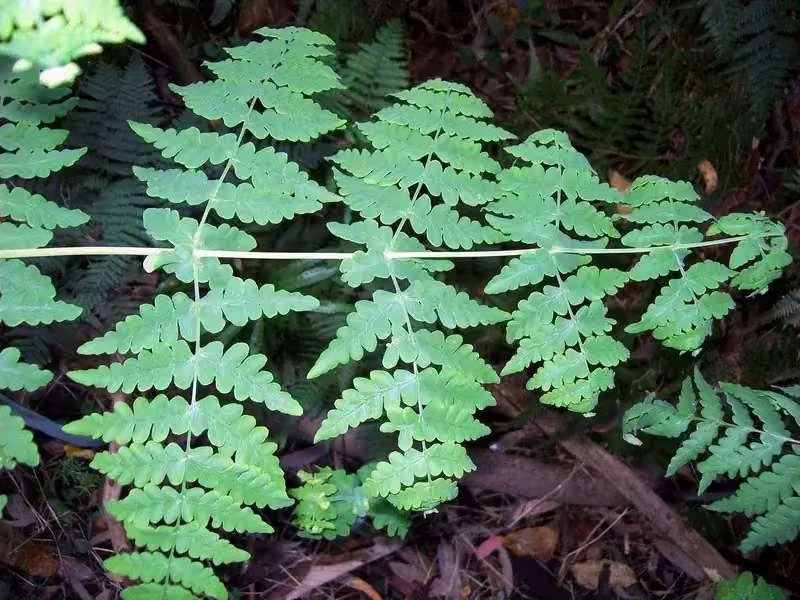
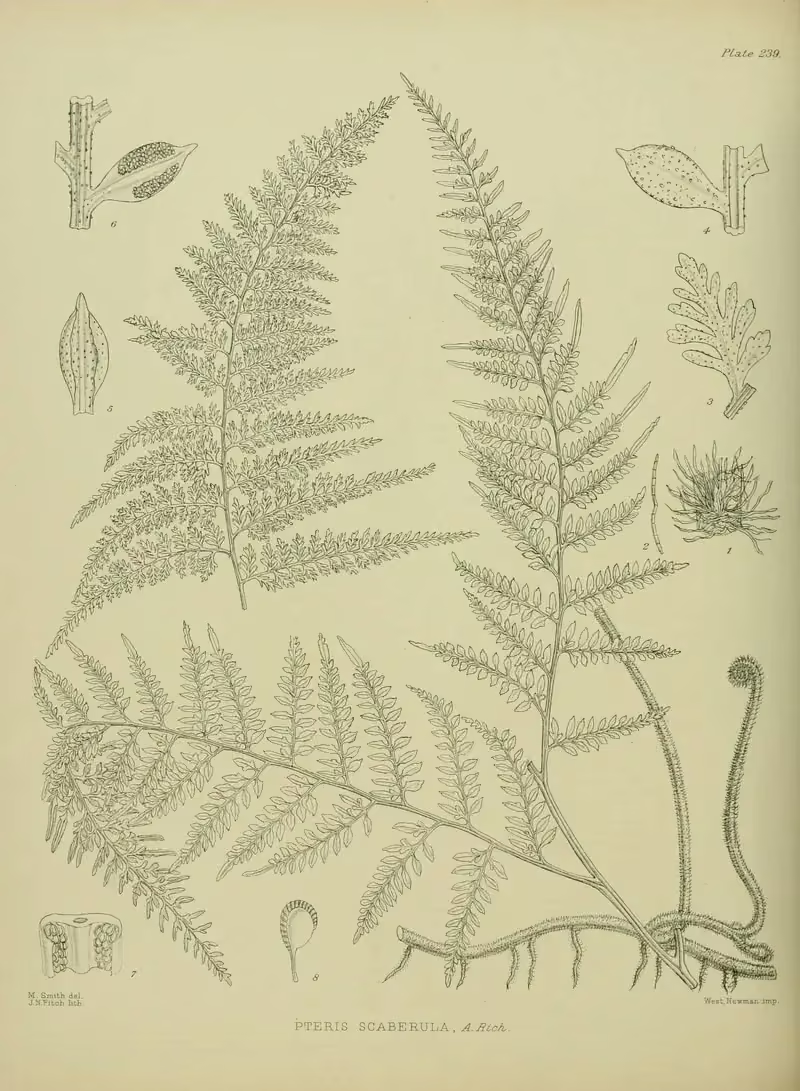
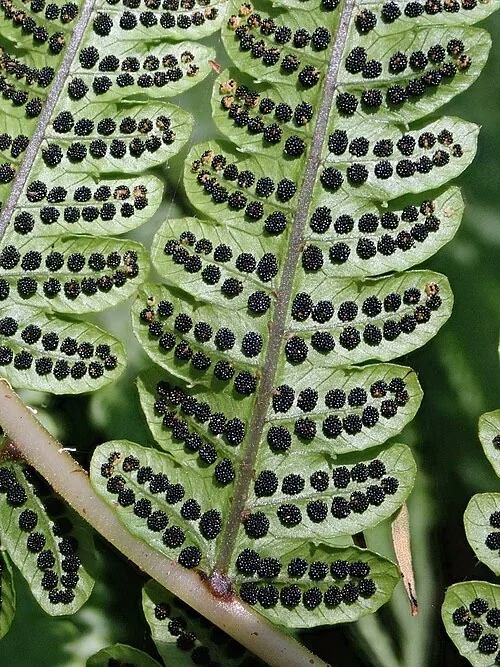
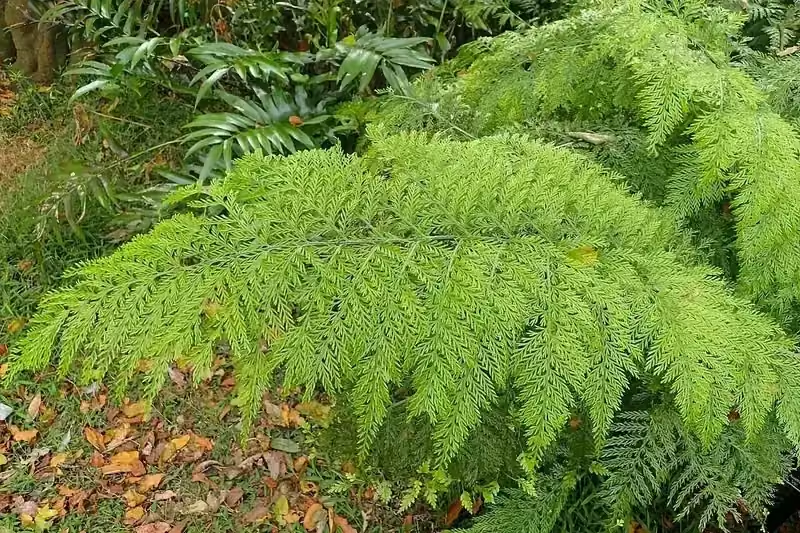
This fern has long-creeping rhizomes and widely spaced fronds that can reach more than 2 metres in favourable sites. Young fronds are often glaucous blue-green, later becoming yellow-green, with red-brown to yellow-brown stipes and rachises. The lamina is usually two-pinnate-pinnatifid to two-pinnate-pinnatisect, and the sori form more or less continuous lines around the margins of the ultimate segments, protected by inrolled lamina margins.
Quick Facts
| Scientific Name | Histiopteris incisa |
|---|---|
| Height | Fronds about 0.17 - 2.2 metres long |
| Spread | Spreading colonies from long-creeping rhizomes |
| Water Needs | Moderate to high |
| Light | Open light to light forest shade |
| Frost Tolerance | Moderate to high |
| Salt Tolerance | Moderate in coastal shelter |
| Growth Rate | Fast in damp open sites |
| Lifespan | Perennial rhizomatous fern |
Climate Best Suited to
Water Fern is adaptable across moist New Zealand climates, especially where disturbance or open light creates space. It tolerates coastal to subalpine conditions if the soil moisture and light are suitable.
Regional Suitability
| City | Climate Suitability |
|---|---|
| Auckland | High in damp clearings, banks, and forest margins |
| Wellington | High in gullies, open banks, and coastal scrub margins |
| Christchurch | Medium in damp sheltered sites and forest margins |
| Nelson | High in damp open forest edges and banks |
Plant Habitat
Natural Occurrence and Ecology
Flora of New Zealand records Water Fern from the North Island, South Island, Kermadec Islands, Three Kings Islands, Chatham Islands, Stewart Island, Snares Islands, Antipodes Island, Auckland Islands, and Campbell Island. It grows in open areas, disturbed ground, cleared forest, light gaps, coastal forest and scrub, mānuka and kānuka, subalpine tussock and shrubland, conifer plantations, damp soils, dunes, coastal cliffs, ditches, alluvial flats, river banks, rotten logs, wind-thrown areas, pumice, and thermally heated creeks and soils.
Growing Requirements
Soil Requirements
Moist but draining soils, alluvium, pumice, bank soils, dunes, and disturbed forest litter.
- Damp mineral soil
- Pumice or alluvium
- Organic forest margins
Light Requirements
Open light, forest gaps, and light scrub shade suit its strong creeping growth.
- Open clearings
- Light forest shade
- Roadside banks
Water Requirements
Consistent moisture gives lush fronds, but established rhizomes tolerate periodic drying better than many forest ferns.
- Moist banks
- Damp gullies
- Avoid prolonged drought
Planting and Establishing
Establishment Guidance
Plant Water Fern where there is room for spreading rhizomes and tall fronds. It is best for larger damp banks, forest-edge restoration, naturalistic clearings, and informal native plantings. Avoid small gardens where creeping rhizomes would become difficult to manage. Water during establishment and mulch lightly, but do not bury the rhizomes under deep wet mulch.
Ecological Role
Biodiversity and Ecosystem Impact
Water Fern is a colonising species of light gaps, slips, disturbed ground, and damp open habitats. It can quickly cover bare soil, shade the ground, and create sheltered conditions for smaller seedlings and invertebrates. Because it responds to disturbance, it is useful in natural regeneration settings, but it can be too vigorous for small designed ferneries.
Uses & Significance
Garden Uses
Use in large damp naturalistic plantings, stream margins, forest edges, and restoration clearings.
- Large fern banks
- Forest-edge restoration
- Damp naturalistic plantings
Ecological Value
It stabilises disturbed damp soils and adds cover in open regenerating habitats.
- Colonising fern
- Soil cover
- Light-gap habitat
Landscaping Uses
Water Fern gives a strong wild fern texture and works best where its size and spreading habit are assets. Use it behind paths, below taller shrubs, on broad banks, or in large gullies. Do not place it among small slow-growing plants that could be shaded or crowded by the creeping rhizomes.
Seasonal Care Calendar
Spring
New glaucous fronds unfurl strongly in open damp light.
Summer
Maintain soil moisture during drought for lush growth.
Autumn
Good time to establish rhizome-grown plants.
Winter
Older fronds may weather, but rhizomes persist.
When to Prune and How Much
Cut old or collapsed fronds at the base to keep paths clear and reduce litter load. Do not pull fronds from the rhizome. In small spaces, remove unwanted rhizome runners before they establish new crowns.
- Cut old fronds
- Manage creeping rhizomes
- Keep paths clear
Always use clean, sharp tools and avoid disturbing new growth.
How to Grow Water Fern
From Spores
Water Fern can be raised from spores collected from mature fertile fronds. Sow spores on sterile moist fern medium and keep them in bright shade under humidity. Because the species can be vigorous once established, grow only as many plants as you have space to use. Keep the young sporophytes evenly moist, then prick them out into small pots with a humus-rich but open mix. Harden them to brighter light before planting into banks or forest-edge sites.
- Collect mature spores
- Sow on sterile fern mix
- Keep humid in bright shade
- Pot on and harden gradually
From Rhizome Sections
Cultivated plants can be propagated from rooted rhizome sections. Choose a section with active buds and roots, cut it cleanly, and pot into a deep container with free-draining organic mix. Keep the pot shaded and moist until new fronds appear. This method is faster than spores but should be used carefully, because planted rhizomes can spread strongly in favourable damp open sites.
- Select rooted rhizome pieces
- Pot into open organic mix
- Keep moist and shaded
- Plant where spread is acceptable
Establishing on Banks
For restoration or large naturalistic plantings, set young plants or rhizome-grown divisions into moist mineral soil at the start of the wet season. Water well, mulch lightly, and keep competing grass down until fronds shade the site. Leave enough space between plants for rhizomes to run. Once established, manage by cutting fronds near paths rather than trying to keep the fern as a tight clump.
- Plant in wet season
- Mulch lightly
- Control grass
- Allow room for spread
Pests & Diseases
Water Fern is generally robust. Slugs or snails may graze young fronds, and overly dry sites cause frond collapse. In gardens, excessive spread is more often the management issue than pests or disease.
Cultural Significance
The Māori names mātā and mātātā are recorded for this fern. Its broad distribution and readiness to colonise disturbed, damp, open ground make it a familiar fern of tracksides, clearings, and regenerating native landscapes.
- Known as mātā and mātātā
- Common regeneration fern
- Trackside and clearing species
Bonus Tip
Use Water Fern where you would welcome a spreading fern colony, not where you need a compact pot-sized specimen.
This Water Fern note is specific to Histiopteris incisa, connecting identification, habitat context, and practical care so the section remains useful for readers comparing New Zealand plant profiles.
Related Plants
Compare Water Fern with other large and colonising New Zealand ferns.



Plant Conservation
Conservation Status and Threats
Water Fern is Not Threatened in New Zealand plant lists and is widespread across many regions and offshore islands. Local conservation value lies in retaining damp open habitat mosaics and allowing native ferns to recolonise disturbed ground rather than replacing them with exotic pasture or weeds.
Frequently Asked Questions
Is Water Fern native to New Zealand?
Yes. It is indigenous but not endemic.
Why is it called Water Fern?
It often grows in damp soils, ditches, stream banks, swamps, and other moist open places.
Can it spread in gardens?
Yes. Its long-creeping rhizomes can form colonies, so plant it where spread is acceptable.
Sources and Further Reading
The botanical, growing, and conservation details for Water Fern draw on authoritative New Zealand plant references and taxonomic databases.