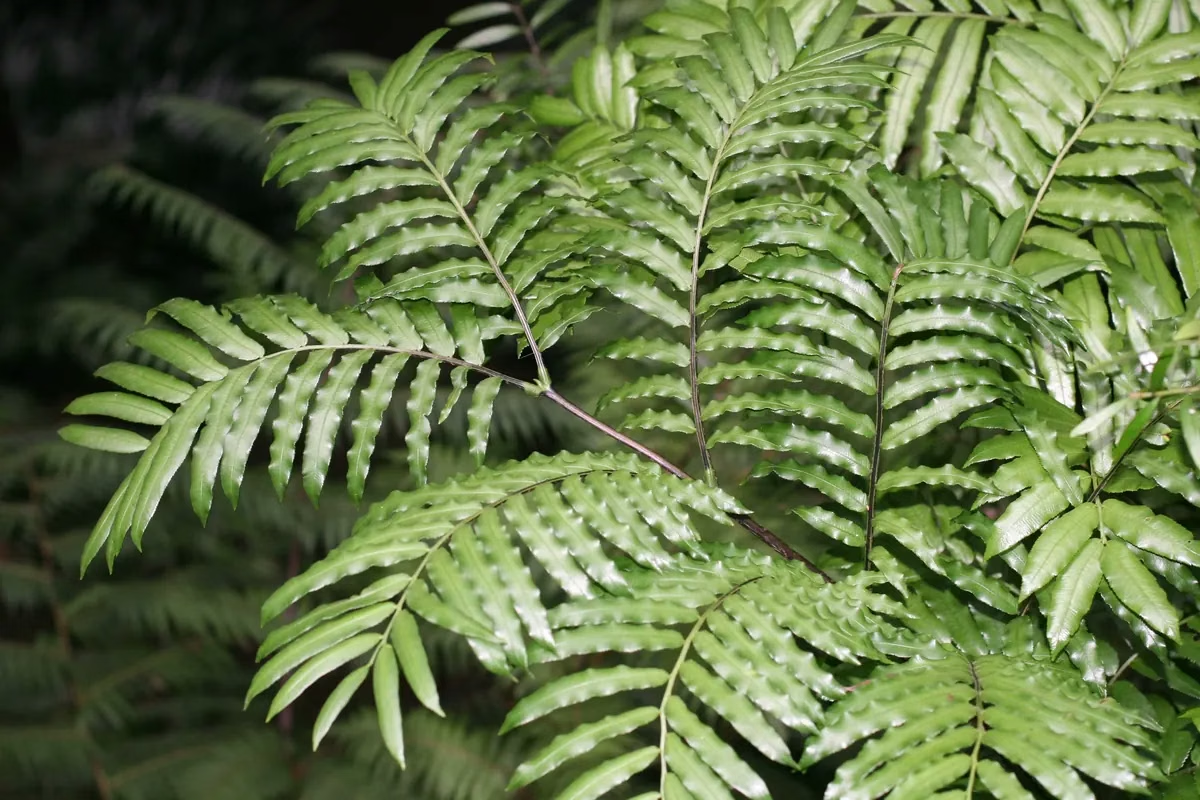
King Fern
Ptisana salicina
Last updated:
ferns profile: King Fern (Ptisana salicina), or parā, is one of New Zealand's most imposing native ferns. It belongs to the ancient Marattiaceae and develops large glossy fronds from a fleshy crown. Current conservation sources assess it as At Risk - Declining, with threats including browsing, habitat loss, and disturbance of warm damp forest sites.
Plant Description
Identification and Physical Characteristics
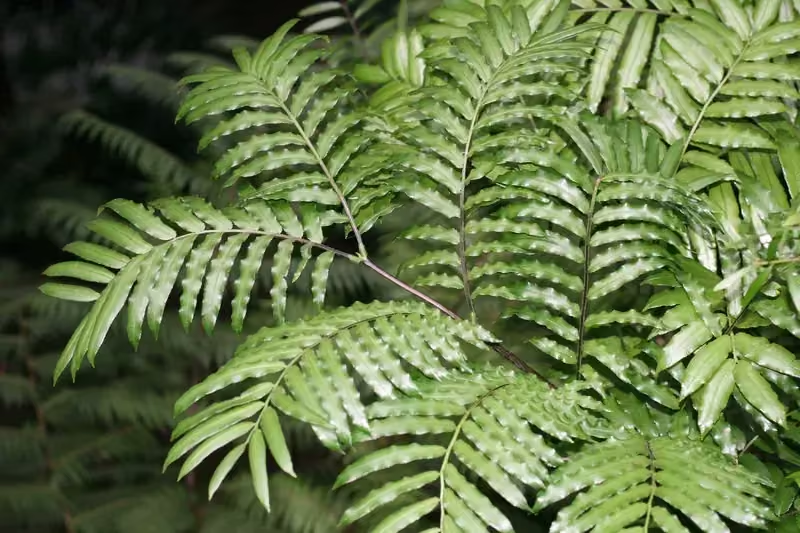
King Fern has a stout fleshy rhizome and very large, glossy, arching fronds divided into many broad pinnae. The fronds can reach several metres in ideal conditions, giving the plant a tropical look in warm gullies and protected forest. Unlike tree ferns, it does not form a tall woody trunk. Fertile structures are arranged in fused sori on the underside of the fronds, reflecting the distinctive reproductive architecture of Marattiaceae.
Quick Facts
| Scientific Name | Ptisana salicina |
|---|---|
| Height | Fronds often 1 - 4 metres in ideal sites |
| Spread | Large clump from fleshy crown |
| Water Needs | High |
| Light | Deep shade to filtered light |
| Frost Tolerance | Low |
| Salt Tolerance | Low |
| Growth Rate | Slow to moderate |
| Lifespan | Long-lived perennial fern |
Climate Best Suited to
King Fern suits warm, humid, frost-sheltered New Zealand climates with deep shade, reliable moisture, and rich forest soil.
Regional Suitability
| City | Climate Suitability |
|---|---|
| Auckland | High in warm shaded gullies and frost-free forest gardens |
| Wellington | Medium in very sheltered frost-light gullies |
| Christchurch | Low outdoors except in heated or exceptional shelter |
| Nelson | Medium in warm, damp, shaded gullies |
Plant Habitat
Natural Occurrence and Ecology
Parā is associated with warm, damp, shaded forest, gullies, stream margins, and sheltered slopes, especially in the North Island and northern South Island. It needs a humid microclimate and is vulnerable where forest is opened, dried, browsed, or trampled.
Growing Requirements
Soil Requirements
Deep, rich, humus-heavy forest soil with excellent moisture retention suits the large fleshy crown.
- Rich leaf mould
- Damp gully soil
- No compacted wet clay
Light Requirements
Shade is essential. Bright filtered light is acceptable only where humidity remains high.
- Deep shade
- Gully shelter
- No hot sun
Water Requirements
Keep soil consistently moist and humid, especially around young plants and exposed crowns.
- Reliable moisture
- High humidity
- Mulched roots
Planting and Establishing
Establishment Guidance
Plant King Fern in a frost-free shaded gully, large fernery, or warm forest garden. Prepare deep humus-rich soil, water thoroughly, and keep the crown just above the surrounding mulch. Protect from browsing and foot traffic. Do not plant it where the site will dry in summer or where hard frost pools.
Ecological Role
Biodiversity and Ecosystem Impact
King Fern is a large forest-floor fern that creates shade, humidity, and shelter around its crown. Its size makes it structurally important in warm gullies and damp forest remnants. Because it is declining, every cultivated or restored plant should be treated as part of a broader conservation story, with accurate provenance and protection from animal damage.
Uses & Significance
Garden Uses
Use in large shaded ferneries, warm gullies, specialist collections, and conservation plantings.
- Large fernery specimen
- Warm damp gullies
- Conservation collections
Ecological Value
It restores large-fern structure and represents an ancient fern lineage in protected forest plantings.
- Large fern shelter
- Ancient lineage
- Threatened plant recovery
Landscaping Uses
King Fern is a feature plant for serious shade gardens, not a filler. Give it enough room for full fronds, a dark sheltered backdrop, and compatible companions such as tree ferns, kiekie, hen and chicken fern, and broadleaved canopy trees. Paths should sit well away from the crown.
Seasonal Care Calendar
Spring
Large new fronds unfurl in warm humid shade.
Summer
Water deeply during dry spells and maintain mulch.
Autumn
Plant nursery stock while soil remains warm and rain returns.
Winter
Protect young plants from frost and browsing.
When to Prune and How Much
Remove only dead or damaged fronds. Cut cleanly near the base and avoid wounding the fleshy crown. Do not trim healthy fronds for tidiness because each frond supports the large rootstock.
- Cut dead fronds
- Protect fleshy crown
- Avoid unnecessary trimming
Always use clean, sharp tools and avoid disturbing new growth.
How to Grow King Fern
From Spores
Spore propagation is specialist but important for conservation. Collect mature fertile material only from cultivated or authorised source plants. Sow spores on sterile, moist, humus-rich fern medium and keep the container warm, humid, and shaded. Early stages are slow and vulnerable to contamination, drying, and overwatering. Young plants should be potted gradually into deep, rich, open media and grown under stable shade. Because parā is declining, source records and legal collection permissions are essential. Never remove crowns or fertile fronds from wild plants without authority.
- Use authorised fertile material
- Sow on sterile moist medium
- Keep warm and humid
- Maintain source records
From Crown Offsets
Division is risky and should be limited to established cultivated plants with clear offsets. Keep a large root mass attached, make clean cuts, and pot divisions immediately into deep damp media. Hold them in warm shade and high humidity until new growth confirms recovery. Do not divide small, stressed, or conservation-source plants casually. The fleshy crown stores energy but also rots if damaged and kept too wet. In most restoration cases, nursery-raised plants are safer than dividing existing specimens.
- Divide only strong cultivated offsets
- Keep roots attached
- Pot immediately
- Hold warm and shaded
Establishing Large Ferns
Prepare the final site carefully because King Fern dislikes later disturbance. Remove weeds, build deep humus, and ensure water reaches the root zone without ponding around the crown. Plant in mild warm weather, mulch broadly, and protect from animals. Water deeply through the first summers, especially before dry winds. Keep paths, pets, and tools away from emerging fronds. Long-term success depends on a stable shaded microclimate rather than fertiliser or frequent handling.
- Prepare permanent shade
- Plant in warm moist weather
- Mulch broadly
- Protect from browsing and trampling
Pests & Diseases
Possums, goats, pigs, stock, and deer can damage plants. Slugs may graze young growth. Frost, drought, and crown rot from stagnant conditions are major cultivation risks.
Cultural Significance
Parā is a significant Māori name for King Fern, and its large starchy rhizome has traditional associations. Cultural and conservation values both require that wild plants are protected rather than harvested or moved casually.
- Parā name
- Traditional associations
- Declining native fern
Bonus Tip
Choose the site as if planting a small tree; a happy King Fern needs space, shade, and years without disturbance.
This King Fern note is specific to Ptisana salicina, connecting identification, habitat context, and practical care so the section remains useful for readers comparing New Zealand plant profiles.
Related Plants
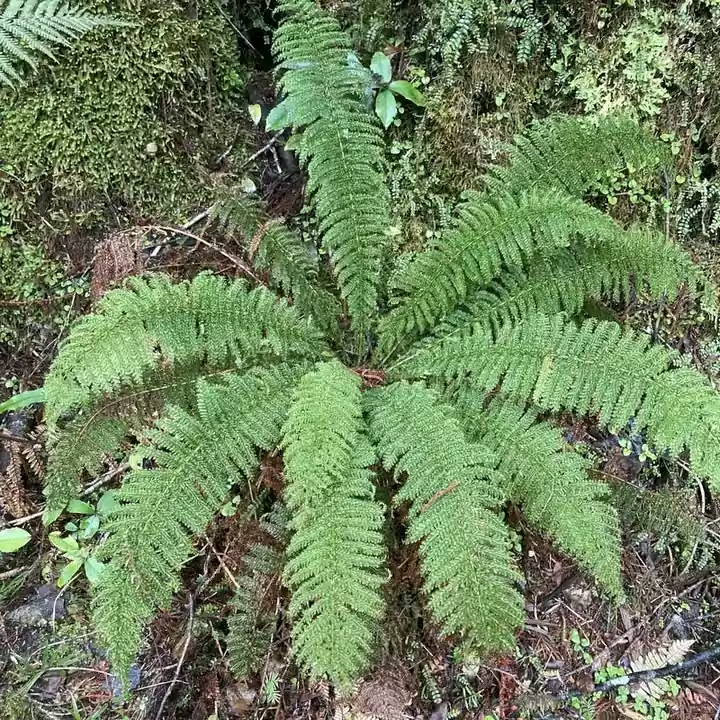
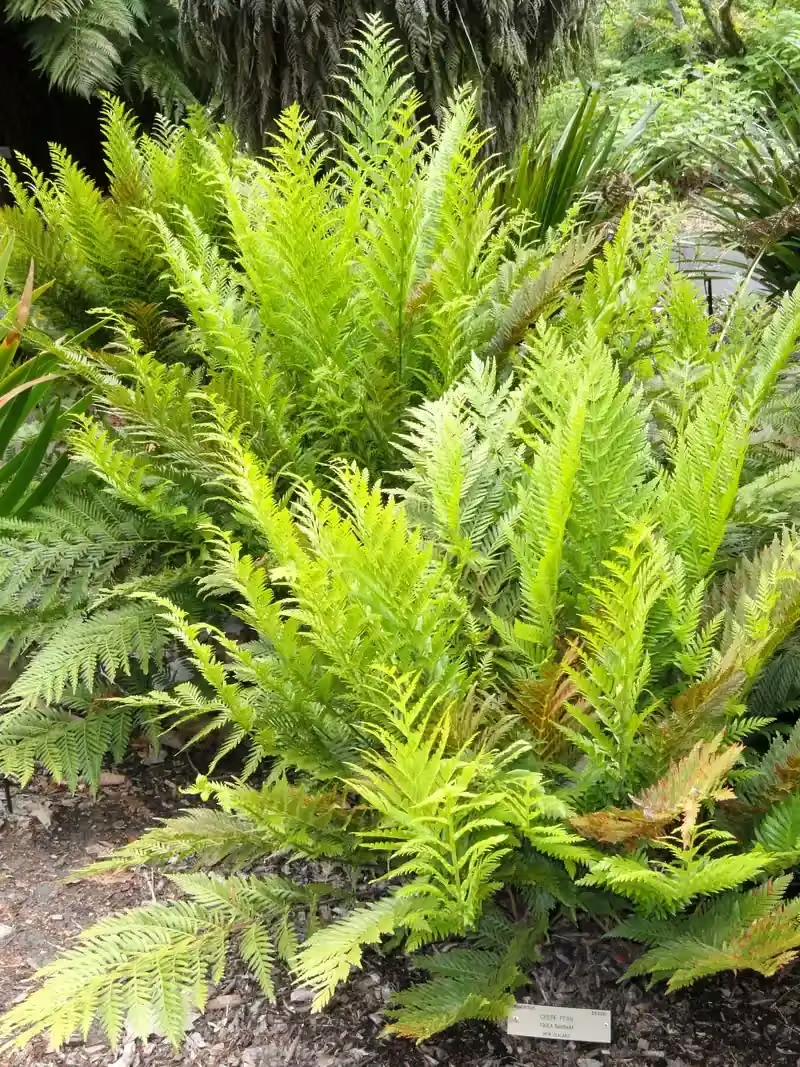
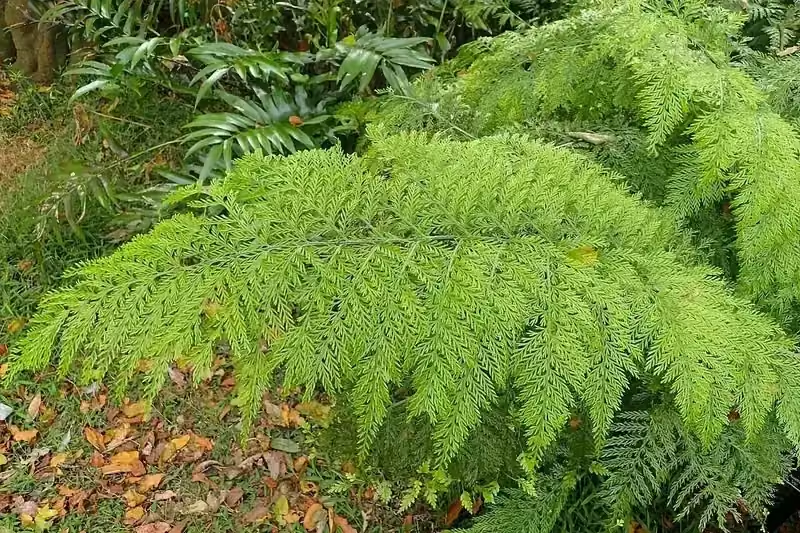
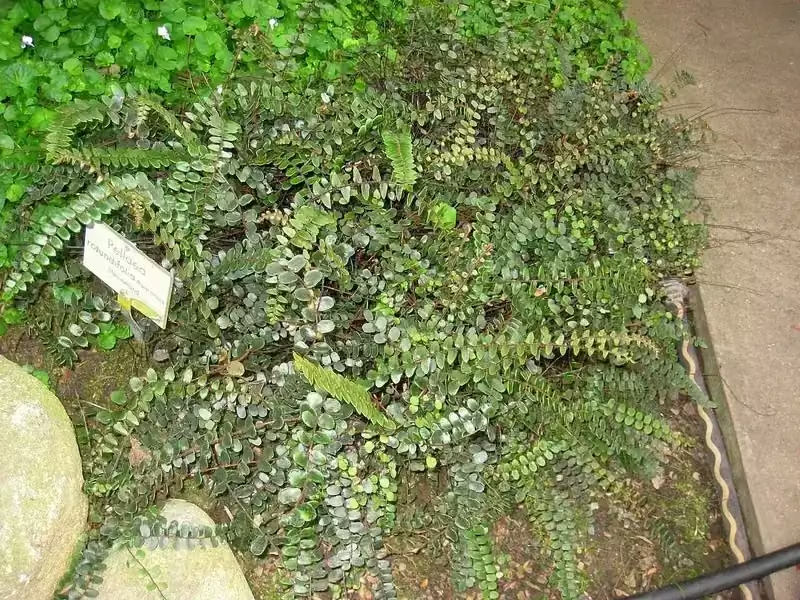
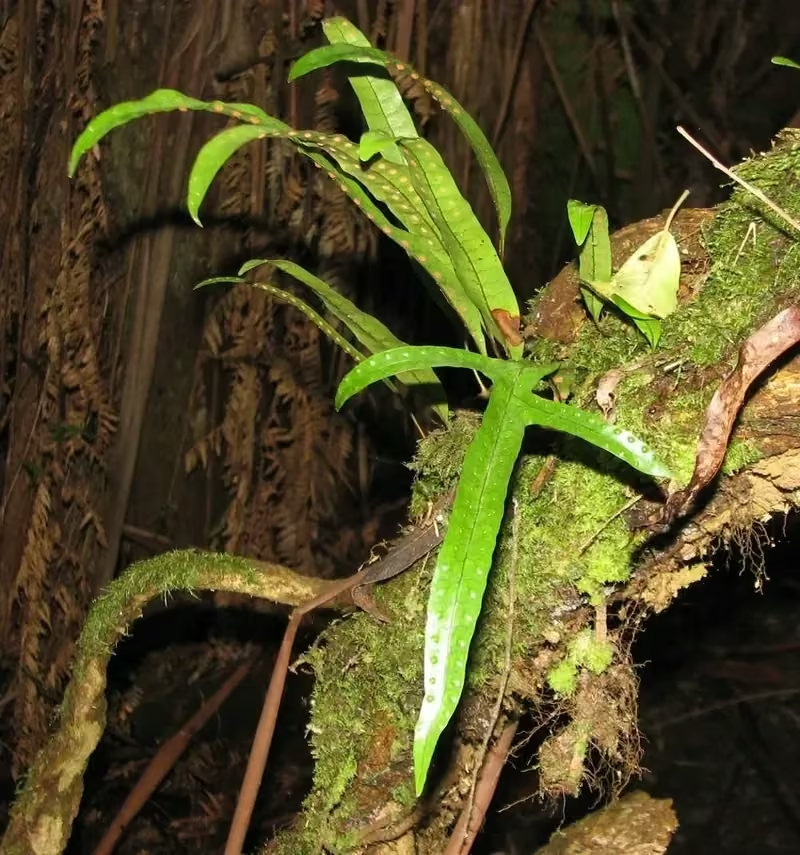
Compare King Fern with other large damp-forest ferns.



Plant Conservation
Conservation Status and Threats
Ptisana salicina is assessed as At Risk - Declining. Protect warm damp forest habitat, control browsing animals, prevent illegal collection, and use provenance-recorded nursery stock for any restoration or collection planting.
Frequently Asked Questions
Is King Fern endemic to New Zealand?
Yes. It is endemic to New Zealand.
Why is it declining?
Browsing, habitat loss, disturbance, and unsuitable dry or frosty conditions affect populations.
Can it grow in a normal garden?
Only in a large, warm, shaded, humid garden with reliable water and frost protection.
Sources and Further Reading
The botanical, growing, and conservation details for King Fern draw on authoritative New Zealand plant references and taxonomic databases.