Crepe Fern
Leptopteris hymenophylloides
Last updated:
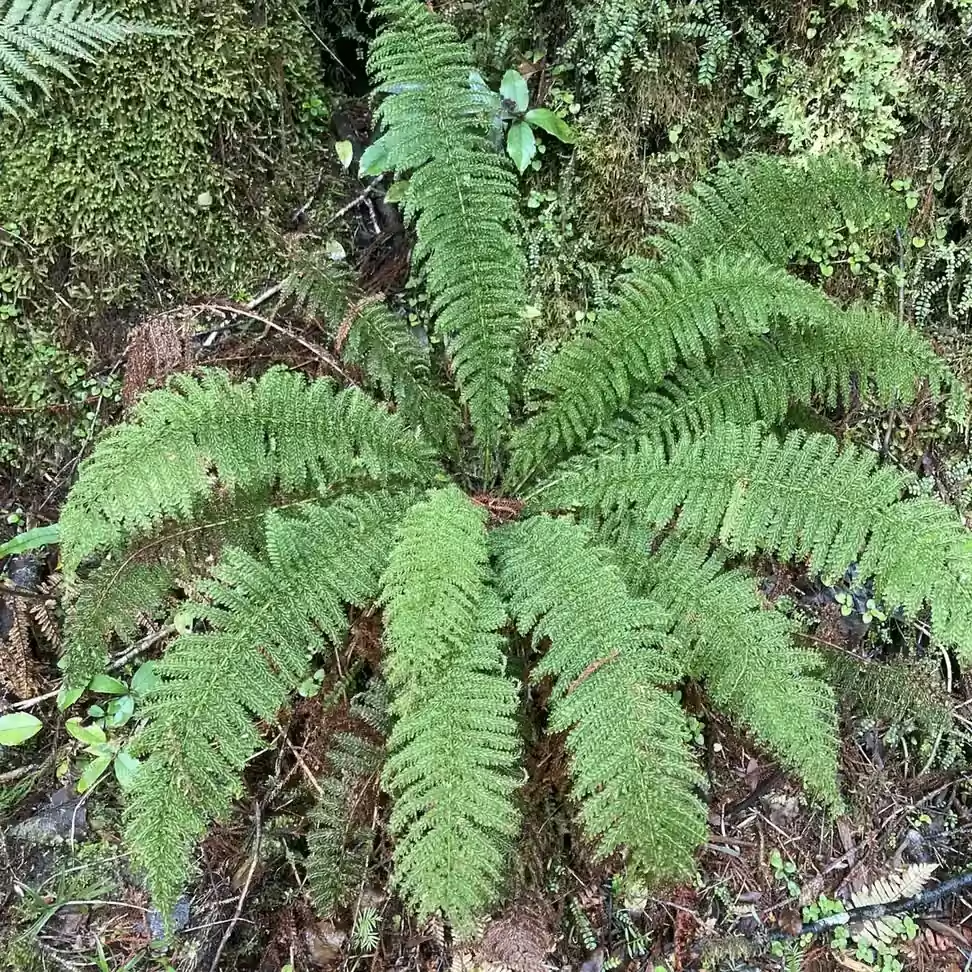
ferns profile: Single Crepe Fern (Leptopteris hymenophylloides) is an endemic New Zealand fern with delicate translucent fronds that can resemble filmy ferns when young. Flora of New Zealand records it from lowland to montane forest across the North Island, South Island, Stewart Island, and Chatham Islands, and Biota NZ lists it as current, endemic, and Not Threatened.
Plant Description
Identification and Physical Characteristics
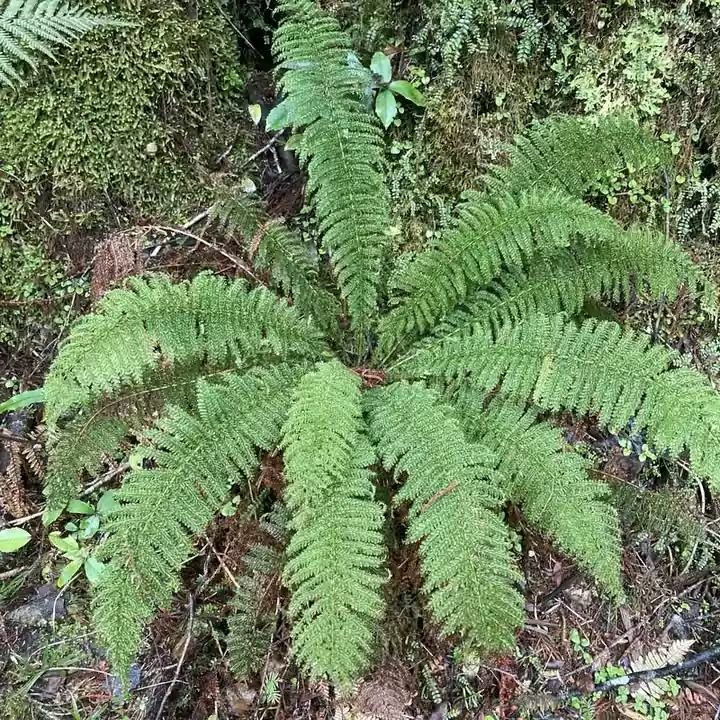
This species has an erect rhizome that can sometimes form a short woody trunk. Fronds are green, membranous, translucent, and often elliptic, ovate, or triangular. The pale-brown stipe is relatively long and sparsely woolly hairy, while the lamina is divided into many narrow flattened segments. Unlike most ferns with distinct sori, sporangia are scattered across the lower surface of the frond, mostly near the base of pinnae. Its longer basal pinnae and flattened final segments help separate it from Leptopteris superba.
Quick Facts
| Scientific Name | Leptopteris hymenophylloides |
|---|---|
| Height | Fronds 22 - 98 cm, sometimes taller in cultivation |
| Spread | Clumps from erect rhizomes |
| Water Needs | Moderate to high |
| Light | Shade to filtered light |
| Frost Tolerance | Moderate |
| Salt Tolerance | Low |
| Growth Rate | Steady in damp shelter |
| Lifespan | Long-lived perennial fern |
Climate Best Suited to
Single Crepe Fern suits humid forest climates and shaded garden gullies where soil stays cool and evenly moist without becoming stagnant.
Regional Suitability
| City | Climate Suitability |
|---|---|
| Auckland | High in damp kauri and broadleaved forest shade |
| Wellington | High in sheltered gullies, banks, and stream margins |
| Christchurch | Medium in irrigated deep shade |
| Nelson | High in western damp forest; medium in protected eastern sites |
Plant Habitat
Natural Occurrence and Ecology
Flora of New Zealand describes it under kauri, podocarp, broadleaved, and beech forest, especially on damp banks and along streams, but also on drier valley sides and ridge tops. It is abundant in much of the North Island lowland and montane zone and remains widespread through suitable South Island forest, though absent from much of the high country.
Growing Requirements
Soil Requirements
Cool, humus-rich forest soil with reliable moisture supports the translucent fronds and erect rhizome.
- Leaf mould
- Damp banks
- Moist forest loam
Light Requirements
Filtered forest shade is best; hot sun dries and scorches the delicate frond tissue.
- Deep shade
- Gully shade
- No hot afternoon sun
Water Requirements
Keep moisture steady, especially in summer, but maintain free drainage around the crown.
- Even moisture
- Humid air
- Free drainage
Planting and Establishing
Establishment Guidance
Plant Single Crepe Fern in a sheltered, shaded position with cool damp soil. Place the crown at the same depth as the nursery container, water deeply, and mulch with leaf litter. Avoid windy exposed sites and do not bury the crown. The plant looks best where its translucent fronds are backlit by soft forest light.
Ecological Role
Biodiversity and Ecosystem Impact
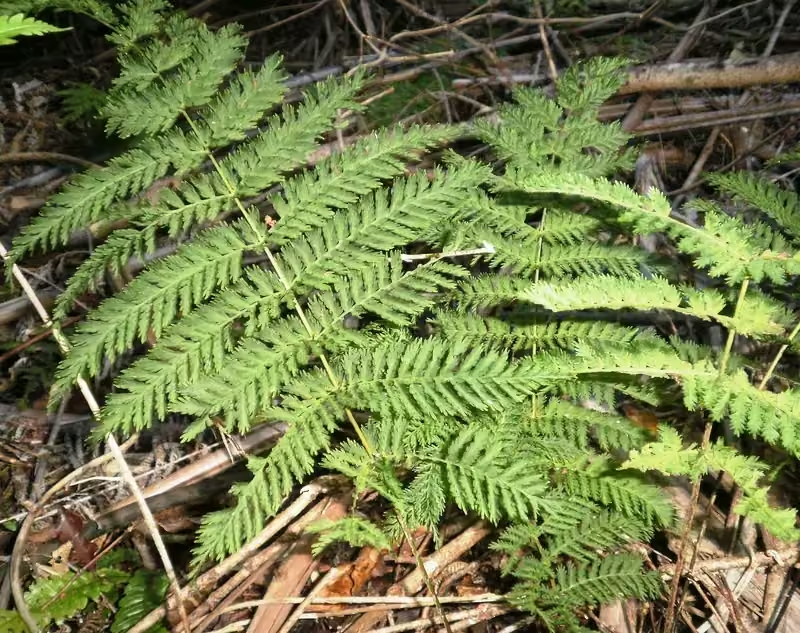
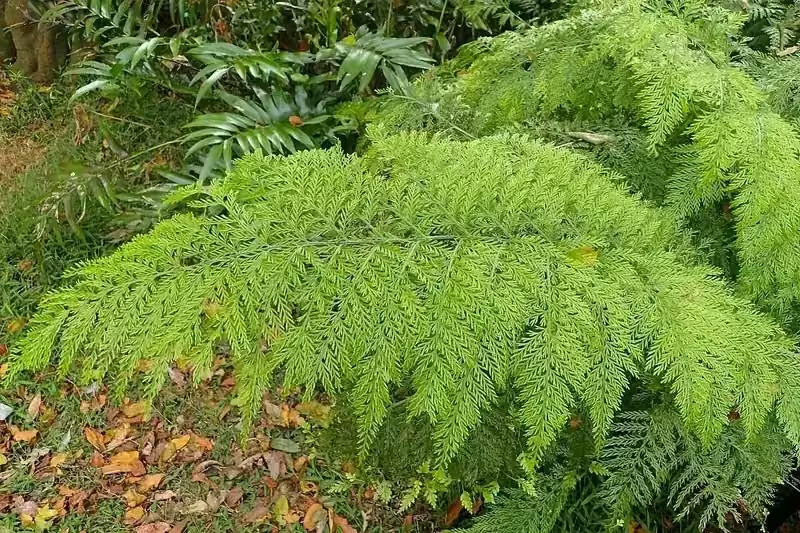
Single Crepe Fern belongs to the ancient Osmundaceae and contributes a distinctive crepe-like texture to damp forest floors. It often grows with Leptopteris superba and can hybridise with it, producing Leptopteris ×intermedia. Its fronds help shelter soil and small forest-floor organisms in shaded gullies, along streams, and on banks.
Uses & Significance
Garden Uses
Use in shaded native ferneries, damp gullies, streamside plantings, and cool forest gardens.
- Fernery specimen
- Damp bank planting
- Shaded stream edge
Ecological Value
It adds endemic fern diversity and ancient-family representation to humid forest restoration plantings.
- Forest-floor shelter
- Endemic fern cover
- Hybrid context with L. superba
Landscaping Uses
The fern is highly ornamental in close-viewing shade gardens. Pair it with tree ferns, mosses, hen and chicken fern, kiokio, and small broadleaved shrubs. Its soft translucent texture is easily lost among coarse groundcovers, so give it a clear pocket of dark mulch or mossy rock behind it.
Seasonal Care Calendar
Spring
New fronds unfurl in cool damp weather.
Summer
Water shaded plantings before soil dries hard.
Autumn
Plant nursery stock or divisions as rain returns.
Winter
Remove heavy fallen leaves but keep a light protective mulch.
When to Prune and How Much
Remove old fronds only when they brown or collapse. Cut rather than pull, because tugging can damage the crown. Keep neighbouring plants from leaning over and shading the crown completely.
- Cut old fronds
- Clear heavy litter
- Protect the crown
Always use clean, sharp tools and avoid disturbing new growth.
How to Grow Crepe Fern
From Spores
Spore propagation is the best way to produce multiple plants without disturbing established crowns. Collect fertile frond portions when sporangia are mature, dry them in a clean paper packet, and sow the spores onto sterile moist fern medium. Keep the tray covered in bright shade and use clean water to prevent algae from overrunning the gametophytes. Young sporophytes should be potted into a fine humus-rich mix and grown in cool shade. Because this species hybridises with Leptopteris superba, record parent plants and location where propagation is for conservation or education.
- Collect mature fertile fronds
- Sow spores on sterile medium
- Keep covered in bright shade
- Label parent source
From Crown or Rhizome Pieces
Division should be conservative. Only divide a strong cultivated plant with multiple growing points, and keep a generous root mass with each piece. Pot divisions into damp open fern mix and hold them in deep shade until new fronds are produced. Avoid repeated division because the fern's elegance depends on a settled crown and undamaged new fronds. Wild plants should be left untouched. For most gardens, nursery-raised sporelings are preferable to division because they establish with less stress and preserve plant form.
- Divide only strong cultivated crowns
- Keep roots attached
- Pot in damp fern mix
- Wait for new fronds
Establishing a Humid Fernery Plant
Prepare the site with leaf mould, remove competitive roots and weeds, and water the soil thoroughly before planting. Place the plant where taller shrubs or tree ferns buffer drying wind. Mulch lightly, but keep the crown clear. During the first summer, water the surrounding soil rather than constantly wetting the crown. If fronds curl or crisp, increase shelter and humidity before applying fertiliser. Once established, the plant needs quiet conditions: stable shade, steady moisture, and minimal root disturbance.
- Prepare shaded humus-rich soil
- Plant with crown clear
- Water surrounding soil
- Avoid disturbance
Pests & Diseases
Slugs, snails, and browsing can damage fresh fronds. Drought, hot wind, and root disturbance are the most common causes of poor performance. Avoid waterlogging in heavy clay.
Cultural Significance
Heruheru and ngutukiwi are recorded Māori names for the species. The soft, comb-like frond form makes the plant one of the most recognisable damp-forest ferns in Aotearoa.
- Heruheru name
- Ngutukiwi name
- Ancient fern family
Bonus Tip
Backlight the fern with filtered morning light to show the translucent crepe texture without exposing it to heat.
This Single Crepe Fern note is specific to Leptopteris hymenophylloides, connecting identification, habitat context, and practical care so the section remains useful for readers comparing New Zealand plant profiles.
Related Plants
Compare Single Crepe Fern with other damp-forest ferns and filmy-textured species.




Plant Conservation
Conservation Status and Threats
Leptopteris hymenophylloides is assessed as Not Threatened. Local plants still depend on intact humid forest, shaded stream margins, and careful track and drainage management, especially where forest edges are drying.
Frequently Asked Questions
Is Single Crepe Fern endemic?
Yes. It is endemic to New Zealand.
Does it grow with Leptopteris superba?
Yes, the two often occur together in wet forest and can hybridise.
What makes it look crepe-like?
The fronds are very thin, translucent, and softly divided, giving a delicate crepe texture.
Sources and Further Reading
The botanical, growing, and conservation details for Single Crepe Fern draw on authoritative New Zealand plant references and taxonomic databases.