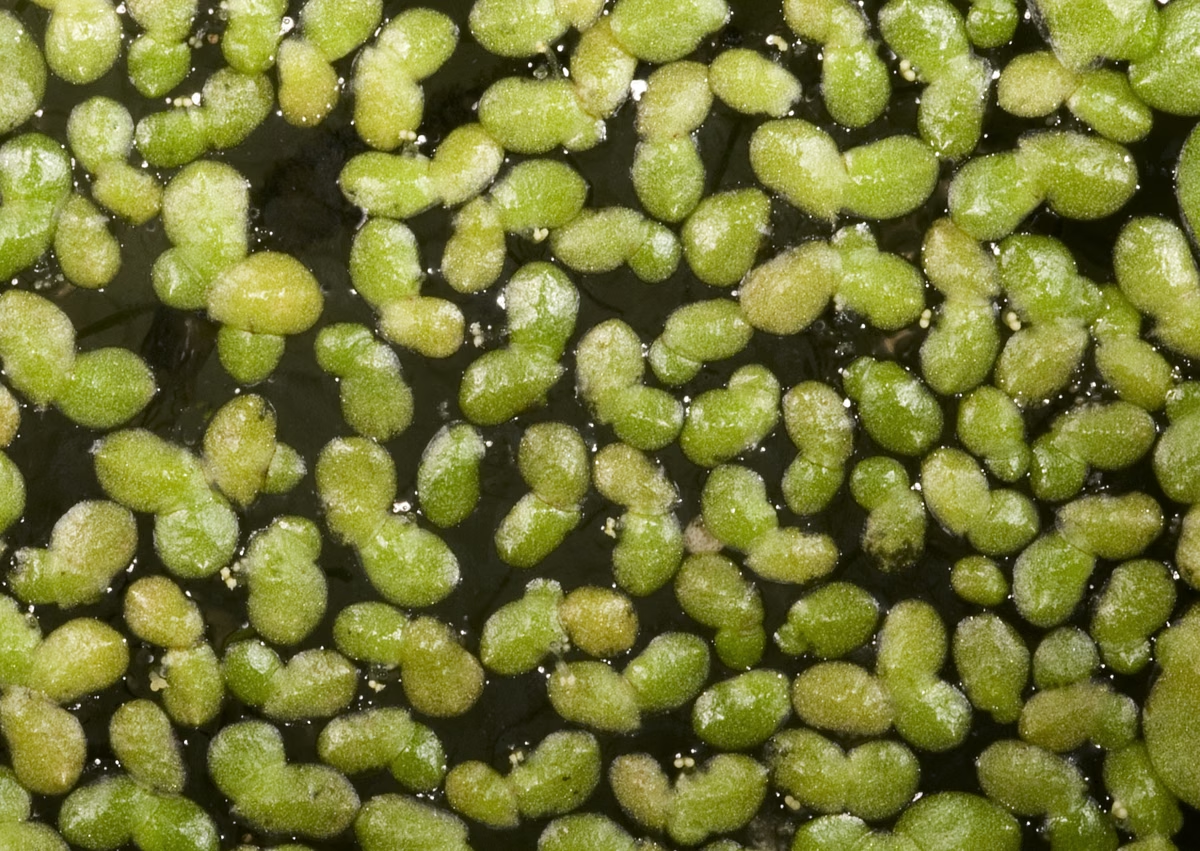
Common Duckweed
Lemna disperma
Life on the water surface
Lemna disperma, the common duckweed, is a tiny free-floating aquatic plant native to Aotearoa New Zealand. It grows on still, nutrient-rich water and has a single root hanging below each floating platelet. Each rounded to elliptic platelet can reach about 6 mm long and 4 mm wide.
Identification
Each rounded to elliptic platelet can reach about 6 mm long and 4 mm wide. The upper surface is bright green to yellow-green with faint veins; the underside is paler and can be tinged red or purple.
A single root hangs beneath each platelet, with a conspicuous root cap. Each platelet can produce one or two vegetative buds. The flowers are small and arise from a lateral pouch.
Quick facts
| Scientific Name | Lemna disperma |
|---|---|
| Family | Araceae |
| Platelet size | Up to 6 × 4 mm |
| Flowering period | November to February |
| Fruiting period | December to April |
| National status | Not Threatened (2023) |
| Height | Floats on the water surface; no upright stem |
| Water Needs | Still or slowly flowing fresh water |
| Light | Sunny position |
| Spread | Produces vegetative buds; floating patch width is not fixed |
| Frost Tolerance | Minimum tolerated temperature is not documented |
| Salt Tolerance | Salt tolerance is not documented |
| Growth Rate | Annual extension is not quantified in the cited accounts |
| Lifespan | Longevity in years is not documented |
Natural range
NZPCN records this duckweed from coastal to montane habitats up to about 400 metres above sea level. It occurs in the North, South, Stewart and Chatham Islands, though it is uncommon on the latter two.
| City | Climate Suitability |
|---|---|
| Auckland | Not assessed |
| Wellington | Not assessed |
| Christchurch | Not assessed |
Habitat and distribution
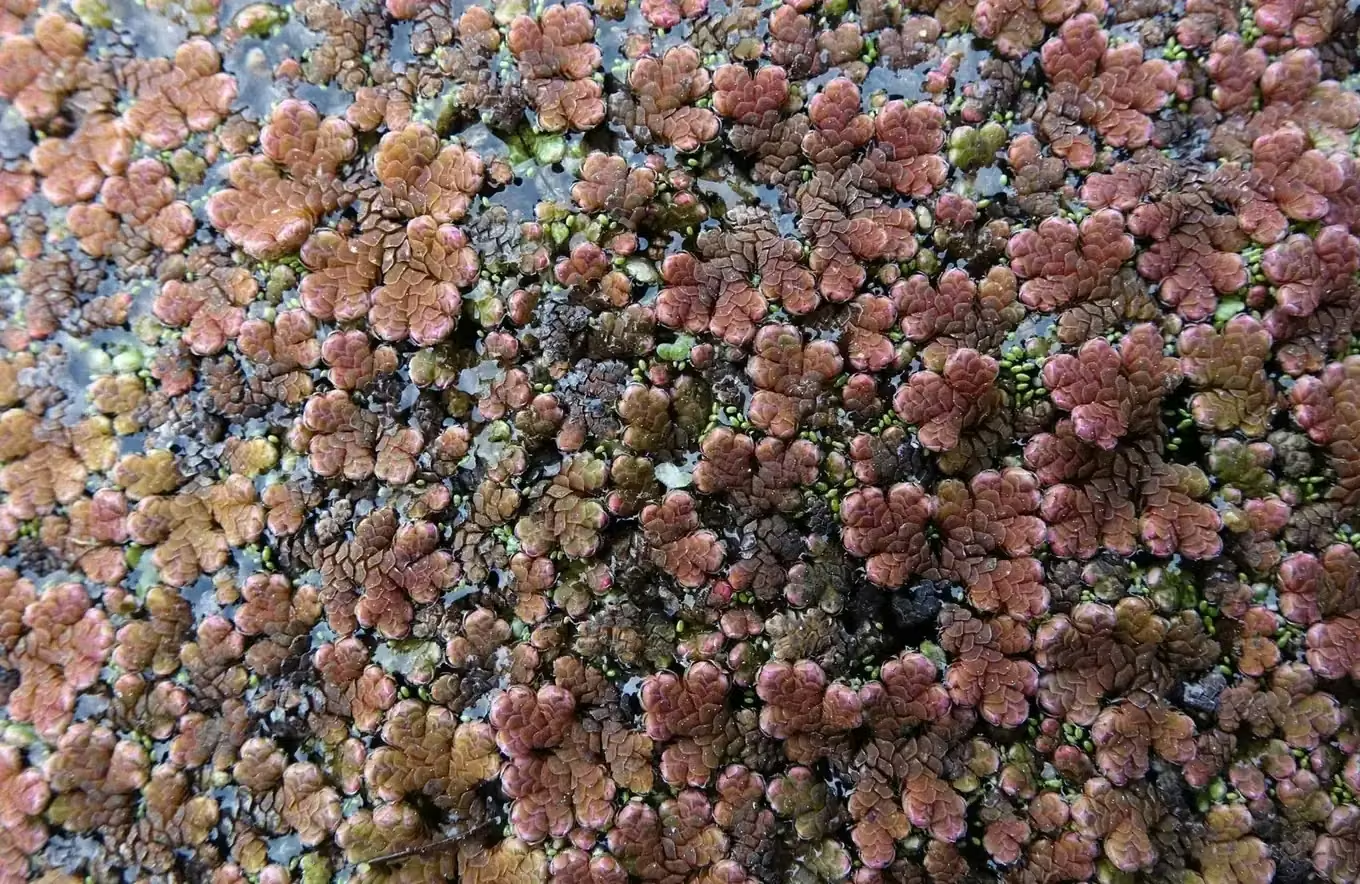
Common duckweed grows on still, fertile water, usually in sunny situations and only rarely in shade. It may occur mixed with other floating aquatic plants, including introduced Landoltia punctata and the fern Azolla filiculoides.
The species is native but not endemic to New Zealand and is also found elsewhere in the world.
Growing requirements
NZPCN reports that Lemna disperma can grow in a sunny pond or other still or slowly moving water and can also be kept in an aquarium. It may spread excessively in nutrient-rich water.
Establishing duckweed
NZPCN describes growing this duckweed in a sunny pond or aquarium with still or slow-moving water. It also cautions that the plant can become invasive in some situations, particularly where the water is nutrient-rich.
Ecological role
NZPCN identifies this duckweed as food for many aquatic invertebrates, tadpoles, fish and some dabbling birds. Its floating habit places its small platelets at the water surface while the single root extends below.
Aquarium and Pond Use
NZPCN describes Lemna disperma as an aquarium plant and notes that it can grow in ponds. Because it may spread rapidly in nutrient-rich water, its growth needs to be considered when choosing a contained setting.
Water-Garden Placement
A sunny water garden with still or slowly moving water matches NZPCN’s description of suitable cultivation. The source cautions that this species can become invasive, particularly in fertile water, so its spread is relevant to pond management.
Flowering and fruiting
NZPCN records flowering between November and February and fruiting between December and April. These periods overlap in summer; the dates describe recorded phenology rather than a guaranteed schedule for every water body.
Managing growth
This is a floating plant made of millimetre-sized platelets rather than a woody plant needing branch pruning. NZPCN notes that it can spread excessively in nutrient-rich water, making the amount of surface coverage a practical consideration.
How to Grow Common Duckweed (Lemna disperma)
Vegetative buds and seed
The small floating platelets of Lemna disperma bear one or two vegetative buds each. This gives the plant a way to increase without an upright flowering stem. It also has minute flowers and seed, but NZ Plant Conservation Network's growing advice concerns keeping the plant in suitable water rather than providing a seed-germination treatment.
A sunny water surface
The cultivation entry recommends a sunny pond or another still or slowly flowing body of water and identifies the species as suitable for aquaria. Its natural sites are generally still, fertile waters, most often in sun and only rarely in shade. Nutrient-rich conditions can allow it to become invasive within a water body, a relevant consideration when choosing it for a small pond or tank.
Recognising the individual plant
A platelet is at most about 6 mm long and 4 mm wide, nearly round to elliptic-obovate. The upper surface is bright green to yellow-green and faintly three-veined. The paler underside can have red or purple tinges. Each platelet carries a single root, relatively long for such a small plant, with a conspicuous root cap.
Flowering and aquatic associations
Flowering is recorded from November to February and fruit from December to April. The tiny inflorescence sits in a lateral pouch. In the wild this duckweed often occurs among other small floating plants, including water ferns and other duckweeds, and provides food for aquatic invertebrates, tadpoles, fish and some dabbling birds. Checking the platelet shape and single root helps identify the species within a mixed floating community.
Pests and diseases
NZPCN does not list a species-specific pest or disease treatment for this duckweed. Its naturally pale underside can have a red or purple tinge, so colour alone should be assessed in the context of identification.
Names and classification
New Zealand duckweed has historically been called Lemna minor, but NZPCN regards that name as incorrectly applied to these plants. It also notes unresolved questions about whether all New Zealand material belongs under L. disperma.
Distinguishing duckweeds
Check the number of roots below each platelet. NZPCN describes Lemna disperma as having one root, while introduced Landoltia punctata has two or more and is generally larger with a darker purple underside.
Other wetland plants
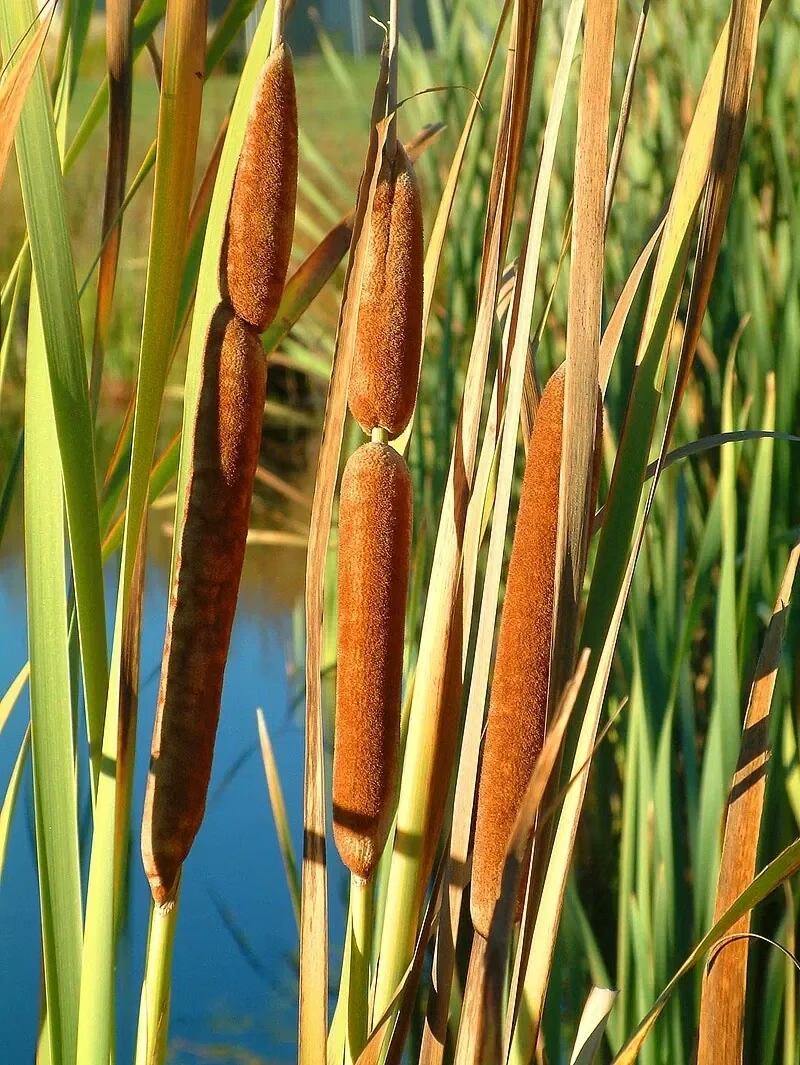
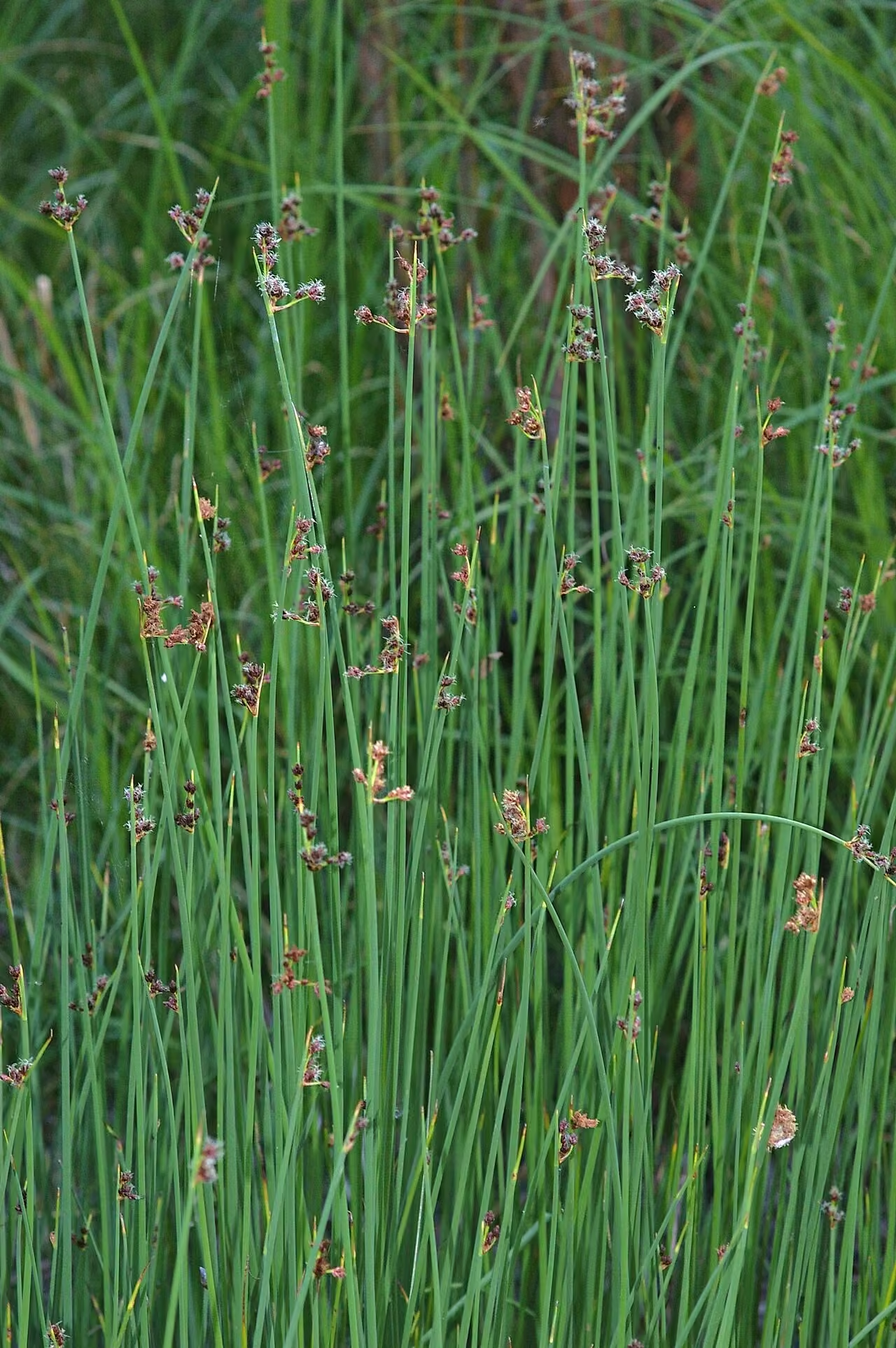
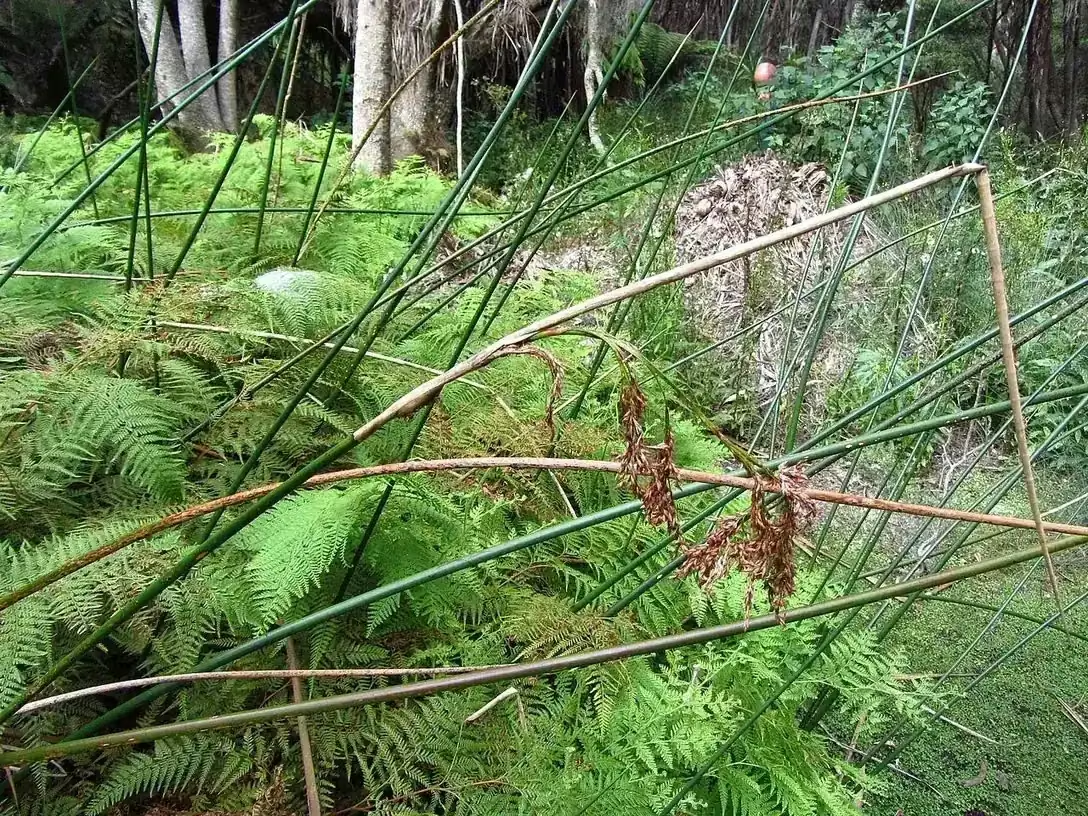
Explore other plants of New Zealand wetlands, including floating and emergent species.

Conservation
The 2023 national assessment lists Lemna disperma as Not Threatened. NZPCN lists the Auckland and Otago regional assessments as Data Deficient, so those regional entries should not be treated as equivalent to the national status.
Frequently asked questions
Does each platelet have a root?
NZPCN describes one root per platelet.
Is this the same as Lemna minor?
The latter name has been misapplied to New Zealand plants; NZPCN notes that their taxonomy needs further study.
How many roots does each platelet have?
Each platelet of Lemna disperma has a single root, with a conspicuous root cap.
Sources
- NZPCN: Lemna disperma.
- NZPCN: Lemna disperma fact sheet.
- NIWA: free-floating aquatic plants, for historical usage of the name Lemna minor.
- Wikimedia Commons: photograph and licence.
Taxonomy and New Zealand biostatus: Flora of New Zealand species account.
Last updated: