Jointed Twig-Rush
Baumea articulata (syn. Machaerina articulata )
Last updated:
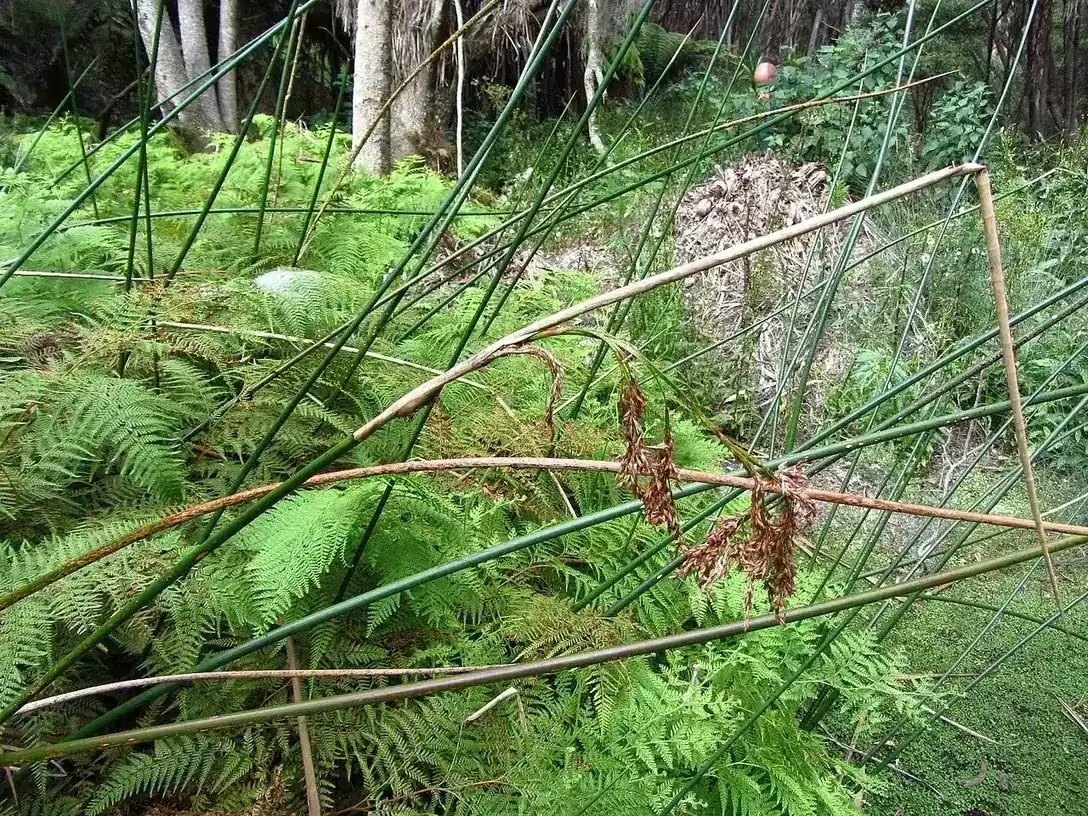
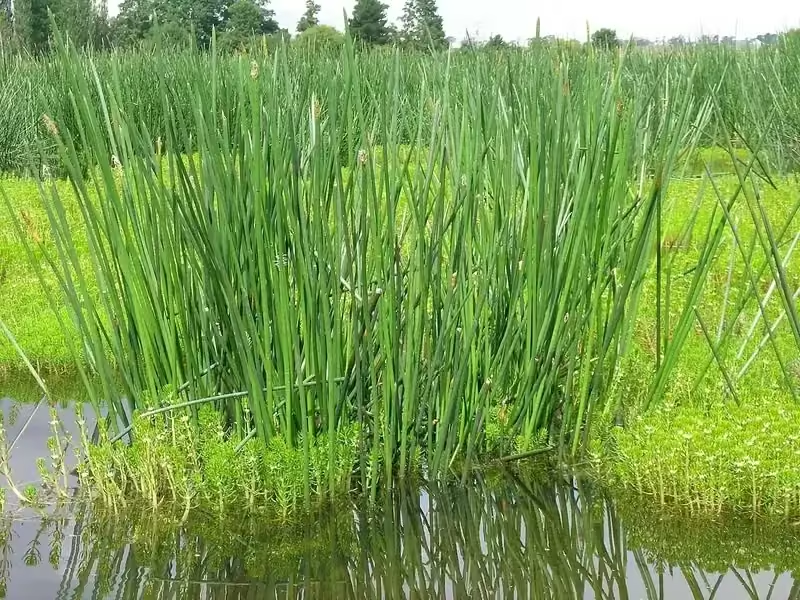
Jointed Twig-Rush (Baumea articulata) is a large, clump-forming perennial sedge that reaches up to 2 metres tall. Its most distinctive feature is its dark green, cylindrical leaves, about 1 cm thick and jointed at regular intervals by internal septa, giving the foliage a bamboo-like, articulated look. It spreads by robust rhizomes to form wide, dense colonies, and in summer produces large, branched panicles of brown flowers that droop to one side. A common emergent of New Zealand's freshwater wetlands, it grows from Te Paki south to the Manawatu, with rare occurrences around Nelson, thriving in standing water 1 to 2 metres deep. It provides vital cover and nesting habitat for native water birds, including the endangered bittern. Explore more wetland native plants in our native plant guide.
Plant Description
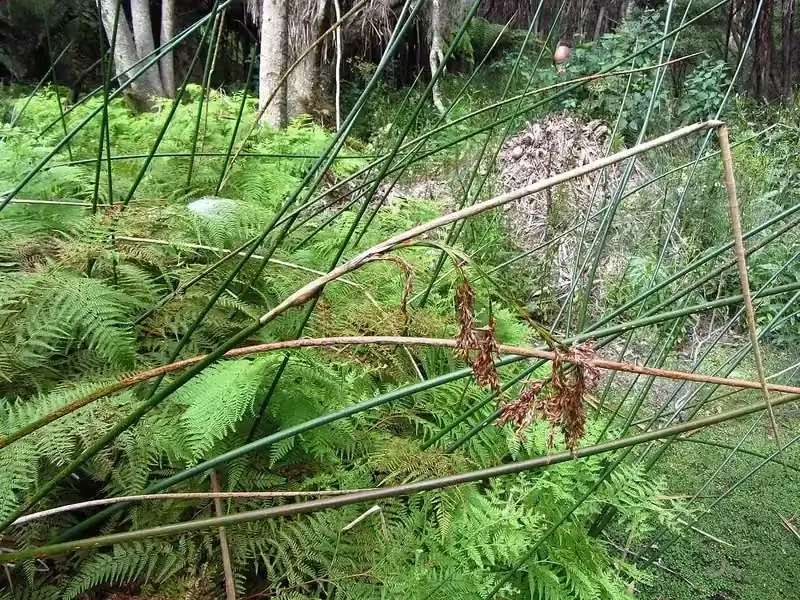
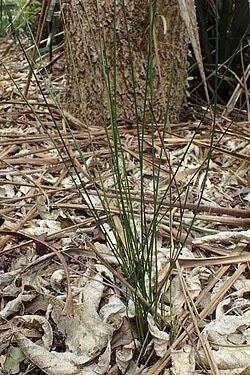
Baumea articulata is a large, clump-forming perennial sedge that can reach heights of up to 2 meters. Its most distinctive feature is its dark green, cylindrical leaves, which are approximately 1 cm thick and articulated (jointed) at regular intervals. These joints are caused by internal transverse septa, giving the foliage a unique bamboo-like or "jointed" appearance. New leaves emerge a lighter green before maturing into their characteristic deep hue. The plant spreads via a robust rhizome system, eventually forming wide, dense colonies.
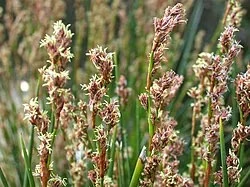
During the summer months, the Jointed Twig-Rush produces large, branched panicles of brown flowers that typically droop to one side, often compared to a horse's tail. These flower heads can range from 12 to 30 cm in length. The flowers are wind-pollinated and develop into small, dull brown, triangular seeds that mature in autumn. When growing en masse, the combined effect of the dark foliage and brown flowers can give a wetland an almost black or deep brown appearance from a distance. As the leaves die off, they turn a striking silvery colour, providing year-round textural interest.
Quick Facts
| Scientific Name | Baumea articulata |
|---|---|
| Height | 1.5 - 2 meters |
| Spread | 1 - 2 meters (colonizing) |
| Water Needs | High (Prefers standing water or wet soil) |
| Light | Full sun to semi-shade |
| Frost Tolerance | High (Naturally hardy) |
| Salt Tolerance | Low to Moderate (Lowland freshwater species) |
| Growth Rate | Fast |
| Lifespan | Perennial (Long-lived) |
Climate Best Suited to
Jointed Twig-Rush is well-adapted to the temperate maritime climates of New Zealand, being widespread throughout the North Island and found in the northern South Island. It flourishes in regions with high rainfall and consistent freshwater availability. It is highly resilient to wind and can withstand significant frosts, making it suitable for a range of altitudes up to approximately 380 meters. Its primary requirement is a location that remains damp or wet year-round, as it is a specialized emergent plant. While it can tolerate drier garden soils once established, it will only reach its full architectural potential in consistently moist to saturated conditions.
Regional Suitability
| City | Climate Suitability |
|---|---|
| Auckland | Highly Suitable (Enjoys the warmth and humidity) |
| Wellington | Highly Suitable (Temperate and wet) |
| Nelson | Highly Suitable (Native to this South Island niche) |
| Christchurch | Suitable (If provided with consistent water) |
| Hamilton | Highly Suitable (Ideal for local wetland zones) |
Plant Habitat
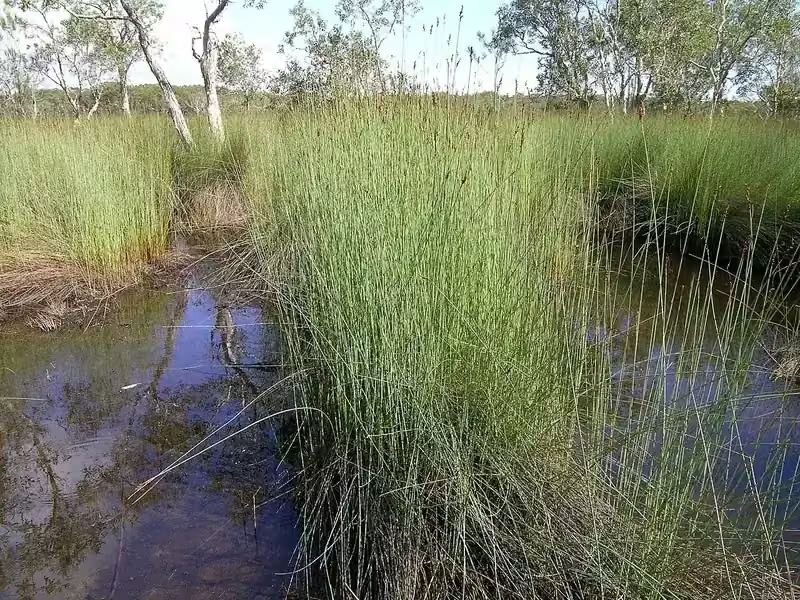
Baumea articulata is a common emergent plant in New Zealand's freshwater ecosystems. Its natural range extends from Te Paki in the far north down to the Manawatu River in the North Island, with rare occurrences in the South Island around Nelson. It thrives in extremely wet soils and standing fresh water, often growing in depths of 1 to 2 meters. Its preferred habitats include swampy lake margins, ponds, slow-moving stream and river banks, and the lag zones of peat bogs. It is a dominant species in many lowland wetlands, where it forms extensive, almost impenetrable thickets.
Growing Requirements
Soil Requirements
Thrives in heavy, organic-rich, and consistently wet soils. Adaptable to peaty substrates.
- High organic matter content
- Tolerates poor aeration and saturation
- Enjoys peaty or silty conditions
- Acidic to neutral pH
Light Requirements
Performs best in full sun but can tolerate light semi-shade.
- Full sun for maximum growth and flowering
- Adaptable to open, unshaded sites
- Moderate shade tolerance in garden settings
Water Requirements
High water needs. Ideally grown in standing water or boggy ground.
- Soil must remain wet or saturated
- Tolerates immersion up to 2 meters deep
- Drought-sensitive but can survive brief dry spells
- Excellent for pond margins
Planting and Establishing
Choose a location where the soil remains naturally wet, such as a pond edge, a rain garden, or a boggy depression. If planting into standing water, ensure the depth is appropriate for the size of the plant, ideally between 10 cm and 50 cm for initial establishment. Dig a hole twice the size of the root ball and enrich with compost or aged manure if the soil is poor. Position the plant so the crown is level with the soil surface (or underwater if applicable) and backfill, firming gently. If planting in a standard garden bed, maintain a rigorous watering schedule and use a thick layer of organic mulch to keep the soil saturated. For the most natural effect and to ensure successful establishment, mass plant several individuals 1 meter apart. They will quickly spread through their rhizomes to fill the space.
Ecological Role
Jointed Twig-Rush is an ecological powerhouse in New Zealand's wetlands. Its dense, upright clumps provide essential cover and nesting habitat for a variety of native water birds, most notably the endangered Bittern (Mātuku). It also provides a refuge for native frogs, fish, and a diverse range of aquatic invertebrates. The extensive root and rhizome system is exceptional at stabilizing banks and filtering pollutants and sediments from runoff, thereby improving water quality. The seeds are a food source for native fauna, and the overall biomass of the plant contributes significantly to the nutrient cycle within wetland ecosystems. It is a foundational species for any freshwater restoration project.
Uses & Significance
Garden & Landscape Uses
In landscaping, Baumea articulata is valued for its bold architectural form and fast growth. it is an ideal choice for naturalizing large pond margins, creating vertical interest in rain gardens, or providing a lush, green screen in wet areas. Its ability to thrive in deep water makes it a rare and useful tool for pond design.
- Pond and lake margins
- Wetland restoration projects
- Rain gardens and bioswales
- Erosion control on stream banks
- Large structural container plant
Wildlife & Conservation Significance
A critical species for supporting wetland biodiversity and providing habitat for New Zealand's rarest water birds.
- Primary habitat for Bittern (Mātuku)
- Refuge for native frogs and lizards
- Excellent water filtration properties
- Supports diverse invertebrate communities
Landscaping Uses
Landscape designers utilize Baumea articulata to create dramatic, large-scale textures in water-centric designs. Its dark green, bamboo-like foliage provides a striking vertical element that contrasts beautifully with broad-leaved wetland plants like Astelia grandis or flowering native herbs. In urban rain gardens, it offers a robust and fast-growing solution for managing storm water while providing aesthetic appeal. For large lifestyle blocks or parks, mass planting can naturalize extensive dam edges or low-lying swampy zones, creating a sense of established, wild New Zealand. Its ability to tolerate varied conditions-from deep water to damp soil-allows for versatile placement across a site's hydrological gradient.
Seasonal Care Calendar
Spring
As temperatures rise, new light green shoots will appear. This is the best time for dividing large clumps and applying a slow-release organic fertilizer.
- Divide established clumps
- Check shoots for aphids
- Apply organic fertilizer
Summer
The main flowering period. Ensure the soil remains saturated, especially if grown in containers or standard garden beds. Monitor for drooping brown panicles.
- Maintain maximum moisture
- Enjoy the architectural flowers
- Ensure no competing weeds establish
Autumn
Seeds will ripen and can be collected. The foliage remains vibrant but growth will slow as the weather cools. Prepare the site for winter dormancy.
- Collect mature seeds
- Reduce watering if appropriate
- Clear any excessive dead leaves
Winter
The plant is hardy and requires minimal care. Avoid disturbing the root zone. In very cold areas, the foliage may brown off slightly but will recover in spring.
- Minimal intervention required
- Avoid winter fertilization
- Ensure drainage remains functional
When to Prune and How Much
Pruning for Baumea articulata is primarily for maintenance and aesthetic purposes. The best time to tidy the plant is in late winter or early spring, just before the new growth commences. Use sharp shears to remove any old, dead, or yellowing leaves by cutting them as close to the base as possible. This encourages a fresh flush of healthy, vibrant foliage and improves air circulation through the clump. Spent flower stems can also be removed once they have dropped their seeds. In restoration plantings, pruning is rarely required as the plant follows its natural cycle of renewal.
- Remove dead or damaged outer leaves
- Prune in late winter or early spring
- Tidy spent flower panicles in autumn
Regularly clearing fallen leaves and organic debris from the crown of the plant will help maintain a healthy and vigorous specimen.
How to Grow Jointed Twig-Rush
Propagating Jointed Twig-Rush ( Baumea articulata ) is a straightforward and rewarding process, allowing you to rapidly expand its presence in your garden or restoration site. This resilient sedge can be successfully grown from both seed and division, with each method offering its own advantages. Providing the consistently wet conditions it loves is the most important factor for success.
From Seed
Growing from seed is an excellent method for producing a large number of plants for restoration projects. Collect mature, dull brown seeds in autumn. Sow the seeds immediately or store them in a cool, dry place until spring. Use a seed-raising mix that is high in organic matter and keeps moisture well. Sow the seeds on the surface and cover with a very thin layer of fine mix or sand. Place the tray in a warm, bright greenhouse or a sheltered outdoor spot and keep the soil consistently saturated. Germination usually occurs within 4-8 weeks. Once the seedlings have reached about 10 cm in height and have established a good root system, they can be transplanted into individual pots before final planting into the wetland.
- Collect mature brown seeds in autumn.
- Sow on the surface of a moist, peaty mix in spring.
- Maintain consistent saturation.
- Provide warm, bright conditions for germination.
- Wait for seedlings to reach a robust size.
- Transplant young plants into individual containers.
From Division
Division is the fastest and most reliable method for home gardeners to clone established clumps. This is best performed in spring or early autumn when the plant is actively growing. Carefully dig up a mature clump, or a portion of one, and use a sharp spade or knife to separate the rhizome into sections. Ensure each new division has a healthy clump of roots and several leaves. Replant these immediately into their final location or into large pots filled with organic-rich soil. Keep the new divisions saturated and sheltered from direct midday sun until they show signs of new growth and establishment.
- Gently dig up a portion of a healthy mature clump.
- Identify robust rhizome sections with roots and leaves.
- Separate carefully using a sharp, clean spade or knife.
- Replant immediately into consistently wet soil.
- Maintain high moisture and semi-shade during initial recovery.
Additional Methods
While less common, some success has been achieved with tissue culture in commercial nurseries. However, for most purposes, seed collection and rhizome division provide all the new plants required. Ensuring the parent plant is well-hydrated before propagation and maintaining strict hygiene with your tools will maximize your success rate. Providing a stable, moisture-rich environment for young plants is crucial for their long-term health and vitality in the garden or natural landscape.
Pests & Diseases
Jointed Twig-Rush is a remarkably hardy species with few significant pest or disease problems. Its tough, cylindrical leaves are generally unattractive to most common garden pests. Occasionally, aphids may appear on the tender new spring growth; these can be easily managed with a strong spray of water. Fungal issues such as leaf spot can occur in excessively humid and still environments, but this is rarely a problem if the plant is grown in its preferred open, airy wetland sites. The most important factor for health is maintaining the consistently wet soil conditions the plant requires.
Cultural Significance
As a dominant and widespread wetland species, Baumea articulata forms part of the natural and cultural landscape of New Zealand. While it may not have as many documented traditional uses as Raupō or Harakeke, it is an integral part of the ecosystems that sustained Māori communities for centuries. Its role in filtering water and providing habitat for important food species like eels and water birds gives it a quiet but profound significance. In modern Aotearoa, its status as a foundational species for wetland restoration represents our ongoing commitment to kaitiakitanga (guardianship) and the preservation of our unique freshwater heritage.
Bonus Tip
To truly appreciate the bamboo-like appearance of Jointed Twig-Rush, plant it in a position where the light can highlight the horizontal septa within the leaves. For a stunning effect, use it as a backdrop for lower-growing flowering wetland plants like Lobelia angulata . Remember that this plant is a fast colonizer, so give it plenty of space to spread and form its beautiful architectural mounds.
Related Plants
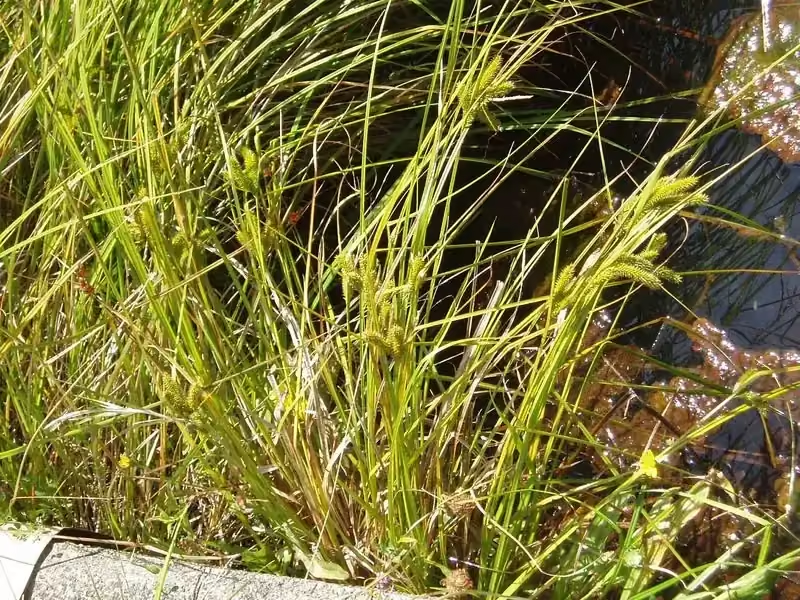
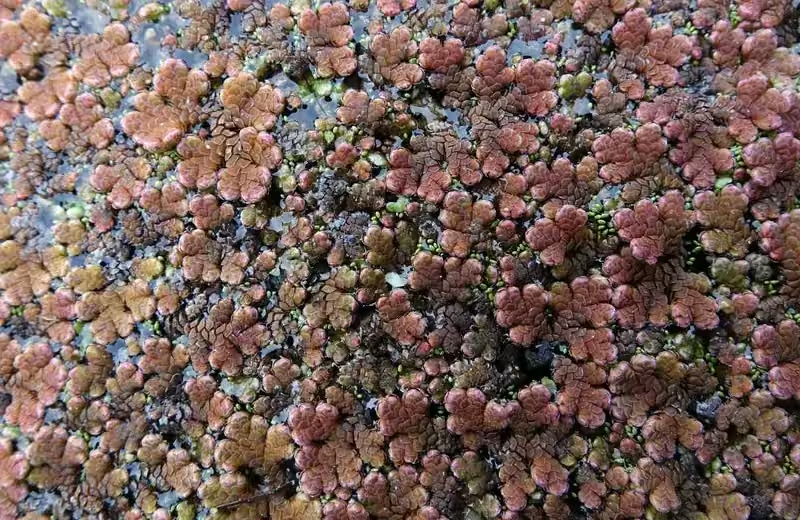
Explore other native New Zealand plants that share characteristics or habitats with Jointed Twig-rush ( Baumea articulata ), offering further insights into our diverse wetland flora. These related species can provide inspiration for complementary plantings in your riparian project.


Plant Conservation
Baumea articulata is classified as "Not Threatened" in the New Zealand Threat Classification System. While common in the North Island, its populations are naturally stable and healthy. However, the rare occurrences in the South Island require ongoing monitoring. Protecting New Zealand's remaining freshwater wetlands from drainage, invasive weeds, and pollution is the most effective way to ensure the continued success of this architectural sedge. Gardeners and restoration groups can contribute by using Jointed Twig-rush in suitable environments, thereby creating essential habitat for native water birds and improving the overall health of our aquatic ecosystems. Sourcing plants from nurseries that promote ethical and sustainable practices also supports long-term conservation goals.
Frequently Asked Questions
How tall does Jointed Twig-Rush grow?
It is a large sedge reaching 1.5 to 2 metres tall.
Where does Jointed Twig-Rush grow naturally?
It grows in freshwater wetlands from Te Paki to the Manawatu, with rare occurrences around Nelson, often in standing water 1 to 2 metres deep.
How fast does Jointed Twig-Rush grow?
It is a fast-growing, colonising sedge that forms wide, dense stands via its rhizomes.
What wildlife does Jointed Twig-Rush support?
Its dense clumps provide cover and nesting habitat for native water birds, including the endangered bittern.
Sources and Further Reading
The botanical, growing, and conservation details for Jointed Twig-Rush (Baumea articulata) on this page draw on authoritative New Zealand plant references and citizen-science observation records. Consult the sources below for full technical records and the latest distribution data.