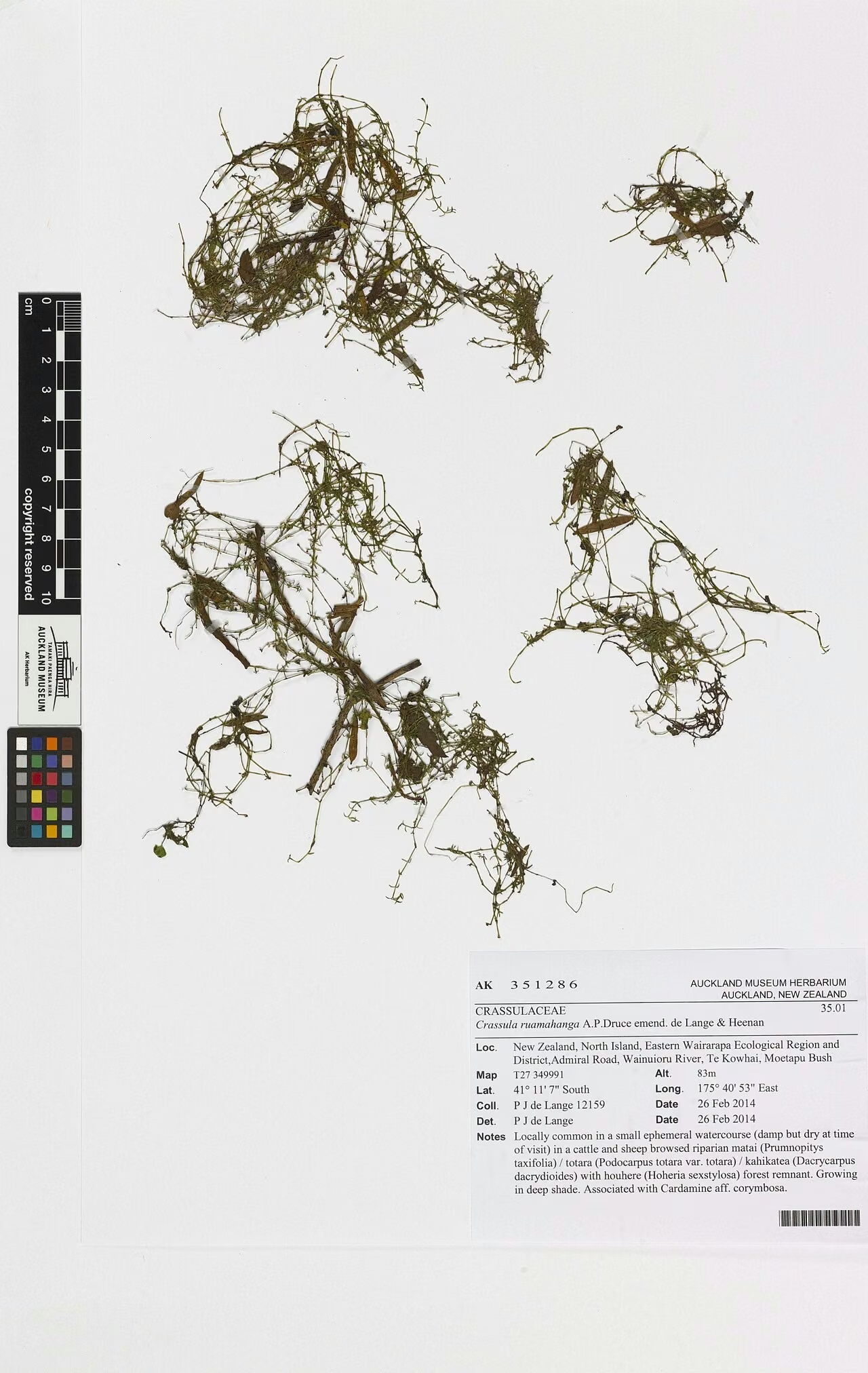
Stonecrop
Crassula ruamahanga
Last updated:
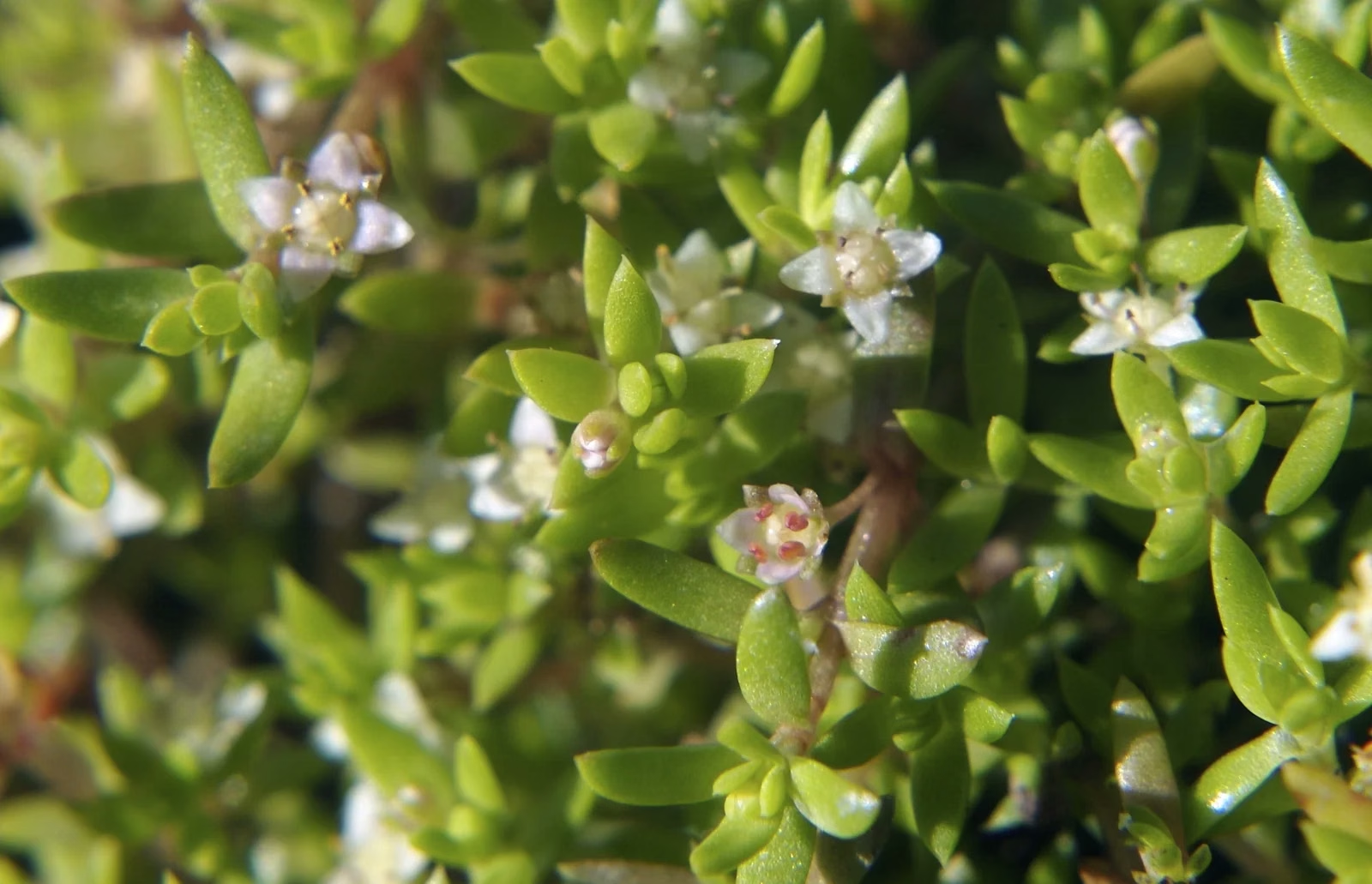
Crassula ruamahanga is a small perennial succulent herb endemic to New Zealand that forms bright green mats, from small diffuse patches to large dense carpets. Its prostrate stems root at the nodes and carry tiny fleshy leaves 1.3-8 mm long, with single star-shaped, four-petalled red, pink or white flowers about 2 mm across. It is an opportunist of damp, open ground from sea level to about 500 m, from the Wairoa River near Dargaville to Stewart Island and the Chatham Islands, and is most common in the Wairarapa and on the Southland plains. It is ranked At Risk - Naturally Uncommon. Explore more native ground covers in our native plant guide.
Plant Description
Crassula ruamahanga is a perennial herb in the stonecrop family that forms small to large, diffuse to dense, bright green mats. The stems are prostrate and root at the nodes. The paired fleshy leaves are 1.3-8 mm long and 0.4-1.5 mm wide, lanceolate to elliptic-lanceolate, with sharp or blunt tips.
The flowers are star-like, four-parted, 1.8-2.5 mm in diameter and borne singly in the leaf axils. Petals are red, pink or white. NZPCN records flowers at any time of year. The species is remarkable for its range of chromosome numbers, with counts of 2n = 42, 64, 70, 84 and 90 reported.
It is closely related to Crassula hunua, from which it is distinguished mainly by its acute-tipped leaves and petals and the persistent small point on the leaf tip. Crassula kirkii of brackish coastal sites is similar but larger in all parts, with broader leaves and larger, usually pink flowers.
Quick Facts
| Scientific Name | Crassula ruamahanga |
|---|---|
| Height | Under 3 cm |
| Spread | Small patches to large mats |
| Water Needs | High; damp to wet ground |
| Light | Full sun to partial shade |
| Frost Tolerance | Moderate to high; ranges south to Southland and Stewart Island |
| Salt Tolerance | Moderate; recorded in estuarine conditions |
| Growth Rate | Fast |
| Lifespan | Perennial |
Climate Best Suited to
Adaptable across temperate lowland New Zealand, from mild Northland to cool Southland, wherever the ground stays damp.
Regional Suitability
| City | Climate Suitability |
|---|---|
| Auckland | Medium |
| Wellington | High |
| Christchurch | Medium |
| Dunedin | High |
Plant Habitat
Crassula ruamahanga is endemic to New Zealand, ranging from the Wairoa River near Dargaville south to Stewart Island/Rakiura and also on Chatham Island. It is most common in the Wairarapa in the North Island and on the Southland plains in the South Island.
It occurs from sea level to about 500 m in damp, open places: riverbeds, muddy hollows, estuarine margins and even urban drains, gravel paths and bowling greens. NZPCN says its favoured habitat seems to be river sides and muddy hollows and pools within lowland alluvial forest.
Growing Requirements
Soil Requirements
It grows on wet, often silty or muddy soils, and copes with compacted, poorly drained ground better than most plants.
- Silt, mud, clay or wet gravel
- Tolerates poorly drained soils
- Moderate fertility is fine
- Needs moisture year-round
Light Requirements
It grows in both open and lightly shaded sites, including alluvial forest hollows. NZPCN notes it can spread vigorously in shaded, damp places.
- Full sun to partial shade
- Bright green colour holds best with some sun
Water Requirements
Keep the ground moist. It thrives in places that flood occasionally and stay damp between floods.
- Ideal for poorly drained lawns and hollows
- Tolerates temporary inundation
- Water during dry summers
Planting and Establishing
Plant rooted pieces or small plugs about 10-20 cm apart into moist ground in spring or autumn; they will knit together into a continuous mat. Firm them onto the soil surface and water well.
Because it can spread vigorously in damp sites, think about where you want it before planting near paths or beds of small treasures. Use local-source material within its natural range.
Ecological Role
No pollinator studies were found. Its tiny flowers appear year-round and produce minute seeds that are probably spread by water and by mud carried on animals, people and machinery, which may explain its appearance in urban drains and on bowling greens.
It is an opportunistic coloniser of open, wet ground, occupying muddy hollows and river margins where flooding or trampling keeps larger plants at bay. NZPCN notes heavy stock use, particularly by cattle, can destroy its habitat.
Uses & Significance
Garden Uses
One of the most garden-worthy native Crassula, useful for covering wet ground.
- Native lawn alternative on poorly drained soil
- Ground cover for rain gardens and swales
- Pond and stream margins
- Between stepping stones in damp areas
Ecological Value
It provides native cover on wet, open ground and supports the diversity of lowland wetland margins.
- Native alternative to weedy wet-ground mat plants
- Part of riverside and alluvial forest floor communities
- Stabilises bare mud and silt surfaces
Landscaping Uses
Use it to carpet the base of a rain garden or the margin of a pond, where its bright green mats soften stones and edges. It can also form a low, rarely mown lawn in wet hollows where grass struggles.
Combine with other wet-ground natives such as Leptinella, Pratia (Lobelia angulata) and small Carex for a varied, low-maintenance wetland edge.
Seasonal Care Calendar
Spring
Vigorous new growth and flowering.
- Plant or divide
- Weed through mats
Summer
Mats continue spreading wherever the ground is moist; flowers present.
- Water in drought
- Trim edges if needed
Autumn
Good season for planting and dividing as soils re-wet.
- Plant plugs
- Collect seed
Winter
Mats stay green and continue to grow slowly in mild districts.
- Avoid heavy trampling of saturated mats
- Remove smothering leaves
When to Prune and How Much
No pruning is required. Where it spreads beyond its intended area, pull or cut back the edges; the trimmings can be replanted elsewhere.
Used as a lawn, it can be mown occasionally on a high setting, but it is low enough that it rarely needs it.
How to Grow Stonecrop
NZPCN describes Crassula ruamahanga as easy to propagate from rooted pieces, stem cuttings and seed. Its stems root freely at the nodes, so almost any piece will grow on moist soil. This ease is also a caution: NZPCN warns it can become a troublesome weed in damp soils and shaded sites, so keep it away from beds of small plants it might overrun. Because some regional populations are ranked Regionally Critical, collect material locally and with permission.
From Cuttings
Stem cuttings and rooted pieces are the quickest method and can be taken through most of the year, though spring and autumn give the fastest establishment.
- Cut short lengths of stem with several pairs of leaves
- Lay them on a wet, fine potting mix or directly on moist soil
- Press gently so nodes are in contact with the surface
- Keep constantly moist in good light
- Plant out once a small mat has formed
From Seed
Seed can be gathered from flowering mats at most times of year. It is dust-fine and should be surface sown. In practice, seed is rarely needed because cuttings are so reliable, but sowing is useful when you want a large number of plants from a small amount of material, such as for a restoration project.
- Collect stems with ripe fruits and dry them over paper
- Sprinkle seed thinly on a damp, fine mix
- Keep the surface wet by standing the tray in shallow water
- Grow on in bright light until clumps can be divided into pots
Pests & Diseases
No specific pests are recorded. NZPCN lists competition from other plants and habitat destruction by heavy stock use, especially cattle, as the main threats in the wild.
In gardens, slugs may nibble the fleshy leaves, and taller weeds can shade out mats if not controlled.
Cultural Significance
The species is named after the Ruamāhanga River, the major river of the Wairarapa. Its type locality is beside the river at Hurunuiorangi, which the NZ Flora describes as an old Māori site. No traditional Māori use of the plant itself is recorded in the sources consulted.
It was described by Wellington botanist A.P. (Tony) Druce and the description was later emended by Peter de Lange and Peter Heenan. It was the NZPCN Plant of the Month in July 2004.
Bonus Tip
If part of your lawn is permanently soggy and grass keeps failing, try plugging in small pieces of Crassula ruamahanga. On poorly drained soil it can form a bright green, rarely mown native turf that tolerates light foot traffic.
Related Plants
Explore other native plants that share similar characteristics or habitats with Stonecrop (Crassula ruamahanga), offering further insights into New Zealand's diverse flora. These related species provide context and opportunities for complementary planting in your garden.
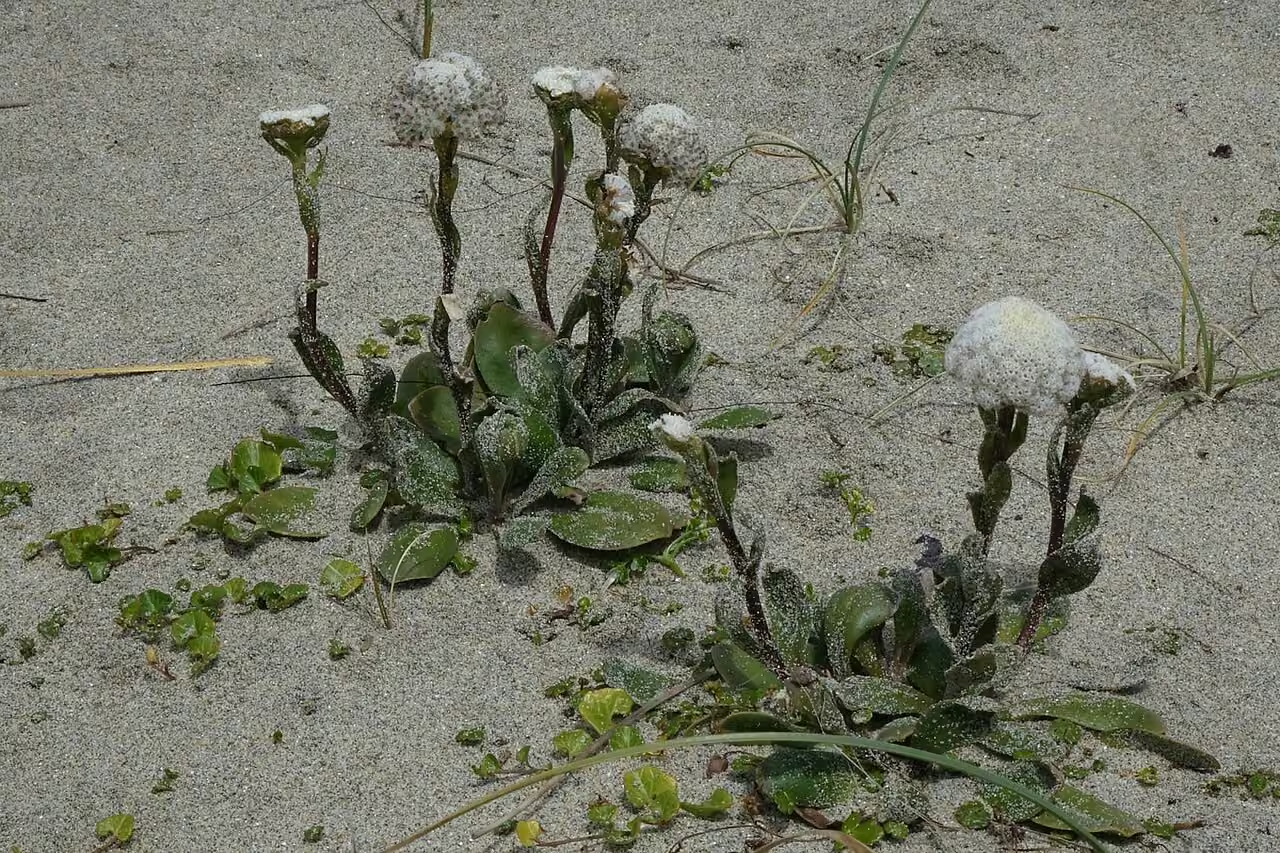
Craspedia robusta var. robusta
Craspedia robusta var. robusta
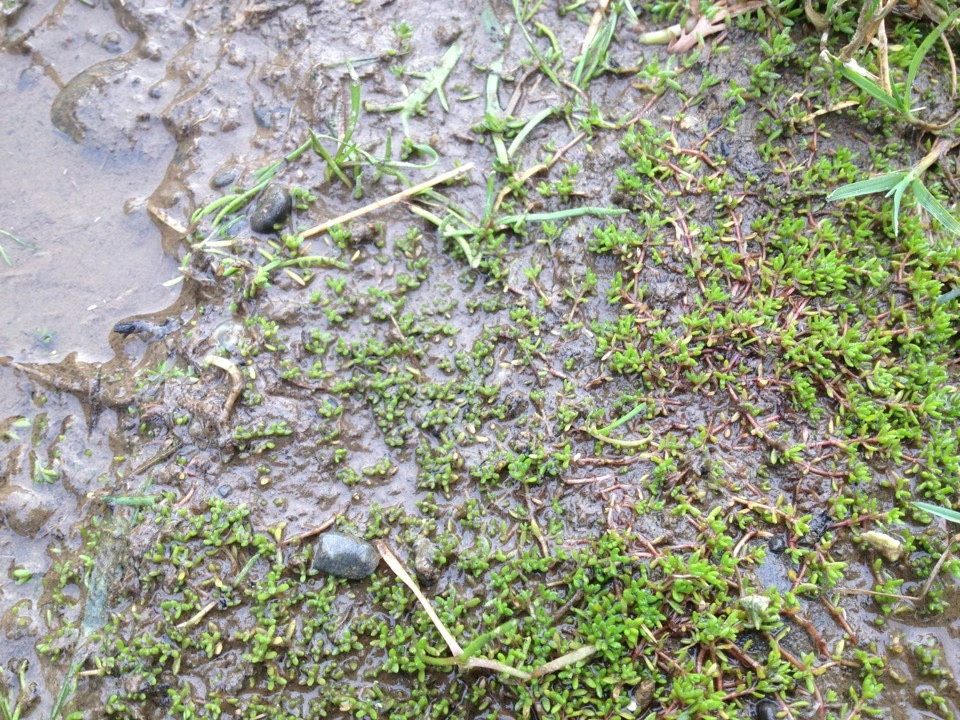
Kirk's Crassula
Crassula kirkii
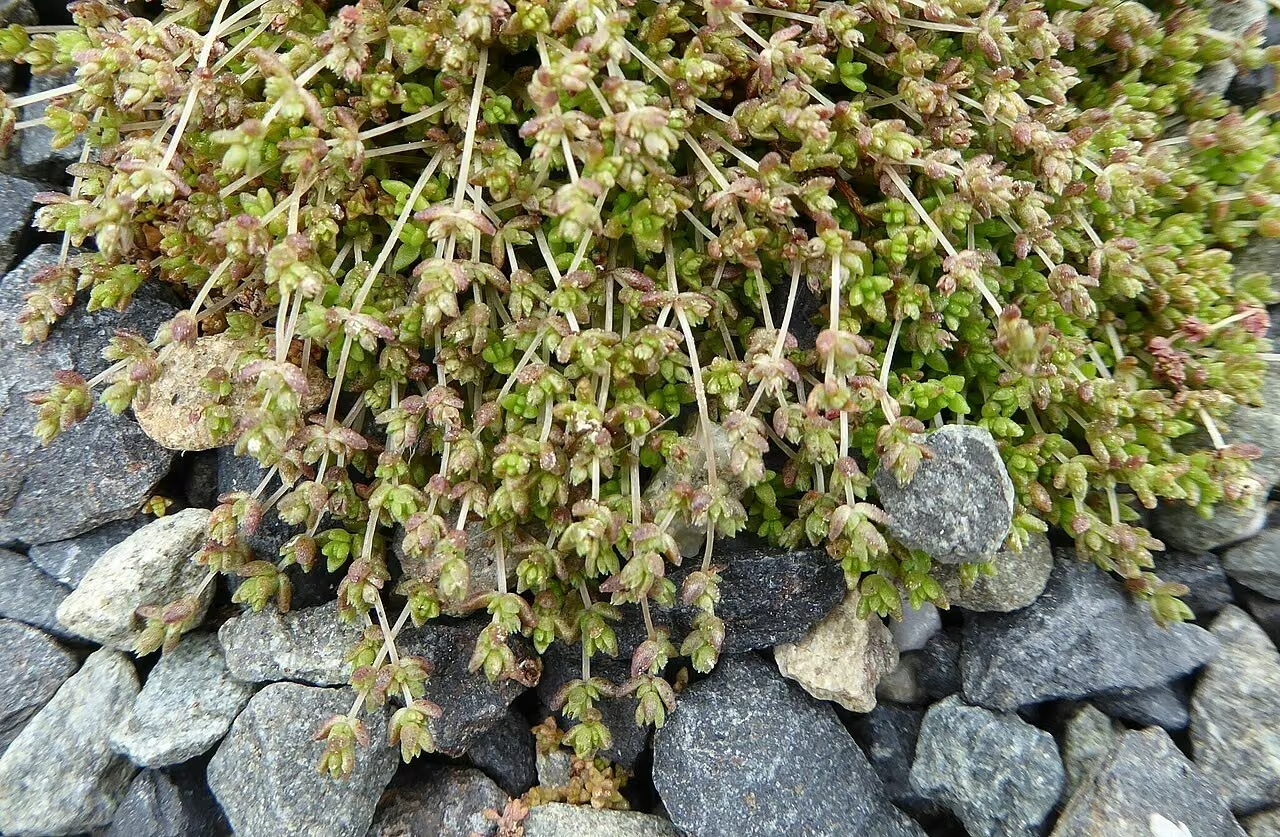
Crassula mataikona
Crassula mataikona
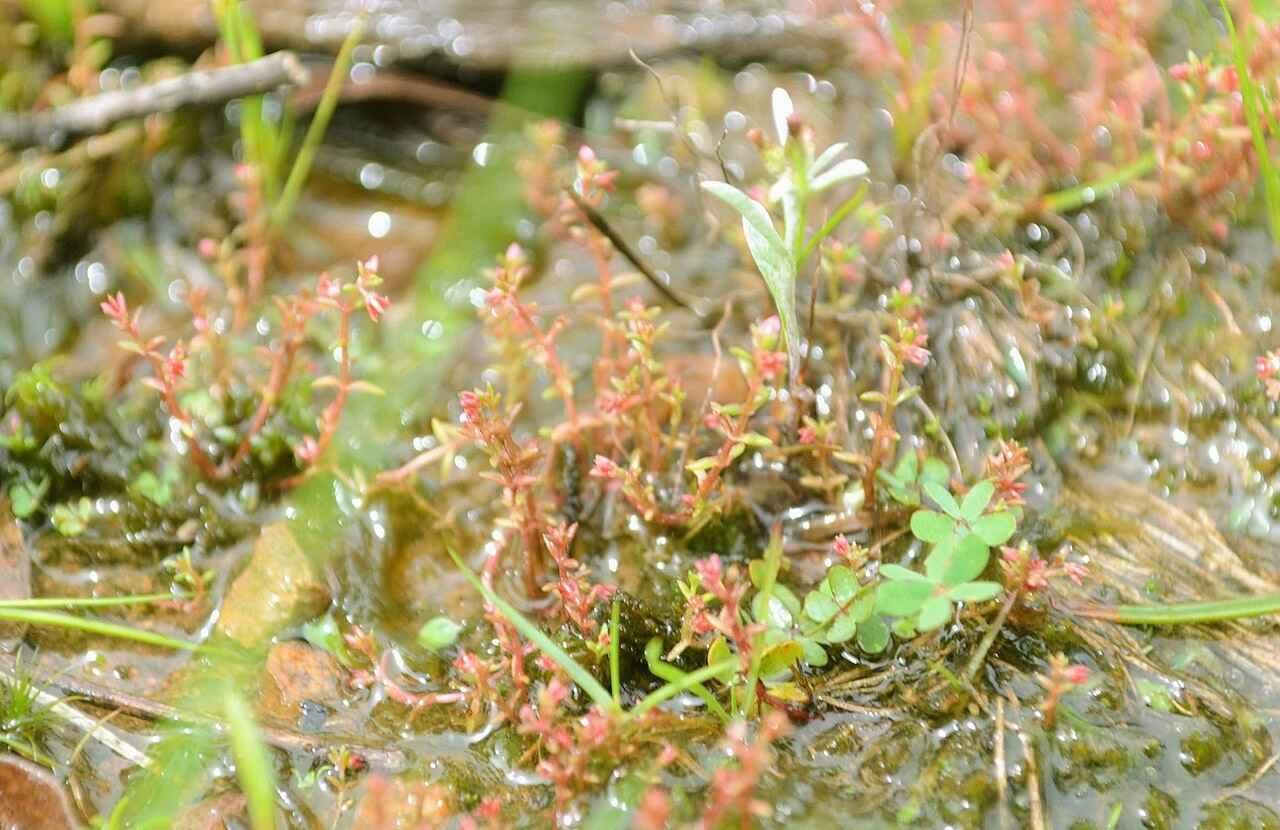
Crassula peduncularis
Crassula peduncularis
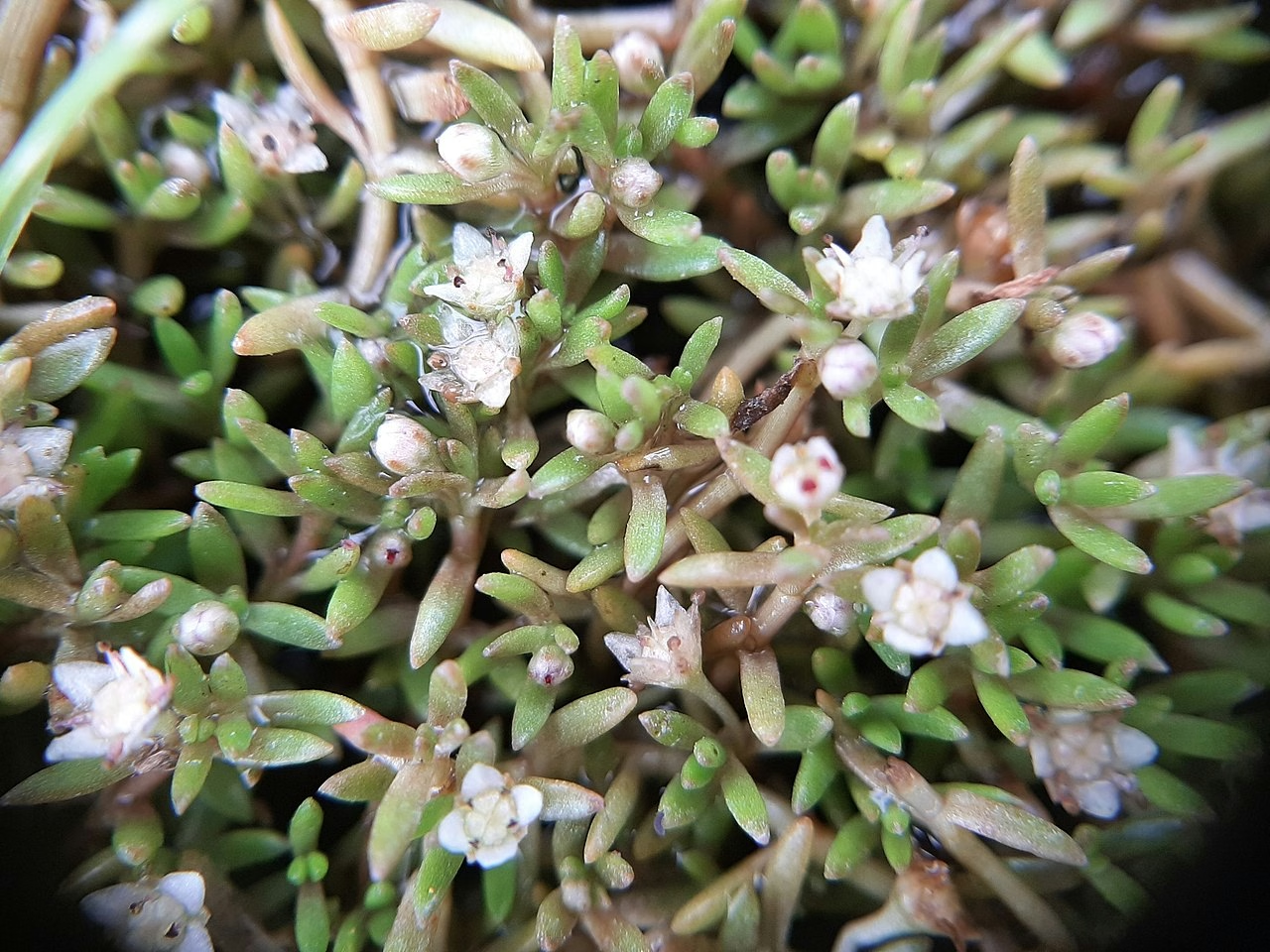
Sinclair's Stonecrop
Crassula sinclairii
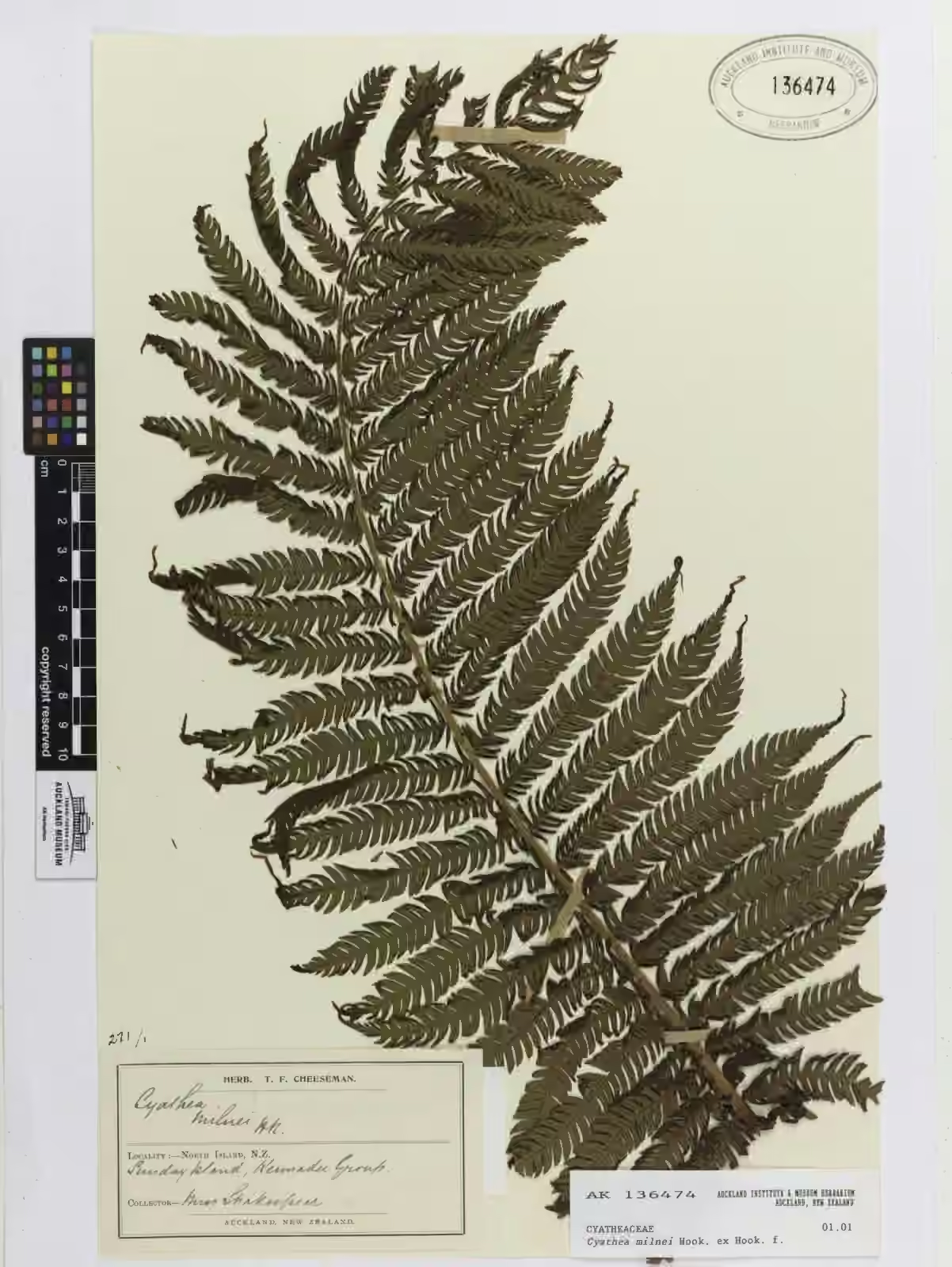
Milne's Tree Fern
Alsophila milnei
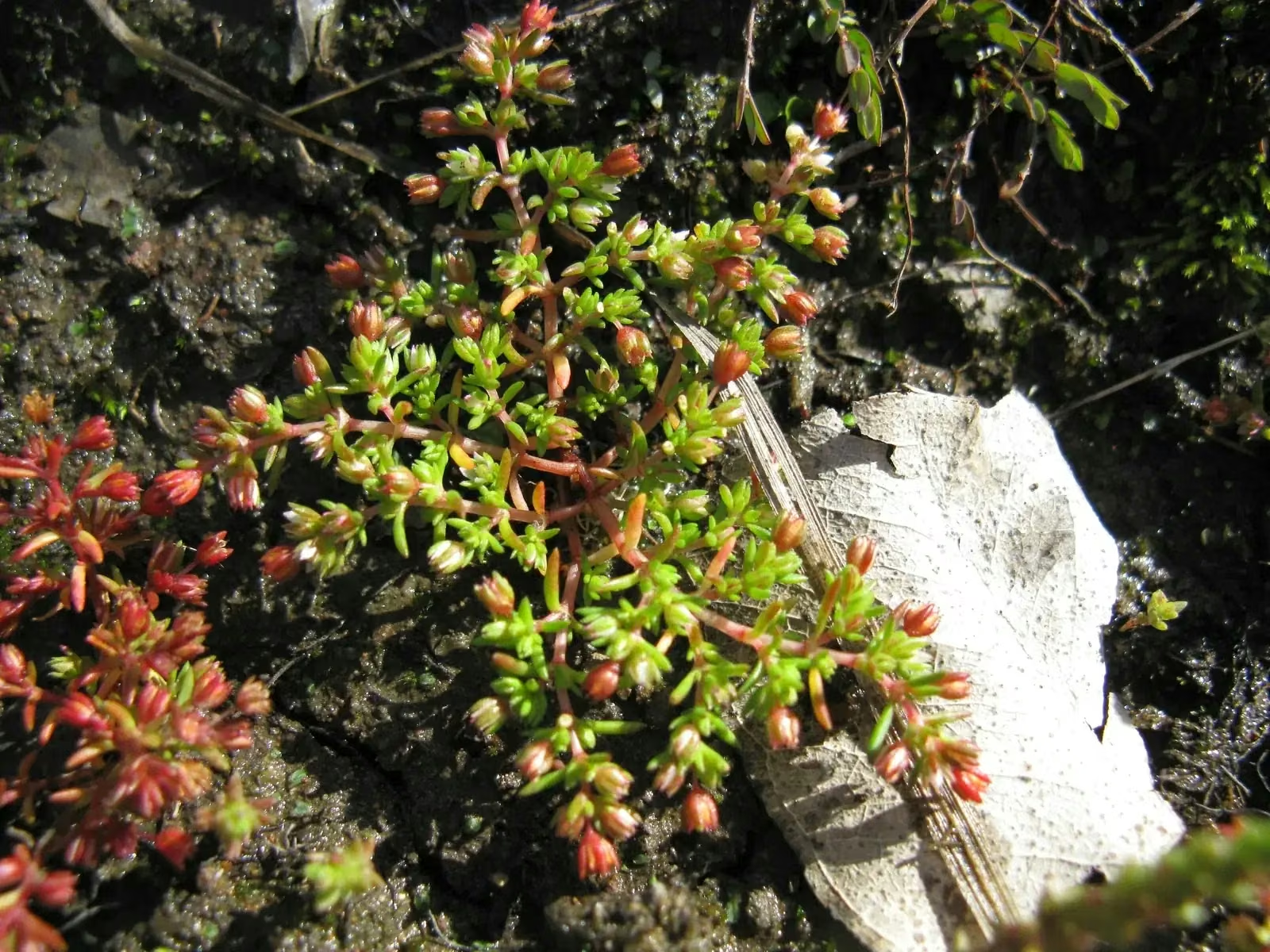
Decumbens Plant
Decumbens Plant
Helmsii Plant
Helmsii Plant
Plant Conservation
Crassula ruamahanga is ranked At Risk - Naturally Uncommon (2023). Regionally it is ranked Critical in Northland (2026), Wellington and Otago (2025) and Endangered in Auckland (2025), reflecting how scattered and small many populations are.
Threats include competition from taller plants and damage to wet habitats by heavy stock use, especially cattle. Fencing riparian margins while keeping some open, damp ground, and protecting alluvial forest remnants, benefit it.
Frequently Asked Questions
Where does the name Crassula ruamahanga come from?
It refers to the Ruamāhanga River in the Wairarapa. The type locality, the old Māori site of Hurunuiorangi, lies beside the river.
Where does Crassula ruamahanga grow?
NZPCN describes it as favouring river sides and muddy hollows and pools within lowland alluvial forest, but it also turns up on riverbeds, estuary margins, gravel paths and even bowling greens.
Can Crassula ruamahanga be used as a lawn?
NZPCN says it makes an excellent ground cover or lawn on poorly drained soils, though it can become troublesome in damp soils and shaded sites.
How is Crassula ruamahanga different from Crassula hunua?
The two are closely related. C. ruamahanga is distinguished mainly by its acute-tipped leaves and petals, and by leaves that keep a small pointed tip (apiculus).
Sources and Further Reading
The botanical, growing, and conservation details for Stonecrop (Crassula ruamahanga) on this page draw on the New Zealand plant references below. Consult them for full technical records and the latest distribution data.