Stonecrop
Crassula peduncularis
Last updated:
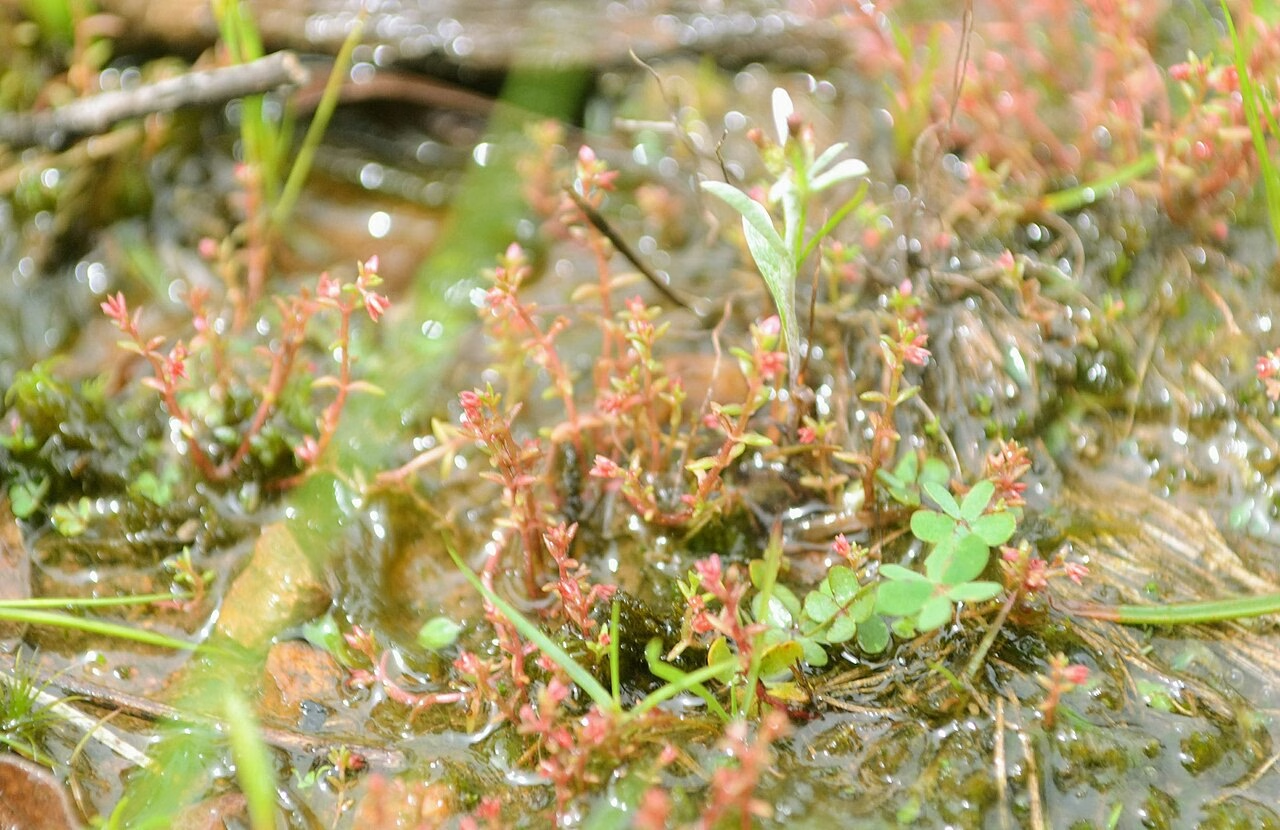
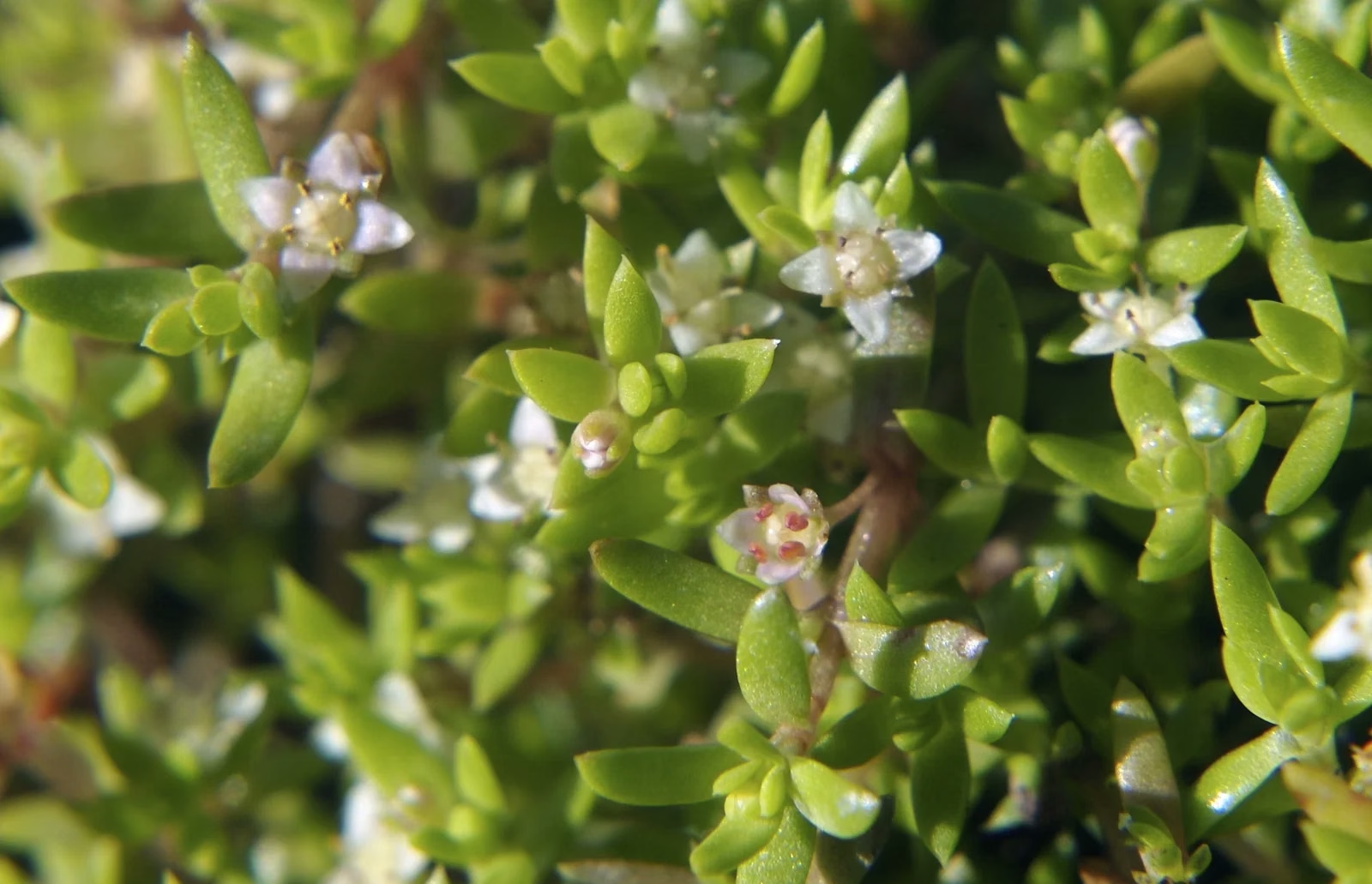
Crassula peduncularis is a delicate annual succulent herb that is native to New Zealand, Australia and southern South America. It has prostrate to trailing fleshy stems that root at the nodes and tiny linear leaves 1.3-4.5 mm long. Its four-petalled red, pink or white flowers are carried singly on long stalks, which gives the species its name and sets it apart from other native Crassula. In New Zealand it grows in ephemeral wetlands, seasonally damp coastal turf and uplifted marine terraces from Taranaki and Hawke's Bay south to Stewart Island. Weed invasion has made it Threatened - Nationally Critical. Explore more native ground covers in our native plant guide.
Plant Description
Crassula peduncularis is a small annual herb in the stonecrop family. Its stems are decumbent or prostrate, fleshy, often much branched and root at the nodes. The leaves are small and fleshy, 1.3-4.5 mm long and 0.3-0.7 mm wide, linear to linear-lanceolate. Plants often redden as they age and dry out.
The flowers are four-parted, with red, pink or white petals, and are carried singly on slender stalks (peduncles) that lift them clear of the leaves. Fruits are minute follicles holding tiny seeds, dispersed by wind, water and possibly by attachment. The chromosome number is 2n = 42.
The stalked seed heads and strictly annual habit distinguish it from other indigenous Crassula species, most of which are perennial mat-formers with nearly stalkless flowers. NZPCN notes it differs from the naturalised South African C. decumbens by its smaller size, upright bushy form and larger flowers.
Quick Facts
| Scientific Name | Crassula peduncularis |
|---|---|
| Height | A few centimetres; stems mostly prostrate |
| Spread | Small patches up to about 15 cm |
| Water Needs | High in winter and spring; tolerates summer drying |
| Light | Full sun |
| Frost Tolerance | Moderate; ranges from coastal to subalpine sites |
| Salt Tolerance | Moderate; grows in coastal turf and marine terraces |
| Growth Rate | Fast; completes its life cycle in one season |
| Lifespan | Annual |
Climate Best Suited to
Suits climates with wet winters and springs followed by dry summers, where shallow pools and damp turf dry out each year.
Regional Suitability
| City | Climate Suitability |
|---|---|
| Auckland | Low |
| Wellington | Medium |
| Christchurch | Medium |
| Dunedin | Medium |
Plant Habitat
In New Zealand it is found in the North Island from the Taranaki coast and Hawke's Bay south to Wellington, in scattered sites in the South Island from Marlborough to Southland, and on Stewart Island/Rakiura at Mason Bay. Overseas it is native to Australia and southern South America; in Western Australia it grows in marshy places and around ephemeral pools on granite outcrops.
It ranges from the coast to subalpine elevations, favouring ephemeral wetlands such as lake margins and tarns, seasonally damp coastal turf and uplifted marine terraces. These habitats are wet in winter and spring and dry out in summer, which suits its annual life cycle. NZPCN notes the largest remaining populations are where grazing animals suppress competing plants or at higher elevations.
Growing Requirements
Soil Requirements
It grows on open, seasonally wet soils such as silty lake margins and thin turf over marine terraces.
- Damp silt, sand or fine gravel
- Open bare ground with little competition
- Low fertility
- Wet in winter and spring, drying in summer
Light Requirements
Needs full sun on open ground; shading by taller plants quickly eliminates it.
- Full sun
- Sites where grazing or flooding keeps vegetation low
Water Requirements
It needs plenty of moisture while growing and flowering, then tolerates drying as it sets seed. NZPCN recommends a small pot partly submerged in water for cultivation.
- Keep constantly damp from late winter to early summer
- Allow to dry as seed ripens
- Re-wet in late autumn for the next generation
Planting and Establishing
Because this is a Nationally Critical annual, it is not a plant for ordinary gardens. Any cultivation should be part of a recognised conservation programme using seed from documented sources.
Seedlings or seed are best placed in a small pot of wet, sandy mix stood in a tray of water in full sun. In restoration, the focus is on maintaining the open, seasonally wet conditions at existing sites rather than on planting.
Ecological Role
As an annual of ephemeral wetlands, it germinates as the ground wets up, flowers from late July to December and fruits from August to February, completing its life cycle before summer drought. It then survives as seed in the soil until conditions are right again. No pollinator studies were found.
It is part of the specialised turf and ephemeral wetland flora, a group of tiny plants that rely on fluctuating water levels, grazing or frost to keep competitors out. Its persistence where livestock graze reflects this dependence on disturbance.
Uses & Significance
Garden Uses
Not suitable for general gardens. Its value lies in conservation cultivation by specialists.
- Seed-banking and ex situ conservation
- Educational displays of ephemeral wetland plants
- Small pots partly submerged in water
Ecological Value
It is part of the threatened ephemeral wetland and coastal turf communities of New Zealand.
- Indicator of intact ephemeral wetland habitat
- Contributes to native turf plant diversity
- Links New Zealand's flora with Australia and South America
Landscaping Uses
This species has no realistic landscaping use. Where landowners have ephemeral wetlands or damp coastal turf that support it, managing grazing and controlling weeds is far more valuable than any ornamental planting.
In a demonstration ephemeral wetland garden, it could be grown with other turf annuals in a seasonally flooded hollow, provided weeds are rigorously controlled.
Seasonal Care Calendar
Spring
Peak flowering, with stalked flowers held above the fleshy stems.
- Keep pots wet
- Remove any weeds
Summer
Fruits ripen and plants dry off and die after setting seed.
- Collect seed
- Allow pots to dry
Autumn
Plants are absent above ground; seed lies dormant in the soil.
- Store seed cool and dry
- Re-wet pots in late autumn
Winter
Seedlings germinate as ground wets up and flowering begins from late July.
- Sow seed
- Stand pots in water
When to Prune and How Much
No pruning is needed for this short-lived annual. Allow plants to complete their cycle so seed is produced.
In wild sites, managing the height of surrounding vegetation through grazing or weeding is the equivalent of pruning.
How to Grow Stonecrop
As a strict annual, Crassula peduncularis can only be propagated from seed. NZPCN notes that growing it from fresh seed is feasible but that keeping plants going is difficult. It prefers a damp, sunny situation and does best in a small pot partly submerged in water. Because it is Nationally Critical, seed collection should only be done by or with the approval of the Department of Conservation or landowners, and spread across several seasons to avoid depleting wild seed banks.
From Seed
Seed ripens from late spring into summer in the small stalked follicles. It should be sown fresh, or stored dry and sown in late autumn or winter to match its natural wet-season germination.
Because each generation lasts a single season, seed must be collected every year from cultivated plants to keep a line going. Keep careful records of the source population, and avoid mixing seed from different sites, so plants can later be returned to the right place.
- Collect stems with ripe, opening follicles onto paper and let them dry
- Fill a small pot with a fine, sandy, weed-free mix
- Scatter seed thinly on the surface without covering it
- Stand the pot in a tray of water so the mix stays saturated
- Keep in full sun and remove any weed seedlings
- Let the plants flower, set seed and dry off, then harvest seed for the next season
- Label each pot clearly with its source site and the year of collection
Pests & Diseases
Weeds are the overwhelming problem, both in the wild and in pots. Introduced grasses and herbs invade the damp, summer-dry habitats it needs and smother the tiny plants.
No insect pests or diseases specific to this species are recorded.
Cultural Significance
No Māori name or traditional use for Crassula peduncularis is recorded in the sources consulted. Crassula comes from the Latin crassus, thick, and peduncularis refers to the stalked flowers.
The species was first described by the English botanist James Edward Smith, and the combination Crassula peduncularis was later made by F. Meigen. Its natural presence in New Zealand, Australia and South America illustrates the long-distance links within southern hemisphere floras.
Bonus Tip
If you farm land with seasonal ponds or damp coastal flats in its range, do not assume removing stock will help rare turf plants. NZPCN notes that larger populations of this species persist where grazing suppresses competing vegetation; seek DOC or regional council advice before fencing such sites.
Related Plants
Explore other native plants that share similar characteristics or habitats with Stonecrop (Crassula peduncularis), offering further insights into New Zealand's diverse flora. These related species provide context and opportunities for complementary planting in your garden.
Craspedia robusta var. pedicellata
Craspedia robusta var. pedicellata
Craspedia robusta var. robusta
Craspedia robusta var. robusta
Kirk's Crassula
Crassula kirkii
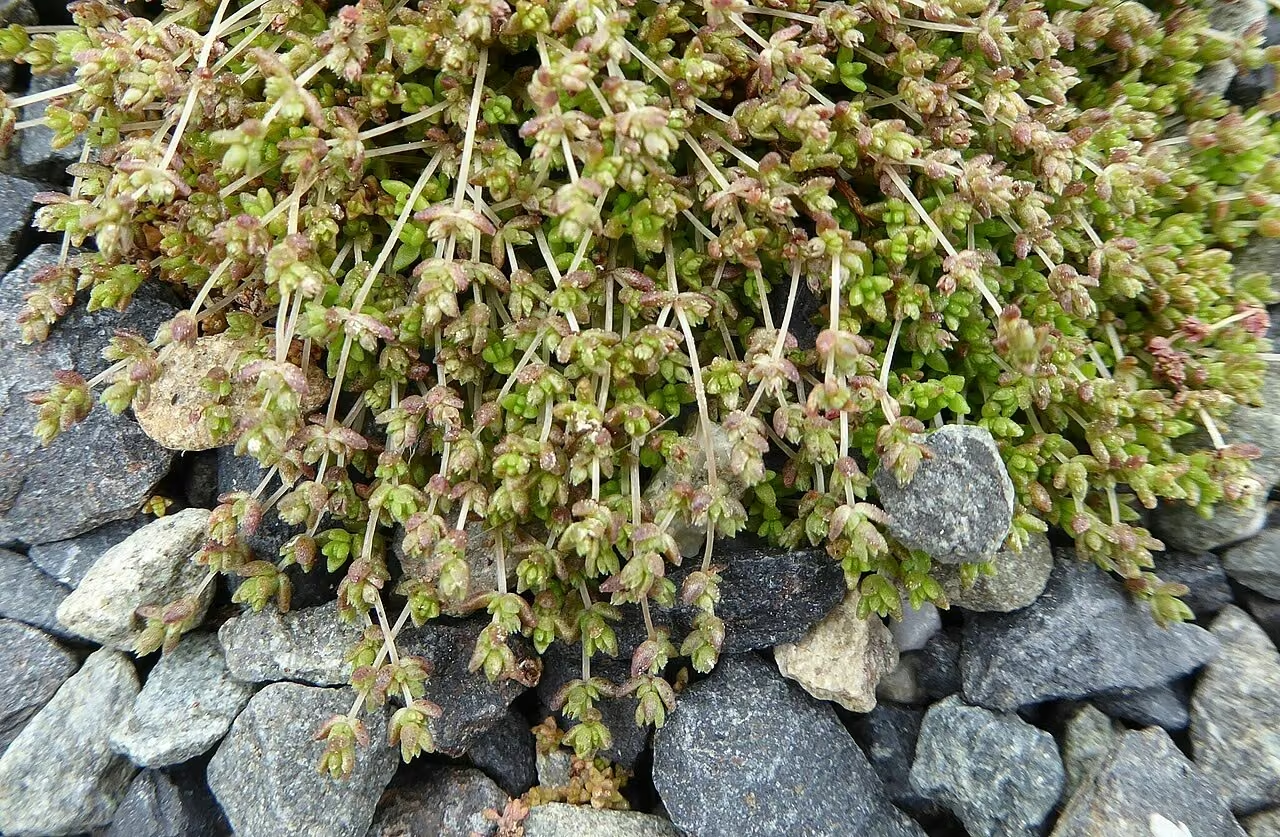
Crassula mataikona
Crassula mataikona
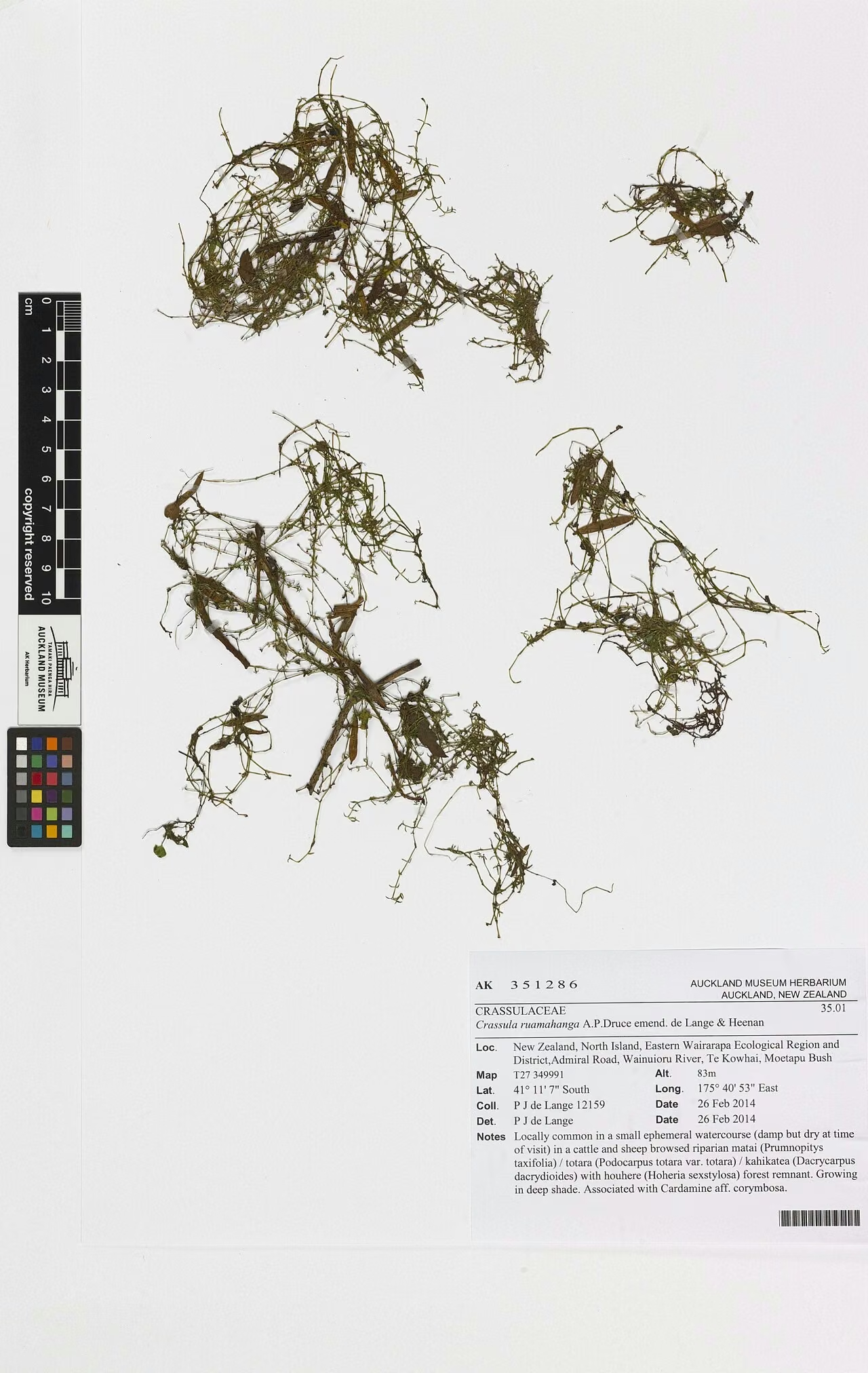
Crassula ruamahanga
Crassula ruamahanga
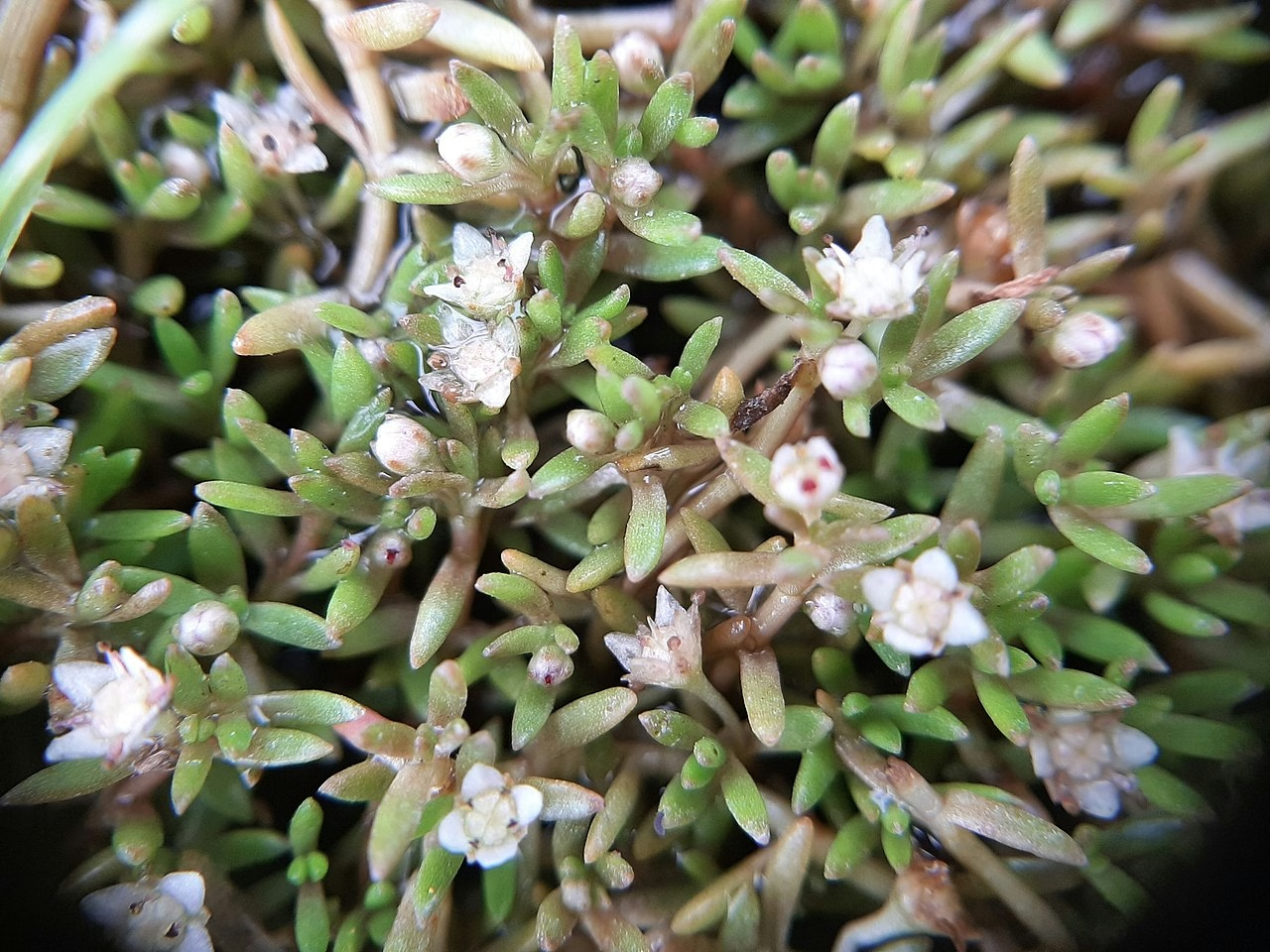
Sinclair's Stonecrop
Crassula sinclairii
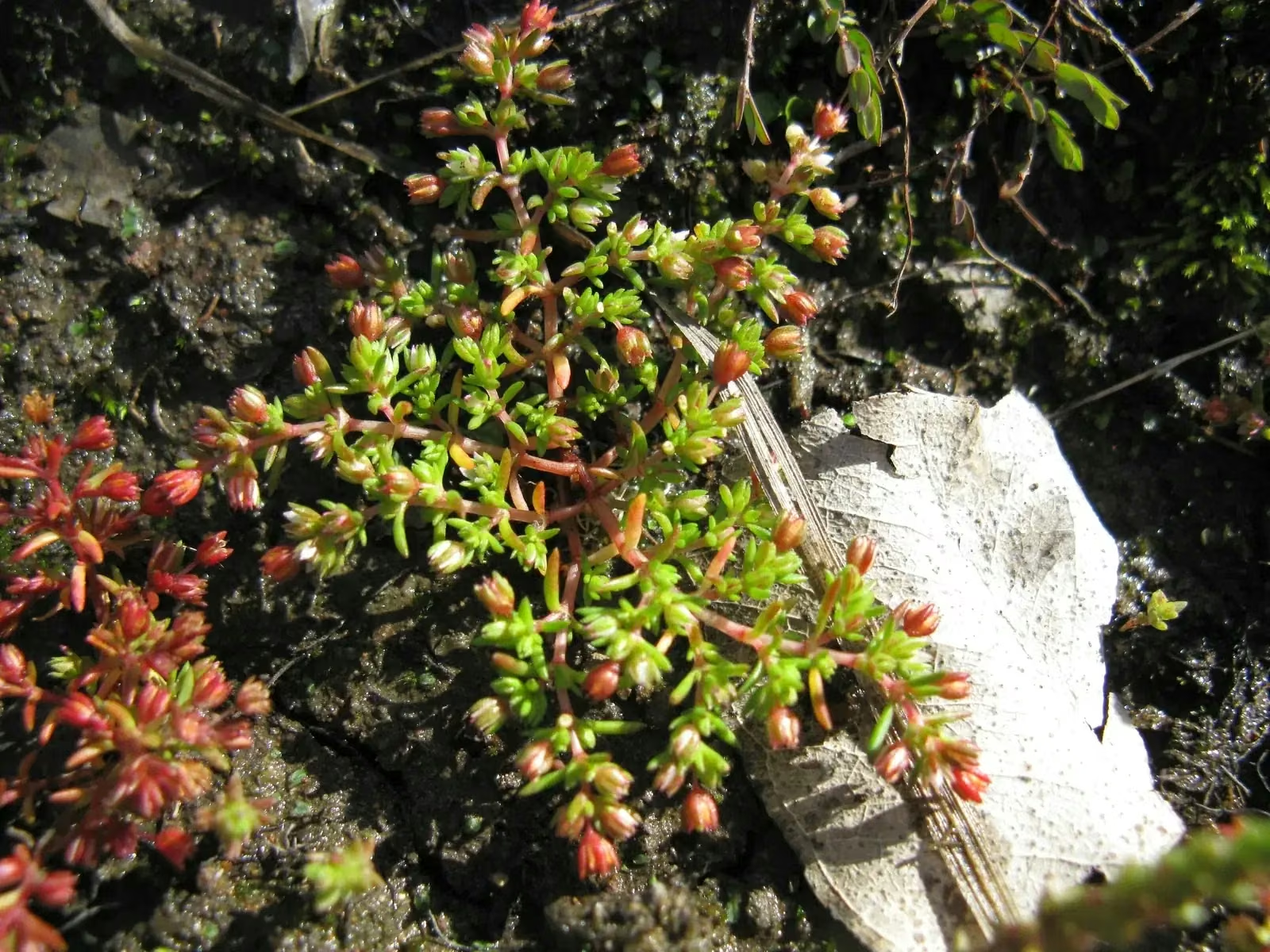
Decumbens Plant
Decumbens Plant
Helmsii Plant
Helmsii Plant
Plant Conservation
Crassula peduncularis is ranked Threatened - Nationally Critical (2023), with qualifiers including DPR, DPS and DPT (Data Poor), EF (Extreme Fluctuations), RR (Range Restricted) and SO (Secure Overseas). It remains common in Australia and South America.
Weed invasion of ephemeral wetlands and damp coastal turf is the main threat, with coastal development also destroying overlooked sites. Survey of likely habitat, weed control, appropriate grazing management and seed banking are the key conservation actions.
Frequently Asked Questions
Is Crassula peduncularis native to New Zealand?
Yes. It is indigenous to New Zealand but not endemic, because it also occurs naturally in Australia and southern South America, where it is sometimes called purple stonecrop.
Why is Crassula peduncularis Nationally Critical?
NZPCN says weed invasion of the seasonally damp, summer-dry habitats it needs is the main threat, with coastal development affecting overlooked populations.
How can you recognise Crassula peduncularis?
It is a strict annual whose flowers and seed heads are carried singly on distinct stalks, unlike other native Crassula. Flowers appear from late July to December.
Can Crassula peduncularis be grown in cultivation?
NZPCN reports it can be raised from fresh seed but is hard to maintain. It does best in a small pot in a sunny spot, partly submerged in water.
Sources and Further Reading
The botanical, growing, and conservation details for Stonecrop (Crassula peduncularis) on this page draw on the New Zealand plant references below. Consult them for full technical records and the latest distribution data.