Woollyhead
Craspedia incana
Last updated:
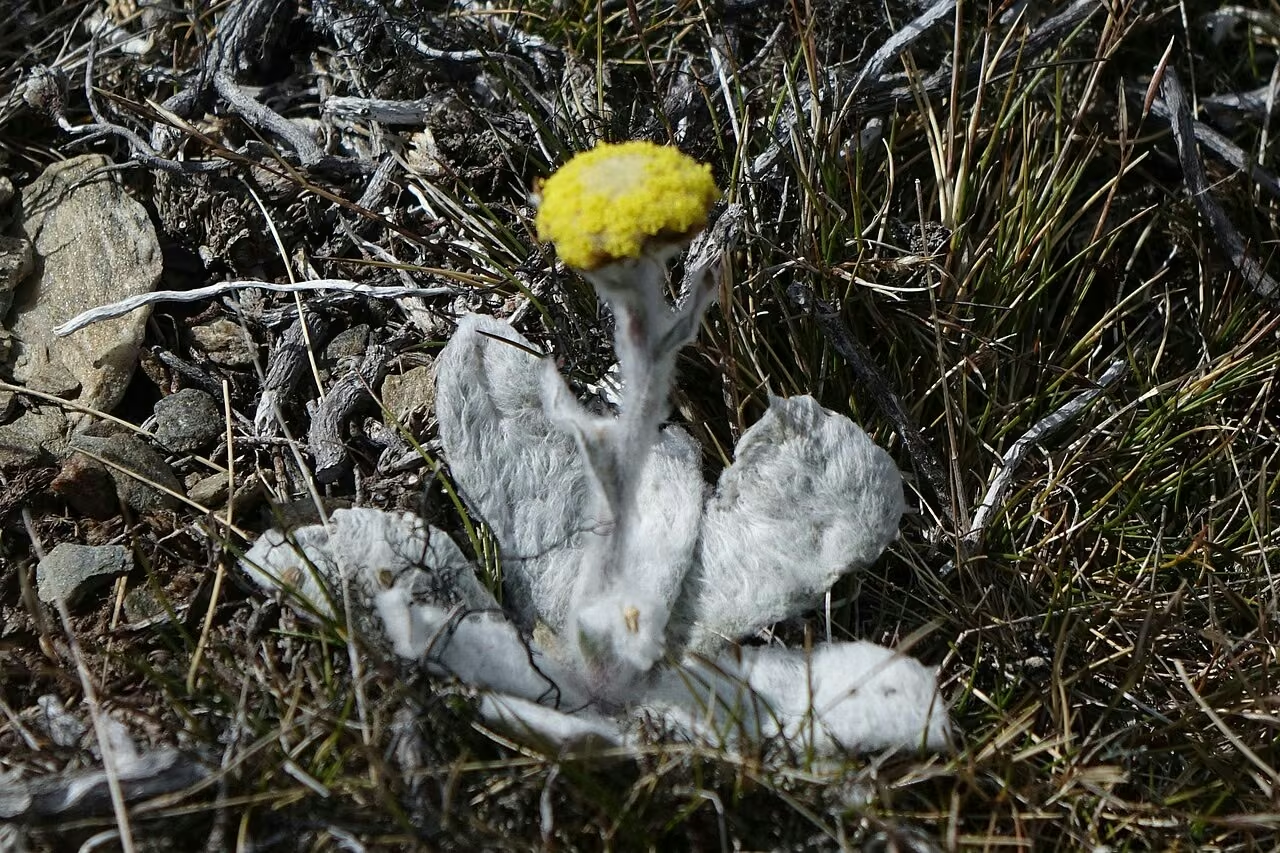
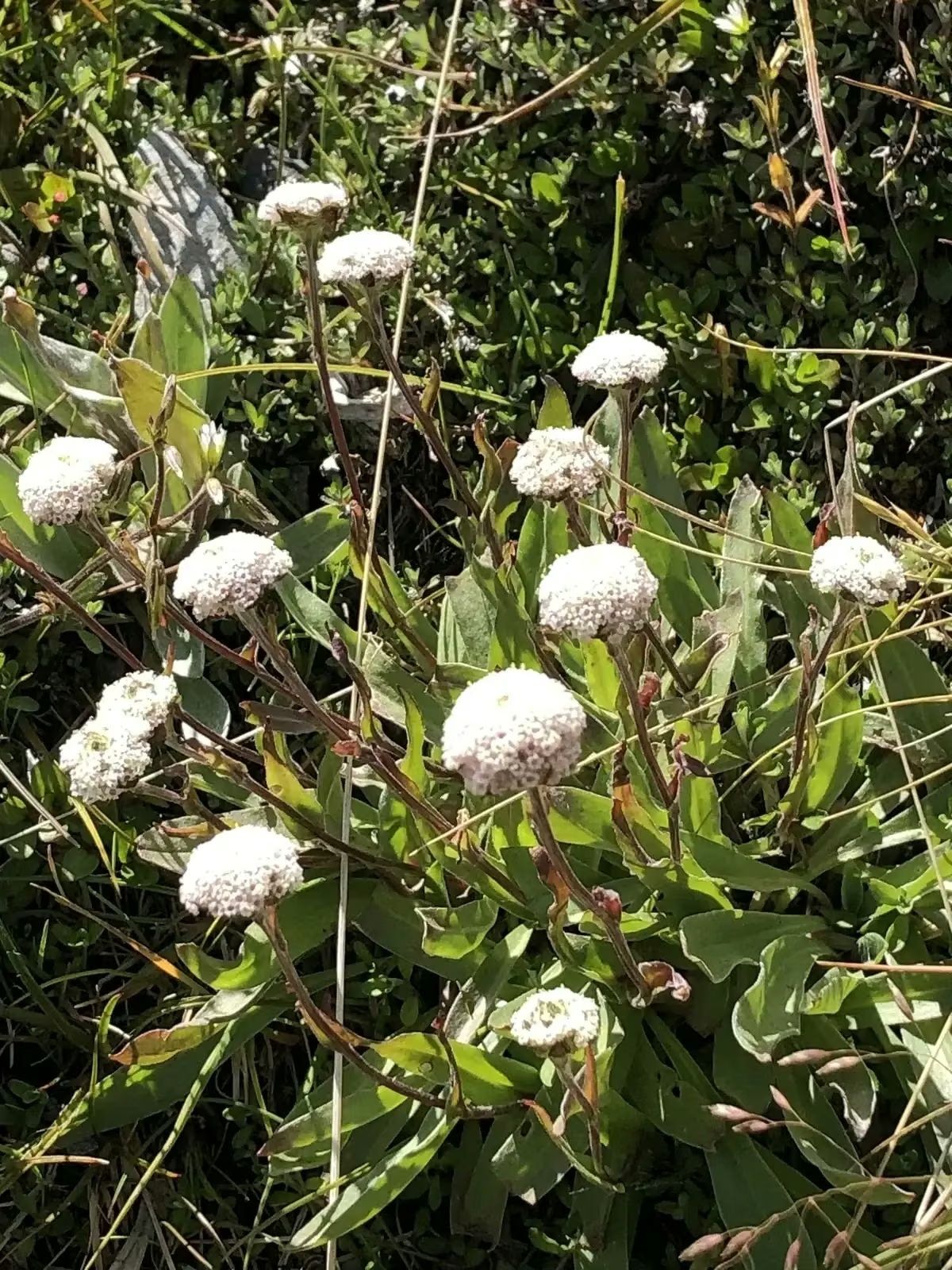
Craspedia incana is a rosette-forming alpine daisy endemic to the South Island, whose leaves and flower stalks are densely clad in soft, snow-white wool. From the rosette of spoon-shaped leaves 5 to 10 cm long rise stalks 10 to 30 cm tall, each topped with a ball-shaped head 2 to 3 cm across of yellow florets. Allan's Flora records it on higher montane to alpine screes and debris slopes east of the Main Divide, between Marlborough and Otago, and its type was collected on Mt Torlesse in 1893. Once considered Not Threatened, it is now ranked Threatened - Nationally Critical. Explore more native flowering plants in our native plant guide.
Plant Description
Craspedia incana is a perennial herb in the daisy family (Asteraceae) forming a basal rosette. Its leaves are obovate-spathulate (spoon-shaped), about 5 to 10 cm long and 2 to 3 cm wide, gradually narrowing to a flat stalk. Leaves and flowering stems alike are very densely clad in soft, snow-white floccose tomentum, a loose woolly covering that gives the whole plant a felted look.
The flowering stems (scapes) are 10 to 30 cm long and about 3 mm thick, their wool becoming less dense with age. Each carries a single spherical compound head, 2 to 3 cm across, made up of many small heads packed together, with yellow florets about 4 mm long. The seeds (cypselae) are obovoid, 4 to 5 mm long including the pappus of bristles, and are dispersed by wind.
The white wool on both leaf surfaces and stems separates it from greener, less hairy woollyheads. Allan noted a plant from the upper Awatere Valley in which the upper leaf surface sheds its hairs as the leaf expands, leaving only small glandular hairs, and regarded it as close to typical C. incana. Since 2022 several new Craspedia species with woolly foliage have been described from the eastern South Island, so careful comparison with the current literature is needed for identification.
Quick Facts
| Scientific Name | Craspedia incana |
|---|---|
| Height | Rosette low; flower stalks 0.1-0.3 m |
| Spread | Rosette leaves 5-10 cm long; no clump size published |
| Water Needs | Low to moderate; sharply drained scree conditions |
| Light | Full sun |
| Frost Tolerance | High; montane to alpine |
| Salt Tolerance | No information available; an inland mountain plant |
| Growth Rate | Not documented |
| Lifespan | Perennial |
Climate Best Suited to
It is adapted to the cold, dry, continental mountain climate of the eastern South Island ranges, with hard frosts, snow and hot, dry summer days. Humid lowland climates are unsuitable.
Regional Suitability
| City | Climate Suitability |
|---|---|
| Auckland | Low |
| Wellington | Low |
| Christchurch | Medium |
| Dunedin | Medium |
Plant Habitat
Craspedia incana is endemic to the South Island. Allan's 1961 Flora gives its range as latitudes 42 degrees to 45 degrees 30 minutes south, east of the Main Divide, which spans the eastern ranges from Marlborough to Otago. The type specimen was collected by Leonard Cockayne on Mt Torlesse in Canterbury in February 1893, and herbarium records include Canterbury sites such as the Organ Range, Lake Tekapo and the Macaulay River.
Its habitat is higher montane to alpine screes and debris slopes, where loose rock, sharp drainage and exposure limit competing plants. Given recent taxonomic changes, some of the localities attributed to it in older literature may belong to other woollyheads.
Growing Requirements
Soil Requirements
It grows in loose scree and stony debris with almost no organic soil, so excellent drainage is essential.
- Gravelly, stony, sharply drained ground
- Avoid heavy clay and rich, moist soils
- A deep gravel or scree bed suits cultivation best
Light Requirements
A plant of open mountain screes, it needs full sun and good air movement.
- Full sun
- Open, exposed position; avoid humid, still sites
Water Requirements
Woolly-leaved alpines like this are prone to rotting if kept wet, especially in mild weather.
- Water sparingly once established
- Keep water off the woolly rosette
- Protect from prolonged winter wet in lowland gardens
Planting and Establishing
Because Craspedia incana is Nationally Critical and its identity is under revision, it should only be planted as part of a recognised conservation programme or from cultivated stock of known origin. Never collect plants or seed from the wild without permission.
If growing a cultivated plant, use a raised scree bed or a deep pot of gritty mix with a stone mulch around the collar. Plant in spring in a sunny, airy spot, and give shelter from heavy rain in humid districts.
Ecological Role
Like other woollyheads, its compound heads of small yellow florets are visited by insects, and its pappus-bearing seeds are dispersed by wind across scree slopes. Specific pollinator studies for this species were not found.
The dense white wool is a typical adaptation of alpine plants to intense sunlight, cold, wind and drying conditions. As a scree specialist it is part of a distinctive community of plants able to cope with unstable, shifting rock.
Uses & Significance
Garden Uses
Only for experienced alpine growers and conservation collections, and then only from legitimately sourced, correctly identified stock.
- Scree beds and alpine troughs
- Alpine house collections in humid areas
- Conservation and botanic garden collections
Ecological Value
As a Nationally Critical endemic it has high conservation value, and its scree habitat supports other specialised mountain species.
- Nectar and pollen for alpine insects
- Part of the specialised eastern South Island scree flora
- Insurance populations in cultivation can support recovery
Landscaping Uses
In an alpine garden the silver-white rosettes and golden button heads contrast strikingly with dark rock, and pair naturally with other scree plants such as Raoulia and small tussocks.
It is not suited to general landscaping: it needs specialist conditions and should not be planted widely while its taxonomy and status are being resolved.
Seasonal Care Calendar
Spring
New woolly leaves emerge from the rosette as snow melts.
- Plant out cultivated stock
- Check drainage after winter
Summer
Nursery sources report flowering in summer, with yellow ball-shaped heads on white woolly stalks.
- Main flowering season
- Avoid overhead watering
Autumn
Wind-dispersed seed ripens on the spent heads.
- Collect seed from cultivated plants only
- Sow fresh
Winter
Plants endure frost and snow in the mountains; in the lowlands, protect them from long periods of wet.
- Cover from heavy rain if needed
- Remove dead leaves that trap moisture
When to Prune and How Much
No pruning is needed. Remove spent flower stalks after seed has been collected or shed, and carefully pull away dead leaves at the base of the rosette, which can hold moisture and encourage rot.
Avoid damaging the woolly covering of the living leaves, which protects the plant.
How to Grow Woollyhead
NZPCN gives no propagation details for Craspedia incana. A nursery source reports that cultivated plants labelled as this species are grown from fresh seed or by division of clumps, but given its Nationally Critical status and taxonomic uncertainty, any propagation should use plants of known, legal origin and ideally support a conservation programme. The general methods that work for New Zealand woollyheads are outlined below, with the caution that no tested protocol for this species was found.
From Seed
The seeds are cypselae with a bristly pappus, dispersed by wind. Collect ripe heads as they begin to fluff up and sow promptly, as is usual for alpine daisies.
- Collect seed only from cultivated plants or with official permission
- Sow on a gritty, free-draining seed mix and barely cover
- Top with fine grit to keep the surface dry
- Keep in a cool, bright, airy place and water from below
- Prick out seedlings carefully into deep pots of scree mix
- Grow on under cover until well rooted before planting out
By Division
Established clumps of cultivated plants that have formed several rosettes can be divided. Woolly alpines resent disturbance, so divide only healthy, vigorous plants.
Keep divisions out of hot sun and drying wind for the first few weeks.
- Lift the plant in early spring as growth begins
- Gently separate rosettes, each with its own roots
- Pot into a gritty mix and keep shaded and barely moist until re-established
- Plant out once new leaves appear
Pests & Diseases
No specific pests are recorded for this species. Slugs and snails can damage alpine rosettes in lowland gardens, and woolly leaves are prone to fungal rots in humid, still conditions.
In the wild, browsing by introduced mammals and the spread of weeds into montane habitats are general pressures on eastern South Island mountain plants, though threats specific to C. incana were not detailed in the sources consulted.
Cultural Significance
No Māori name or traditional use specific to Craspedia incana is recorded in the sources consulted.
The species was first named by Leonard Cockayne and Harry Allan in 1934, but without a valid description, and was formally published by Allan in 1961. The genus name comes from the Greek kraspedon, meaning edge or hem, referring to the woolly fringes of the leaves.
Bonus Tip
If you buy a plant sold as Craspedia incana, record where it came from and treat the name with caution. Since 2022 several look-alike woollyheads have been named from the same region, and accurate labels on cultivated plants are valuable if they are ever used in conservation work.
Related Plants
Explore other native plants that share similar characteristics or habitats with Woollyhead (Craspedia incana), offering further insights into New Zealand's diverse flora. These related species provide context and opportunities for complementary planting in your garden.
Coprosma serrulata
Coprosma serrulata
Red Leek Orchid
Corunastylis nuda
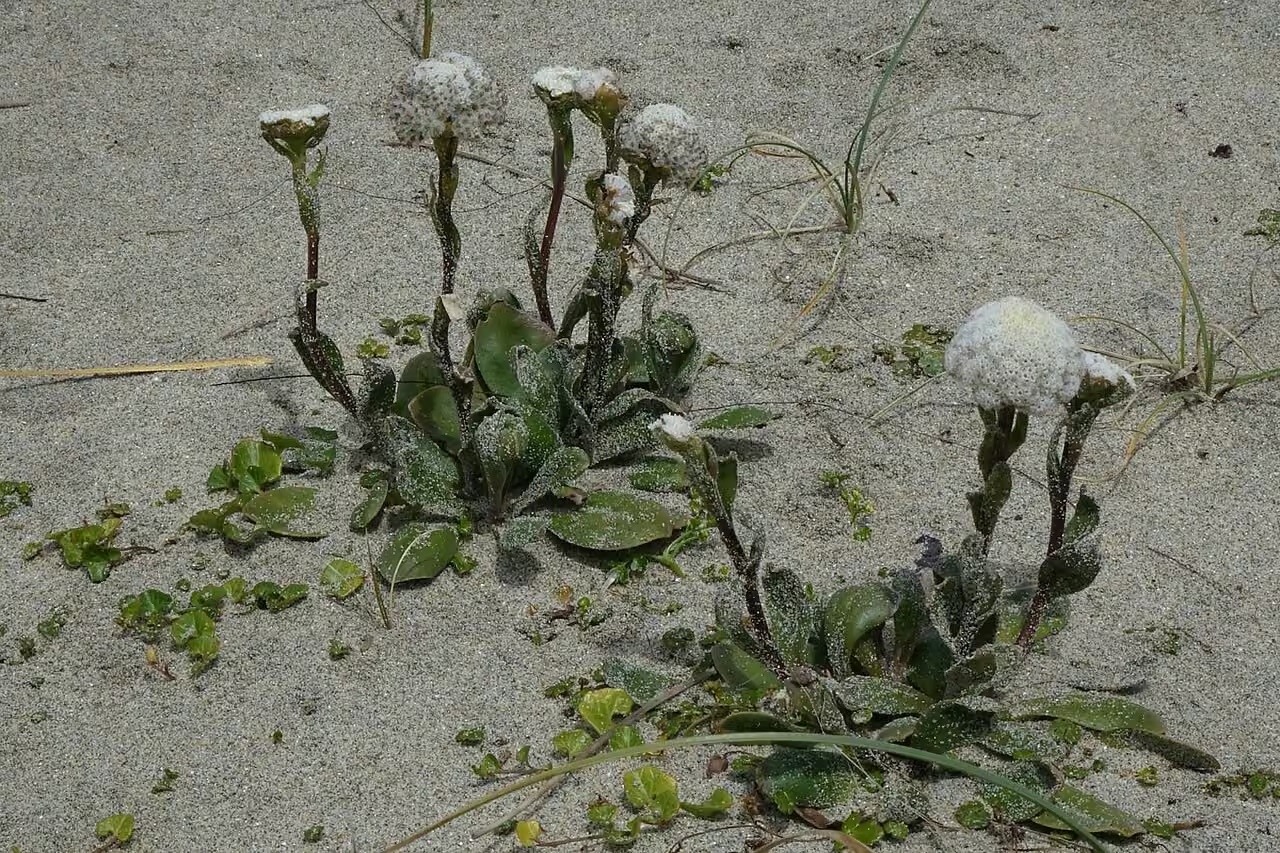
Craspedia lanata var. lanata
Craspedia lanata var. lanata
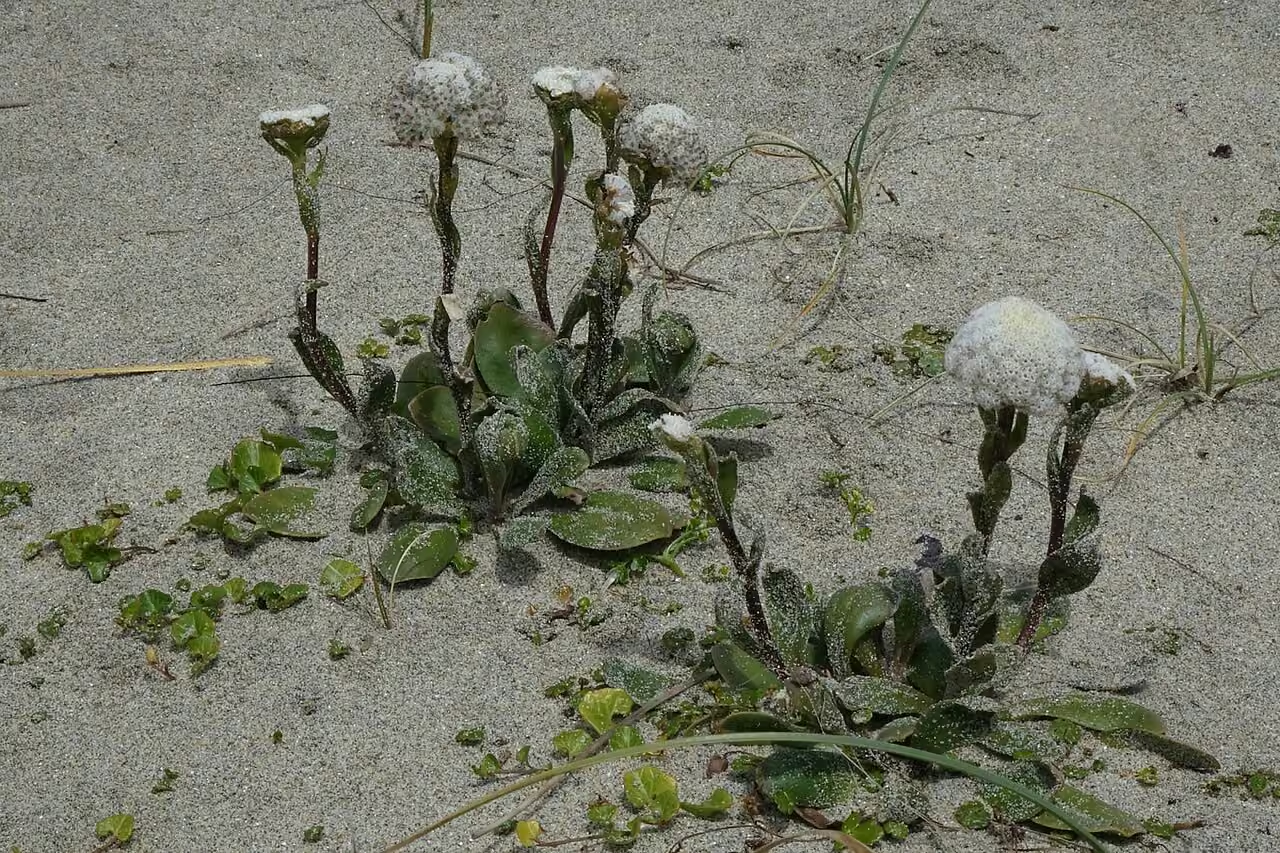
Craspedia robusta var. pedicellata
Craspedia robusta var. pedicellata
Craspedia robusta var. robusta
Craspedia robusta var. robusta
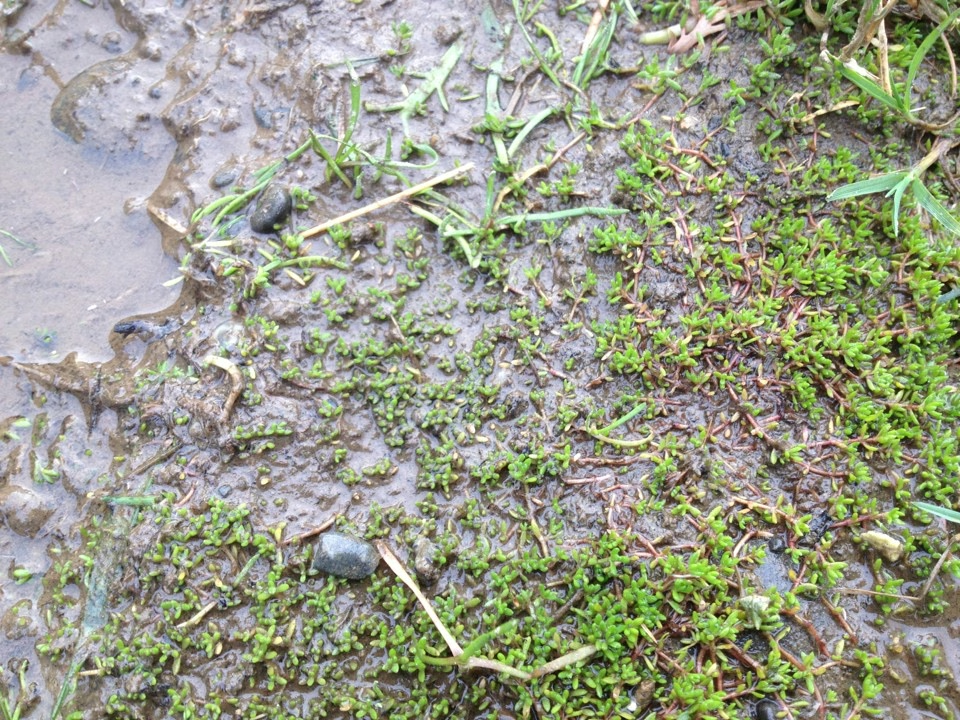
Kirk's Crassula
Crassula kirkii
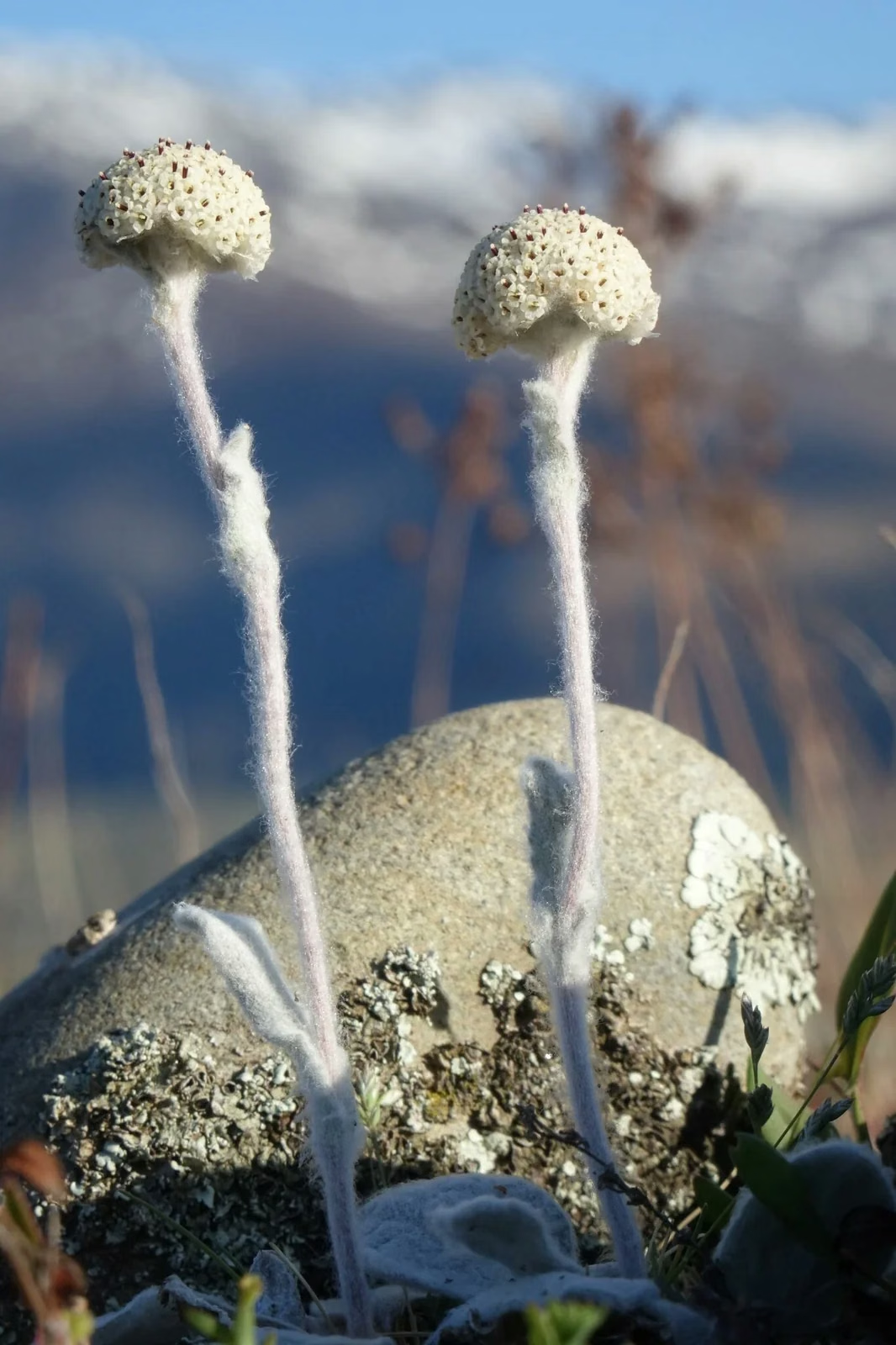
Argentea Plant
Argentea Plant
Uniflora Plant
Uniflora Plant
Plant Conservation
Craspedia incana is ranked Threatened - Nationally Critical (2023), with the qualifiers DPR, DPS, DPT and OL. It was assessed as Not Threatened in 2004, 2009 and 2012, and first listed as Nationally Critical in 2017.
The sources consulted do not state why it is now Nationally Critical, but the listing came during a period of taxonomic revision in Craspedia, which may have reduced the plants included in the species. Protecting eastern South Island screes from weeds and disturbance, and supporting herbarium and field research, will help clarify and secure its future.
Frequently Asked Questions
What does incana mean in Craspedia incana?
Incana means hoary, or covered in greyish-white hairs, describing the soft, snow-white woolly covering on the leaves and flower stalks of this woollyhead.
Where does Craspedia incana grow?
Allan's Flora of New Zealand records it on higher montane to alpine screes and debris slopes east of the Main Divide in the South Island, between latitudes 42 and 45 degrees 30 minutes south, roughly from Marlborough to Otago.
Why is Craspedia incana Nationally Critical?
It was ranked Not Threatened until 2012 and then Threatened - Nationally Critical in 2017 and 2023. The sources consulted do not give the reasons, but the change coincides with taxonomic revision of New Zealand Craspedia, which has narrowed several older species concepts.
Is Craspedia incana the same as billy buttons?
Billy buttons is a name used for Craspedia generally, especially in Australia, and some nurseries apply it to this species. In New Zealand the genus is usually called woollyhead.
Sources and Further Reading
The botanical, growing, and conservation details for Woollyhead (Craspedia incana) on this page draw on the New Zealand plant references below. Consult them for full technical records and the latest distribution data.