Coprosma
Coprosma pseudociliata
Last updated:
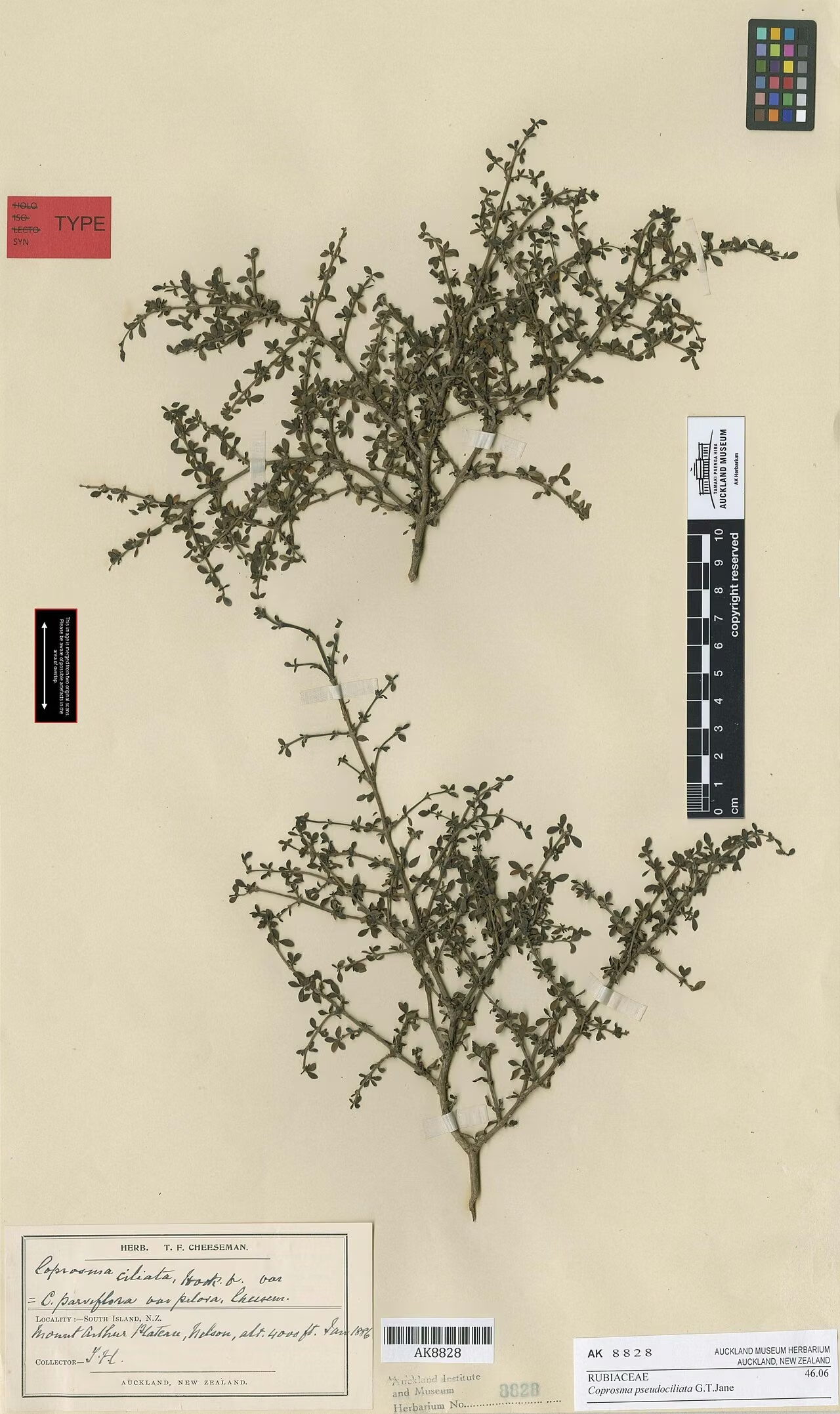
Coprosma pseudociliata is a bushy, small-leaved shrub endemic to New Zealand's wetter forests. Its wide-angled branches carry clusters of paired, dull green oval leaves only 5 to 8 mm long, hairy on the upper surface and margins, and its twig tips are densely fuzzy and droop at the ends. Female plants produce orangeish berries. It grows in the southern Tararua Ranges of the North Island, mainly in Nelson and west of the Main Divide in the South Island, and on Stewart Island/Rakiura. Formerly known as Coprosma parviflora var. pilosa, it was given its current name in 2005 and is ranked Not Threatened. Explore more native shrubs in our native plant guide.
Plant Description
Coprosma pseudociliata is a bushy shrub with branches held at wide angles, giving it a loose, open, somewhat divaricating appearance. The twigs are densely fuzzy towards their tips and droop at the ends, a useful field character.
Its leaves are small, 5 to 8 mm long, oval and dull green, and are borne in clusters of pairs along the branches. They are hairy on the upper surface and along the margins, and it is these fine hairs that give the species its name, meaning 'false eyelashes'. As in all coprosmas, male and female flowers occur on separate plants. Flowering runs from October to January.
Female plants produce small, orangeish fleshy drupes, mainly from January to May, with fruit sometimes found as late as November. It belongs to the difficult Coprosma ciliata and C. parviflora complex revised by G.T. Jane in 2005, so confident identification can need careful comparison of hairiness, leaf shape and fruit colour with those relatives.
Quick Facts
| Scientific Name | Coprosma pseudociliata |
|---|---|
| Height | Bushy shrub; mature height not given in sources consulted |
| Spread | Not documented; wide-angled branches give a broad, bushy shape |
| Water Needs | Moderate to high; a plant of wetter forests |
| Light | Forest conditions; likely tolerates shade, not documented in detail |
| Frost Tolerance | Moderate to high; reaches montane forest in the Tararua Ranges |
| Salt Tolerance | No information available |
| Growth Rate | Not documented |
| Lifespan | Long-lived perennial |
Climate Best Suited to
It is a plant of cool, wet, high-rainfall forest, as found in the southern Tararua Ranges, the West Coast and Rakiura. Dry or hot climates are poorly suited to it.
Regional Suitability
| City | Climate Suitability |
|---|---|
| Auckland | Low |
| Wellington | Medium |
| Christchurch | Low |
| Dunedin | Medium |
Plant Habitat
Coprosma pseudociliata is endemic to New Zealand. In the North Island it is known from the southern Tararua Ranges, including Jumbo and Mt Holdsworth. In the South Island it occurs mainly in Nelson and west of the Main Divide, and it also grows on Stewart Island/Rakiura.
Its habitat is described simply as wetter forest. Its North Island sites are in mountainous country, while its South Island range is concentrated in the high-rainfall west.
Growing Requirements
Soil Requirements
Specific soil preferences are not documented. Its wet forest habitat suggests moist, humus-rich forest soils.
- Moist, organic forest soil is the best guess for cultivation
- Avoid dry, exposed or compacted ground
Light Requirements
Detailed light requirements are not recorded. As a shrub of wetter forest, it is best grown in sheltered sites with some shade.
- Dappled shade or a sheltered forest edge
- Protect from hot, drying afternoon sun
Water Requirements
Its natural range is in some of New Zealand's wettest forests, so consistent moisture is important.
- Keep soil moist year round
- Water during dry spells, especially in drier eastern districts
Planting and Establishing
Because it is not commercially available, Coprosma pseudociliata is most likely to be planted in restoration projects within its natural range, using locally sourced material. Plant in autumn or winter in high-rainfall districts, into moist forest soil under light canopy cover.
If you want fruit, include several plants, as male and female flowers are on separate individuals.
Ecological Role
Coprosmas are wind-pollinated, and this species flowers from October to January. Its orangeish drupes are fleshy and dispersed by frugivores, which in New Zealand forest are mainly birds.
As a small-leaved shrub of wet forest it contributes to the shrub tier of the understorey and margins, where its dense, twiggy branches give shelter to invertebrates and small birds. Detailed studies of its ecology were not found.
Uses & Significance
Garden Uses
This is mainly a plant for restoration and specialist collections rather than general gardens.
- Wet-forest restoration within its natural range
- Botanical collections of the Coprosma ciliata and C. parviflora complex
- Fine-textured shrub for cool, damp, shaded gardens
Ecological Value
It adds fruit and twiggy cover to wet forest understorey communities.
- Orangeish berries for fruit-eating birds
- Shelter for invertebrates in dense twigs
- Part of the natural diversity of small-leaved coprosmas
Landscaping Uses
In a native garden in a high-rainfall district, its fine, hairy foliage and drooping twig tips give a soft texture beside ferns and larger-leaved understorey shrubs.
It is best used informally in woodland-style plantings rather than as a clipped feature, as its wide-angled branching gives a natural, airy outline.
Seasonal Care Calendar
Spring
Flowering begins in October as new growth emerges.
- Flowers October to January
- Good time to take softwood material
Summer
Flowering finishes and fruit starts to develop from January.
- Keep soil moist
- Fruit begins to ripen
Autumn
Female plants carry orangeish fruit through to about May.
- Main fruiting season January to May
- Collect fruit for sowing
Winter
Plants are evergreen and quiet, though some fruit may persist.
- Fruit occasionally recorded until November
- Plant out in wet districts
When to Prune and How Much
No pruning guidance is published for this species. In general, small-leaved coprosmas need little pruning beyond removing dead or crossing twigs.
Light trimming after fruiting can keep a garden plant compact, but heavy pruning would spoil its natural drooping twig tips.
How to Grow Coprosma
No propagation information specific to Coprosma pseudociliata is published, and NZPCN records it as not commercially available. The methods below are the standard approaches that work for most small-leaved coprosmas, and they are offered on that basis rather than as tested results for this species. Collect material only with permission and, for restoration, from the local population. Seed gives a mix of male and female plants, while cuttings reproduce the sex of the parent plant, which is useful if you need to guarantee fruiting pairs.
From Seed
Collect the orangeish fruit when it is fully coloured, usually between January and May, and sow it fresh.
- Remove the fleshy pulp by squashing and rinsing the fruit
- Sow the seeds into a moist, free-draining seed mix
- Cover lightly and keep in a cool, shaded, humid spot
- Prick out seedlings once they have a few true leaves
- Grow on in shade until large enough to plant out
From Cuttings
Semi-hardwood cuttings are the usual method for coprosmas, taken from late spring to autumn when the current season's growth has firmed.
Keep cuttings cool and moist, mirroring the damp forest conditions the species comes from.
- Take 6 to 10 cm cuttings of firm side shoots
- Strip the lower leaves and dip the base in rooting hormone
- Insert into a mix of fine bark and perlite
- Keep under mist or a humid cover out of direct sun
- Pot on once roots are well formed
Pests & Diseases
No pests or diseases specific to this species have been documented. Scale insects and sooty mould can affect coprosmas in sheltered, humid gardens.
Browsing animals such as deer and goats readily eat many coprosmas in New Zealand forests, and are likely to affect this species too where they are present.
Cultural Significance
No Māori name or traditional use specific to Coprosma pseudociliata is recorded in the sources consulted.
Its history is mostly taxonomic. Thomas Cheeseman described it as a variety, Coprosma parviflora var. pilosa, and G.T. Jane recognised it as a distinct species in 2005 under the new name Coprosma pseudociliata, published as a replacement name for Cheeseman's variety.
Bonus Tip
To pick this species out in the field, look at the twig tips: densely fuzzy shoots that droop at the ends, combined with paired oval leaves hairy on their upper surface and orangeish fruit, separate it from most other small-leaved coprosmas in the same forests.
Related Plants
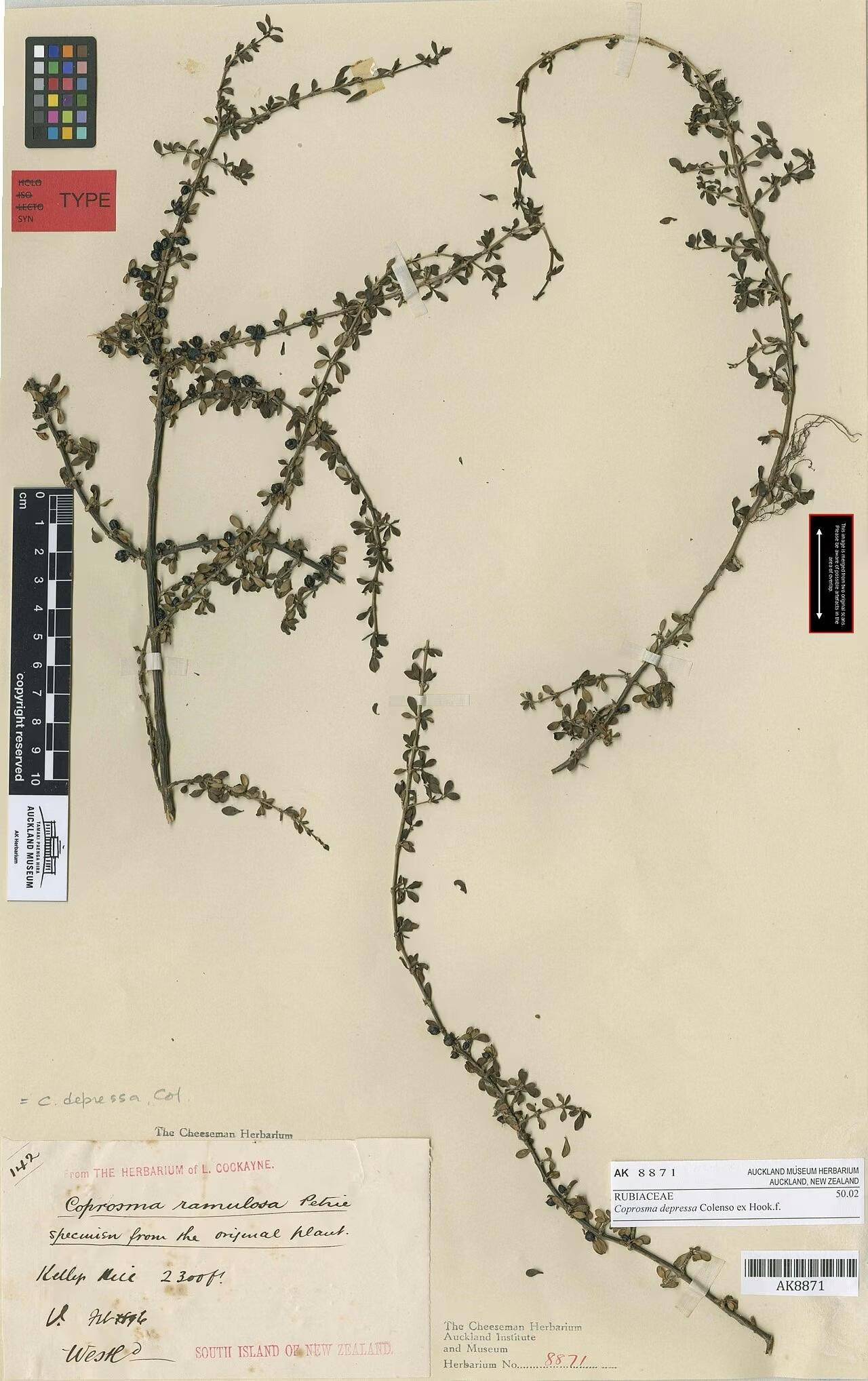
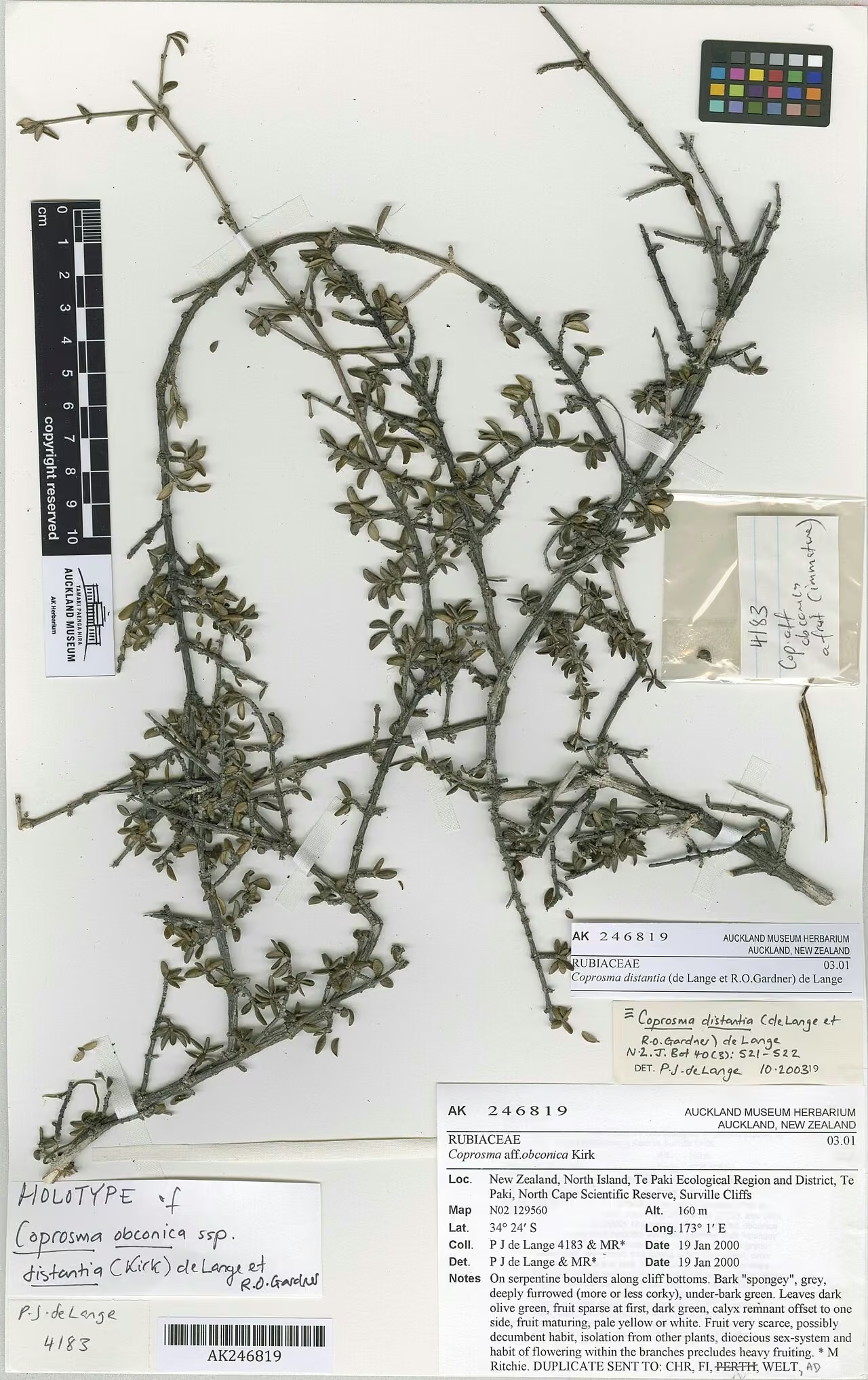
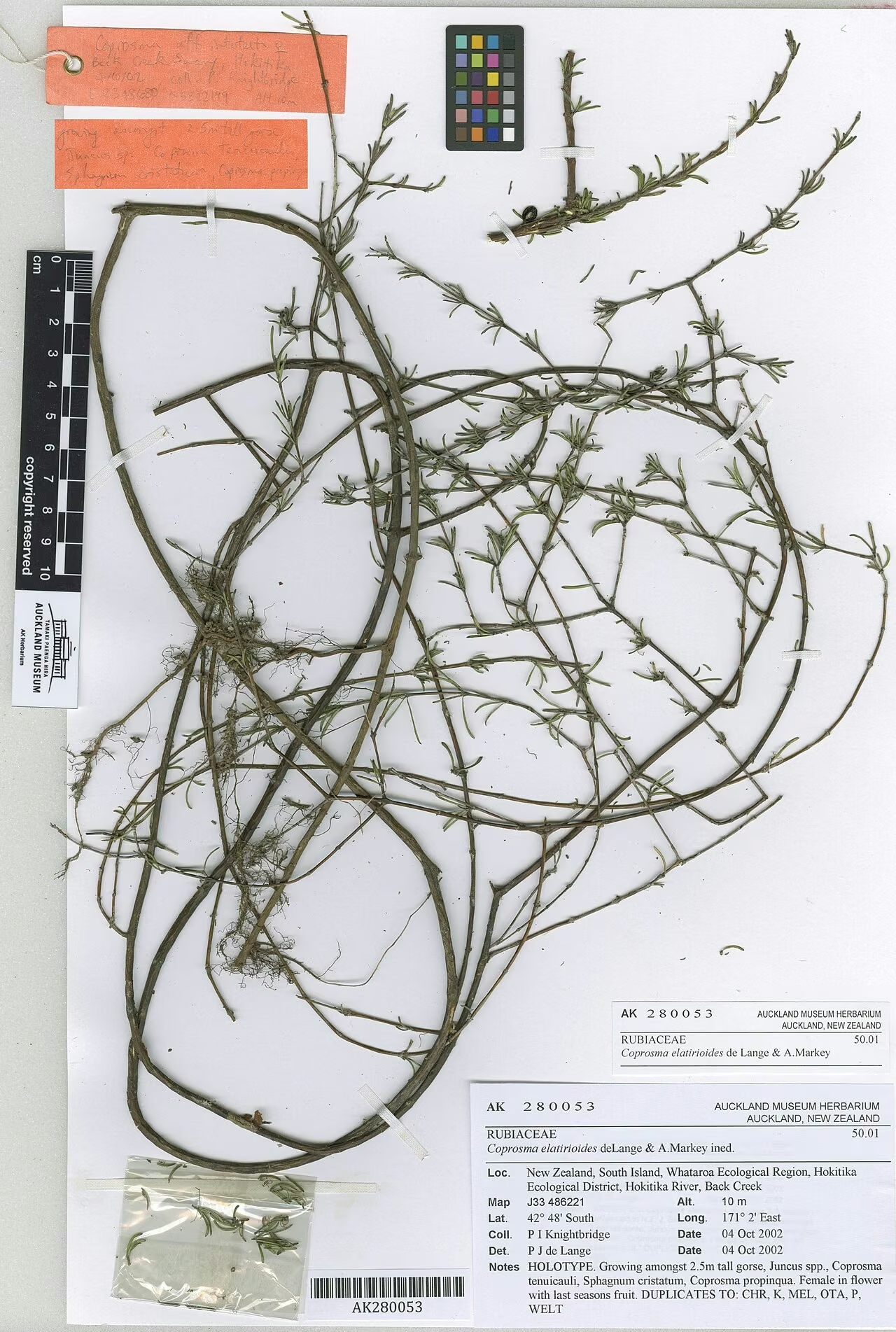
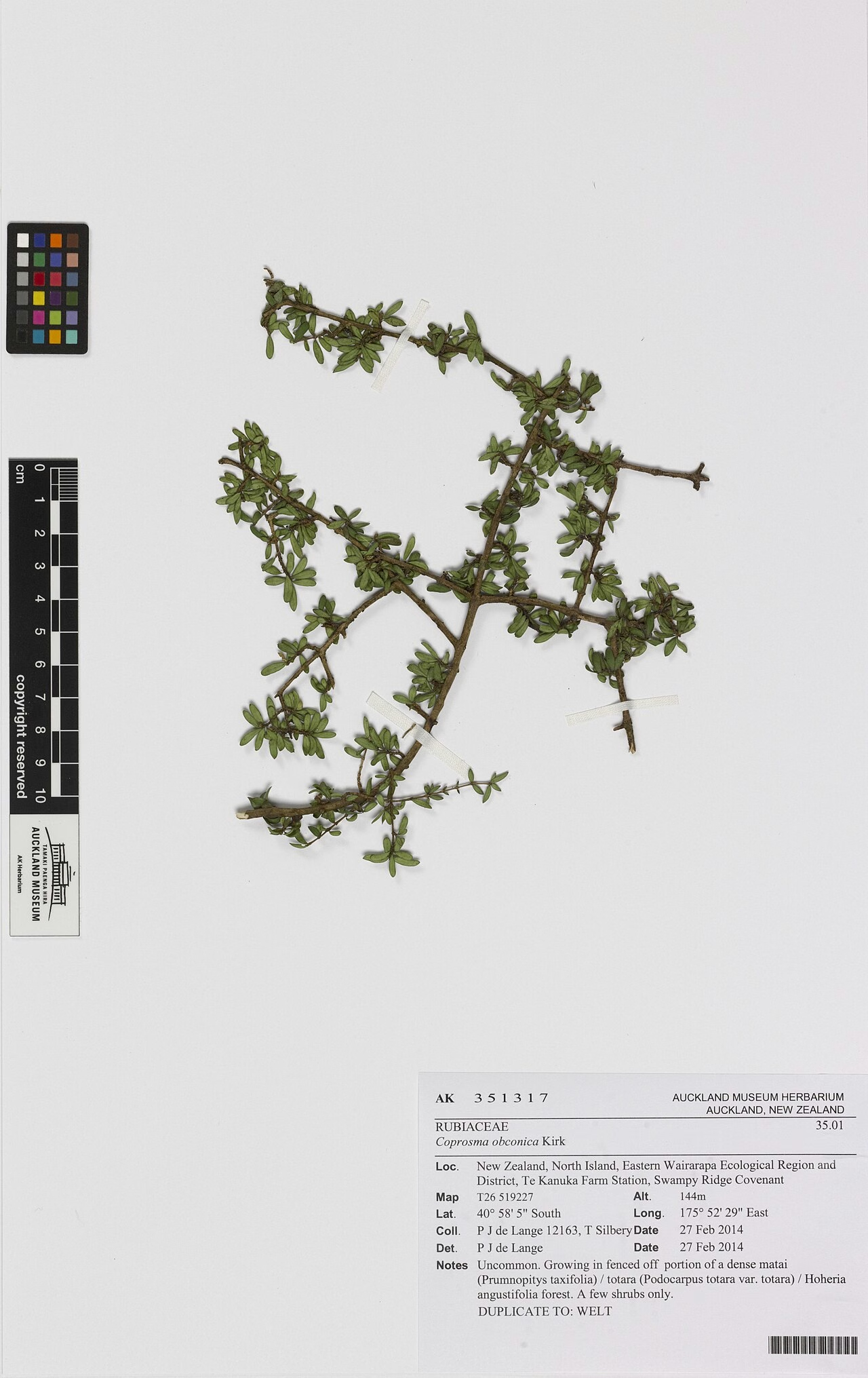
Explore other native plants that share similar characteristics or habitats with Coprosma (Coprosma pseudociliata), offering further insights into New Zealand's diverse flora. These related species provide context and opportunities for complementary planting in your garden.
Plant Conservation
Coprosma pseudociliata is ranked Not Threatened (2023). It is Regionally Not Threatened in Otago and Regionally Data Deficient in Wellington (2025), reflecting how little is known about its North Island populations.
Most of its range lies in large tracts of protected, high-rainfall forest. Control of browsing animals in those forests benefits it along with other understorey shrubs.
Frequently Asked Questions
What does the name pseudociliata mean?
NZPCN explains that it means 'false eyelashes', a reference to the fine hair-like cilia that cover parts of the plant, especially the leaf margins and upper surfaces.
What was Coprosma pseudociliata called before?
It was previously treated as Coprosma parviflora var. pilosa Cheeseman. G.T. Jane raised it to species rank under the new name Coprosma pseudociliata in a 2005 revision of the C. ciliata and C. parviflora complex.
Where can you see Coprosma pseudociliata in the wild?
It grows in wetter forest in the southern Tararua Ranges (including Jumbo and Mt Holdsworth), in Nelson and the West Coast of the South Island, and on Stewart Island/Rakiura.
Can you buy Coprosma pseudociliata from nurseries?
NZPCN records it as not commercially available, so it is very rarely seen in gardens and is mainly encountered in native forest.
Sources and Further Reading
The botanical, growing, and conservation details for Coprosma (Coprosma pseudociliata) on this page draw on the New Zealand plant references below. Consult them for full technical records and the latest distribution data.