Azorella
Azorella nitens
Last updated:
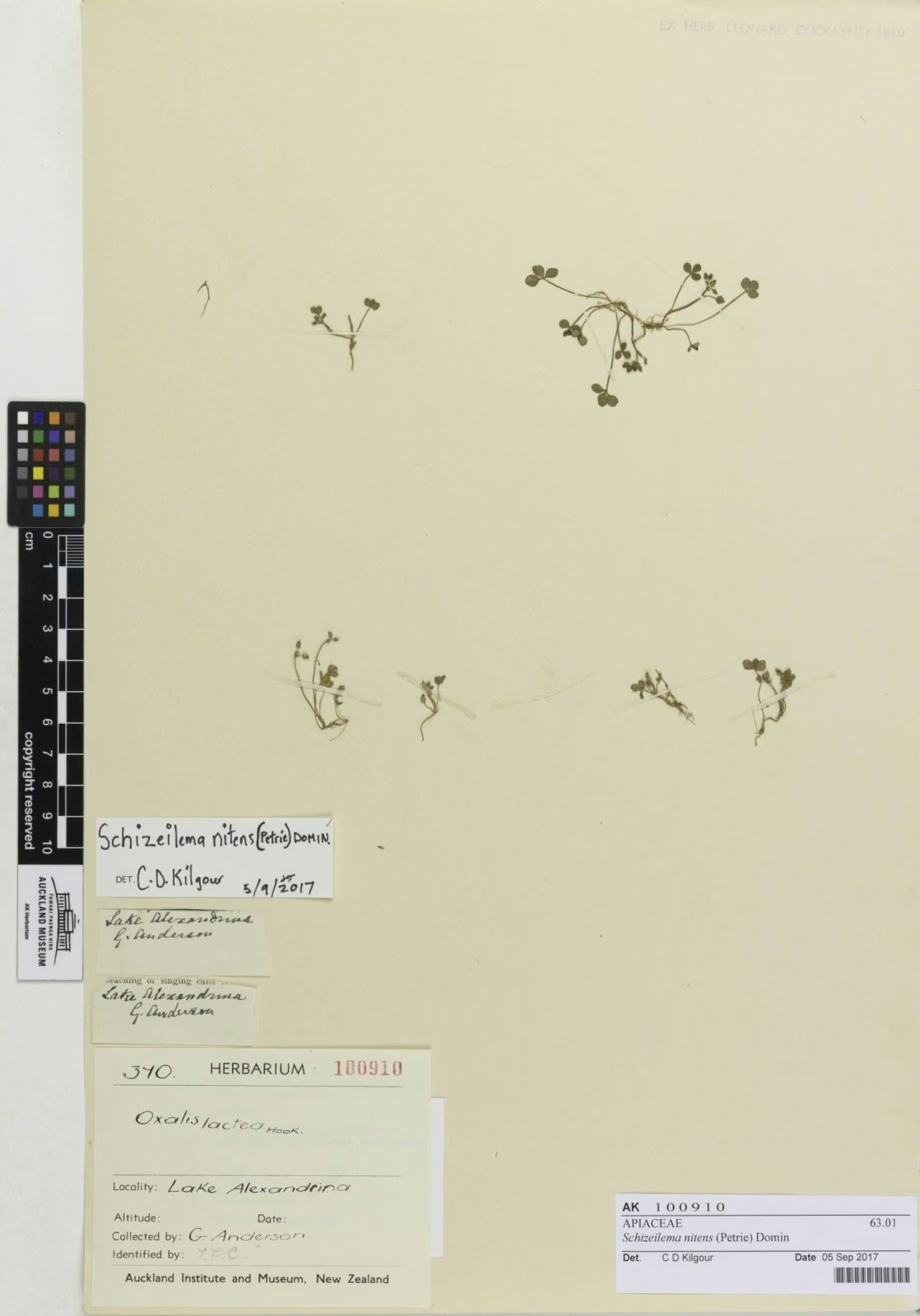
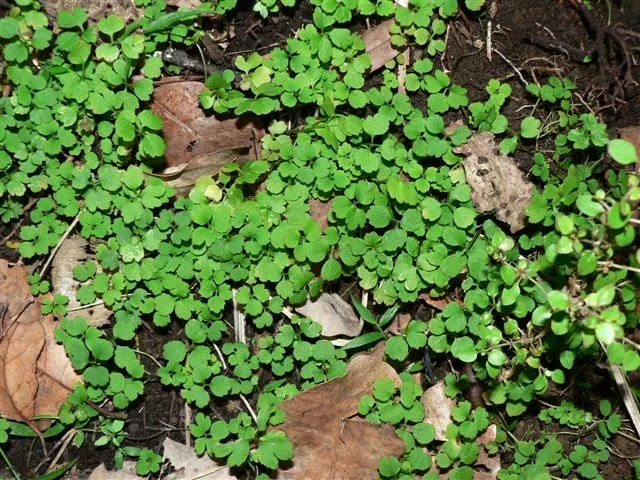
Azorella nitens, formerly Schizeilema nitens, is a small wetland herb of the carrot family endemic to the North and South Islands. Its fine, interlacing stems, often running below the surface, form small patches carrying a few glossy leaves split into two or three narrow leaflets about 3-4 mm long. It grows in lowland to montane sites on the margins of lakes, ponds and streams, wet river terraces, very wet grassland and boggy ground, from the Central Volcanic Plateau south. Petrie described it from the sandy shores of Lake Te Anau. It is ranked Not Threatened nationally. Explore more native ground covers in our native plant guide.
Plant Description
Azorella nitens is a hairless perennial with thread-like, branching stems that interlace and are often hidden below the surface, so a patch appears as scattered leaves rising from wet ground. The leaves are few, on very slender stalks up to about 5 cm long that thicken slightly just below the blade.
Each leaf is divided to the base into three (sometimes two) parts, or is three- or two-foliolate, and is up to about 7 mm across. The leaflets are usually stalkless, narrowly obovate to wedge-shaped, (2) 3-4 (5) mm long and 1-2 (3) mm wide, blunt or pointed, entire or occasionally obscurely two- or three-toothed, and glossy, with slightly thickened, rolled-under margins. The flower stalks are usually longer than the leaf stalks, up to about 2 cm, with narrow bracts near the middle. Umbels hold only one to five flowers, which NZPCN describes as cream to violet-purple. The fruit is less than 2 mm long, four-angled and plump, with indistinctly five-ribbed halves.
Its few, glossy, narrowly divided leaves, mostly underground stems and wetland habitat separate it from Azorella pallida, which has broader, lobed leaflets and arching stems in damp forest and stream-side sites in Marlborough and Canterbury.
Quick Facts
| Scientific Name | Azorella nitens |
|---|---|
| Height | Usually under 5 cm (leaf stalks up to c. 5 cm) |
| Spread | Forms small interlacing patches |
| Water Needs | High: wet margins, bogs or shallow water |
| Light | Full sun |
| Frost Tolerance | Hardy |
| Salt Tolerance | Not recorded; a freshwater wetland plant, so low tolerance is likely |
| Growth Rate | Slow to moderate |
| Lifespan | Perennial |
Climate Best Suited to
Suits cool temperate climates from the central North Island southwards, where wetlands stay moist year round. It tolerates frost but needs constant moisture.
Regional Suitability
| City | Climate Suitability |
|---|---|
| Auckland | Low |
| Wellington | Medium |
| Christchurch | Medium |
| Dunedin | High |
Plant Habitat
NZPCN describes Azorella nitens as endemic to the North and South Islands from the Central Volcanic Plateau south, growing from lowland to montane altitudes on the margins of lakes, ponds and streams and on wet river terraces. Allan's Flora of New Zealand adds very wet grassland, shallow water and boggy places, from about latitude 40 degrees 30 minutes to 45 degrees 30 minutes.
The type was collected by Donald Petrie on the sandy shores of Lake Te Anau in Fiordland. Lake-margin turf of this kind is a specialised habitat whose water levels rise and fall, and small creeping herbs such as this one are typical of it.
Growing Requirements
Soil Requirements
It grows in saturated sandy, silty or peaty soils at the edges of water bodies and in bogs.
- Wet sand, silt or peat
- Low fertility; nutrient-rich water encourages algae and weeds
- Can tolerate periods of shallow flooding
Light Requirements
Lake and pond margins, wet grassland and bogs are open, well-lit habitats.
- Full sun
- Light shade only in warm districts
- Keep clear of tall rushes and grasses
Water Requirements
As a facultative wetland plant (FACW), it needs permanently wet ground or shallow water.
- Keep the soil saturated all year
- Shallow water over the roots is tolerated
- Use rainwater where possible in containers
Planting and Establishing
Azorella nitens is not widely available, so it is a plant for wetland restoration specialists and native plant collectors. In a garden, plant it on the shallow, sandy or silty shelf of a natural-style pond or in a bog garden where the ground never dries.
Alternatively grow it in a shallow container of sandy, peaty mix stood in a tray of water. Plant small rooted pieces in spring and keep them clear of taller wetland plants that would shade them.
Ecological Role
Azorella nitens belongs to the low turf communities found on the shores of lakes and ponds and in boggy ground, where small creeping herbs share space with sedges, rushes and mosses. Its small cream to violet-purple flowers appear in midsummer; no pollinator studies were found.
Its stems, often below the surface, help it persist where water levels fluctuate and where the turf is exposed to waves, frost and trampling. Such lake-margin turfs are sensitive to changes in water level and to invasion by exotic plants.
Uses & Significance
Garden Uses
A specialist plant for wetland and pond-edge planting.
- Shallow margins of a wildlife pond
- Bog gardens with native wetland plants
- Container culture in a tray of water
Ecological Value
It is part of the native turf of lake and stream margins, a habitat type under pressure from weeds and changes to water levels.
- Facultative wetland indicator species (FACW)
- Contributes to lake-margin turf diversity
- Endemic to New Zealand
Landscaping Uses
In a naturalistic pond, Azorella nitens can be used with other small native turf plants to soften the shallow margin between open water and taller planting. Its glossy, narrow leaflets catch the light at close range.
It is too small and scattered to act as a dense ground cover and is best used where the edge can be viewed closely from a path or deck.
Seasonal Care Calendar
Spring
New leaves rise from the underground stems as water warms.
- Divide plants
- Clear algae and weeds from the margin
Summer
Flowering occurs in December and January, with fruit from December to February.
- Keep containers topped up with water
- Look for the small cream to purple flowers
Autumn
Growth slows; this is a good time to tidy the pond edge.
- Remove fallen leaves from the water
- Sow any collected seed
Winter
The plant is hardy and may sit under shallow water during wet months.
- No feeding needed
- Leave undisturbed
When to Prune and How Much
No pruning is required. The fine stems and few leaves are easily damaged, so handle the patch as little as possible.
Hand-weed around it and thin out any taller wetland plants that begin to overshadow it.
How to Grow Azorella
No published propagation method was found for Azorella nitens, and it does not appear to be sold commercially. Its branching, interlacing stems, often running underground, make division of established patches the most practical approach, and it fruits from December to February, so fresh seed is a possible alternative. The guidance below is based on the plant's growth habit and its wet habitat, not on tested results. Collect only with landowner permission and, on public conservation land, Department of Conservation authorisation.
By Division
Lift a small section of an established cultivated patch, including the soil around the fine stems so they are not broken, and replant it in a similar wet position.
- In spring, cut out a small plug of the patch with a trowel.
- Keep the soil around the stems intact.
- Set the plug into a pot of wet sandy, peaty mix.
- Stand the pot in a tray of water.
- Plant out on a pond margin once new leaves appear.
From Seed
The fruit is less than 2 mm long. Sow it fresh on a constantly wet surface, mimicking the damp sandy lake shore where the species was first collected. Germination needs are not known, so keep notes on timing and results.
- Collect fruit between December and February.
- Sow on the surface of a moist sandy seed mix.
- Stand the tray in shallow water so the surface stays wet.
- Keep outdoors in a sheltered spot and watch for seedlings.
Pests & Diseases
No pests or diseases are recorded for Azorella nitens. In cultivation the main threats are drying out, smothering by algae or faster-growing plants, and stagnant warm water in containers.
In the wild, lake-margin turf habitats are damaged by invasive weeds, changes in water level and trampling, rather than by specific pests.
Cultural Significance
No Māori name or traditional Māori use is recorded for Azorella nitens.
Donald Petrie, the Otago schools inspector and botanist, described it as Azorella nitens in 1893 from plants on the sandy shores of Lake Te Anau. Domin placed it in Schizeilema in 1908, and the 2016-2017 revision by Plunkett and Nicolas returned it to Petrie's original genus.
Bonus Tip
Because the stems run mostly underground, a patch of Azorella nitens can look like a few scattered leaves. When moving it, lift a plug of soil rather than pulling on the leaves, or the thread-like stems will snap and the piece may fail.
Related Plants
Explore other native plants that share similar characteristics or habitats with Azorella (Azorella nitens), offering further insights into New Zealand's diverse flora. These related species provide context and opportunities for complementary planting in your garden.
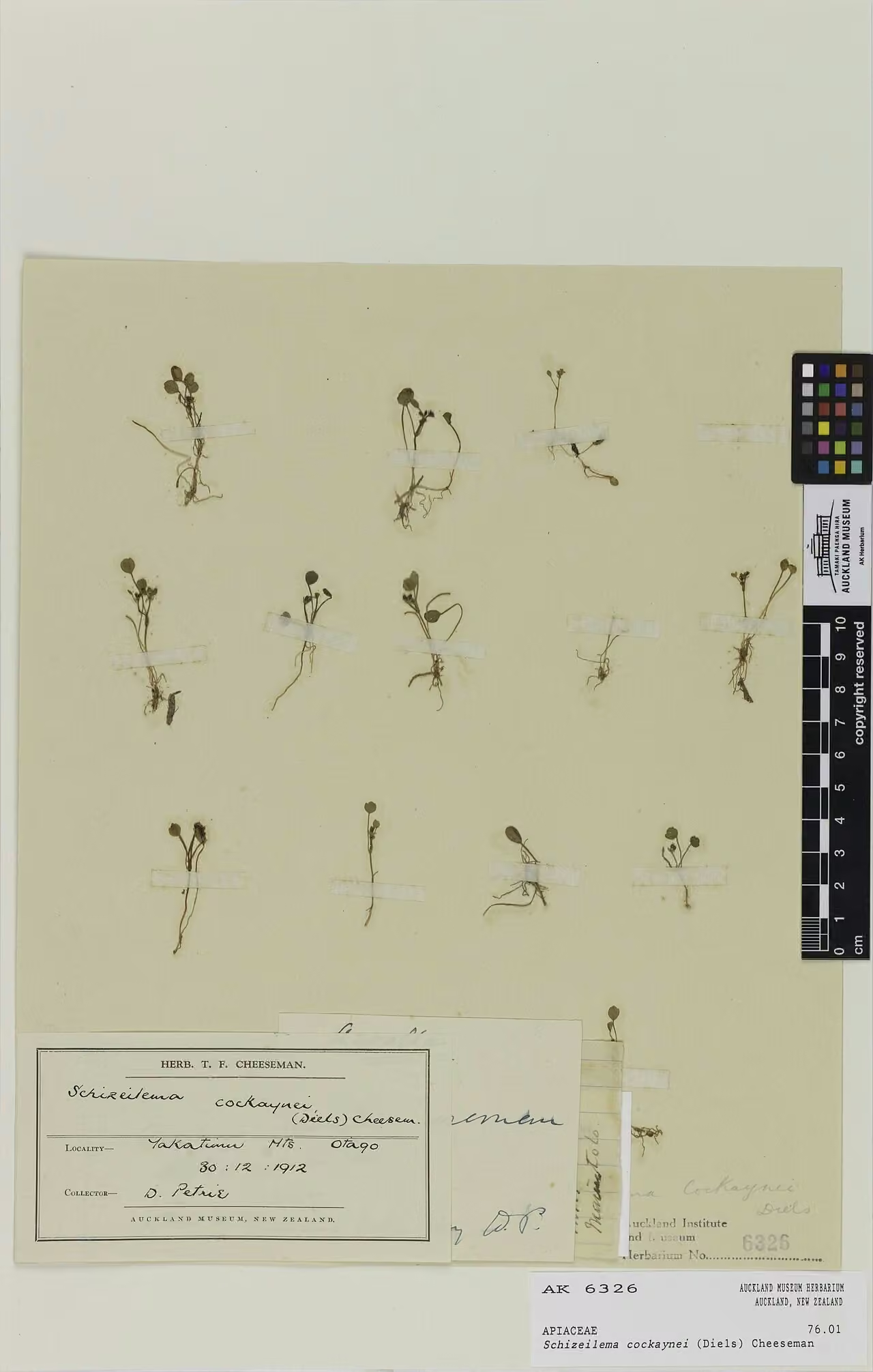
Azorella cockaynei
Azorella cockaynei
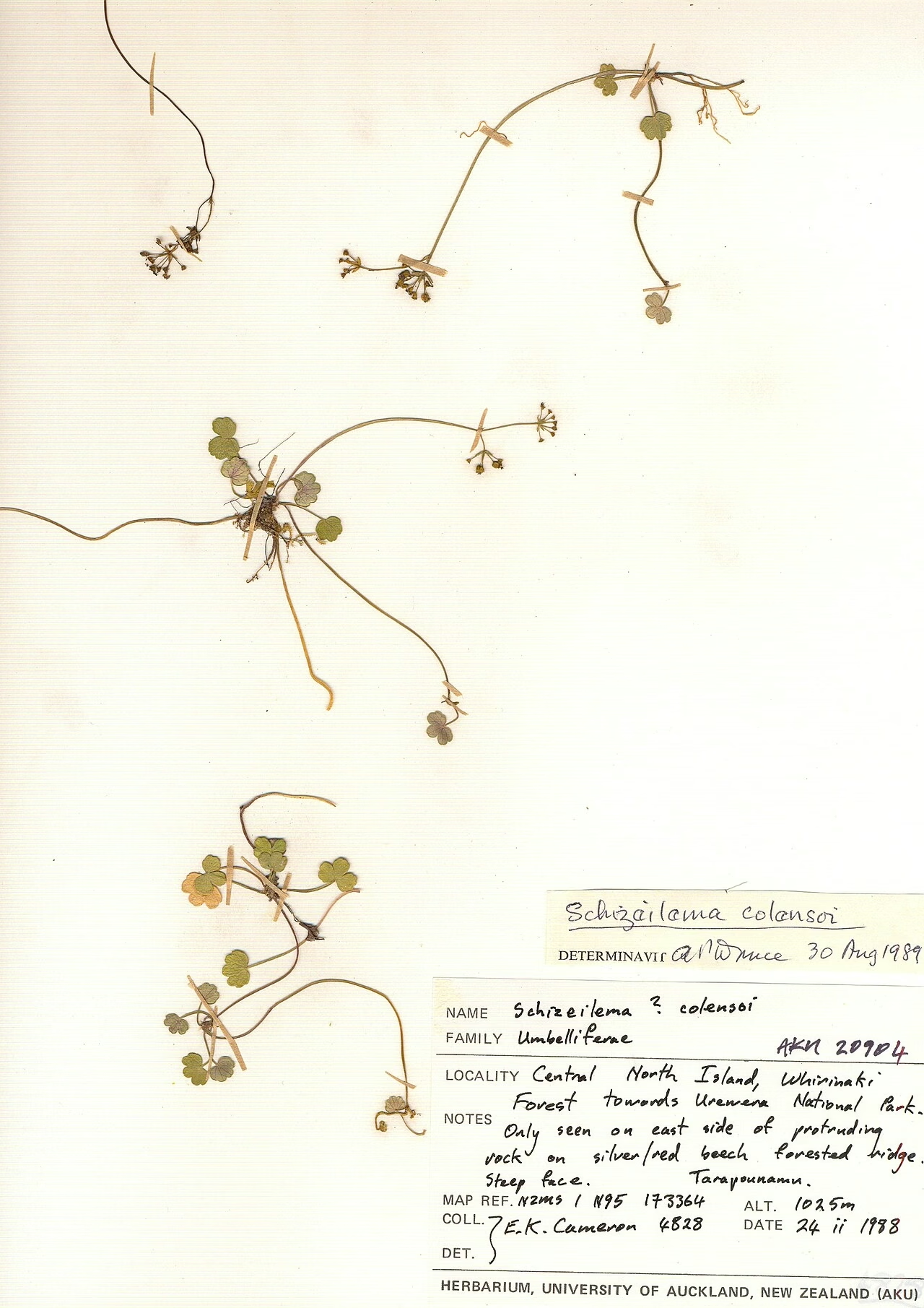
Azorella colensoi
Azorella colensoi
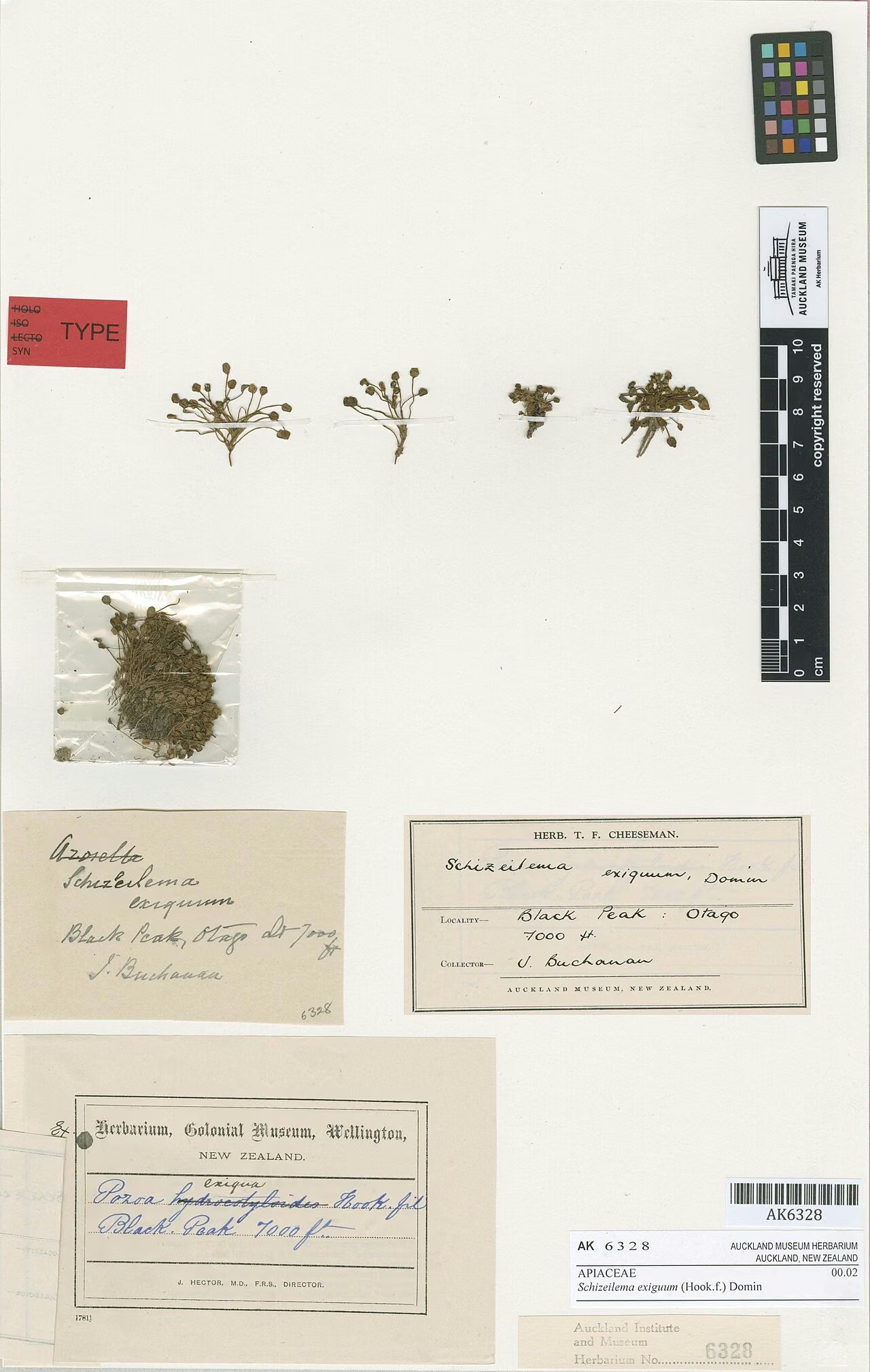
Azorella exigua
Azorella exigua
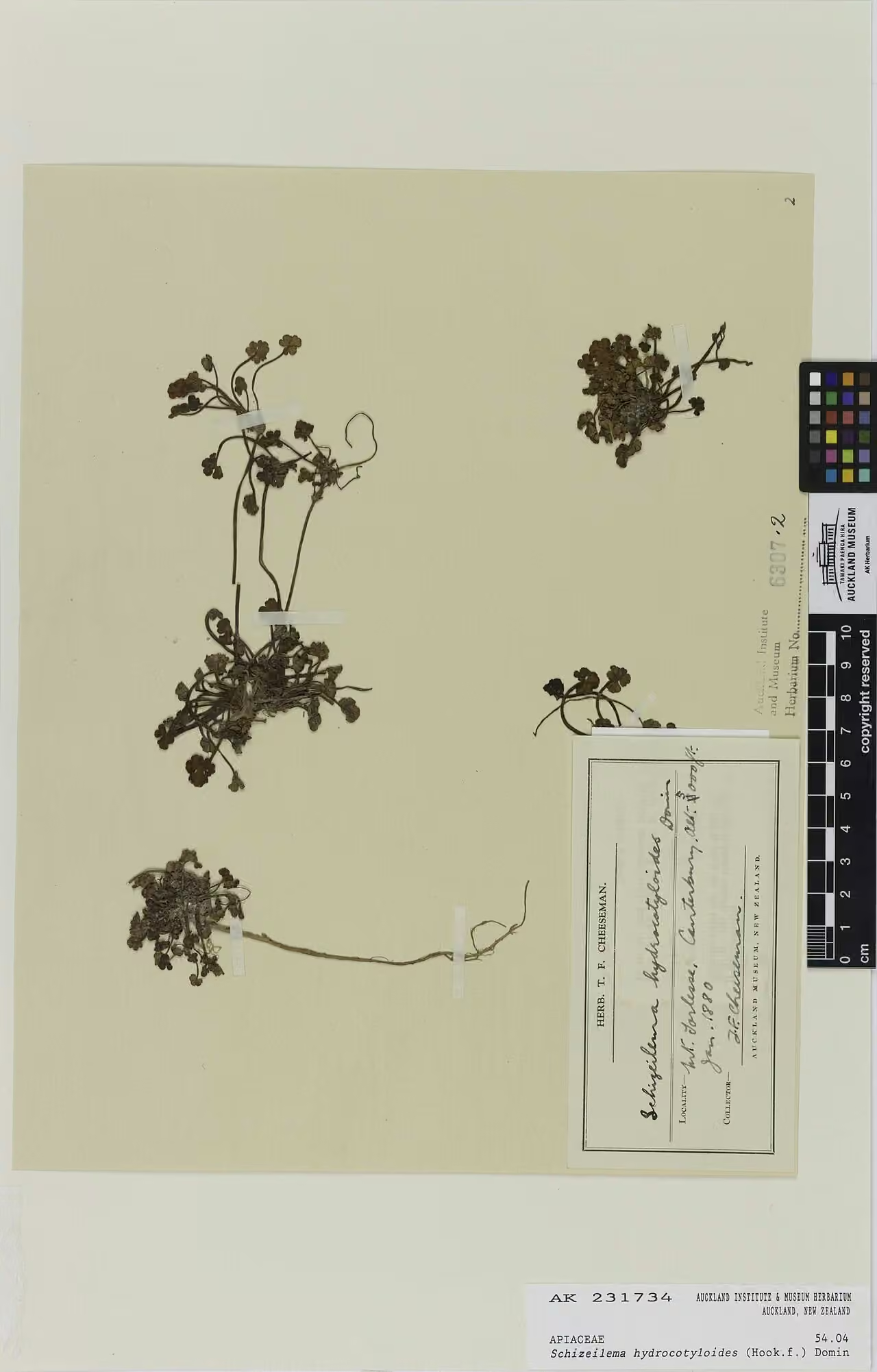
Azorella hydrocotyloides
Azorella hydrocotyloides
Azorella schizeilema
Azorella schizeilema
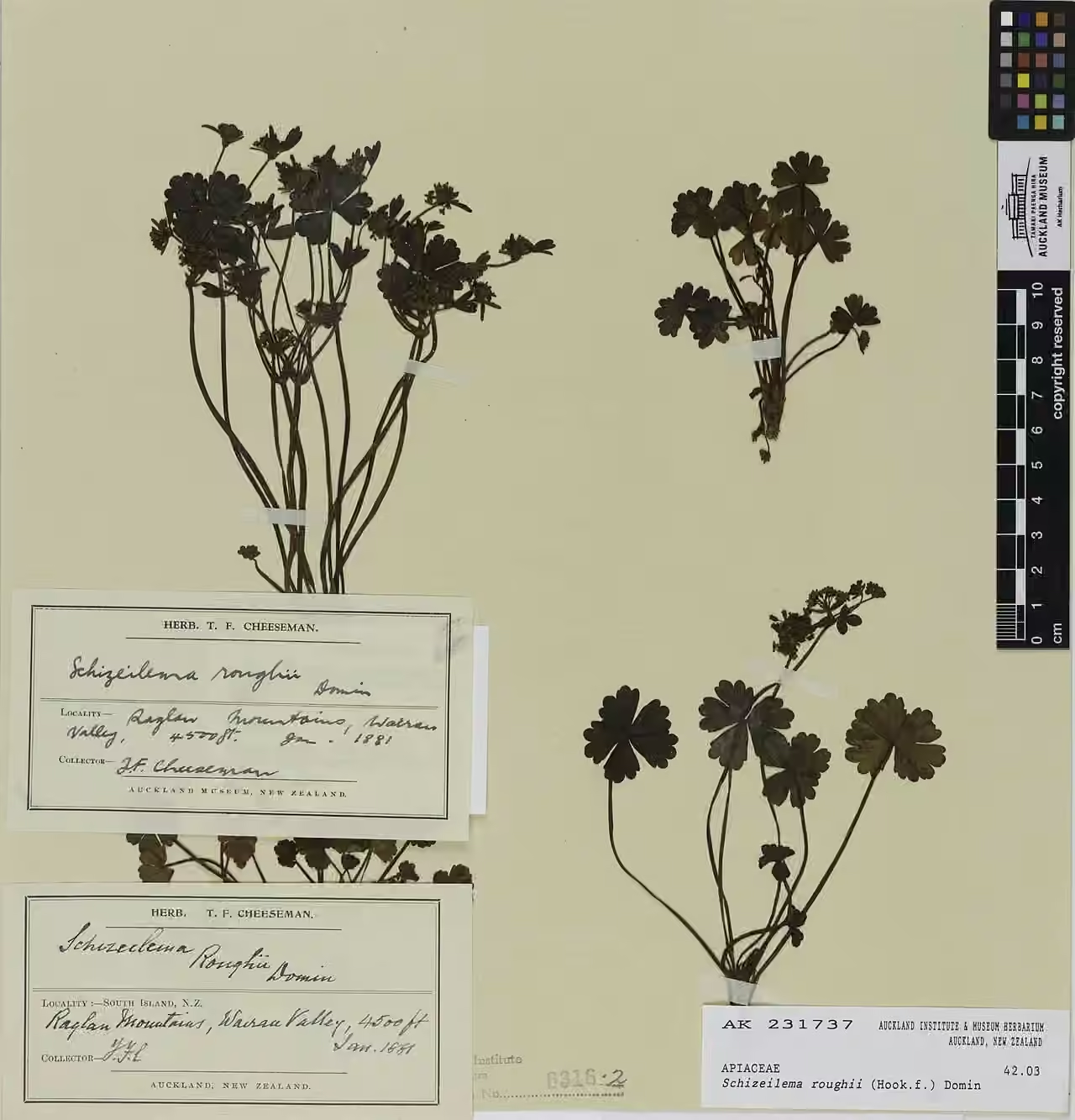
Schizeilema roughii
Schizeilema roughii
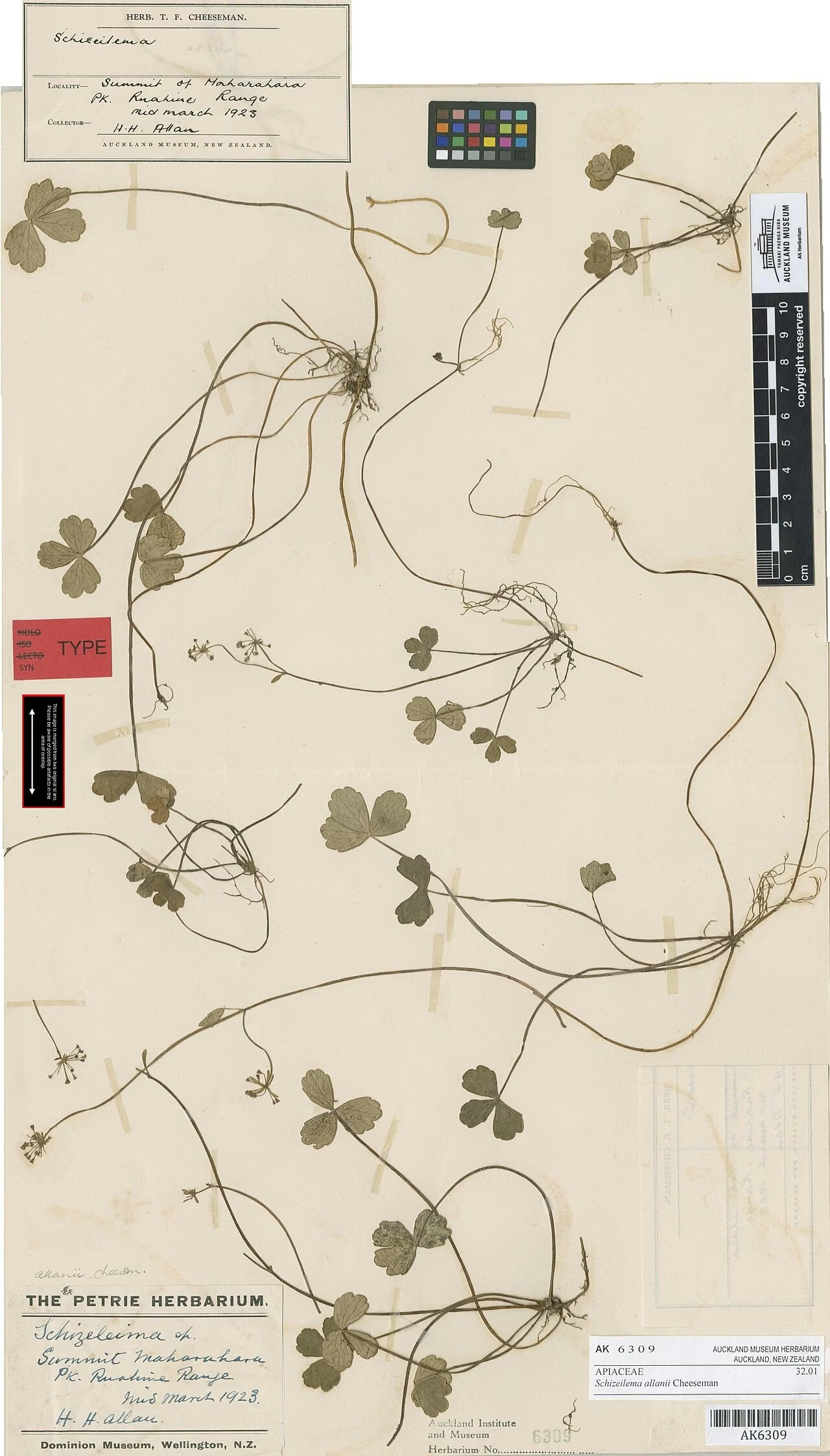
Azorella allanii
Azorella allanii
Hooker's Azorella
Hooker's Azorella
Plant Conservation
Azorella nitens is ranked Not Threatened in the 2023 New Zealand Threat Classification System assessment, as it has been since 2004. In the 2025 Otago regional assessment, however, it is ranked Regionally Threatened - Regionally Vulnerable, with qualifiers DPR, DPS, DPT and RR, indicating it is scarce and poorly known in that region.
Its lake-margin, stream-side and bog habitats are among those most affected by drainage, altered water levels, nutrient enrichment and invasive weeds. Protecting natural shorelines and wetland turf helps this and many other small native wetland plants.
Frequently Asked Questions
Where does Azorella nitens grow?
It is endemic to the North and South Islands from the Central Volcanic Plateau south, on lowland to montane lake, pond and stream margins, wet river terraces, very wet grassland, shallow water and bogs.
Why is it called nitens?
Nitens is Latin for shining, which suits the glossy leaflets that Allan's Flora describes for this species.
Is Azorella nitens a wetland plant?
Yes. The national wetland plant list rates it FACW, a facultative wetland plant that is usually found in wetlands but occasionally on drier ground.
Is Azorella nitens threatened?
It is ranked Not Threatened nationally, but the 2025 Otago regional assessment lists it as Regionally Vulnerable, with qualifiers including Range Restricted and Data Poor.
Sources and Further Reading
The botanical, growing, and conservation details for Azorella (Azorella nitens) on this page draw on the New Zealand plant references below. Consult them for full technical records and the latest distribution data.