Hebe
Veronica pentasepala
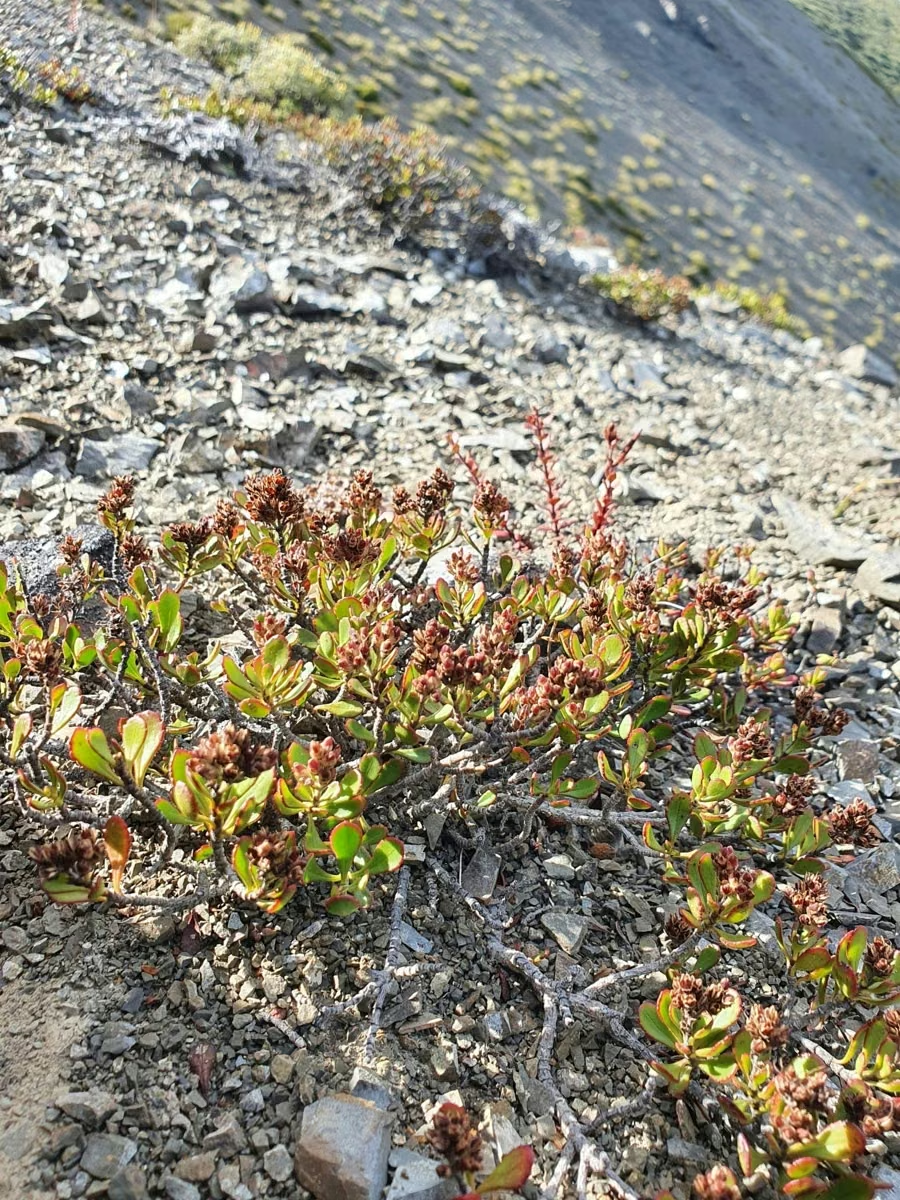
Veronica pentasepala is a small sun hebe endemic to inland Marlborough. It grows on rocky slopes and cliffs and has clusters of pink flowers above narrow, often red-edged leaves. This subshrub or shrub is usually 10-30 cm high, occasionally reaching 45 cm.
Identification
This subshrub or shrub is usually 10-30 cm high, occasionally reaching 45 cm. Its branches are generally upright, and its glossy, fleshy leaves are typically 10-30 mm long with red margins.
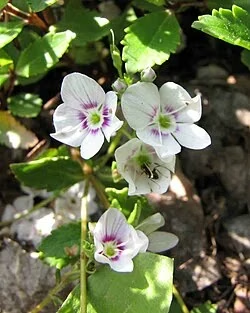
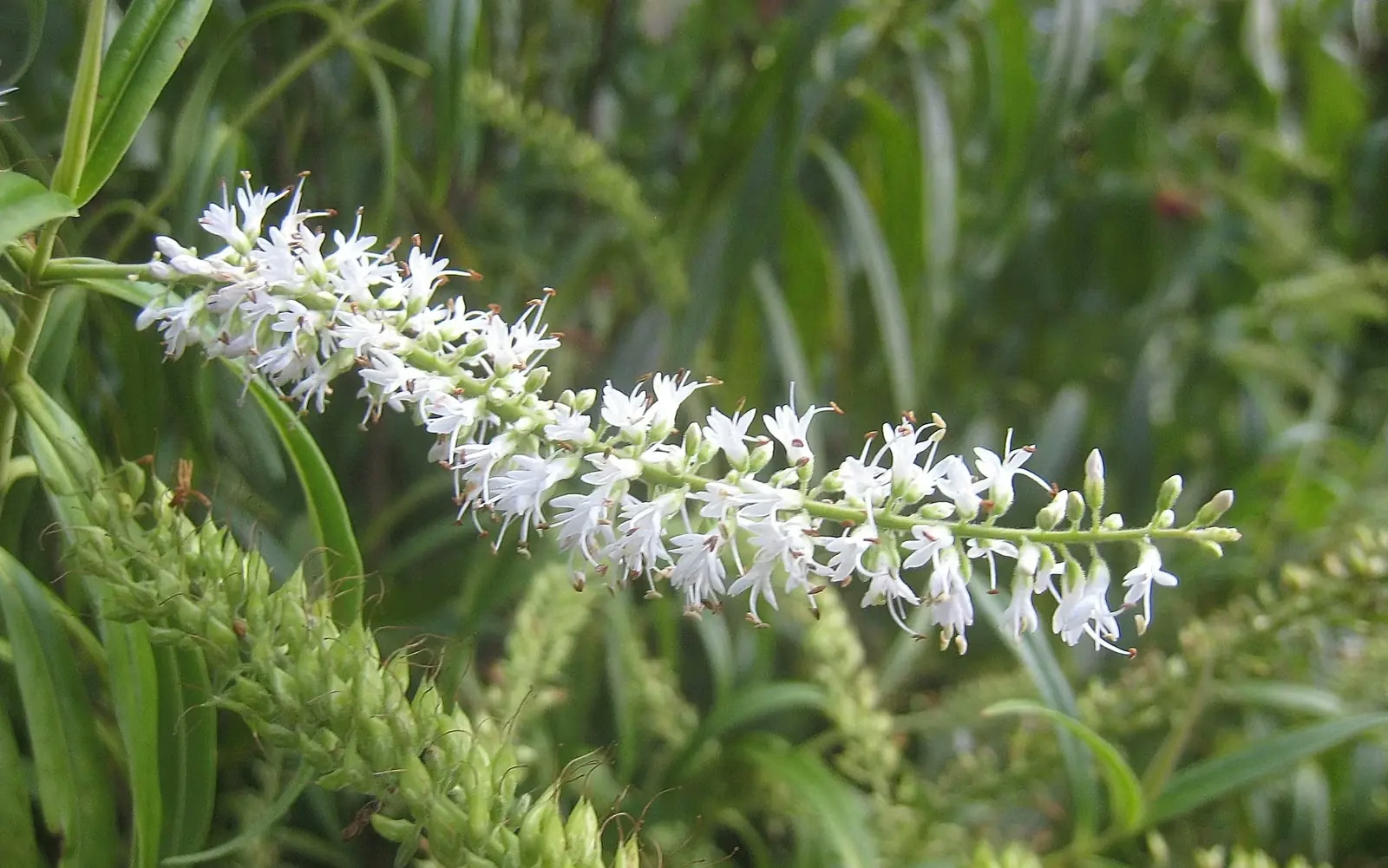
The flower clusters can contain many flowers and reach 7 cm long. Flowers are pink when they open and become paler after pollination. The calyx has five lobes, a feature reflected in the species name.
Quick facts
| Scientific Name | Veronica pentasepala |
|---|---|
| Family | Plantaginaceae |
| Usual height | 10-30 cm |
| Flowering period | September to November |
| Fruiting period | December to February |
| National status | Not Threatened (2023) |
| Height | Usually 10-30 cm, occasionally 45 cm |
| Water Needs | A cultivation watering requirement is not provided by the cited accounts |
| Light | Cliffs, rocky slopes and steep grassland in its natural habitat |
| Spread | Upright or ascending branches; mature width unquantified |
| Frost Tolerance | Minimum tolerated temperature is not documented |
| Salt Tolerance | Salt tolerance is not documented |
| Growth Rate | Annual extension is not quantified in the cited accounts |
| Lifespan | Perennial woody subshrub |
Natural elevation
NZPCN records this sun hebe from roughly 300-1,450 metres in inland Marlborough, while Flora of New Zealand cites collected records from 650-1,740 metres. These are observed ranges, not tested garden hardiness limits.
| City | Climate Suitability |
|---|---|
| Auckland | Not assessed |
| Wellington | Not assessed |
| Christchurch | Not assessed |
Habitat and distribution
Veronica pentasepala is endemic to the South Island and occurs in inland Marlborough valleys. NZPCN records it on cliffs, rocks, rocky slopes and steep grassland, often on limestone.
Natural growing conditions
Rocky slopes and limestone are features of its recorded habitat. The cited NZPCN profile does not supply a species-specific cultivation protocol, so these habitat observations should not be treated as proven potting or watering instructions.
Planting
NZPCN describes natural populations on cliffs, rocky slopes and steep grassland in inland Marlborough. It does not provide a species-specific planting method in the cited profile; the natural habitat alone cannot establish a reliable garden recipe.
Ecology
The plant forms a small shrub in rocky inland valleys. Its flowers are pink at opening and become paler after pollination, while the flower clusters can carry many individual flowers on the same stem.
Observing Sun Hebe
Flowering is recorded from September to November. Look for the upright growth, narrow glossy leaves and clusters of pink flowers in its known rocky Marlborough habitat; identification requires care because closely related sun hebes can look similar.
Landscape considerations
This species is naturally associated with rocky inland Marlborough and is a small shrub, usually 10-30 cm high. The NZPCN profile does not give tested landscape or establishment guidance for this particular species.
Flowering and fruiting
NZPCN records flowering from September to November and fruiting from December to February. Its pink flowers fade after pollination, so flower colour can vary within a flowering cluster as individual flowers age.
Pruning
The NZPCN species profile does not specify a pruning regime. Its natural habit is an upright, low shrub with flowering clusters on branches; no species-specific response to trimming is documented in that profile.
How to Grow Hebe (Veronica pentasepala)
Seed and historical names
The Flora account describes capsules and seeds of Veronica pentasepala, but does not give a tested seed-sowing or cutting method. Earlier literature places this plant in Heliohebe or treats it as a variety of Hebe raoulii. Those historical placements are useful when tracing botanical records, while modern identification should use the species' own characters.
Space for upright shoots
This low shrub is usually 10-30 cm high, with occasional plants reaching 45 cm. Its stems are mainly upright or ascending. The glossy green to bronze-green leaf blades are roughly 7-30 mm long, with red margins that are often toothed. The lower surface is paler and duller, and the leaf stalk is narrowly winged.
Recognising the flower clusters
Terminal flower clusters can be approximately 1-7 cm long and contain twenty to two hundred flowers. A fifth posterior calyx lobe is a diagnostic feature. The small corollas are pink at opening and become paler after pollination in the NZPCN description. Flowering is recorded from September to November, followed by fruit from December to February.
Checking the rocky habitat
Natural records concern cliffs, rock outcrops, rocky slopes and steep grassland, frequently on limestone in inland Marlborough. These sites help interpret the species' natural distribution. The cited descriptions do not quantify nursery irrigation, a preferred compost pH or the time needed for a cutting to develop an independent root system.
Pests and diseases
NZPCN does not list a species-specific pest or disease treatment in the cited profile. Red leaf margins are part of the published description of this species and should not automatically be interpreted as disease.
Names and classification
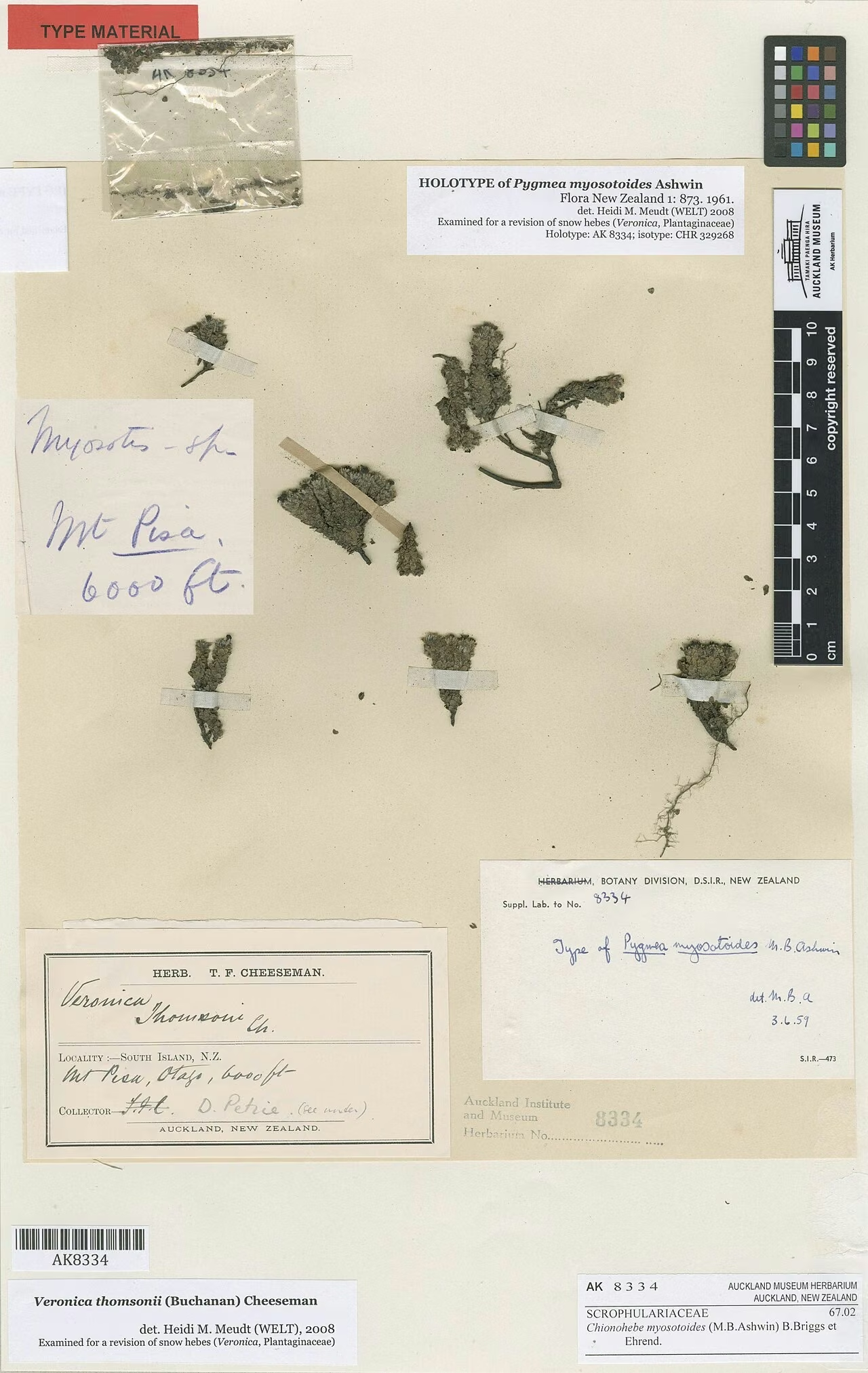
Earlier names include Hebe raoulii var. pentasepala and Heliohebe pentasepala. The current NZPCN and Flora of New Zealand treatments recognise it as Veronica pentasepala; the cited NZPCN profile does not supply a Māori name.
Distinguishing Similar Sun Hebes
Compared with Veronica raoulii, this species has a more erect habit and leaves widest near the middle. It also has five free calyx lobes, with the rear lobe usually only slightly smaller than the others.
Related native veronicas
Explore other native Veronica species, including small-leaved and alpine hebes.

Conservation
The 2023 New Zealand assessment lists Veronica pentasepala as Not Threatened. It is endemic to New Zealand and has a geographically restricted known distribution in the inland valleys of Marlborough.
Frequently asked questions
Why is it called five-sepalled hebe?
The calyx includes a fifth posterior lobe, a useful distinction from some closely related species.
Do the flowers keep the same colour?
The NZPCN account describes flowers that open pink and become paler after pollination.
What is its characteristic substrate?
Cliffs and rocky slopes are frequent settings, with many records associated with limestone.
Sources
Last updated: