King Fern Ally
Todea barbara
Last updated:
ferns profile: King Fern Ally (Todea barbara) is an ancient-lineage fern in the Osmundaceae, related to crepe ferns rather than to true king fern Ptisana salicina. In New Zealand it is indigenous and assessed as At Risk - Naturally Uncommon. It is associated with damp, acidic, sheltered habitats and has a much wider natural range outside New Zealand, including Australia and South Africa.
Plant Description
Identification and Physical Characteristics
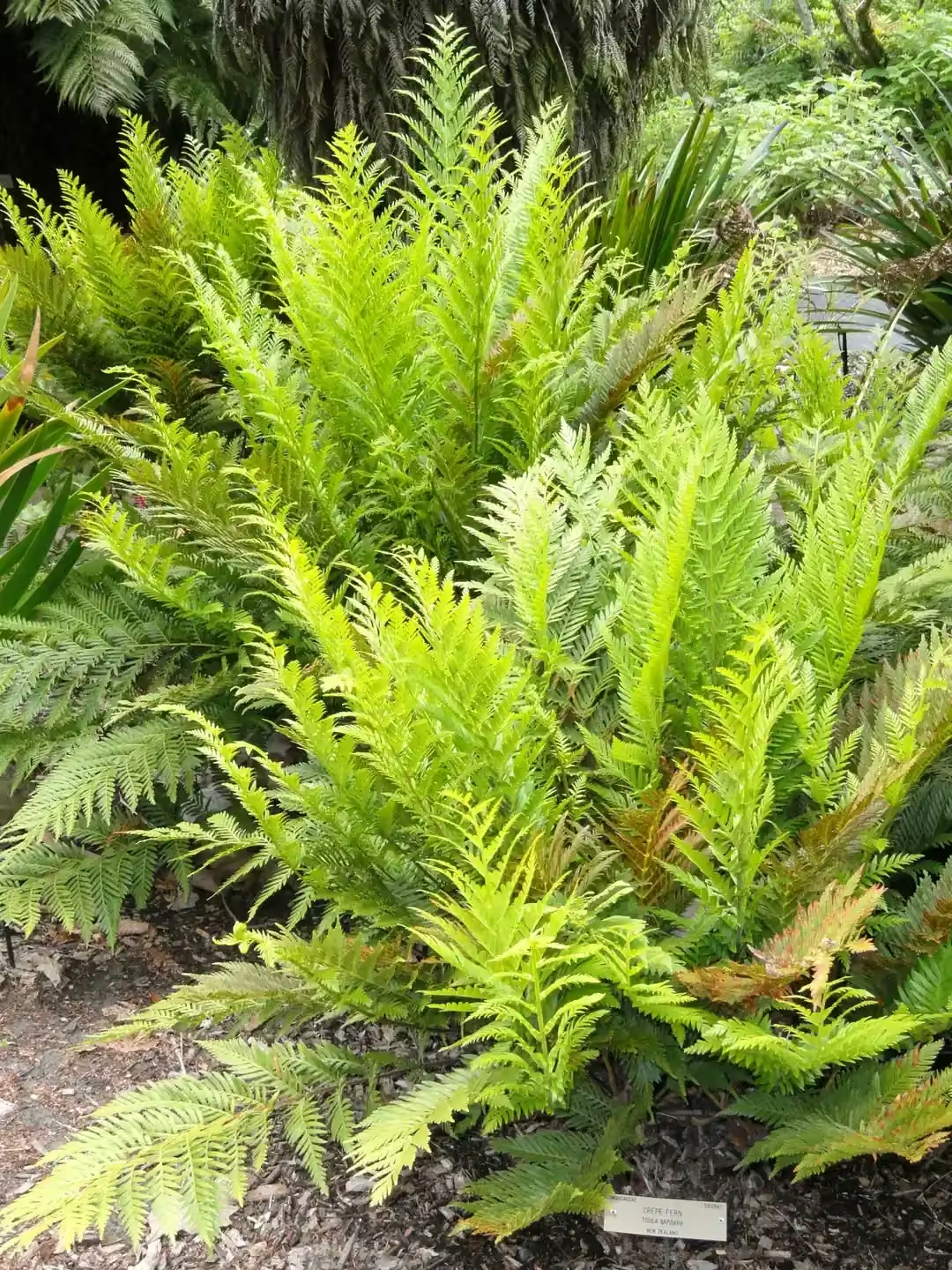
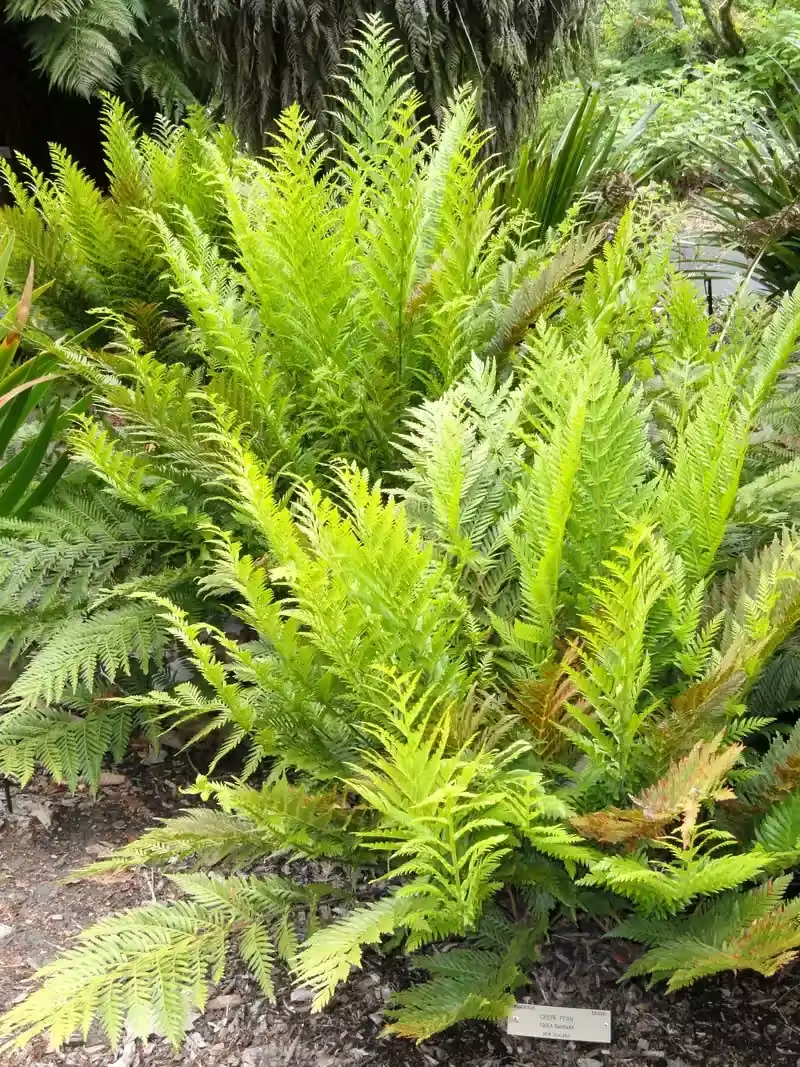
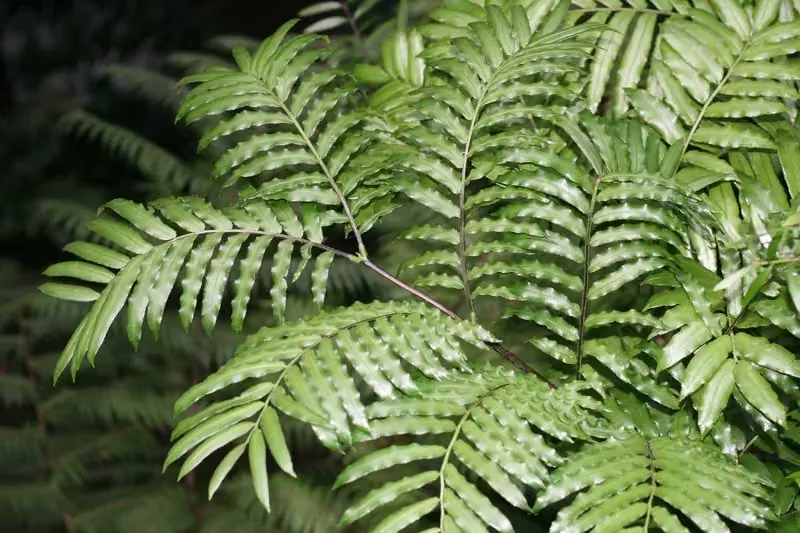
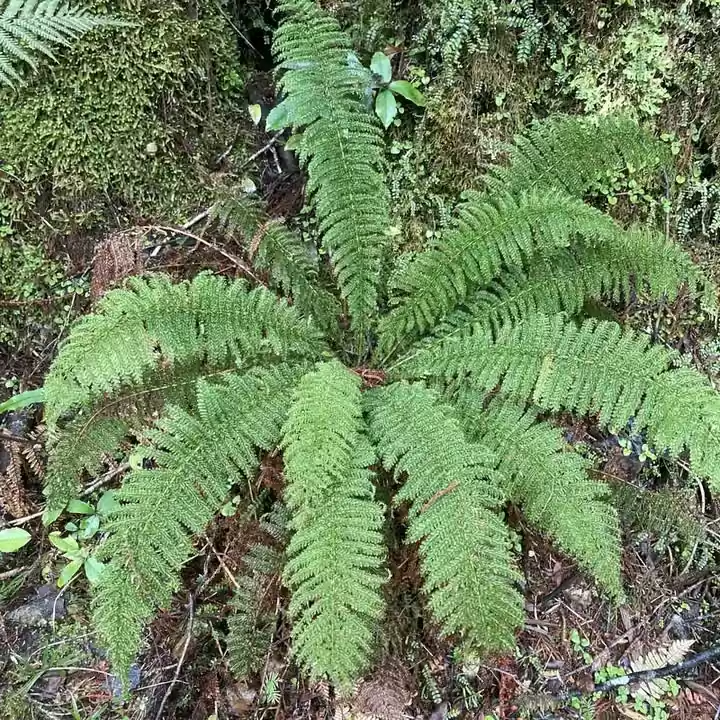
The plant forms a stout crown or short trunk-like base with large, divided, leathery fronds. The fronds are firmer than the translucent crepe ferns and less enormous than true king fern, but the plant still has a substantial architectural presence. Fertile material carries sporangia on modified portions of the frond, a feature of the old Osmundaceae lineage.
Quick Facts
| Scientific Name | Todea barbara |
|---|---|
| Height | Fronds commonly 0.6 - 1.5 metres |
| Spread | Large clump from stout crown |
| Water Needs | Moderate to high |
| Light | Filtered light to open shelter |
| Frost Tolerance | Moderate once established |
| Salt Tolerance | Low |
| Growth Rate | Slow to moderate |
| Lifespan | Long-lived perennial fern |
Climate Best Suited to
King Fern Ally suits sheltered damp sites with acidic soil, high humidity, and protection from severe drying or heavy competition.
Regional Suitability
| City | Climate Suitability |
|---|---|
| Auckland | Medium to high in damp acidic sheltered gardens |
| Wellington | Medium in protected damp gullies |
| Christchurch | Low to medium in sheltered irrigated acidic beds |
| Nelson | Medium in damp sheltered sites |
Plant Habitat
Natural Occurrence and Ecology
New Zealand records are local and tied to damp, low-fertility, acidic places, often in open or lightly shaded habitats. Because populations are naturally sparse, provenance and habitat protection are more important than mass use in ordinary fern gardens.
Growing Requirements
Soil Requirements
Use acidic, humus-rich but free-draining soil with reliable moisture and no lime-heavy amendments.
- Acidic humus
- Damp sheltered soil
- No waterlogged clay
Light Requirements
Filtered light or open shelter suits the plant; harsh dry sun can stress large fronds.
- Filtered light
- Open shelter
- Avoid hot wind
Water Requirements
Keep soil steadily moist, especially during establishment and summer dry periods.
- Reliable moisture
- Mulched roots
- Good drainage
Planting and Establishing
Establishment Guidance
Plant King Fern Ally in a sheltered acidic bed with space for a large crown. Use accurately sourced nursery plants, water deeply, mulch with leaf litter, and protect from browsing or digging. Avoid alkaline soil, compacted wet clay, and hot dry exposure.
Ecological Role
Biodiversity and Ecosystem Impact
As a naturally uncommon fern of an ancient family, Todea barbara adds lineage diversity to New Zealand fern collections and suitable restoration plantings. It helps represent damp acidic habitats that also support tangle ferns, crepe ferns, sedges, and low scrub species.
Uses & Significance
Garden Uses
Use in specialist native fern collections, damp acidic gardens, and labelled conservation plantings.
- Specialist fern collections
- Damp acidic beds
- Large fern specimen
Ecological Value
It contributes naturally uncommon fern diversity and ancient Osmundaceae representation.
- Ancient fern lineage
- Damp acidic habitat
- Conservation collection value
Landscaping Uses
Use it as a labelled specimen where the stout crown and large fronds have space. Pair with Leptopteris, sedges, mosses, and low shrubs, but keep vigorous groundcovers away from the crown.
Seasonal Care Calendar
Spring
New fronds expand from the crown in mild damp weather.
Summer
Water deeply during dry spells and maintain mulch.
Autumn
Plant nursery stock after rain while soil is still warm.
Winter
Keep drainage open and protect from browsing.
When to Prune and How Much
Remove dead fronds cleanly at the base and avoid wounding the crown. Do not cut healthy fronds for display because the plant is naturally uncommon and slow to replace lost structure.
- Cut dead fronds
- Protect the crown
- Avoid display harvesting
Always use clean, sharp tools and avoid disturbing new growth.
How to Grow King Fern Ally
From Spores
Spore propagation is the best conservation-minded method where authorised fertile material is available. Sow spores on sterile, acidic, moist fern medium and keep trays covered in bright shade. Germination and early growth can be slow, so hygiene, patience, and stable humidity are essential. Pot young plants into deep, free-draining humus mix and harden gradually. Keep source records with each batch, because New Zealand plants are naturally uncommon and should not be mixed casually with overseas or commercial material.
- Use authorised fertile material
- Sow on sterile acidic medium
- Keep humid in shade
- Record provenance
From Crown Division
Division is possible only from strong cultivated plants with multiple growth points, and it should be done sparingly. Keep a large root mass with each piece, use clean cuts, and pot immediately into damp acidic mix. Hold divisions in sheltered shade until new fronds confirm recovery. Do not divide wild plants or small conservation-source specimens casually. For most projects, nursery-raised sporelings are safer and preserve more genetic diversity than repeated division.
- Divide only strong cultivated crowns
- Keep roots attached
- Pot immediately
- Hold in sheltered shade
Establishing a Stout-Crowned Fern
Prepare a permanent position before planting. Remove weeds, build a moist acidic humus layer, and make sure drainage is open below the crown. Plant at nursery depth, mulch broadly, and water deeply. Protect from animals and avoid later digging near the root zone. If fronds scorch, add shelter or improve moisture rather than applying fertiliser. The goal is slow, steady establishment in a stable damp microclimate that mirrors the plant's natural habitat.
- Prepare acidic damp soil
- Plant at nursery depth
- Mulch and water deeply
- Avoid later disturbance
Pests & Diseases
Browsing, drought, root disturbance, and crown rot in stagnant soil are the main risks. Slugs may graze young fronds in nurseries.
This King Fern Ally note is specific to Todea barbara, connecting identification, habitat context, and practical care so the section remains useful for readers comparing New Zealand plant profiles.
Cultural Significance
The plant's value in New Zealand is tied to its naturally uncommon status and ancient fern lineage. Clear labelling helps avoid confusion with true king fern and crepe ferns.
- Ancient Osmundaceae lineage
- Naturally uncommon
- Not true king fern
Bonus Tip
Keep it slightly raised in damp soil so the crown stays moist but never buried in stagnant water.
This King Fern Ally note is specific to Todea barbara, connecting identification, habitat context, and practical care so the section remains useful for readers comparing New Zealand plant profiles.
Related Plants
Compare King Fern Ally with other large or ancient-lineage New Zealand ferns.



Plant Conservation
Conservation Status and Threats
Todea barbara is assessed as At Risk - Naturally Uncommon in New Zealand. Protect local damp acidic habitats, avoid wild collection, and keep New Zealand source plants distinct from overseas material.
Frequently Asked Questions
Is Todea barbara native to New Zealand?
Yes. It is indigenous but naturally uncommon in New Zealand.
Is it the same as King Fern?
No. King Fern is Ptisana salicina; Todea barbara is an Osmundaceae fern ally.
What does it need in cultivation?
It needs damp acidic soil, shelter, good drainage, and protection from disturbance.
Sources and Further Reading
The botanical, growing, and conservation details for King Fern Ally draw on authoritative New Zealand plant references and taxonomic databases.