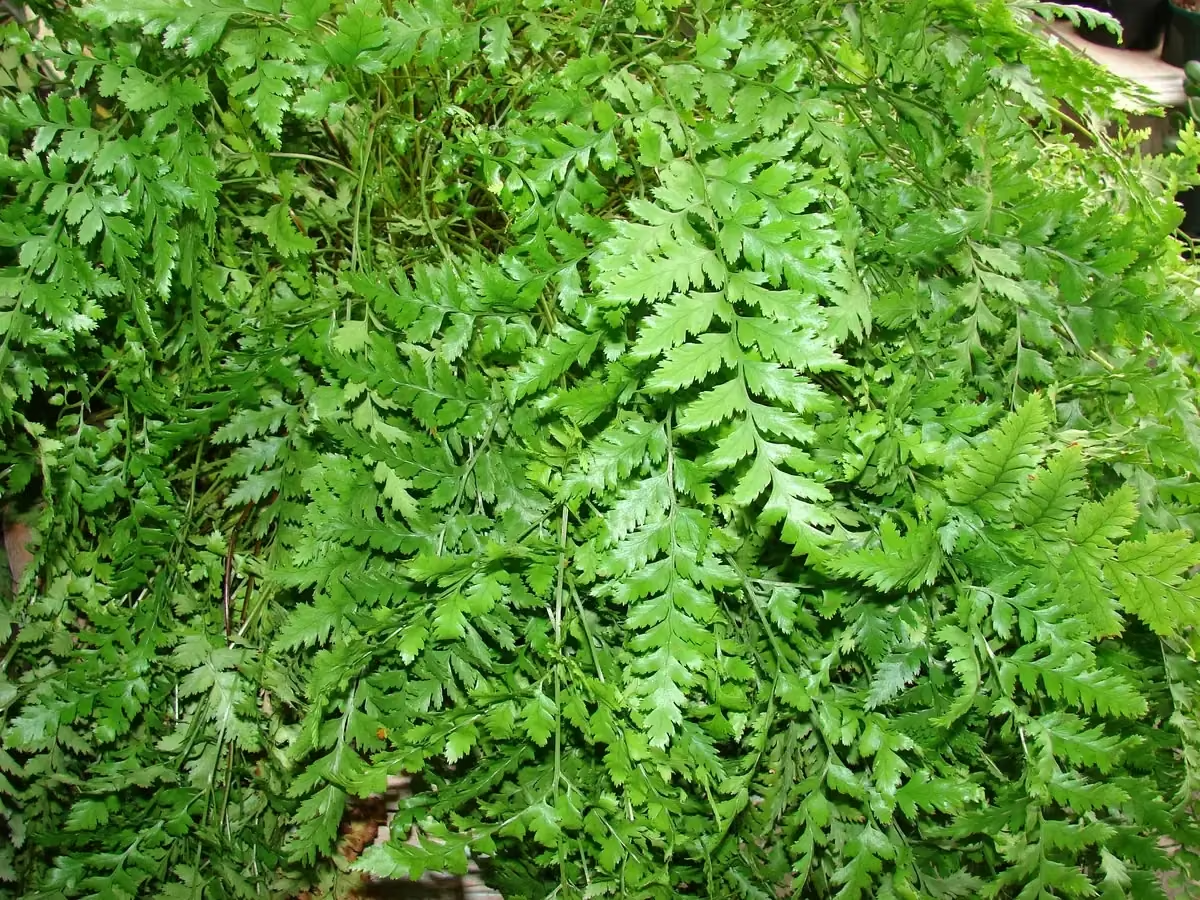
Leathery Shield Fern
Rumohra adiantiformis
Last updated:
ferns profile: Leathery Shield Fern (Rumohra adiantiformis) is globally familiar as florist fern, but in New Zealand it is treated as an indigenous, very local fern with an At Risk - Naturally Uncommon status. Its glossy, tough, long-lasting fronds are distinctive, but wild New Zealand material should be protected and not confused with cultivated or commercial stock.
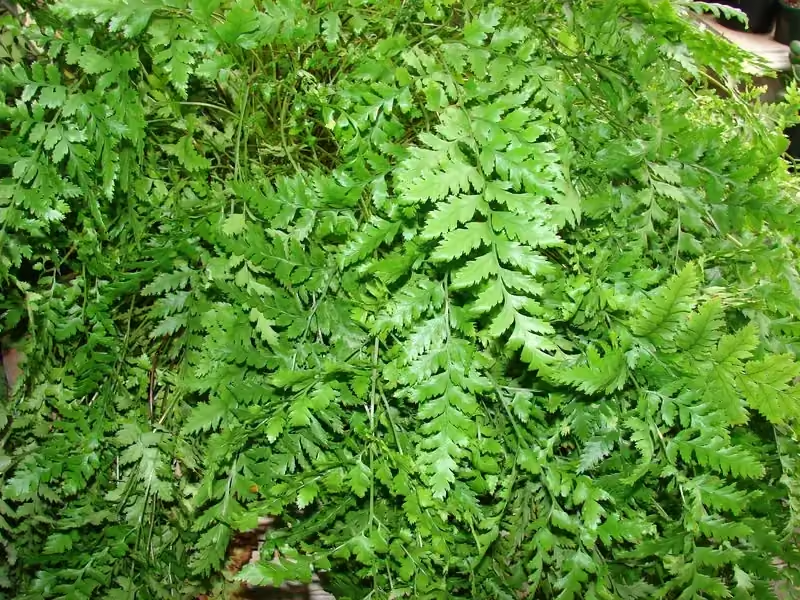
Plant Description
Identification and Physical Characteristics
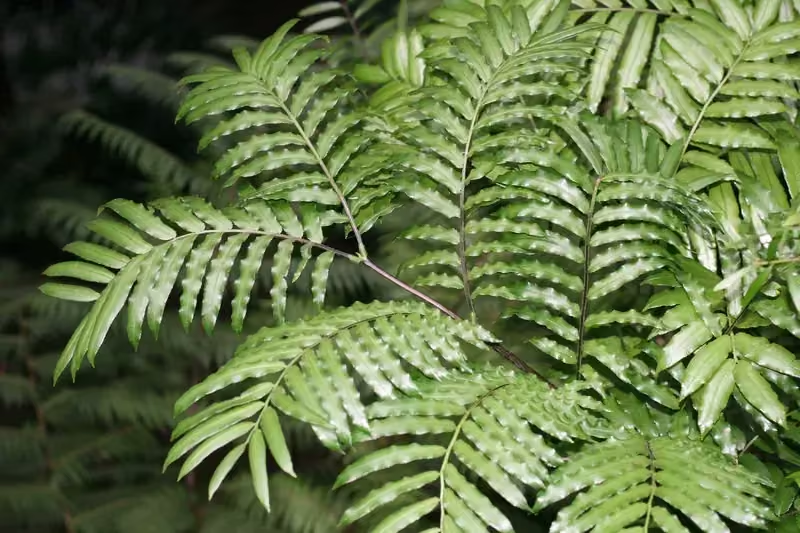
The species has creeping rhizomes and firm, glossy, dark green fronds divided into many leathery pinnae and pinnules. The fronds are durable, which explains their international use in floristry. Sori occur on the underside and are protected by roundish indusia. In New Zealand, conservation attention focuses on naturally occurring coastal populations rather than garden or florist trade material.
Quick Facts
| Scientific Name | Rumohra adiantiformis |
|---|---|
| Height | Fronds often 40 cm - 1 metre |
| Spread | Clumps or patches from creeping rhizomes |
| Water Needs | Moderate |
| Light | Shade to filtered light |
| Frost Tolerance | Low to moderate |
| Salt Tolerance | Moderate in coastal shelter |
| Growth Rate | Moderate in mild shelter |
| Lifespan | Perennial fern |
Climate Best Suited to
Leathery Shield Fern suits mild, humid, frost-light climates and sheltered coastal or forest-edge conditions with free-draining soil.
Regional Suitability
| City | Climate Suitability |
|---|---|
| Auckland | Medium to high in warm shaded coastal shelter |
| Wellington | Medium in frost-free coastal shade |
| Christchurch | Low outdoors except in very sheltered sites |
| Nelson | Medium in mild shaded coastal gardens |
Plant Habitat
Natural Occurrence and Ecology
New Zealand conservation material describes naturally occurring plants as very local. The species is associated with coastal and island habitats, shaded banks, forest margins, and mild humid shelter. Its global range and horticultural trade history make provenance especially important.
Growing Requirements
Soil Requirements
Use free-draining, humus-rich soil or gritty coastal forest mix with steady but not stagnant moisture.
- Coastal forest loam
- Leaf mould
- Free drainage
Light Requirements
Filtered shade protects fronds, while some bright shelter encourages sturdy growth.
- Filtered shade
- Coastal shelter
- Avoid frost hollows
Water Requirements
Keep young plants moist while establishing, then maintain moderate moisture without waterlogging rhizomes.
- Moderate moisture
- Mulched roots
- No wet crowns
Planting and Establishing
Establishment Guidance
Plant only accurately sourced material. For conservation or native collections, keep New Zealand provenance separate from commercial florist fern stock. Plant in sheltered mild shade, water well, mulch lightly, and protect from browsing and digging.
Ecological Role
Biodiversity and Ecosystem Impact
In New Zealand, the ecological significance lies in naturally uncommon coastal fern populations. The species adds tough evergreen fern cover to mild sheltered sites, but trade-derived plants should not be introduced into or near wild populations because they can confuse provenance and management.
Uses & Significance
Garden Uses
Use only as labelled, provenance-aware native collection material in mild shaded gardens.
- Native fern collections
- Mild coastal shade
- Labelled provenance plantings
Ecological Value
It supports naturally uncommon fern diversity when genuine local material is protected and managed.
- Rare local populations
- Coastal fern cover
- Provenance protection
Landscaping Uses
The glossy durable fronds are handsome in a sheltered fern border, but this is not a generic filler fern for restoration. Use it as a labelled feature with records, and pair with coastal shrubs, leather-leaf fern, and other mild-site natives.
Seasonal Care Calendar
Spring
New fronds expand from creeping rhizomes.
Summer
Maintain moisture during hot dry spells.
Autumn
Plant or divide cultivated stock in mild damp weather.
Winter
Protect young plants from frost and wet cold.
When to Prune and How Much
Cut old fronds at the base and remove only what is damaged. Do not harvest fronds from wild populations.
- Cut old fronds
- Do not wild-harvest
- Keep labels intact
Always use clean, sharp tools and avoid disturbing new growth.
How to Grow Leathery Shield Fern
From Spores
Spore propagation is appropriate for conservation collections when fertile material is legally collected from known source plants. Sow spores on sterile moist fern medium, keep trays covered in bright shade, and pot young plants into a free-draining humus mix. Because commercial florist fern stock may not represent New Zealand wild provenance, every batch should be labelled with source and date. Do not distribute plants into restoration areas unless provenance, identity, and management goals are clear.
- Use authorised fertile material
- Sow spores on sterile medium
- Keep humid in bright shade
- Label provenance clearly
From Rhizome Division
Cultivated plants can be divided when a patch is strong. Lift a rooted rhizome section with active buds, pot it into a gritty humus-rich mix, and keep it shaded until new fronds appear. Division preserves one clone, so it is useful for maintaining a known accession but poor for building genetic diversity. Do not divide wild plants or move material between wild sites. Keep New Zealand source plants separate from florist-trade stock in nurseries and gardens.
- Divide strong cultivated plants
- Keep active buds
- Pot into gritty humus mix
- Separate source lines
Establishing Provenance Plants
Prepare a sheltered, mild, shaded site with good drainage. Plant after rain, mulch lightly, and water through the first dry season. Protect from frost, browsing, and digging. Keep accession labels visible and record plant origin in garden notes, because the value of the planting depends on accurate identity as much as survival. Avoid placing it where vigorous groundcovers or tree roots will overwhelm the rhizomes before the fern settles.
- Prepare mild shade
- Plant after rain
- Protect from damage
- Record plant origin
Pests & Diseases
Slugs may graze new fronds. Frost, drought, root disturbance, and confusion with commercial stock are larger practical issues.
This Leathery Shield Fern note is specific to Rumohra adiantiformis, connecting identification, habitat context, and practical care so the section remains useful for readers comparing New Zealand plant profiles.
Cultural Significance
The florist fern name reflects international use of the durable fronds, while New Zealand conservation work treats local wild plants as rare natural heritage requiring provenance care.
- Florist fern trade name
- Naturally uncommon in New Zealand
- Provenance matters
Bonus Tip
Keep a garden record for this fern, not just a plant label, because provenance can be lost when labels fade.
This Leathery Shield Fern note is specific to Rumohra adiantiformis, connecting identification, habitat context, and practical care so the section remains useful for readers comparing New Zealand plant profiles.
Related Plants
Compare Leathery Shield Fern with other tough native and coastal ferns.



Plant Conservation
Conservation Status and Threats
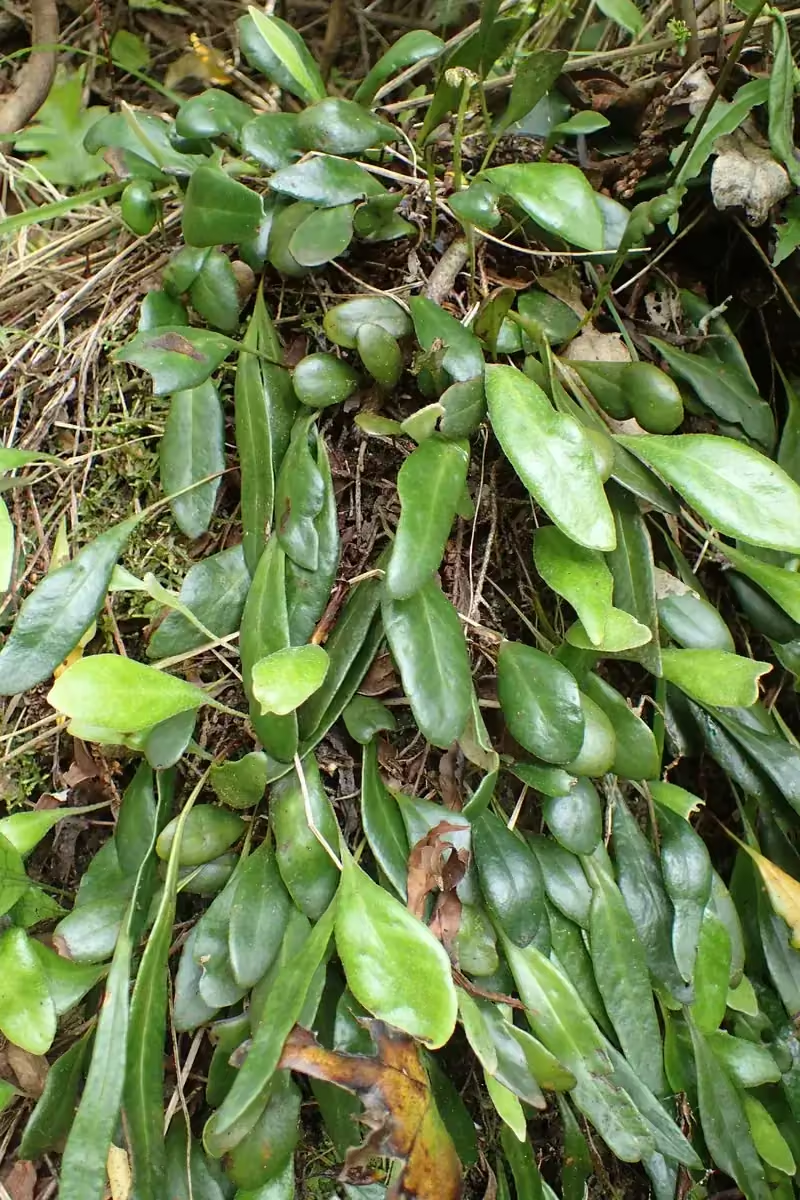
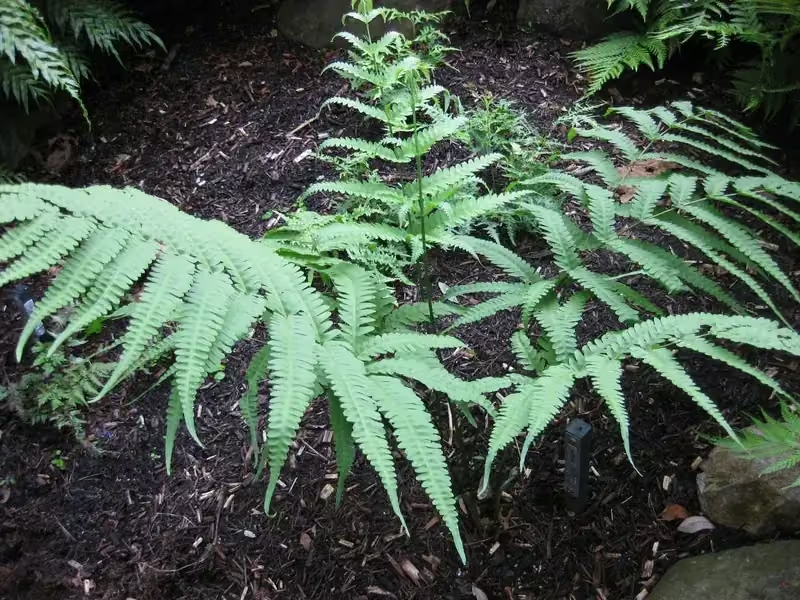
Rumohra adiantiformis is assessed as At Risk - Naturally Uncommon in New Zealand. Protect known wild populations, avoid wild harvesting, and keep local provenance distinct from commercial material.
Frequently Asked Questions
Is florist fern native to New Zealand?
The species is indigenous but very local in New Zealand; commercial florist stock should not be treated as local native provenance.
Can fronds be harvested from wild plants?
No. Wild populations should be protected.
Where does it grow best?
It needs mild, sheltered, humid shade with free-draining soil.
Sources and Further Reading
The botanical, growing, and conservation details for Leathery Shield Fern draw on authoritative New Zealand plant references and taxonomic databases.