Common Strap Fern
Notogrammitis billardierei
Last updated:
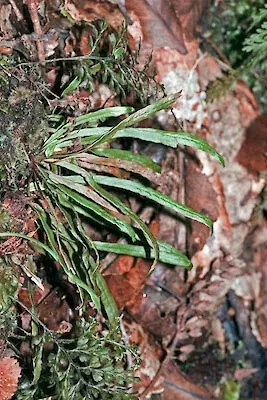
ferns profile: Common Strap Fern (Notogrammitis billardierei) is a small moss-loving fern with simple strap-like fronds. Flora of New Zealand treats it in Notogrammitis, the southern strap fern genus created for species formerly placed in Grammitis. It is widespread in New Zealand and recorded as Not Threatened in contemporary plant lists.
Plant Description
Identification and Physical Characteristics
This fern has an erect to short-creeping rhizome with pale brown scales. Fronds are undivided, linear to narrowly elliptic, and usually much smaller than the maximum 245 mm recorded in Flora of New Zealand. The base tapers into an indistinct winged stipe, and the frond surface may be glabrous or sparsely hairy. Sori are borne on the underside in rows, without indusia, typical of the strap fern group. It often grows as small clusters among mosses and liverworts.
Quick Facts
| Scientific Name | Notogrammitis billardierei |
|---|---|
| Height | Fronds 2 - 24.5 cm long |
| Spread | Small tufted patches |
| Water Needs | Moderate to high humidity |
| Light | Shade to filtered light |
| Frost Tolerance | Moderate |
| Salt Tolerance | Low |
| Growth Rate | Slow and moisture-dependent |
| Lifespan | Perennial small fern |
Climate Best Suited to
Common Strap Fern suits humid forest climates and sheltered ferneries where bark, moss, and shaded soil stay damp without being stagnant.
Regional Suitability
| City | Climate Suitability |
|---|---|
| Auckland | High in humid shaded forest and trunk bases |
| Wellington | High in damp mossy forest and rock shade |
| Christchurch | Medium in protected humid fernery sites |
| Nelson | High in western forest; medium in dry eastern shelter |
Plant Habitat
Natural Occurrence and Ecology
Te Papa describes the common strap fern as widespread and often abundant, growing at the base of tree trunks or on the ground among mosses and liverworts. Other references record it as epiphytic, terrestrial, or rupestral in dense forest across the main islands and offshore island groups, with occurrence also in south-eastern Australia.
Growing Requirements
Soil Requirements
Use mossy bark, humus, or fine free-draining fern mix that remains damp at the surface.
- Mossy bark
- Leaf humus
- Damp shaded rock crevices
Light Requirements
Filtered shade protects the small fronds while allowing enough light for compact growth.
- Forest shade
- Trunk-base shade
- No hot direct sun
Water Requirements
Keep humidity steady and water gently, avoiding both drought and sour waterlogged media.
- High humidity
- Gentle watering
- Free drainage
Planting and Establishing
Establishment Guidance
Plant Common Strap Fern as a close-detail fern on mossy bark, tree-fern fibre, shaded rock, or a damp fernery pocket. Press the rooted plant onto the prepared surface without burying the crown. Keep it shaded and humid until new fronds show that it has settled.
Ecological Role
Biodiversity and Ecosystem Impact
Small strap ferns occupy fine mossy niches on trunks, rocks, and forest floor surfaces. They add evergreen cover at a scale below larger ferns and shrubs, and their spores disperse by wind into humid microsites. Their presence often signals stable shade, moss cover, and a forest floor that has not been stripped dry.
Uses & Significance
Garden Uses
Use in specialist ferneries, moss gardens, trunk-base plantings, and shaded rock details.
- Mossy trunk bases
- Fernery shelves
- Shaded rock pockets
Ecological Value
It enriches small-scale mossy microhabitats and epiphytic fern diversity.
- Moss-layer habitat
- Small fern diversity
- Wind-dispersed spores
Landscaping Uses
Common Strap Fern is best placed where it can be inspected up close. Use it with mosses, filmy ferns, lance fern, and small kidney ferns on a damp shaded bank or trunk base. Avoid coarse mulch, heavy leaf fall, and vigorous groundcovers that hide the tiny fronds.
Seasonal Care Calendar
Spring
Fresh fronds expand in mild humid weather.
Summer
Mist or water nearby surfaces during dry periods.
Autumn
Small cultivated patches establish well as humidity rises.
Winter
Clear smothering litter but keep mossy cover intact.
When to Prune and How Much
Pruning is rarely needed. Remove dead fronds with fine scissors and clear large leaves or debris that cover the patch. Avoid pulling fronds because the rhizome is small and easily disturbed.
- Clip dead fronds
- Clear large leaves
- Avoid pulling rhizomes
Always use clean, sharp tools and avoid disturbing new growth.
How to Grow Common Strap Fern
From Spores
Spore culture is the cleanest way to raise Common Strap Fern. Collect fertile fronds from cultivated material when sori are mature, dry them in a paper packet, and sow the spores thinly on sterile moist fern medium. Keep the container covered in bright shade and use clean water so algae do not overrun the tiny gametophytes. Young plants should be moved in small patches onto mossy bark, tree-fern fibre, or a fine humus mix. Growth is slow, so keep labels and do not expose trays to heat, fertiliser salts, or drying air.
- Collect mature fertile fronds
- Sow spores thinly
- Keep humid in bright shade
- Transfer small patches carefully
From Cultivated Tufts
Small divisions can work if a cultivated tuft is already spreading. Lift only a small portion with rhizome, roots, moss, and fronds together. Place it immediately onto a matching damp surface and mist it well. Secure gently if the surface is vertical. Division is not suitable for wild material, because small strap ferns recover slowly and wild mossy mats are easily damaged. A few tiny propagated plants in the right microclimate are better than one large disturbed clump.
- Lift a tiny cultivated tuft
- Keep moss and roots attached
- Place on damp substrate
- Mist until growth resumes
Maintaining Mossy Conditions
Success depends on stable humidity more than rich feeding. Keep surrounding moss alive, water with a fine spray, and shade the planting from hot sun. If fronds shrivel, increase shelter and humidity. If the surface becomes slimy, improve airflow and drainage. Use leaf litter sparingly because heavy leaves can bury the tiny fronds. In outdoor settings, plant under shrubs or tree ferns that buffer wind and temperature swings while still allowing gentle light.
- Maintain living moss
- Water with a fine spray
- Balance shade and airflow
- Prevent leaf burial
Pests & Diseases
Slugs may graze small fronds, but drying, algae, burial by leaf litter, and disturbance are more common problems. Avoid broad-spectrum sprays around mossy fern communities.
Cultural Significance
The common strap fern is part of the small epiphytic fern flora often overlooked beneath larger forest plants. Its recent move from Grammitis to Notogrammitis reflects New Zealand research on southern strap fern relationships.
- Southern strap fern
- Small moss-layer fern
- Taxonomy updated from Grammitis
Bonus Tip
Grow it on a mossy vertical surface at eye level so the tiny strap fronds are not lost on the ground.
This Common Strap Fern note is specific to Notogrammitis billardierei, connecting identification, habitat context, and practical care so the section remains useful for readers comparing New Zealand plant profiles.
Related Plants
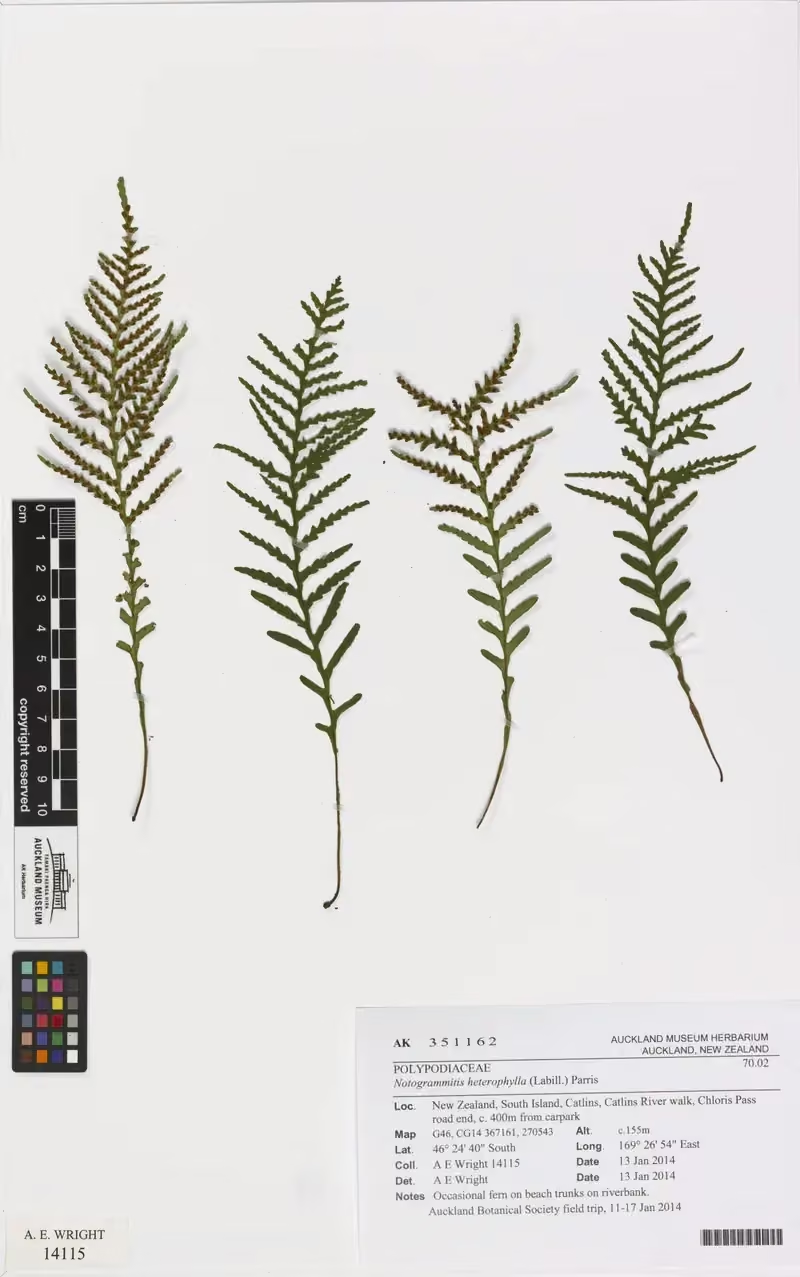
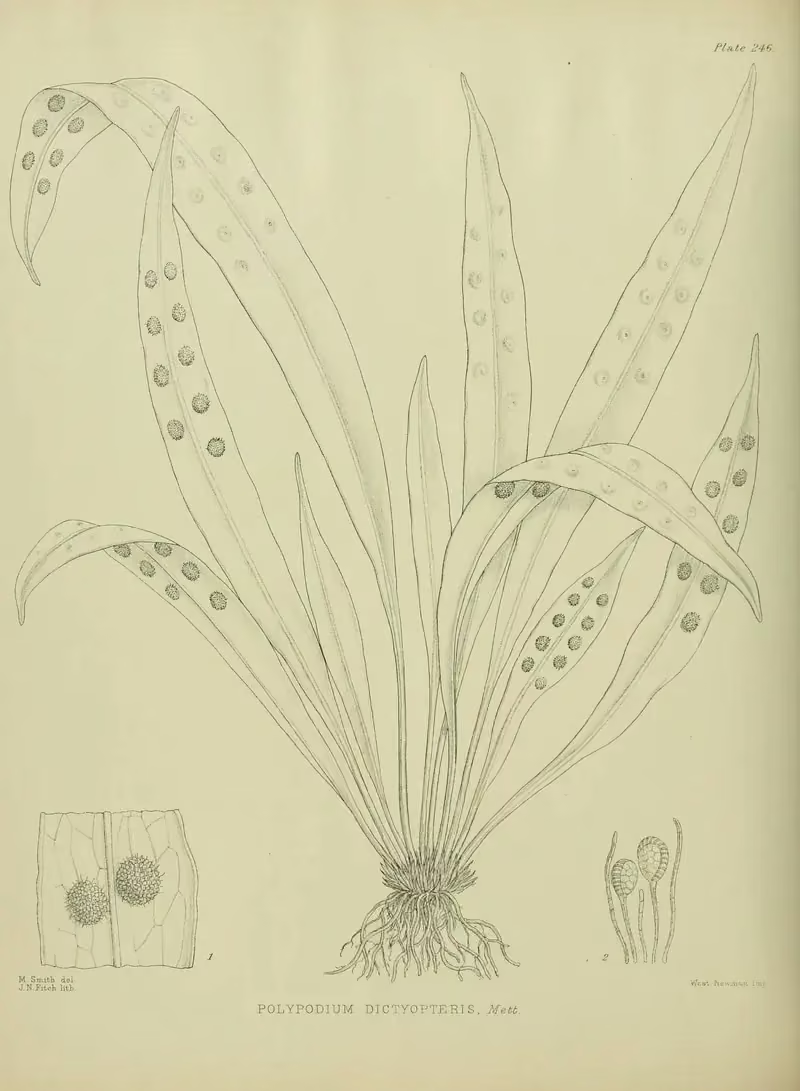
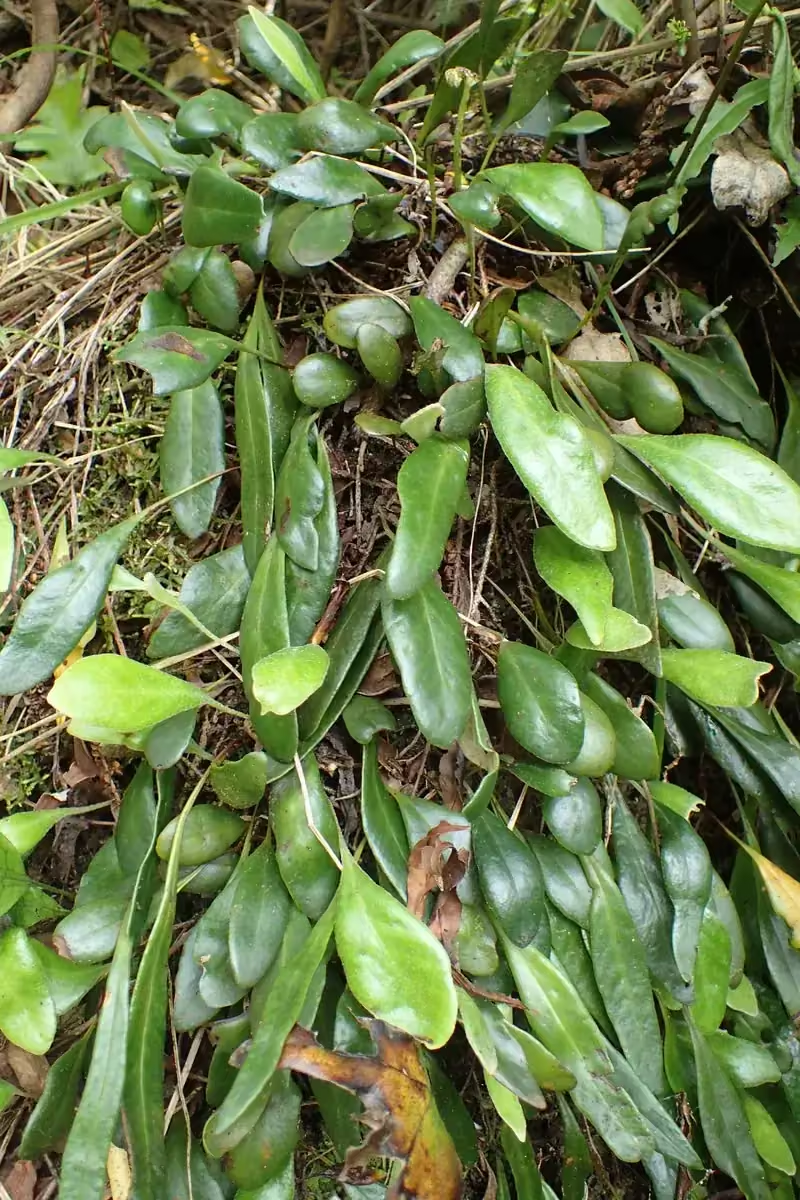
Compare Common Strap Fern with other small epiphytic and simple-frond ferns.



Plant Conservation
Conservation Status and Threats
Common Strap Fern is treated as Not Threatened, but it relies locally on humid mossy forest surfaces. Retaining trunks, rocks, damp banks, and undisturbed moss cover supports the small fern layer that larger vegetation surveys can miss.
Frequently Asked Questions
Was this fern formerly called Grammitis billardierei?
Yes. It was formerly placed in Grammitis and is now treated in Notogrammitis.
Is it native to New Zealand?
Yes. It is indigenous to New Zealand and also occurs in parts of Australia.
Can it be grown in ordinary potting mix?
Usually not well. It prefers mossy, damp, shaded, free-draining surfaces.
Sources and Further Reading
The botanical, growing, and conservation details for Common Strap Fern draw on authoritative New Zealand plant references and taxonomic databases.