Lance Fern
Loxogramme dictyopteris
Last updated:
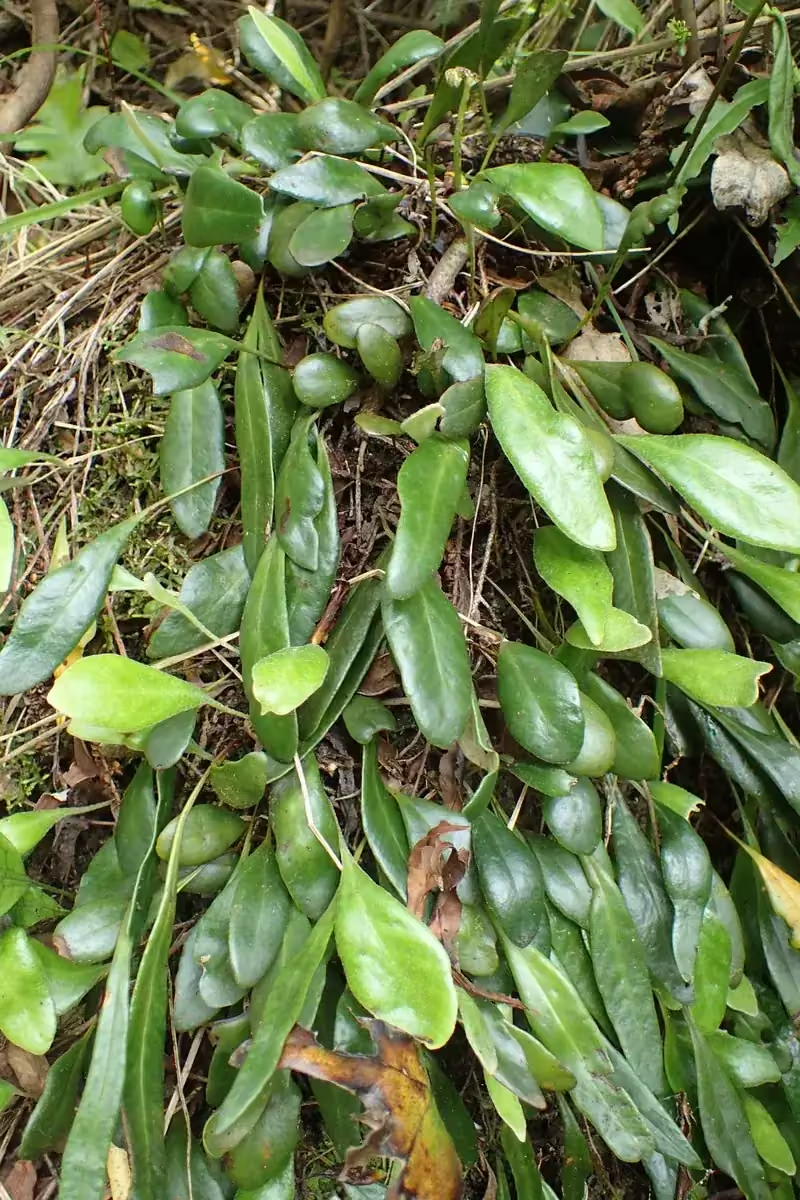
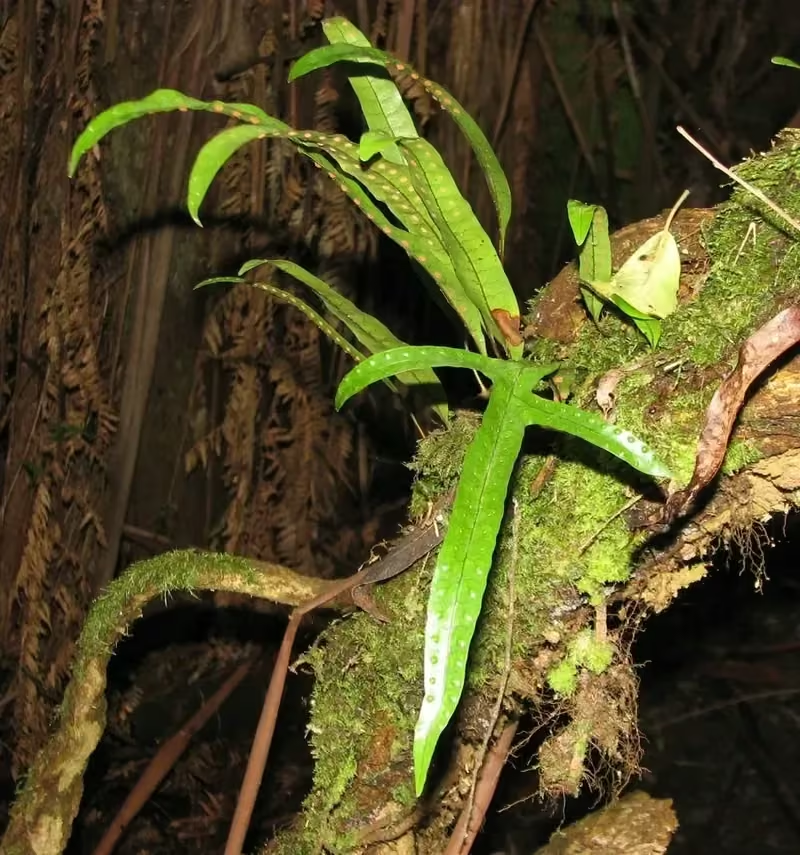
ferns profile: Lance Fern (Loxogramme dictyopteris) is the only New Zealand species in the genus Loxogramme. Current New Zealand references treat it as an endemic, Not Threatened fern. It is easily recognised by its simple, narrow, slightly leathery fronds and its habit of forming leafy patches on shaded rocks, trunks, damp banks, and low forest substrates.
Plant Description
Identification and Physical Characteristics
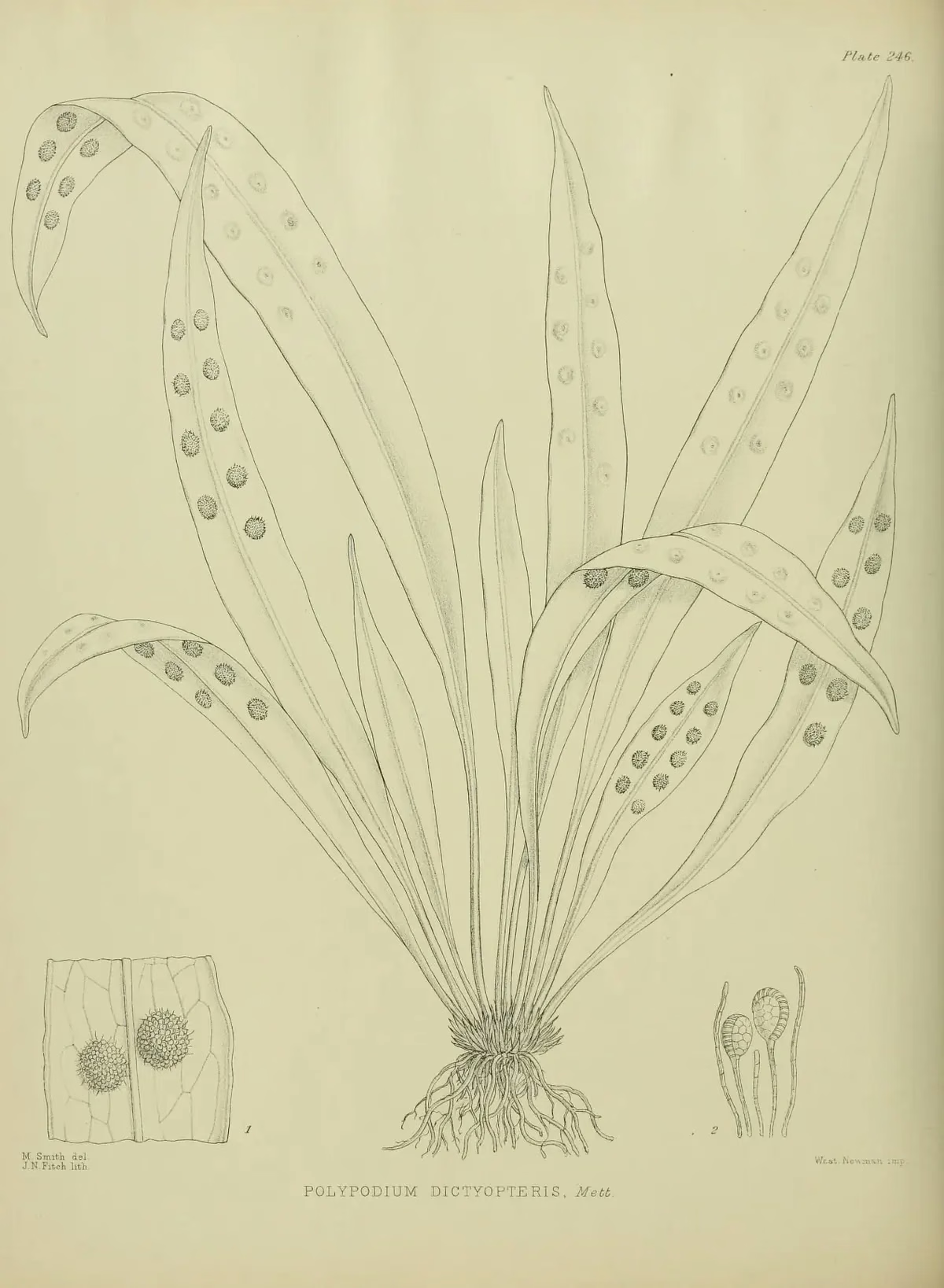
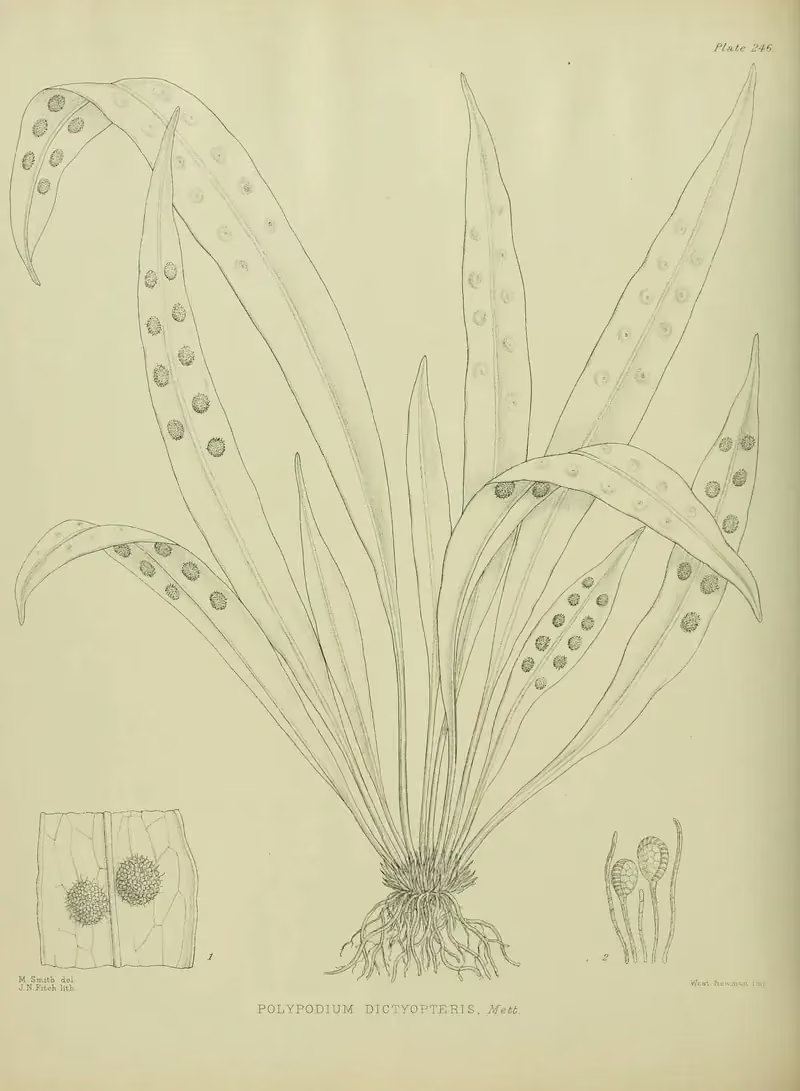
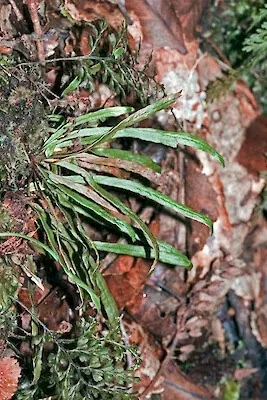
Unlike many ferns, Lance Fern has undivided fronds rather than divided pinnae. The fronds are narrowly elliptic, tapering to both tip and base, usually dark green to bright green above and paler beneath. The midrib is prominent and the veins are reticulate but not obvious. Oval sori occur in one row on either side of the midrib, sunken on the lower surface and creating visible raised bulges on the upper surface. Creeping proliferous roots can produce new plants and help the fern cover nearby surfaces.
Quick Facts
| Scientific Name | Loxogramme dictyopteris |
|---|---|
| Height | Fronds 7 - 30 cm long |
| Spread | Leafy mats spreading over damp substrates |
| Water Needs | Moderate to high |
| Light | Shade to filtered light |
| Frost Tolerance | Moderate |
| Salt Tolerance | Low |
| Growth Rate | Slow to steady in humid shade |
| Lifespan | Perennial epiphytic or rock fern |
Climate Best Suited to
Lance Fern suits humid lowland to montane climates, especially where shaded rocks, limestone, basalt, tree trunks, or damp banks remain moist but not waterlogged.
Regional Suitability
| City | Climate Suitability |
|---|---|
| Auckland | High on shaded trunks, rocks, and alluvial forest sites |
| Wellington | High in damp shaded forest and bank habitats |
| Christchurch | Medium in shaded rock gardens and humid ferneries |
| Nelson | High in northern and western damp forest; medium in dry shelter |
Plant Habitat
Natural Occurrence and Ecology
The species is widespread through much of the North Island, common in the northern South Island to Greymouth and Banks Peninsula, and scarce on the Chatham Islands. It is mostly coastal to lowland, extending to montane sites. It grows luxuriantly on shaded base-rich rock such as basalt, limestone, calcareous sandstone, and mudstone, but also occurs on rhyolite and ignimbrite, as well as low on trees in alluvial forest.
Growing Requirements
Soil Requirements
Use damp, humus-enriched, free-draining surfaces, with lime-rich rock or gritty mineral material useful in cultivation.
- Shaded rock crevices
- Humus over bark
- Free-draining lime-rich mix
Light Requirements
Filtered shade keeps fronds green and prevents the conspicuous wilting seen in dry weather.
- Low forest shade
- Fernery shade
- No exposed afternoon sun
Water Requirements
Moisture must be steady around the substrate, but roots should not sit in stagnant wet compost.
- Permanent dampness
- Good drainage
- High humidity
Planting and Establishing
Establishment Guidance
Plant Lance Fern onto a damp shaded rock, trunk base, fern slab, or bank rather than into a conventional sunny bed. Press rooted cultivated pieces firmly onto the surface, pack humus around the roots, and water with a gentle spray. Keep the site humid while the proliferous roots attach and begin producing new fronds.
Ecological Role
Biodiversity and Ecosystem Impact
Lance Fern occupies low epiphytic, rock, and damp-bank niches that link forest floor and trunk habitats. Its spreading roots allow patches to expand over suitable substrate, while wind-dispersed spores colonise new damp surfaces. The simple fronds create small evergreen mats that shelter bark, rock, and soil microhabitats in lowland forest.
Uses & Significance
Garden Uses
Use in shaded rock gardens, trunk plantings, damp bank ferneries, and specialist native fern collections.
- Shaded rock faces
- Tree bases
- Humid ferneries
Ecological Value
It adds endemic epiphytic and rock-fern diversity to mature native plantings.
- Low epiphyte cover
- Rock-bank mats
- Native fern diversity
Landscaping Uses
The narrow entire fronds make a strong contrast with highly divided ferns. Use Lance Fern on a shaded rock wall, around the base of tree ferns, or on a damp vertical bank where its rows of fertile bulges can be seen close up. Avoid vigorous moss or liverwort overgrowth that could smother young patches.
Seasonal Care Calendar
Spring
New fronds and root extensions develop as humidity increases.
Summer
Mist or water surrounding substrate during dry spells.
Autumn
Rooted pieces establish well in mild damp weather.
Winter
Keep drainage open and remove smothering leaf litter.
When to Prune and How Much
Pruning is minimal. Remove dead fronds with small scissors and clear coarse debris from the mat. Do not scrape the rhizome or root network from its surface.
- Clip dead fronds
- Clear coarse litter
- Avoid scraping roots
Always use clean, sharp tools and avoid disturbing new growth.
How to Grow Lance Fern
From Rooted Pieces
The most practical method is to use small rooted pieces from cultivated stock. Select a piece with active roots and several healthy fronds, keeping attached humus or bark if possible. Press it onto a damp shaded rock, fern slab, or gritty humus mix and hold it in place until roots grip. Maintain high humidity but avoid stagnant wetness. Because Lance Fern can be difficult to maintain, start with several small pieces in different microhabitats rather than one large transplant. Never collect from wild rocks, trunks, or banks.
- Use cultivated rooted pieces
- Keep active roots attached
- Press onto damp substrate
- Maintain humidity while attaching
From Spores
Spore propagation is slower but useful for collections. Collect fertile fronds when the oval sori are mature, dry them cleanly, and sow spores onto sterile moist medium. Keep the tray humid in bright shade and avoid overfeeding. Young plants can be transferred to a gritty, humus-rich surface once they are large enough to handle. Spores provide genetic diversity, but the first stages are small and sensitive to algae, drought, and direct sun. Label source details if plants are intended for restoration or scientific display.
- Collect mature fertile fronds
- Sow spores thinly
- Keep covered in bright shade
- Transfer to gritty humus surface
Maintaining a Surface Planting
Lance Fern succeeds when the chosen surface stays damp, shaded, and aerated. In a fernery, use overhead shade, nearby shrubs, and regular fine watering to keep the substrate moist. If fronds wilt frequently, increase humidity or move the plant into deeper shelter. If fronds blacken or rot, improve airflow and drainage. A little lime-rich grit or shell sand can mimic base-rich rock sites, but do not bury the rhizome. The goal is a stable damp surface rather than a rich pot of soil.
- Maintain damp shade
- Use free-draining substrate
- Improve humidity if fronds wilt
- Keep rhizomes exposed but moist
Pests & Diseases
Slugs may graze new fronds in ferneries. The larger risks are drying, smothering by debris, stagnant potting mix, and disturbance before the roots attach firmly.
Cultural Significance
Whare ngārara is recorded as a Māori name for this fern. Its simple fronds and reptile-like creeping patches make it visually distinct among New Zealand's more finely divided forest ferns.
- Whare ngārara name
- Endemic species
- Distinct simple fronds
Bonus Tip
Mount it on a damp angled rock or slab so the upper-surface sorus bulges are easy to inspect without touching the plant.
This Lance Fern note is specific to Loxogramme dictyopteris, connecting identification, habitat context, and practical care so the section remains useful for readers comparing New Zealand plant profiles.
Related Plants
Compare Lance Fern with other New Zealand epiphytic and simple-frond ferns.


Plant Conservation
Conservation Status and Threats
Loxogramme dictyopteris is assessed as Not Threatened. Local populations still depend on shaded trunks, damp banks, and rock outcrops being retained, especially in lowland forest where tracks, weeds, drainage, and drying edges can alter the microhabitat.
Frequently Asked Questions
Is Loxogramme dictyopteris endemic?
Yes. It is endemic to New Zealand and the Chatham Islands.
Why do the fronds have raised oval marks?
Those are bulges above sunken sori on the lower surface.
Is Lance Fern easy to cultivate?
It can be difficult; it needs shaded, permanently damp but free-draining conditions.
Sources and Further Reading
The botanical, growing, and conservation details for Lance Fern draw on authoritative New Zealand plant references and taxonomic databases.