Sweet Fern
Pteris macilenta
Last updated:
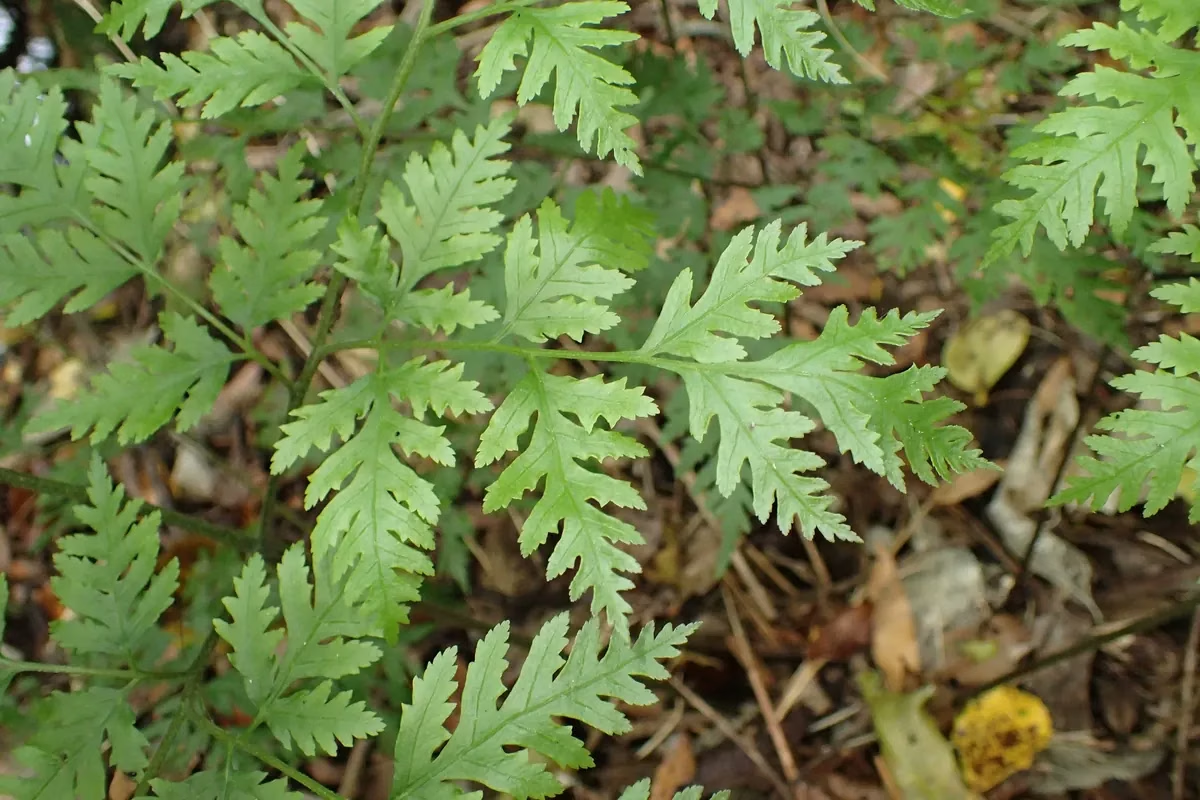
ferns profile: Sweet Fern (Pteris macilenta) is a native New Zealand brake fern found in forest, scrub, damp banks, tracksides, and open shaded ground. Current references treat it as a valid indigenous species and Not Threatened. It is one of the commoner native Pteris ferns and is a useful comparison with both Waving Brake and the exotic Cretan Brake.
Plant Description
Identification and Physical Characteristics
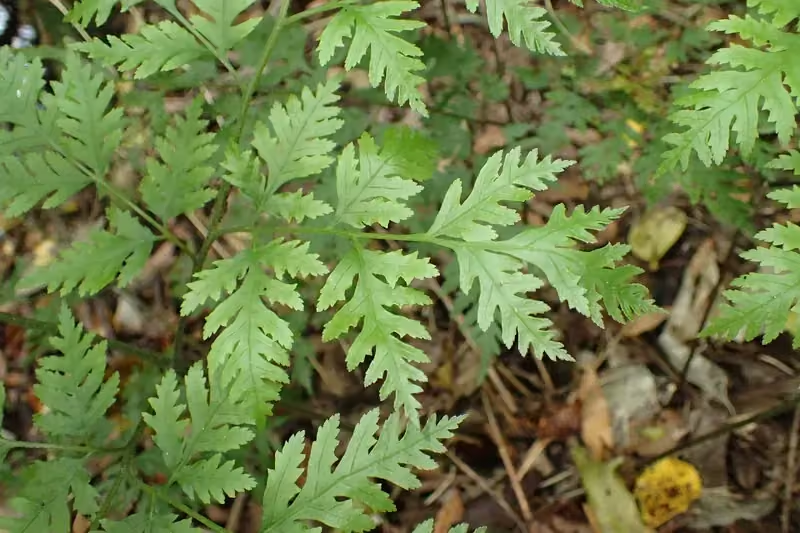
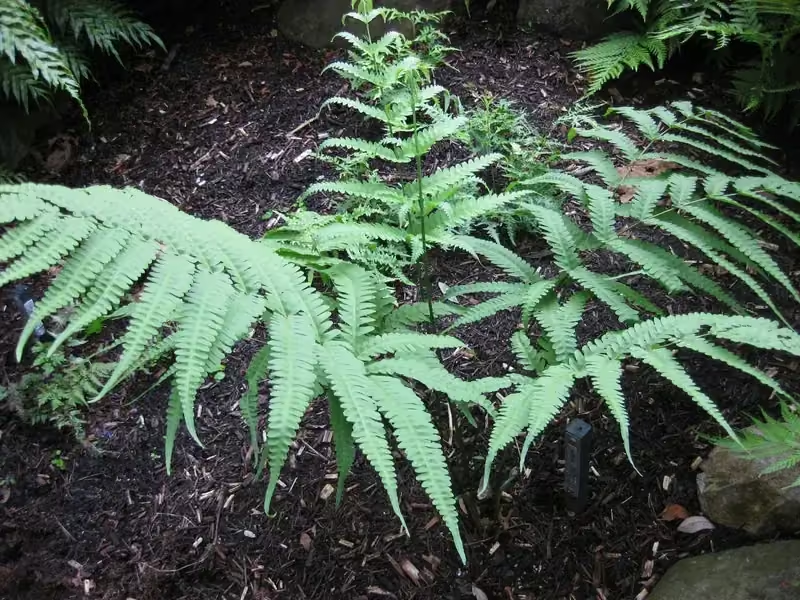
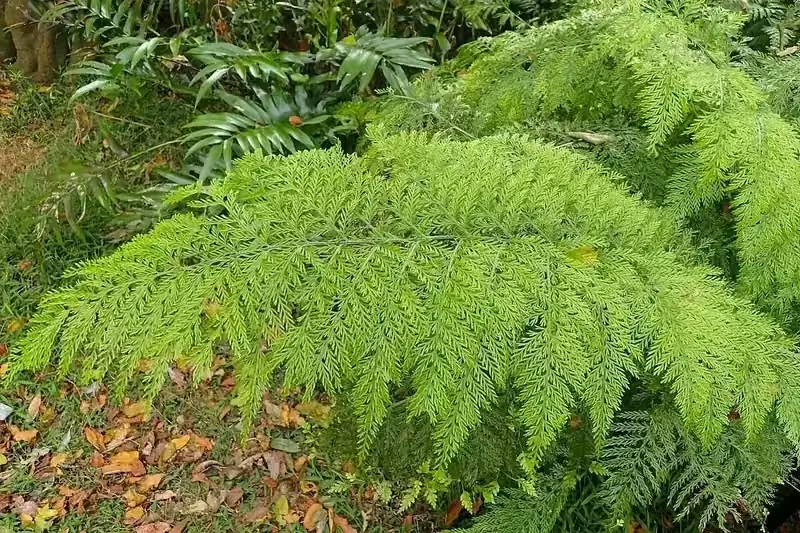
Sweet Fern forms clumps with upright to arching fronds divided into narrow pinnae. The fronds are green and relatively fine, with fertile pinnae bearing marginal sori protected by a rolled edge. It is generally more widespread and less coastal-specialised than Pteris comans, and it differs from exotic Pteris cretica in habit, pinna arrangement, and natural habitat context.
Quick Facts
| Scientific Name | Pteris macilenta |
|---|---|
| Height | Fronds commonly 30 cm - 1 metre |
| Spread | Clumping fern |
| Water Needs | Moderate |
| Light | Shade to filtered light |
| Frost Tolerance | Moderate |
| Salt Tolerance | Low to moderate in shelter |
| Growth Rate | Moderate |
| Lifespan | Perennial fern |
Climate Best Suited to
Sweet Fern suits mild to cool New Zealand climates with shaded, moist, free-draining soil and shelter from harsh drying wind.
Regional Suitability
| City | Climate Suitability |
|---|---|
| Auckland | High in shaded forest margins and banks |
| Wellington | High in damp shade and sheltered gullies |
| Christchurch | Medium in irrigated shade |
| Nelson | High in damp forest margins and shaded banks |
Plant Habitat
Natural Occurrence and Ecology
The species occurs in native forest, scrub, tracksides, clearings, shaded banks, stream margins, and disturbed forest-edge habitats. It tolerates more open conditions than many deep-forest ferns when soil moisture and shelter are adequate.
Growing Requirements
Soil Requirements
Humus-rich but free-draining shaded soil suits Sweet Fern, especially on banks and forest margins.
- Forest loam
- Shaded banks
- Leaf-litter mulch
Light Requirements
Filtered light supports strong fronds; hot direct sun can scorch plants in dry sites.
- Filtered shade
- Morning light
- Avoid hot exposure
Water Requirements
Keep plants moist during establishment, then maintain moderate moisture in dry summers.
- Even moisture
- Good drainage
- Mulched roots
Planting and Establishing
Establishment Guidance
Plant Sweet Fern into sheltered shade or light forest margins. Water deeply at planting, mulch lightly, and keep weeds away until the clump expands. It is a useful native fern for garden edges where a tidy clumping habit is easier to manage than a spreading rhizomatous fern.
Ecological Role
Biodiversity and Ecosystem Impact
Sweet Fern contributes clumping fern cover to forest margins, damp banks, and disturbed shade. Its spores disperse readily into suitable gaps, while the clumps protect soil and add soft foliage beneath shrubs. It is a useful native alternative to exotic brake ferns in shaded garden and restoration settings.
Uses & Significance
Garden Uses
Use in native fern borders, shaded banks, forest gardens, and restoration margins.
- Fern borders
- Shaded banks
- Forest margins
Ecological Value
It provides native fern cover and spore-dispersed regeneration in damp shaded habitats.
- Soil shelter
- Fern-layer diversity
- Native brake fern habitat
Landscaping Uses
Sweet Fern suits mixed fern plantings with kiokio, hen and chicken fern, leather-leaf fern, and small shrubs. Use it where the upright fine fronds can contrast with broader leaves and dark mulch. It is more garden-friendly than strongly running ferns.
Seasonal Care Calendar
Spring
Fresh fronds unfold strongly in mild shade.
Summer
Water young clumps during dry spells.
Autumn
Division or planting is best as rain returns.
Winter
Cut weathered fronds and clear heavy litter.
When to Prune and How Much
Cut old, broken, or wind-damaged fronds at the base. Keep the crown clear and avoid burying it under mulch.
- Cut old fronds
- Clear crown
- Remove wind damage
Always use clean, sharp tools and avoid disturbing new growth.
How to Grow Sweet Fern
From Spores
Sweet Fern can be raised from spores collected from fertile pinnae. Dry frond pieces in a paper packet, sow spores thinly on sterile moist fern medium, and keep the tray covered in bright shade. Young sporophytes should be potted into a free-draining humus mix when large enough to handle. For restoration, collect from nearby native populations with permission and record the source. Spore propagation is useful because it produces many genetically varied plants and avoids repeated removal of established clumps.
- Collect fertile pinnae
- Sow spores thinly
- Keep humid in shade
- Pot on young ferns
From Division
Strong cultivated clumps can be divided in autumn or spring. Lift the clump carefully, split off a rooted crown section, and replant at the same depth. Water deeply and keep the division shaded until new fronds develop. Avoid dividing small or drought-stressed plants. Division is useful for garden maintenance, but spore-raised plants are better when many plants are needed for restoration or when genetic diversity matters.
- Lift strong clumps
- Split rooted crowns
- Replant at nursery depth
- Water until new fronds grow
Establishing in Shaded Sites
Prepare the site by removing weeds and improving surface humus without creating a wet, heavy planting hole. Plant after rain, water deeply, and mulch lightly with leaf litter. Keep grass and larger weeds away during the first season. If fronds scorch, increase shade or moisture before adding fertiliser. Once established, Sweet Fern needs little feeding and will perform best in stable shade with seasonal moisture rather than in rich, constantly wet soil.
- Remove weeds first
- Plant after rain
- Mulch lightly
- Maintain shade and moisture
Pests & Diseases
Slugs may graze young fronds. Drought, hot wind, and waterlogged crowns are the most common cultivation problems.
This Sweet Fern note is specific to Pteris macilenta, connecting identification, habitat context, and practical care so the section remains useful for readers comparing New Zealand plant profiles.
Cultural Significance
The common name Sweet Fern is used for this native brake fern in New Zealand references. It is a useful teaching plant for distinguishing native brake ferns from exotic naturalised Pteris species.
- Native brake fern
- Sweet Fern common name
- Useful comparison species
Bonus Tip
Plant it beside exotic-looking brake ferns only if labels are clear; confusion with Pteris cretica is common in gardens.
This Sweet Fern note is specific to Pteris macilenta, connecting identification, habitat context, and practical care so the section remains useful for readers comparing New Zealand plant profiles.
Related Plants
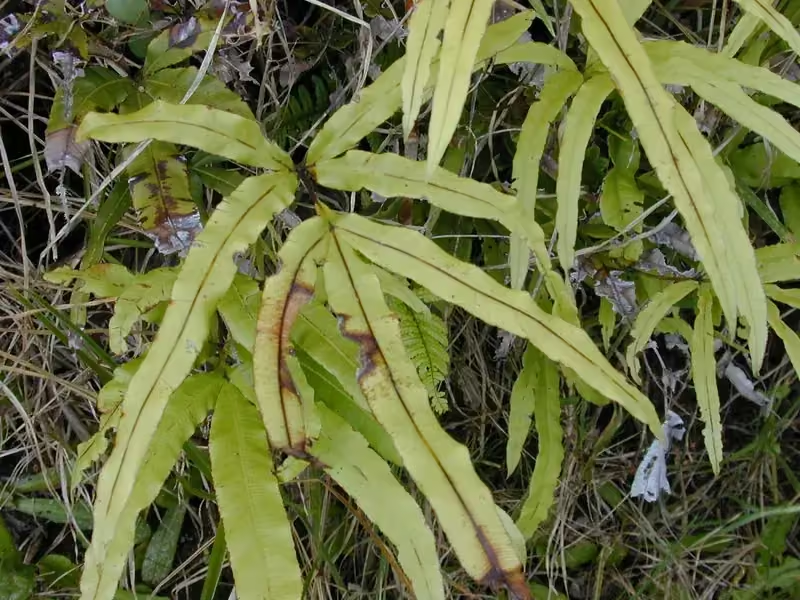
Compare Sweet Fern with other brake and coastal ferns in New Zealand.



Plant Conservation
Conservation Status and Threats
Pteris macilenta is assessed as Not Threatened. Local care should focus on protecting damp shaded banks, forest margins, and native fern layers from weeds, trampling, and drying edge effects.
Frequently Asked Questions
Is Sweet Fern native to New Zealand?
Yes. It is an indigenous New Zealand fern.
Is it a good garden fern?
Yes, in shaded, moist, free-draining sites.
How does it reproduce?
It reproduces by spores and can also be divided from strong cultivated clumps.
Sources and Further Reading
The botanical, growing, and conservation details for Sweet Fern draw on authoritative New Zealand plant references and taxonomic databases.