Cretan Brake
Pteris cretica
Last updated:
ferns profile: Cretan Brake (Pteris cretica) is an exotic fern widely cultivated overseas and naturalised in New Zealand. Flora of New Zealand records it as fully naturalised and spreading in garden, urban, and disturbed habitats. This page treats it as a naturalised exotic and identification profile, not as a native restoration fern.
Plant Description
Identification and Physical Characteristics
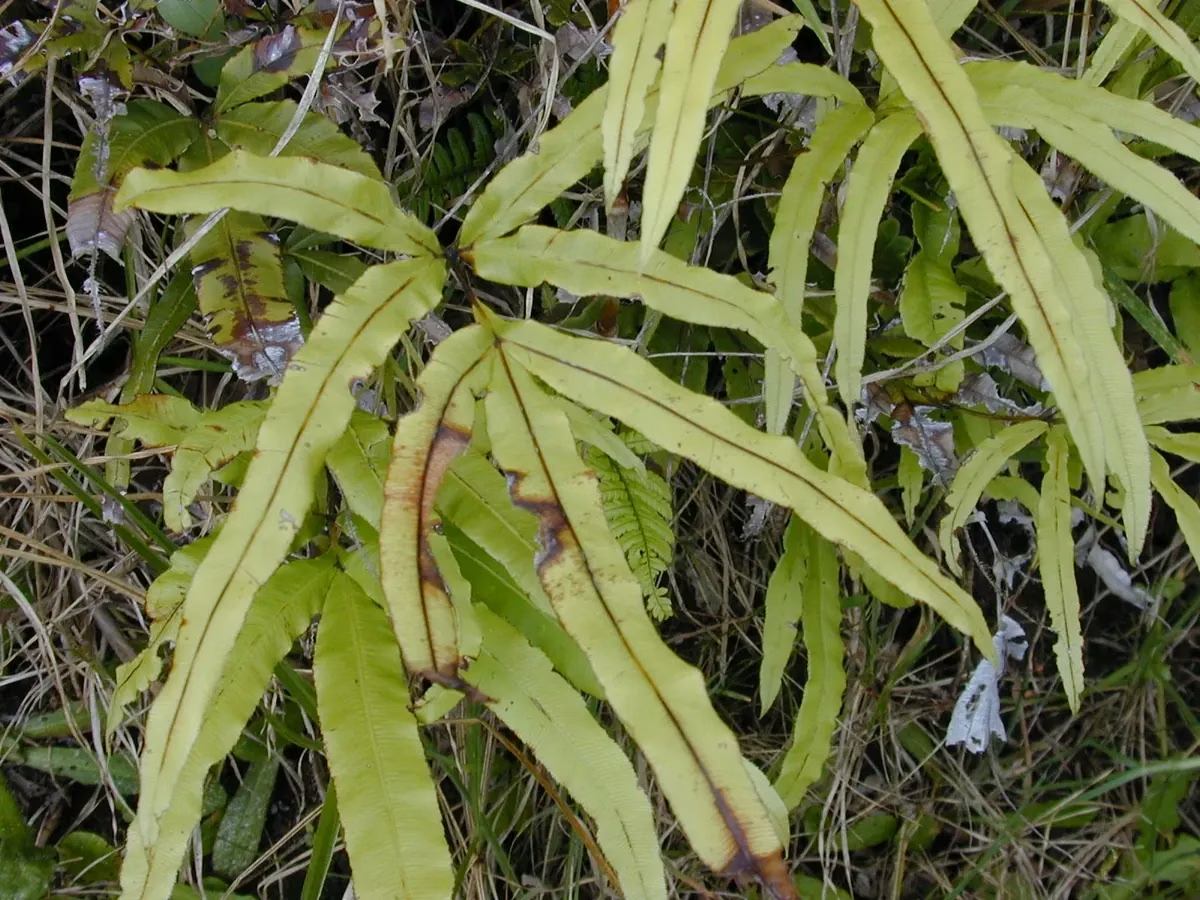
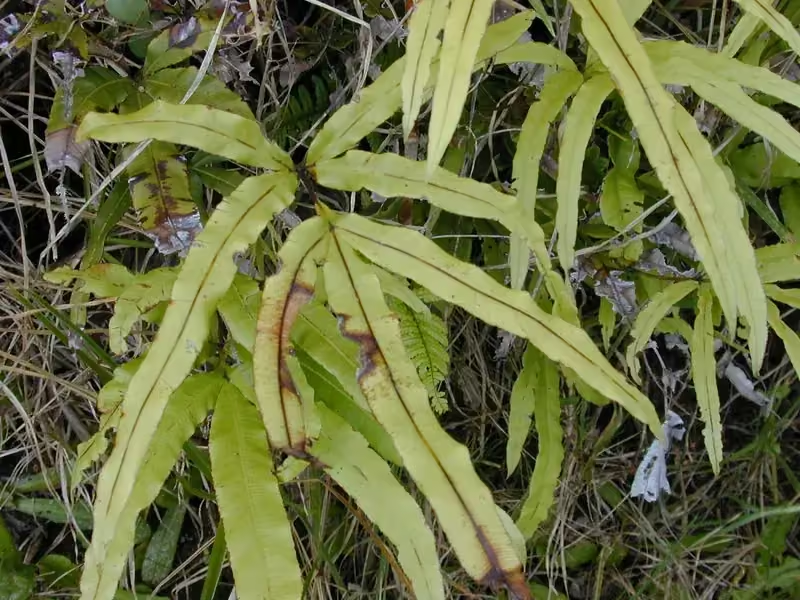
This fern has erect to arching fronds divided into narrow, finger-like pinnae, with sterile and fertile fronds often differing in pinna width. The fertile pinnae carry continuous marginal sori protected by the rolled leaf edge. Garden forms can have variegated fronds, but naturalised plants are usually green. Its tidy shape has made it common in cultivation, which also helped it escape into suitable shaded and masonry habitats.
Quick Facts
| Scientific Name | Pteris cretica |
|---|---|
| Height | Usually 30 - 80 cm |
| Spread | Clumping fern, sometimes self-seeding |
| Water Needs | Moderate |
| Light | Shade to filtered light |
| Frost Tolerance | Low to moderate |
| Salt Tolerance | Low |
| Growth Rate | Fast in mild shade |
| Lifespan | Perennial fern |
Climate Best Suited to
Cretan Brake suits mild shaded climates and can establish in urban walls, garden beds, damp banks, and disturbed lowland forest edges.
Regional Suitability
| City | Climate Suitability |
|---|---|
| Auckland | High naturalisation risk in mild shaded gardens |
| Wellington | Medium in frost-sheltered shade |
| Christchurch | Medium in protected urban and garden niches |
| Nelson | Medium to high in sheltered mild shade |
Plant Habitat
Natural Occurrence and Ecology
In New Zealand it is associated with gardens, walls, masonry, rock crevices, disturbed forest, shaded banks, and urban sites. It can self-sow where spores find damp crevices, especially around old plantings and warmer settlements.
Growing Requirements
Soil Requirements
It establishes in humus, wall crevices, potting mix, and disturbed shaded soil; do not use it for restoration planting.
- Garden soil
- Masonry crevices
- Shaded disturbed ground
Light Requirements
Shade and filtered light suit the fern, helping it persist around buildings and garden edges.
- Filtered shade
- Wall shelter
- Urban shade
Water Requirements
Moderate moisture is enough in mild shade, while dry exposed positions limit spread.
- Moderate water
- Damp crevices
- Avoid wet crowns in pots
Planting and Establishing
Establishment Guidance
Do not plant Cretan Brake as a native substitute or near bush margins. If it is already present in a garden, prevent spore spread into adjoining native areas and remove seedlings from walls, drains, and restoration plantings. Choose native brake ferns instead.
Ecological Role
Biodiversity and Ecosystem Impact
The ecological issue is naturalisation from cultivation. Spores disperse easily into crevices and disturbed shade, where young ferns can establish among native seedlings or masonry. Although it may not be the most aggressive fern everywhere, it creates avoidable identity and weed-risk problems in native plantings.
Uses & Significance
Garden Uses
No native-garden use is recommended; choose indigenous ferns with similar texture instead.
- Avoid native restorations
- Remove self-sown plants
- Use verified natives
Ecological Value
Its New Zealand ecological value is limited and its naturalisation risk argues against planting near native habitats.
- Spore spread
- Garden escape
- Native substitute risk
Landscaping Uses
For a similar divided-fern effect, use Pteris comans, Pteris macilenta, button fern, or kiokio where locally appropriate. In urban courtyards, keep any existing exotic fern contained and do not compost fertile fronds near gullies or drains.
Seasonal Care Calendar
Spring
New fronds and sporelings appear in damp mild shade.
Summer
Plants persist where garden moisture remains steady.
Autumn
Remove self-sown plants before they develop many fertile fronds.
Winter
Frost may check exposed plants but sheltered crowns persist.
When to Prune and How Much
Remove fertile fronds before spores shed if managing an existing garden plant, and dig out unwanted crowns carefully. Do not dump waste in bush or drains.
- Remove fertile fronds
- Dig unwanted crowns
- Dispose securely
Always use clean, sharp tools and avoid disturbing new growth.
How to Grow Cretan Brake
Do Not Propagate from Spores or Division near Native Habitat
Cretan Brake should not be propagated for native gardens or restoration work in New Zealand. It is already naturalised, and spores can move from cultivated plants into walls, banks, and forest margins. Growing it from spores or dividing crowns increases the chance of escape. If an existing ornamental plant is retained, remove self-sown sporelings and keep fertile material out of compost that may be used near natural areas. Native Pteris species provide better ecological value and avoid taxonomic confusion.
- Do not raise spores
- Do not divide for sharing
- Remove self-sown plants
- Use native alternatives
Managing Existing Plants
Where a garden already contains Cretan Brake, keep it contained. Cut or bag fertile fronds before spores are released, lift unwanted crowns with attached roots, and monitor damp crevices for seedlings. Dispose of material through secure green-waste channels rather than dumping it. Clean soil from tools if plants are growing near bush remnants. Management is easiest when plants are small; mature clumps in walls or rockeries can reshoot if fragments remain.
- Bag fertile fronds
- Lift crowns fully
- Monitor crevices
- Dispose through secure waste
Replacing with Native Ferns
Choose replacement ferns based on the site. In coastal shade, Pteris comans may give a graceful brake-fern effect. In shaded gardens, hen and chicken fern, kiokio, or leather-leaf fern may be suitable depending on moisture and exposure. Plant replacements quickly after removal so bare soil or crevices are not recolonised by exotic spores. Continue checking for young Cretan Brake plants for at least several seasons, especially around old walls, drains, and potting areas.
- Choose site-matched native ferns
- Replant quickly
- Check old walls
- Remove seedlings early
Pests & Diseases
The plant can itself become a weed. In pots it may also suffer scale, mealybugs, or root rot, but those issues are secondary to naturalisation risk.
Cultural Significance
Its horticultural history is the reason it appears in New Zealand; the practical cultural response is to distinguish ornamental exotics from native ferns used in restoration and cultural planting.
- Exotic ornamental history
- Naturalised in New Zealand
- Native substitute caution
Bonus Tip
If a brake fern appears in a wall or drain, identify it before assuming it is a native volunteer.
This Cretan Brake note is specific to Pteris cretica, connecting identification, habitat context, and practical care so the section remains useful for readers comparing New Zealand plant profiles.
Related Plants
Choose native New Zealand ferns instead of Cretan Brake for ecological planting.



Plant Conservation
Conservation Status and Threats
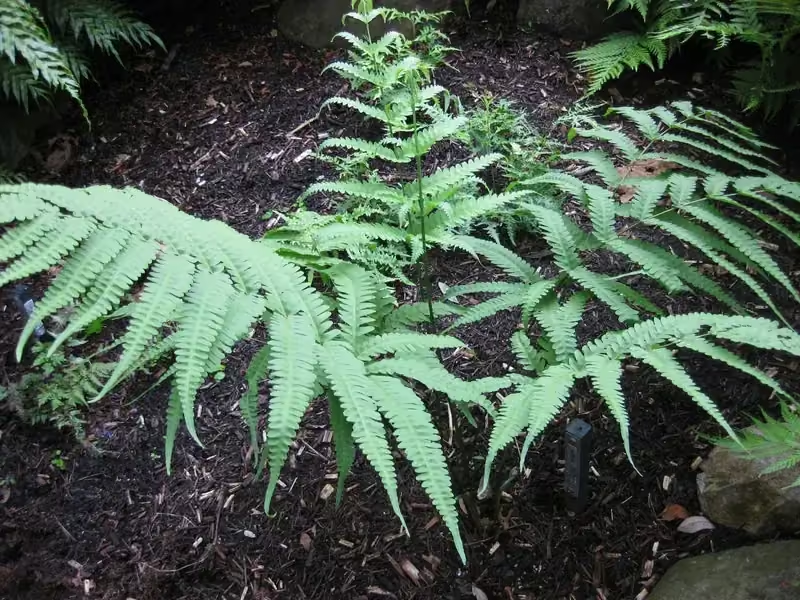
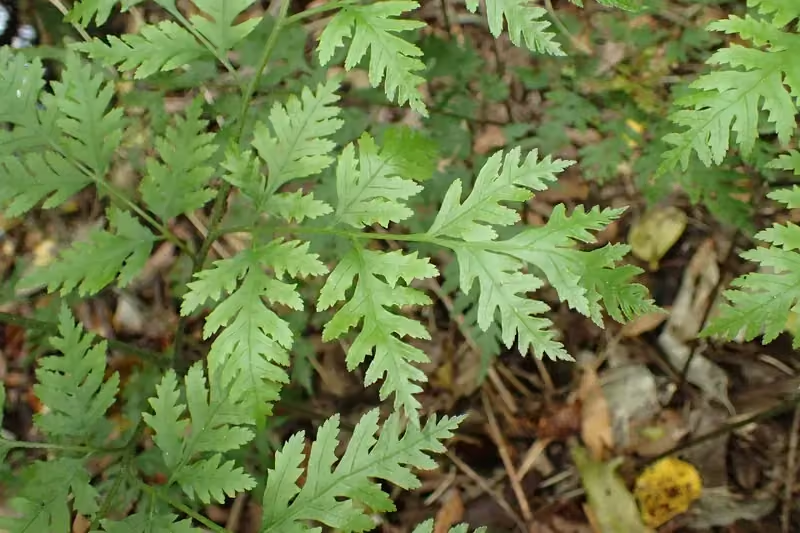
Conservation status is not applicable because Pteris cretica is exotic in New Zealand. Good practice is to prevent spread near native remnants and use verified indigenous ferns in restoration projects.
Frequently Asked Questions
Is Pteris cretica native to New Zealand?
No. Flora of New Zealand treats it as exotic and naturalised.
Is it the same as Pteris comans?
No. Pteris comans is a native species; Pteris cretica is exotic.
Should it be planted in native gardens?
No. Use native fern alternatives instead.
Sources and Further Reading
The botanical, growing, and conservation details for Cretan Brake draw on authoritative New Zealand plant references and taxonomic databases.