Pillwort
Pilularia novae-hollandiae
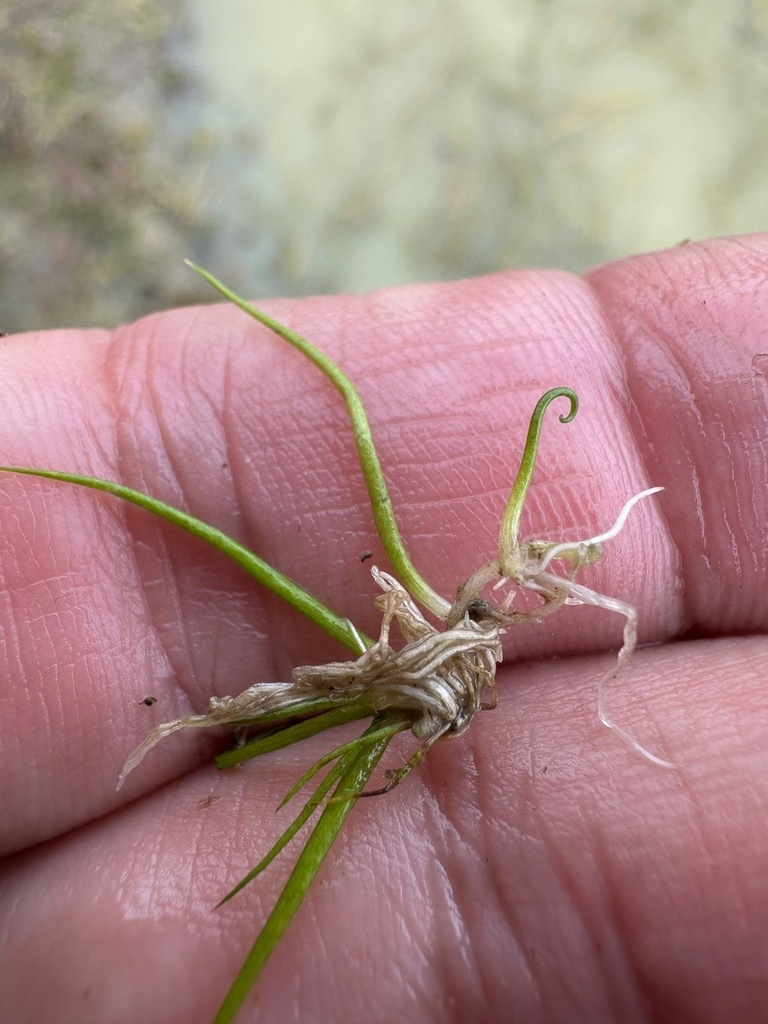
Pilularia novae-hollandiae, or pillwort, is a tiny aquatic fern native to New Zealand and Australia. Its thread-like leaves and round spore cases can be overlooked among plants on muddy lake margins.
Identification
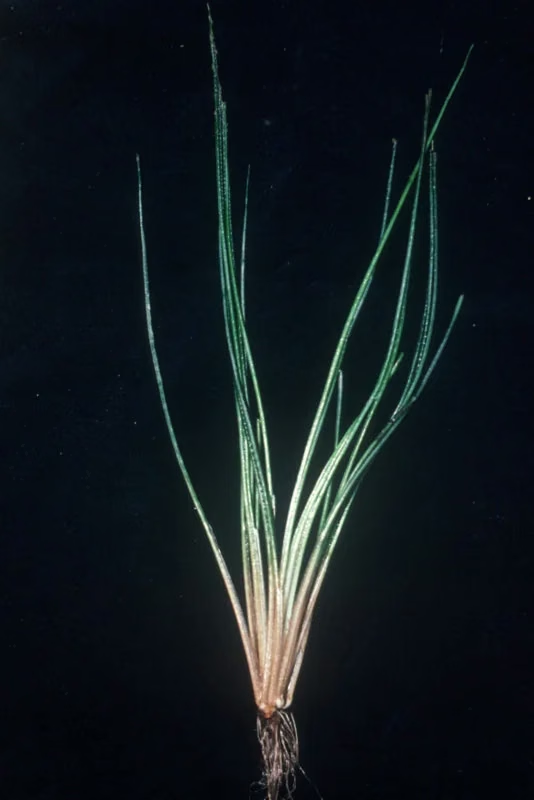
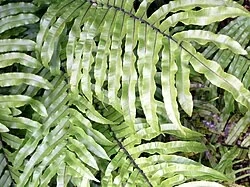
This small aquatic fern spreads by a slender, straw-coloured rhizome that roots at its nodes. Each node bears a single narrow, unflattened leaf, usually 10-60 mm long and only 0.2-0.5 mm across.
Young leaves coil as they emerge. The round, hairy sporocarps are 2-4 mm across and sit directly on the rhizome or on a short stalk.
Quick facts
| Scientific Name | Pilularia novae-hollandiae |
|---|---|
| Earlier name | Pilularia novae-zelandiae |
| Common name | Pillwort |
| Family | Marsileaceae |
| Origin | Native to New Zealand and Australia |
| Habitat | Shallow water and exposed lake mud |
| Reproduction | Small spores held in round sporocarps |
| National status | Not Threatened (2023), Secure Overseas |
| Height | Leaves usually 1-6 cm long, occasionally 9 cm |
| Water Needs | Aquatic or semi-aquatic; natural records include water up to 1 m deep |
| Light | A tested cultivation light rating is not supplied |
| Spread | Spreading clumps from rhizomes that root at nodes |
| Frost Tolerance | Minimum tolerated temperature is not documented |
| Salt Tolerance | Salt tolerance is not documented |
| Growth Rate | Annual extension is not quantified in the cited accounts |
| Lifespan | Rhizomatous aquatic fern |
Natural range
Flora records pillwort in both main islands from sea level to about 1,100 m, including several North Island lakes and South Island lakes along the Southern Alps. Its native range also includes parts of Australia and Tasmania.
| City | Climate Suitability |
|---|---|
| Auckland | Not assessed |
| Wellington | Not assessed |
| Christchurch | Not assessed |
Habitat and distribution
Pillwort grows submerged on muddy or stony bottoms in water up to 1 m deep, as well as on mud and silt exposed when lake levels fall. NZPCN also records it in ponds, ephemeral wetlands and seasonally inundated stream margins.
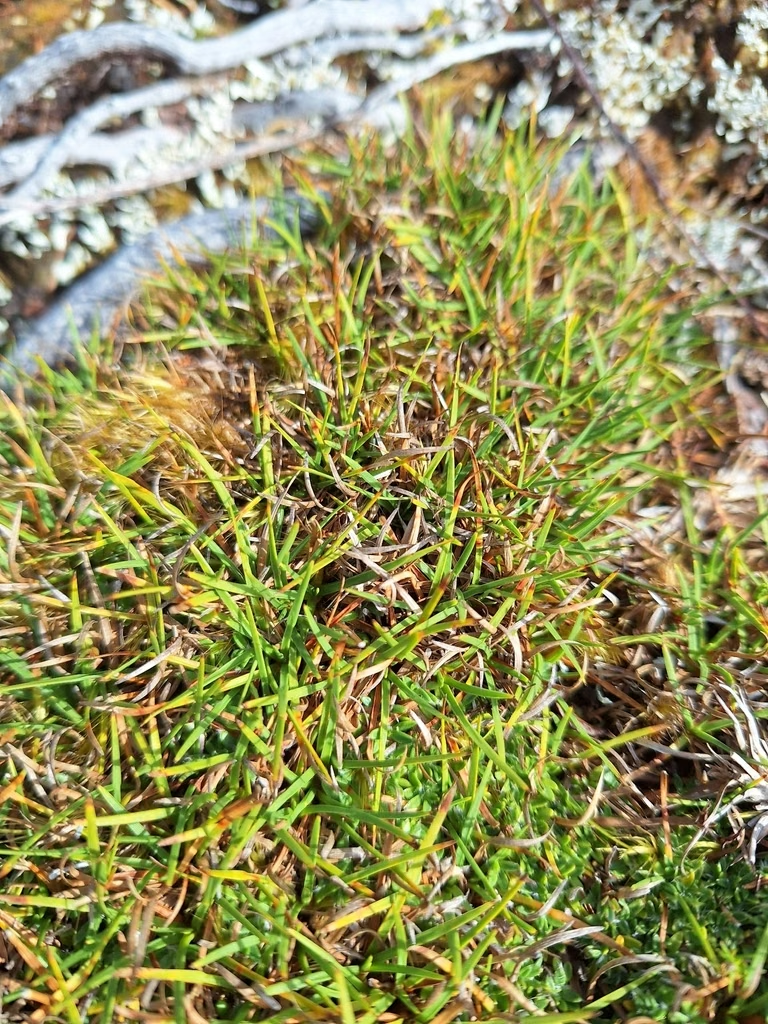
It can grow among grasses and sedges, where its fine leaves are easily missed.
Natural growing conditions
Natural sites alternate between shallow water and exposed wet mud as water levels change. Flora notes that the species can remain submerged, while its sporocarps are produced as lakes recede in summer.
Planting considerations
The fine rhizome roots at nodes and spreads through aquatic or semi-aquatic substrates. The cited New Zealand profiles describe natural water-level changes but do not provide a tested planting method for garden ponds.
Life at changing water levels
Flora records plants on lake bottoms and on mud left exposed during dry periods. The round sporocarps develop in summer as water recedes, linking an identifying stage of the fern to seasonal lake margins.
Observing pillwort
The plant’s unflattened leaves resemble fine grass, so check for young leaves coiled like fern fronds. When present, the small hairy, spherical sporocarps near the leaf bases are another useful identifying feature.
Pond context
Wild plants occur submerged and on damp lake edges, but the cited profiles do not document garden trials. Its tiny thread-like leaves can be difficult to see among taller wetland grasses and sedges.
Sporocarps
Flora reports that pillwort forms sporocarps in summer when lake levels fall. These round structures are 2-4 mm across, hairy and attached near leaf bases; they contain the fern’s spore-producing structures.
Growth form
A long-creeping rhizome, approximately 0.2 mm in diameter, sends roots and solitary leaves from its nodes. The leaves taper to the tip and lack the flat segments typical of many familiar ferns.
How to Grow Pillwort (Pilularia novae-hollandiae)
Spores inside the sporocarps
Pillwort reproduces through spores contained in small rounded sporocarps. Flora of New Zealand describes these structures as densely hairy and approximately 2-4 mm across. They can sit directly on the rhizome or on stalks about 1-4 mm long. The cited New Zealand accounts describe this anatomy without supplying a tested garden propagation protocol.
Rhizome growth across the substrate
The straw-coloured creeping rhizome is only about 0.2 mm thick and roots at its nodes. A single thread-like leaf arises at each node. Leaves usually measure 1-6 cm long, occasionally reaching 9 cm, and have no flattened blade. This form can make an established patch resemble very fine grass until its coiled young leaves or sporocarps are examined.
Water levels and reproductive growth
Natural records include plants submerged on muddy or stony lake bottoms in water up to 1 m deep. Other plants grow on mud or silt exposed as water recedes. Flora reports sporocarp production in summer as lakes begin drying and their levels fall. This seasonal observation is useful when documenting reproductive development at an existing site.
Checking the name on records
Older New Zealand literature often uses Pilularia novae-zelandiae. The modern Flora includes those plants in Pilularia novae-hollandiae, which also occurs in Australia. Preserve this connection when comparing records or labelled material. The descriptions do not establish how long cultivated rhizome pieces take to root or which water-level treatment maximises spore germination.
Plant health
Its thread-like, unflattened leaves are normal for this aquatic fern and should not be mistaken for missing leaf blades. The cited New Zealand profiles do not identify species-specific pests or diseases.
Naming and classification
The New Zealand plant was once described as Pilularia novae-zelandiae. Flora now treats it as the same species as the Australian P. novae-hollandiae, which has priority; genetic comparison found no sequence divergence in the sampled markers.
A fern that looks like grass
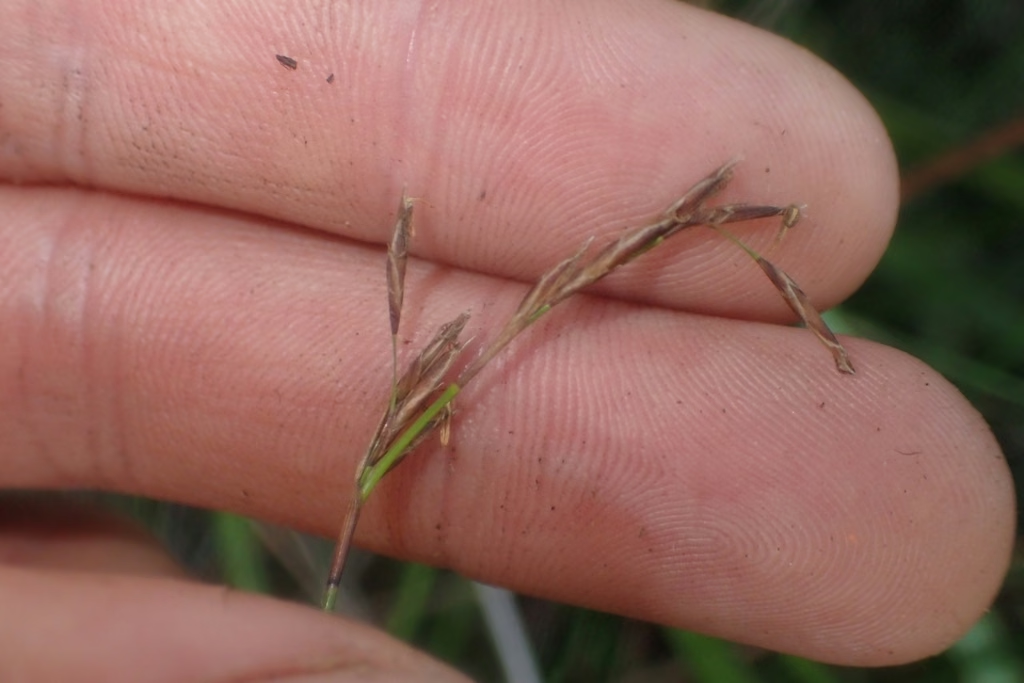
Unlike a grass, pillwort has young leaves that uncoil and produces round sporocarps instead of flowers. Its creeping rhizome and one slender leaf at each node are useful features when searching exposed lake mud.
Other native wetland plants
Explore New Zealand aquatic and wetland plants, including ferns and sedges associated with damp places.
Conservation
NZPCN lists pillwort as nationally Not Threatened in the 2023 assessment, with the qualifier Secure Overseas. It also occurs naturally in Australia; the 2025 Otago regional assessment is Regionally Naturally Uncommon.
Frequently asked questions
Is pillwort a grass?
No. Its thread-like leaves belong to an aquatic fern. Coiled young leaves and rounded, hairy sporocarps help reveal its identity.
When are sporocarps produced?
Flora records their formation during summer as lake levels recede and muddy margins become exposed.
Is it confined to New Zealand?
No. The currently recognised species is native to Australia as well as New Zealand.
Sources
Identification, habitat, range and naming: Flora of New Zealand pillwort profile. Conservation and wetland habitats: NZ Plant Conservation Network.
Structure of sporocarps and genus background: Flora of New Zealand genus profile. Accepted name and overseas distribution: Kew Plants of the World Online.
Last updated: