Australian Cliff Brake
Pellaea falcata
Last updated:
ferns profile: Australian Cliff Brake (Pellaea falcata) is a name that older New Zealand references and conservation profiles used for a sickle-pinnae cliff fern, but current taxonomy is unsettled for New Zealand use. Biota NZ currently lists Pellaea falcata as current but foreign and absent from New Zealand, while POWO treats the name as a synonym of Hemionitis seticaulis. This page records the image-backed orphan cautiously rather than implying a secure native planting recommendation.
Plant Description
Identification and Physical Characteristics
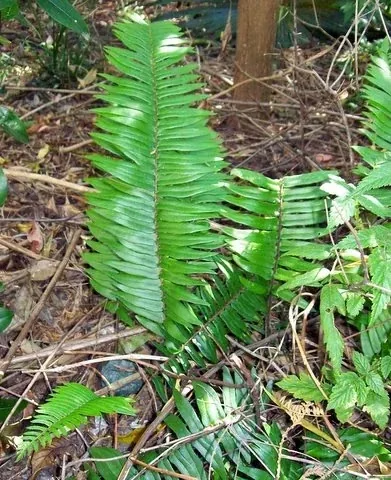
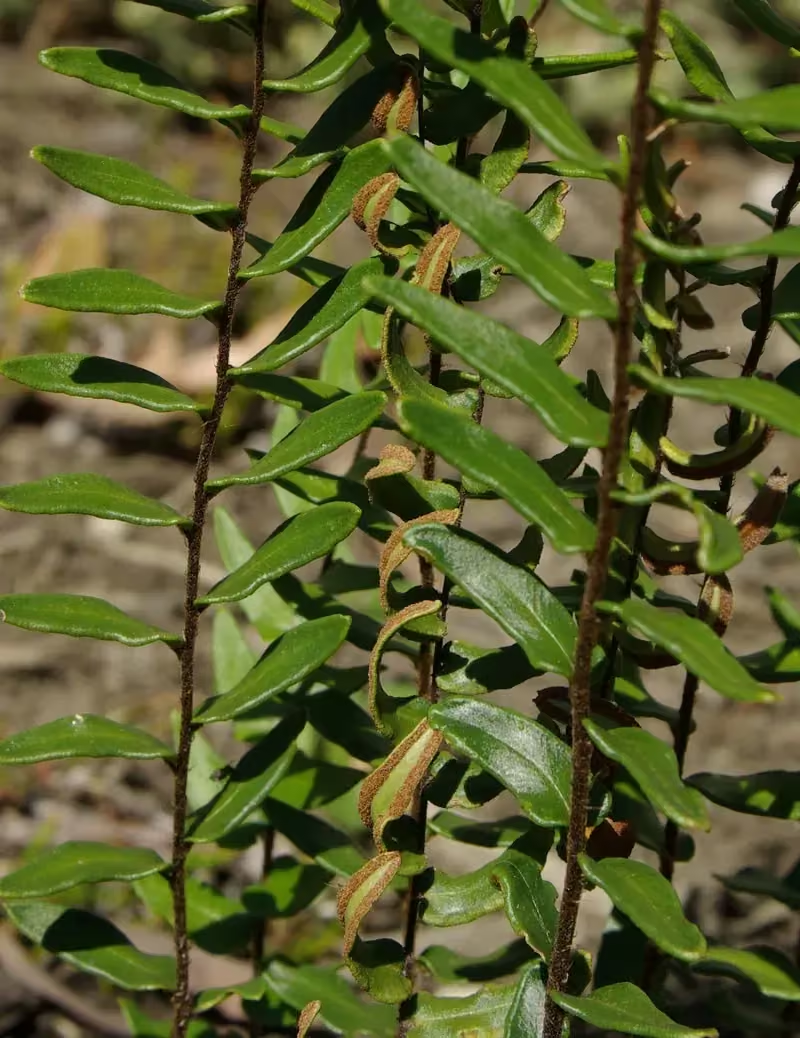
Older New Zealand descriptions present the plant as a tufted fern with dark scaly stipes, a linear pinnate frond, and glossy oblong-falcate to distinctly sickle-shaped pinnae. Sori form marginal bands that reach toward but do not meet at pinna apices. Those characters were used to separate typical Pellaea falcata from Pellaea calidirupium and Pellaea rotundifolia, although intermediate and apomictic forms have made the New Zealand boundary difficult.
Quick Facts
| Scientific Name | Pellaea falcata |
|---|---|
| Height | Fronds historically described as about 20 - 50 cm |
| Spread | Small tufted rock fern |
| Water Needs | Low to moderate |
| Light | Bright shelter to partial shade |
| Frost Tolerance | Moderate |
| Salt Tolerance | Moderate in coastal rock shelter |
| Growth Rate | Fast in suitable cultivation according to older notes |
| Lifespan | Perennial fern |
Climate Best Suited to
Where grown as a cultivated or historical taxon, it suits warm rocky sites and free-draining fern mixes. Do not use it for ecological restoration unless identity and provenance are confirmed.
Regional Suitability
| City | Climate Suitability |
|---|---|
| Auckland | Taxonomic caution; older records from offshore islands and volcanic rock |
| Wellington | Taxonomic caution; not recommended for restoration without confirmation |
| Christchurch | Low; grow only as a labelled collection plant if verified |
| Nelson | Taxonomic caution; verify against local Pellaea material |
Plant Habitat
Natural Occurrence and Ecology
Older conservation content described New Zealand plants as coastal in short scrub, cliff faces, open forest, northern offshore islands, and scoria or basalt rocks around Auckland. The current Biota treatment, however, records Pellaea falcata as exotic and absent in New Zealand following a 2020 Australasian review. That conflict should be made visible wherever the name is used.
Growing Requirements
Soil Requirements
Use only in labelled collections, in free-draining gritty rock-fern media, not restoration plantings.
- Gritty mix
- Rock crevice pot
- No restoration use without verification
Light Requirements
Bright filtered light suits cultivated cliff-brake material, with protection from harsh dry wind.
- Bright shelter
- Partial sun
- Avoid deep shade
Water Requirements
Moderate watering with sharp drainage is safer than constant wet fernery conditions.
- Dry between watering
- Free drainage
- Avoid wet crowns
Planting and Establishing
Establishment Guidance
Do not plant Australian Cliff Brake into New Zealand restoration sites unless a qualified botanist has confirmed the identity and provenance. For collections, keep it labelled as taxonomically cautioned material and separate from native Pellaea calidirupium and Pellaea rotundifolia stock.
Ecological Role
Biodiversity and Ecosystem Impact
Because current Biota records treat the name as absent from New Zealand, its ecological role in New Zealand should not be assumed. Older records may include true offshore-island material, intermediates, or misapplied names from the Pellaea complex. The practical ecological point is careful identification before using any cliff-brake fern in restoration.
Uses & Significance
Garden Uses
Use only as a labelled collection plant where identity is understood, not as a native restoration species.
- Taxonomic reference collection
- Dry rock-fern pot
- Verified cultivated material
Ecological Value
No ecological restoration use is recommended without expert verification of identity and origin.
- Identity caution
- Provenance records
- Avoid stock mixing
Landscaping Uses
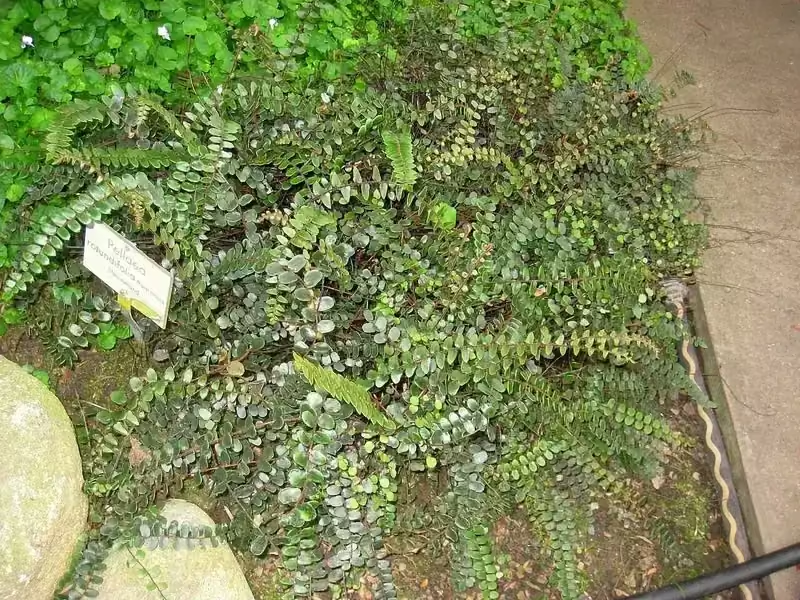
If grown, keep it in a labelled pot or small rock-garden collection beside verified Pellaea calidirupium and Pellaea rotundifolia so the pinnae, scales, and sori can be compared. Do not market it as a New Zealand native unless its identity is resolved.
Seasonal Care Calendar
Spring
New fronds can expand quickly in warm bright conditions.
Summer
Water sparingly but do not let young plants desiccate.
Autumn
Check labels and separate spore-bearing plants in collections.
Winter
Keep crowns dry enough to avoid rot.
When to Prune and How Much
Remove dead fronds and fertile fronds only for collection hygiene or identification work. Keep labels with any pruned specimen material so names are not separated from plants.
- Clip dead fronds
- Keep labels intact
- Avoid spreading uncertain spores
Always use clean, sharp tools and avoid disturbing new growth.
How to Grow Australian Cliff Brake
Do Not Propagate for Restoration
Because current New Zealand and global sources conflict over the status and placement of Pellaea falcata, propagation for ecological restoration is not appropriate without expert confirmation. Spores from uncertain plants can create mixed nursery stock and obscure the identity of local Pellaea populations. If material is held in a collection, keep it labelled with source, original name, and date. Do not distribute plants as native stock unless they have been checked against current keys and provenance records.
- Avoid restoration propagation
- Keep source labels
- Check identity with experts
- Do not mix with native Pellaea stock
Collection Spore Culture
For a botanic or educational collection, spores may be raised to maintain a verified accession. Collect from one labelled plant at a time, sow on sterile gritty fern medium, and keep batches separate. Record whether the source was obtained as Pellaea falcata, Hemionitis seticaulis, or another linked name. Young plants should remain in pots until mature frond characters are visible. This avoids accidental release of uncertain material and lets educators explain how taxonomic revisions affect nursery and herbarium practice.
- Collect from labelled accessions
- Sow batches separately
- Record all names
- Retain plants in collections
Managing Existing Garden Plants
Existing garden plants should be treated as collection material unless identity is resolved. Grow in a sharply drained pot or contained rock pocket, remove volunteers, and do not share divisions casually. If a garden is near natural rock fern habitat, keep fertile material contained so uncertain spores do not reach local populations. Where a native rock fern is wanted, use confirmed Pellaea calidirupium or another locally appropriate species from a reputable native nursery.
- Grow in contained settings
- Remove volunteers
- Avoid casual sharing
- Choose verified native alternatives
Pests & Diseases
In cultivation it may suffer root rot in wet soil, but the bigger issue is taxonomic and provenance risk. Avoid distributing uncertain material.
Cultural Significance
The name history illustrates how older field names can persist after taxonomic reviews. Clear labelling protects both scientific accuracy and restoration practice.
- Older New Zealand usage
- Current taxonomy conflict
- Collection labelling importance
Bonus Tip
When in doubt, label the plant as a cultivated taxonomic comparison rather than as a native restoration fern.
This Australian Cliff Brake note is specific to Pellaea falcata, connecting identification, habitat context, and practical care so the section remains useful for readers comparing New Zealand plant profiles.
Related Plants
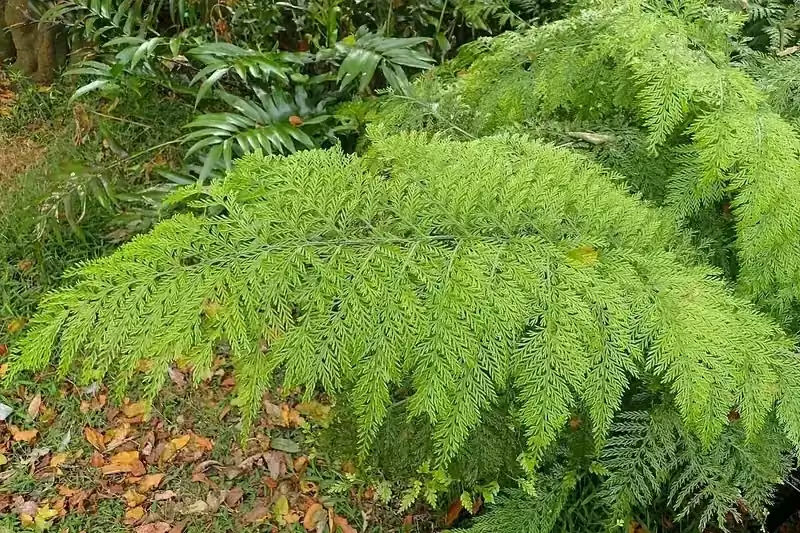
Compare Australian Cliff Brake with verified New Zealand rock ferns.




Plant Conservation
Conservation Status and Threats
Conservation status is not assigned here because current Biota records mark the name as foreign and absent in New Zealand. Historical New Zealand records should be rechecked in the context of Pellaea calidirupium, Pellaea rotundifolia, and allied forms before management decisions are made.
Frequently Asked Questions
Is Pellaea falcata native to New Zealand?
Current Biota NZ records mark it as foreign and absent, although older New Zealand material used the name.
Is Pellaea falcata a synonym?
POWO treats the name as a synonym of Hemionitis seticaulis, while Biota NZ still carries Pellaea falcata as a current name but absent from New Zealand.
Should I plant it in restoration?
No. Use verified local native Pellaea material instead.
Sources and Further Reading
The botanical, growing, and conservation details for Australian Cliff Brake draw on authoritative New Zealand plant references and taxonomic databases.