Ring Fern
Paesia scaberula
Last updated:
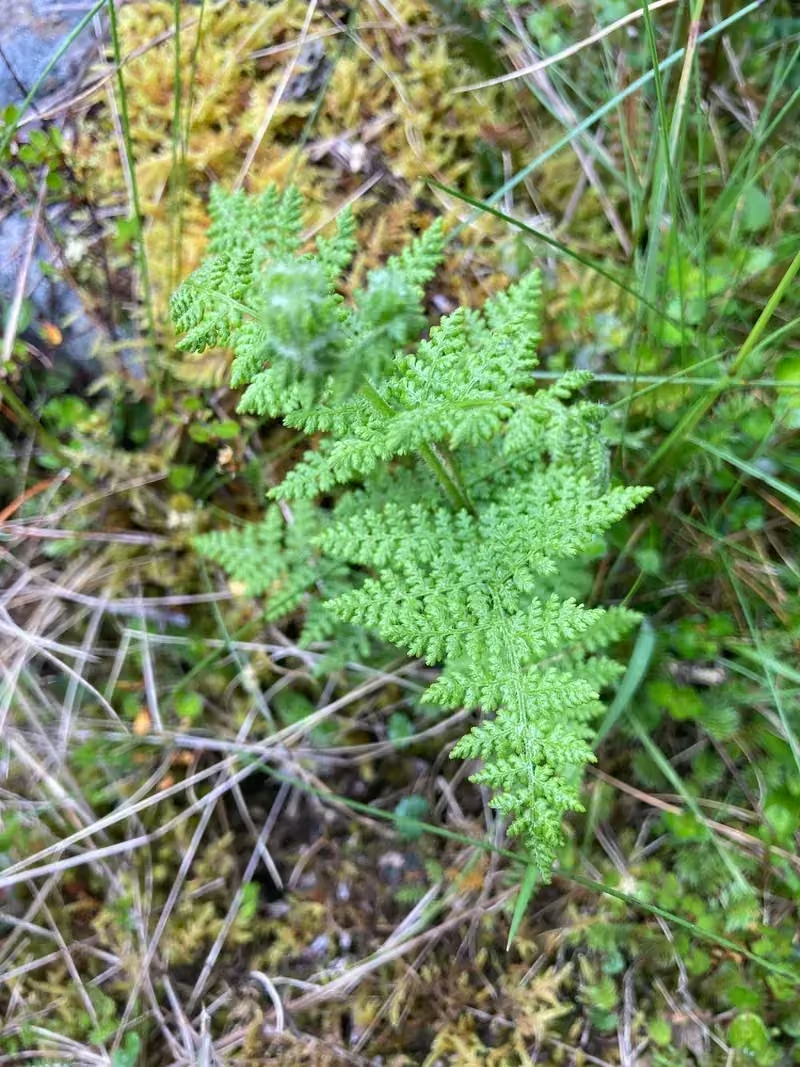
ferns profile: Ring Fern (Paesia scaberula) is an endemic New Zealand fern with yellow-green, sticky, finely dissected, often fragrant fronds. Flora of New Zealand and the conservation profile treat it as current and Not Threatened. It is native, but in open pasture and reverting farmland it can behave as a serious weed because creeping rhizomes and spores allow broad colonies to form.
Plant Description
Identification and Physical Characteristics
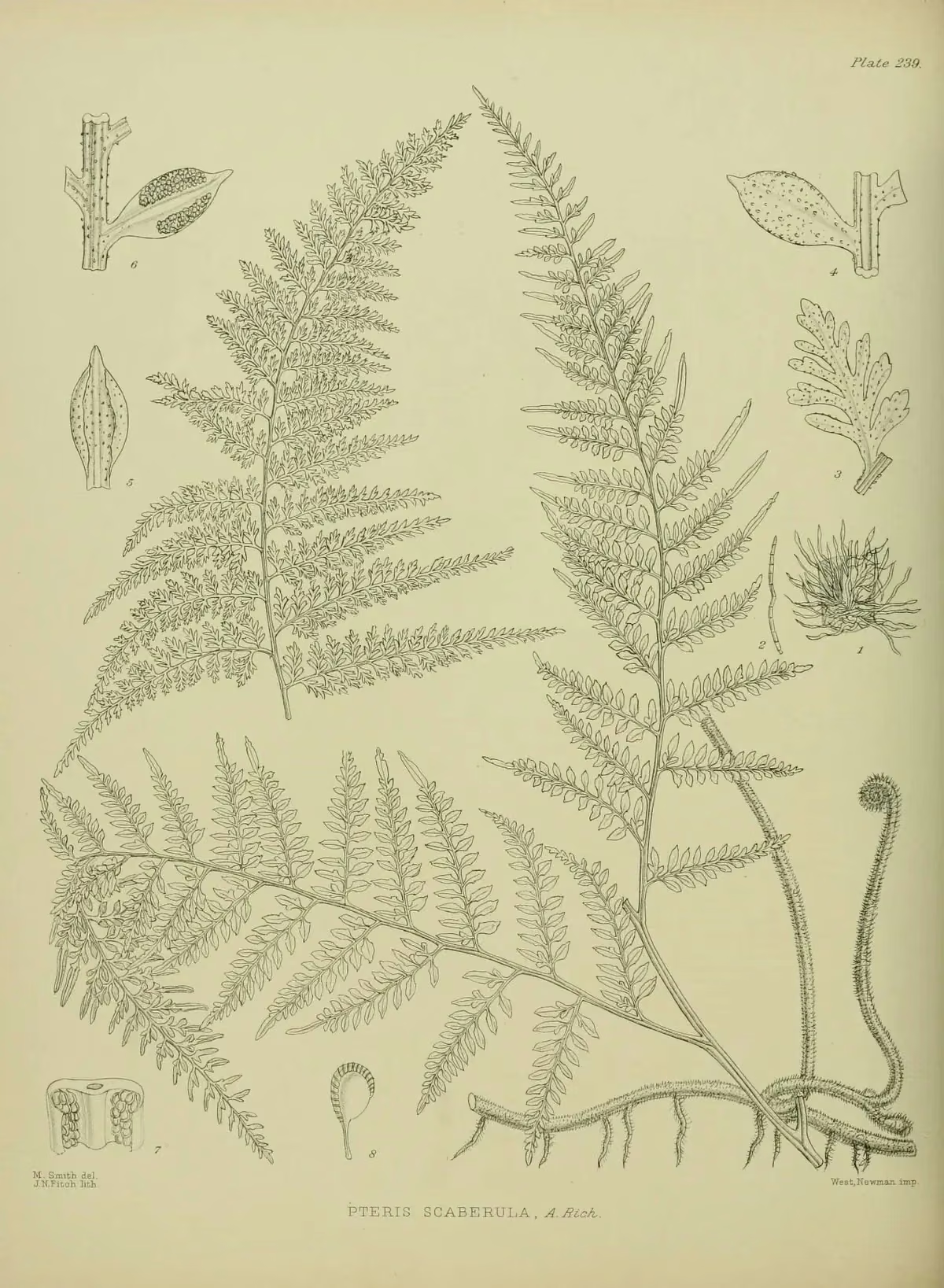
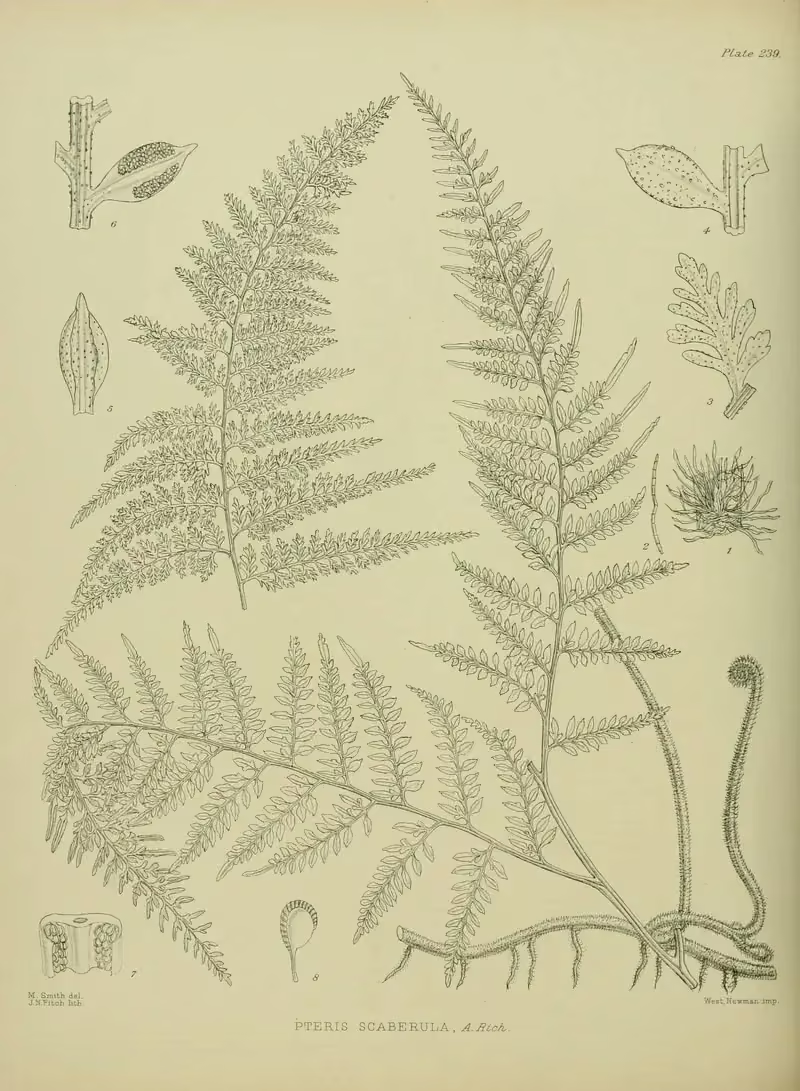
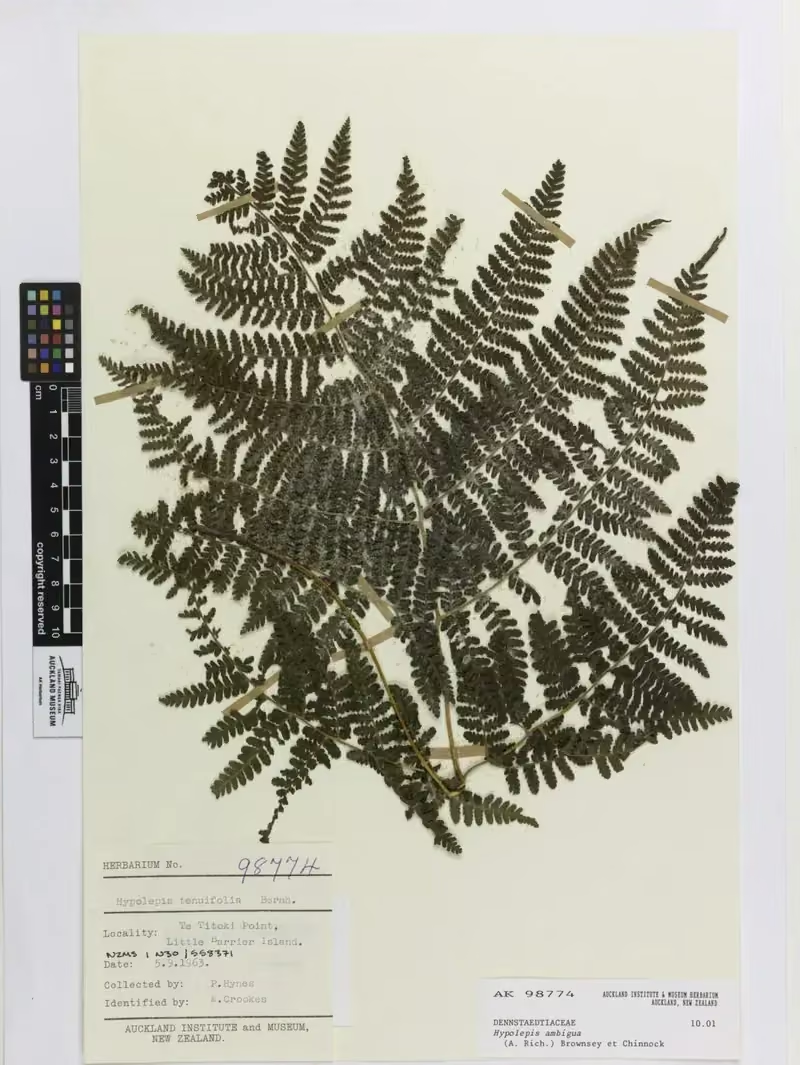
This terrestrial fern has long-creeping, brittle, chestnut-brown rhizomes densely covered in red-brown bristly hairs. Stipes and rachises are also hairy, and the rachis is often distinctly zig-zagged. The lamina is divided three to four times, yellow-green to yellow, and carries short glandular hairs that give a sticky and scented character. Sori run almost continuously along the margins of the ultimate segments, protected outside by inrolled lamina tissue and inside by a delicate indusium.
Quick Facts
| Scientific Name | Paesia scaberula |
|---|---|
| Height | Fronds 15 cm - 1.17 metres long |
| Spread | Spreading colonies from long-creeping rhizomes |
| Water Needs | Low to moderate |
| Light | Full sun to open light |
| Frost Tolerance | Moderate |
| Salt Tolerance | Moderate in coastal shelter |
| Growth Rate | Fast in open disturbed ground |
| Lifespan | Perennial rhizomatous fern |
Climate Best Suited to
Ring Fern suits open coastal to montane climates and often expands where disturbance, light, and low competition create room for rhizomes and sporelings.
Regional Suitability
| City | Climate Suitability |
|---|---|
| Auckland | High in open disturbed ground and reverting pasture |
| Wellington | High on sunny banks, rough pasture, and coastal hills |
| Christchurch | Medium to high in open damp-to-dry margins |
| Nelson | High in sunny rough ground and reverting farmland |
Plant Habitat
Natural Occurrence and Ecology
The species is recorded from Manawatāwhi / Three Kings Islands, North Island, South Island, Stewart Island/Rakiura, and the Chatham Islands. It grows from coastal to montane elevations and is often common in open or disturbed ground, rough pasture, grassland, and reverting farmland. The conservation profile notes that it is often considered a serious pest in these situations.
Growing Requirements
Soil Requirements
It tolerates many open soils, including low-fertility pasture, banks, and disturbed ground.
- Rough pasture
- Open banks
- Disturbed mineral soil
Light Requirements
Open sun and strong light encourage dense colonies; deep shade suppresses the species.
- Full sun
- Open grassland
- Light scrub margins
Water Requirements
Moderate moisture supports strong growth, but established colonies can persist through seasonal dryness.
- Moderate moisture
- No permanent saturation
- Tolerates dry spells
Planting and Establishing
Establishment Guidance
Use Ring Fern only where a native open-ground fern colony is appropriate. It is unsuitable for small gardens, pasture edges, or sites where rhizome spread would create maintenance problems. In restoration, it can stabilise rough banks and provide quick native cover, but it should be placed away from small slow-growing plants.
Ecological Role
Biodiversity and Ecosystem Impact
Ring Fern is a native coloniser of light-filled disturbed habitats. Its rhizomes occupy open soil quickly, while spores disperse into new grassland and scrub margins. The sticky glandular fronds and elongated sori distinguish it ecologically and visually from many forest ferns. In some landscapes it is a useful native cover; in pasture it competes with grazing land.
Uses & Significance
Garden Uses
Use only in large naturalistic banks or restoration sites where spread is acceptable.
- Large sunny banks
- Rough restoration edges
- Native open-ground cover
Ecological Value
It provides fast native fern cover on disturbed soil but can dominate pasture and small plantings.
- Soil cover
- Gap colonisation
- Rhizome spread
Landscaping Uses
Ring Fern creates a wild, textural look with yellow-green fronds and a dryland fern character. Use it with mānuka, kānuka, tauhinu, tussocks, and robust coprosmas in large open plantings. Do not place it in a tidy fernery or mixed bed where it will be expected to stay in one clump.
Seasonal Care Calendar
Spring
New fronds expand strongly in open light.
Summer
Established colonies tolerate exposed conditions if roots are settled.
Autumn
Rhizome pieces establish readily in moist soil.
Winter
Old fronds may weather while rhizomes persist.
When to Prune and How Much
Cut back old fronds or colony edges with secateurs or a sharp blade. Remove rhizome pieces completely where spread is unwanted, because fragments can reshoot.
- Cut colony edges
- Remove rhizome fragments
- Keep away from small plants
Always use clean, sharp tools and avoid disturbing new growth.
How to Grow Ring Fern
From Spores
Ring Fern is readily raised from spores when fresh fertile fronds are available. Collect mature frond portions from cultivated or permitted material and dry them in a clean paper packet. Sow the spores thinly on sterile moist fern medium, keep the tray humid in bright shade, and pot on young sporophytes before they crowd. Because this fern can become weedy, raise only the number needed for a suitable large site. Keep spore trays away from nursery stock where accidental spread would be inconvenient.
- Collect mature fertile fronds
- Sow spores thinly
- Keep humid in bright shade
- Pot on young ferns
From Rhizome Division
Division is fast because the plant has long-creeping rhizomes. Cut a rooted section with at least one growing point, pot it into a gritty open mix, and keep it moist until new fronds appear. Plant only where the colony can expand without causing problems. Do not dump unwanted rhizomes near gardens, tracks, pasture, or bush edges, because pieces may survive and spread. For small gardens, choose a less aggressive fern instead.
- Cut rooted rhizome sections
- Keep growing points intact
- Pot into open mix
- Plant where spread is acceptable
Managing Establishment
On restoration banks, clear competing weeds first and plant into open soil after rain. Water once at planting and mulch lightly only if erosion is a risk. After establishment, management is mostly containment rather than feeding. Cut unwanted edges before fronds sprawl over young shrubs. In pasture or production land, follow land-management advice rather than intentionally spreading the plant. The same traits that make it tough in restoration can make it troublesome in grazing country.
- Clear weeds first
- Plant after rain
- Limit feeding
- Contain edges early
Pests & Diseases
Few pests are important. Management focuses on the fern's own spread, especially rhizomes moving through open soil or pasture. Slugs may graze very young fronds in damp shade.
Cultural Significance
Mātā and mātātā are recorded names for this species. Its mix of native identity and pasture weed behaviour is a reminder that ecological value depends on context and site goals.
- Mātā name
- Mātātā name
- Native open-ground fern
Bonus Tip
Plant it only where you would be comfortable with a colony several metres across.
This Ring Fern note is specific to Paesia scaberula, connecting identification, habitat context, and practical care so the section remains useful for readers comparing New Zealand plant profiles.
Related Plants
Compare Ring Fern with other colonising or finely divided New Zealand ferns.


Plant Conservation
Conservation Status and Threats
Paesia scaberula is assessed as Not Threatened. It remains common and sometimes overabundant in open disturbed ground, so conservation use should focus on appropriate restoration contexts rather than uncontrolled spread.
Frequently Asked Questions
Is Ring Fern native to New Zealand?
Yes. It is endemic to New Zealand.
Why is it sometimes called a pest?
It can dominate rough pasture and reverting farmland through rhizome spread.
Does it suit small gardens?
Usually no. It is better for large open sites where spread is acceptable.
Sources and Further Reading
The botanical, growing, and conservation details for Ring Fern draw on authoritative New Zealand plant references and taxonomic databases.