Thousand-Leaved Fern
Hypolepis millefolium
Last updated:
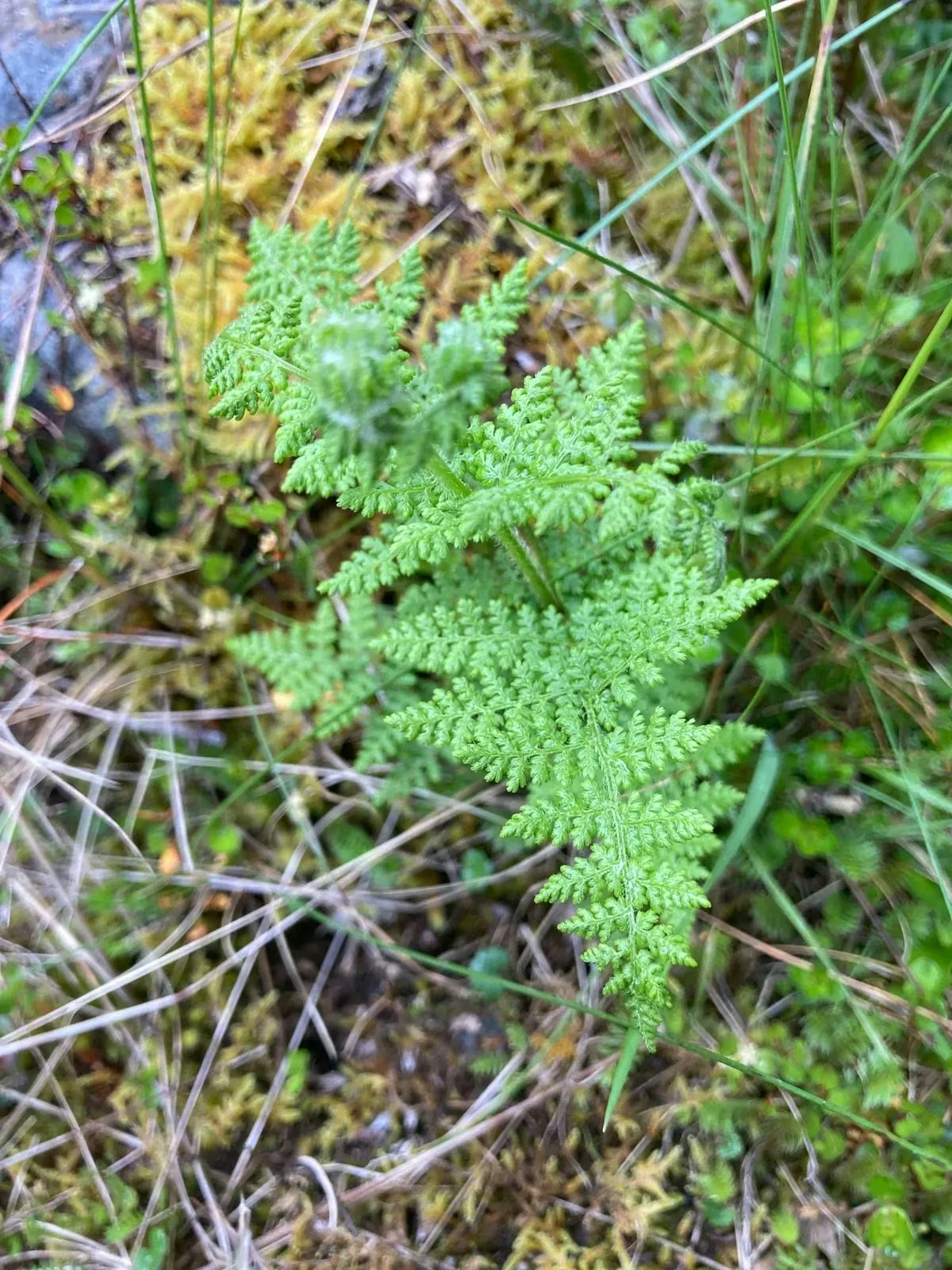
ferns profile: Thousand-Leaved Fern (Hypolepis millefolium) is an endemic New Zealand fern recognised by its bright green, finely divided, lacy fronds. Current references list it as a valid species and Not Threatened. It is especially associated with montane to alpine habitats, rocky slopes, grassland, scrub, and open forest, although it can be grown successfully at lower elevations.
Plant Description
Identification and Physical Characteristics
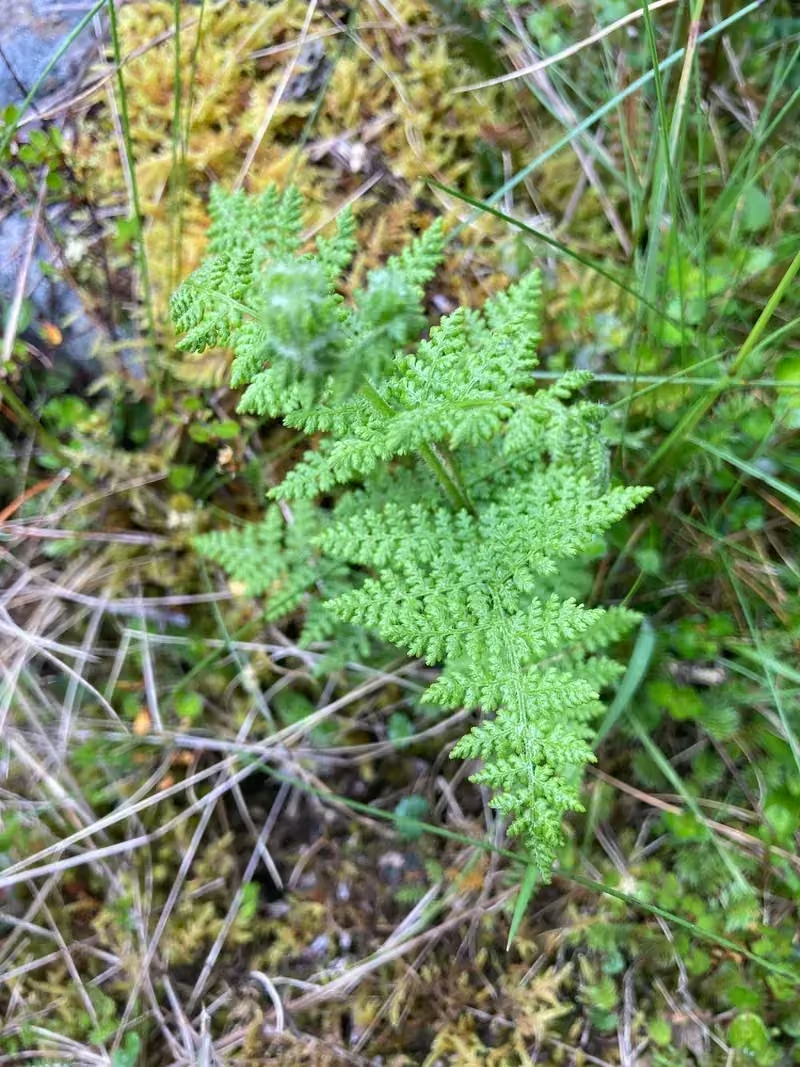
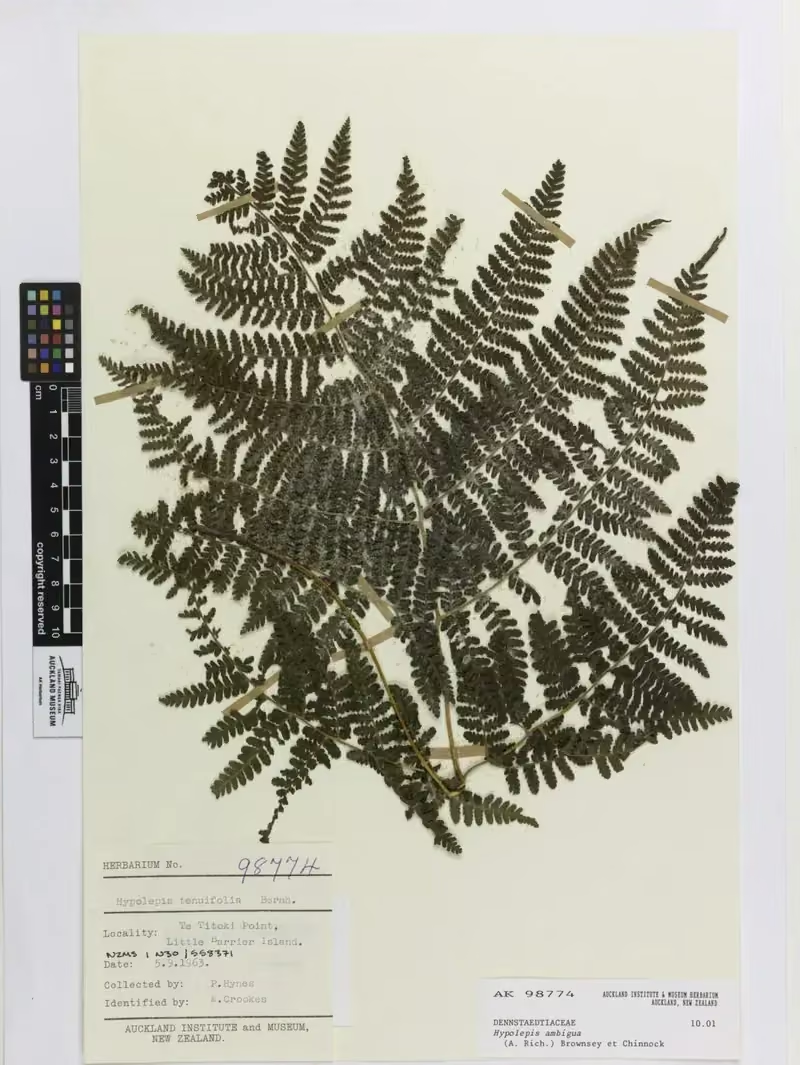
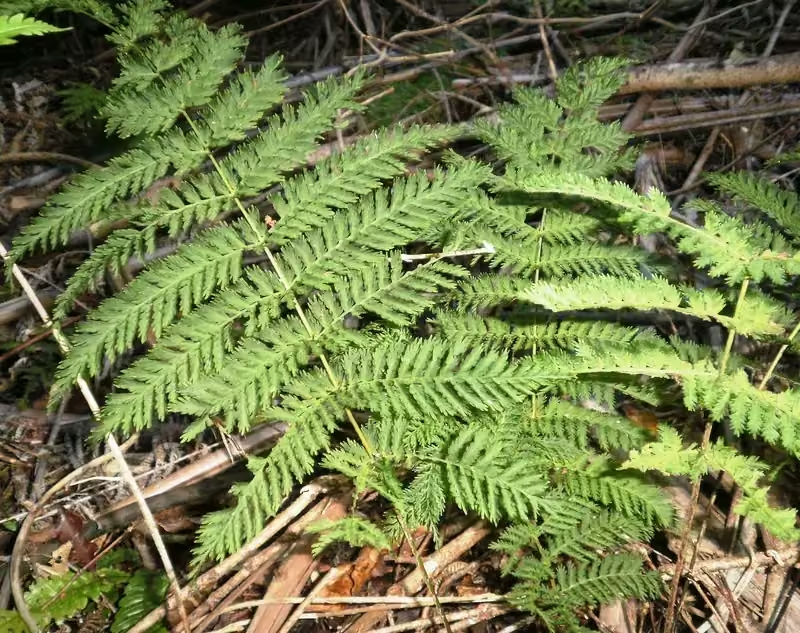
This fern grows from subterranean long-creeping rhizomes. Fronds are brittle, vivid green to yellow-green, and highly divided, with very narrow ultimate segments under one millimetre wide. The stipes are red-brown below and paler above, and sori are unprotected or only scarcely protected. Flora of New Zealand separates it from Hypolepis ambigua by its smaller laminae, much narrower ultimate segments, and lack of paraphyses in the sori.
Quick Facts
| Scientific Name | Hypolepis millefolium |
|---|---|
| Height | Fertile fronds often 40 - 77 cm long |
| Spread | Spreading patches from creeping rhizomes |
| Water Needs | Moderate |
| Light | Open light to partial shade |
| Frost Tolerance | High |
| Salt Tolerance | Low |
| Growth Rate | Steady, less weedy than many Hypolepis |
| Lifespan | Perennial rhizomes with seasonal fronds |
Climate Best Suited to
Thousand-Leaved Fern suits cool and exposed New Zealand climates better than many large forest ferns, especially where soil stays moderately moist around grasses and rocks.
Regional Suitability
| City | Climate Suitability |
|---|---|
| Auckland | Medium in cooler shaded gardens; not naturally typical in warm lowland sites |
| Wellington | High in cool open banks, scrub, and hill gardens |
| Christchurch | High in sheltered damp rock gardens and montane-style plantings |
| Nelson | High in cool hill sites and moist rocky margins |
Plant Habitat
Natural Occurrence and Ecology
The species is endemic from the North Island southwards through the South Island, Stewart Island/Rakiura, Chatham Islands, Antipodes Islands, Auckland Islands, and Campbell Island. In the northern part of its range it is largely montane to alpine, while on subantarctic islands it can descend to sea level. It grows among grassland, rock-strewn slopes, scrub, forest, peat bogs, tussock grassland, and open Dracophyllum scrub.
Growing Requirements
Soil Requirements
Use open, moderately moist soil with good drainage and low to moderate fertility.
- Rocky slope soil
- Tussock margins
- Open fern mix
Light Requirements
Open light maintains compact lacy fronds, while light shade is useful in warmer districts.
- Open cool light
- Partial shade
- Avoid hot dry exposure
Water Requirements
Keep young plants moist but never stagnant; established plants tolerate cool seasonal weather if roots do not dry hard.
- Moderate moisture
- Free drainage
- Mulch with leaf litter
Planting and Establishing
Establishment Guidance
Plant Thousand-Leaved Fern into open cool sites, damp rock gardens, tussock edges, or lightly shaded banks. Set rhizome divisions shallowly, water well, and keep grass competition down during establishment. It is less aggressive than some relatives, but still needs room for a loose colony to spread.
Ecological Role
Biodiversity and Ecosystem Impact
This fern contributes fine texture and native cover to cool open habitats. Its wind-dispersed spores allow it to occupy suitable grassland and rocky sites, while creeping rhizomes help it persist through seasonal weather. In montane and subantarctic vegetation it can weave through tussocks and low shrubs without forming the dense coarse colonies typical of more vigorous Hypolepis species.
Uses & Significance
Garden Uses
Use in cool native rock gardens, alpine-style plantings, tussock borders, and naturalistic fern beds.
- Rock gardens
- Tussock plantings
- Cool fern borders
Ecological Value
It adds fine native fern cover to open grassland, scrub, and rocky habitat plantings.
- Montane texture
- Spore dispersal
- Tussock-layer diversity
Landscaping Uses
The lacy fronds make a good contrast with boulders, tussocks, celmisias, small hebes, and low Dracophyllum. Place it where the fine foliage can be seen against darker rocks or coarser leaves. Avoid rich, crowded shrub borders where stronger plants will shade it out.
Seasonal Care Calendar
Spring
Fresh bright fronds expand as temperatures lift.
Summer
Keep moisture steady in warm lowland gardens.
Autumn
Divide rhizomes or plant nursery stock into cooling soil.
Winter
Fronds may weather, while rhizomes persist through cold.
When to Prune and How Much
Cut old brittle fronds at the base when they collapse or obscure new growth. Keep surrounding grasses trimmed lightly during establishment, but avoid disturbing rhizomes near the soil surface.
- Cut old fronds
- Trim competing grass
- Avoid rhizome disturbance
Always use clean, sharp tools and avoid disturbing new growth.
How to Grow Thousand-Leaved Fern
From Fresh Spores
Fresh spores germinate well when handled cleanly. Collect fertile fronds from cultivated or permitted material, dry them in a paper envelope, and sow spores thinly on sterile moist fern medium. Keep the container covered in bright shade and avoid strong fertiliser. Young sporophytes should be potted in small groups once they can be handled. This method is useful for maintaining genetic variation, especially where plants are intended for restoration or educational collections. Label the source area so montane, southern, and island material is not mixed carelessly.
- Collect fertile fronds
- Dry and sow spores
- Keep humid in bright shade
- Pot young plants in groups
From Rooted Rhizomes
Rooted pieces establish faster than sporelings. Lift a small cultivated rhizome section with buds and roots attached, pot it into a gritty fern mix, and keep it cool and shaded until fresh fronds appear. Plant the division shallowly into its final site, firm gently, and water well. Divisions should be modest because the brittle fronds break easily and exposed rhizomes dry quickly. In gardens, division is best done in autumn or early spring when soil moisture is reliable.
- Lift small rooted rhizomes
- Keep buds intact
- Pot into gritty fern mix
- Plant in cool moist weather
Establishing in Cool Open Sites
Choose a site with open light, low competition, and moisture that does not stagnate. Prepare the soil by removing perennial weeds and adding leaf mould or fine bark only if the ground is very poor. Water during the first dry season and use stones or low shrubs to shelter the crown from hot wind. Do not overfeed, since the species is naturally adapted to lean grassland and rocky habitats. Once growth is steady, allow a loose colony to form and manage only the edges.
- Clear perennial weeds
- Plant shallowly
- Water through first dry spells
- Let a loose colony form
Pests & Diseases
Slugs may graze young fronds and grass can suppress new plants. Over-rich soil, stagnant wetness, and hot dry wind cause more trouble than insect pests.
Cultural Significance
The English name reflects the many tiny divisions of the frond. As an endemic fern of open upland and southern habitats, it helps represent the cooler side of New Zealand fern diversity.
- Endemic fern
- Fine lacy foliage
- Montane and southern habitats
Bonus Tip
Use stones around young plants to keep roots cool and mark the colony before winter fronds collapse.
This Thousand-Leaved Fern note is specific to Hypolepis millefolium, connecting identification, habitat context, and practical care so the section remains useful for readers comparing New Zealand plant profiles.
Related Plants
Compare Thousand-Leaved Fern with other New Zealand ferns of open or disturbed ground.


Plant Conservation
Conservation Status and Threats
Hypolepis millefolium is assessed as Not Threatened. Its habitats still benefit from careful management of weeds, grazing, trampling, drainage changes, and track works in montane and grassland settings.
Frequently Asked Questions
Is Hypolepis millefolium endemic?
Yes. It is endemic to New Zealand and offshore island groups.
Is it weedy like some Hypolepis ferns?
It is generally less weedy and less short-lived than many relatives.
Can it grow at low elevation?
Yes, it can be cultivated at low elevations if the site is cool, moist, and not too shaded.
Sources and Further Reading
The botanical, growing, and conservation details for Thousand-Leaved Fern draw on authoritative New Zealand plant references and taxonomic databases.