Rarauhi Nehenehe
Hypolepis ambigua
Last updated:
ferns profile: Rarauhi Nehenehe (Hypolepis ambigua) is an endemic New Zealand fern that often behaves as a coloniser of disturbed or open sites. Flora of New Zealand records it from lowland and montane habitats throughout much of the country, while conservation profile notes that it can be weedy in open forest, clearings, scrub, grassland, brackenfield, and urban areas. Biota NZ lists the name as current, endemic, and Not Threatened.
Plant Description
Identification and Physical Characteristics
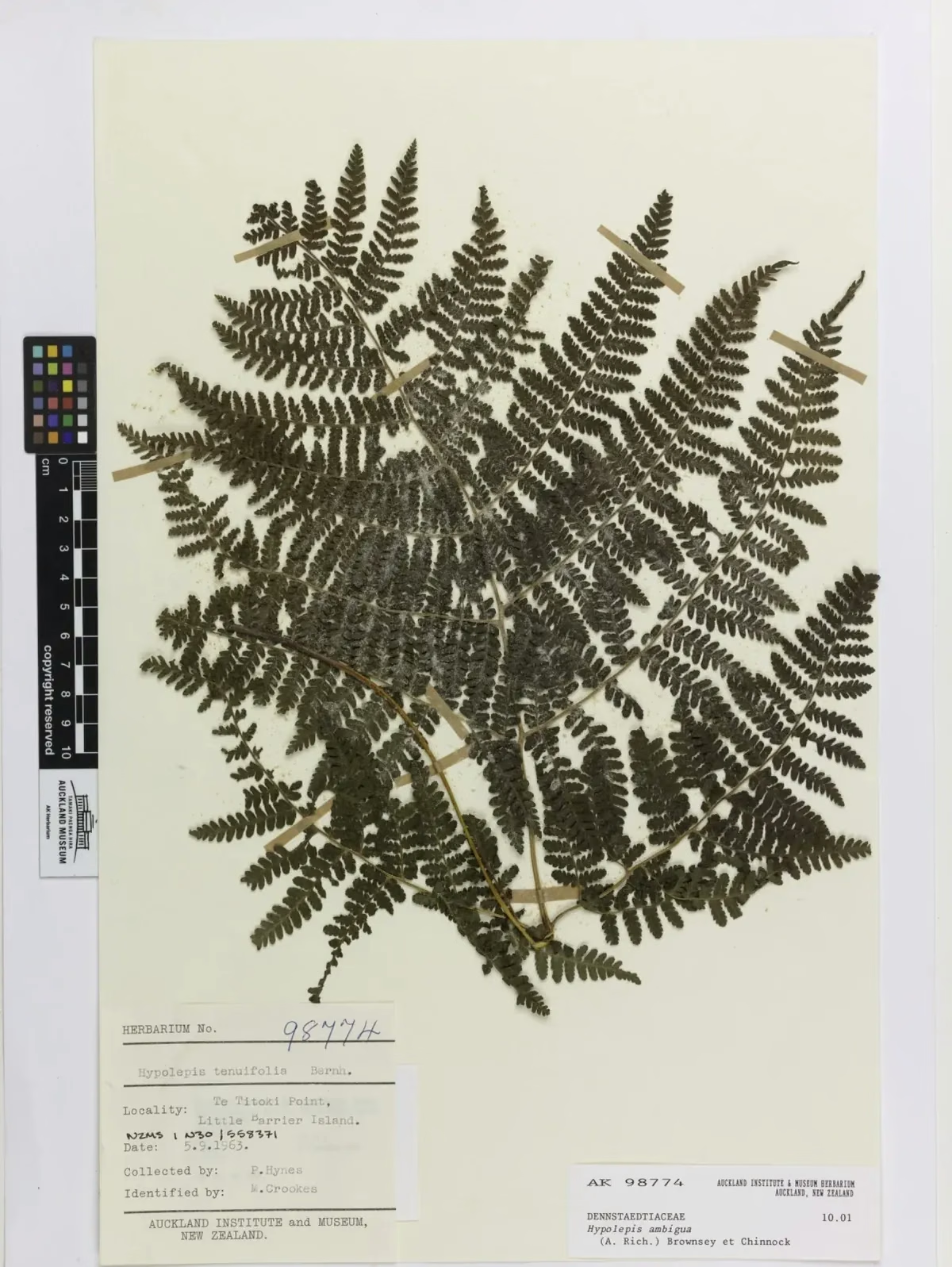
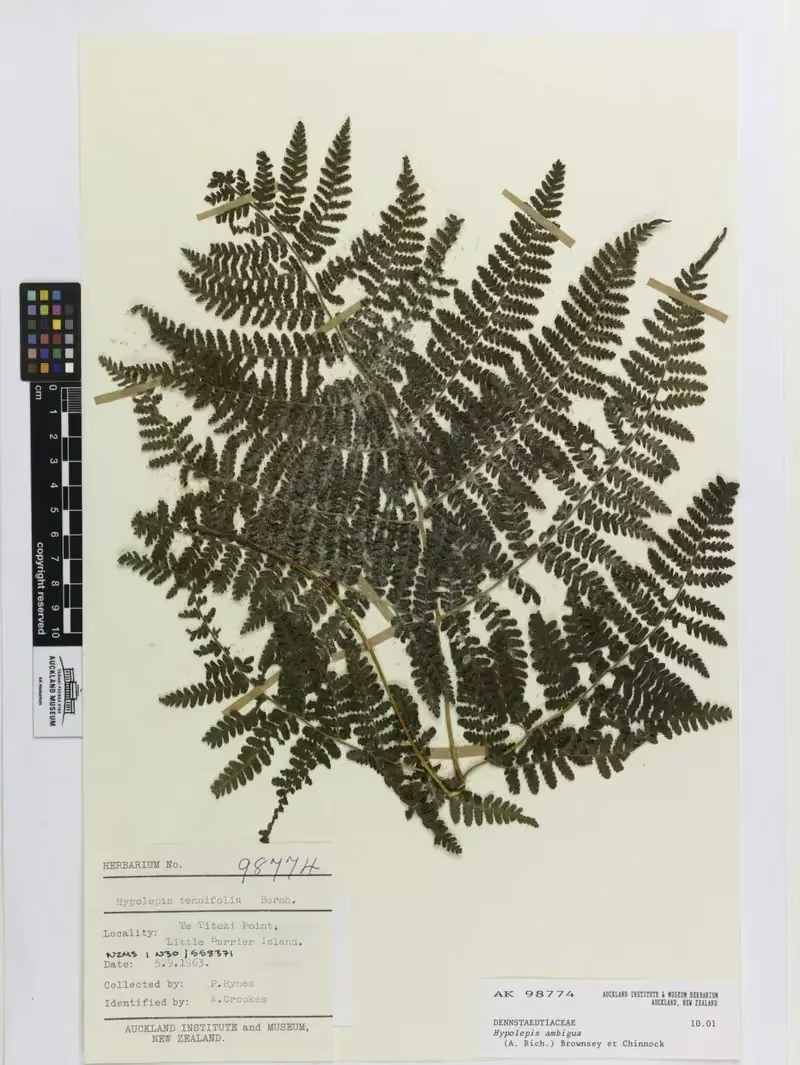
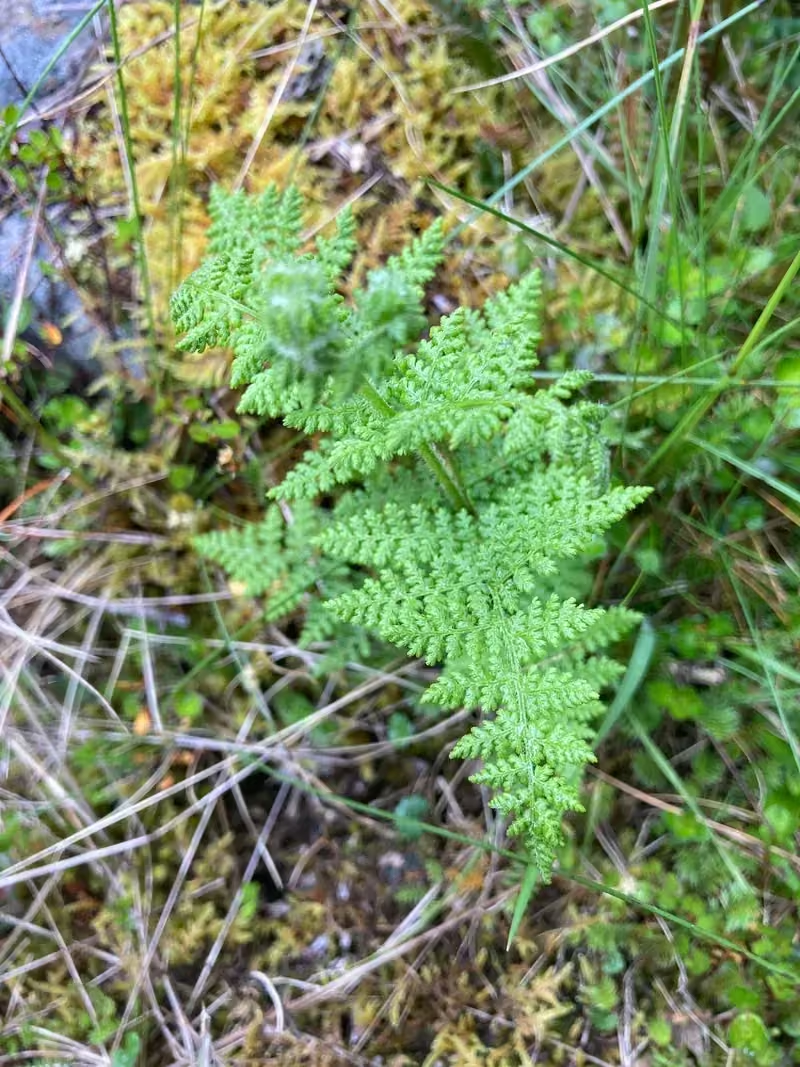
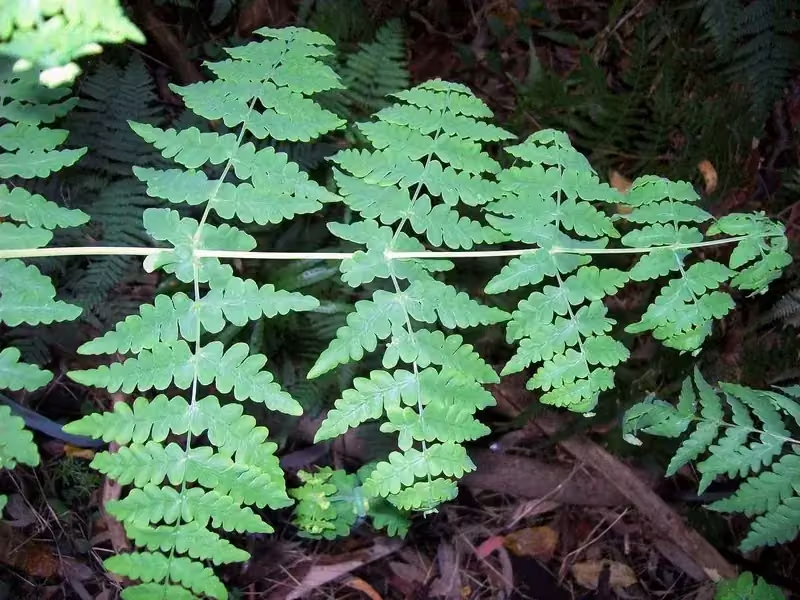
This fern spreads by long-creeping rhizomes and produces large divided fronds with red-brown to yellow-brown stipes and rachises. It lacks glandular hairs, which helps separate it from sticky or glandular relatives. It is similar to Hypolepis millefolium, but generally has larger fronds and broader ultimate segments, and it is more common in lowland sites. The sori are marginal and only partly protected, if at all, by a reflexed flap.
Quick Facts
| Scientific Name | Hypolepis ambigua |
|---|---|
| Height | Fronds commonly 0.2 - 1.85 metres long, sometimes larger |
| Spread | Spreading colonies from fast long-creeping rhizomes |
| Water Needs | Moderate |
| Light | Open light to forest margin shade |
| Frost Tolerance | Moderate |
| Salt Tolerance | Low to moderate in coastal shelter |
| Growth Rate | Fast in disturbed soils |
| Lifespan | Short-lived fronds from perennial rhizomes |
Climate Best Suited to
Rarauhi Nehenehe suits mild to cool New Zealand climates where disturbed soils, open light, and moderate moisture allow rhizomes to spread. It is adaptable but can be too vigorous for small gardens.
Regional Suitability
| City | Climate Suitability |
|---|---|
| Auckland | High in open forest margins and disturbed damp ground |
| Wellington | High in clearings, scrub, and banks |
| Christchurch | Medium in sheltered damp open sites |
| Nelson | High in forest margins and disturbed soils |
Plant Habitat
Natural Occurrence and Ecology
Flora of New Zealand records the species from the North Island, South Island, Three Kings Islands, Chatham Islands, and Stewart Island. It grows in open forest, forest clearings, forest margins, scrub, open grassland, conifer plantations, willow areas, river banks, alluvial flats, sandy soils, roadsides, tracksides, drainage ditches, lake and swamp margins, peat bog edges, thermally heated streams, disturbed soils, rotten logs, and brackenfield.
Growing Requirements
Soil Requirements
Disturbed mineral or organic soils with moderate moisture and room for rhizome spread.
- Disturbed forest soil
- Alluvial flats
- Sandy or peaty margins
Light Requirements
Open light, clearings, and forest edges suit stronger growth than deep shade.
- Open clearings
- Forest margins
- Scrub edges
Water Requirements
Moderate moisture is enough; avoid drought during establishment and avoid stagnant water around young crowns.
- Moderate moisture
- Damp banks
- No prolonged drought
Planting and Establishing
Establishment Guidance
Use this species only where a spreading native colonising fern is wanted. It can be useful on large disturbed banks or forest-edge restoration sites, but it is not ideal for small gardens because conservation profile notes that it can become aggressive. Plant divisions or spore-raised plants into open soil, water during establishment, and leave space for rhizomes to run.
Ecological Role
Biodiversity and Ecosystem Impact
Rarauhi Nehenehe is a native coloniser that can occupy the same disturbed habitats as bracken. Its creeping rhizomes stabilise loose soil and quickly create fern cover in open gaps. It also hybridises with several other Hypolepis species where their ranges overlap, which makes it part of a dynamic fern complex in disturbed and thermal habitats.
Uses & Significance
Garden Uses
Use in large naturalistic restoration areas, banks, and disturbed forest margins where spread is acceptable.
- Large banks
- Forest margins
- Restoration gaps
Ecological Value
It provides quick native fern cover on disturbed soils and open margins.
- Soil cover
- Gap colonisation
- Native fern regeneration
Landscaping Uses
This is a fern for scale and movement rather than tidy small beds. Use it at the back of damp banks, around rough forest edges, or in large wild plantings. Avoid placing it among small, slow, or rare plants that could be overrun by the rhizomes.
Seasonal Care Calendar
Spring
New fronds expand strongly as soils warm.
Summer
Maintain moisture in young plantings during dry spells.
Autumn
Rhizome divisions establish well as rain returns.
Winter
Older fronds may weather while rhizomes persist.
When to Prune and How Much
Cut old fronds at ground level and remove unwanted rhizome runners where they move into paths or small plants. Do not pull large fronds by hand, because this can tear rhizomes and leave fragments that reshoot.
- Cut old fronds
- Control runners
- Keep away from small plants
Always use clean, sharp tools and avoid disturbing new growth.
How to Grow Rarauhi Nehenehe
From Spores
Rarauhi Nehenehe is readily grown from fresh spores. Collect fertile fronds from cultivated or permitted material when sori are mature, then sow thinly on sterile moist fern medium. Keep the tray humid in bright shade until gametophytes and then sporophytes appear. Young plants grow quickly once potted into a light organic mix. Because the species can spread strongly, raise only the number needed for a suitable restoration or large garden site.
- Collect ripe spores
- Sow on sterile fern medium
- Keep humid in bright shade
- Pot on before plants crowd
From Division
Division is fast because established plants produce long-creeping rhizomes. Cut a rooted rhizome section with at least one active bud, pot it into a moist open mix, and keep it shaded until new fronds emerge. Divisions should be planted only where future spread is acceptable. Avoid dumping rhizome fragments in compost near bush edges, because pieces may reshoot in unwanted places.
- Cut rooted rhizome sections
- Keep active buds intact
- Pot into moist open mix
- Plant where spread is acceptable
Establishing on Disturbed Ground
Set plants into open soil after competing weeds have been knocked back. Water well, mulch lightly, and keep grass away during the first season. Once fronds expand, they will shade the soil and the rhizomes will begin to occupy gaps. Manage the colony by cutting back edges rather than feeding or irrigating heavily. In restoration work, combine it with shrubs and trees that will eventually provide structure above the fern layer.
- Clear competing weeds
- Plant in open soil
- Water through establishment
- Manage colony edges
Pests & Diseases
This fern is generally robust. Slugs and snails may graze young fronds, but excessive vigour and unwanted spread are more common garden issues. Dry soil can check growth, while rich moist soil can make colonies aggressive.
Cultural Significance
The Māori vernacular name rarauhi nehenehe is recorded in Biota NZ. The plant is part of the native disturbed-ground fern flora, showing how indigenous species can quickly respond to slips, tracksides, and forest openings.
- Māori name recorded
- Native colonising fern
- Disturbed-ground ecology
Bonus Tip
Plant it only where a spreading colony is useful; in a small fern bed, choose a clumping fern instead.
This Rarauhi Nehenehe note is specific to Hypolepis ambigua, connecting identification, habitat context, and practical care so the section remains useful for readers comparing New Zealand plant profiles.
Related Plants
Compare Rarauhi Nehenehe with other spreading and colonising New Zealand ferns.



Plant Conservation
Conservation Status and Threats
Biota NZ lists Hypolepis ambigua as current, endemic, indigenous, and Not Threatened. It remains important to distinguish native colonising behaviour from weediness in small gardens: the species is secure, but its natural disturbed-ground role still has ecological value.
Frequently Asked Questions
Is Hypolepis ambigua endemic to New Zealand?
Yes. It is endemic to New Zealand and the Chatham region.
Is it suitable for small gardens?
Usually not. It can spread aggressively by rhizomes.
Where does it grow naturally?
It grows in disturbed forest, margins, clearings, scrub, grassland, banks, ditches, and brackenfield.
Sources and Further Reading
The botanical, growing, and conservation details for Rarauhi Nehenehe draw on authoritative New Zealand plant references and taxonomic databases.