Carrier Tangle Fern
Gleichenia microphylla
Last updated:
ferns profile: Carrier Tangle Fern (Gleichenia microphylla) is a native New Zealand fern with wiry, repeatedly forking fronds that can weave into dense, waist-high tangles. Flora of New Zealand records it from near sea level to montane sites throughout the country, especially west of the axial ranges, and Biota NZ lists the name as current, indigenous, and Not Threatened.
Plant Description
Identification and Physical Characteristics
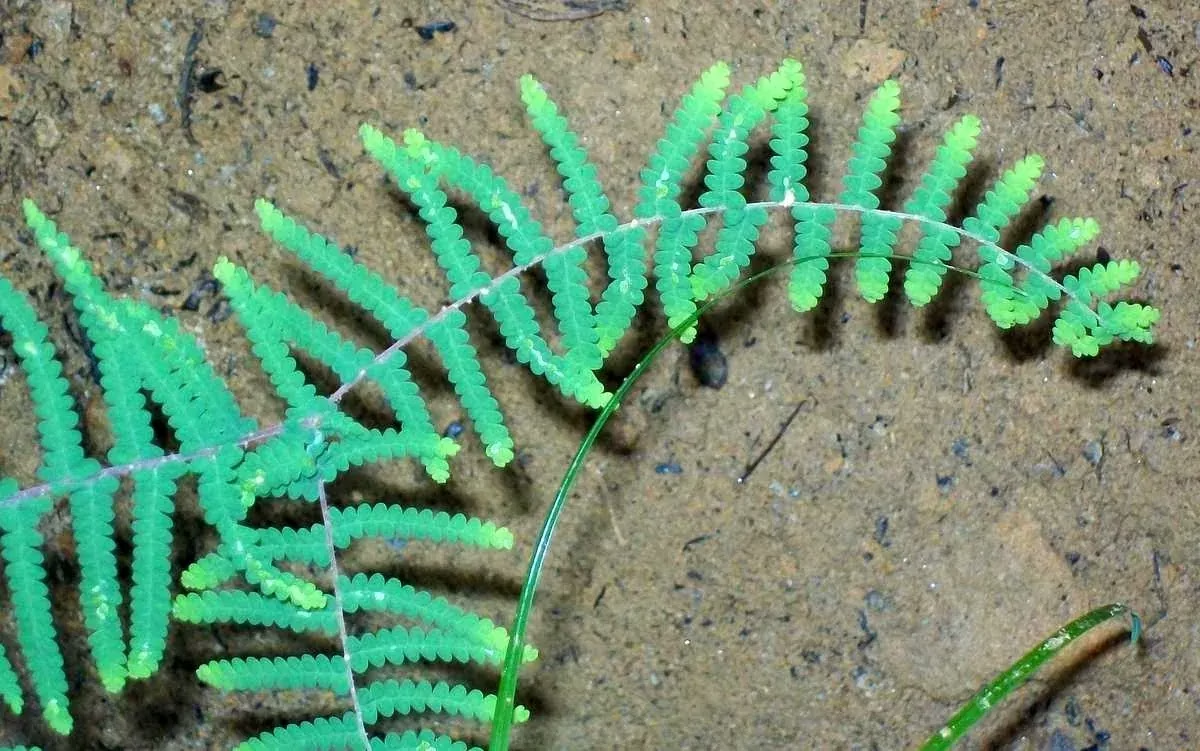
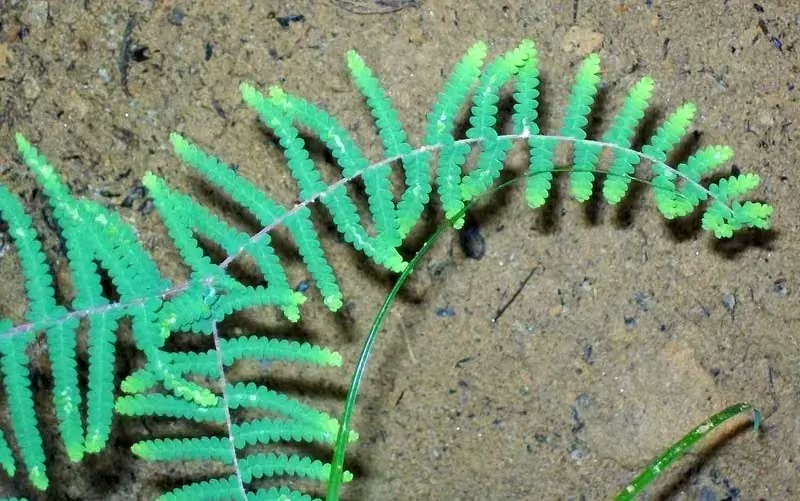
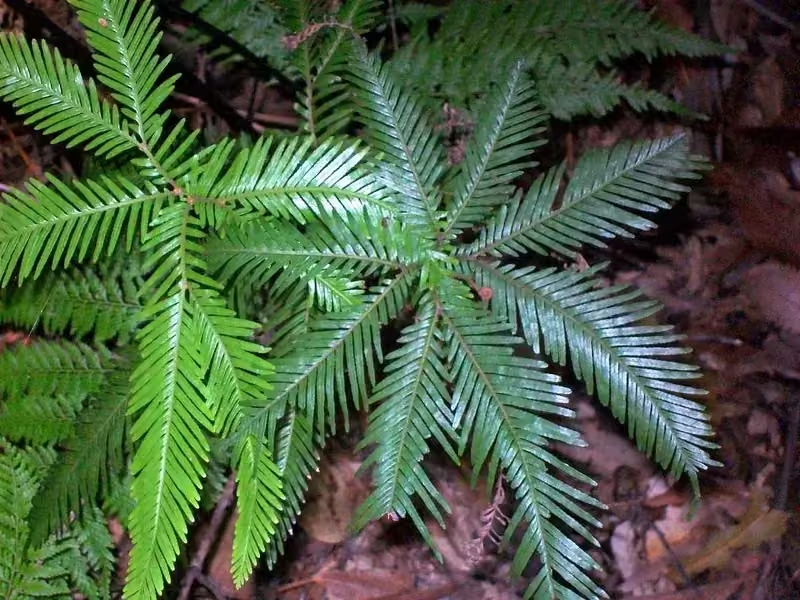
This terrestrial fern grows from long-creeping scaly rhizomes. Its fronds branch by repeated forks, often with a resting bud between each pair of branches, so a single frond can keep extending and interlacing with neighbouring fronds. The ultimate segments are small, flat, leathery, green above, and paler beneath, with sori made up of two to four bright yellow sporangia. The rachis bears dark stellate hairs and ciliate scales, giving the plant its rough, wiry texture.
Quick Facts
| Scientific Name | Gleichenia microphylla |
|---|---|
| Height | Fronds 0.09 - 2 metres long |
| Spread | Wide colonies from long-creeping rhizomes |
| Water Needs | Moderate to high |
| Light | Open light to light shade |
| Frost Tolerance | Moderate |
| Salt Tolerance | Low |
| Growth Rate | Steady to fast in damp open ground |
| Lifespan | Perennial rhizomes with renewing fronds |
Climate Best Suited to
Carrier Tangle Fern suits moist, mild to cool New Zealand climates, particularly where open scrub, swamp margins, clay banks, or forest-edge light keep the soil from drying hard.
Regional Suitability
| City | Climate Suitability |
|---|---|
| Auckland | High in damp scrub, kauri margins, and poor clay soils |
| Wellington | High in sheltered damp scrub and track margins |
| Christchurch | Medium where irrigation or naturally damp soils are available |
| Nelson | High on suitable western and damp hill-country sites |
Plant Habitat
Natural Occurrence and Ecology
Flora of New Zealand records Gleichenia microphylla from the North Island, South Island, Stewart Island, and nearby island groups. It occurs in Leptospermum and Kunzea scrub, kauri forest openings, podocarp, beech, broadleaved and plantation forest margins, roadsides, tracksides, swamp edges, wet ground, ridges, rocky substrates, poor clay, and ultrabasic soils. It tends to occupy somewhat shadier and drier positions than Gleichenia dicarpa, although the two can grow together.
Growing Requirements
Soil Requirements
Lean, damp, acidic or mineral soils suit this fern better than rich garden loam.
- Poor clay banks
- Swamp margins
- Open scrub soils
Light Requirements
Best growth comes from bright open light or light shade rather than deep forest shade.
- Open scrub
- Roadside banks
- Filtered forest-edge light
Water Requirements
Keep young plants evenly moist, then allow established colonies to follow natural wet and dry cycles without prolonged drought.
- Moist establishment
- Damp but aerated soil
- Avoid dry exposed beds
Planting and Establishing
Establishment Guidance
Plant Carrier Tangle Fern only where its natural tangle-forming habit is useful. It works on damp banks, large restoration margins, and poor soils where a resilient native fern cover is desired. Set rhizome divisions into weed-free soil, water them through the first dry spell, and leave space around the plant because the fronds can spread sideways and interlock strongly.
Ecological Role
Biodiversity and Ecosystem Impact
The species creates protective fern cover in open damp places that are too exposed or too nutrient-poor for many forest-floor ferns. Its dense fronds shelter the ground, slow surface drying, and provide structure for regenerating scrub margins. Flora of New Zealand also notes intermediates with Gleichenia dicarpa, showing that local colonies can be part of a wider tangle-fern complex.
Uses & Significance
Garden Uses
Use as a structural fern for wild margins, damp banks, and ecological restoration areas rather than formal garden beds.
- Damp banks
- Scrub restoration
- Naturalistic fern cover
Ecological Value
Dense colonies protect exposed soils and add native cover in early scrub and wet margin habitats.
- Soil cover
- Shelter for seedlings
- Wet margin structure
Landscaping Uses
Carrier Tangle Fern gives a site a strongly natural, untamed character. It is most effective in a larger planting where its wiry fronds can knit through mānuka, kānuka, rushes, sedges, and other tough natives. Avoid using it beside narrow paths or small delicate groundcovers unless regular edge control is acceptable.
Seasonal Care Calendar
Spring
New rachis extensions and fresh frond tiers develop as soil warms.
Summer
Water recent plantings during long dry spells.
Autumn
Rhizome divisions settle well into moist soil.
Winter
Established colonies tolerate cool wet conditions if drainage remains aerated.
When to Prune and How Much
Prune only for access and edge control. Cut old or intrusive fronds low with secateurs, then remove loose material from paths. Do not tear tangled fronds by hand, because this can pull up rhizomes and destabilise a bank.
- Cut path edges
- Remove dead fronds
- Avoid pulling rhizomes
Always use clean, sharp tools and avoid disturbing new growth.
How to Grow Carrier Tangle Fern
From Rhizome Division
Division is the most practical method for restoration or garden establishment when material is available from a cultivated source. Choose a healthy edge of a colony, lift a short rhizome section with attached roots and one or more growing points, and pot it into a free-draining but moisture-retentive fern mix. Keep it in bright shade, water gently, and wait for active frond extension before planting out. Because Carrier Tangle Fern naturally forms interlaced colonies, divisions should be placed where the mature spread will be useful. Planting too close to small path-side species creates maintenance work later.
- Lift rooted rhizome pieces
- Keep growing buds intact
- Pot into moist open mix
- Plant out after new growth
From Spores
Spore propagation is slower but useful where genetic diversity matters. Collect fertile frond segments when the small yellow sporangia are mature but before they have fully shed. Dry the material in a paper envelope, sow the dust-fine spores onto sterile moist medium, and keep the container covered in bright shade. Avoid direct sun, stagnant water, and fertiliser. Once young sporophytes are large enough to handle, pot them in small groups and harden them gradually. This method suits restoration nurseries that can track source location and prevent accidental mixing of local forms.
- Collect mature fertile segments
- Dry and sow spores thinly
- Keep humid in bright shade
- Pot on young sporophytes
Establishing a Colony
Prepare a weed-free patch of damp open soil before planting. Water deeply at planting, mulch lightly with leaf litter or fine bark, and keep grasses from crowding the young fronds. Do not enrich the soil heavily, because this fern naturally tolerates lean ground and can become coarse in rich, wet garden conditions. Once the rhizomes are moving, guide the colony by trimming edges and allowing shrubs to grow through it. In restoration work, pair it with hardy canopy or scrub species that will gradually cast broken shade over the fern layer.
- Clear grasses first
- Plant into damp open soil
- Mulch lightly
- Trim edges as needed
Pests & Diseases
Carrier Tangle Fern is usually resilient. Young plants may be checked by slugs, dry wind, or heavy grass competition. The main management issue is physical spread, because established fronds can form dense tangles that are hard to work through.
Cultural Significance
Waewaekaka is recorded as a Māori name for the species by the University of Auckland plant guide. The plant is part of the native wet-margin and scrub flora, where its tangle-forming habit contributes to the texture and shelter of regenerating landscapes.
- Māori name recorded
- Native scrub-margin fern
- Useful restoration cover
Bonus Tip
Use it where a tangle is an asset, not where a tidy fern border is expected.
This Carrier Tangle Fern note is specific to Gleichenia microphylla, connecting identification, habitat context, and practical care so the section remains useful for readers comparing New Zealand plant profiles.
Related Plants
Compare Carrier Tangle Fern with other New Zealand ferns of open, damp, or scrambling habitats.



Plant Conservation
Conservation Status and Threats
Biota NZ and the current conservation profile list Gleichenia microphylla as Not Threatened. Local colonies still deserve care because swamp margins, damp scrub, and poor-soil track edges are often modified, drained, sprayed, or shaded out by dense weeds.
Frequently Asked Questions
Is Carrier Tangle Fern native to New Zealand?
Yes. It is indigenous in New Zealand and also occurs in Australia.
Can it be grown in a small garden?
It can, but it is better suited to large damp margins because mature fronds form dense tangles.
How is it different from many other ferns?
Its frond axis repeatedly forks with a bud between the branches, creating a spreading, interlaced structure.
Sources and Further Reading
The botanical, growing, and conservation details for Carrier Tangle Fern draw on authoritative New Zealand plant references and taxonomic databases.