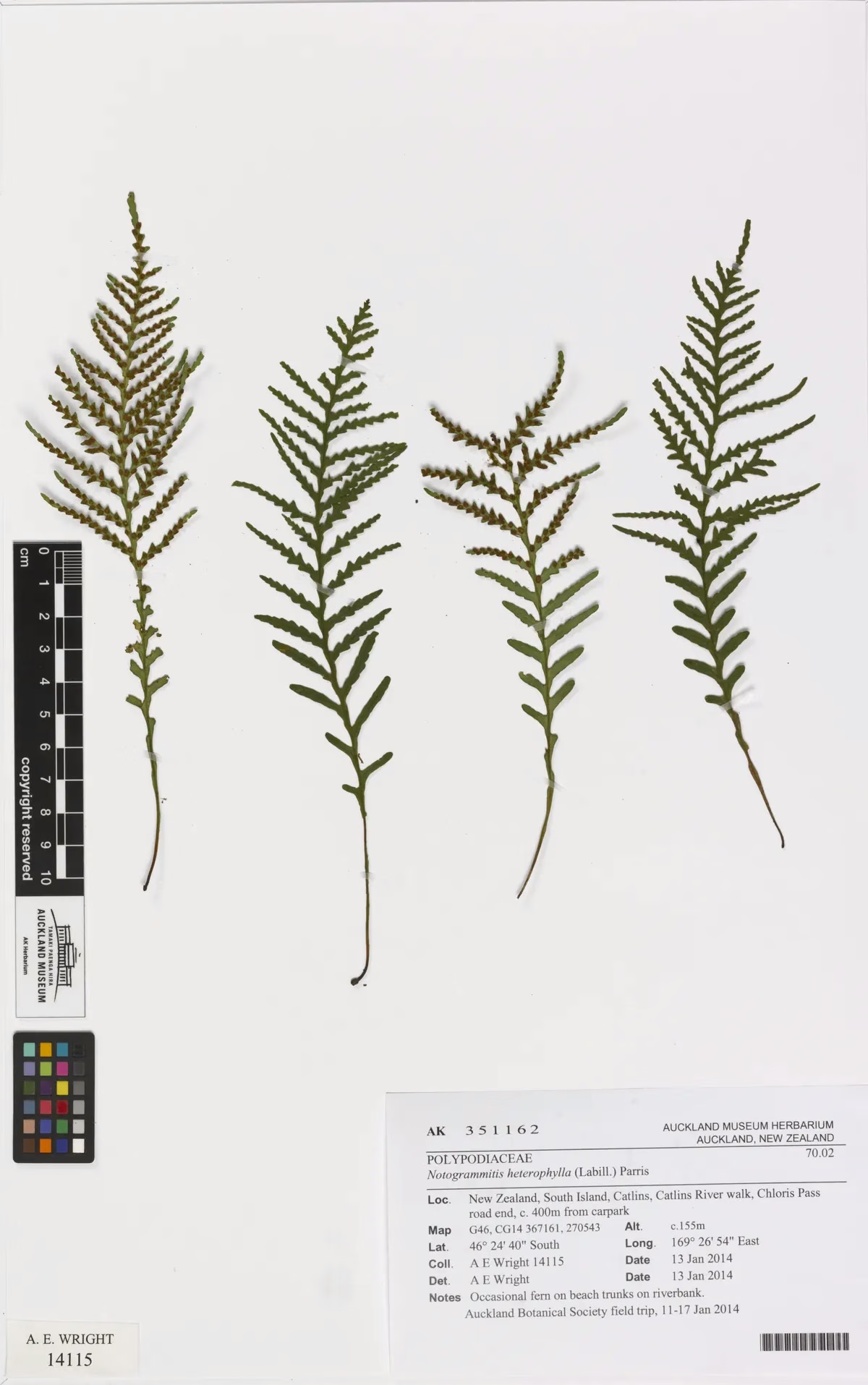
Comb Fern
Notogrammitis heterophylla
Last updated:
ferns profile: Comb Fern (Notogrammitis heterophylla), also called taupeka, is a native fern with tufted comb-like fronds. It was formerly treated in Ctenopteris or related to Grammitis, but current New Zealand taxonomy places it in Notogrammitis. The conservation profile records it as Not Threatened and indigenous in New Zealand, with occurrence also in Australia.
Plant Description
Identification and Physical Characteristics
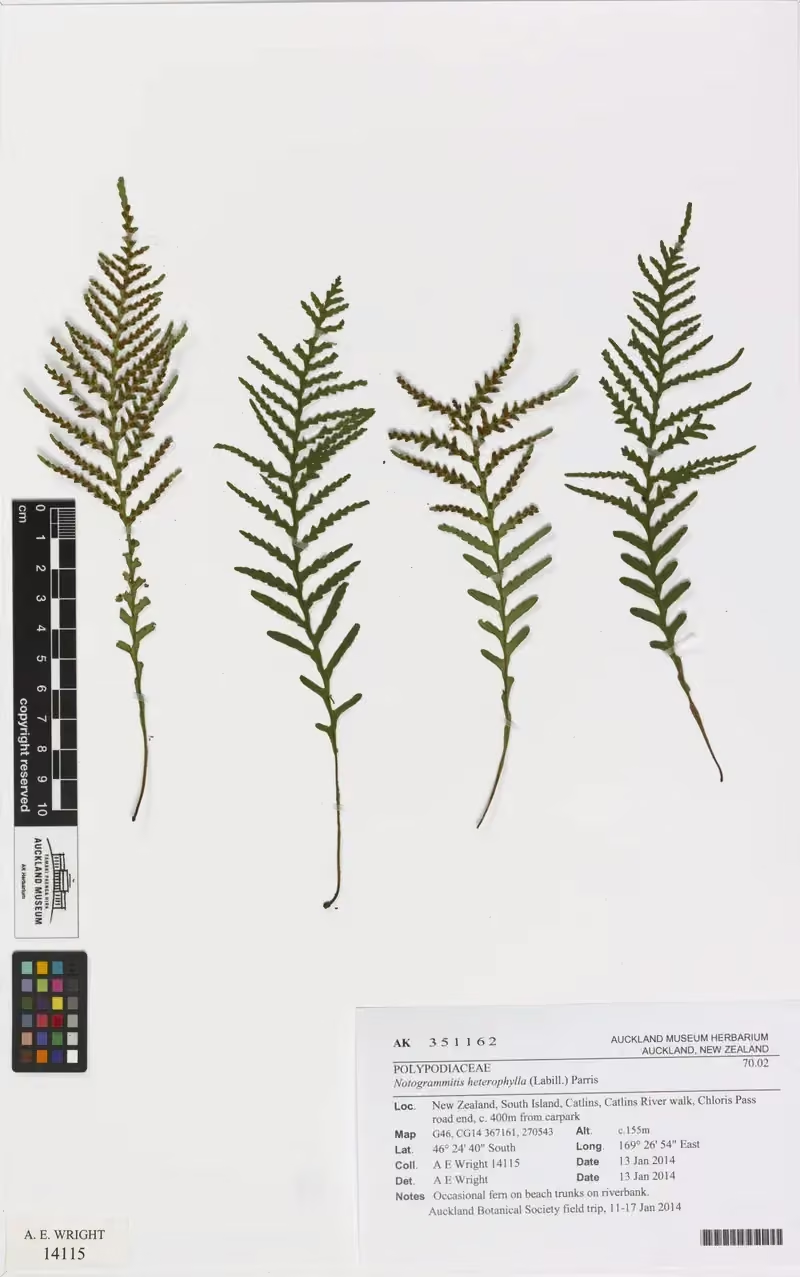
This fern forms tufted patches from short rhizomes. Fronds are produced in two rows and vary greatly in size. The lamina is divided into pairs of pinnae, with the longest pinnae sometimes deeply lobed, giving a comb-like outline. Hairs may be simple, forked, glandular, or non-glandular and range from whitish to pale red-brown. Sori occur on multiple pairs of pinnae. Its divided fronds distinguish it from simple strap ferns such as Notogrammitis billardierei.
Quick Facts
| Scientific Name | Notogrammitis heterophylla |
|---|---|
| Height | Fronds usually 8 - 19 cm, sometimes to 30 cm |
| Spread | Tufted patches on bark or rock |
| Water Needs | Moderate humidity |
| Light | Shade to bright filtered light |
| Frost Tolerance | High in sheltered upland sites |
| Salt Tolerance | Low |
| Growth Rate | Slow in cultivation |
| Lifespan | Perennial epiphytic or rock fern |
Climate Best Suited to
Comb Fern suits cool to humid climates from coastal forest to subalpine shelter, provided the plant is protected from drying wind and direct hot sun.
Regional Suitability
| City | Climate Suitability |
|---|---|
| Auckland | High in humid forest and sheltered rock habitats |
| Wellington | High on damp forest rocks, trunks, and cliffs |
| Christchurch | Medium to high in cool shaded rock gardens |
| Nelson | High in humid forest and sheltered upland rock sites |
Plant Habitat
Natural Occurrence and Ecology
The conservation profile records Comb Fern from Manawatāwhi / Three Kings Islands, the main islands, Stewart Island/Rakiura, Chatham Islands, and Auckland Islands. It is coastal to subalpine, usually epiphytic, but also common on cliff faces, forest boulders, sheltered rocks within talus, and scree. Its wetland rating is obligate upland, so it is normally a non-wetland fern.
Growing Requirements
Soil Requirements
Grow on damp bark, moss, humus, or gritty shaded rock surfaces rather than rich wet soil.
- Mossy trunks
- Rock crevices
- Fine humus pockets
Light Requirements
Filtered light to bright shade suits the plant; hot sun and dry wind quickly stress exposed patches.
- Forest shade
- Sheltered rock light
- No hot direct sun
Water Requirements
Maintain humidity and light moisture around the rhizome, but avoid stale saturated media.
- Moderate humidity
- Good drainage
- Gentle misting
Planting and Establishing
Establishment Guidance
Plant Comb Fern on a damp, shaded, vertical or sloping surface where the rhizome can grip bark, moss, or gritty humus. Use nursery-raised or cultivated material only, because wild epiphytic patches are easily damaged. Hold the plant in place gently and keep it humid until new fronds appear.
Ecological Role
Biodiversity and Ecosystem Impact
Comb Fern links forest epiphyte, cliff, boulder, talus, and scree habitats. Its wind-dispersed spores allow it to reach small sheltered surfaces across a wide elevation range. The divided fronds provide fine texture among mosses, lichens, liverworts, and other small ferns on trunks and rocks.
Uses & Significance
Garden Uses
Use in cool shaded rockeries, mossy trunk plantings, alpine fern collections, and humid native ferneries.
- Shaded rock faces
- Mossy logs
- Cool fernery niches
Ecological Value
It adds small epiphytic and rock-fern diversity to humid forest and upland plantings.
- Epiphyte layer
- Rock habitat cover
- Upland fern diversity
Landscaping Uses
The comb-like fronds are best used as a detail feature on shaded stone, timber, or tree-fern fibre. Set it near Common Strap Fern, Lance Fern, filmy ferns, and small mosses so the different simple and divided frond forms can be compared.
Seasonal Care Calendar
Spring
New fronds develop in mild humid weather.
Summer
Provide extra misting in dry or windy periods.
Autumn
Small divisions attach well as cool moisture returns.
Winter
Protect from burial by leaves, grit, or moss overgrowth.
When to Prune and How Much
Pruning is limited to removing dead fronds and clearing debris. Use fine scissors and avoid tearing the small rhizome from its substrate.
- Clip dead fronds
- Clear debris
- Avoid rhizome damage
Always use clean, sharp tools and avoid disturbing new growth.
How to Grow Comb Fern
From Spores
Spore propagation is the safest way to increase Comb Fern without damaging wild colonies. Collect mature fertile fronds from cultivated material, dry them in a clean packet, and sow spores on sterile damp medium. Keep the container humid in bright shade and be patient, because early stages are tiny. Transfer young sporophytes in small patches onto mossy bark, tree-fern fibre, or gritty humus. Avoid fertiliser salts and strong light. Label source material carefully because this species has a broad range and has been involved in natural hybrid records with related strap ferns.
- Collect mature fertile fronds
- Sow on sterile damp medium
- Keep humid in bright shade
- Transfer small patches to mossy substrate
From Cultivated Tuft Division
Division can be attempted only from a strong cultivated tuft. Keep a small rhizome section with roots, fronds, and adhering moss intact. Move it quickly onto a similar damp shaded surface and mist regularly. If the planting is vertical, secure it lightly until roots grip. Do not overdivide, since recovery is slow and small patches can dry before they reattach. Wild material should be left in place on trunks, cliffs, and boulders.
- Use cultivated tufts only
- Keep moss and roots attached
- Mist after placement
- Secure lightly if vertical
Establishing a Rock or Trunk Patch
Choose a surface that stays cool and lightly moist through summer. Add a thin layer of moss or fine humus, press the plant into contact, and shade it from hot afternoon sun. Water with a fine spray rather than flooding the base. If fronds shrivel repeatedly, the site is too exposed. If algae or rot develops, airflow is too low or the medium is too wet. Long-term success depends on a stable microhabitat, not on rich feeding.
- Choose cool shaded substrate
- Press rhizomes into contact
- Mist without flooding
- Adjust humidity and airflow
Pests & Diseases
Drying, slugs, burial by debris, and loss of attachment are the main problems. Avoid moving the plant repeatedly once it has begun to root into a surface.
Cultural Significance
Taupeka is recorded as a common name for this species. The comb-like fronds also preserve a visible link to its older name history, when it was treated apart from simple strap ferns before molecular and morphological work brought it into Notogrammitis.
- Taupeka name
- Comb-like fronds
- Updated strap fern taxonomy
Bonus Tip
A sheltered rock face with morning light will show the frond teeth and pinnae better than a flat pot surface.
This Comb Fern note is specific to Notogrammitis heterophylla, connecting identification, habitat context, and practical care so the section remains useful for readers comparing New Zealand plant profiles.
Related Plants
Compare Comb Fern with other small epiphytic or strap-like New Zealand ferns.
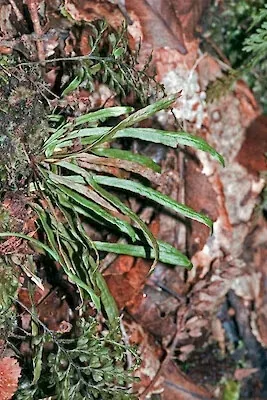
Common Strap Fern
Notogrammitis billardierei
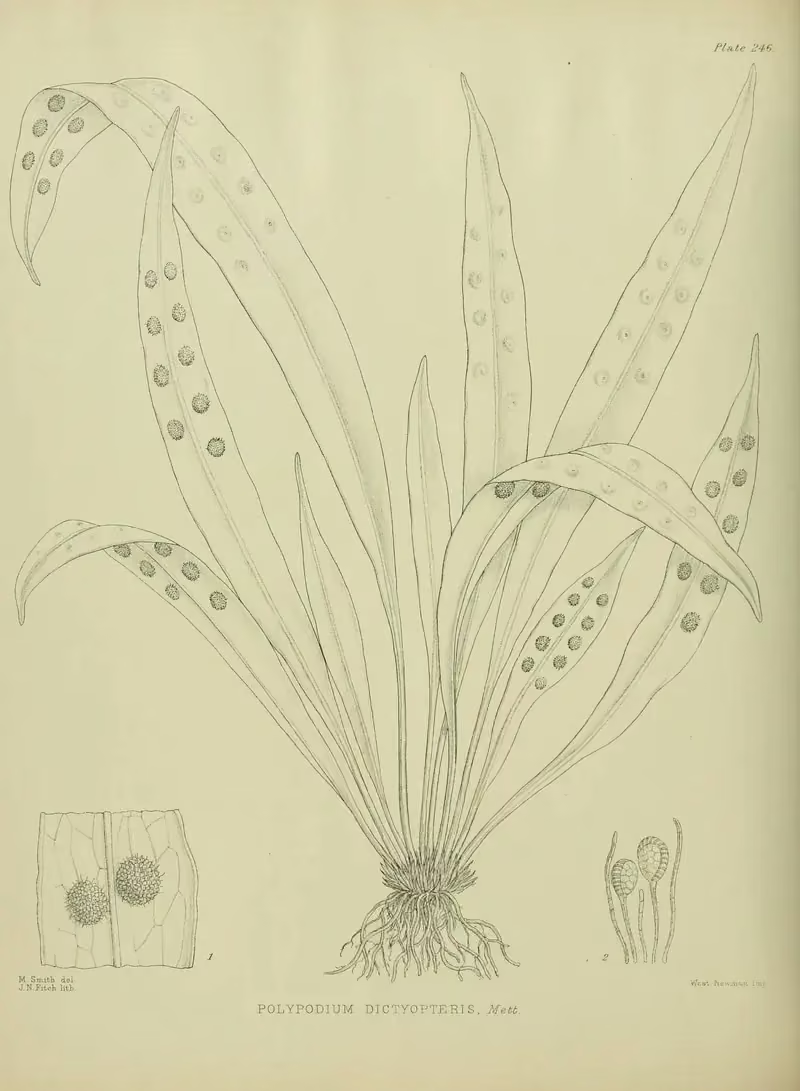
Lance Fern
Loxogramme dictyopteris
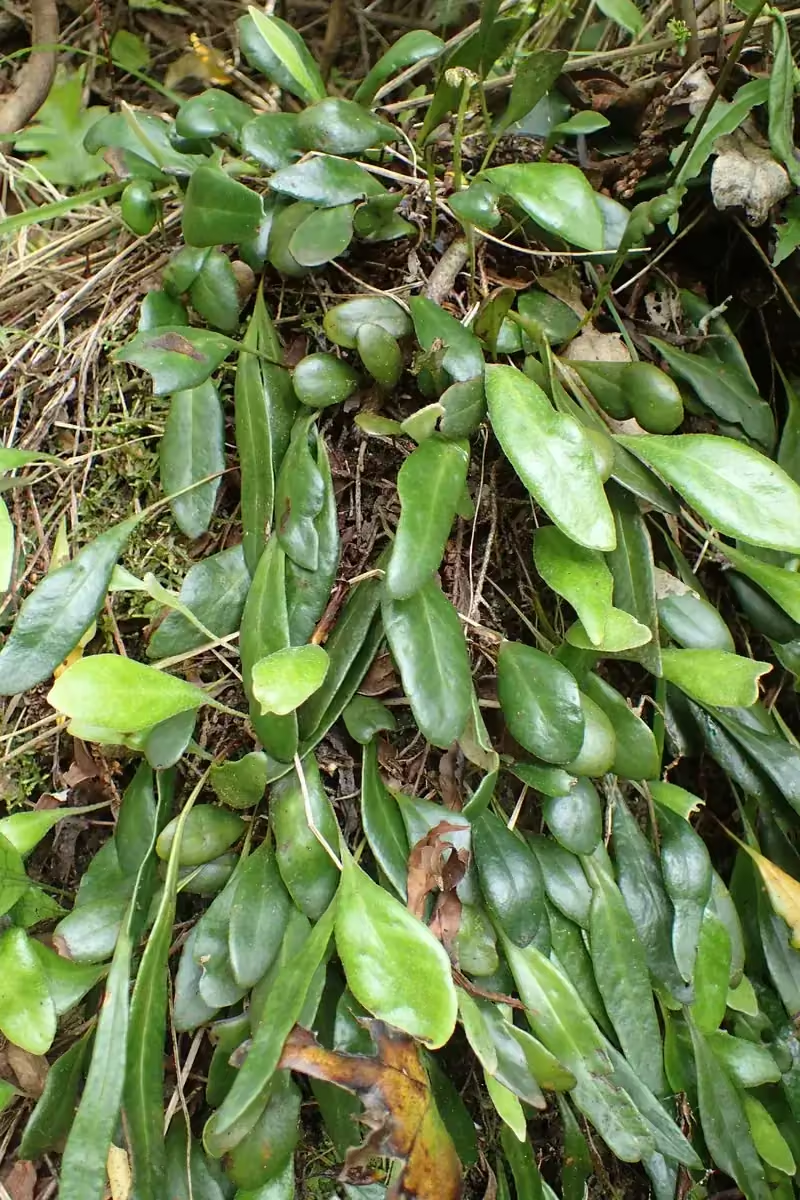
Leather-Leaf Fern
Pyrrosia eleagnifolia
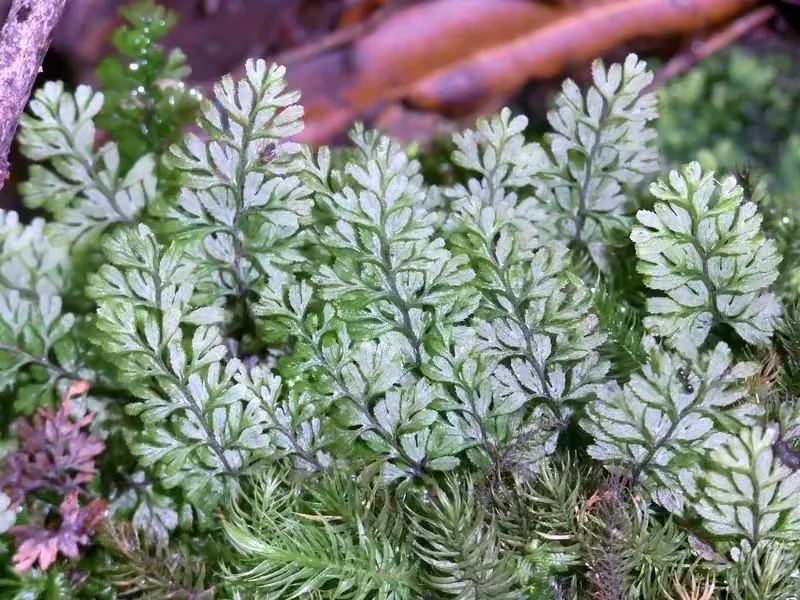
Cypress Filmy Fern
Hymenophyllum cupressiforme

Kiokio
Blechnum novae-zelandiae
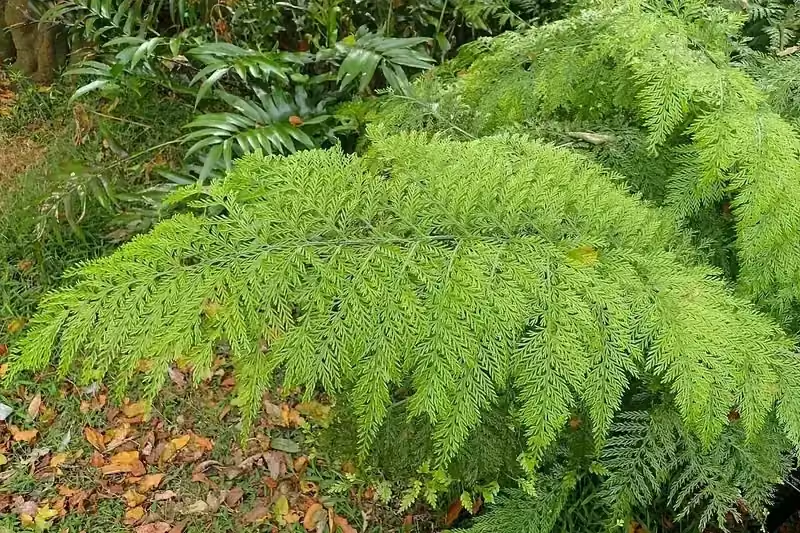
Hen and Chicken Fern
Asplenium bulbiferum
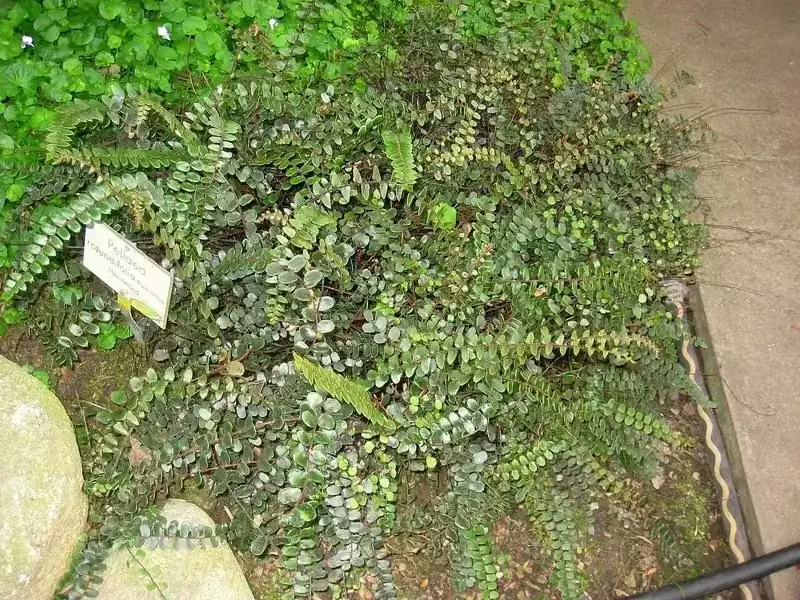
Button Fern
Pellaea rotundifolia

Rārahu
Pteridium esculentum
Plant Conservation
Conservation Status and Threats
Notogrammitis heterophylla is assessed as Not Threatened. Local populations still need mossy trunks, cliffs, boulders, and sheltered rock habitats to remain shaded and undisturbed, particularly along tracks and in dry forest edges.
Frequently Asked Questions
Is Comb Fern endemic to New Zealand?
The New Zealand conservation profile treats it as endemic, while broader sources also record occurrence in Australia.
Was it formerly Ctenopteris heterophylla?
Yes. That older name is listed as a synonym.
Should it be collected from rocks or trunks?
No. Use propagated material only; wild patches are easily damaged.
Sources and Further Reading
The botanical, growing, and conservation details for Comb Fern draw on authoritative New Zealand plant references and taxonomic databases.