Lace Fern
Leptolepia novae-zelandiae
Last updated:
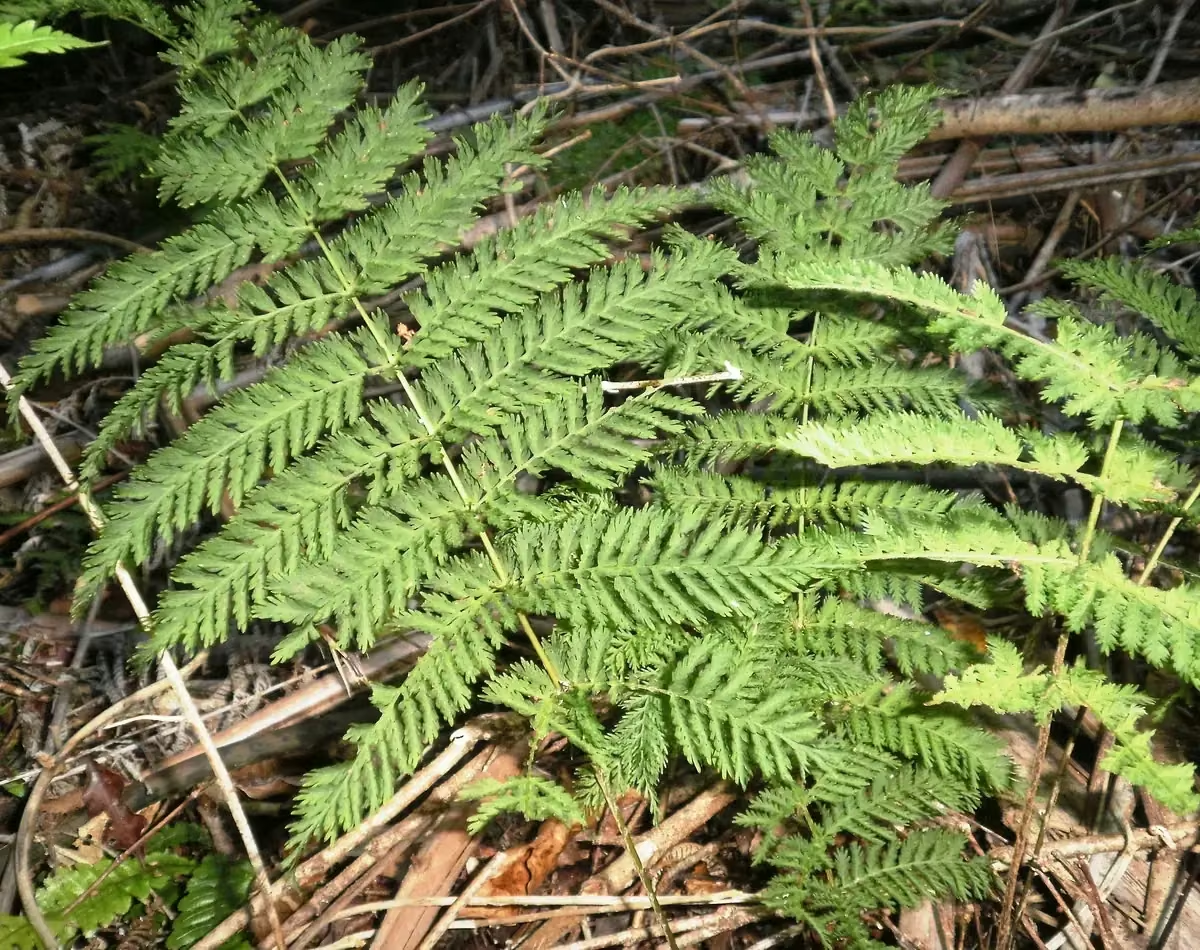
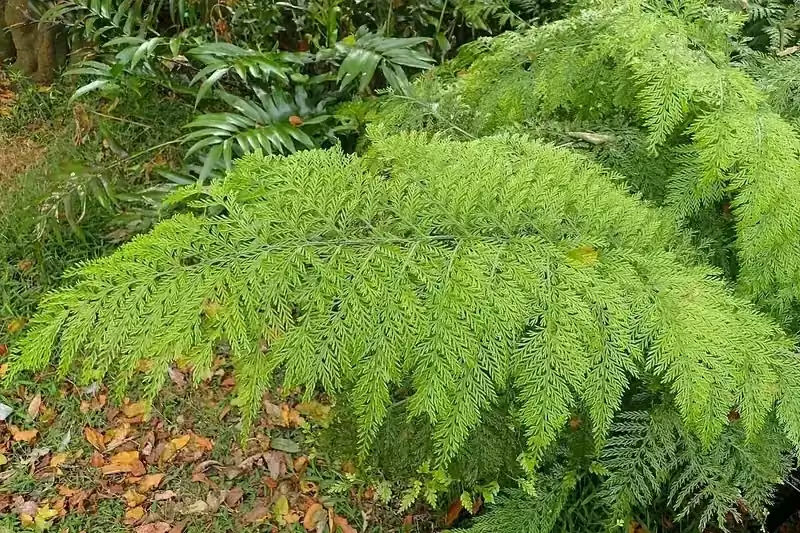
ferns profile: Lace Fern (Leptolepia novae-zelandiae) is an endemic New Zealand fern with broad, finely cut fronds and polished reddish to chestnut-brown stalks. Flora of New Zealand records it from lowland and montane forest across the main islands, Stewart Island, and the Chathams, while the conservation profile lists it as Not Threatened. The genus Leptolepia is endemic to New Zealand.
Plant Description
Identification and Physical Characteristics
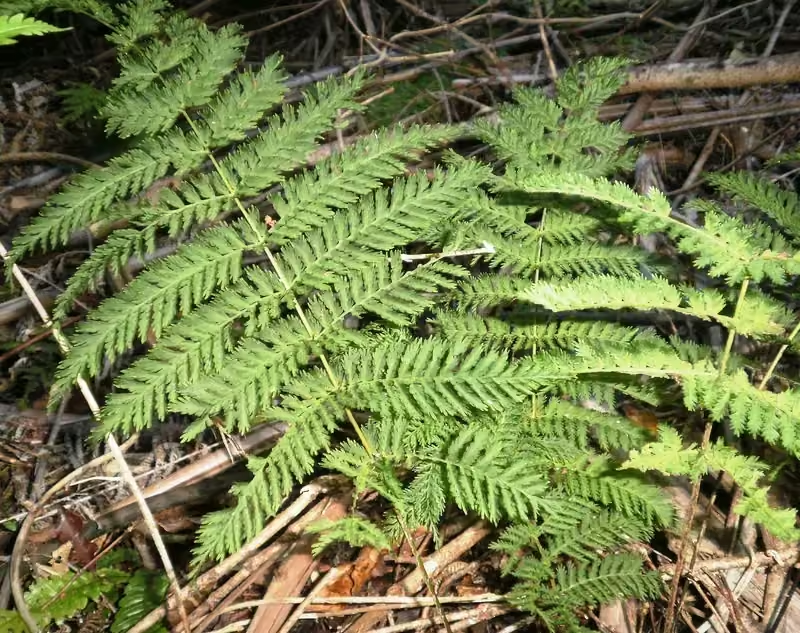
This fern grows from long-creeping rhizomes with chestnut-brown hairs. Fronds can reach more than a metre long, with red-brown to chestnut-brown stipes and rachises that become yellow-brown distally. The lamina is broad, dark green to yellow-green, and divided three to four times into a lace-like pattern. Round to oval submarginal sori are protected by ovate or triangular indusia that open toward the lamina margin, a useful diagnostic feature.
Quick Facts
| Scientific Name | Leptolepia novae-zelandiae |
|---|---|
| Height | Fronds about 13.5 cm - 1.15 metres long |
| Spread | Loose colonies from creeping rhizomes |
| Water Needs | Moderate to high |
| Light | Deep shade to filtered shade |
| Frost Tolerance | Moderate |
| Salt Tolerance | Low |
| Growth Rate | Slow to establish, then locally spreading |
| Lifespan | Perennial forest fern |
Climate Best Suited to
Lace Fern suits cool, shaded, moist New Zealand gardens, especially where gully, streamside, or damp forest conditions can be recreated.
Regional Suitability
| City | Climate Suitability |
|---|---|
| Auckland | Medium; regionally uncommon, best in cool shaded gullies |
| Wellington | High in damp forest shade and streamside banks |
| Christchurch | Medium in sheltered irrigated shade |
| Nelson | High in western damp forest; medium in drier eastern shelter |
Plant Habitat
Natural Occurrence and Ecology
Lace Fern grows in shaded podocarp, broadleaved, and beech forest. Flora of New Zealand notes damp soils in gullies, stream banks, river terraces, banks, tracksides, and occasional rotting logs. The conservation profile describes it as coastal to montane and confined to deeply shaded forested sites, often around rock piles, seepages, springs, and overhung waterways.
Growing Requirements
Soil Requirements
Use damp, humus-rich forest soil with reliable moisture and enough drainage to prevent sour conditions.
- Leaf mould
- Streamside loam
- Damp shaded banks
Light Requirements
Deep filtered shade is ideal; exposed sun scorches the broad divided fronds.
- Deep shade
- Gully shade
- No afternoon sun
Water Requirements
Keep soil consistently moist, particularly while the fern establishes from rhizomes or young plants.
- Reliable moisture
- No drought
- Avoid stagnant water
Planting and Establishing
Establishment Guidance
Plant Lace Fern into a weed-free shaded site with damp soil and overhead shelter. Place the crown at nursery depth, water deeply, and mulch with leaf litter. It can be slow to settle, so do not move it repeatedly. Once established it can form a strong local patch, so give it room in a fernery or forest garden.
Ecological Role
Biodiversity and Ecosystem Impact
Lace Fern contributes broad, delicate fern cover to cool forest floors, stream margins, and seepage areas. Its creeping rhizomes help it occupy shaded damp soil and rotting wood, while wind-dispersed spores allow new plants to appear where moisture and shade stay stable. Dense colonies can shelter soil and small invertebrates around gullies and banks.
Uses & Significance
Garden Uses
Use in shaded native ferneries, damp gullies, streamside gardens, and cool forest-floor plantings.
- Damp fernery
- Streamside shade
- Forest-floor massing
Ecological Value
It adds endemic fern diversity and fine-textured cover to shaded restoration plantings.
- Soil shelter
- Fern-layer structure
- Endemic genus representation
Landscaping Uses
Lace Fern is a useful middle-layer fern where a garden needs softness beneath shrubs or trees. Its red-brown stalks contrast well with glossy broadleaf plants, mossy rocks, and darker tree trunks. Avoid placing it beside narrow paving in rich damp soil if spread would be inconvenient.
Seasonal Care Calendar
Spring
New fronds unfurl as soil warms but remains damp.
Summer
Maintain irrigation in shaded gardens during dry spells.
Autumn
Plant divisions or nursery stock as rain returns.
Winter
Remove smothering leaves while keeping the root zone mulched.
When to Prune and How Much
Cut old fronds close to the base once they brown or collapse. Keep heavy leaf litter from burying crowns, but leave a thin natural mulch to protect the damp forest soil.
- Cut old fronds
- Clear heavy litter
- Retain light mulch
Always use clean, sharp tools and avoid disturbing new growth.
How to Grow Lace Fern
From Spores
Lace Fern can be raised from spores, although patience is required. Collect fertile frond portions from cultivated or permitted material when sori are mature. Dry them in a clean paper packet, sow spores over sterile moist fern medium, and keep the tray covered in bright shade. Avoid rich fertiliser and direct sun. When young sporophytes are large enough to handle, pot them into a humus-rich but open mix and grow them in cool shade. This method is valuable for conservation collections because it produces multiple genetically distinct plants rather than repeated clones.
- Collect mature fertile fronds
- Sow spores on sterile medium
- Keep humid in shade
- Pot young ferns carefully
From Rhizome Division
Division is practical once a cultivated colony is established. Lift a small rhizome section with roots and at least one growing point, keeping attached soil around the roots where possible. Pot into damp leaf-mould-rich mix and hold in deep shade until new fronds appear. Plant into the final site in autumn or spring, watering regularly through the first season. Because established plants can spread locally, divisions should be placed where a future colony is welcome rather than squeezed among small rare ferns.
- Lift rooted rhizome pieces
- Keep soil around roots
- Pot in damp forest mix
- Plant when new growth starts
Establishing in Forest Gardens
Success depends on cool shade and steady soil moisture. Prepare a site under native shrubs or trees by removing weeds and loosening compacted soil. Add leaf mould if the ground is dry or hungry, then mulch lightly after planting. Water deeply in dry spells and shield from hot wind. Do not judge failure too early, since plants can be slow above ground while rhizomes settle. Once the fern is established, reduce disturbance and manage the patch by cutting old fronds rather than digging around the roots.
- Prepare cool shaded soil
- Plant at nursery depth
- Water through dry spells
- Avoid repeated disturbance
Pests & Diseases
Slugs may graze fresh fronds and crowns in damp shade. Drought, root disturbance, and weed competition are bigger risks during establishment. In very rich moist gardens, established colonies may spread more strongly than expected.
Cultural Significance
The name Lace Fern describes the finely divided frond pattern. As the sole New Zealand-endemic genus Leptolepia, it gives native ferneries and forest restorations a distinctive local identity.
- Endemic species
- Endemic genus
- Lace-like frond form
Bonus Tip
Plant it where you can see the reddish stalks from the side; they are as distinctive as the lace-like fronds.
This Lace Fern note is specific to Leptolepia novae-zelandiae, connecting identification, habitat context, and practical care so the section remains useful for readers comparing New Zealand plant profiles.
Related Plants
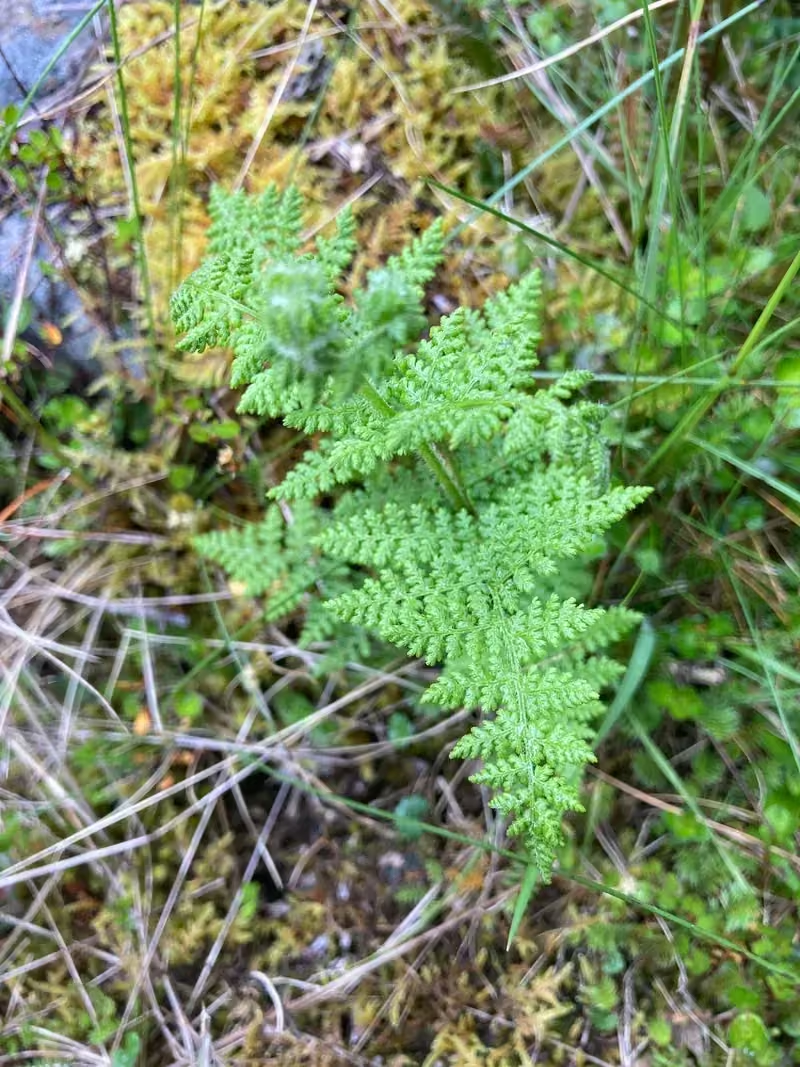
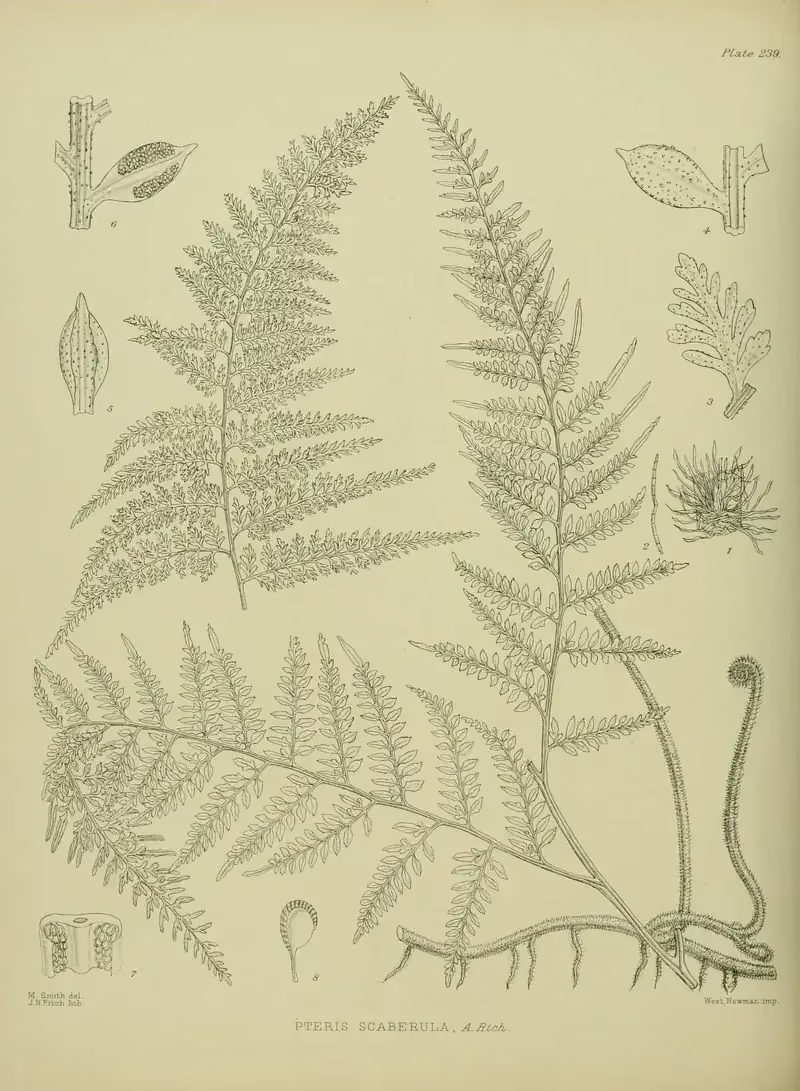
Compare Lace Fern with other finely divided New Zealand forest ferns.



Plant Conservation
Conservation Status and Threats
Lace Fern is assessed as Not Threatened nationally, although it can be regionally scarce. Damp shaded forest remnants, seepages, stream banks, and gully tracks should be managed carefully because drying, trampling, weeds, and drainage changes can remove suitable habitat.
Frequently Asked Questions
Is Leptolepia novae-zelandiae endemic?
Yes. It is endemic to New Zealand, and the genus Leptolepia is also endemic.
Where does Lace Fern grow best?
It grows best in cool, damp, deeply shaded forest or fernery conditions.
Can it spread in gardens?
Yes. It may be slow to establish, but established plants can spread locally by rhizomes.
Sources and Further Reading
The botanical, growing, and conservation details for Lace Fern draw on authoritative New Zealand plant references and taxonomic databases.