NZ Spinach
Tetragonia tetragonioides
Last updated:
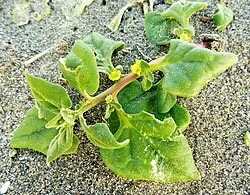
New Zealand Spinach (Tetragonia tetragonioides), known to Māori as kokihi and also called warrigal greens, is a succulent, mostly annual herb native to New Zealand's coastlines. This prostrate or climbing plant forms extensive mats that spread 1 to 2 metres wide and reach up to 60 cm high when scrambling over rocks or other plants. Its triangular to diamond-shaped leaves are thick and fleshy, dotted with tiny crystalline papillae that make them glisten when wet. Small yellow-green flowers appear in the leaf axils from December to March. It grows on sandy beaches, rocky shores, salt marshes, and coastal cliffs, and its edible leaves were famously used by Captain Cook's crew against scurvy. Explore more native ground covers in our native plant guide.
Plant Description
Tetragonia tetragonioides , commonly known as New Zealand Spinach, Kōkihi, or warrigal greens, is a succulent annual herb native to New Zealand's coastlines. This prostrate or climbing plant forms extensive mats that can spread 1-2 metres wide and reach up to 60cm in height when climbing over rocks or other vegetation. The distinctive triangular to diamond-shaped leaves are thick, fleshy, and covered with tiny crystalline papillae that give them a glistening appearance, especially when wet. The leaves vary from bright green to yellowish-green and can be 2-8cm long. Small, inconspicuous yellow-green flowers appear in the leaf axils from December to March, followed by woody, horned seed pods that are 6-10mm long and contain 1-8 seeds. The plant has a taproot and trailing stems that can extend several metres, making it an excellent ground cover for coastal environments. It's naturally found around New Zealand's entire coastline, from the Kermadec Islands to Stewart Island, as well as on offshore islands.
Quick Facts
| Scientific Name | Tetragonia tetragonioides |
|---|---|
| Height | 10-60cm |
| Spread | 1-2 metres |
| Water Needs | Low to moderate; drought tolerant |
| Light | Full sun to partial shade |
| Frost Tolerance | Low; frost tender |
| Salt Tolerance | Very high |
| Growth Rate | Fast |
| Lifespan | Annual (self-seeding) |
Climate Best Suited to
Tetragonia tetragonioides thrives in mild coastal climates with moderate rainfall and warm summers. It prefers areas with minimal frost and high humidity.
Regional Suitability
| City | Climate Suitability |
|---|---|
| Auckland | High |
| Tauranga | High |
| Wellington | Medium |
| Christchurch | Medium |
| Dunedin | Low |
Plant Habitat
Tetragonia tetragonioides naturally occurs on sandy beaches, rocky shores, salt marshes, and coastal cliffs throughout New Zealand's extensive coastline. It thrives in the harsh coastal environment where salt spray, sand movement, and nutrient-poor soils create challenging conditions for most plants. The species is commonly found growing among driftwood, in crevices of coastal rocks, and on stable sand dunes just above the high-tide mark. It can tolerate periodic submersion in saltwater and actually benefits from the mineral content of sea spray. The plant often forms the first line of vegetation on newly formed coastal areas, helping to stabilize sand and create conditions for other coastal plants to establish. Its natural distribution extends from sea level to about 200 metres elevation in coastal environments, and it's found throughout New Zealand as well as naturally occurring in Australia, Chile, Argentina, and parts of Asia.
Growing Requirements
Soil Requirements
Thrives in sandy, well-draining soils. Tolerates poor, salty conditions.
- Sandy
- Well-drained
- Salt tolerant
- Low fertility acceptable
Light Requirements
Grows best in full sun but tolerates partial shade.
- Full sun preferred
- Partial shade tolerated
Water Requirements
Drought tolerant once established. Benefits from occasional deep watering.
- Low water needs
- Drought tolerant
- Avoid waterlogging
Planting and Establishing
Plant Tetragonia tetragonioides seeds directly in spring after the last frost, or start seedlings indoors 4-6 weeks before the last frost date. Choose a sunny, well-drained location with sandy or loamy soil. The hard seed coat requires scarification - either rub with sandpaper or soak in warm water for 24 hours before planting. Sow seeds 1-2cm deep and 30-40cm apart, as the plants will spread considerably. Water gently after planting and maintain consistent moisture until germination, which typically occurs within 1-3 weeks. Once established, the plants are quite drought tolerant and will readily self-seed in suitable conditions. For continuous harvest, make successive sowings every 3-4 weeks through spring and early summer. In coastal gardens, this plant requires minimal care and will often naturalize in appropriate locations.
Ecological Role
Tetragonia tetragonioides serves as an important pioneer species in coastal ecosystems, being among the first plants to colonize newly formed beaches, sand dunes, and disturbed coastal areas. Its extensive mat-forming growth helps stabilize sand and soil, reducing erosion and creating microclimates for other coastal plants to establish. The succulent leaves and stems provide food for various coastal insects, while the flowers attract native bees and other pollinators during summer months. Seeds are dispersed by water, wind, and seabirds, allowing the species to colonize new coastal areas effectively. The plant's ability to tolerate salt spray and occasional saltwater inundation makes it valuable for coastal protection and dune rehabilitation projects. Its presence often indicates healthy coastal ecosystems and provides habitat structure for small coastal invertebrates and nesting sites for ground-dwelling birds.
Uses & Significance
Garden Uses
Excellent edible ground cover for coastal gardens and difficult sites.
- Edible landscaping
- Coastal gardens
- Ground cover
- Erosion control
- Salt-tolerant gardens
Ecological Value
Provides food for native insects and habitat for coastal fauna.
- Native bees
- Coastal insects
- Soil stabilization
- Pioneer species
Landscaping Uses
In landscaping, New Zealand Spinach excels as a functional ground cover that combines ornamental value with edible benefits. Its spreading habit makes it ideal for covering large areas quickly, particularly in coastal gardens where salt tolerance is essential. The plant works wonderfully in permaculture designs and edible landscapes, providing fresh greens while requiring minimal maintenance. Its ability to thrive in poor soils makes it valuable for problem areas where other plants struggle, such as sandy slopes, rocky areas, or sites with high salt exposure. The distinctive triangular leaves and low, spreading growth create an attractive textural element in native plant gardens. It pairs well with other coastal natives and can serve as living mulch around taller plants while providing an edible harvest throughout the growing season.
Seasonal Care Calendar
Spring
Sow seeds after last frost. Begin regular harvesting of young leaves.
- Seed sowing
- Begin harvesting
- Transplant seedlings
Summer
Peak growing and harvesting season. Water during extended dry periods.
- Regular harvesting
- Occasional watering
- Monitor for pests
Autumn
Continue harvesting until first frost. Collect seeds for next season.
- Continued harvesting
- Seed collection
- Prepare for winter
Winter
Plants die back in frost-prone areas. Plan next year's sowings.
- Planning next season
- Seed storage
When to Prune and How Much
Regular harvesting of young leaves and growing tips encourages continued production.
- Harvest young leaves regularly
- Pinch growing tips
- Remove flowers to extend leaf production
New Zealand Spinach benefits from regular harvesting, which is essentially a form of pruning that encourages bushier growth and continued leaf production. Pick the youngest, most tender leaves and growing tips regularly, as this stimulates the plant to produce more foliage. Remove flower buds as they appear to keep the plant in its vegetative state longer, extending the harvest period. The plant responds well to frequent light picking rather than heavy cutting, which can stress the plant. In coastal areas where it's grown as a perennial, occasional trimming of older, tougher stems can help rejuvenate growth and maintain the plant's attractive form.
How to Grow NZ Spinach
Cultivating New Zealand Spinach ( Tetragonia tetragonioides ) is a rewarding endeavor for any gardener interested in New Zealand's unique flora. This species can be propagated through several methods, each requiring specific conditions to ensure healthy growth and establishment. Successful propagation depends on mimicking the plant's natural environment and providing consistent care during the early stages of development.
From Seed
Propagation from seed is the primary method for growing New Zealand Spinach, as it's an annual plant that readily produces viable seeds. Seeds should be collected from mature pods when they turn brown and begin to split. The hard seed coat requires treatment to improve germination rates, which can be quite low without proper preparation.
Scarification is essential for reliable germination of the hard-coated seeds.
- Collect mature seeds from dried brown pods
- Scarify seed coat with sandpaper or file
- Soak treated seeds in warm water for 24 hours
- Sow in well-draining seed-raising mix
- Keep warm (18-24°C) and consistently moist
- Germination occurs in 1-3 weeks
With proper scarification, germination rates can improve from 20% to over 80%.
From Cuttings
While less common due to the annual nature of the plant, vegetative propagation through cuttings can be useful for maintaining particularly vigorous or well-adapted specimens during the growing season. This method is most successful with young, soft growth during the active growing period.
Take soft tip cuttings from healthy plants during active growth.
- Select 10-15cm soft growing tips
- Remove lower leaves and trim to reduce water loss
- Insert in moist sand or seed-raising mix
- Maintain high humidity and filtered light
- Roots develop in 2-3 weeks
Additional Methods
New Zealand Spinach readily self-seeds in suitable coastal conditions, making natural regeneration an important propagation method. The plant often establishes volunteer populations where conditions are favorable, requiring minimal intervention from gardeners.
Encourage natural self-seeding by allowing some plants to complete their lifecycle.
- Allow selected plants to flower and set seed
- Collect seeds when pods are brown and dry
- Scatter seeds in prepared seedbeds in spring
- Maintain minimal soil disturbance in seeding areas
Pests & Diseases
New Zealand Spinach is generally robust and pest-resistant, but may occasionally be affected by aphids, particularly in humid conditions or when grown in rich soils. Slugs and snails can damage young seedlings, especially in gardens with high organic matter. Leaf miners may create trails in leaves but rarely cause significant damage. The plant can be susceptible to root rot if grown in poorly drained soils, though this is uncommon given its preference for sandy, well-draining sites. Powdery mildew can occur in humid conditions with poor air circulation. The best defense is maintaining optimal growing conditions with excellent drainage, good air circulation, and avoiding over-fertilization. In its natural coastal habitat, the plant is rarely troubled by pests or diseases due to the harsh, salt-laden environment that few harmful organisms can tolerate.
Cultural Significance
Tetragonia tetragonioides , known to Māori as Kōkihi, holds significant cultural and historical importance as one of New Zealand's few indigenous edible plants. Captain James Cook and his crew discovered its culinary value during his voyages to New Zealand, using the leaves to prevent scurvy among his sailors, earning it the name "Captain Cook's spinach" in some circles. The plant became historically important when Cook's botanist, Sir Joseph Banks, introduced it to Europe in 1770, where it became popular as a summer spinach substitute before being largely forgotten. Traditional Māori harvested the leaves as a nutritious green vegetable, particularly valuable during seasonal food shortages. The succulent leaves were eaten fresh or cooked, and the plant's salt content made it useful for preserving other foods. Today, it's experiencing a renaissance among foragers and permaculture enthusiasts who value its hardiness, nutritional benefits, and unique flavor. The plant represents New Zealand's potential for indigenous food systems and sustainable coastal agriculture.
- Traditional food source
- European introduction
- Anti-scurvy properties
- Modern foraging
Bonus Tip
Harvest young leaves regularly by pinching off the tender growing tips, which encourages bushier growth and prolongs the harvesting period. The leaves are most tender and flavorful when picked in the morning after the dew has evaporated. New Zealand Spinach has a slightly salty, mineral taste that intensifies when the plant is stressed by drought or salt exposure, making coastal specimens particularly flavorful. Unlike true spinach, it doesn't bolt in hot weather, making it an excellent summer leafy green. The leaves can be eaten raw in salads when young, or cooked like spinach when more mature.
Related Plants
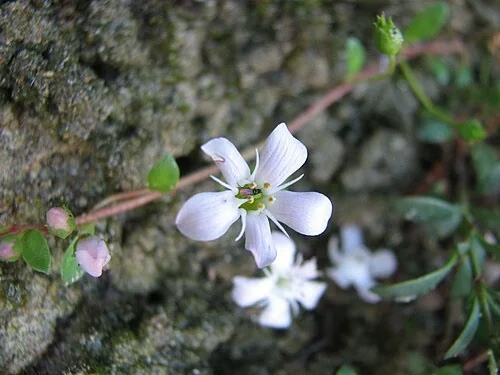
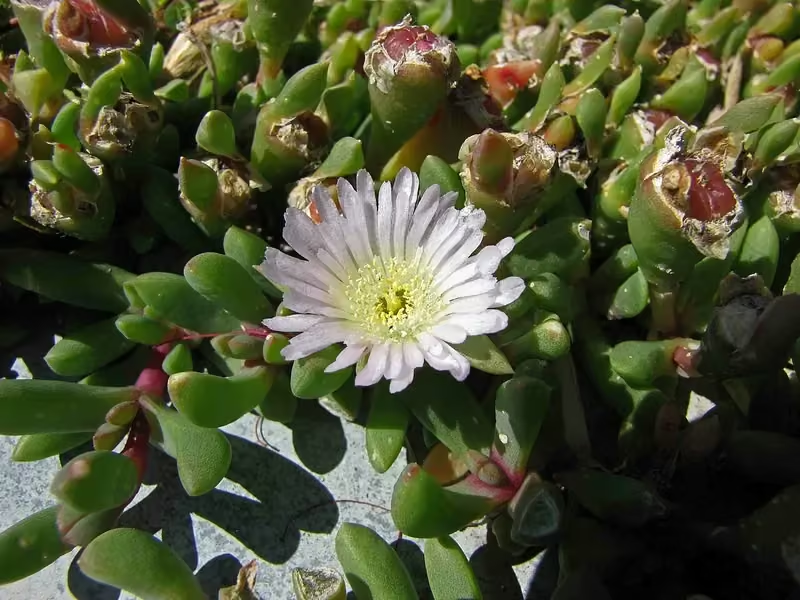
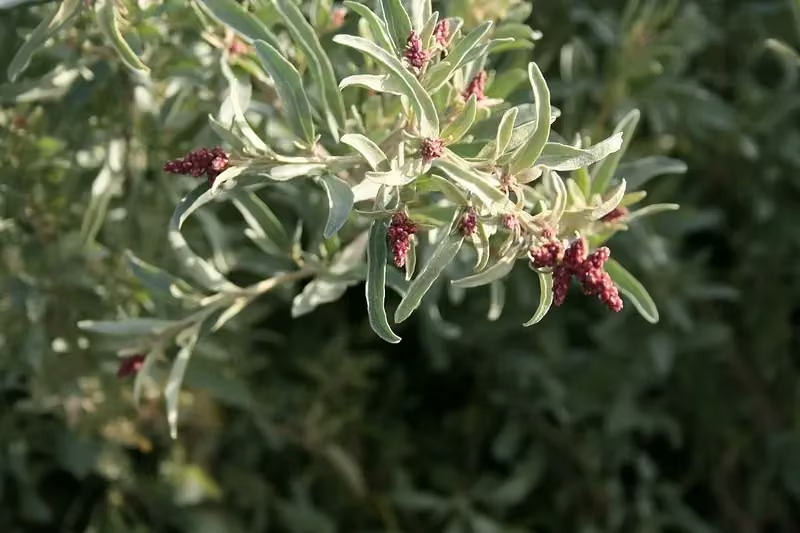
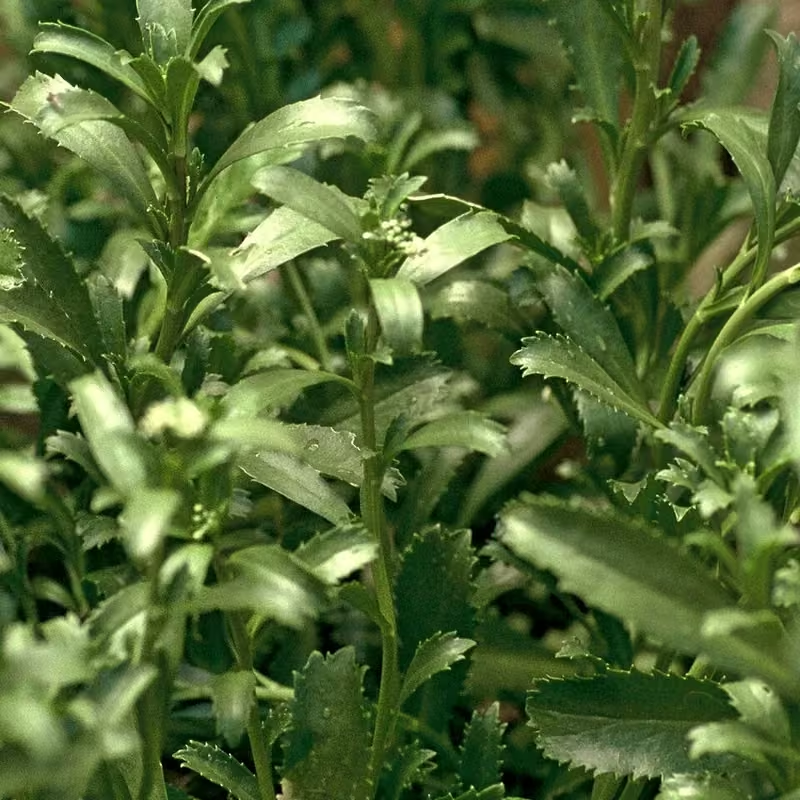
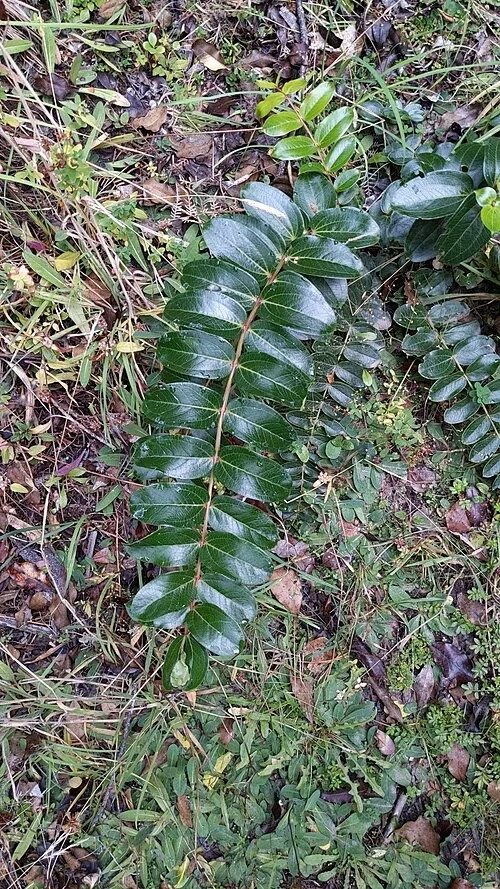
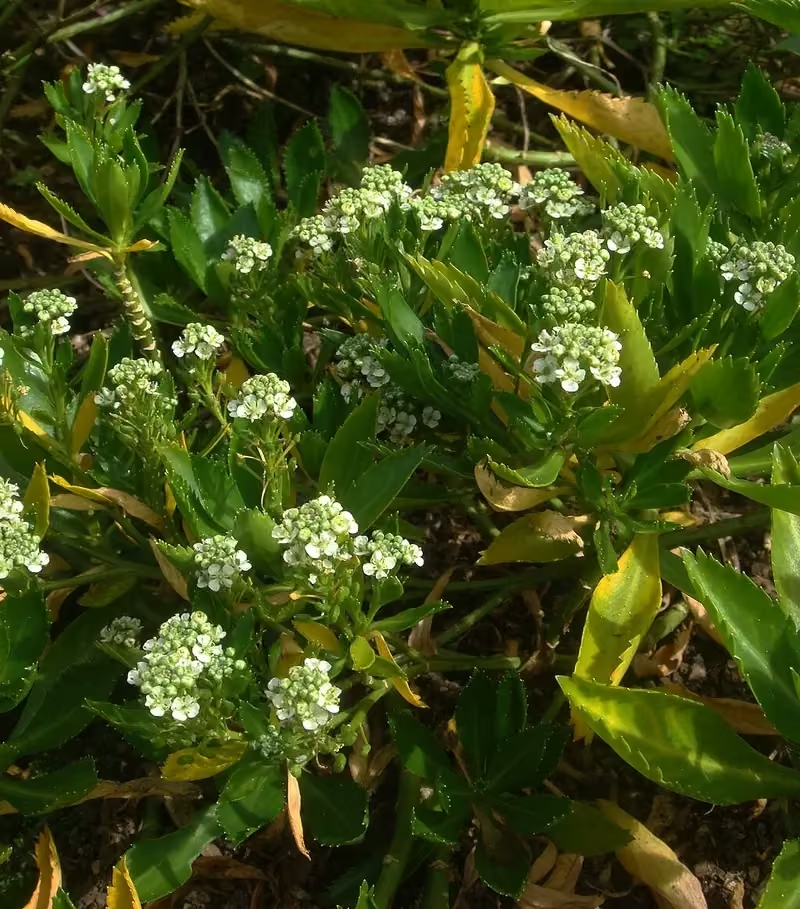
Explore other native plants that share similar characteristics or habitats with New Zealand Spinach ( Tetragonia tetragonioides ), offering further insights into New Zealand's diverse flora. These related species provide context and opportunities for complementary planting in your garden.
Plant Conservation
Tetragonia tetragonioides is currently classified as "Not Threatened" in New Zealand according to the New Zealand Threat Classification System, reflecting its widespread distribution and stable populations throughout the country's coastline. However, like many coastal species, it faces ongoing pressures from coastal development, beach recreation, vehicle traffic on beaches, and the introduction of invasive weeds that can outcompete native vegetation. Climate change poses additional challenges through sea-level rise, increased storm frequency, and changing precipitation patterns that may affect suitable habitat. Urban development of coastal areas continues to reduce available habitat, particularly in areas close to major cities. Conservation efforts focus on protecting coastal reserves, controlling invasive species, and educating the public about the value of native coastal vegetation. The species' ability to colonize disturbed areas makes it valuable for coastal restoration projects, and its edible qualities provide an additional incentive for cultivation in appropriate garden settings, helping to maintain genetic diversity outside of wild populations.
Frequently Asked Questions
How tall does NZ Spinach grow?
It reaches 10 to 60 cm high and spreads 1 to 2 metres wide as a mat-forming herb.
Is New Zealand Spinach edible?
Yes, its young leaves are edible and were used by Captain Cook's crew to help prevent scurvy.
Where does NZ Spinach grow naturally?
It grows on sandy beaches, rocky shores, salt marshes, and coastal cliffs around New Zealand's coastline.
Does NZ Spinach tolerate frost?
No, it has low frost tolerance and is frost tender, though it grows fast and self-seeds.
Sources and Further Reading
The botanical, growing, and conservation details for NZ Spinach (Tetragonia tetragonioides) on this page draw on authoritative New Zealand plant references and citizen-science observation records. Consult the sources below for full technical records and the latest distribution data.