Cress
Cardamine chlorina
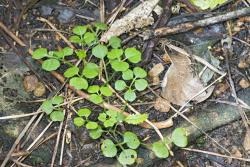
Cardamine chlorina is a perennial cress found only in New Zealand. It grows in wet ground from northern parts of the North Island to Stewart Island; its botanical name refers to its usually green seeds.
Identification
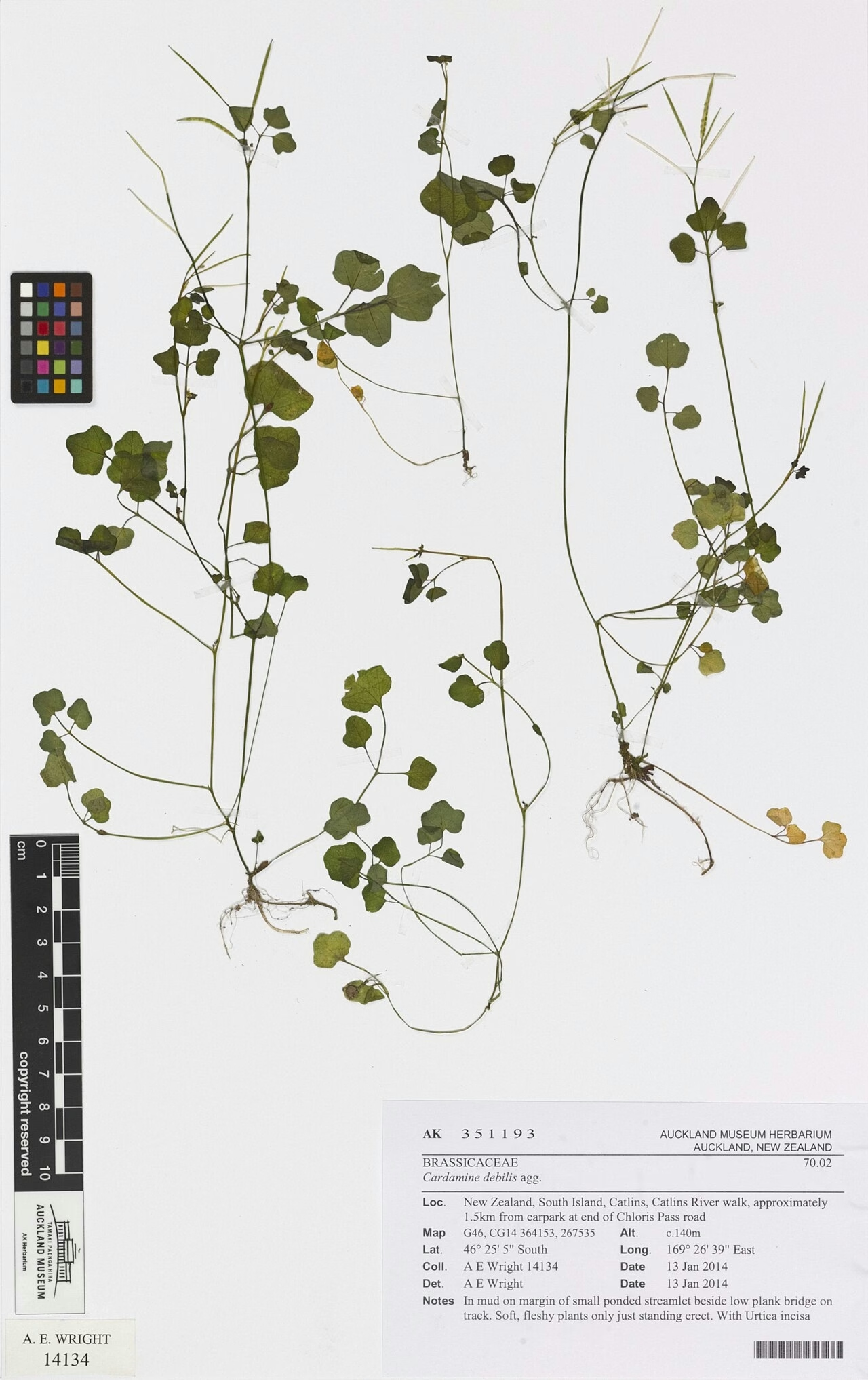
Plants form a single basal rosette or have short lateral branches. Divided leaves reach 130 mm long and have a rounded terminal leaflet, usually with one or two shallow lobes. Conspicuous hydathodes occur on leaflet margins.
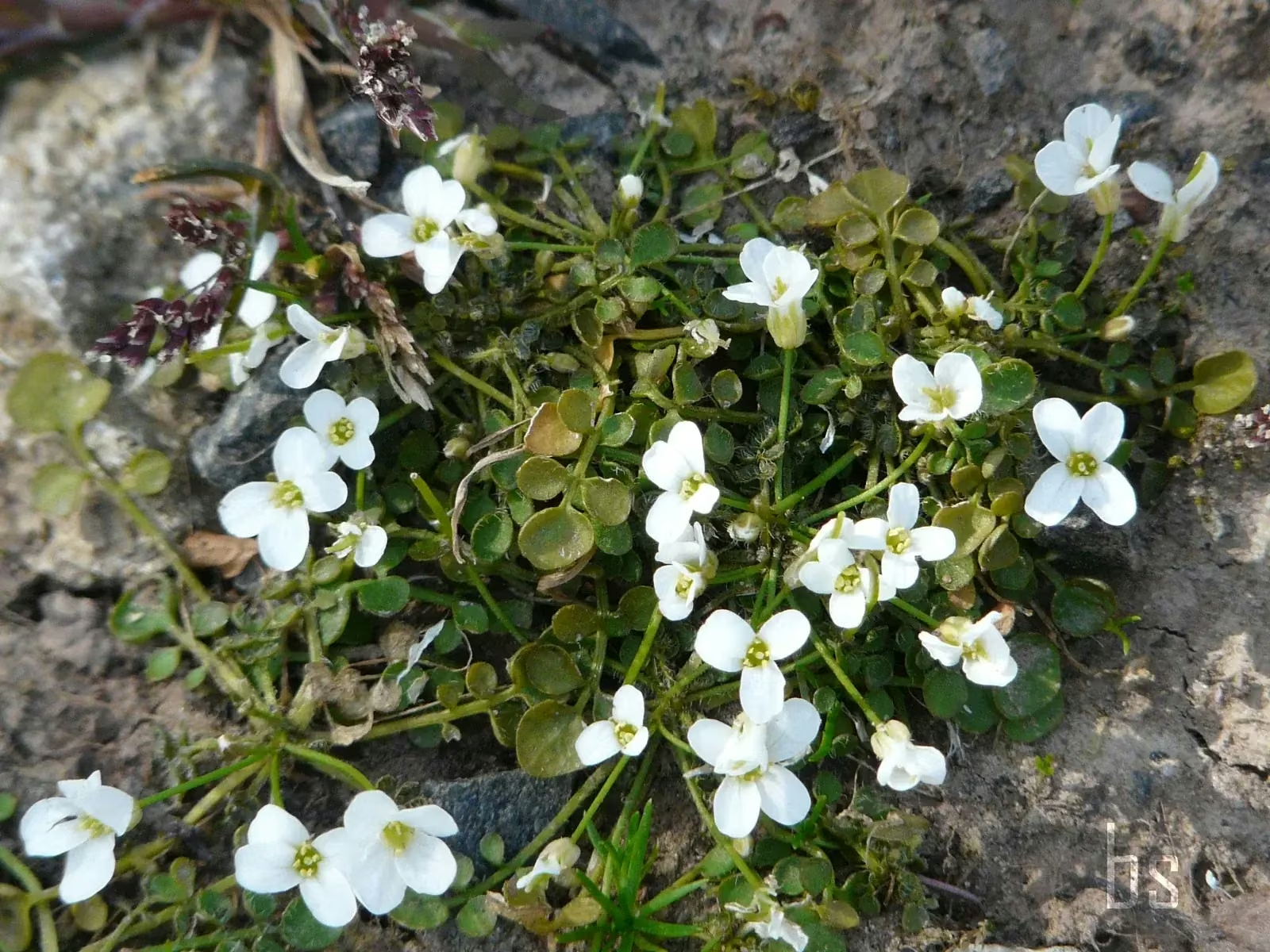
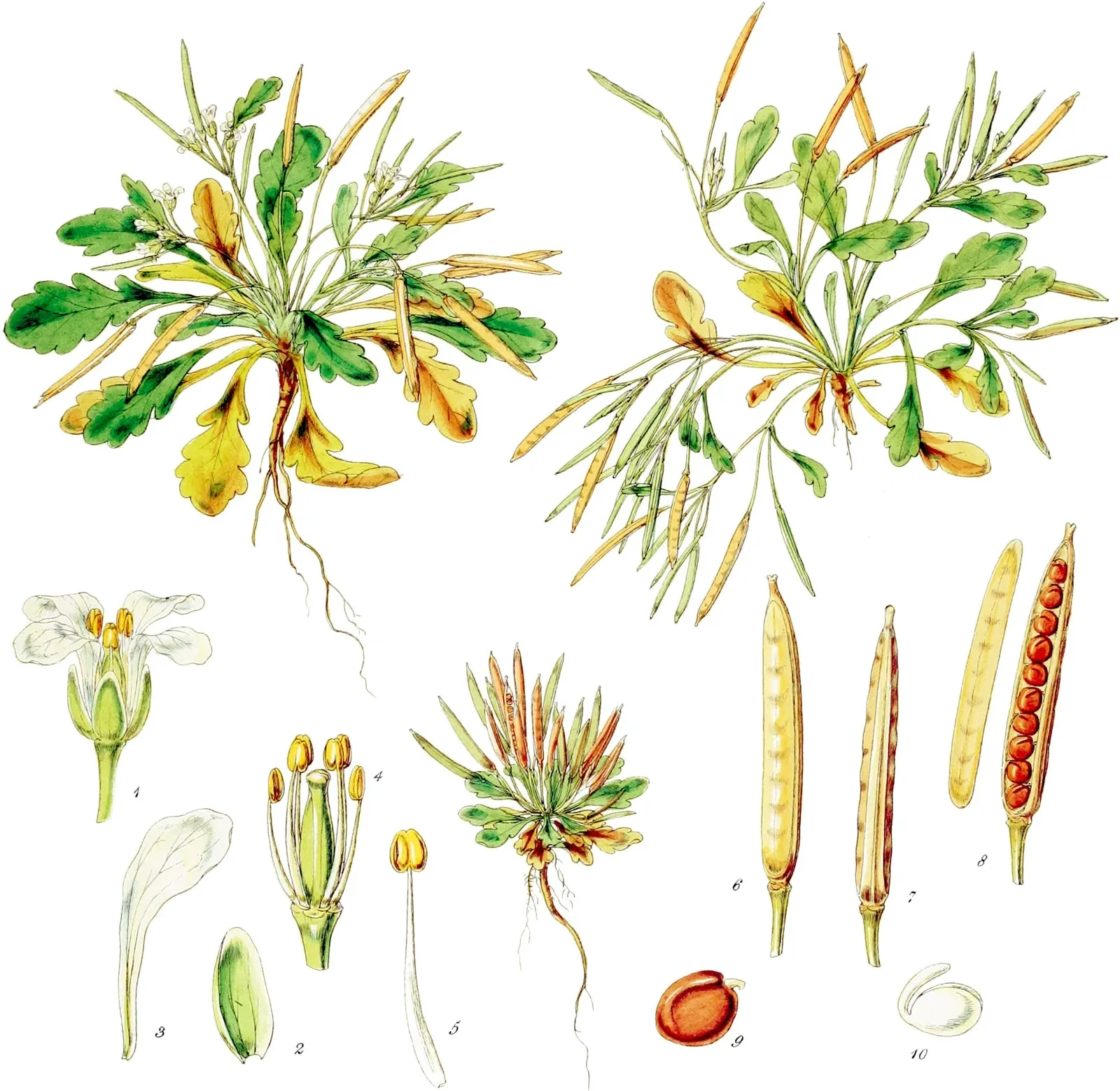
White petals are 4.5-6 mm long, though some flowers lack petals. Slender, hairless pods are 21-35 mm long; their seeds are green to light brown-green and lack wings.
Quick facts
| Scientific Name | Cardamine chlorina |
|---|---|
| Family | Brassicaceae |
| Leaf length | Up to 130 mm |
| Flowering | September to March |
| Fruiting | November to March |
| National status | Not Threatened (2023) |
| Height | Upright flowering stalks up to 25 cm long |
| Water Needs | Naturally associated with moist to wet ground; garden irrigation has not been quantified |
| Light | Wild records span tussockland, scrub and forest; a cultivation rating is not given |
| Spread | One basal rosette or short lateral branches; clump width is not quantified |
| Frost Tolerance | Minimum tolerated temperature is not documented |
| Salt Tolerance | Salt tolerance is not documented |
| Growth Rate | Annual extension is not quantified in the cited accounts |
| Lifespan | Perennial herb |
Natural range
Flora of New Zealand records this cress across parts of the North and South Islands and on Stewart Island. Its known range encompasses very different local climates; the Flora profile does not establish temperature limits for cultivation.
| City | Climate Suitability |
|---|---|
| Auckland | Not assessed |
| Wellington | Not assessed |
| Christchurch | Not assessed |
Habitat and distribution
Records span Auckland, the Volcanic Plateau, Taranaki, Gisborne and the southern North Island, as well as western Nelson, Westland, Marlborough and Stewart Island.
Plants grow on moist or wet ground in swamps, seepages, flushes and damp track depressions, beside streams and rivers, and in sinkholes, tussockland, scrub and forest.
Natural growing conditions
Wet or moist ground is a recurring feature of the recorded sites, which include seepages and stream banks as well as riverbeds and cliffs. These field observations do not establish a tested potting mix or watering schedule.
Planting considerations
The Flora profile describes a range of wet habitats but does not give a planting protocol for Cardamine chlorina. Its occurrence beside rivers and in swamps is useful context, but is not evidence of a tested garden method.
Ecology
This cress occupies damp places in a variety of vegetation, from tussockland and scrub to forest. Its flowering stems can reach 250 mm and carry branching racemes, each typically bearing 10-13 flowers.
Observing the plant
For identification, examine the divided rosette leaves, their conspicuous marginal hydathodes and, when available, the hairless narrow seed pods. Flora of New Zealand notes that the seeds are usually green, the feature behind the species name.
Landscape considerations
Natural settings include wet depressions along tracks, swampy ground and stream terraces. The Flora profile does not describe landscape performance, so the plant’s recorded presence in those settings should not be read as a garden suitability trial.
Flowering and fruiting
Flora of New Zealand records flowers from September to March and fruit from November to March. White petals are normally present, but flowers without petals also occur; mature pod valves remain green when they open.
Growth form
This perennial herb has a basal rosette, sometimes with short lateral branches, rather than a woody framework. Its flowering stems are upright and hairless; the Flora description does not give species-specific pruning advice.
How to Grow Cress (Cardamine chlorina)
Recognising mature seed
The species name refers to the usually green seeds of Cardamine chlorina. They may also be light brown-green and are about 1.2-1.8 mm long, with no wing. Green colour therefore should not automatically be interpreted as evidence that every seed is immature. Flora of New Zealand describes these seed features but does not supply a germination treatment or sowing timetable.
Moisture in the natural habitat
Records repeatedly associate this cress with moist or wet ground: swamps, seepages, flushes, damp track depressions, stream banks, river terraces and sinkholes. It occurs among tussocks, scrub and forest as well as on riverbeds and cliffs. This breadth of vegetation settings is documented, while a particular garden watering interval or shade-house percentage is not.
The perennial rosette
Plants form a single basal rosette or develop short lateral branches. Their divided leaves can reach 13 cm long, usually with two to four pairs of lateral leaflets and a larger rounded terminal leaflet. Conspicuous hydathodes occur along the leaflet margins. These are part of the normal leaf structure and are useful when identifying material before it flowers.
Observing the flowering cycle
Flowers are recorded from September to March, with fruit from November to March. Upright, hairless flowering stalks can reach 25 cm and branch into racemes carrying about ten to thirteen flowers. Mature pod valves remain green as they open. Together, the green seeds, pod behaviour and divided rosette leaves provide stronger evidence of identity than the presence of a small white cress flower alone.
Plant health
The Flora profile does not list species-specific pests, diseases or treatments for this cress. Hairless fruit pods and conspicuous hydathodes on the leaves are described as normal identification features rather than symptoms of damage.
Naming and classification
Peter Heenan formally described Cardamine chlorina in 2017. The epithet chlorina means green and refers to the seeds. The type specimen was collected on a wet stream bank in the Tararua Range in 1976.
Look closely at the leaves
The terminal leaflet is rounded to kidney-shaped or rounded-rhomboid, with an often conspicuous hydathode at its blunt tip. Lateral leaflets are usually present in two to four pairs and can have slightly uneven bases.
Other New Zealand mustards
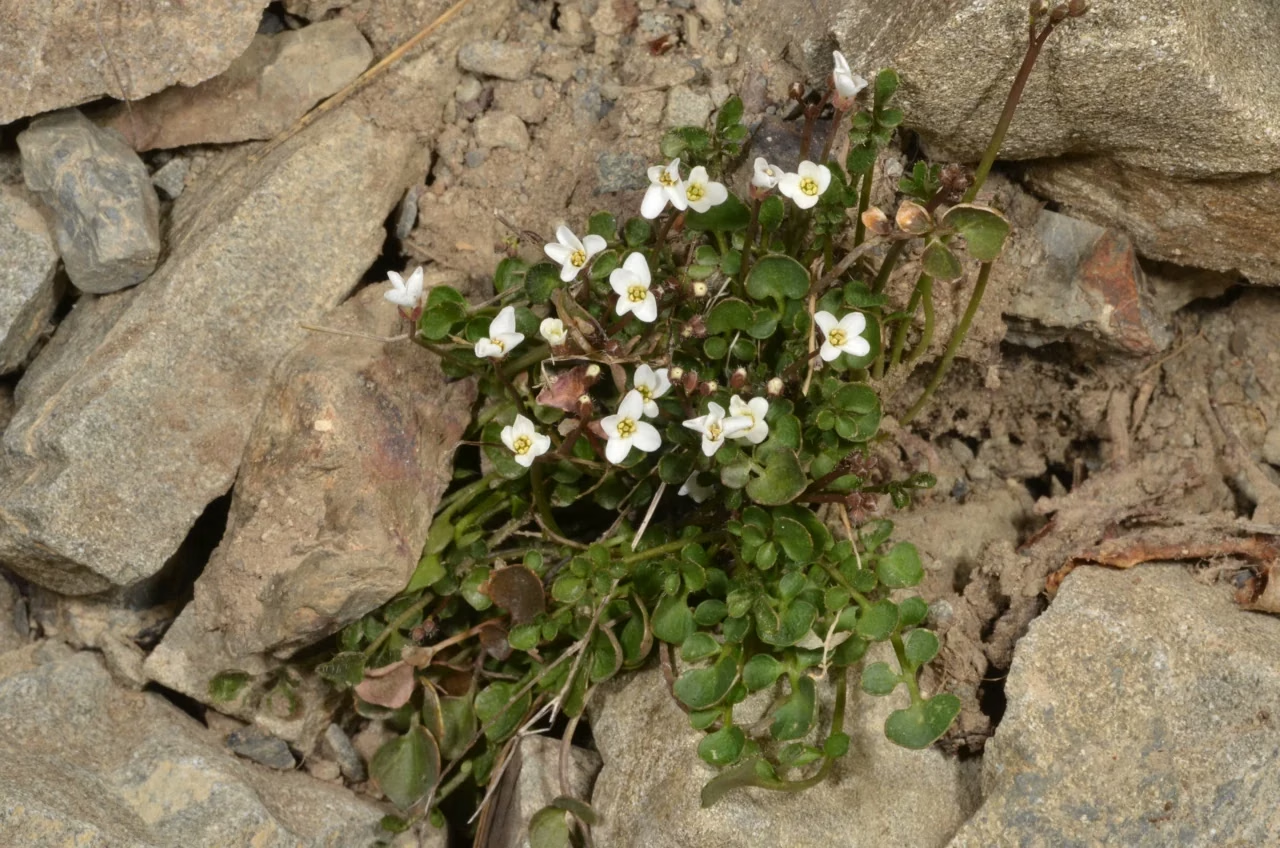
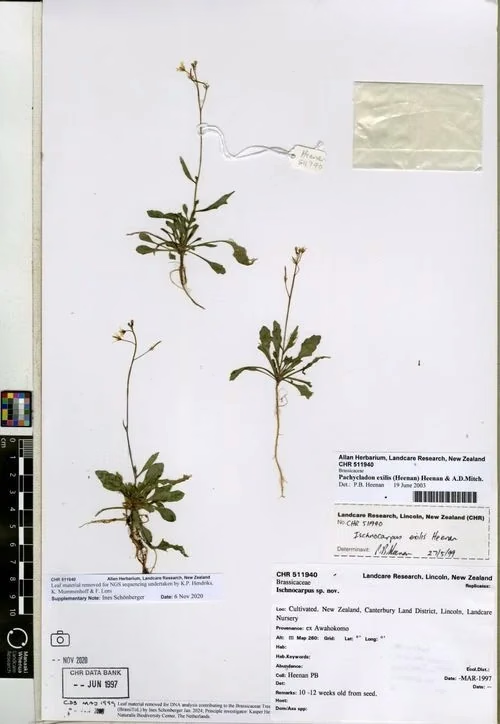
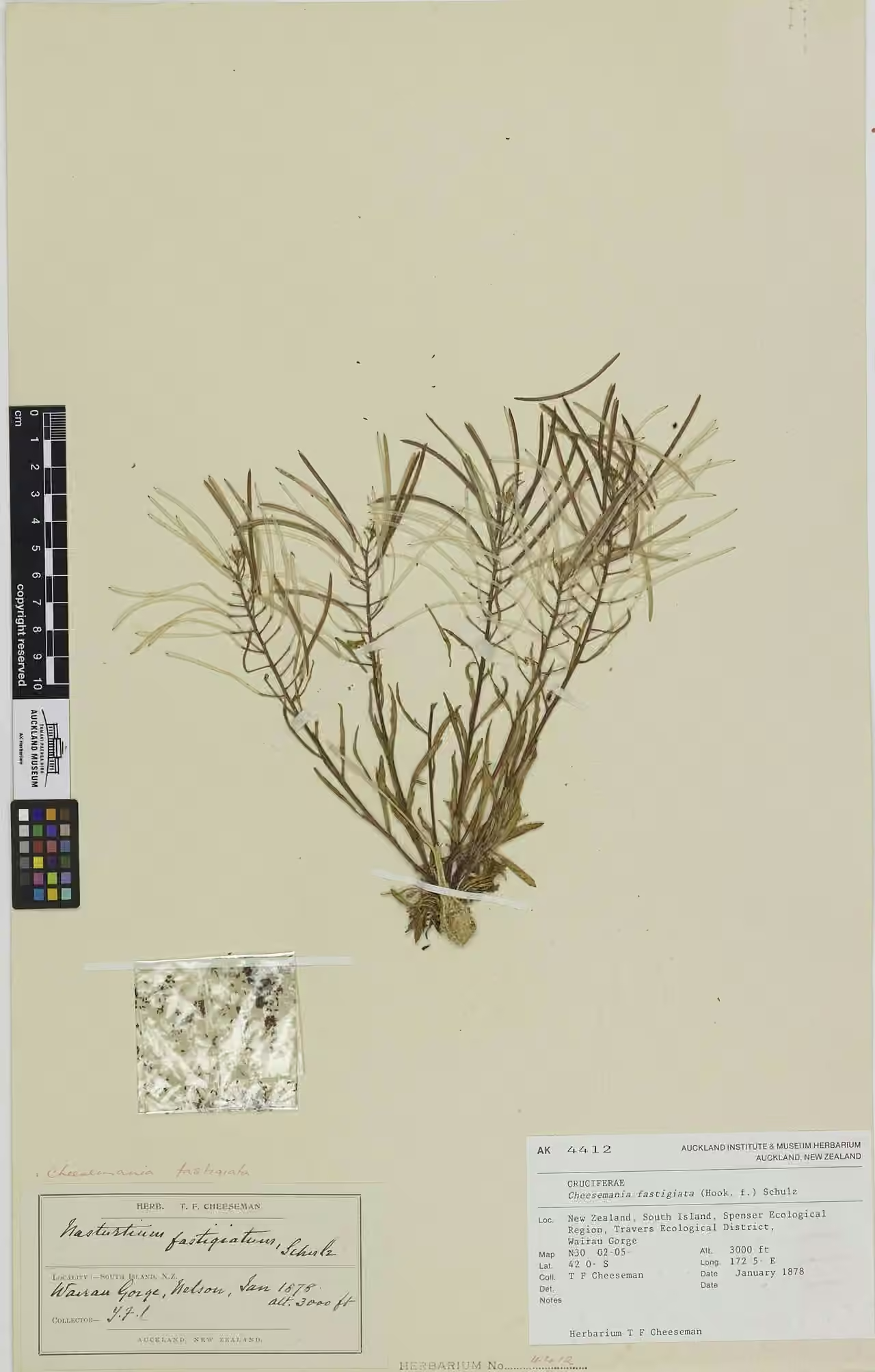
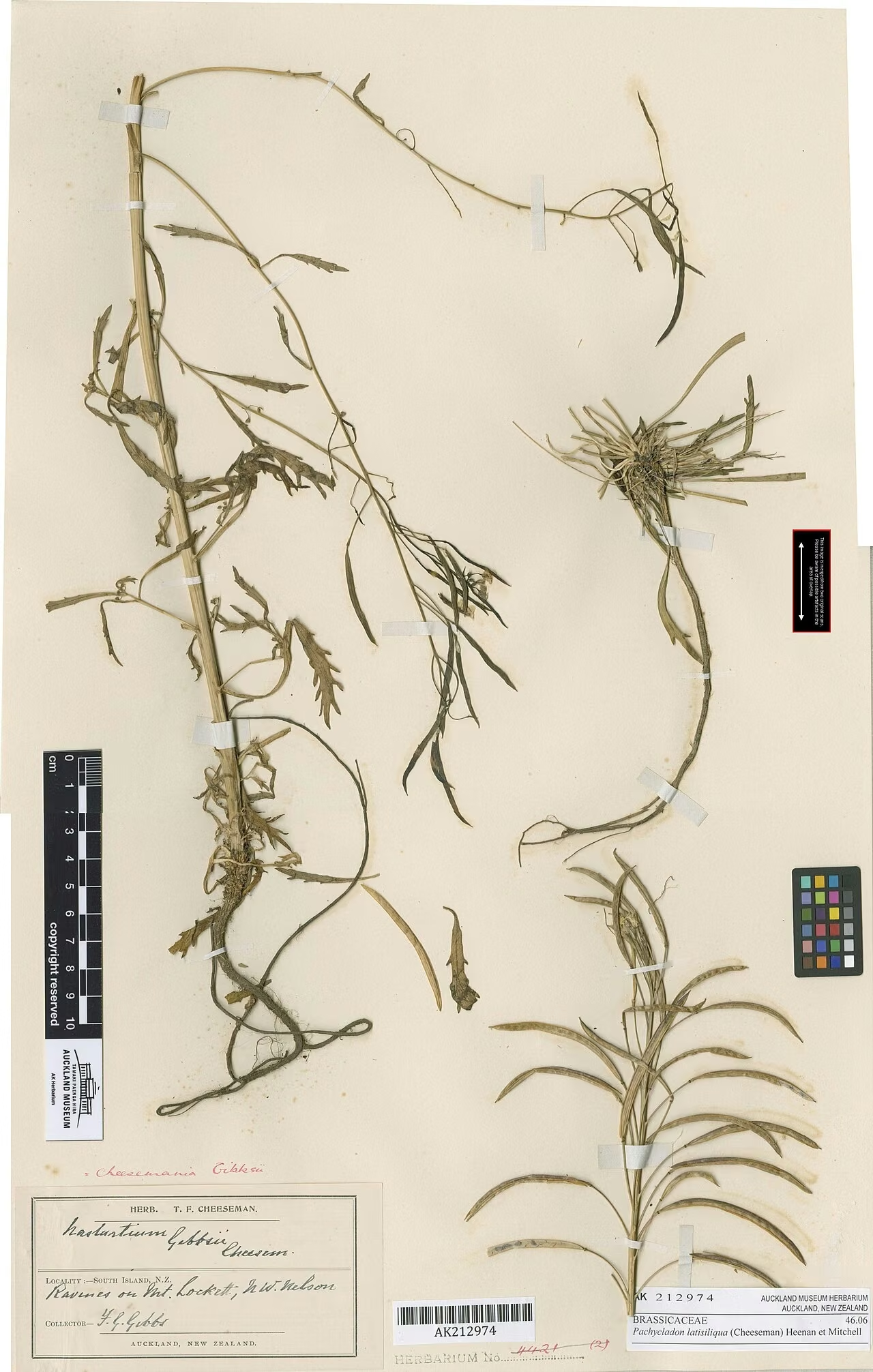
Explore other New Zealand plants in the mustard family, including Cardamine and alpine Pachycladon species.

Conservation
Cardamine chlorina is endemic to New Zealand. It is classified as Not Threatened in the 2023 national assessment. Its known locations include swamps and stream margins, making the condition of those wet habitats relevant to its continued presence.
Frequently asked questions
Why is it called chlorina?
The name refers to its usually green seeds. The seeds can also be light brown-green, and the mature pod valves remain green when they split open.
Where does it grow?
It is recorded on wet ground including swamps, seepages, stream banks and damp track depressions, across parts of both main islands and Stewart Island.
Must the seeds turn brown before they are mature?
No. Cardamine chlorina has usually green or light brown-green seeds, and the pod valves can remain green when they open.
Sources
Botanical description, distribution, habitat, flowering and fruiting: Flora of New Zealand: Cardamine chlorina. Conservation assessment: Conservation status of vascular plants in Aotearoa New Zealand, 2023.
Last updated: